Polypropylene Film Capacitors are increasingly popular in electronic applications. Their unique properties provide significant advantages over other capacitor types. These capacitors are known for their high insulation resistance and excellent frequency response. This makes them reliable in various circuits.
One notable benefit of Polypropylene Film Capacitors is their temperature stability. They perform consistently across a wide temperature range. This reliability can be crucial in demanding environments, where failure is not an option. Additionally, they exhibit low dielectric losses, enhancing energy efficiency in electronic devices.
However, it is essential to consider that Polypropylene Film Capacitors might not suit all applications. Their size and cost could limit their use in compact or budget-sensitive projects. Users must evaluate their specific needs and balance performance with practical constraints. Understanding these factors can help make informed decisions in capacitor selection.
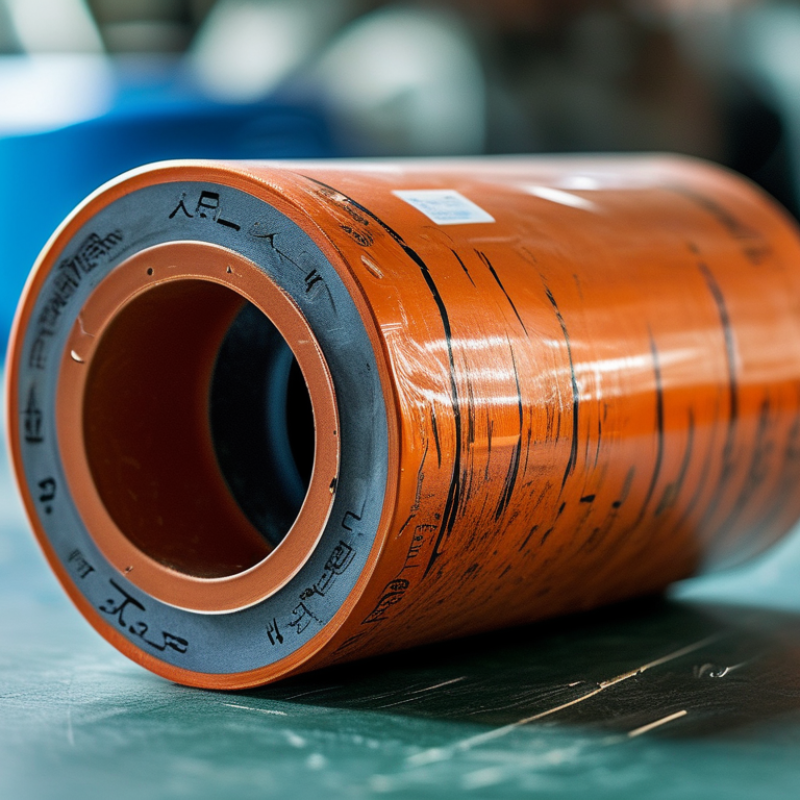
Overview of Polypropylene Film Capacitors
Polypropylene film capacitors are widely recognized for their exceptional performance in various applications. They are constructed using a thin film of polypropylene, which allows for low signal loss and high energy efficiency. This makes them ideal for high-frequency circuits and audio applications. Their robust nature contributes to their longevity, ensuring that they can withstand harsh operating conditions without degrading.
In addition to their durability, polypropylene film capacitors exhibit high insulation resistance. This property reduces the risk of leakage currents, enhancing the reliability of electronic devices. Many engineers value these capacitors for their stability across a wide temperature range. However, it’s important to note that while they perform well under standard conditions, extreme temperatures can affect their performance. Users should always review specifications carefully.
Moreover, polypropylene film capacitors are less susceptible to environmental factors like humidity compared to other types. This resilience adds to their appeal in outdoor applications or humid environments. Yet, not every application will benefit equally from their use. Some designs may call for capacitors with different characteristics. Understanding the specific needs of your project remains crucial for optimal performance.
Key Advantages of Using Polypropylene Film Capacitors
Polypropylene film capacitors are widely recognized for their excellent performance in a variety of applications. One of their key advantages is their high capacitance stability over time. This stability is essential for circuits that rely on precise voltage regulation. The dielectric properties of polypropylene contribute to low losses, ensuring efficient energy transmission.
Another significant benefit is their resistance to moisture and chemical degradation. This makes them suitable for harsh environments where other capacitors might fail. They maintain reliable performance even under extreme conditions. Users often appreciate that these capacitors can withstand high temperatures without compromising their integrity.
When considering options, it's crucial to assess the operational environment. Take note of voltage ratings and temperature ranges. Always ensure that the chosen capacitor aligns with the specific requirements of your project. Regularly revisiting your selections can prevent performance issues later on. Proper application and installation also play vital roles in achieving the desired outcomes.
Applications and Uses in Various Industries
Polypropylene film capacitors are a crucial component in many industries due to their versatility and reliability. They are widely used in electronics, automotive, and renewable energy sectors. In electrical circuits, these capacitors provide excellent stability and low self-inductance. Their ability to handle high voltages makes them ideal for power supply systems.
In the automotive industry, polypropylene film capacitors contribute to improved performance in electric vehicles. They ensure efficient energy storage and help regulate voltages. In renewable energy applications, like solar inverters, these capacitors improve energy management and conversion efficiency. Their resistance to temperature changes makes them suitable for demanding environments, enhancing system durability.
While these capacitors offer numerous benefits, they can sometimes be over-engineered for simpler applications. This may lead to increased costs without significant advantages. It is essential to evaluate the needs of each specific application carefully. Choosing the right capacitor requires a balance between performance and cost-effectiveness. This evaluation fosters a more thoughtful approach to designing circuits and systems.
Comparison with Other Types of Capacitors
Polypropylene film capacitors are renowned for their reliability and longevity. When compared to other types like electrolytic and ceramic capacitors, they stand out due to their stability over a wide temperature range. Unlike electrolytic capacitors, which tend to degrade over time, polypropylene capacitors maintain their performance for years. This makes them ideal for high-frequency and high-voltage applications.
One drawback of polypropylene film capacitors is their larger size. While they offer superior performance, their bulkiness can be a concern in compact circuits. This is often a trade-off designers need to consider. In contrast, ceramic capacitors are smaller and suited for space-limited applications, but they may suffer from voltage derating.
Attention to detail is crucial when choosing capacitors. Consider factors like capacitance, voltage rating, and temperature stability. Film capacitors excel in precision applications, but one must ensure they fit within the design constraints. It’s essential to evaluate the needs of your project thoroughly.
Environmental Impact and Sustainability of Polypropylene Film Capacitors
Polypropylene film capacitors are gaining attention for their environmental advantages. These components are made from polymer films, which are fully recyclable. This means that at the end of their life, they can be processed without releasing harmful chemicals into the environment. According to a report from the International Electrotechnical Commission, polypropylene capacitors have a lower carbon footprint compared to other capacitor types, making them ideal for eco-conscious applications.
However, the manufacturing process still warrants scrutiny. Production can result in energy-intensive processes. Additionally, the disposal of non-recyclable components can be problematic. Industry data suggests that about 30% of electronic waste comes from capacitors and related components. Therefore, while polypropylene capacitors are better than many alternatives, there is still room for improving sustainability in their lifecycle.
It's important to consider the broader implications of using these capacitors. They perform well in terms of insulation and energy efficiency, supporting greener technologies. However, thorough assessments are needed to ensure that advancements in production techniques do not compromise their environmental benefits. The journey towards sustainable electronic components is ongoing and requires collaboration across the industry.
FAQS
: They are made from a thin film of polypropylene. This material allows for low signal loss and high energy efficiency.
Their reliability and durability make them suitable for high-frequency circuits and audio applications.
They perform well over a wide temperature range but can be affected by extreme temperatures.
They are less susceptible to humidity and can work well in outdoor or humid applications.
Yes, they can be over-engineered for simpler applications, potentially increasing costs without benefits.
Polypropylene capacitors are more stable and maintain performance over time, unlike electrolytic ones that degrade.
Their larger size can be a concern in compact circuits, posing design challenges.
Evaluating capacitance, voltage rating, and temperature stability is essential for optimal performance.
Yes, they improve performance in electric vehicles and help with efficient energy storage and voltage regulation.
It’s crucial to ensure the chosen capacitor meets the specific needs and constraints of the project.
Conclusion
Polypropylene Film Capacitors are widely recognized for their versatile applications and superior performance in various industries. These capacitors offer key advantages, including high insulation resistance, low self-dissipation, and excellent thermal stability, making them ideal for high-frequency and high-voltage applications. Their robust nature allows for effective energy storage and filtering, contributing to improved circuit performance.
In comparison with other types of capacitors, Polypropylene Film Capacitors generally exhibit longer lifespans and better reliability, which enhances their appeal to engineers and manufacturers. Furthermore, they are considered environmentally friendly due to their low environmental impact and the potential for recycling. With rising demand in sectors such as renewable energy, automotive, and consumer electronics, the significance of Polypropylene Film Capacitors continues to grow, highlighting their crucial role in modern technology.

 Dynalink Electronic