In the ever-evolving field of electrical engineering, choosing the right power capacitor can significantly impact device performance. Industry expert Dr. Emily Carter emphasizes, “Selecting the correct power capacitor is crucial for efficiency and stability in applications.” Her insight reflects the importance of making informed choices.
Power capacitors play a vital role in smoothing out voltage fluctuations. They enhance the power factor, thereby improving energy efficiency. However, the selection process is often complex. Factors such as voltage rating, capacitance value, and temperature tolerance must be carefully considered. It’s easy to overlook these details, leading to potential inefficiencies.
Many buyers often rush through the decision-making process. They might underestimate the long-term consequences of their choices. A well-informed purchase ensures reliability and longevity. It ultimately affects the overall performance of electrical systems. Hence, a thorough understanding of power capacitors is not merely beneficial; it is essential.
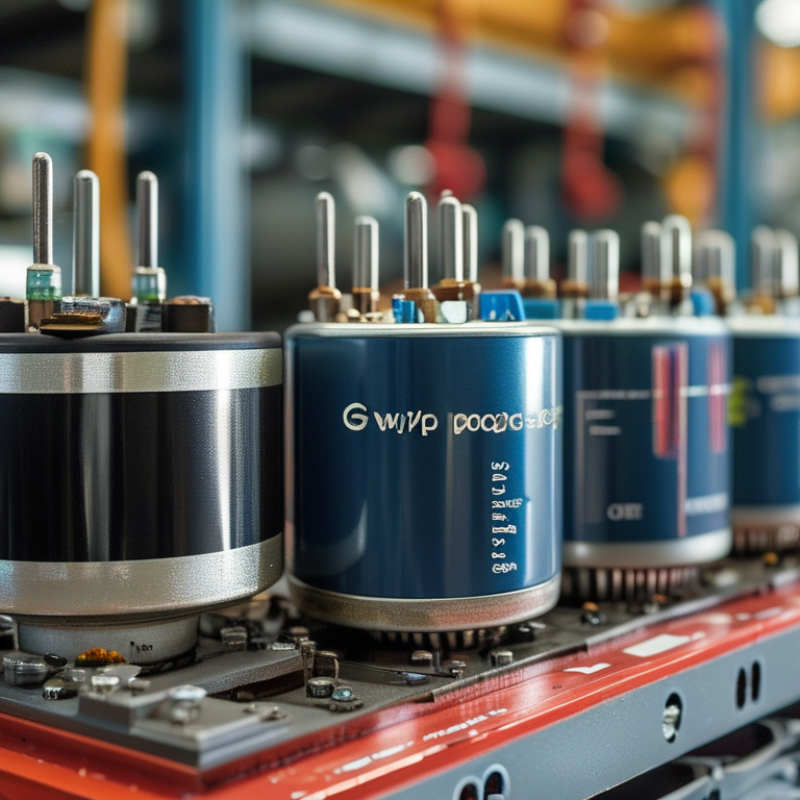
Power capacitors play a crucial role in various applications, providing essential energy storage and stabilization. There are different types of power capacitors available. These include ceramic, electrolytic, and film capacitors. Each type has specific characteristics that influence their effectiveness in particular setups. For example, ceramic capacitors are often used in high-frequency applications due to their low equivalent series resistance (ESR). On the other hand, electrolytic capacitors are ideal for energy storage, particularly in power supply circuits.
The applications of power capacitors are vast and diverse. In industrial settings, they are used for power factor correction and voltage regulation. This helps to minimize energy waste. In renewable energy systems, such as wind and solar power, capacitors stabilize energy flow. However, users must be cautious about the operating conditions. Overvoltage can lead to capacitor failure, resulting in costly downtime. Understanding these nuances is vital for anyone involved in sourcing power capacitors.
Selecting the right capacitor requires careful consideration of specifications and performance criteria. Not every capacitor fits every application. Some users might overlook the need for temperature stability or load characteristics. This can lead to inefficiency or equipment failure. It’s essential to analyze the specific needs of your project to make an informed decision. Knowledge and experience in this area are invaluable.
When sourcing power capacitors, understanding their specifications is vital. Voltage ratings must align with your application needs. According to a report by the International Electrotechnical Commission, 70% of capacitor failures result from mismatched voltage ratings. This statistic highlights the importance of careful selection.
Material type is another critical factor. Capacitors can be ceramic, electrolytic, or film-based. Each type offers unique benefits and drawbacks. For example, ceramic capacitors are excellent for high-frequency applications. However, they might struggle with high capacitance needs. This complexity necessitates a thorough analysis of the project requirements.
Consider the temperature tolerance as well. The electronics industry often overlooks this aspect. Temperatures outside specified limits can lead to unreliable performance. A study by the IEEE found that operating at extreme temperatures can reduce lifespan by up to 50%. Before deciding, assess all these factors for a reliable choice.
When evaluating the quality and reliability of power capacitors, several key factors must be considered. Industry reports indicate that the failure rate of capacitors can reach as high as 10% in certain applications. This statistic underscores the need for in-depth analysis during sourcing. A power capacitor’s lifespan often directly ties to its operating conditions, such as voltage and temperature. Proper thermal management can extend life by 30% or more.
Standards like IEC 60384 have become benchmarks for quality. Regulators emphasize performance consistency and longevity. Particular emphasis is placed on ripple current ratings and equivalent series resistance (ESR). These parameters greatly influence both performance and durability. Data shows that capacitors rated for higher ripple currents often exhibit better reliability in demanding environments. Additionally, manufacturers that comply with ISO 9001 typically demonstrate improved quality control processes.
Choosing the right supplier is crucial. Not all manufacturers adhere to the same quality standards. It's vital to assess their production processes and material sourcing practices. Reports indicate that a significant percentage of capacitor failures stem from subpar materials. Engaging with suppliers that prioritize quality assurance can mitigate these risks. Finally, end-users must remain vigilant. Regular testing and verification can help identify potential failures before they impact operations.
When sourcing power capacitors globally, finding reliable suppliers is crucial. Look for manufacturers with proven experience and a solid reputation. Local distributors can also provide valuable insights into market trends and quality standards. Connecting with engineers or industry experts can enhance your selection process. They can recommend suppliers that align with your specific needs.
Tips: Verify the credentials of suppliers. Ask for certifications and production standards. Consider shipping times and costs when making decisions.
Be cautious of suppliers who promise unrealistic prices. Sometimes, lower costs come with compromised quality. Look for product specifications and customer reviews to gauge reliability. Request samples before making bulk purchases to ensure they meet your requirements.
Stay informed about industry regulations and standards, as these can vary by region. Understanding local compliance can help you avoid potential pitfalls. Engaging with trade shows or industry conferences can also benefit your sourcing journey. Networking with professionals can provide new leads and insights.
When buying power capacitors, balancing cost and performance is crucial. Many buyers often lean toward cheaper options, thinking they’re saving money. However, low-cost capacitors can lead to poor performance and increased failure rates. In these cases, what seems like a bargain can become an expensive headache.
Understanding specific needs is vital. Consider voltage ratings and capacitance values before making a decision. Capacitors come in various types, like aluminum and ceramic. Each type has unique characteristics and benefits. Selecting the wrong type can disrupt your entire circuit.
**Tips:** Research specifications thoroughly. Read reviews from trusted sources. Always compare multiple suppliers. Look for warranties or guarantees; they reflect a manufacturer’s confidence in their product.
Make informed choices that prioritize performance without ignoring budget constraints. Test samples before large orders if possible. Learning from others’ experiences can help avoid common pitfalls. Remember, the cheapest option isn't always the best choice for your project.
: The main types include ceramic, electrolytic, and film capacitors, each with specific characteristics.
Voltage ratings must match application needs. Mismatched ratings cause most capacitor failures, leading to issues.
Temperature tolerance and load characteristics are vital. Overlooking these can lead to inefficiency or equipment failure.
They stabilize energy flow in systems like wind and solar power, ensuring reliability and performance.
Verify suppliers' credentials and production standards. Ensure they align with market trends and your requirements.
Yes, extreme temperatures can reduce lifespan by up to 50%. Consider this when making selections.
Request samples before bulk buying to ensure performance meets your needs.
Ignoring the need for temperature stability often leads to unreliable performance over time.
Experts can provide recommendations on reliable suppliers and help navigate the selection process.
Not necessarily. Low prices may compromise quality. Always review specifications and customer feedback.
In the "Best Power Capacitor Buying Guide for Global Sourcing," the article explores various aspects surrounding the selection of power capacitors. It begins by defining the different types of power capacitors and their applications in various industries. Key factors to consider when sourcing these components include their electrical specifications, durability, and compatibility with existing systems.
The guide emphasizes the importance of evaluating the quality and reliability of power capacitors to ensure optimal performance in applications. Readers are directed to global suppliers where high-quality power capacitors can be found, along with insights into balancing cost and performance to make informed purchasing decisions. Ultimately, this comprehensive guide serves as a valuable resource for anyone looking to source power capacitors effectively in the global market.

Dynalink Electronic