Choosing the right Fluid Connector is a sourcing decision with consequences far beyond purchase price. A connector may look identical on a product page, yet differ in pressure rating, seal material, thread accuracy, and traceability. One small mismatch can cause leakage beside a hot pump, delayed production, or expensive field replacement.
MarketsandMarkets’ recent fluid connectors research identifies industrial automation, energy equipment, and mobile hydraulics as important growth areas. Grand View Research also highlights demand for reliable fluid-handling components across manufacturing and transportation. These reports suggest a clear sourcing lesson: buyers must evaluate application conditions, not only catalog specifications. Confirm working pressure, temperature range, media compatibility, vibration exposure, connection standard, and certification records. Then examine supplier capacity, inspection methods, packaging, and after-sales support.
As Parker Hannifin engineer John G. Frazier reportedly noted, “The fitting is only as reliable as the system around it.” That principle deserves careful attention. A premium Fluid Connector cannot compensate for contaminated oil, incorrect torque, or poor installation training. Not every supplier publishes enough evidence. That is a weakness in many sourcing projects.
A dependable shortlist should include test reports, material certificates, dimensional drawings, batch identification, and sample validation. Ask for proof. Compare real operating conditions with laboratory claims. Review delivery history, not promises alone. Regional availability also matters when one replacement connector must cross an ocean.
The right choice is rarely the cheapest fitting. It is the connector that remains safe, compatible, traceable, and available throughout the equipment’s working life.
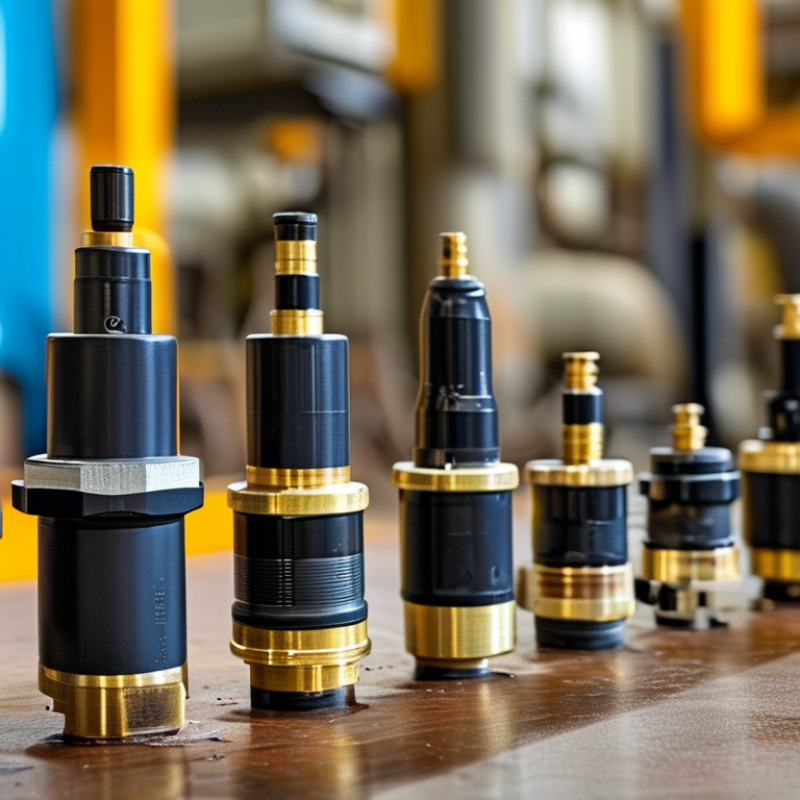
Before choosing a fluid connector for global sourcing, define the system’s operating requirements precisely. Identify the fluid, concentration, viscosity, pressure range, temperature range, and expected flow rate. Include pressure spikes, vacuum conditions, and continuous or intermittent duty cycles. Normal readings are not enough. A connector rated for average pressure may fail during startup.
Material compatibility deserves careful attention. Check the tube, body, seal, and coating against the actual fluid, not a similar substitute. Chemical exposure, moisture, salt air, vibration, and repeated cleaning can change performance over time. Specify the connection size, thread form, sealing method, allowable leakage, and installation space. A small mismatch can create a costly field problem.
Use measured data whenever possible. Record pressure at the connector, temperature near the seal, and movement caused by vibration or thermal expansion. In practical evaluations, technicians often find that routing stress damages connectors faster than pressure does. That detail is easy to overlook. A spreadsheet may also miss short pressure pulses. Testing should reflect real operating cycles, including shutdowns and maintenance connections. Define inspection intervals, replacement parts, traceability records, and required certifications before contacting suppliers. I have seen projects delay sourcing because these details were treated as paperwork rather than performance requirements. This is not perfect planning, but it exposes weak assumptions early.
| Operating Requirement | Key Data to Define | Typical Engineering Range or Example | Why It Matters for Connector Selection | Priority |
|---|---|---|---|---|
| Fluid Type | Identify the conveyed medium and its chemical composition. | Water, compressed air, hydraulic oil, fuel, refrigerant, steam, or dilute chemical solution. | The fluid determines suitable wetted materials, seal compounds, internal coatings, and cleaning requirements. | Critical |
| Maximum Working Pressure | Specify normal, maximum continuous, and temporary surge pressure. | Operating pressure: 10 bar; maximum surge: 16 bar. Use the connector rating at the actual operating temperature. | The connector, tubing, seals, and locking mechanism must withstand the highest credible pressure without leakage or separation. | Critical |
| Operating Temperature | Define minimum, normal, maximum, and transient temperature. | Continuous range: −20 °C to 80 °C; short-term exposure: up to 100 °C. | Temperature changes can reduce pressure ratings, harden or soften seals, and alter the chemical resistance of polymer components. | Critical |
| Flow Rate | Record minimum, normal, and maximum flow rate. | 0.5–25 L/min for a liquid circuit, or 100–800 L/min for compressed air depending on pressure and port size. | Flow rate affects connector bore size, pressure drop, velocity, noise, heat generation, and system efficiency. | High |
| Viscosity | State dynamic or kinematic viscosity at operating temperature. | Hydraulic fluid: approximately 15–40 cSt at operating temperature; high-viscosity fluids may require a larger flow path. | Viscosity influences pressure loss, filling time, pump load, and the risk of incomplete flow through a small connector passage. | High |
| Connection Size | Define tube outside diameter, hose inside diameter, nominal pipe size, or port thread size. | Tube outside diameter: 8 mm; hose inside diameter: 12 mm; threaded port: G 1/4 or 1/4 NPT where applicable. | Correct sizing prevents leaks, excessive restriction, assembly damage, and incompatibility between the connector and the system hardware. | Critical |
| Connection Interface | Specify the required end-form and mating geometry. | Push-to-connect tube end, hose barb, compression fitting, flare connection, face seal, or threaded port. | Interfaces are not automatically interchangeable; thread form, sealing method, tube tolerance, and mating dimensions must match. | Critical |
| Material Compatibility | Check all wetted materials against the fluid and temperature. | Metal body with polymer seal; verify resistance to oils, fuels, solvents, water-glycol mixtures, or cleaning agents. | Incompatible materials may swell, crack, corrode, become brittle, contaminate the fluid, or cause premature leakage. | Critical |
| Seal Requirements | Define seal material, leakage limit, and replacement expectations. | Low-leakage dynamic seal for repeated connection; static seal for permanent installation; defined leak-rate test required. | Seal selection controls compatibility, service life, temperature capability, and performance during vibration or thermal cycling. | Critical |
| Connection Frequency | Estimate the number of connection and disconnection cycles. | Permanent installation: fewer than 10 cycles; maintenance connection: 100–1,000 cycles over the service life. | Frequent cycling requires durable latching parts, wear-resistant seals, clear status indication, and consistent reconnection performance. | High |
| Pressure During Disconnection | State whether the line is pressurized when the connector is disconnected. | Zero-pressure disconnection, residual pressure below 1 bar, or hot-disconnect operation requiring valve protection. | Valved connectors may be required to limit fluid loss, air ingress, contamination, and operator exposure during servicing. | High |
| Cleanliness Level | Define allowable particles, residue, outgassing, and cleaning method. | General industrial cleanliness, low-particle hydraulic service, or controlled clean assembly with capped components. | Particles and residues can damage valves, clog orifices, contaminate sensitive fluids, and reduce the reliability of precision equipment. | High |
| Mechanical Loads | Assess vibration, shock, bending, pull force, torsion, and hose movement. | Continuous equipment vibration with occasional impact; connector mounted near a moving actuator or flexible hose. | Mechanical loading can loosen threads, damage seals, fatigue the body, or cause side-load leakage at the tube or hose interface. | High |
| Installation Space | Define envelope dimensions, access direction, and required bend radius. | Compact panel installation with limited tool clearance and a 90-degree orientation requirement. | Available space affects connector body shape, orientation, actuation method, service access, and hose routing. | Medium |
| Environmental Exposure | List humidity, salt spray, dust, UV exposure, chemicals, and outdoor conditions. | Indoor industrial environment or outdoor enclosure exposed to moisture, dust, and temperature cycling. | Environmental conditions determine corrosion protection, enclosure design, polymer selection, and the need for protective caps. | High |
| Safety and Compliance | Identify applicable pressure, electrical, food-contact, hygienic, or hazardous-area requirements. | Pressure equipment documentation, potable-water suitability, food-contact requirements, or electrical bonding needs. | Required compliance evidence can affect materials, design features, testing, traceability, documentation, and global market acceptance. | Critical |
| Testing and Validation | Define pressure, leak, burst, cycle, temperature, and material verification tests. | Leak test at maximum working pressure, pressure cycling, thermal cycling, and connection-cycle testing. | A clear validation plan confirms that the selected connector performs reliably under the complete operating envelope. | High |
| Global Sourcing Data | Standardize dimensional drawings, tolerances, materials, test reports, packaging, and change-control requirements. | Controlled drawing revision, material declaration, batch traceability, inspection plan, and export packaging specification. | Consistent technical data reduces substitution risk and helps compare qualified suppliers without relying on brand-specific references. | High |
: Confirm the required international or regional standards first. Compare thread form, sealing method, pressure rating, and test conditions. Catalog photos are not enough.
No. Matching dimensions may still hide different threads, seals, tolerances, or pressure limits. Direct comparison remains necessary.
Check fluid type, viscosity, temperature, pressure pulses, vibration, and hose movement. Heated oil may damage a seal designed for water. Small details matter.
A small sealing error can waste significant compressed-air capacity. It may also increase operating costs and create safety concerns. Leaks are rarely harmless.
Request material certificates, dimensional inspection records, batch traceability, and pressure-test results. Ask for samples from normal production. Specially selected samples can mislead.
Review calibration systems, change-control procedures, and failure records. Certification supports confidence, but it does not prove stable production. I would not stop there.
Use leak, burst, pressure-cycle, temperature, and fluid-compatibility tests. Conditions should reflect actual service, including vibration and pressure changes. Short leak checks are insufficient.
Link each result to a drawing revision and sample code. Keep test data, material records, assembly instructions, photographs, and corrective actions together. Make reproduction possible.
Record gauge accuracy, test medium, temperature, pressure, cycle count, and failure location. Inspect seals and connector surfaces before and after testing. Fixtures can hide installation errors.
A cheaper connector may fail through swollen seals, mismatched threads, or repeated replacements. Delivery delays across borders can increase the real cost. Price comparisons deserve reconsideration.
Choosing the right Fluid Connector begins with a clear understanding of the fluid system’s operating requirements, including pressure, temperature, flow rate, media characteristics, vibration, and installation environment. These factors help determine the most suitable connector type, material, sealing method, and performance rating. Comparing options carefully can prevent leakage, corrosion, premature wear, and unnecessary maintenance. It is also essential to review relevant international standards, dimensional compatibility, certification needs, and the supplier’s quality-control capabilities before making a decision.
A successful selection should consider total cost rather than purchase price alone. Transportation, duties, installation, replacement frequency, inventory needs, and long-term availability can significantly affect the overall value. Buyers should also assess production capacity, delivery reliability, technical support, and documentation practices. Before final approval, the selected connector should be validated through pressure, temperature, leak, durability, and compatibility testing under realistic conditions. Complete records of specifications, inspection results, and supplier approvals will support consistent sourcing and reliable performance over the product’s service life.

 Dynalink Electronic