A Rechargeable Power Station stores electricity in a battery and supplies it through outlets or USB ports. It can keep a phone, laptop, modem, or small light running when a wall socket is unavailable. Picture a power outage at dusk: a charged unit can light a room and help maintain communication. It is useful, but it is not magic.
The need for backup power is measurable. The U.S. Energy Information Administration reported that electricity customers averaged 5.6 hours of interruptions in 2022, including major events; without major events, the average was 2.3 hours. These figures describe U.S. customers, not every household worldwide, but they show why portable backup can matter. A rechargeable station can also support camping, road trips, outdoor work, and other places without convenient grid access.
Choosing one takes more than checking its battery capacity. Watt-hours estimate how long stored energy may last, while rated output determines which devices it can run. A compact model may charge phones several times yet struggle with a kettle or heater. That distinction is easy to miss. Charging options, such as wall power, a vehicle outlet, or compatible solar panels, also affect how practical the station will be. This guide explains common uses, realistic limits, and the specifications worth comparing before you buy.
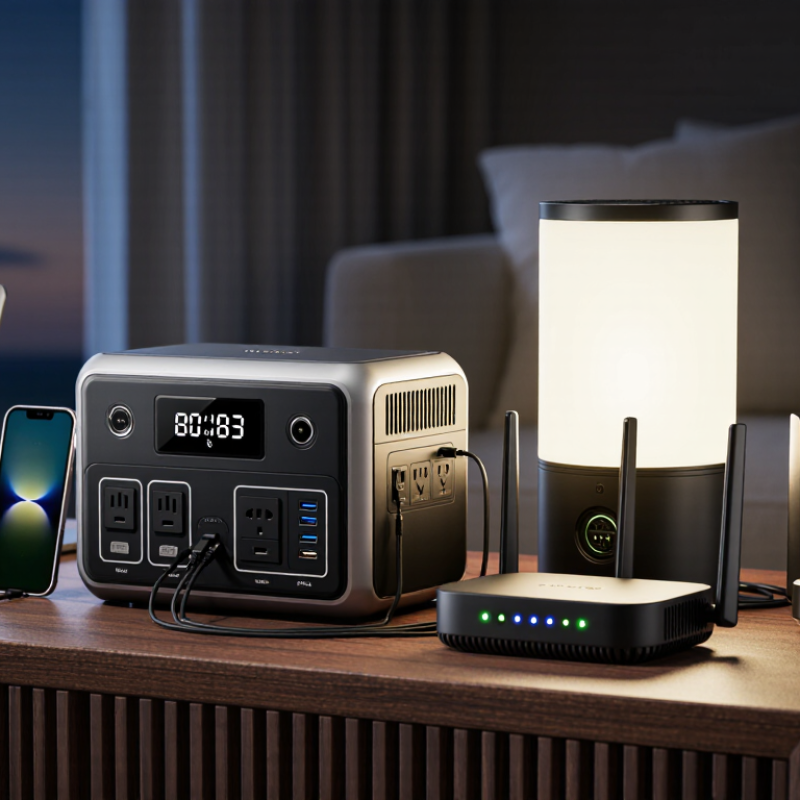
A rechargeable power station can run everyday electronics when wall outlets are out of reach. Common choices include phones, tablets, laptops, Wi-Fi routers, LED lamps, cameras, and small fans. A campsite might need only a phone and a warm pool of lamp light; a home outage may call for a router and several lights. Small refrigerators can also work, but their compressors cycle on and off, so runtime estimates can disappoint.
Energy demand matters more than the number of devices. ENERGY STAR reports that certified LED bulbs use at least 75% less energy than traditional incandescent bulbs. That lower draw can leave more stored energy for other essentials. For a rough estimate, multiply each device’s rated watts by its hours of use, then compare the total with the station’s usable watt-hours. Check both continuous and surge output, especially for appliances with motors. Real-world results vary.
Tips: Read the device label before plugging it in. Add up simultaneous loads, and leave a buffer for conversion losses. A laptop may sip power during light work, then draw more under heavy use. Don’t assume the printed capacity is fully available at the outlets.
Examples below use a 500 Wh power station with approximately 425 Wh of usable AC energy after conversion losses. Actual results vary by device, settings, battery condition, and power-station efficiency.
| Device | Typical Power Use | Estimated Use from 500 Wh | Helpful Notes |
|---|---|---|---|
| LED lamp | 5–10 W | About 42–85 hours | Runtime depends on brightness and whether the lamp connects through AC or USB. |
| Wi-Fi router | 8–15 W | About 28–53 hours | Useful for keeping a home network running during a short outage. |
| Smartphone charging | 5–20 W while charging | Typically around 20–30 full charges | Varies with phone battery size, charging losses, and use while charging. |
| Laptop | 45–65 W | About 6.5–9 hours | High-performance tasks and screen brightness can increase power use. |
| Portable fan | 20–40 W | About 10–21 hours | Lower fan speeds generally provide longer operation. |
| CPAP machine | 30–60 W | About 7–14 hours | Heated humidifiers and heated tubing can significantly increase consumption. |
| LED television | 60–100 W | About 4–7 hours | Screen size, brightness, and connected devices affect the actual draw. |
| Mini refrigerator | About 30–60 W average | About 7–14 hours | Compressors cycle on and off, so room temperature, contents, and door openings affect runtime. |
| Electric blanket | 50–150 W | About 3–8 hours | Use the blanket’s actual setting and power rating for a closer estimate. |
| Microwave oven | About 800–1,200 W input | About 20–32 minutes of cumulative operation | Check the station’s continuous and surge output ratings before connecting it. |
| Coffee maker | About 600–1,200 W while brewing | About 20–42 minutes of cumulative operation | Brewing is intermittent; the appliance’s heating element can require substantial output. |
It stores electricity for times when a wall outlet is unavailable. At home, it can power a phone, router, or LED lamp during a short outage.
Possibly, but check the refrigerator’s starting and running power against the station’s limits. It is not a whole-home generator. I might still overestimate how long it will last.
Runtime depends on battery capacity and each device’s power use. Several connected devices can drain the battery faster than expected. Check the figures first.
Only if the device’s power draw is within the station’s rated output. Kettles and heaters may exceed that limit. Not always.
It can recharge phones and cameras or run a small light beside a picnic table. Keep it dry, and leave some battery in reserve.
It can top up devices on the move. Secure the unit and follow its instructions for use and charging.
Check its capacity and output, charge it, and test your setup before an outage. That step is easy to skip. It matters.
A closed refrigerator keeps food cold for about four hours; a full freezer can stay cold for about 48 hours. A power station may extend those times, but results vary. Keep refrigerator doors shut.
A Rechargeable Power Station is a portable battery-powered source of electricity for devices such as phones, laptops, lights, small fans, and other compatible electronics. At home, it can keep essential devices running during a power outage; outdoors, it can provide convenient power for camping or day trips; and while traveling, it can help charge devices when a wall outlet is unavailable. Its usefulness depends on battery capacity: a larger capacity can run more devices or power them for longer, while a smaller unit is better suited to brief, low-power needs.
Before choosing or using one, consider the power requirements of your devices and the station’s output limits. Follow the manufacturer’s instructions, use compatible charging equipment, and keep the unit in a dry, well-ventilated place. A power station is not an unlimited energy source, so plan how to conserve its charge and recharge it when possible. It may not support high-power appliances or every household need, so check its specifications before relying on it for backup power.

 Dynalink Electronic