Choosing the right filter capacitor is crucial for optimal circuit performance. These components help to smooth out voltage fluctuations in power supplies and can significantly affect the stability of electronic devices. However, selecting an appropriate filter capacitor requires careful consideration of several factors.
First, consider the capacitor's voltage rating. An inadequate rating can lead to failure and damage. Next, think about the capacitance value needed for your application. Too high or too low capacitance may not filter effectively. It is also essential to evaluate the capacitor’s equivalent series resistance (ESR) and thermal stability. Components with poor ESR can lead to inefficiencies and overheating, negatively impacting the circuit's reliability.
Even experienced engineers can make mistakes in this process. Testing different types and values can be daunting. A capacitor that seems ideal may still require revision after testing. Reflection on initial choices helps in refining future selections. Understanding the nuances of filter capacitors leads to better design outcomes, ensuring devices operate smoothly and efficiently.
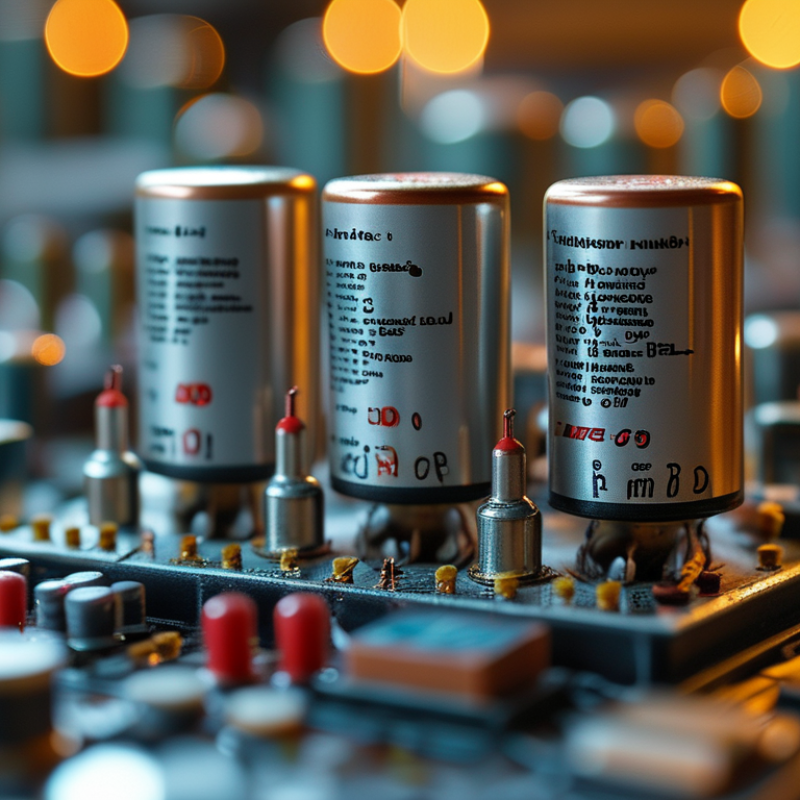
Filter capacitors play a crucial role in electronic circuits. They help to smooth out the voltage and reduce noise. By filtering out high-frequency signals, they ensure that only the desired signals pass through. This is essential for the performance and stability of many devices.
Choosing the right capacitor can be challenging. You need to consider various factors such as capacitance value, voltage rating, and equivalent series resistance (ESR). A capacitor with too high an ESR can lead to overheating. Also, the wrong capacitance could lead to inadequate filtering. These details are vital for optimal circuit function.
It's important to test and analyze your circuits after installation. Sometimes, a selected capacitor may not perform as intended. This can lead to unexpected results. Continuous learning and experimenting are necessary. Strive to understand how different capacitors respond in various situations. Understanding these aspects can greatly improve your circuit designs.
| Type of Capacitor | Capacitance (μF) | Voltage Rating (V) | ESR (Ω) | Temperature Range (°C) |
|---|---|---|---|---|
| Electrolytic | 100 | 50 | 0.1 | -40 to 85 |
| Ceramic | 10 | 25 | 0.5 | -55 to 125 |
| Film | 47 | 300 | 0.2 | -40 to 85 |
| Tantalum | 22 | 25 | 0.7 | -55 to 125 |
| Mica | 1 | 50 | 0.02 | -200 to 150 |
: Filter capacitors smooth voltage and reduce noise. They filter out high-frequency signals, allowing desired signals to pass.
Consider capacitance value, voltage rating, and equivalent series resistance. Each factor affects performance and stability.
A high ESR can cause overheating. This can lead to circuit failure or diminished performance.
It determines the charge the capacitor can store. Too low can result in poor filtering, while too high may delay response times.
Ensure the capacitor can handle the maximum voltage in your circuit. Exceeding this can cause failure and damage.
Capacitors have varying ratings based on temperature. Ignoring this can lead to unexpected circuit behavior.
Avoid selecting a capacitor with a low voltage rating or not considering tolerance. These can lead to inefficiency and failure.
Test and analyze your circuits. Sometimes, capacitors may not perform as expected, leading to potential issues.
Data sheets provide specific characteristics and limitations. Understanding these can help in selecting the right capacitor.
Filter capacitors play a crucial role in electronic circuits by stabilizing voltage and reducing noise, which enhances the overall performance of devices. When selecting the right filter capacitor, it’s essential to consider parameters such as capacitance value, voltage rating, and temperature characteristics. Different types of filter capacitors, including ceramic, tantalum, and electrolytic, serve specific applications, and understanding their unique properties is key to making an informed choice.
Additionally, common mistakes such as underestimating voltage requirements or neglecting to account for ripple current can lead to component failure. Therefore, evaluating the quality and reliability of filter capacitors is vital, which involves scrutinizing manufacturer specifications and testing ratings. By following these essential tips, you can ensure that you select the most appropriate filter capacitor for your electronic projects, enhancing both functionality and longevity.

 Dynalink Electronic