What Are the 2026 Best Battery Terminal Lugs?

Time:2026-10-09 Author:Ethan
0%

What Are the 2026 Best Battery Terminal Lugs? The answer depends on more than metal type or advertised current. A reliable lug must fit the battery post, cable size, crimp profile, and working environment. It should also resist heat, vibration, moisture, and repeated servicing. A bright copper surface alone proves very little.

Battery researcher Jeff Dahn has often emphasized, “A battery is a system, not a single material.” That idea applies directly to Battery Terminal Lugs. The lug, cable, fastener, and battery post work together. A poorly compressed lug can create resistance at the joint. That resistance becomes heat. In a crowded engine bay, a few loose millimeters can become a serious weakness. Field technicians often discover this after a cold start fails, not during installation.

This guide compares the 2026 leading Battery Terminal Lugs through practical criteria. We examine conductivity, plating quality, crimp reliability, corrosion protection, installation access, and long-term mechanical strength. Some premium lugs perform well in laboratory tests but feel awkward in real service. Others offer strong clamping force but lack clear sizing marks. That matters.

The “best” choice may still be imperfect. Cable routing, tool quality, and maintenance habits can change the result. We will identify those trade-offs clearly, rather than treating one design as universally superior. The goal is simple: a secure connection, stable current flow, and fewer hidden failures.
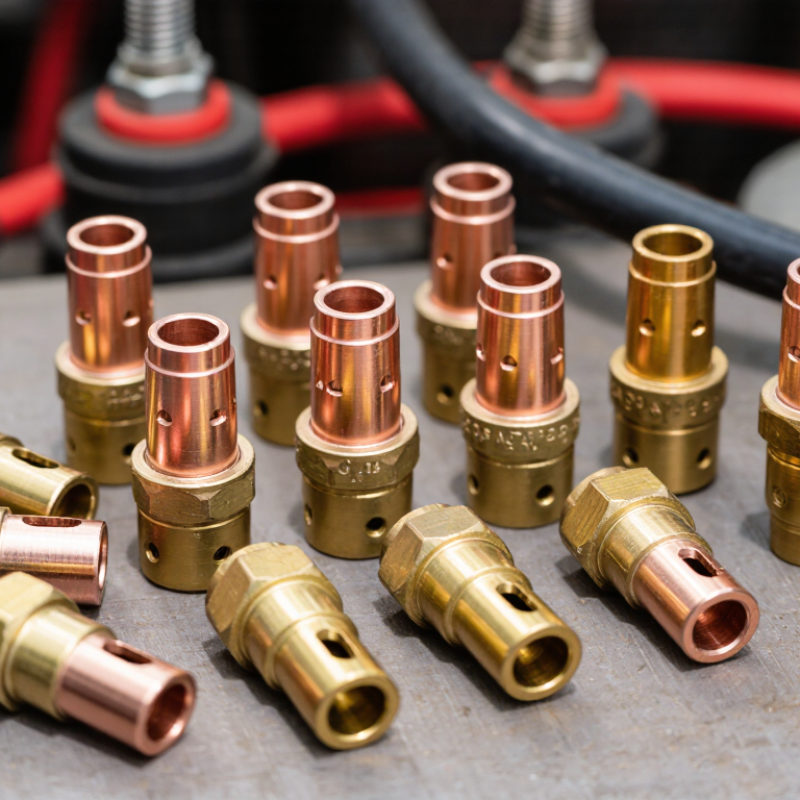
What Are the 2026 Best Battery Terminal Lugs?

What Battery Terminal Lugs Are and Why They Matter in 2026

What Are the 2026 Best Battery Terminal Lugs?

Battery terminal lugs connect cables to battery posts, busbars, inverters, and charging equipment. They carry current through a small metal interface. That interface must remain tight, clean, and mechanically stable.

The need is expanding. The IEA’s Global EV Outlook 2025 reports more than 17 million electric cars sold worldwide in 2024. IRENA’s Renewable Capacity Statistics 2025 records about 585 gigawatts of renewable capacity added that year. More batteries and storage systems mean more high-current connections. Small faults can create heat, voltage loss, or unexpected shutdowns.

Copper lugs usually offer strong conductivity and practical durability. Tinned surfaces can resist moisture and oxidation, especially in engine bays or outdoor cabinets. The right lug still depends on cable size, stud diameter, current, temperature, and crimp method. Check these details carefully. Guessing is expensive.

For 2026 installations, look for lugs tested against relevant requirements, such as UL 486A-486B or applicable IEC standards. A correct crimp should hold firmly without cutting cable strands. I have seen installations fail because the hole fit was right, but the barrel was wrong. That mistake is easy to miss. Inspection matters: check for loose strands, uneven compression, discoloration, and movement after tightening. No single lug is best everywhere. Sealed environments, vibration, and service access can change the choice.

How Battery Terminal Lug Materials Affect Performance and Durability

The best battery terminal lugs in 2026 will not share one universal material. Material choice controls conductivity, heat behavior, corrosion resistance, and service life. Pure copper carries current efficiently and remains easy to crimp. However, it can tarnish quickly in humid engine bays. Tinned copper adds a protective coating, making it a strong choice for marine, outdoor, and high-moisture applications. Brass offers useful mechanical strength, but its electrical performance is usually lower than copper.

Aluminum lugs reduce weight and cost, yet they need careful installation. Their oxide layer can increase resistance at the connection. Mixing aluminum with copper may also encourage galvanic corrosion when moisture enters. Plated steel resists deformation, but its conductivity is comparatively poor. I have seen tight-looking connections heat under load because the material was chosen for strength alone. That assumption is too simple.

Tips: Match the lug material with the cable and environment. Use the correct crimping tool, not ordinary pliers. Keep contact surfaces clean and dry. A thin, compatible corrosion inhibitor can help, but excessive compound may weaken the connection. Check the joint after its first heavy-use cycle. I still occasionally find that a perfect crimp performs poorly because the cable was undersized. Recheck the full connection, not just the terminal.

What Are the 2026 Best Battery Terminal Lugs?

How Battery Terminal Lug Materials Affect Performance and Durability

Electrical conductivity is shown as a percentage of the International Annealed Copper Standard (IACS), where annealed copper is approximately 100% IACS. Higher conductivity generally means lower resistance and reduced voltage loss at the same current. Tin-plated copper retains the conductivity of its copper base while providing a more corrosion-resistant contact surface, making it a strong choice for demanding battery environments.

Values are typical room-temperature reference values and can vary with alloy composition, temper, temperature, surface condition, and manufacturing quality.

Which Terminal Lug Designs Suit Different Battery Applications

What Are the 2026 Best Battery Terminal Lugs?

The best terminal lug depends on the battery layout, current demand, and working environment. Top-post lugs suit common automotive batteries because they install quickly and accept standard cable positions. Side-post designs work better where bonnet clearance is limited. Always check the battery’s terminal pattern before ordering.

For marine batteries and outdoor equipment, tinned copper lugs resist moisture better than untreated copper. Heat-shrink insulation adds another barrier around the crimped joint. It must seal tightly. In solar storage systems, heavy-duty stud lugs provide stable connections for thick cables and frequent maintenance. Choose a lug with a suitable hole diameter, barrel size, and continuous-current rating.

Industrial battery banks may need compression lugs, dual-entry designs, or flexible connectors. These options help manage several cables without forcing sharp bends. A proper hydraulic crimp is usually more reliable than a loose mechanical connection. Follow the cable manufacturer’s stripping length and torque guidance. Too much force can damage the terminal. Too little can create heat.

Small details matter. A shiny lug is not automatically a good lug. Material thickness, plating quality, and crimp compatibility deserve closer inspection. I have seen oversized lugs installed on undersized cables; the connection looked strong but performed poorly. Recheck the joint after vibration or temperature cycling. Battery applications vary, and one convenient design rarely fits every installation.

How to Compare Size, Compatibility, Safety, and Electrical Performance

What Are the 2026 Best Battery Terminal Lugs?

Choosing the best battery terminal lugs starts with accurate size matching. Check the battery stud diameter, cable gauge, and lug opening together. A loose opening can create heat and unstable contact. A tight opening may damage the stud during installation. Measure the cable before ordering. Do not rely only on appearance.

Compatibility also depends on material and connection design. Copper lugs usually provide strong conductivity and easy crimping. Tinned surfaces can resist corrosion in damp engine compartments. Select a lug rated for the cable type and expected current. Read the technical datasheet carefully. Some lugs suit flexible cable, while others fit rigid conductors. They are not always interchangeable.

Safety and electrical performance need practical testing. Use the correct crimping die for the lug size. An uneven crimp can hide internal movement. Add suitable insulation or heat-shrink protection near exposed metal. Tighten the terminal to the specified torque, not guesswork. Measure voltage drop under load after installation. A warm connection deserves immediate inspection. I once overlooked a slightly flattened cable strand, and the connection later showed higher resistance. Small details matter. Check again after vibration, temperature changes, and several operating cycles. A reliable lug should remain secure, cool, and electrically stable under the system’s real working conditions.

What Are the 2026 Best Battery Terminal Lugs? — How to Compare Size, Compatibility, Safety, and Electrical Performance
Battery Terminal Lug Type Typical Cable Size Common Stud or Bolt-Hole Sizes Material and Surface Finish Compatibility Safety Considerations Electrical Performance Best-Suited Applications Main Limitations
Tinned Copper Compression Lug 8 AWG to 4/0 AWG; larger sizes are available Usually 1/4 in, 5/16 in, or 3/8 in; metric equivalents may also be available High-conductivity copper with a tin coating for improved corrosion resistance Works with copper battery cables and most lead-acid, AGM, and gel battery systems when the hole size matches the terminal stud Requires the correct compression die and a fully inserted cable. The connection should be insulated or covered to prevent accidental short circuits Very low resistance when correctly crimped; excellent current-carrying capability and vibration resistance Starting systems, high-current battery banks, inverters, winches, and marine installations Requires proper crimping equipment; an incorrect die or incomplete crimp can create a high-resistance connection
Bare Copper Compression Lug 8 AWG to 4/0 AWG; larger sizes are available Commonly 1/4 in, 5/16 in, or 3/8 in Uncoated electrical copper Suitable for dry, protected engine bays and indoor battery systems using copper cable Needs protection from moisture, road salt, battery acid vapors, and dissimilar-metal contact. Exposed copper can oxidize over time Excellent conductivity when clean and tightly compressed; performance can decline if oxidation develops at the interface Protected automotive compartments, stationary battery enclosures, and cost-sensitive installations Less resistant to corrosion than tinned copper; generally not the first choice for exposed or marine environments
Copper Solder-and-Crimp Lug Typically 8 AWG to 2/0 AWG Often 1/4 in, 5/16 in, or 3/8 in Usually bare or tin-plated copper Compatible with copper cable when the lug barrel and terminal hole are correctly matched Heat can damage cable insulation, seals, or nearby battery components. Solder should not replace the required mechanical crimp in a vibration-prone installation Can provide good electrical contact, but long-term reliability depends primarily on the mechanical crimp and strain relief Light-duty repairs, controlled workshop assemblies, and applications where manufacturer instructions specifically permit soldering More installation-sensitive than a properly crimped compression lug; solder wicking can make the cable rigid and vulnerable to flex fatigue
Aluminum Cable Lug Commonly 6 AWG to 4/0 AWG; size range varies by construction Often 1/4 in, 5/16 in, or 3/8 in Aluminum body, sometimes tin-plated or treated for improved contact stability For aluminum battery cables or weight-sensitive systems; must be selected for the specific conductor material and cable class Requires attention to oxidation, torque, and galvanic compatibility. Use joint compound only when specified by the lug or cable manufacturer Good performance when correctly prepared and torqued; aluminum has higher resistivity than copper, so equivalent current capacity may require a larger conductor Weight-sensitive battery storage, large stationary systems, and installations designed around aluminum conductors Not a universal substitute for copper lugs; poor preparation or incorrect torque can increase contact resistance
Copper-to-Aluminum Bi-Metal Lug Commonly 2 AWG to 4/0 AWG; larger sizes are available Usually 5/16 in or 3/8 in, depending on the terminal design Copper contact palm joined to an aluminum conductor barrel Designed to connect aluminum cable to copper battery posts, busbars, or terminals while reducing direct dissimilar-metal contact Must be installed in the correct orientation and tightened to the specified torque. Inspect for oxidation, looseness, and heat discoloration during maintenance Provides a stable transition between aluminum cable and copper equipment when properly installed Large battery banks, renewable-energy storage, industrial power systems, and mixed-metal installations More expensive and application-specific; the conductor range and joining method must match the exact cable construction
Split-Bolt or Mechanical Clamp Lug Typically 6 AWG to 4/0 AWG, depending on clamp capacity May use a threaded clamp, set screw, or integrated stud rather than a crimp hole Copper, tinned copper, aluminum, or plated alloy depending on the design Useful where a removable connection is required, provided the clamp accepts the cable size and conductor type Requires correct torque and protection against accidental contact. Periodic inspection is important in high-vibration environments Good when properly torqued, but generally more sensitive to loosening and contamination than a correctly compressed lug Serviceable battery banks, temporary assemblies, test systems, and retrofit work Usually less compact and less vibration-resistant than a permanent compression connection
Ring Terminal with Insulated Barrel Typically 22 AWG to 6 AWG; heavy-duty versions may support larger cable Commonly #10, 1/4 in, or 5/16 in holes Copper or tinned copper with PVC, nylon, or heat-shrink insulation Best for auxiliary battery leads, sensing wires, grounds, and smaller accessory circuits rather than starter cables The ring should fit fully under the fastener and should not be stacked excessively. Insulation must be rated for the environment and temperature Reliable for low- to medium-current circuits when correctly crimped; not normally suitable for the highest starter currents Battery monitors, fuses, relays, control wiring, and auxiliary accessories Barrel and conductor capacity may be too small for high-current battery cables; insulation can conceal an incomplete crimp
Quick-Disconnect Battery Lug Commonly 8 AWG to 2/0 AWG, depending on the connector system Integrated connector contacts; some designs use a separate stud or ring interface Plated copper alloy contacts with a polymer housing and locking mechanism Only compatible with the matching connector half and specified cable size; not interchangeable across connector designs Use a locking feature and ensure the connector is fully seated. Verify that the connector is rated for the battery voltage and maximum current Low contact resistance when clean, fully engaged, and within its rated current range Removable batteries, service vehicles, portable power equipment, and systems requiring frequent disconnection Lower flexibility in terminal matching; connector ratings can be lower than the short-duration current demanded by a starter motor
Tin-Plated Copper Battery Post Adapter Lug Commonly 4 AWG to 4/0 AWG Designed for standard top-post or side-post battery interfaces; cable stud hole varies by adapter design Tin-plated copper or copper alloy with a formed post clamp or adapter body Useful when converting a cable end to a different battery-post style, provided the adapter matches the battery terminal geometry Confirm positive and negative polarity, avoid contact between the adapter and the vehicle body, and tighten the clamp without deforming the battery post Good conductivity when the adapter is clean, properly seated, and tightened to specification Battery replacements, terminal-style conversions, and repair situations involving different post configurations Adds an extra interface that can loosen or corrode; it may not be suitable for severe vibration or very high-current applications
Selection and installation note: Choose the lug by conductor material, cable cross-section, terminal polarity, stud diameter, hole clearance, insulation diameter, temperature rating, and environmental exposure. Current capacity is installation-dependent and should be verified against the applicable cable, lug, and equipment requirements. For permanent high-current connections, use a lug and crimping method approved for the specific cable size, then apply the specified fastener torque and protect the finished connection from moisture and accidental shorting.

How to Choose and Install the Best Battery Terminal Lugs

The best battery terminal lugs in 2026 are not always the most expensive. They should match the cable gauge, terminal post, current demand, and installation environment. Tinned copper lugs offer strong conductivity and better resistance to moisture. For marine or outdoor systems, sealed heat-shrink insulation adds useful protection. The lug must fit tightly without forcing the cable strands into place.

Measure the cable before buying. A loose lug can create heat, voltage loss, and intermittent starting problems. I once found a charging fault caused by a lug that looked secure but had been crimped with ordinary pliers. It failed under load. Use a calibrated crimping tool instead. Clean the cable end, insert every strand, and make one firm crimp in the specified area. Do not solder a high-current lug as a substitute for proper crimping.

Disconnect the negative battery cable before working, then remove the positive cable. Keep tools away from both terminals. After fitting the lug, reconnect the positive cable first and the negative cable last. Tighten the terminal hardware to the battery manufacturer’s torque recommendation, not by guesswork. Check for movement by hand. A quality connection should feel solid.

Test it under load. Measure voltage at the battery and at the equipment connection. A noticeable difference suggests resistance or a poor crimp. Inspect the joint after several operating cycles, especially where vibration or heat is present. Even careful work can need revision. That is part of reliable maintenance.

FAQS

What does a battery terminal lug do?

It connects a battery cable to a post, busbar, inverter, or charging device. The small metal joint carries substantial current. A poor connection can create heat and voltage loss.

Which material is best for battery terminal lugs?

Copper usually provides strong conductivity and easy crimping. Tinned copper handles moisture better in outdoor cabinets or engine compartments. Brass offers strength, but its conductivity is generally lower.

When should I choose tinned copper?

Choose it where moisture, salt, or condensation may reach the connection. Marine-style conditions need extra corrosion protection. Keep the contact area clean and dry.

How do I select the correct lug size?

Match the cable gauge, stud diameter, and lug opening. Measure the cable before ordering. Appearance can mislead you.

What happens when the lug opening is wrong?

A loose opening may cause movement, heat, and unstable contact. A tight opening can damage the stud during tightening. The fit should be firm, not forced.

How should a battery terminal lug be crimped?

Use the specified crimping tool and matching die. Ordinary pliers are not suitable. A proper crimp holds the strands without cutting them.

How can I inspect a newly installed lug?

Look for loose strands, uneven compression, discoloration, and movement. Tighten the terminal to the stated torque. Check again after vibration and heavy use.

How can I tell whether the connection performs safely?

Measure voltage drop while the system is under load. A warm lug deserves immediate inspection. The connection should remain secure and cool.

Can aluminum lugs be used with copper cables?

They can reduce weight and cost, but installation requires care. Oxide buildup may increase resistance. Moisture can also encourage corrosion between different metals.

What is an easy mistake when choosing a lug?

Selecting the correct hole but the wrong cable barrel is common. I have missed that detail before. Recheck the cable, material, environment, and crimp together.

Conclusion

Choosing the best Battery Terminal Lugs in 2026 requires more than selecting a basic connector. These components provide the essential link between a battery and the electrical system, so their material, construction, and fit directly affect current flow, heat management, corrosion resistance, and long-term reliability. Copper, tinned copper, aluminum, and other conductive materials each offer different advantages depending on the environment, power demand, and maintenance requirements.

The right lug design should match the battery post, cable size, connection method, and intended application, whether used in vehicles, backup power systems, renewable energy equipment, or industrial installations. Buyers should compare dimensions, polarity, compatibility, safety features, resistance, and mechanical strength before making a decision. Proper installation is equally important: cables should be prepared cleanly, fasteners tightened securely, and connections protected from moisture and corrosion. By balancing electrical performance, durability, safety, and application-specific requirements, users can select Battery Terminal Lugs that support stable power delivery and dependable service.


Ethan

Ethan

Ethan is a seasoned marketing professional with a deep expertise in our company's innovative product line. With a passion for sharing knowledge and insights, he takes the lead in regularly updating our corporate blog, where he explores industry trends, product features, and effective marketing......