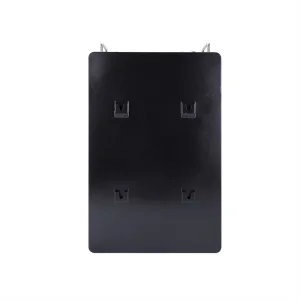
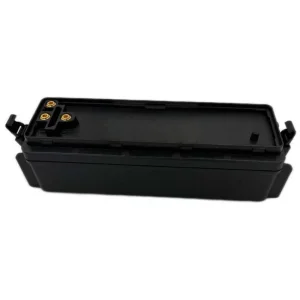
Direct supply lines and robust portable power cells integrated for field engineering, aerospace platforms, and critical logistics nodes in Chicago and Mid-America.
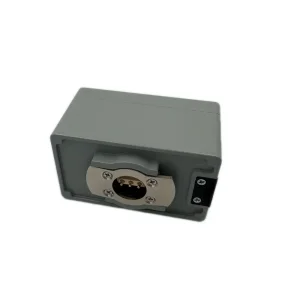
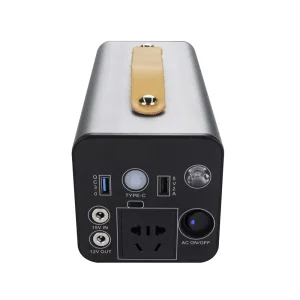
In the wake of decentralized grids and accelerated electro-mobility requirements, battery manufacturing has emerged as the critical technology vector of the 21st century. Historically the heart of North American heavy industry and rail transport logistics, Chicago and the broader Illinois territory are experiencing a dramatic renaissance. Driven by progressive state goals like the Illinois Climate and Equitable Jobs Act (CEJA) and key federal frameworks including the Inflation Reduction Act (IRA), Chicago has transformed into a high-technology industrial node connecting domestic supply chains with global materials networks.
"The integration of regional cell assembly networks, research inputs from entities like Argonne National Laboratory, and robust domestic packaging plants has turned the Chicago metropolitan industrial belt into a prime operations base for advanced energy deployment and integration."
Global demand for lithium-ion and lithium iron phosphate (LiFePO4) chemistries continues to scale exponentially, driven by utility-scale energy storage, consumer electronics, and specialized drone platforms. Globally, the battery industry is moving away from low-complexity cells to integrated system engineering. Chicago provides a highly strategic hub for these operations due to its structural proximity to key raw materials pipelines, automotive assembly operations, and major power grids like the PJM Interconnection.
While overseas megafactories prioritize raw commodity-scale processing, Dynalink Electronic Technology Co., Ltd. (DL) and local developers bridge the gap through custom formulation, pack integration, and high-performance connector engineering. This mitigates supply-chain vulnerabilities, providing heavy industries with localized, highly reliable power assets that comply with stringent UL, CE, and UN safety certifications.
Choosing the correct cell chemistry determines the performance limits, thermal envelope, and overall cycle lifetime of industrial systems. The comparison matrix below details the core battery technologies utilized across our primary products:
| Battery Chemistry | Typical Energy Density (Wh/kg) | Cycle Life (to 80% Capacity) | Ideal Thermal Window | Primary Industrial Applications |
|---|---|---|---|---|
| Lithium Iron Phosphate (LiFePO4) | 140 - 180 Wh/kg | 3,500 - 6,000+ Cycles | -20°C to +60°C | Residential Energy Storage, Wall Mounts, Heavy-Duty Portable Power |
| Nickel Manganese Cobalt (NMC) | 200 - 280 Wh/kg | 1,000 - 2,000 Cycles | -10°C to +50°C | Handheld Devices, Drones, High-Power Electric Vehicles |
| Lithium Polymer (Li-Po) | 180 - 220 Wh/kg | 500 - 800 Cycles | 0°C to +45°C | Unmanned Aerial Vehicles (UAVs), Lightweight Specialized Equipment |
A key engineering challenge for industrial deployments in Chicago is the severe winter temperature drop (often falling to -20°C or below). Sub-zero conditions drastically affect standard battery dynamics, leading to rapid lithium plating during charging, internal resistance spikes, and severe capacity drop-offs.
To counteract this, our battery pack integration strategies feature active thermal management, built-in silicone-based heating jackets, and advanced Battery Management Systems (BMS). The BMS dynamically limits maximum current draw when temperatures drop and monitors internal cell telemetry, preventing thermal runaway and ensuring stable discharge metrics even under extreme weather profiles.
A battery cell is only as strong as its connections. Our heavy-duty electrical components ensure zero thermal bottlenecks at peak discharge.
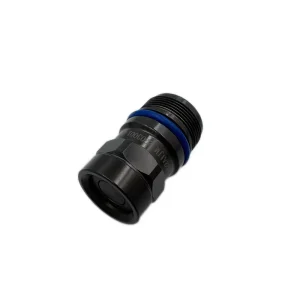
Engineered for high-current liquid-cooled battery enclosures to prevent thermal drift in dense configurations.
Send Inquiry Now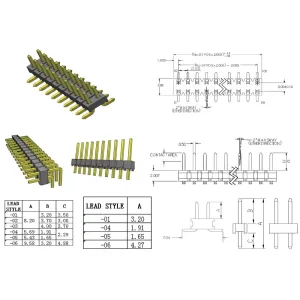
Robust signal pathway pins designed for high-density multi-cell balancing electronics and telemetry feedback loops.
Send Inquiry Now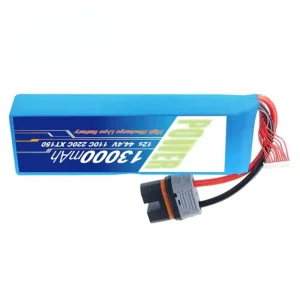
High discharge C-rate pack designed to handle rapid maneuvering load changes in windward conditions.
Send Inquiry Now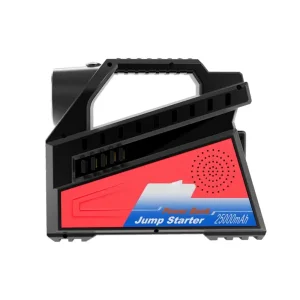
Cold cranking surge-current capabilities engineered to turn over diesel engines in sub-zero winter peaks.
Send Inquiry NowFounded in 2007, Dynalink Electronic Technology Co., Ltd. (DL) represents a premier, technology-first enterprise focusing on system-level power designs, energy storage capacitors, and high-conductivity connectors. Our state-of-the-art facilities host a workforce of 800+ skilled personnel, including a core team of over 200 high-level engineers who focus daily on next-generation battery architectures and materials engineering.
By controlling the entire production vertical—from material characterization and chemical testing to finished packaging and validation—we deliver industry-leading reliability. Our target operations include global aerospace systems, modern drone configurations, regional rail infrastructures, medical systems, and hybrid energy networks.



We provide comprehensive system design, helping industrial operators integrate cells into robust setups that maximize efficiency and lifespan.
Designed for fast charge cycles and high-vibration resilience, keeping aerial operations online in fluctuating atmospheric pressures.
Ultra-low contact resistance connectors and rapid UPS storage designs that protect data layers against power surges.
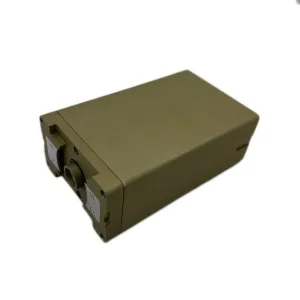
Hermetically sealed connectors and rugged lithium iron phosphate packs capable of operating near high mechanical heat fields.
In-house developers can customize BMS hardware and bus communications to integrate seamlessly with existing vehicle or grid control units.
Key technical insights on safety, system design, and customized cell packaging protocols.
For harsh climates like Chicago, a battery pack requires high-grade thermal isolation, heating pads managed by the BMS, and ingress-protected (IP65+) enclosures. The materials must withstand thermal expansion cycles and maintain integrity despite road salt mist and high humidity.
LiFePO4 offers superior safety, lower thermal runaway risk, and a much longer cycle life (often exceeding 5,000 cycles). It is also cobalt-free, making it more environmentally sustainable and less susceptible to global supply chain issues.
We design custom battery packs and offer in-house BMS programming (CAN-bus, Modbus, SMBus), specialized ruggedized housing (aluminum alloy or impact-resistant ABS), and custom wire harnesses. This allows integration into retrofitted legacy electric vehicle designs or off-grid storage setups.
High contact resistance in poor-quality connectors creates localized heating, which can lead to thermal runaway. Using premium blind-mate fluid connectors (such as our YTF Series) ensures consistent, low-impedance connections that keep operating temperatures stable.
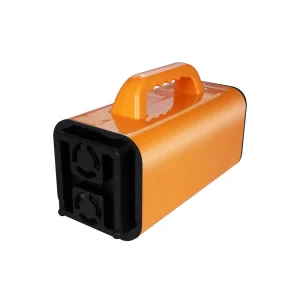
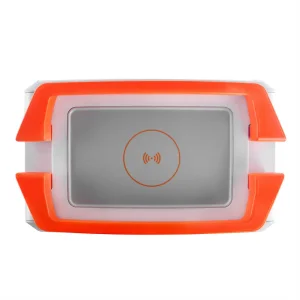
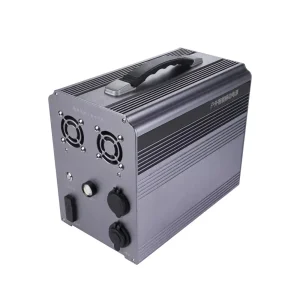
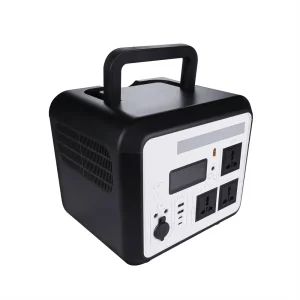
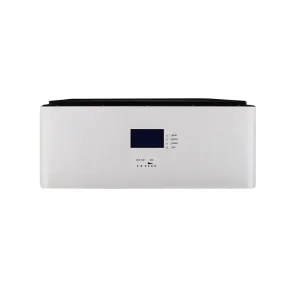
Premium backup energy arrays and transportable LiFePO4 generators built for off-grid operations and industrial environments.
Connect directly with our battery systems engineers to discuss chemistry configurations, structural designs, thermal requirements, and custom BMS protocols.
 Dynalink Electronic