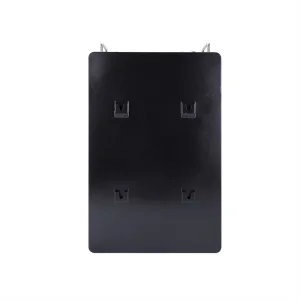
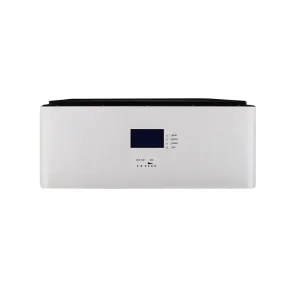
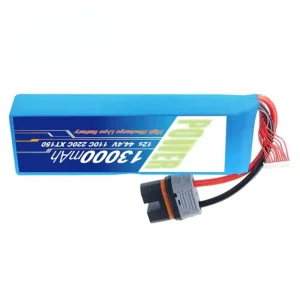
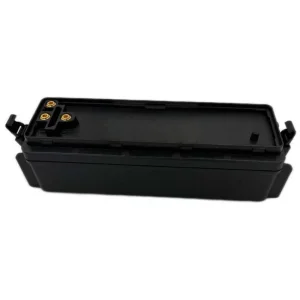
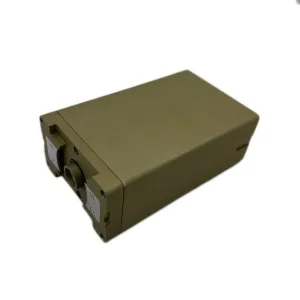
Advanced high-capacity portable power stations and tailored lithium battery modules optimized for critical telecommunication, infrastructure, and field deployments across Bangladesh.
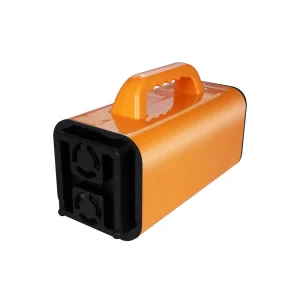
An in-depth analysis of energy storage market dynamics, regulatory changes, and local engineering demands.
Transitioning from traditional VRLA batteries to durable LiFePO4 cells to overcome extreme load shedding cycles and high temperature ranges.
Batteries engineered to maintain cycle-life stability in typical Bangladeshi climates with ambient temperatures regularly exceeding 40°C.
Custom vehicle-mounted lithium batteries replacement for three-wheeler "Easy Bikes" demanding rapid charging capabilities.
Bangladesh is undergoing a rapid industrial transformation under the national Vision 2041 strategy. The nation's power sector, traditionally heavily reliant on natural gas, is undergoing a massive shift towards solar energy, industrial microgrids, and highly decentralized energy storage networks. In urban areas like Dhaka, Gazipur, and Narayanganj, garment factories (RMG sector) and heavy manufacturing facilities are plagued by minor but frequent voltage fluctuations and power grid instabilities. This makes reliable battery energy storage systems (BESS) a critical infrastructure requirement to prevent costly manufacturing downtimes.
Concurrently, the rural electrification drive has successfully delivered power to millions, largely supported by Solar Home Systems (SHS). Originally relying on short-lived lead-acid batteries, the market is undergoing a significant transition toward high-density lithium-iron phosphate (LiFePO4) chemistry. This shift is driven by the need for longer lifecycles, reduced physical weight, and zero-maintenance operations. Large infrastructure entities, public utilities, and B2B telecommunication operators in Bangladesh are aggressively looking for high-quality, ISO-certified battery manufacturers that can deliver robust safety margins and customized battery management systems (BMS).
Three primary trends shape battery imports and manufacturing requirements in Bangladesh. First is the regulatory mandate to replace traditional lead-acid batteries in electric three-wheelers (locally known as Easy-Bikes) with lithium-ion batteries. Lead-acid alternatives suffer from short operational cycles, environmental toxicity, and illegal charging setups. High-performance, vehicle-mounted lithium-ion battery modules provide rapid charging capacity, increasing daily driver income while minimizing environmental footprints.
Second is the telecom sector's infrastructure upgrade. Tower companies (TowerCos) and major network operators (such as Grameenphone, Robi, and Banglalink) require modular, rack-mounted 48V telecom lithium batteries to replace old diesel generators. This significantly lowers operational expenditures (OPEX) and helps meet corporate carbon reduction metrics. Finally, data centers and banking headquarters in Dhaka are aggressively installing multi-megawatt battery cabinets to secure uninterruptible power supply (UPS) backups, demanding certified fire prevention and remote cloud monitoring.
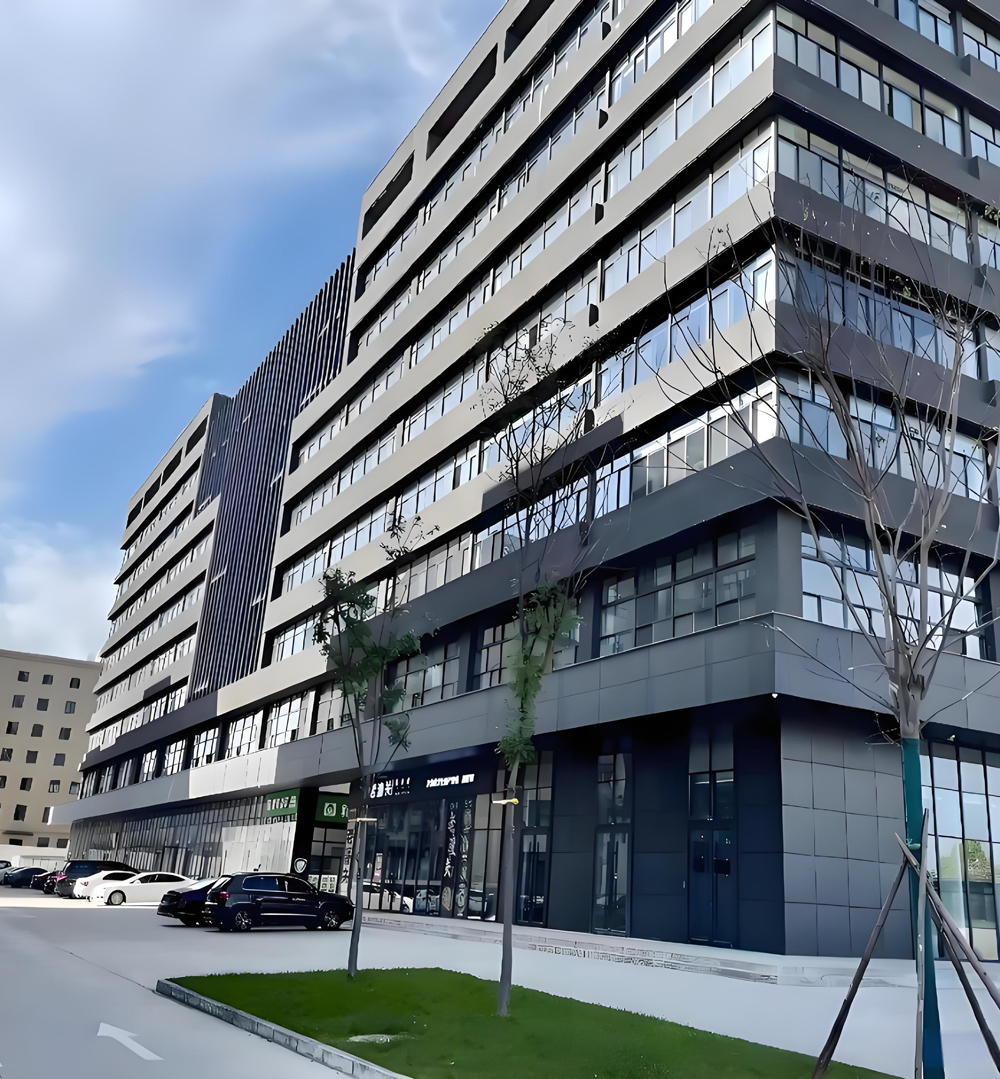
Established in 2007, Dynalink Electronic Technology Co., Ltd (DL) is a technology-driven design and manufacturing leader specializing in high-performance lithium power supplies, energy storage solutions, and precision electrical connectors. Over the past decade and a half, we have cultivated a workforce of over 800 employees, including more than 200 dedicated R&D and technical staff. Our manufacturing ecosystems span materials research, precision product design, and automated industrial assembly, supplying sectors including aerospace, robotics, renewable energy grids, and high-reliability industrial automation globally.
Batteries operated in Bangladesh must endure unique environmental challenges, including elevated humidity (often exceeding 85% during monsoon seasons) and prolonged ambient temperatures of up to 45°C. At Dynalink, our engineering team addresses these challenges through custom chemistry optimization, thermal runaway barrier designs, and robust enclosure construction.
We utilize grade-A Lithium Iron Phosphate (LiFePO4) chemistry for our stationary and portable energy storage systems. LiFePO4 offers superior thermal stability compared to conventional NMC cells, with a thermal runaway threshold of 270°C. Individual cell casings are wrapped in flame-retardant structural holders to prevent cascading thermal runaway events.
Our smart BMS continuously monitors voltage, current, and internal temperatures of each cell. It features active balancing algorithms to extend the battery pack's lifespan by up to 30%. Optional IoT modules allow procurement managers in Dhaka to remotely monitor system health, state-of-charge (SoC), and fault alerts via standard cellular networks.
To resist moisture ingress, dust, and corrosive saline environments along Bangladesh's coastal zones (such as Cox's Bazar and Chittagong), our outdoor batteries are housed in IP65 or IP67-rated steel enclosures. These enclosures feature integrated pressure-relief valves and moisture absorbers to ensure long-term internal stability.
Our solutions cater to three primary commercial sectors in the region. First, in Agricultural and Spraying Drones, we supply lightweight, high-discharge lithium-polymer packs (UAV series) that support the automation of rice and crop field spraying, extending flight duration to maximize daily coverage. Second, our Industrial Automation & RMG Facilities solutions provide high-rate discharge battery backups that keep looms and precision control terminals online during transition periods to backup generators. Finally, our Solar-Wind Hybrid Storage systems facilitate stable renewable energy storage for remote island microgrids (e.g., Sandwip Island) and large residential installations in urban areas.
Delivering high-reliability, customized energy products backed by international certifications and robust manufacturing capabilities.
Our custom lithium polymer batteries provide the high energy density and high discharge rate required for stable UAV agricultural operations and automated crop mapping in rural Bangladesh.
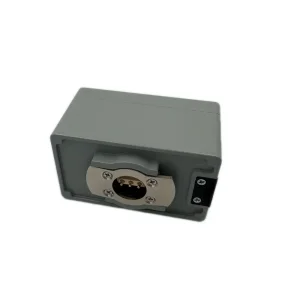
We supply high-reliability battery management systems and heavy-duty, low-resistance connectors to ensure rapid failover times and zero data loss for critical IT systems in financial hubs.
Designed with high ingress protection (IP) and rugged mechanical casing, our energy systems perform consistently in high-humidity manufacturing plants and textile complexes.
Our internal technical team leverages an intelligent design framework to convert client requirements into physical prototypes within short cycle times, optimizing product dimensions and connector pitches.
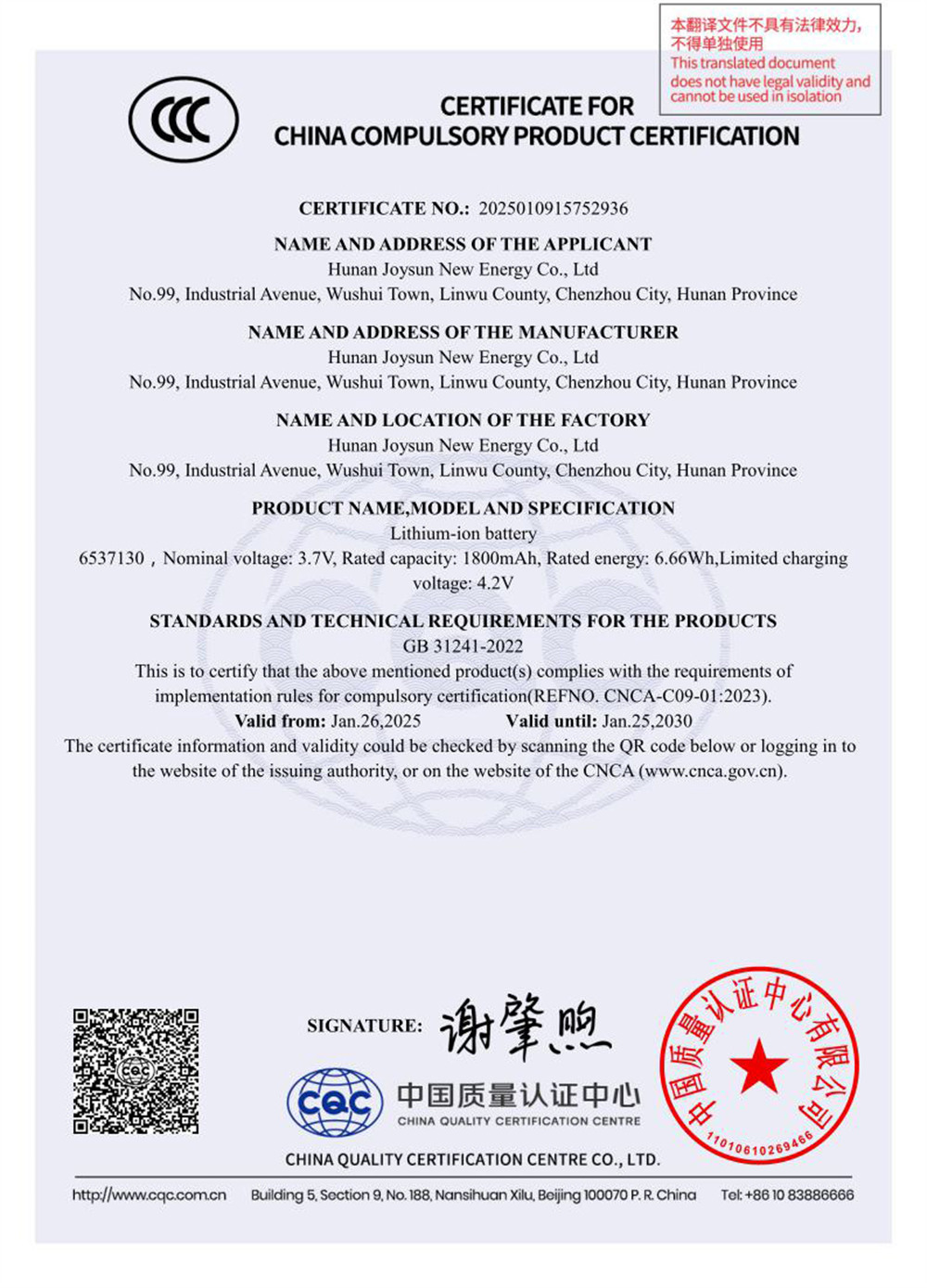
Our manufacturing and quality assurance frameworks align with ISO 9001, ISO 14001, and ISO 45001 standards, with all batteries undergoing rigorous capacity grading and electrical safety testing.
We provide full-lifecycle technical support, detailed installation guides, and complete certification records to simplify import approval and customs clearance workflows in Bangladesh.
At Dynalink, we build robust energy systems that power industrial progress. Our mission is to integrate advanced material science and engineering into practical power storage and connector components, supporting global energy transitions.
To deliver integrated system power supply solutions globally. We commit to continuous investments in solid-state cell advancements, high energy density storage, and low-loss connector designs.
We focus on resolving safety, cycle life, and thermal challenges in high-rate discharge setups, offering tailored solutions for industrial, telecom, and automotive applications.
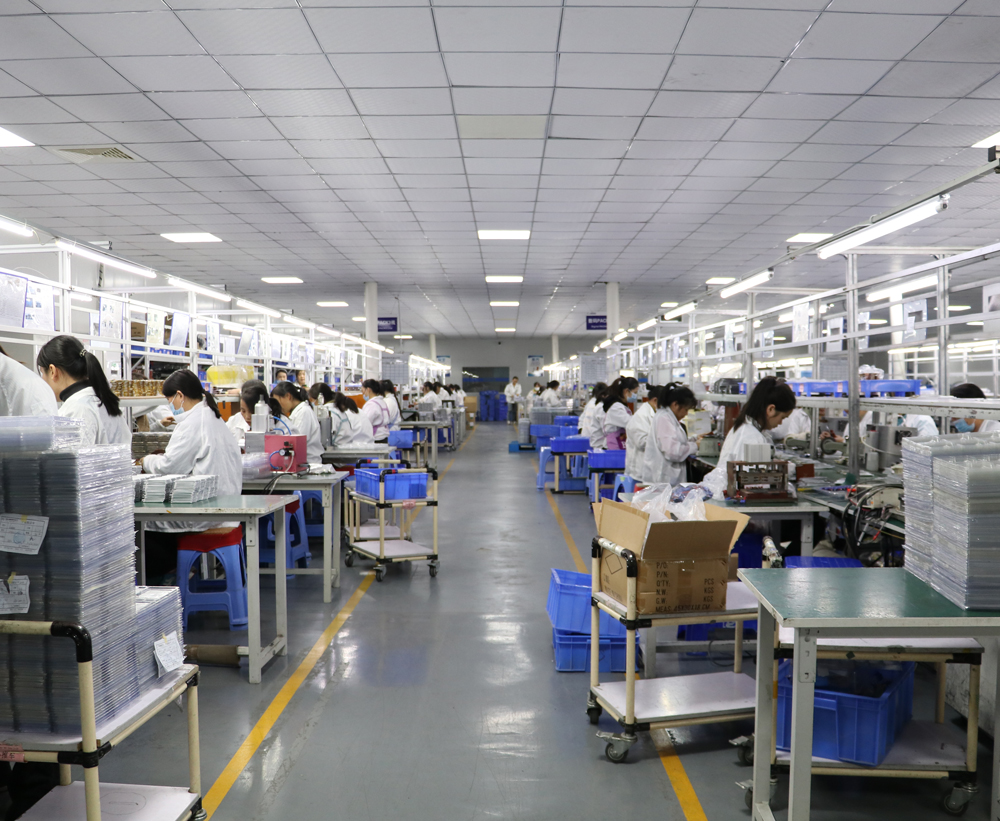
Our manufacturing plants, laboratory testing procedures, and battery configurations comply with key international quality and safety certifications.
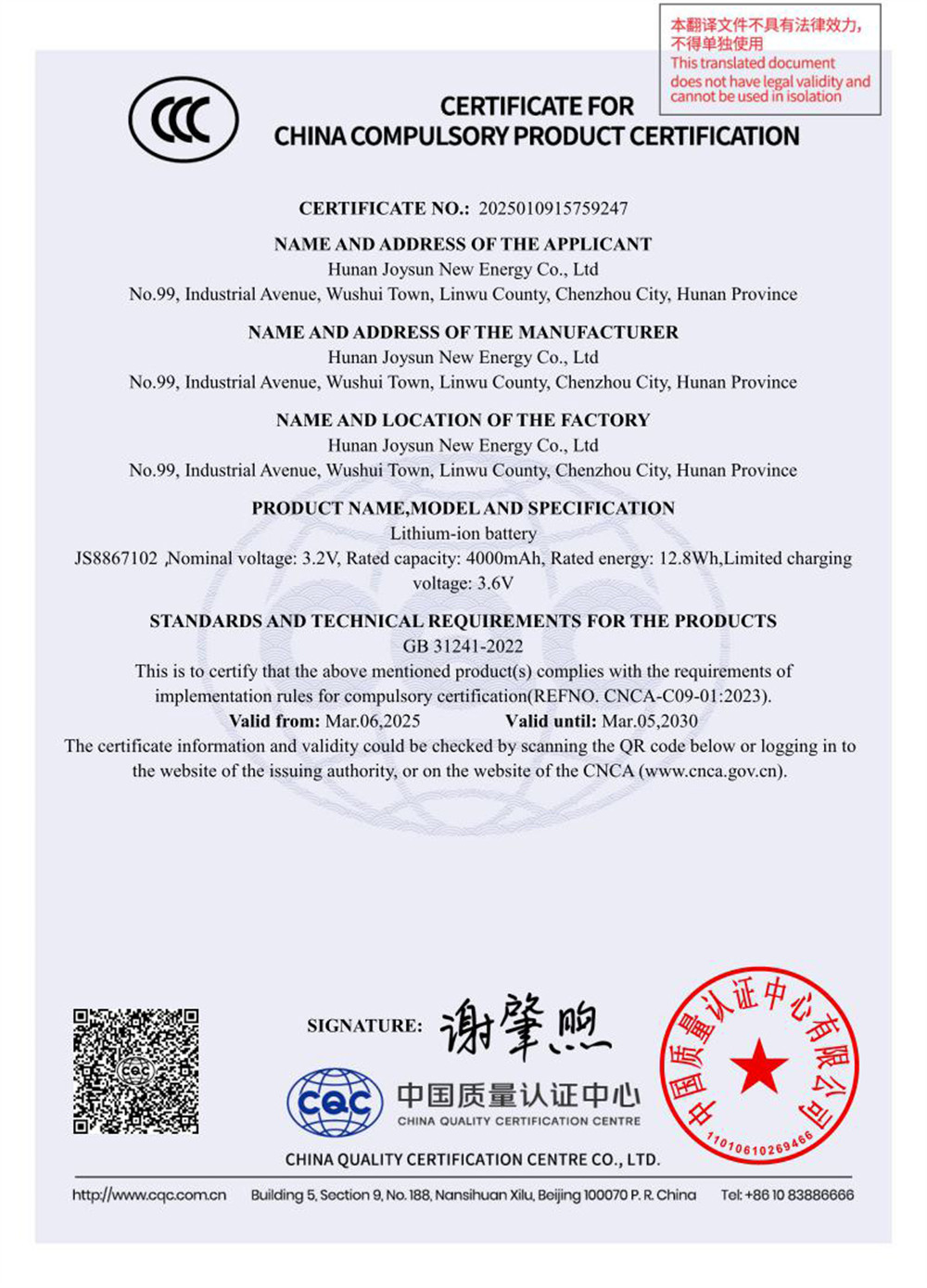
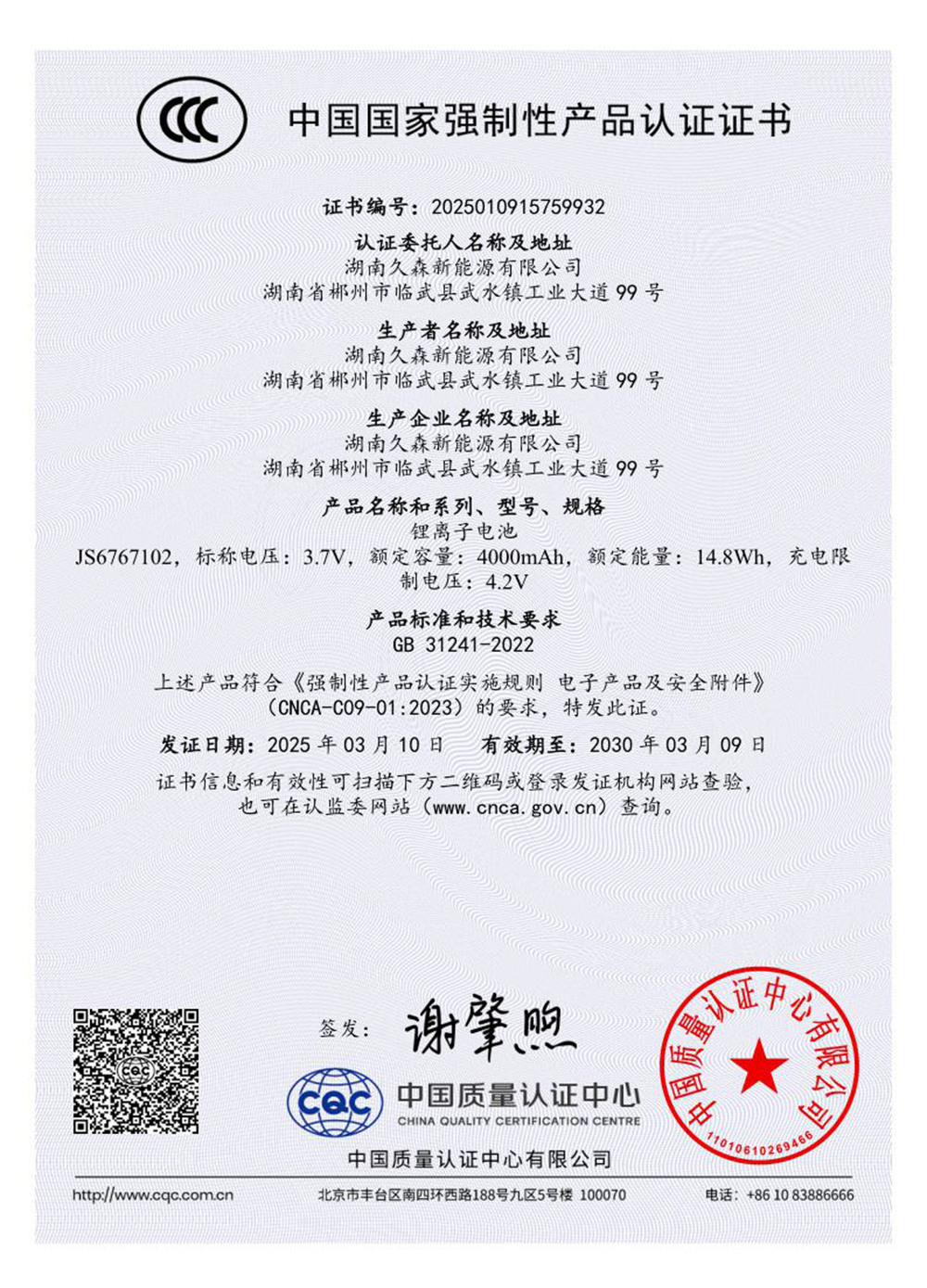
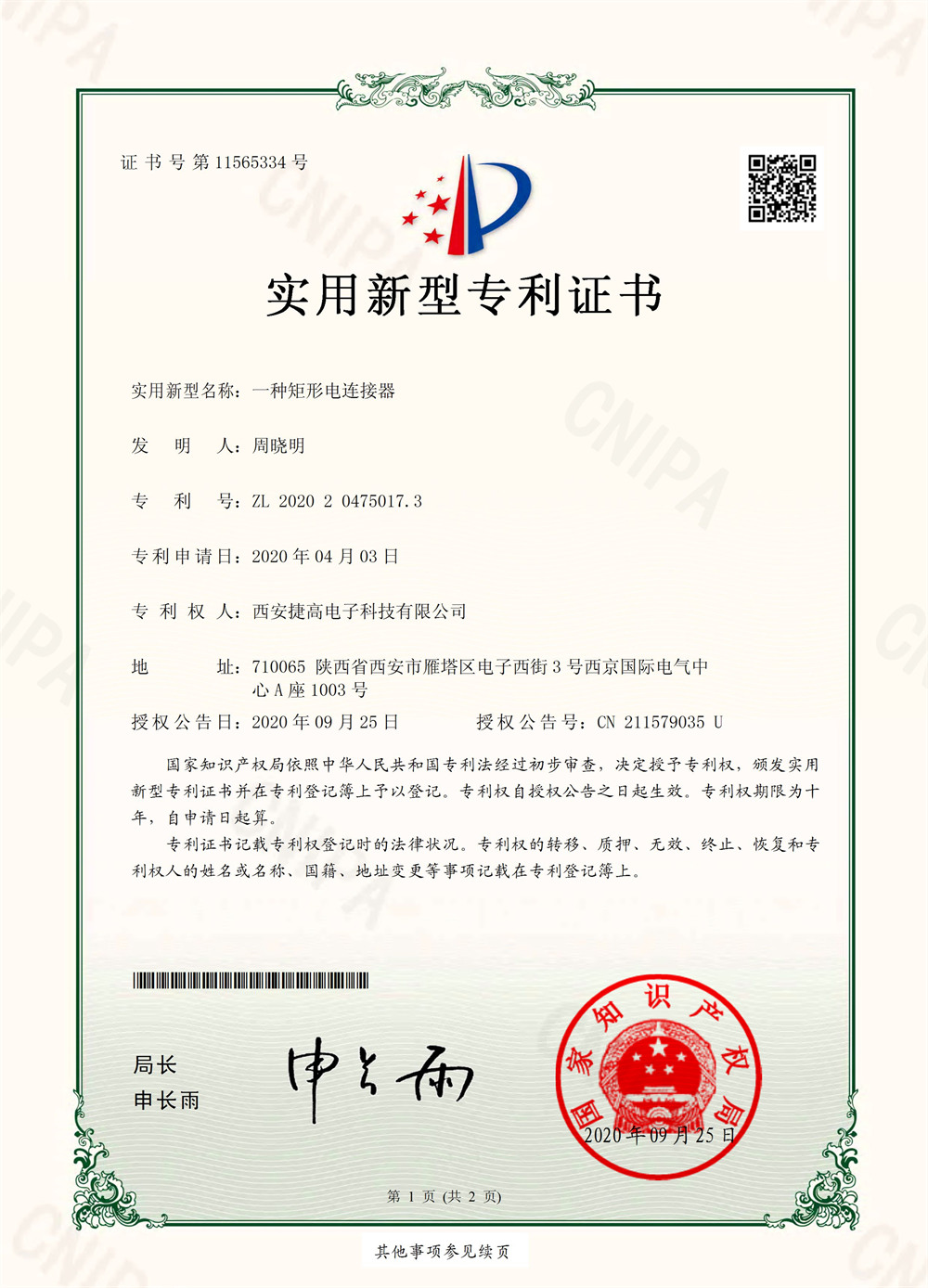
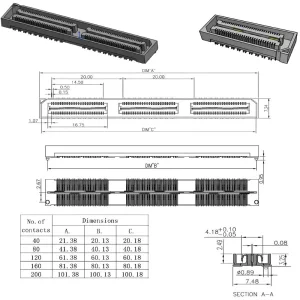
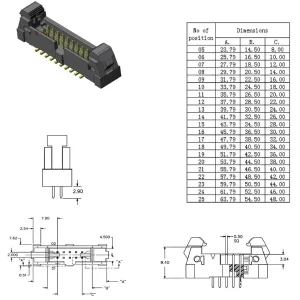
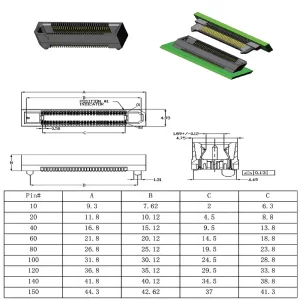
High-density, low-loss electrical interface modules. Engineered to provide stable, low-resistance connections in multi-cell industrial and automotive battery packs.
Importing large-format battery systems and industrial power supplies into Bangladesh requires careful alignment with local regulatory and documentation standards. The Bangladesh Standards and Testing Institution (BSTI) enforces quality standards for electrical products. Our battery cells undergo rigorous certification to comply with IEC 62133 (for portable applications) and IEC 62619 (for industrial and energy storage applications), streamlining local compliance reviews.
Furthermore, Bangladesh's central bank mandates that almost all commercial imports be conducted via Letters of Credit (L/C). Our international business office is highly experienced in preparing L/C-compliant commercial documentation. This includes providing detailed Harmonized System (HS) codes, proforma invoices, clean Bills of Lading, and accurate weight packing lists to ensure clearance at major entry ports like Chittagong Seaport and Hazrat Shahjalal International Airport in Dhaka.
To assist regional project developers, we provide detailed technical datasheets, material safety data sheets (MSDS), UN38.3 test reports for lithium battery transport safety, and certificates of origin. These documents help our partners secure local clearance and import tariff concessions where applicable.
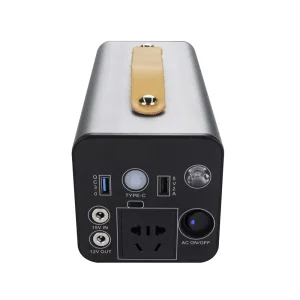
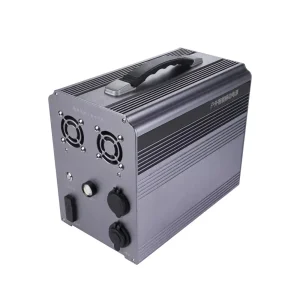
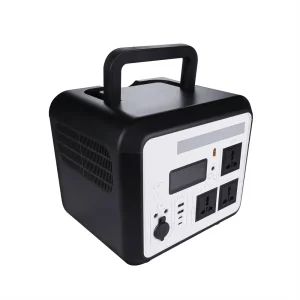
Commercial energy storage cabinets, solar hybrid units, vehicular batteries, and heavy-duty emergency cells designed for the Bangladesh market.
Answers to key questions regarding technical specs, delivery logistics, custom design modifications, and warranty policies for Bangladesh.
We recommend Lithium Iron Phosphate (LiFePO4) for stationary energy storage systems, telecom tower backups, and solar integration. LiFePO4 cells feature high thermal runaway resistance (up to 270°C) and perform reliably under typical ambient temperatures in Dhaka and Chittagong without requiring heavy active cooling.
Yes. Our global sales division works directly with major Bangladeshi commercial banks (such as Dhaka Bank, Prime Bank, and HSBC Bangladesh) to process L/C payments. We ensure all shipping paperwork matches your L/C clauses to facilitate smooth bank execution and customs release.
Yes. Our in-house R&D team can design custom battery sizes, output voltages (e.g., 24V, 48V, 96V, or high-voltage DC systems), and special IP-rated casings to meet the constraints of your installation sites.
Our manufacturing and testing facilities are certified to ISO 9001:2015, ISO 14001:2015, and ISO 45001:2018. Additionally, our batteries comply with international transport and product safety standards, including UN38.3, CE, and relevant IEC specifications.
Once the L/C is opened and design specs are finalized, production generally takes 25 to 35 days. Sea shipping from our loading ports to Chittagong Port typically takes 15 to 20 days, depending on shipping line schedules.
Yes. Our outdoor energy storage systems and telecommunication battery boxes are housed in IP65 or IP67 enclosures. These designs protect the internal cells and electronics from dust, moisture, and monsoon rains.
Under standard operating conditions (25°C, 0.5C charge/discharge rate, and 80% Depth of Discharge), our grade-A LiFePO4 cells deliver over 3,000 to 4,000 cycles before capacity drops to 80% of its original rating.
Yes. Our BMS communication interfaces support standard CAN and RS485 protocols, enabling plug-and-play integration with major hybrid solar inverters used in Bangladesh, such as Deye, Growatt, and Sungrow.
Looking for a reliable manufacturing partner to supply industrial lithium battery packs or high-density connectors for the Bangladesh market? Contact our engineering team for customized solutions, certifications, and volume pricing.
Send Inquiry Now Dynalink Electronic