Engineered for high performance, thermal stability, and maximum energy density to support Porto & Lisbon smart grid networks, marine infrastructure, and remote logistics operations.
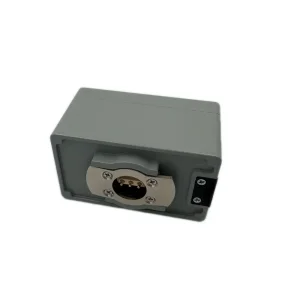
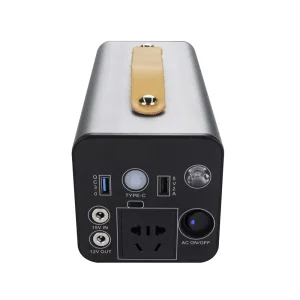
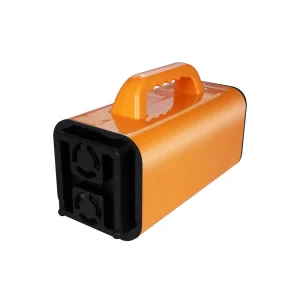
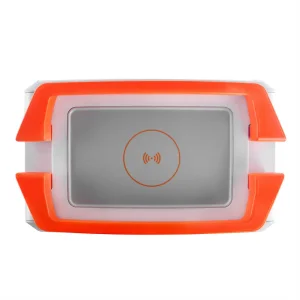
Portugal stands at the absolute vanguard of Europe’s decarbonization pathway. Driven by the ambitious targets set within the Plano Nacional Energia e Clima (PNEC 2030), the nation is actively working to transition over 85% of its electricity supply to clean energy sources. This massive influx of intermittent wind and solar generation has triggered a critical demand for robust industrial and commercial battery energy storage systems (BESS) to maintain grid stability and support decentralized power distribution.
Concurrently, Portugal's local industrial clusters, logistics corridors, and agricultural operations are transitioning towards high-efficiency battery electrification. With major battery raw-material operations underway in northern regions, Portugal acts as both a resource center and a fast-growing market for high-quality lithium and energy storage components. Reliable international supply chains, compliance with strict EU safety protocols, and advanced manufacturing practices are paramount for Portuguese buyers sourcing cell systems and modules.
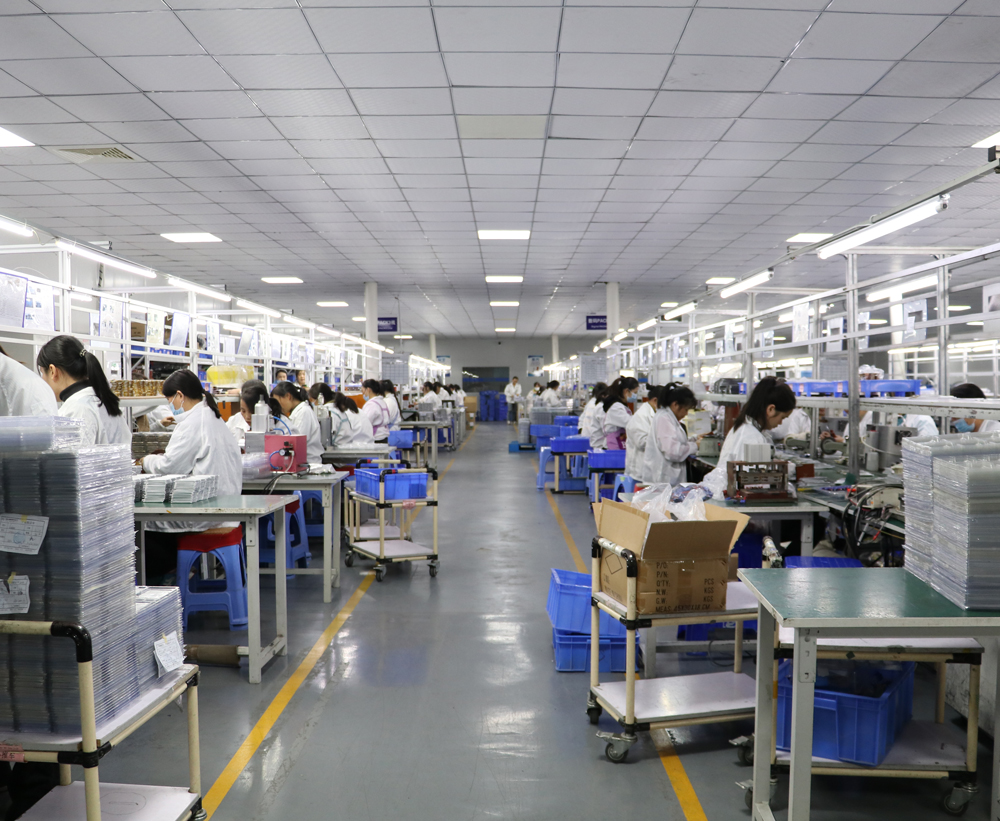

For Portuguese engineering teams, telecom managers, and system integrators, procuring custom energy storage is not merely a matter of sourcing the cheapest cell chemistry. Rather, it requires robust partnerships with suppliers capable of delivering ISO-certified reliability, fully tested active BMS (Battery Management System) software, and compatible connectivity hardware.
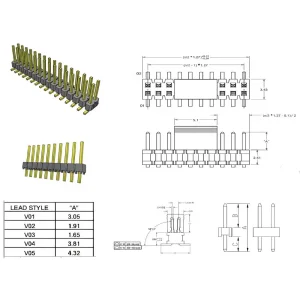
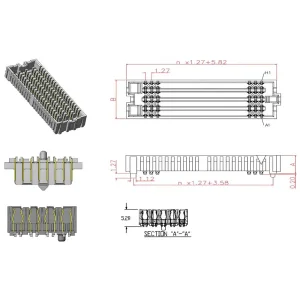
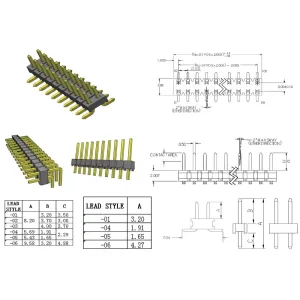
As standard systems grow more complex, the optimization of connector interfaces becomes essential. High-speed, high-vibration resistant interconnect components ensure that high-power currents can be safely transferred within battery racks without thermal degradation. Our integrated manufacturing capability bridges the gap between raw battery storage performance and high-performance connector hardware, offering a unified, certified sourcing ecosystem.
High-reliability board-to-board and circular connectors engineered to support seamless data and power distribution inside modern battery enclosures.
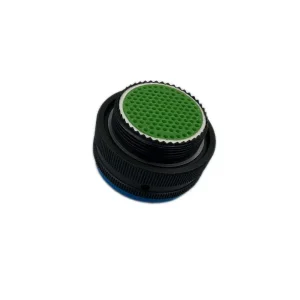
Established in 2007, Dynalink Electronic Technology Co., Ltd (DL) has developed into a leading, technology-driven enterprise. With a dedicated team of over 800 employees—including more than 200 high-caliber engineers and technical specialists—our operations span precision material research, advanced structural battery design, and rigorous testing protocols.
Our commitment to technical excellence has allowed us to deliver robust battery packs, custom energy storage cabinets, and advanced electronic connectors globally. DL products are widely utilized in heavy-duty sectors, including aviation, maritime transport, high-speed rail networks, clean energy automotive fleets, agricultural drones, and automated robotic systems.
To ensure high standards of safety, quality control, and environmental protection, our entire production infrastructure is accredited under international management certifications.

Environmental Quality Control
Standardized Production Reliability
Occupational Safety Protocols
Deploying specialized battery technology across diverse, highly demanding operating environments.
Delivering high C-rate discharge curves, robust energy densities, and smart BMS integrations to keep drone systems operating securely in tough weather conditions.
Providing high-precision connectors and modular backup battery banks (UPS) that ensure stable, low-latency, and zero-loss operations for enterprise storage facilities.
Developing highly protected connector assemblies (IP67/IP68 rating) and rugged industrial power systems designed to withstand high thermal loads and operational vibration.
Enabling custom LiFePO4 battery modules to interface with local clean energy grids, ensuring safe energy storage during peak solar generation cycles.
Investing heavily in advanced solid-state and high-energy-density lithium options to minimize environmental footprint and maximize cycles.
Ensuring compliance with CE, RoHS, and European UN38.3 standards for secure, fire-retardant land and sea shipping to Portugal and the rest of Europe.
A reference guide for Portuguese engineering and procurement officers selecting energy storage technologies.
| Battery Chemistry / Type | Typical Cycle Life | Nominal Efficiency | Primary Industrial Use-Case | Regulatory Safety Certifications |
|---|---|---|---|---|
| Lithium Iron Phosphate (LiFePO4) | > 4,000 to 6,000 cycles | ~ 95% | Solar Hybrid Storage, Home Power Walls, Grid Balancing | UN38.3, CE, IEC 62619, RoHS |
| Lithium Nickel Manganese Cobalt (NMC) | 1,500 to 2,500 cycles | ~ 92% | Drones, AGVs, High-Drain Power Equipment | UN38.3, CE, UL 1642 |
| Solid-State Lithium Systems | > 5,000 cycles (R&D stage) | ~ 97% | Aviation, High-Reliability Deep Sea Electronics | Active Compliance Frameworks |
| Lithium Polymer (LiPo) | 500 to 1,000 cycles | ~ 90% | Lightweight Commercial Drones, Handheld Sensors | CE, RoHS, MSDS |
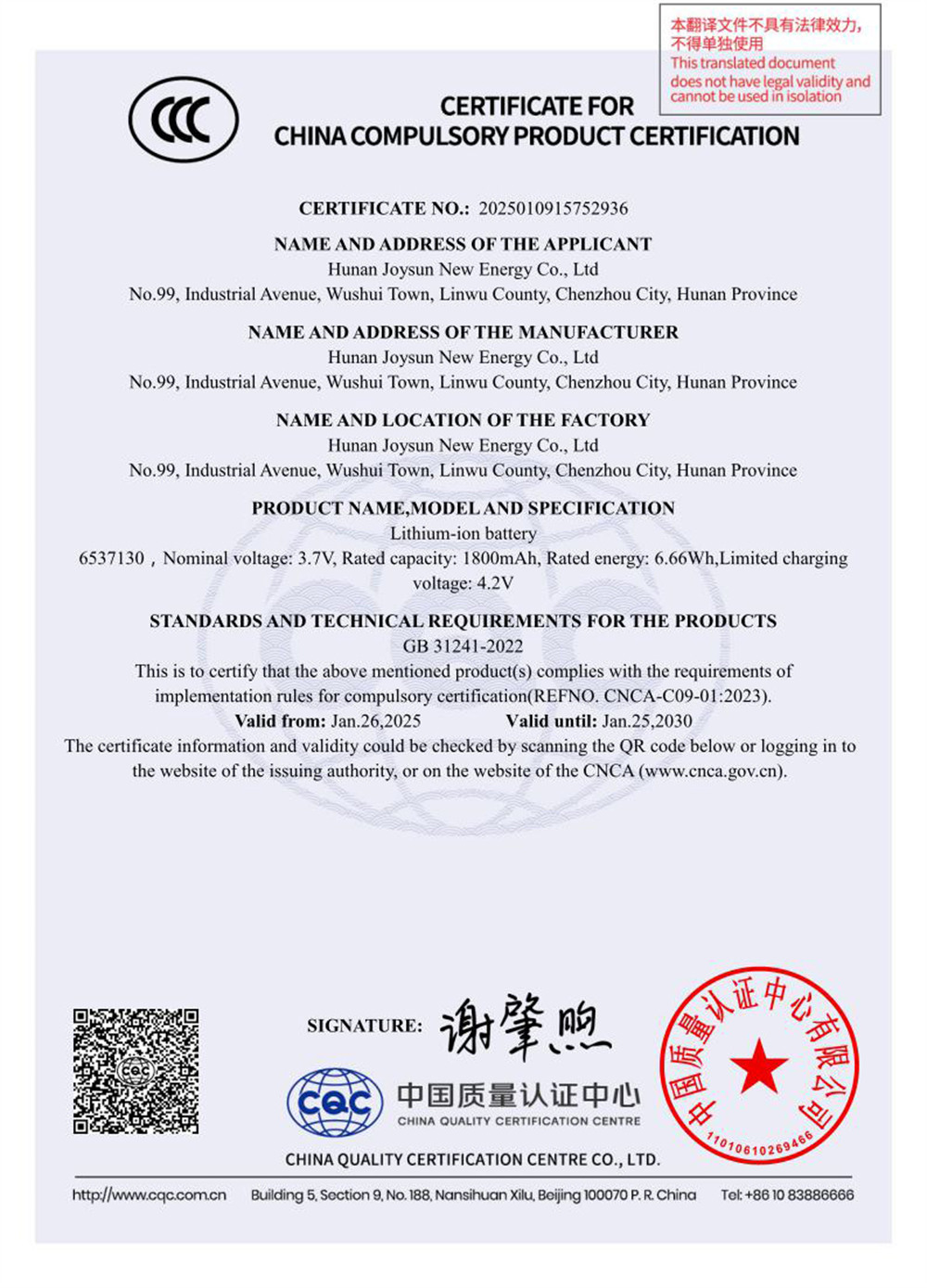
We work to strict international standards to ensure our products perform reliably in high-demand environments.
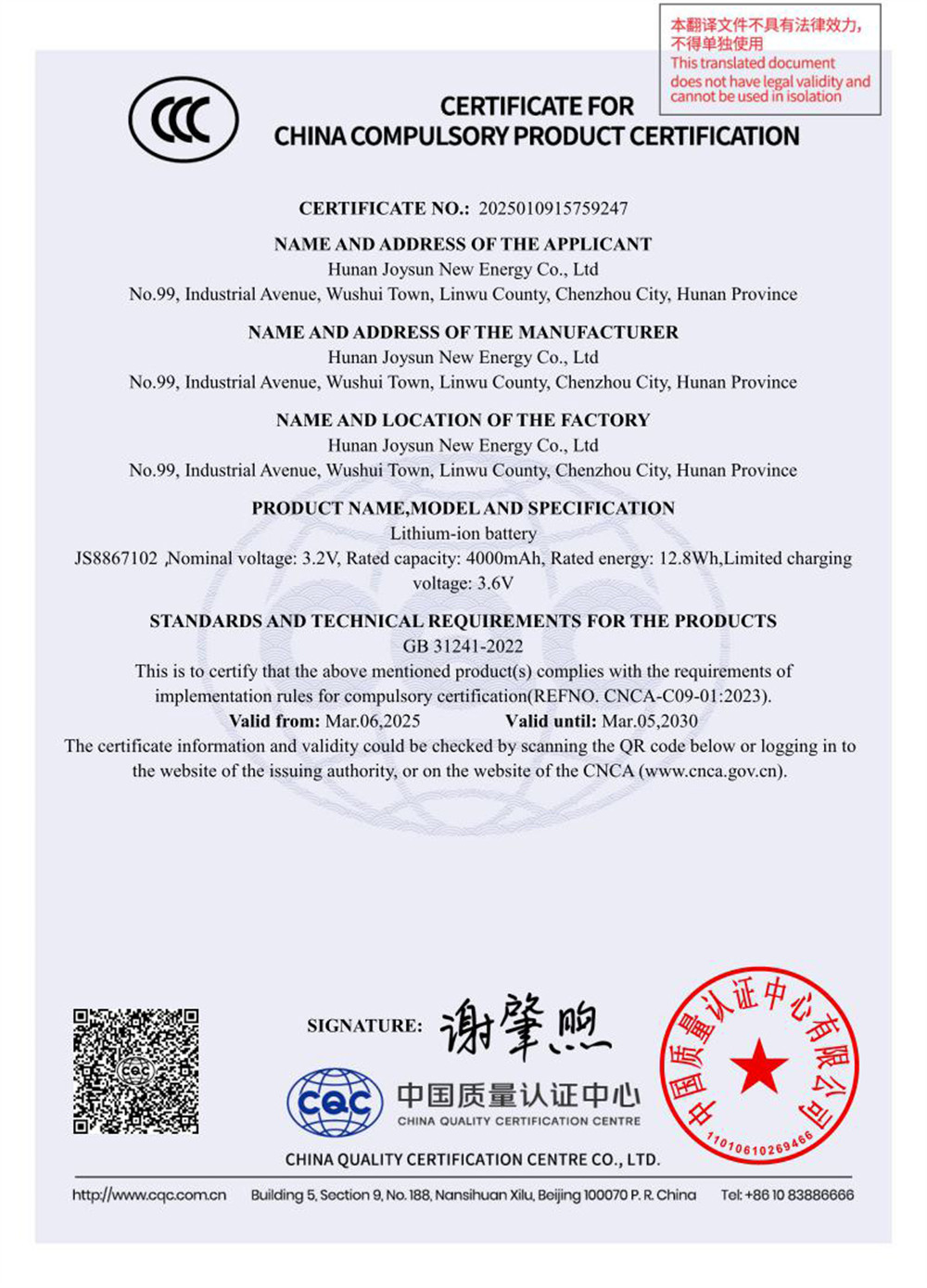
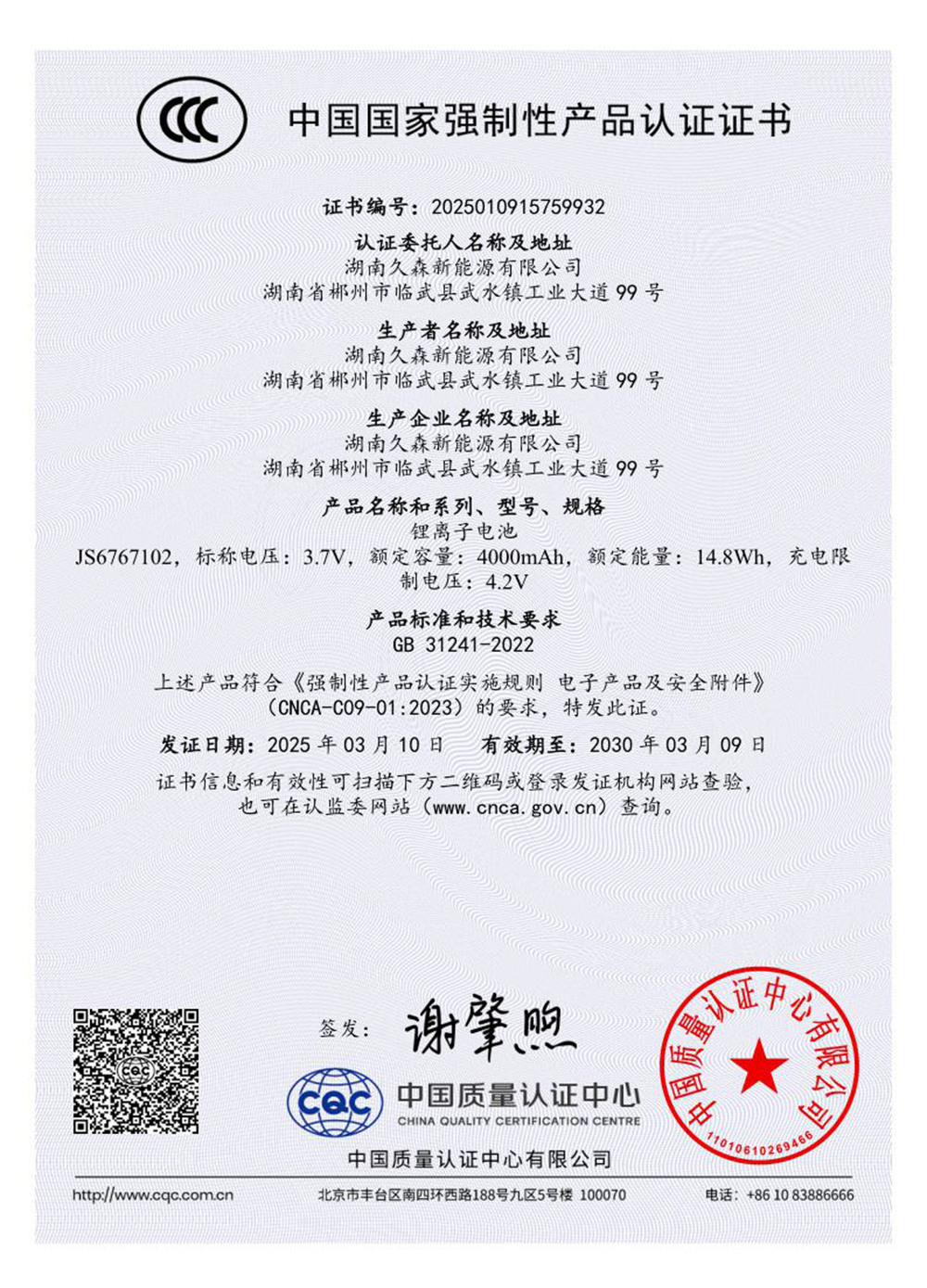
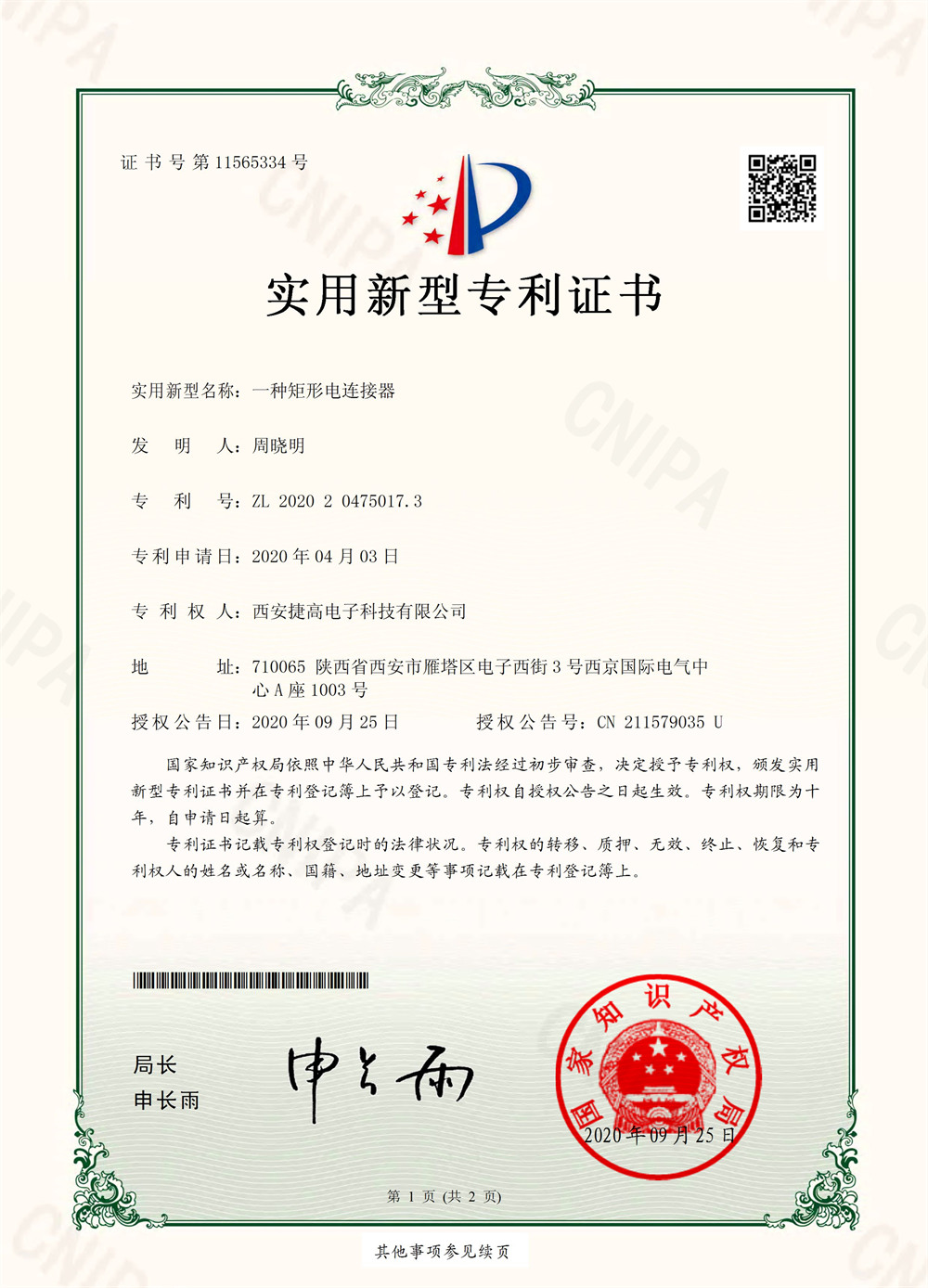
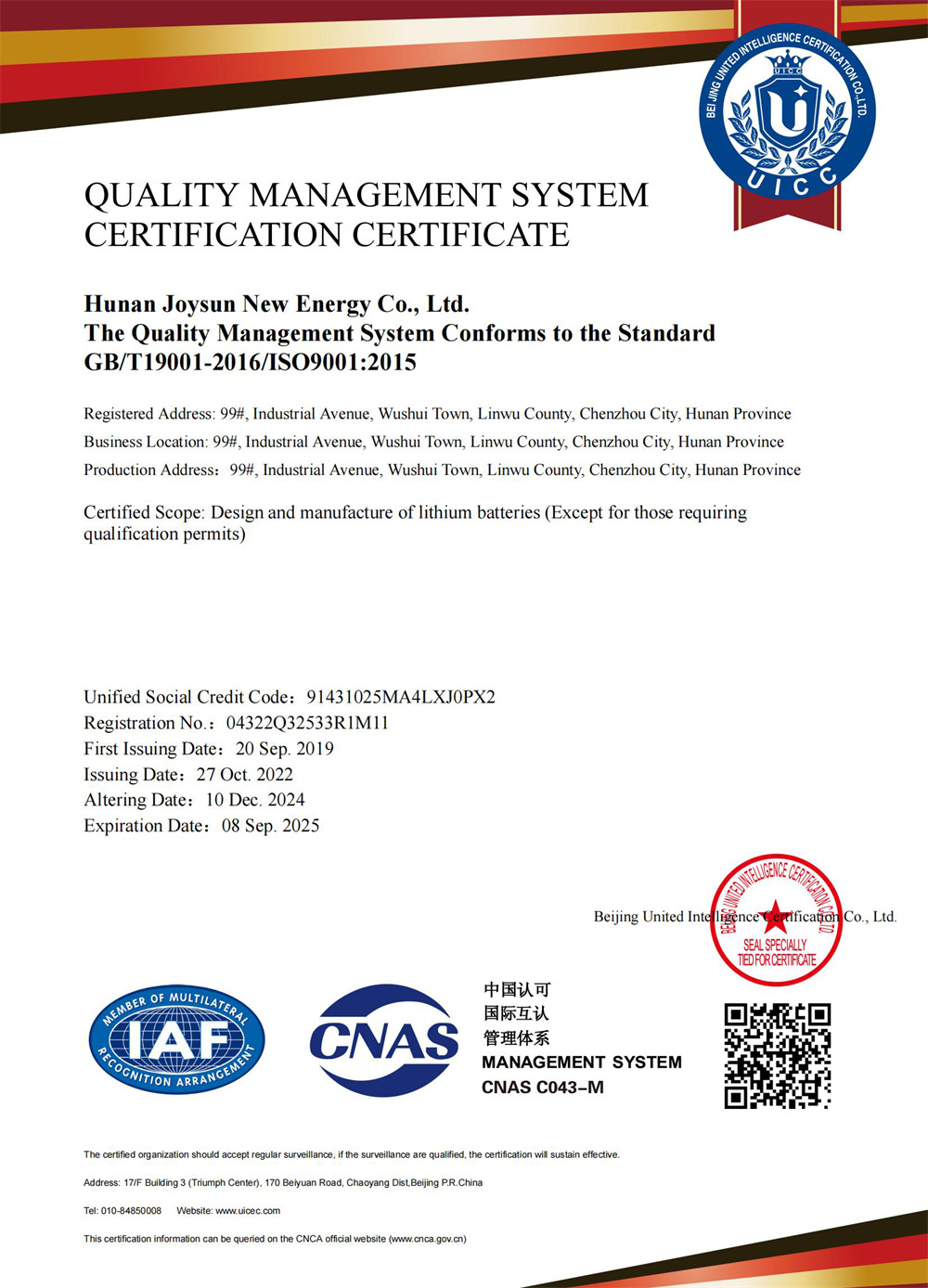
Explore our complete export line-up, engineered to meet European grid regulations and industrial specifications.
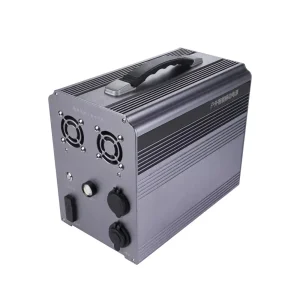
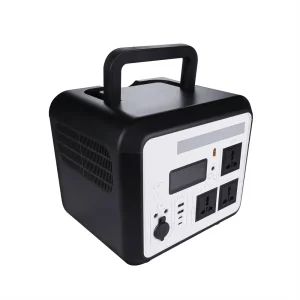
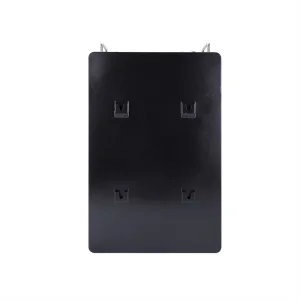
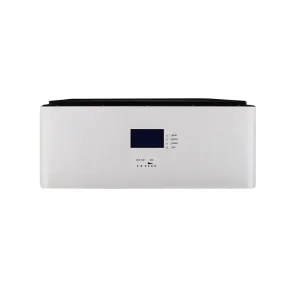
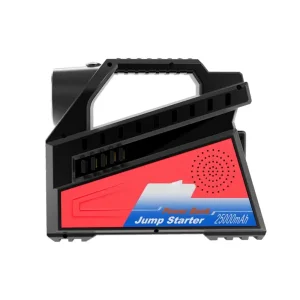
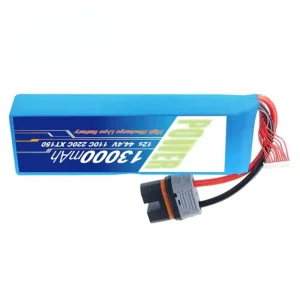
Clear answers to standard compliance, logistics, and technical specifications for battery exports to Portugal.
Yes. All lithium-ion batteries and power stations exported to Portugal and the wider European Union strictly comply with CE markings, the RoHS Directive, and REACH standards. We carry out compliance testing to ensure smooth customs clearance through major Portuguese ports such as Lisbon, Leixões, and Sines.
Absolutely. Every battery pack shipment includes a UN38.3 test report and an up-to-date Safety Data Sheet (SDS). This ensures safe transport via sea freight or international air cargo under Class 9 dangerous goods classifications.
Yes. Our portable energy storage solutions for the European market are engineered for AC 220V–240V output at a stable frequency of 50Hz, matching Portugal's electrical grid standards. They are fitted with standard European Type F (Schuko) sockets.
For custom ODM/OEM battery designs, engineering prototyping and validation typically require 4 to 6 weeks. Mass production and shipment assembly require an additional 4 weeks, depending on order size and custom connection configurations.
Yes. Our wall-mounted and stacked home energy storage systems are compatible with popular hybrid inverters in Europe, including Growatt, SMA, Victron, and GoodWe, using CAN or RS485 communication protocols managed by our internal BMS.
 Dynalink Electronic