Home >
Connector >
Wholesale Circular Electrical Connector(599 Series Ⅰ) Suppliers, Exporters
1 / 5
Wholesale Circular Electrical Connector(599 Series Ⅰ) Suppliers, Exporters
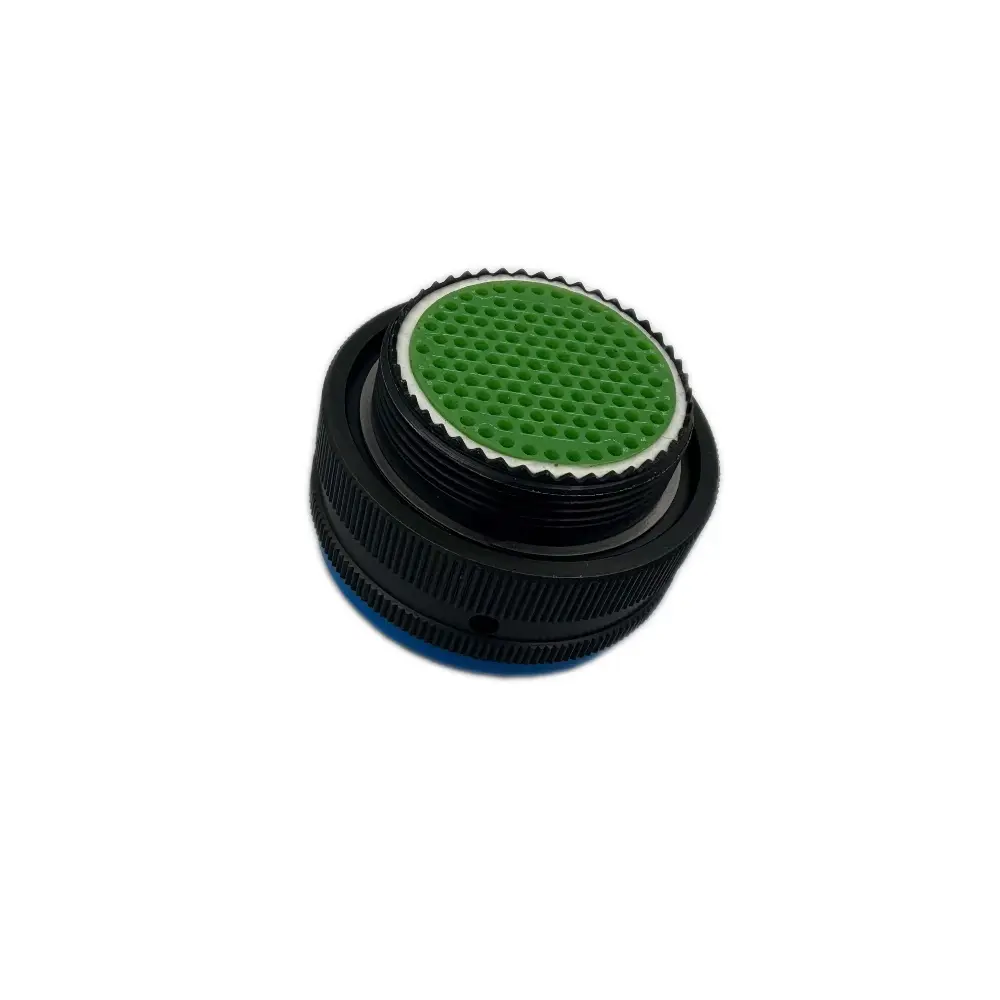
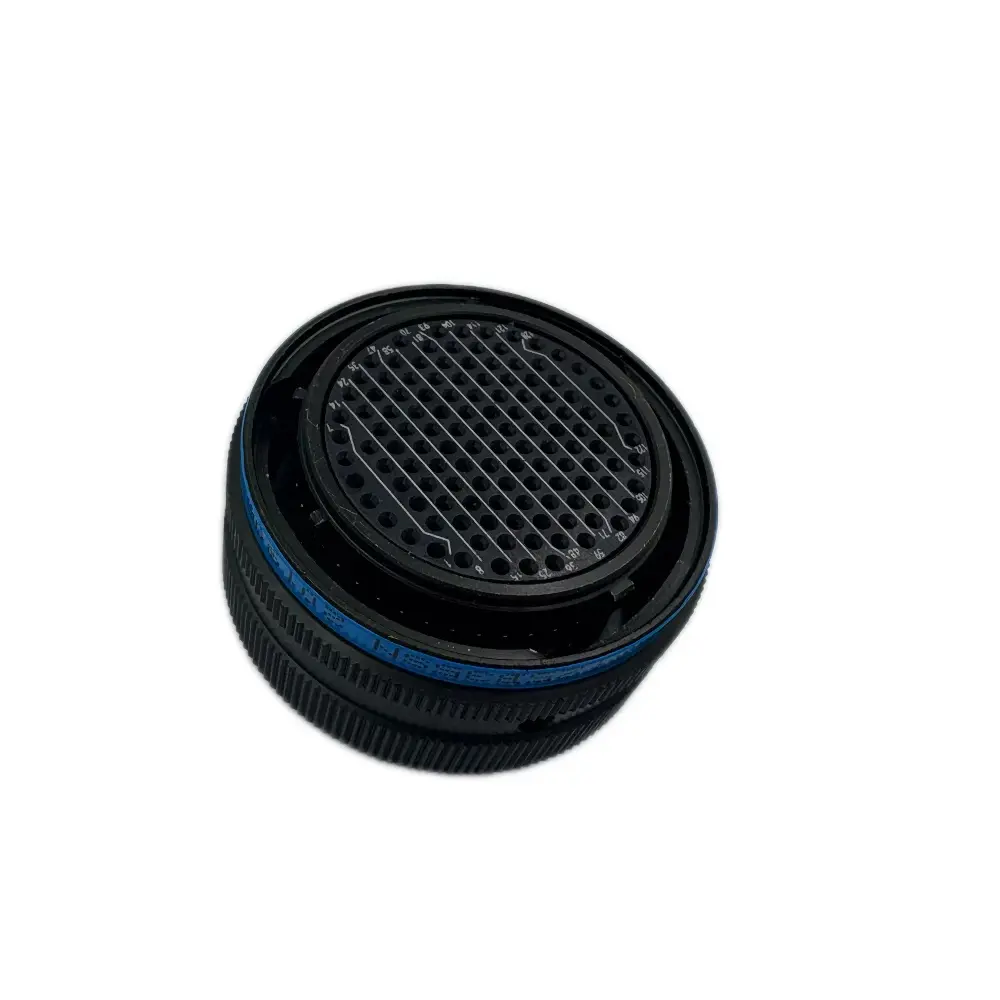
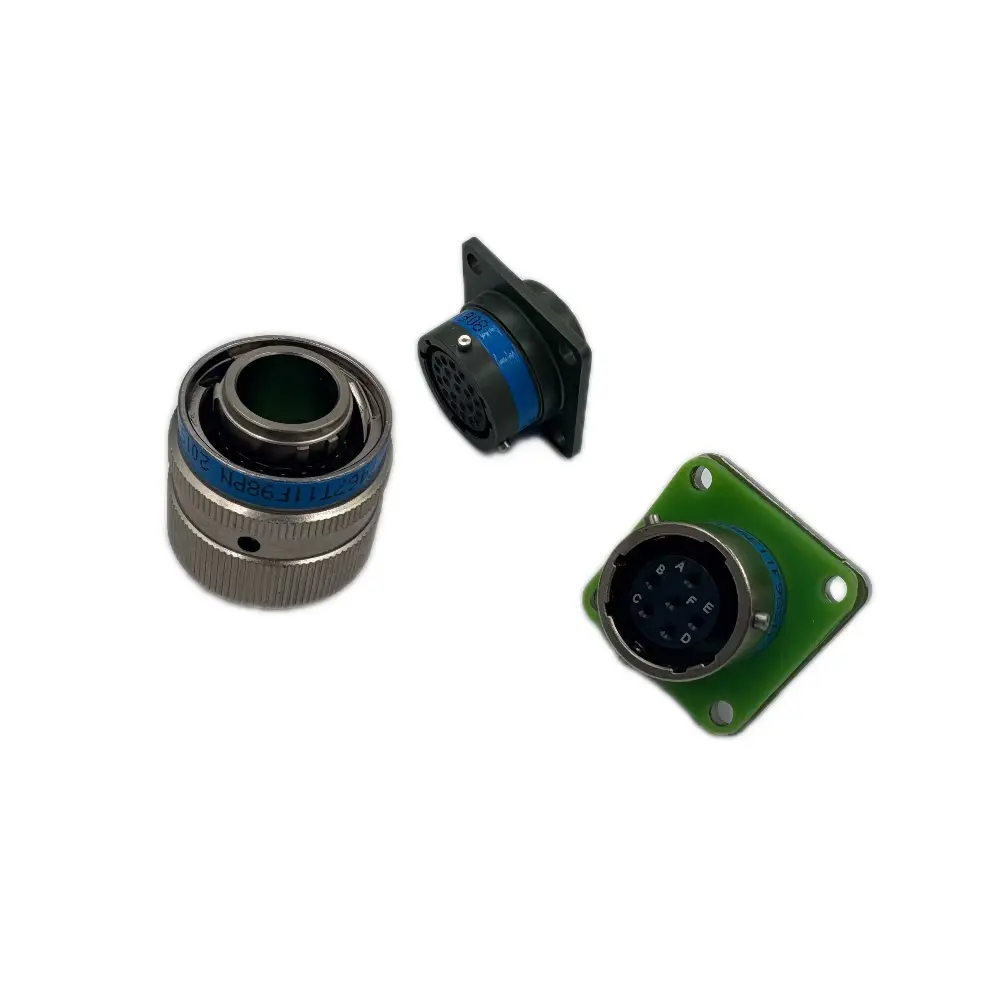
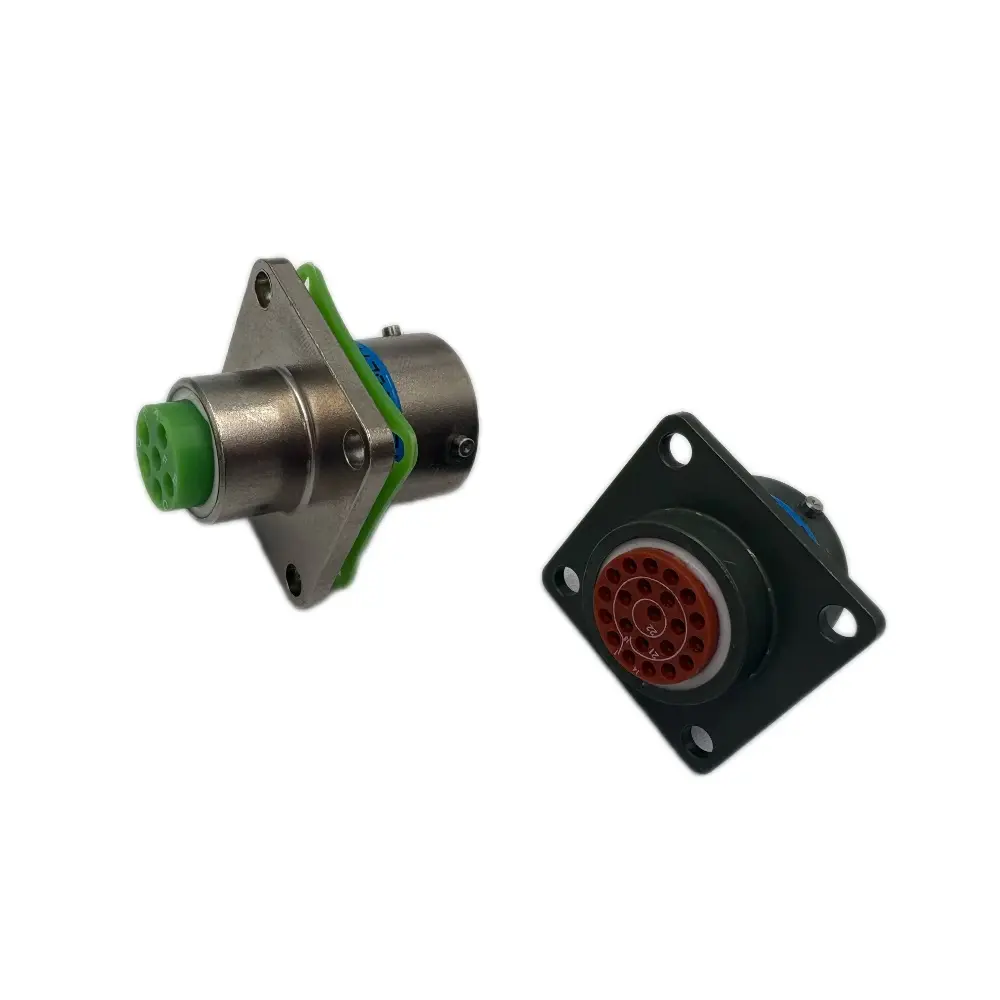
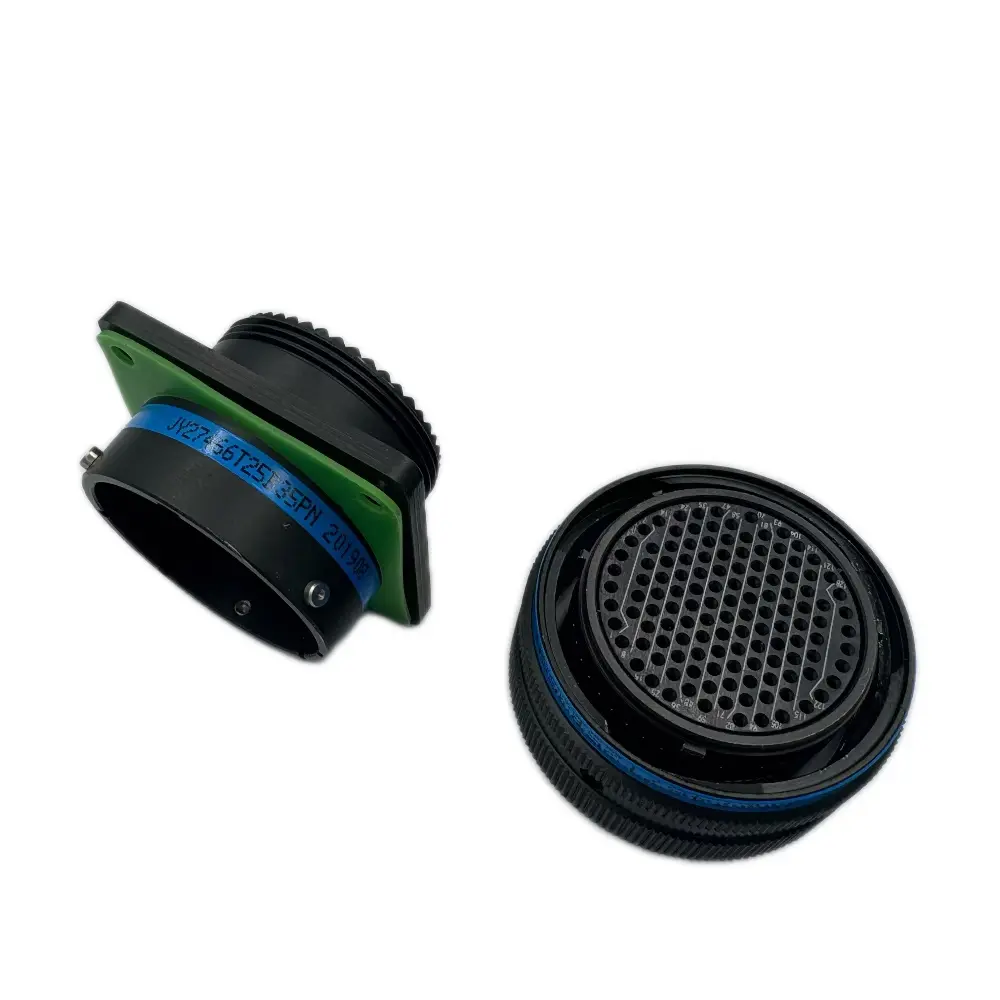
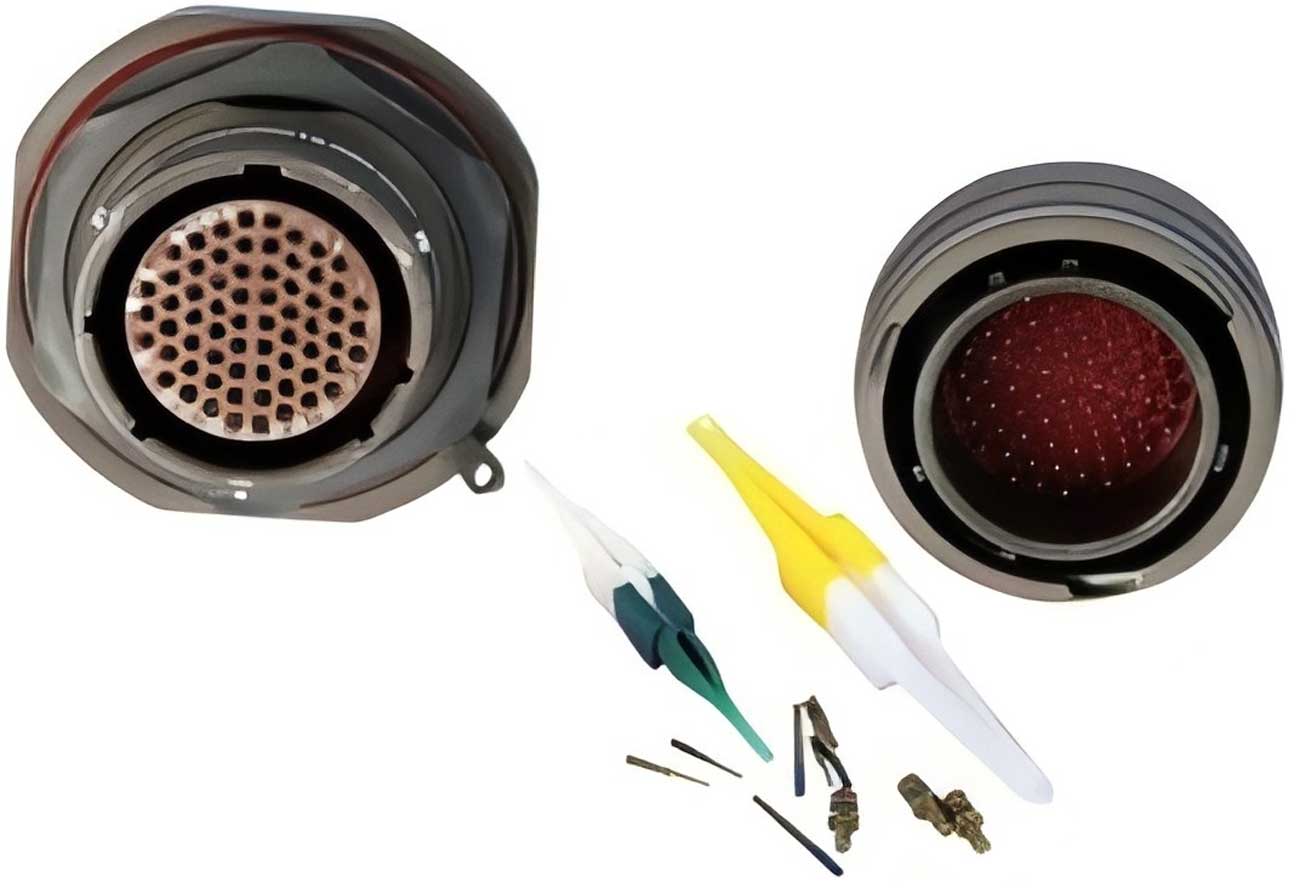
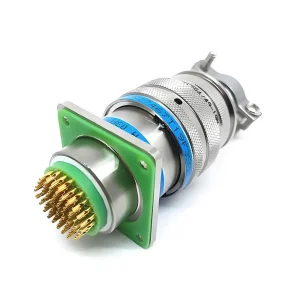
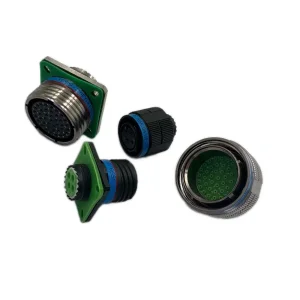
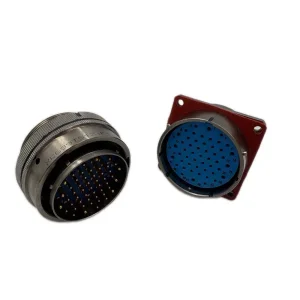
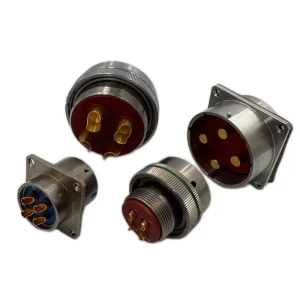
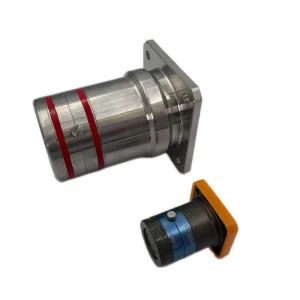
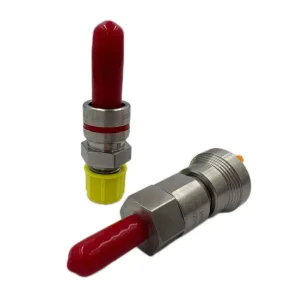
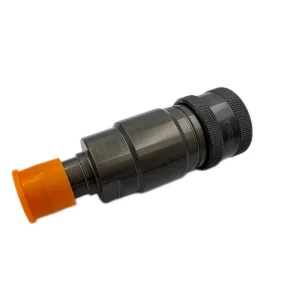
599â… product is a circular optical fiber aviation plug connector, featuring compact size, light weight, high-density layout, and stable and reliable connection. It is widely used in various devices and systems, mainly in aviation, electronics, weaponry, shipboard and other systems, meeting the demand for optical fiber connector products with high density, beam expansion, bidirectional floating and other functions in these fields.
9 Shell Numbers, 74 Standard Hole Group Arrangements, and multiple Derivative Hole Group Arrangements. The interface of the mating surface and the rear end have a sealing structure. Offering excellent three-resistance performance (moisture, salt spray, fungus) with a protection rating of up to IP65.
Five-key alignment guide with five anti-misinsertion keys.
Application: Circuit signal connection.
Main Technical Performance
Mechanical Performance
Shell material: Aluminum alloy, Stainless steel
Coating:
• Class B: Cadmium plating with military green passivation
• Class E: Stainless steel passivation
• Class F: Electroless nickel plating
Insulator: Thermosetting Plastic
Cable seal and sealing ring: Silicone rubber
Electrical Performance
Contact Resistance of Contacts and Rated Current
EMI Shielding: Minimum attenuation of 85dB at 100MHz–1GHz and 50dB at 1GHz–10GHz
Contact Specifications
Working Diameter (mm)
Contact Resistance (mΩ)
Rated Current (A)
22D
Φ0.76
≤12
5
20#
Φ1.00
≤5
7.5
16#
Φ1.60
≤2.5
13
12#
Φ2.40
≤1.5
23
10#
Φ3.15
≤1.0
40
Environmental Performance
Operating Temperature: Class B: -65°C to +175°C; Classes E and F: -65°C to +200°C
Salt spray: Class B: 500h; Class E: 1000h; Class F: 48h
*Widely used in aviation, aerospace and other military systems, as well as electronic equipment systems.
Operating Environment
Operating Conditions
Designed for complex environments with high vibration, rain exposure, sand/dust, and humidity.
Vibration:
• Sinusoidal Vibration: Frequency 10–2000Hz, Acceleration 294 m/s²
• Random Vibration: Frequency 100–1000 Hz, Power Spectral Density 1 g²/Hz
Shock: 3 ms half-sine wave, Peak Acceleration 300g
Withstand voltage: V
Operating Class*
M
N
Ⅰ
Ⅱ
Sea Level
1300
1000
1800
2300
21000m
800
600
1000
1000
Note: Different contact arrangements correspond to different working levels. For specific working levels, please refer to the letters in the upper-right corner of the contact arrangement diagram.
Insulation Resistance: Normal ≥5000MΩ; Humid ≥100MΩ.
Electrical continuity between Shell:
• Class B: ≤2.5mΩ
• Class F: ≤1.0mΩ
• Class E: ≤50mΩ
Relative Humidity: Up to 98% at 40℃.
Operating Altitude: ≤30480 m.
The electrical connector also provides excellent resistance to moisture, salt spray, fungus, rain, and dust.
Frequently Asked Questions
What are the primary applications of these electrical connectors?
These connectors are widely used in aviation, aerospace, and other military systems, as well as electronic equipment systems for reliable circuit signal connections.
What level of protection do these connectors offer against environmental hazards?
They feature a protection rating of up to IP65, providing excellent resistance to salt spray (up to 1000 hours depending on the class), moisture, fungus, rain, and dust.
Can these connectors withstand high-vibration environments?
Yes. They support sinusoidal vibration (Frequency 10–2000Hz, Acceleration 294 m/s²), random vibration (Frequency 100–1000 Hz, PSD 1 g²/Hz), and a peak acceleration shock of 300g.
What are the operating temperature limits for the different classes?
Class B connectors have an operating temperature range of -65°C to +175°C, while Classes E and F are rated for -65°C to +200°C.
What is the mechanical life expectancy of the connector?
The electrical connectors are designed for durability and have a mechanical life rating of 500 mating cycles.
Do these connectors provide EMI and RFI shielding?
Yes, they provide high-performance EMI/RFI shielding with a minimum attenuation of 85dB at 100MHz–1GHz and 50dB at 1GHz–10GHz.
 Dynalink Electronic