Engineered for high reliability, certified compliance, and seamless integration into Northern Germany's logistics, industrial utility, and off-grid configurations.
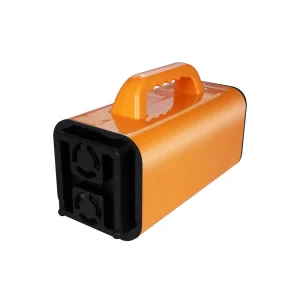
Analyzing Northern Germany's shifting green technology framework and the urgent requirement for high-density, reliable electrochemical storage.
Hamburg, as Germany's leading logistics gateway and the third-largest container port in Europe, is undergoing an unprecedented energy transformation. Under the Hamburg Climate Plan (Klimaplan), the Free and Hanseatic City has legally targeted carbon neutrality by 2045, with strict interim goals for the complete decarbonization of industrial operations, public mobility, and maritime support networks. The electrification of the Port of Hamburg (including dockside crane fleets, automated guided vehicles (AGVs), and ship-to-shore power grids) relies extensively on high-capacity, heavy-duty battery chemistry.
Industrial installations throughout Northern Germany, from aviation clusters in Finkenwerder to hydrogen-ready steel and chemical plants in Wilhelmsburg, are shifting away from traditional fossil backups toward dynamic grid-scale lithium energy storage. This regional transition is amplified by the massive wind power yield from the North Sea and Schleswig-Holstein, which requires highly responsive stationary grid-scale energy storage systems (BESS) in Hamburg to buffer peak wind feeds, prevent transmission bottlenecks, and stabilize the local utility grid (Stromnetz Hamburg).
Consequently, procurement managers in Hamburg are looking for high-reliability manufacturing partners who can design, build, and certify advanced battery systems. These packs must handle harsh maritime conditions (like salt-spray corrosion and high humidity) while complying with strict European Union standards. This includes the recently updated EU Battery Regulation (2023/1542), which mandates clear carbon footprint declarations, supply chain tracing, and extensive cycle life performance criteria.
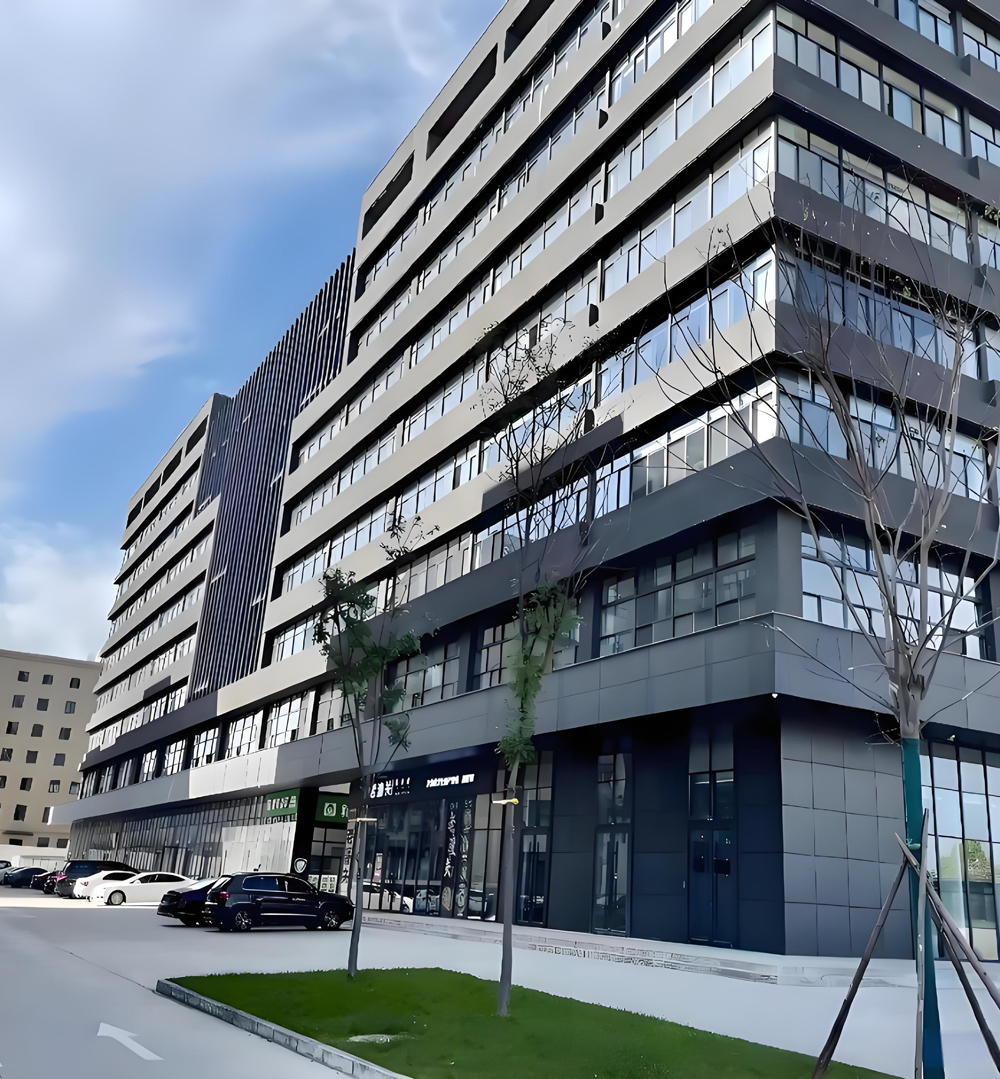
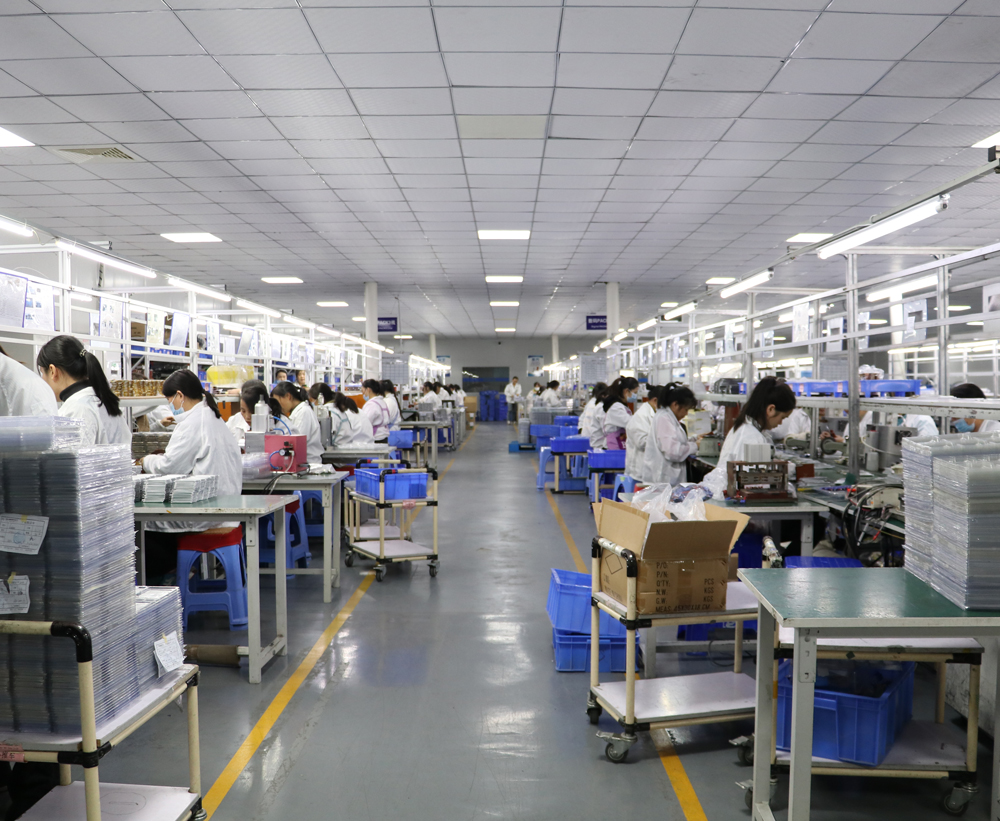
Established in 2007, Dynalink Electronic Technology Co., Ltd (DL) has evolved from a specialized component manufacturer into a globally recognized designer and producer of custom battery storage systems, high-density capacitors, and heavy-duty interconnect components. Today, our advanced facility has a workforce of over 800 employees, including more than 200 dedicated technical engineers and R&D specialists.
We manage our entire production line in-house, covering materials research, battery chemistry optimization, structural design, thermal management, precision molding, and final system integration. This vertical integration allows us to optimize product quality, maintain strict control over tolerance levels, and provide customized solutions that meet the demanding requirements of commercial and industrial clients in Hamburg and throughout Germany.
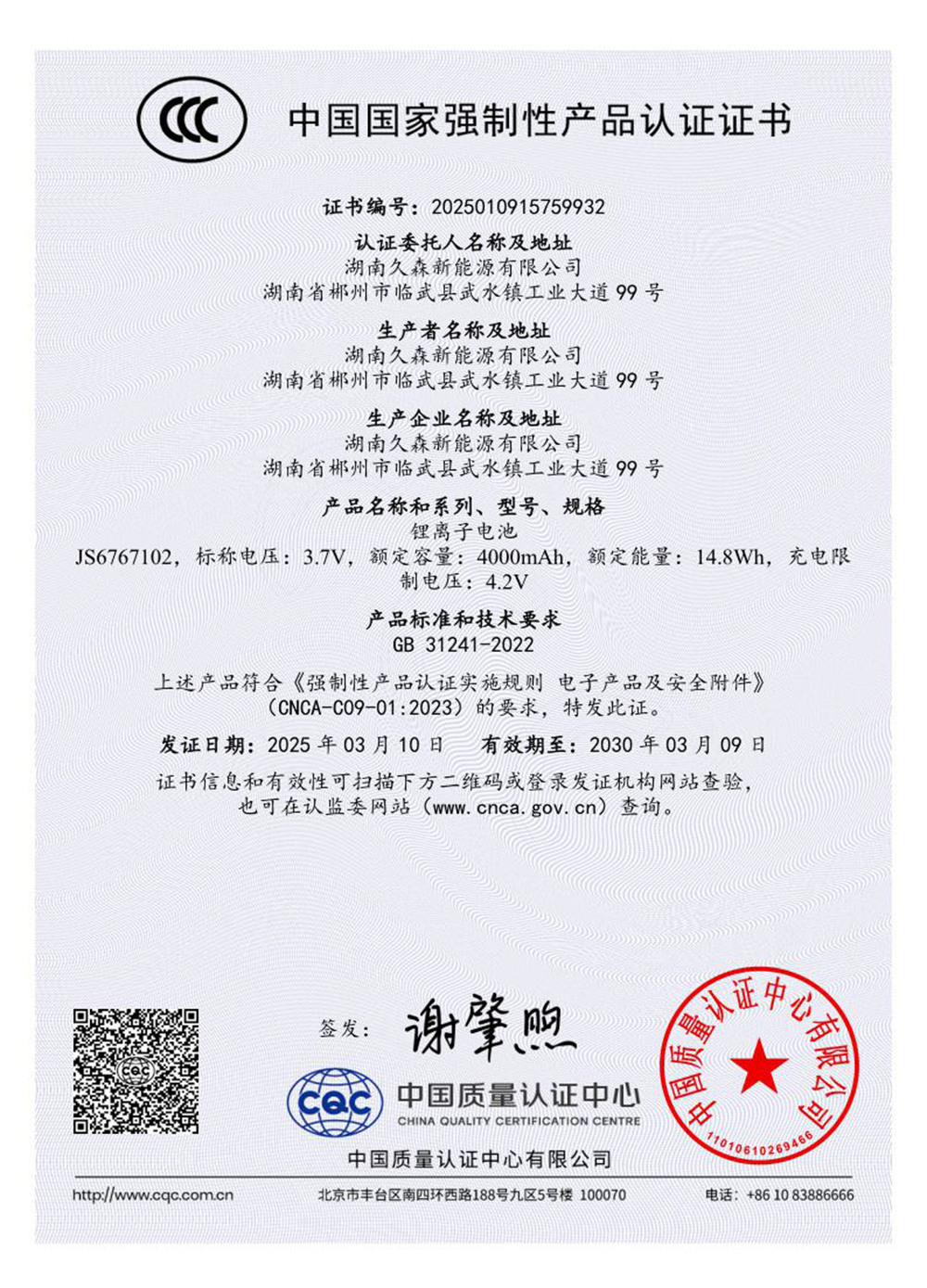
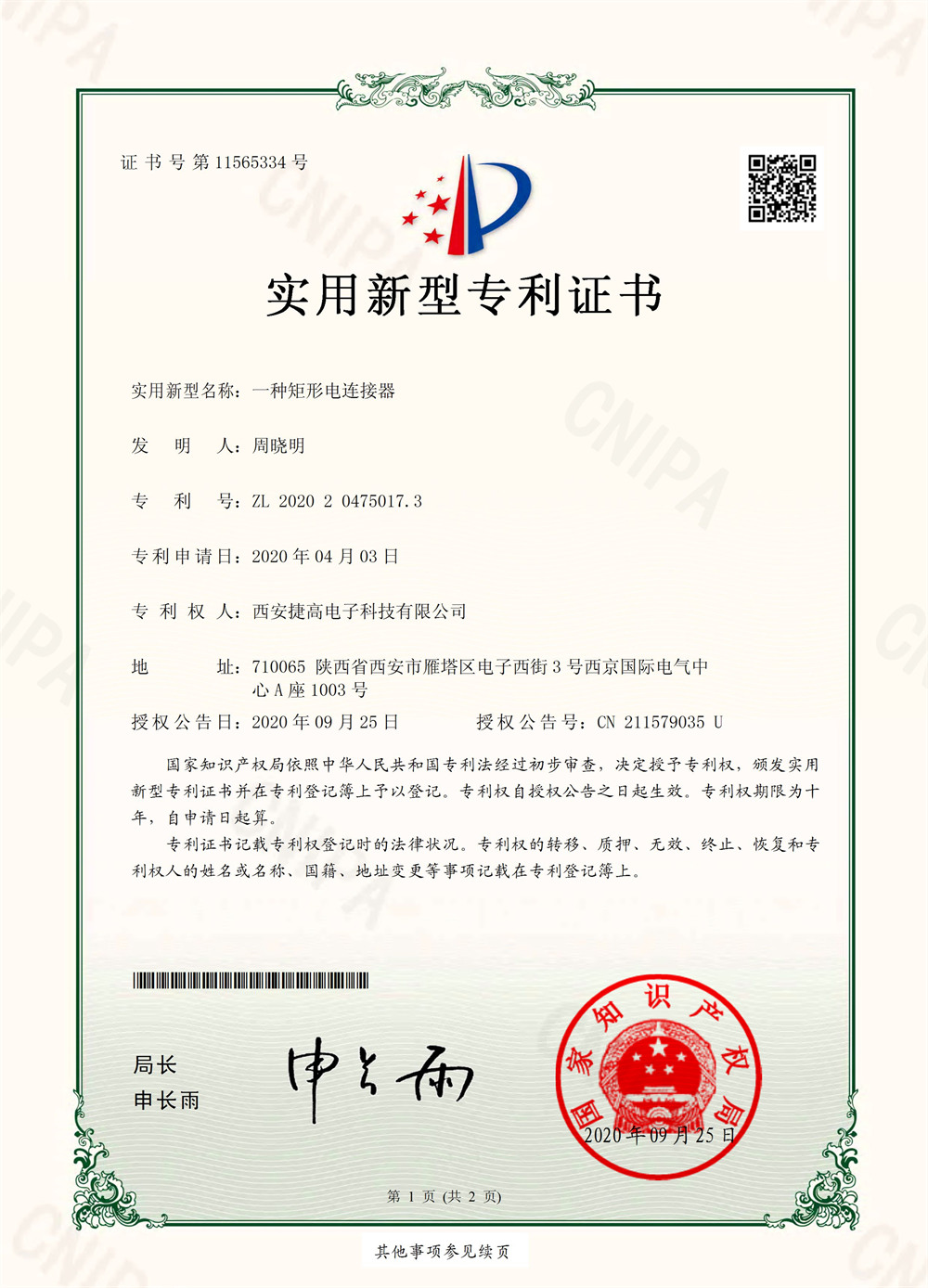
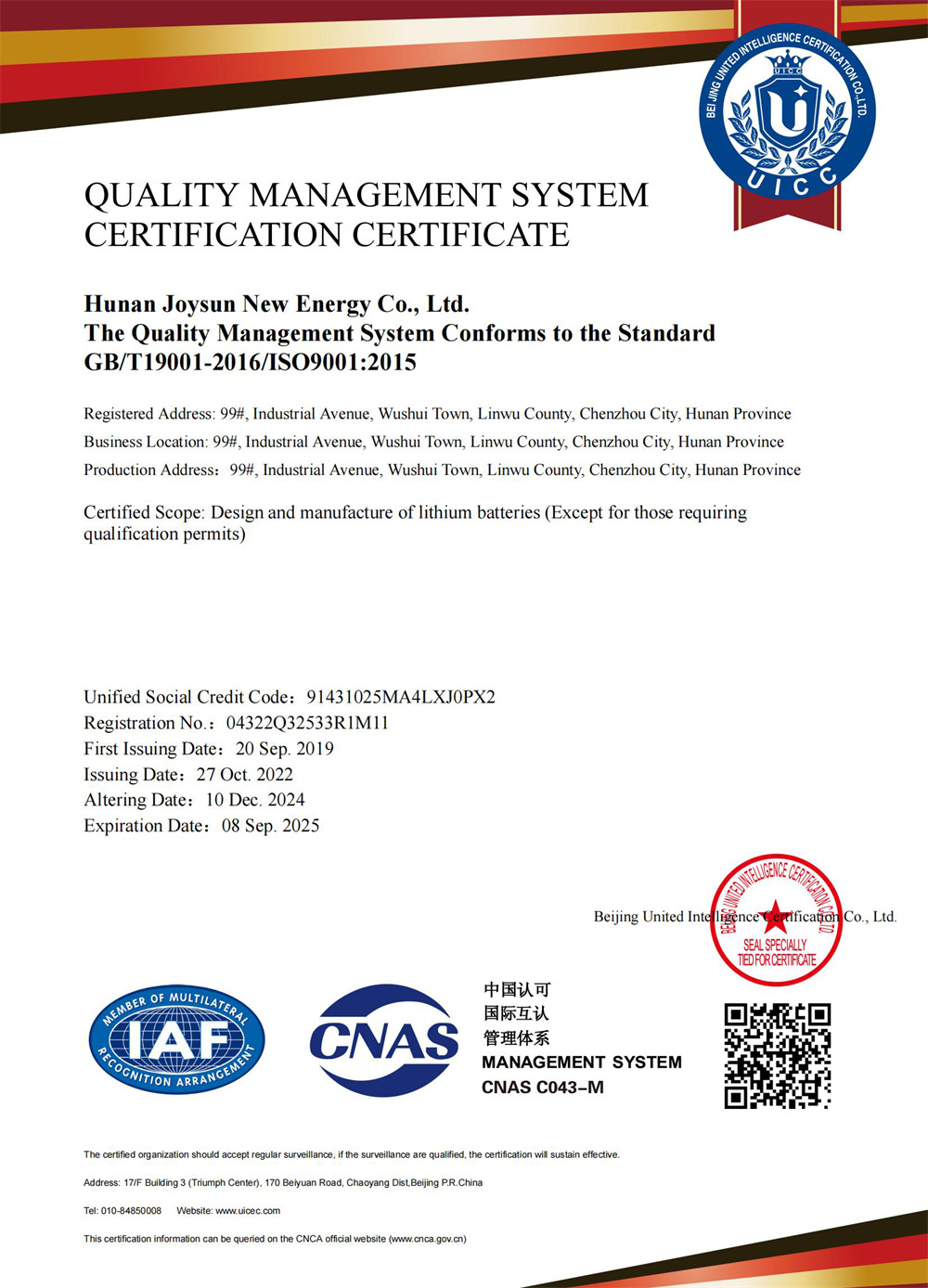
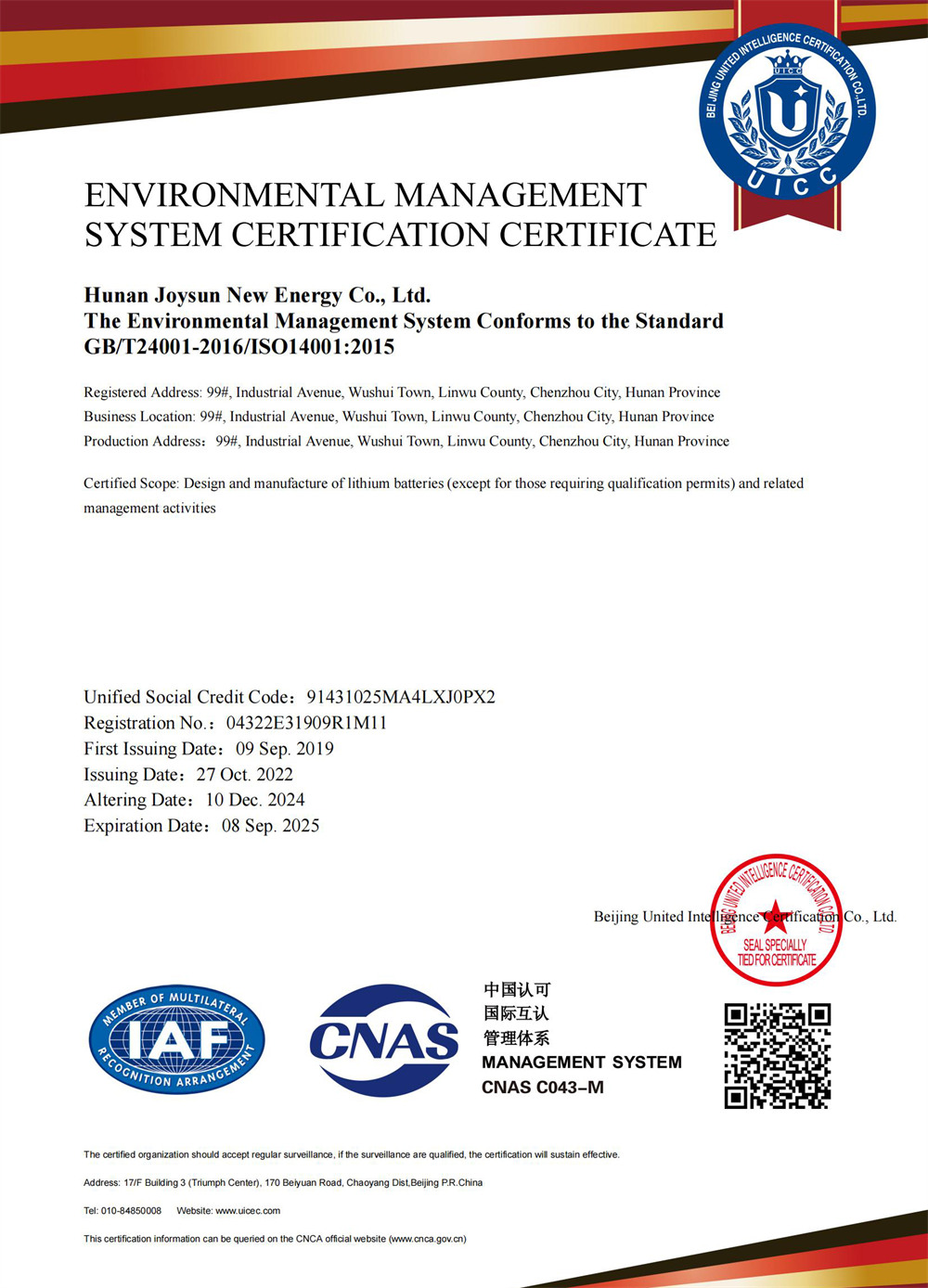
To ensure high quality and compliance, DL maintains ISO-certified facilities and holds international certifications, including environmental, quality control, and safety compliance standards, confirming our role as a trusted supply partner for European projects.
How DL partners with industrial operators in Hamburg to deliver optimized power and signal distribution across critical fields.
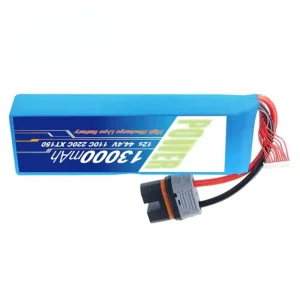
Ensuring drone battery stability and efficient charging systems for automated drone fleets inspecting the Hamburg Port area and offshore wind farms.
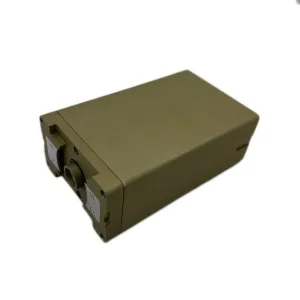
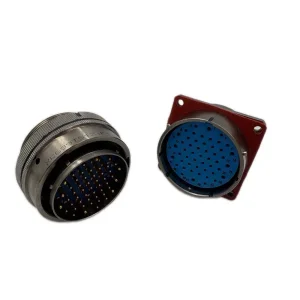
Delivering high-current, low-loss blind-mate connectors and uninterruptible power supply (UPS) batteries to safeguard data hubs in Northern Germany.
Providing heavy-duty connectors with IP67/IP68 ingress protection and robust power supplies that withstand continuous vibrations in automated manufacturing.
Using our custom design system to develop components based on client dimensions, thermal limits, and electric load specs within a short timeframe.
Continuing R&D into solid-state battery manufacturing and high-energy-density supercapacitors to support future regional energy systems.
All production steps strictly comply with ISO 9001, ISO 14001, and ISO 45001 frameworks, backed by advanced laboratory testing.
Procuring custom power systems from China offers distinct benefits in raw material access, cost-efficiency, and rapid prototyping compared to regional European sourcing. China's mature battery ecosystem provides reliable access to battery-grade lithium iron phosphate (LiFePO4) and nickel manganese cobalt (NMC) cells, keeping production timelines predictable.
DL integrates this supply chain efficiency with strict quality control. Our design and production systems allow us to transition from blueprint drawings to certified prototypes within short cycles. We handle everything from automated welding and laser sealing to comprehensive testing under simulated extreme conditions, ensuring compliance with CE, UN38.3, and IEC 62133 standards.
For Hamburg import logistics, our location near major international ports enables efficient ocean freight transport to the Port of Hamburg. We provide full transport documentation, including safety data sheets (MSDS) and dangerous goods declarations, to ensure hassle-free customs clearance.
German industrial applications demand battery chemistries suited to their specific operational environments. We provide two primary lithium chemistries, each optimized for different use cases:
Modern high-capacity battery systems require reliable cooling systems to maintain optimal temperatures. Liquid cooling has become standard for high-density storage applications. However, liquid cooling introduces the risk of coolant leaks near high-voltage electrical components.
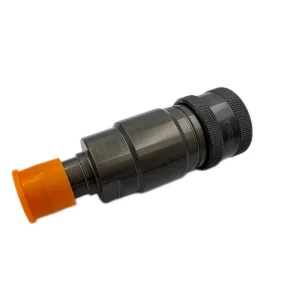
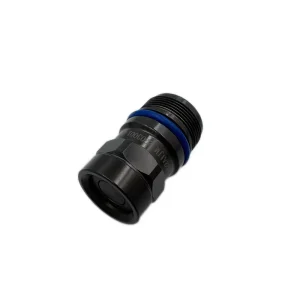
DL solves this challenge by developing integrated fluid connectors, such as the YTC Series Steel Ball Locking Fluid Connectors and YTF Series Blind-Mate Fluid Connectors. These connectors feature automated dry-break valves that seal immediately upon disconnection, preventing fluid release. Constructed from corrosion-resistant materials and featuring precision seals, they ensure reliable operations in high-humidity maritime climates like Hamburg.
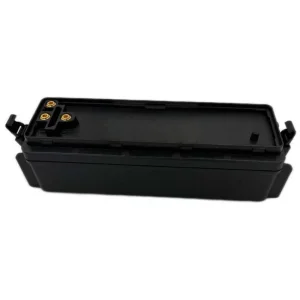
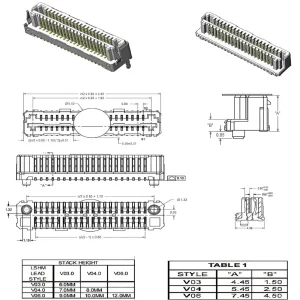
Explore our full range of certified industrial power supplies, high-performance battery packs, and precision fluid and electrical connectors.
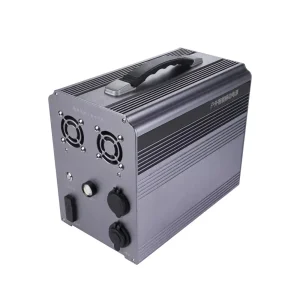
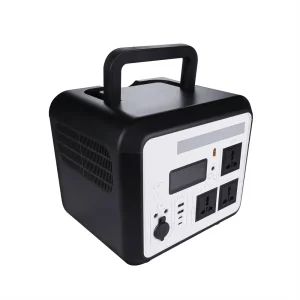
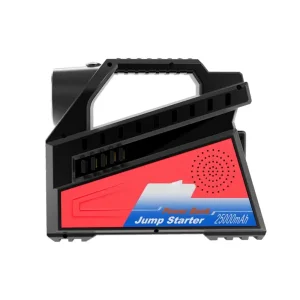
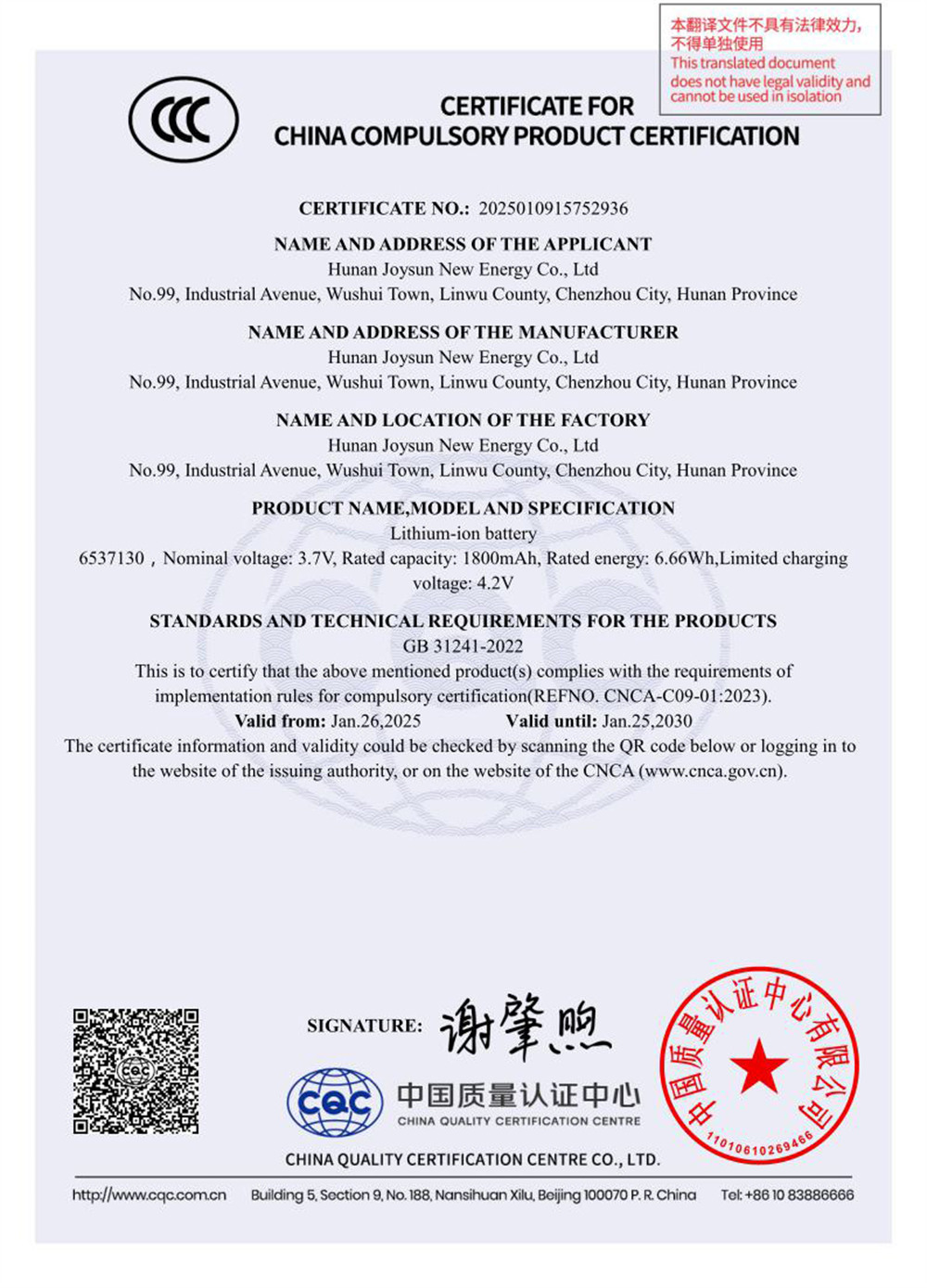
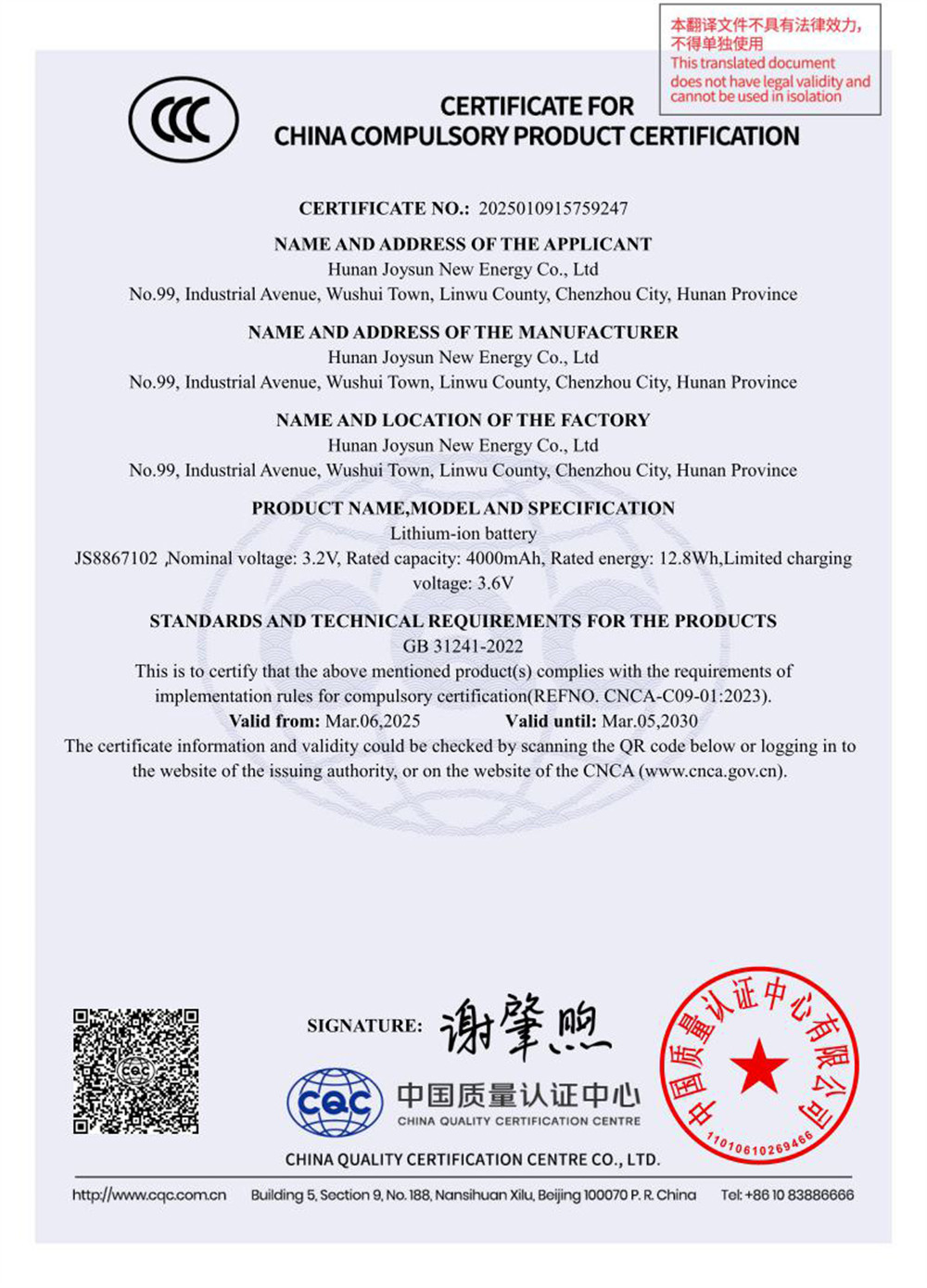
Dynalink products comply with strict international standards to ensure reliable operation under rigorous industrial and environmental conditions.
Our systems are designed, manufactured, and certified in accordance with standard frameworks, including environmental safety, quality management, and occupational health and safety guidelines.
Answers to common regulatory, logistical, and technical questions from procurement teams in Germany.
 Dynalink Electronic