Premium industrial electronic modules, bespoke medical capacitors, LiFePO4 backup arrays, and dynamic high-speed interconnect configurations manufactured to ISO and international specifications.
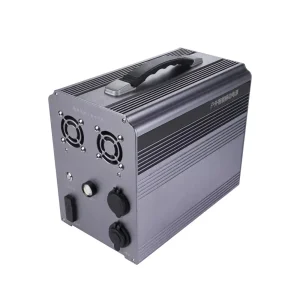
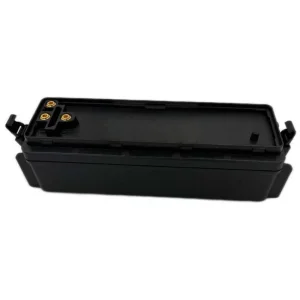
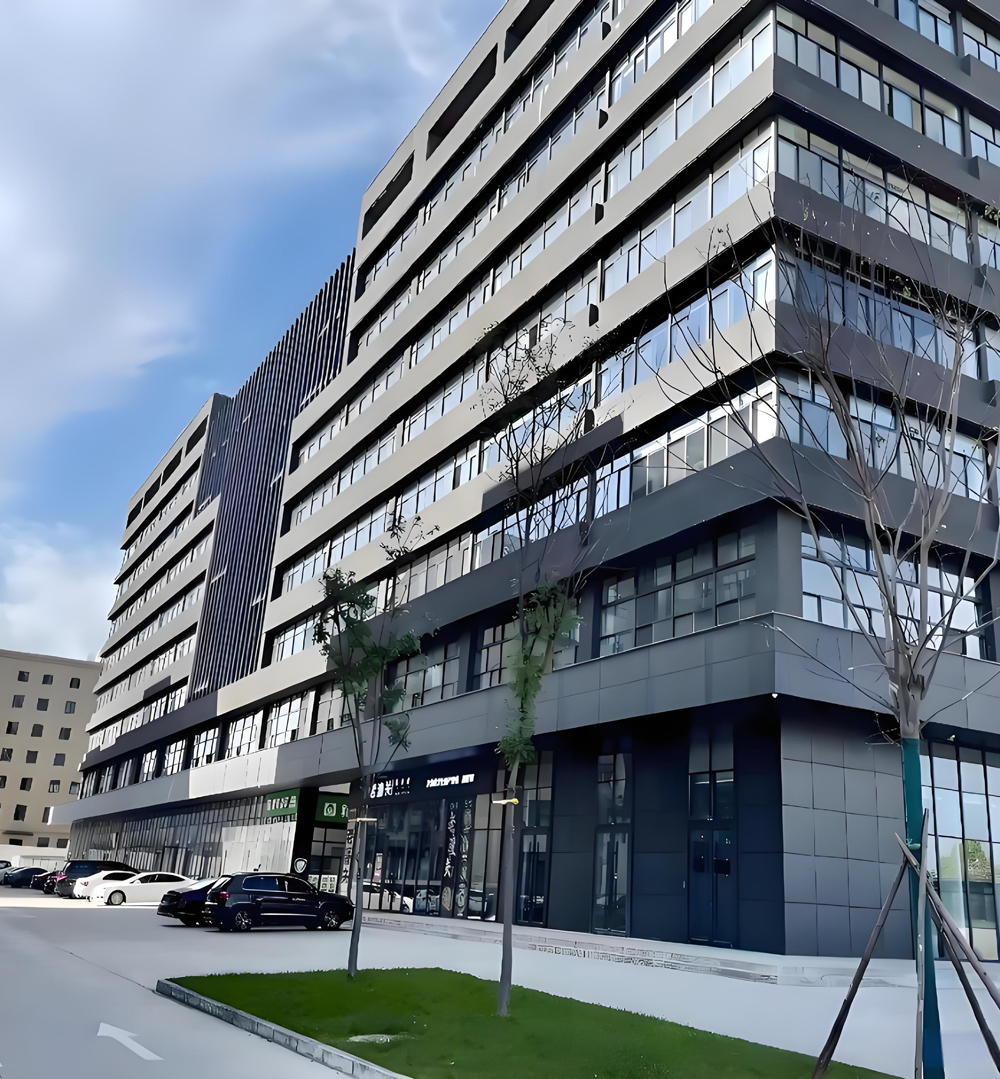
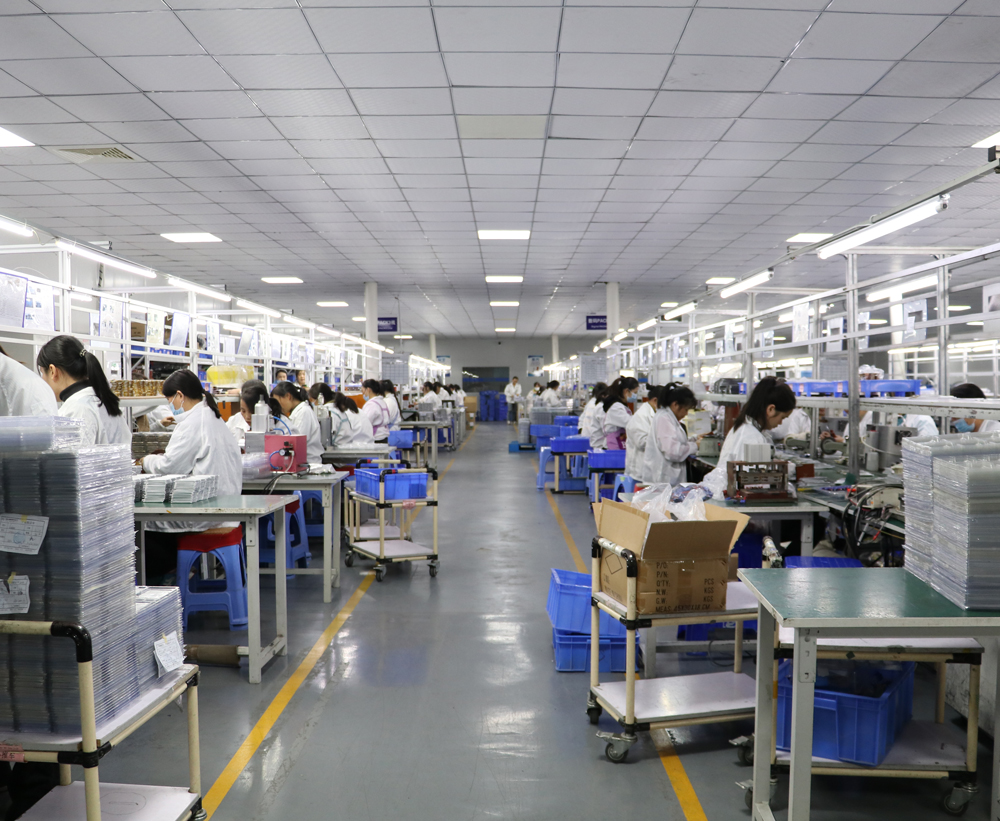
Established in 2007, Dynalink Electronic Technology Co., Ltd (DL) has emerged as a high-technology design and manufacturing enterprise. We employ a skilled workforce of over 800 personnel, including a dedicated engineering and R&D department of more than 200 technical experts.
By leveraging continuous investment in electrochemical R&D and mechanical product validation, Dynalink has created a fully integrated industrial supply chain. This extends from raw material molecular research to dynamic system structural design, precision tooling, cleanroom packaging, and high-performance testing. Our components deliver excellent reliability and stable operation under thermal, mechanical, and electric stress profiles.
Through deep material integration, rapid CAD/CAE modeling, and automated testing, Dynalink serves global clients with a reliable supply chain.
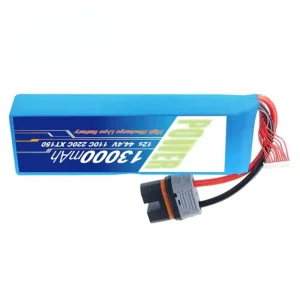
We engineer customized battery packs and connection solutions to manage high C-rate requirements. This ensures lightweight assembly, thermal stability, and high cycle counts for commercial and defense UAV platforms.
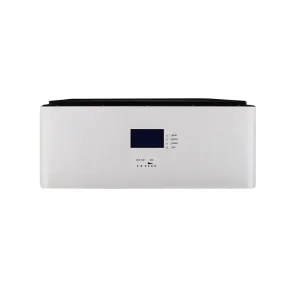
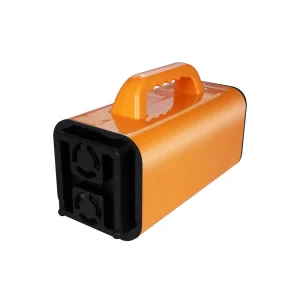
Our backup power systems, impulse capacitors, and low-loss connectors maintain sub-millisecond switching times. This ensures constant power supply for enterprise scale clouds and high-performance computing centers.
We provide durable interconnects and power modules designed to withstand chemical exposure, physical vibrations, and electromagnetic noise in heavy-duty manufacturing environments.
Leveraging our digital engineering architecture, we provide customized designs, 3D file exports, structural FEA results, and electronic schematics to client requests within narrow project cycles.
Dynalink focuses on developing solid-state energy storage, low-loss connectors, and high-frequency power solutions. We invest heavily in material science to improve density, cycle life, and thermal safety.
Taking quality as our shield, we continuously optimize processes and standards to forge industry benchmark products. Our multidisciplinary approach bridges power chemistry, electrical connectors, and capacitor engineering to supply integrated hardware solutions.
We take "empowering life with technology and creating a sustainable future" as our mission, aim to "become a leading provider of integrated system power supply solutions in the industry" as our vision, and practice the values of "integrity, innovation, collaboration, and win-win results".
We create a positive and united working atmosphere, attach great importance to the growth and development of employees, and provide them with broad career advancement opportunities and a complete training system.
Focusing on the fields of batteries, capacitors, and connectors, we use innovation as our spear, making every effort to overcome the technical bottlenecks of solid-state batteries, break through the upper limit of capacitor energy density, and develop high-precision and low-loss connectors.
The global transition toward electrification, digital computing infrastructure, and unmanned aerial vehicles has changed the requirements for energy storage systems. Lithium-ion (Li-ion) batteries are at the center of this transition. For industrial buyers, choosing a supplier requires assessing cell chemistry, thermal stability, degradation rates, and mechanical protection.
Current industry trends highlight three key technological shifts:
Dynalink's engineering teams integrate advanced anode materials and secure mechanical protection to meet the thermal and physical demands of modern operations.
Procurement teams at multinational enterprises look beyond unit pricing when choosing battery partners. Operating as an ODM exporter requires meeting requirements for technical compliance, mechanical adaptability, and supply chain transparency.
Key enterprise requirements include:
Batteries must pass testing under UN38.3 (transport safety), UL1642, UL1973, IEC62133, and CE regulations. Without these certified baselines, global distribution is limited.
Systems require communication protocols (CANbus, SMBus, Modbus, RS485) to integrate with host machinery, providing real-time diagnostic reporting.
Battery enclosures must match specific envelopes, weight distributions, and environmental protection ratings (IP65, IP67, IP68) to protect against dust and water ingress.
Dynalink supports these requirements through a responsive development process, maintaining complete product traceability from raw materials to final shipment.
A common challenge in industrial power design is system mismatch. An efficient battery pack can still fail if the power cables use high-resistance connectors, or if voltage dips occur under sudden load spikes.
Dynalink addresses this by engineering integrated power solutions:
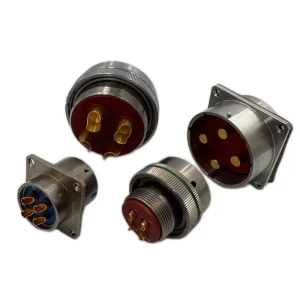
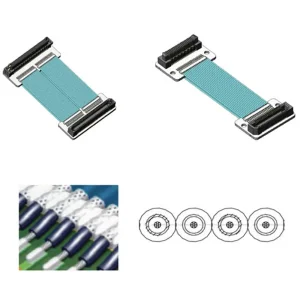
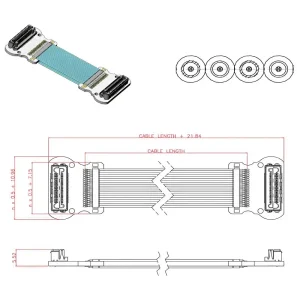
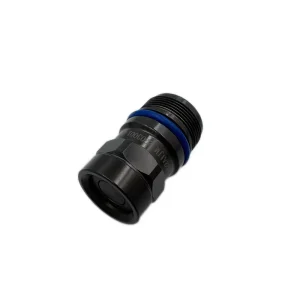
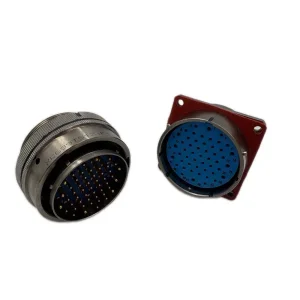
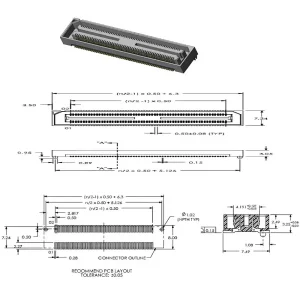
Our high-speed, blind-mate fluid and electrical connectors use precision contact designs. They reduce contact resistance to sub-milliohm levels and support high insertion/extraction cycles.
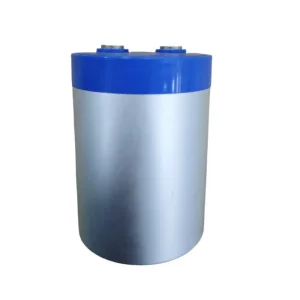
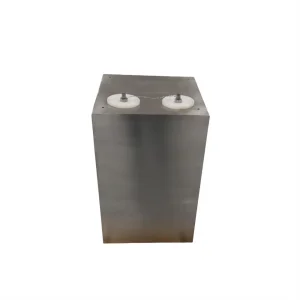
For high-frequency power switching, our MKMJ impulse capacitors absorb voltage surges and ripple currents, protecting the BMS circuitry from degradation.
These components are engineered to work together, minimizing signal loss, heat generation, and electromagnetic interference (EMI) across the entire assembly.
Transporting lithium-ion batteries internationally is highly regulated. As Class 9 Dangerous Goods, they must meet strict shipping requirements. Dynalink's logistics team ensures compliance at every stage of transport:
Our technology roadmap outlines Dynalink's research and development focus over the coming years:
Deploying silicon-composite anodes in commercial ODM orders to push cell densities beyond 300 Wh/kg, while maintaining long cycle life.
Introducing hybrid solid-state cells with gel-polymer electrolytes. This lowers cell flammability while maintaining compatibility with existing production lines.
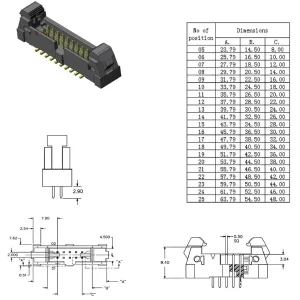
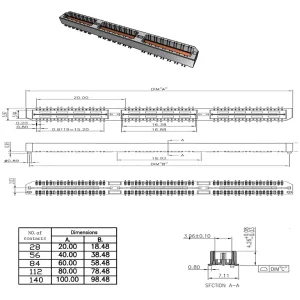
Developing 112G and 224G high-frequency connectors to support the fast data transfer rates needed for advanced telecom and data systems.
Answers to common technical, manufacturing, and compliance questions from our engineering partners.
We use a multi-step screening process. Cells are aged under controlled conditions, then sorted using high-precision equipment to match capacity, open-circuit voltage (OCV), and internal resistance (IR). This matching minimizes voltage imbalance during charge and discharge cycles, which helps prevent premature pack degradation.
Our BMS designs support active and passive balancing, multi-point thermal monitoring, and over-current protection. Communication interfaces can be configured to use CANopen, Modbus RTU, SMBus, or standard UART. This allows for direct integration with drone flight controllers or industrial monitoring systems.
Our MKMJ capacitors feature low self-inductance and low equivalent series resistance (ESR). When high current spikes occur, these capacitors absorb transient voltages, protecting sensitive electronics and the battery cells from thermal stress.
We design battery enclosures using cast aluminum alloys or engineered plastics, sealed with custom gaskets. Cable exits use IP67 or IP68 rated connectors. Each enclosure is pressure tested before shipment to verify seal integrity.
Depending on the target market, we provide UN38.3 test reports, MSDS sheets, CE declarations, and test summaries for IEC62133 or UL1973. We work with accredited third-party laboratories to manage certification testing during development.
The initial design and 3D modeling are completed in 1 to 2 weeks. Prototype manufacturing and electrical validation take 3 to 4 weeks. Safety and regulatory certification testing adds 4 to 8 weeks, depending on the specific tests required.
Explore our range of high-density lithium polymer batteries, impulse capacitors, and precision high-speed interconnect products.
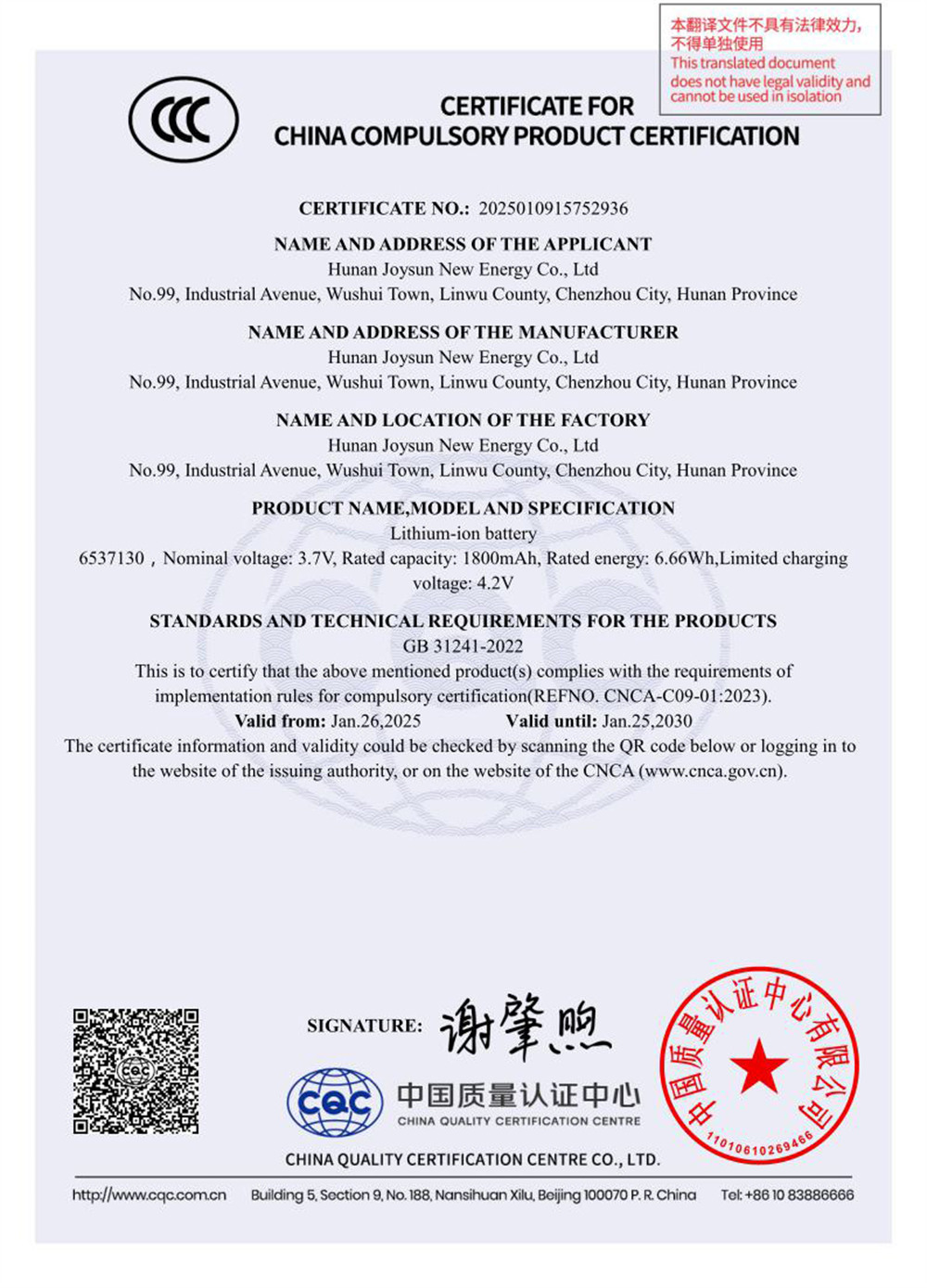
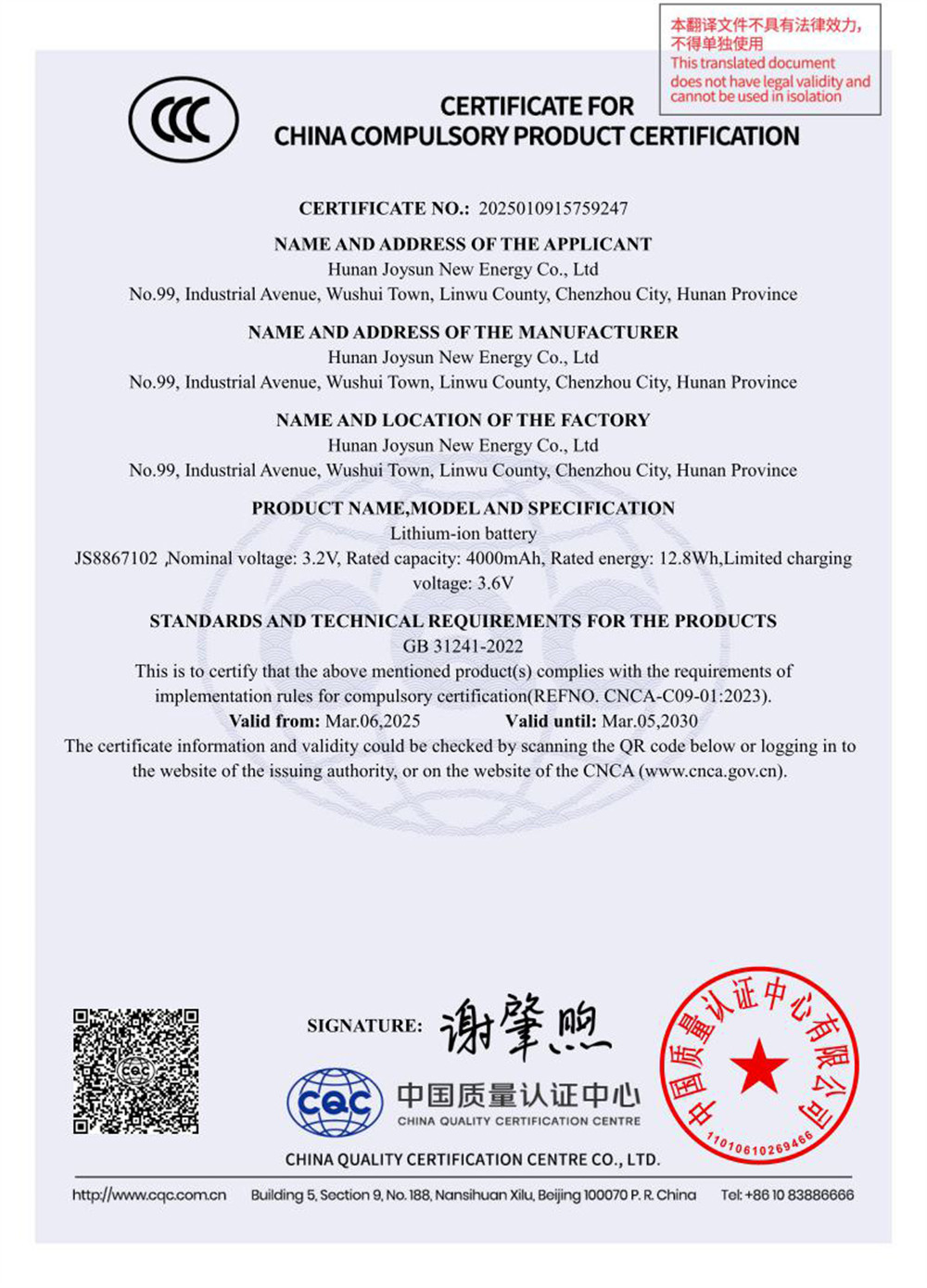
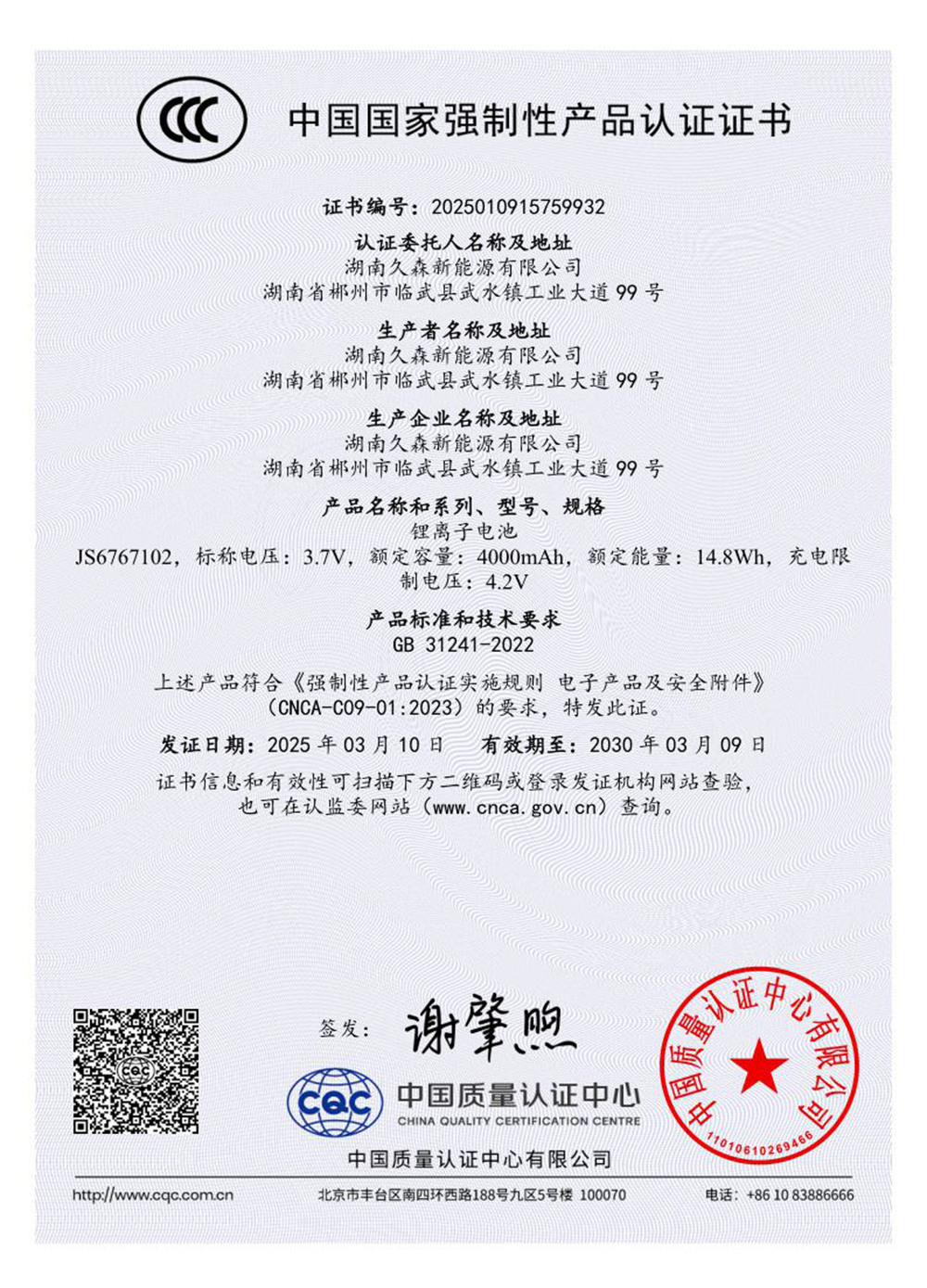
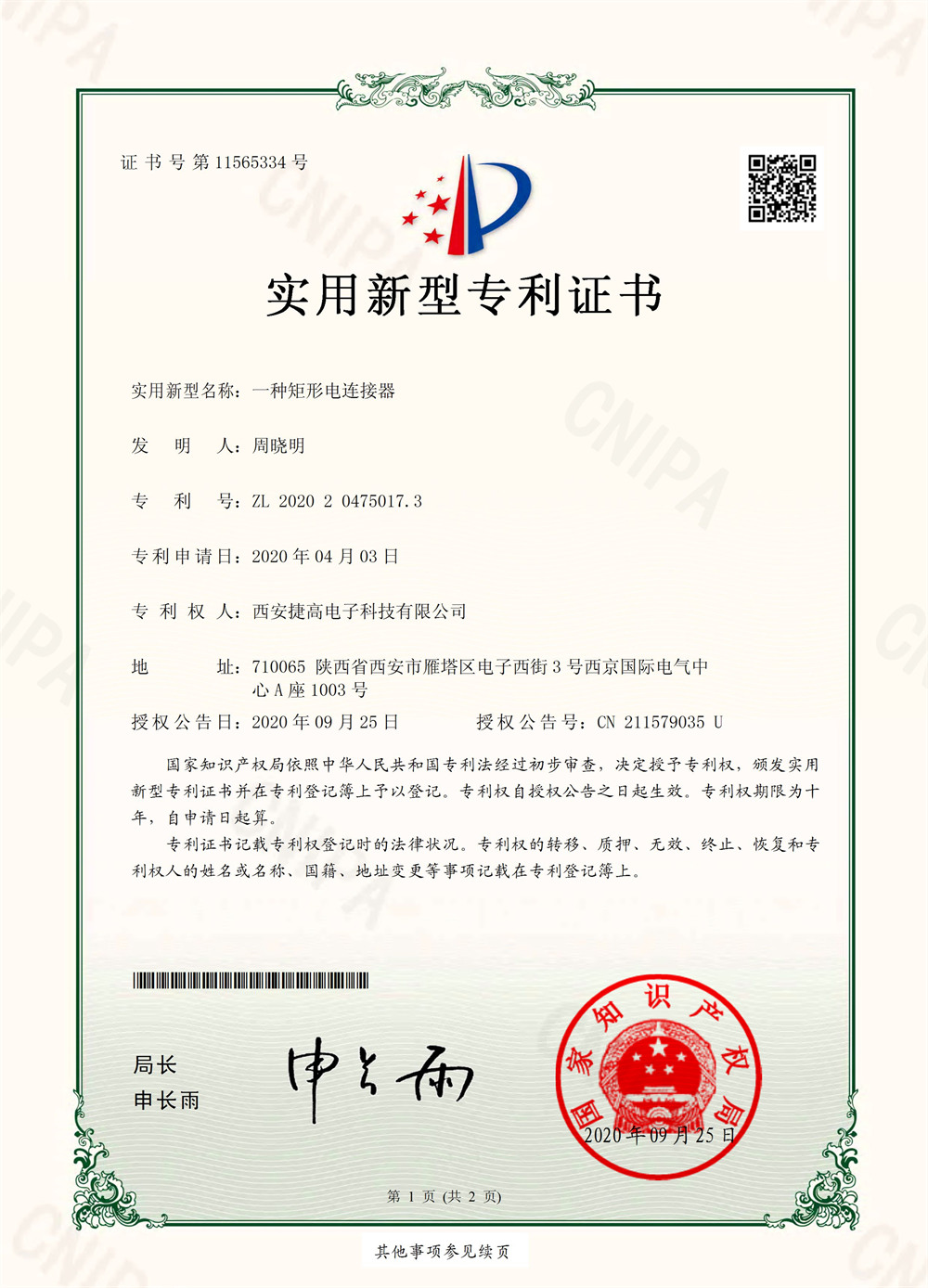
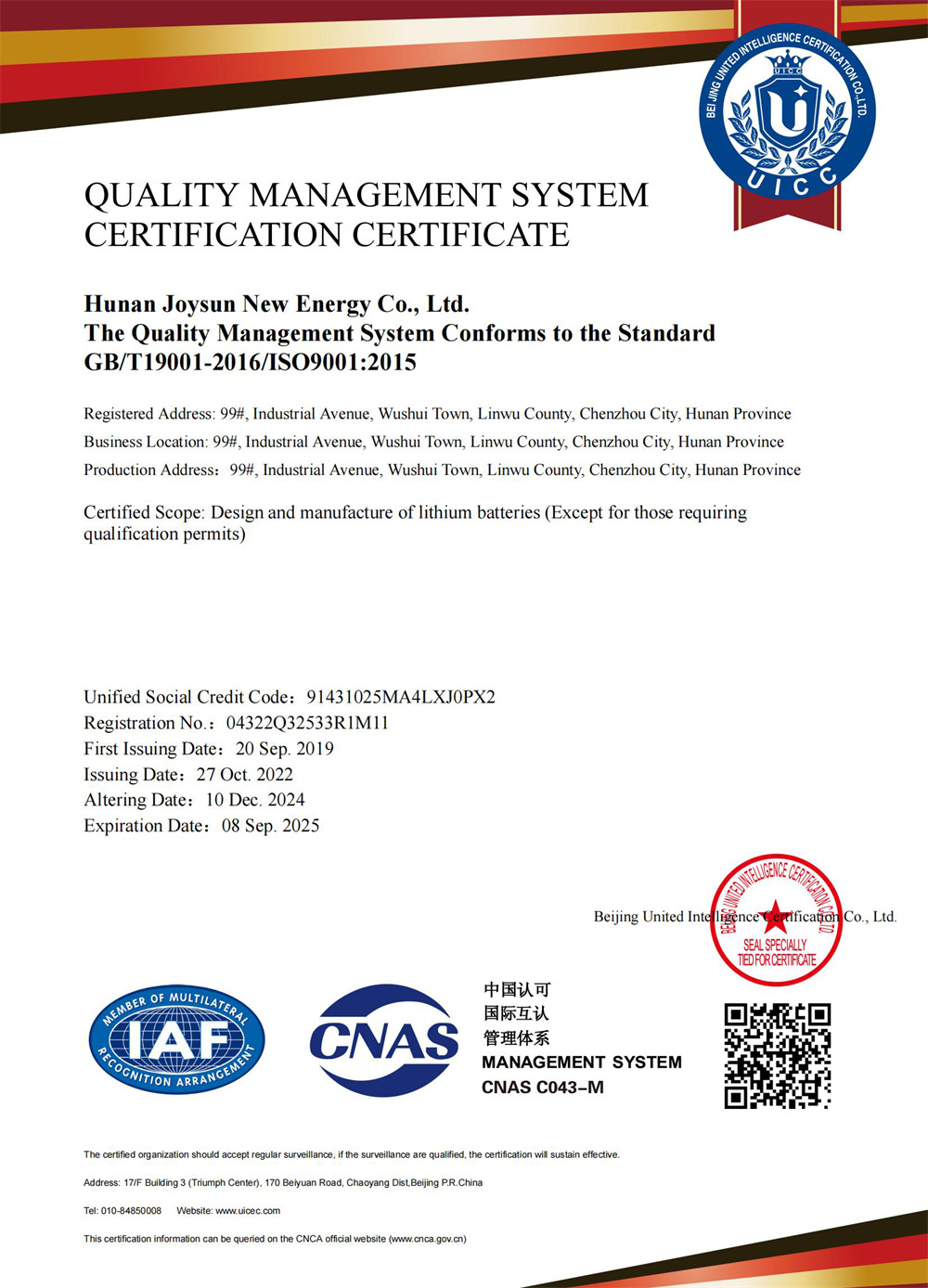
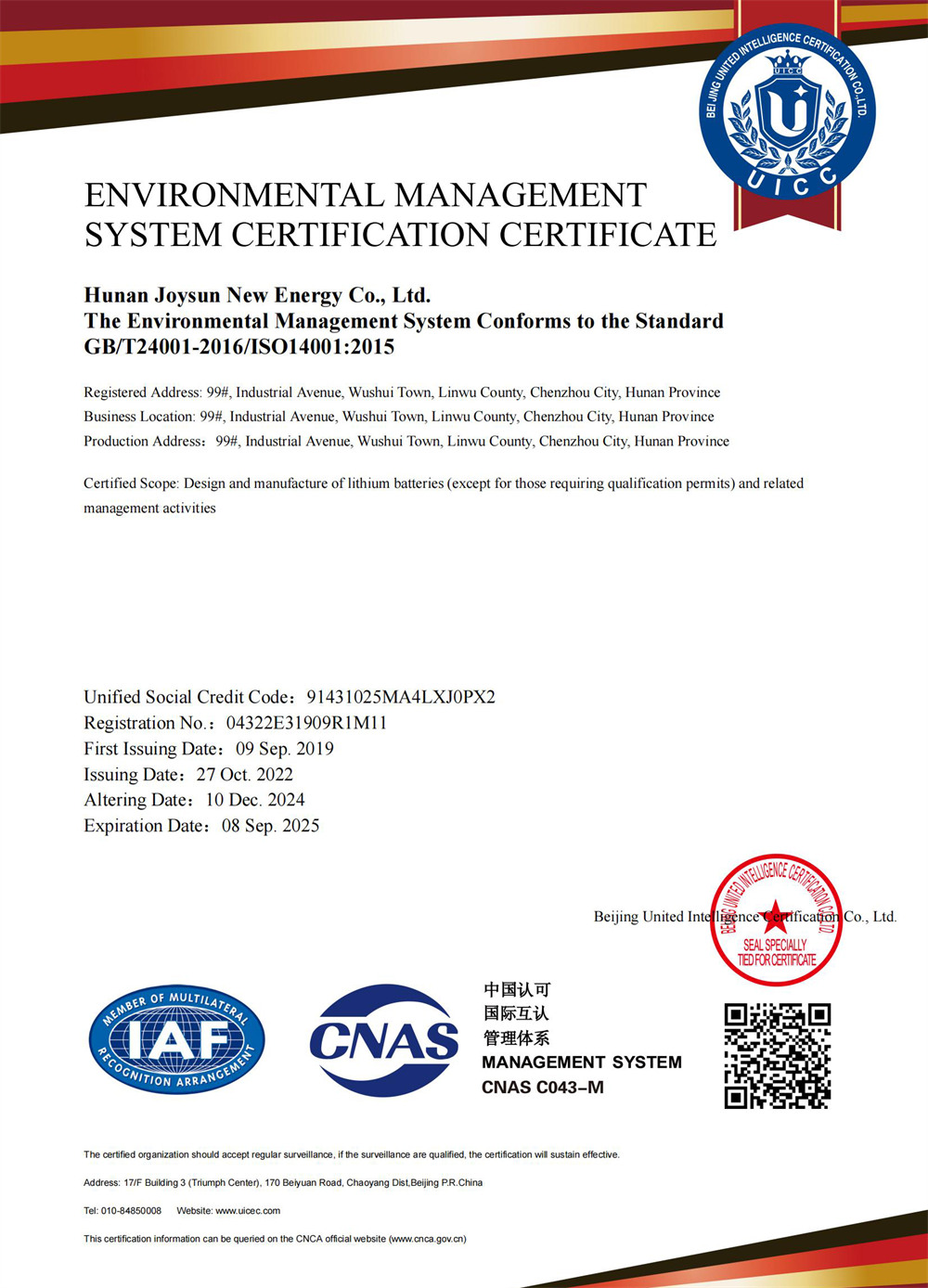
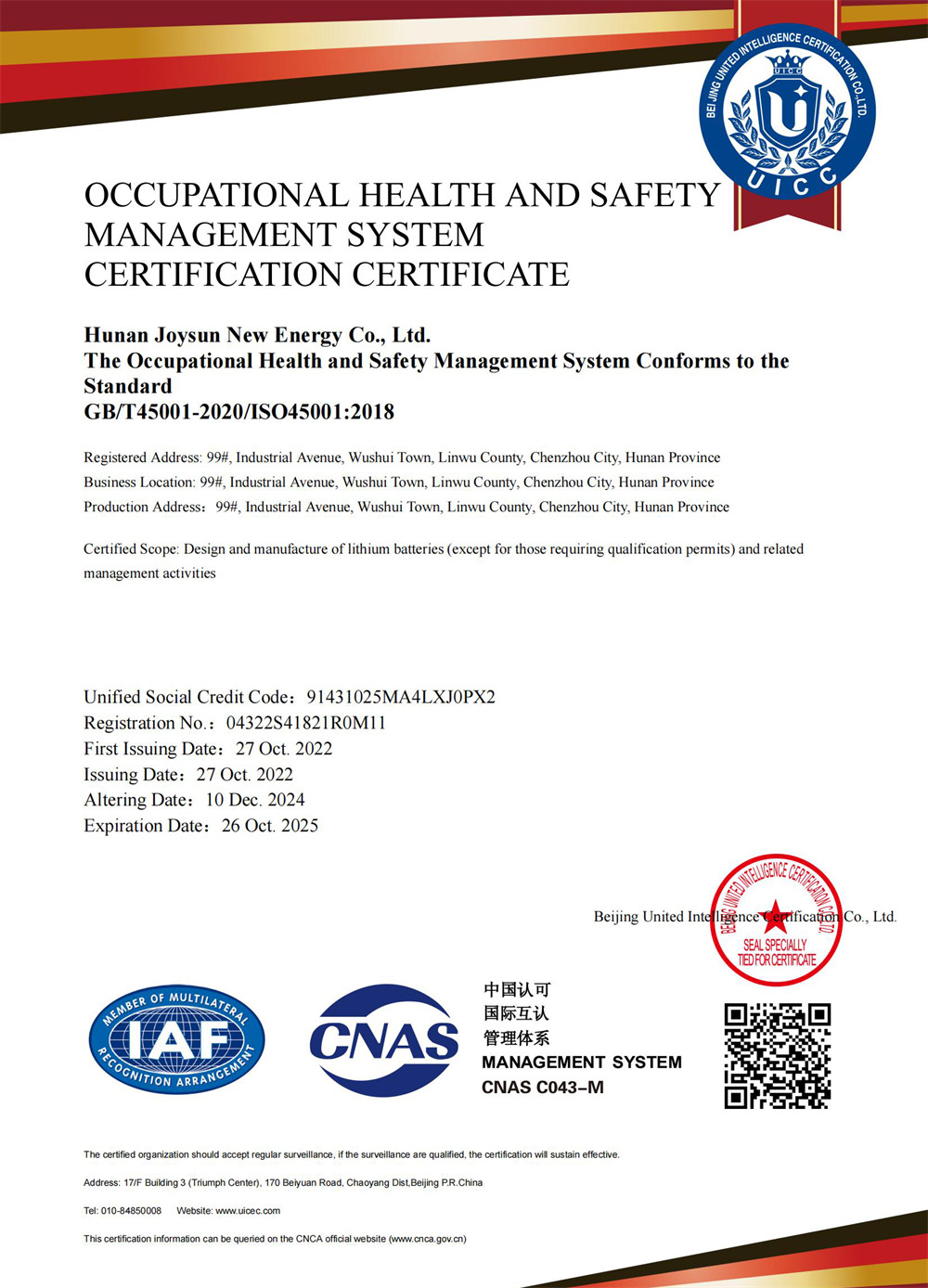
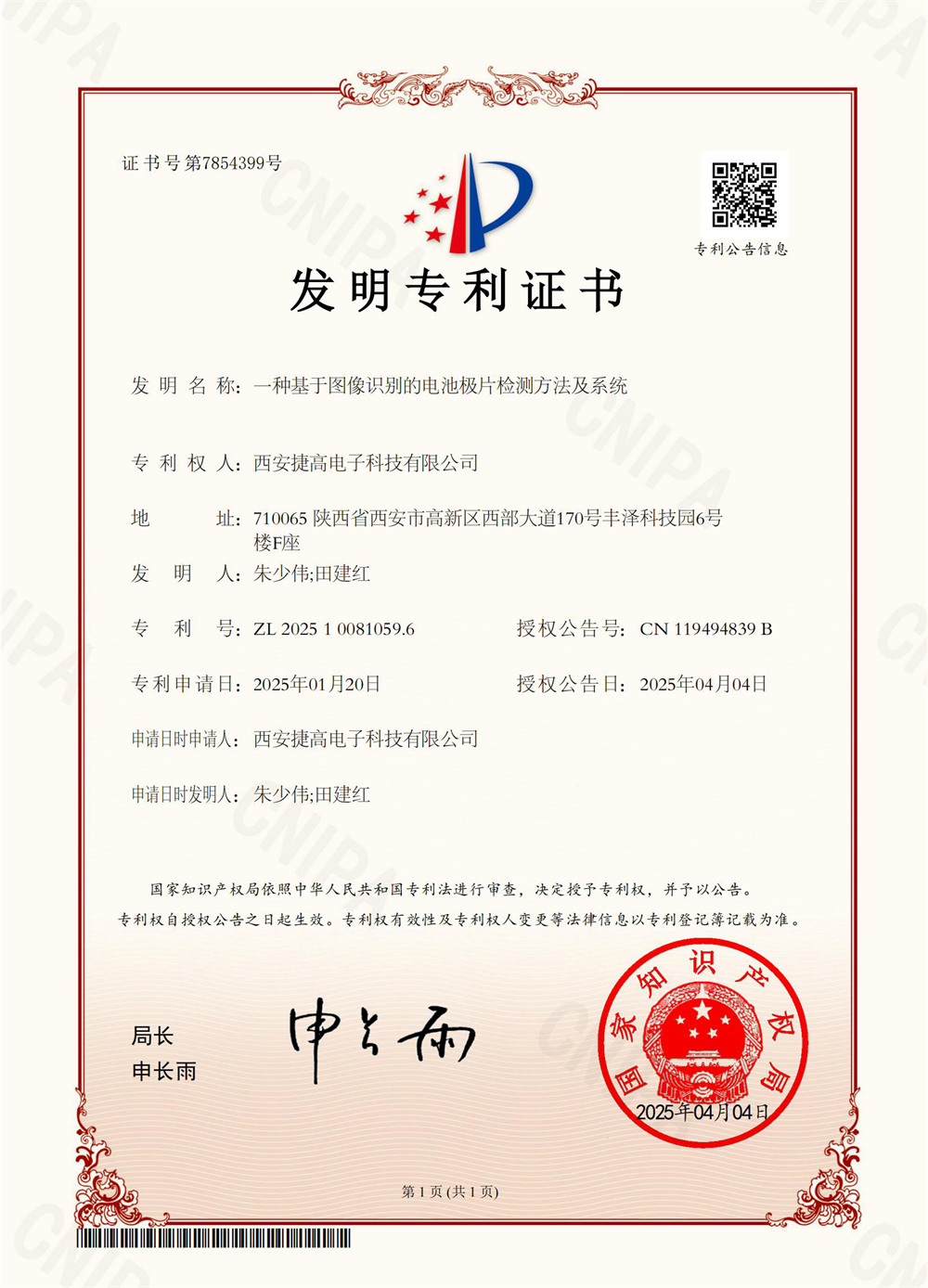
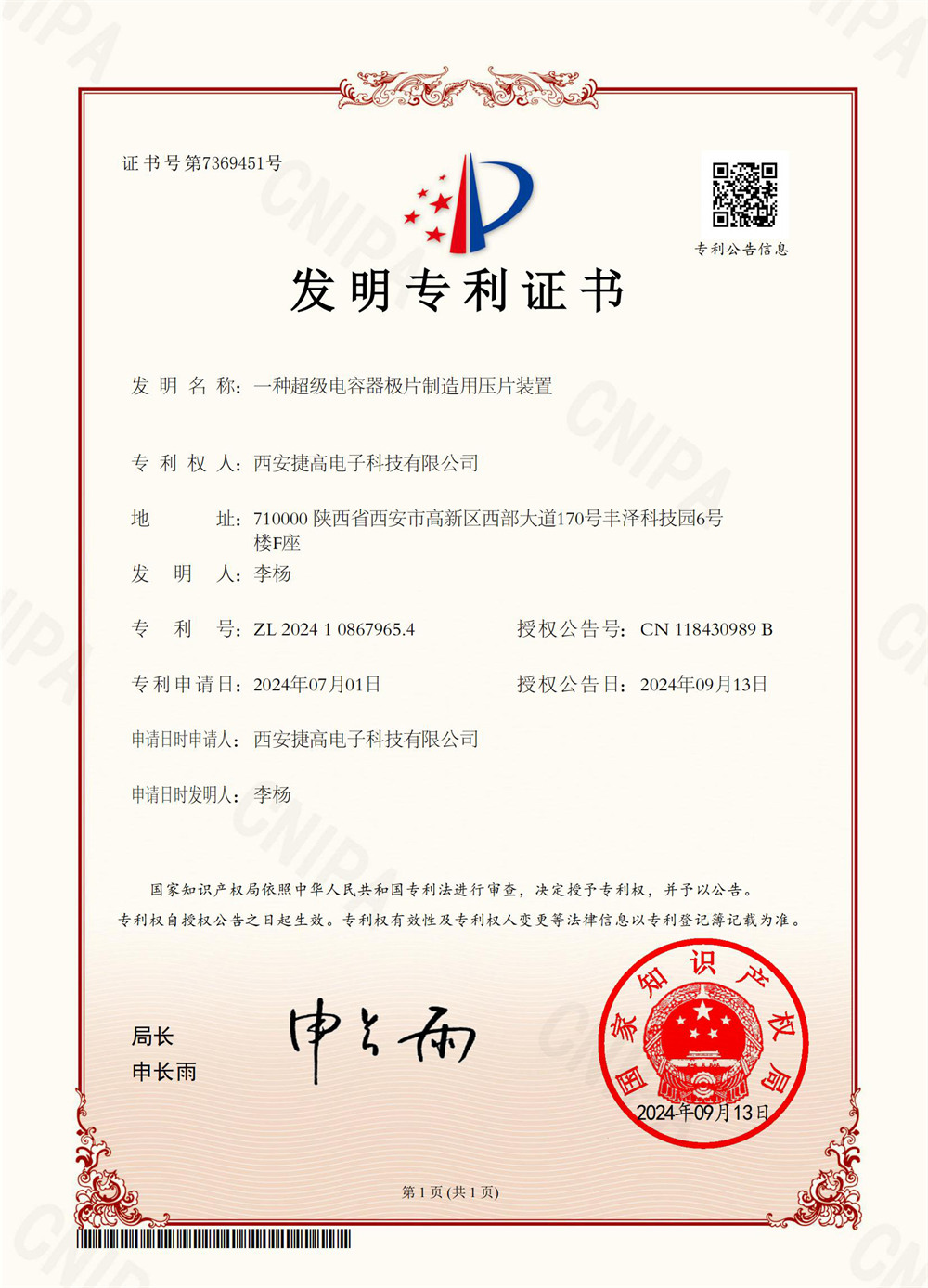
Our facility operates under audited quality, environmental, and occupational health systems to maintain consistent production quality.
 Dynalink Electronic