Precision-engineered batteries, capacitors, and custom-locking connectors
Analyzing global demand, technical constraints, and industrial applications of overland portable micro-grids
Modern commercial and scientific enterprises increasingly operate outside of urban utility footprints. From humanitarian disaster zones to ecological research in the deep Arctic, relying on legacy diesel generators poses a massive operational risk due to fuel logistics, environmental footprint, and mechanical failure rates.
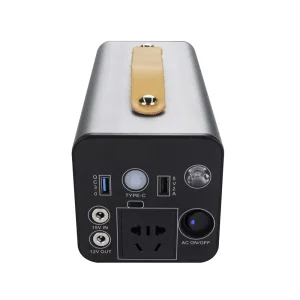
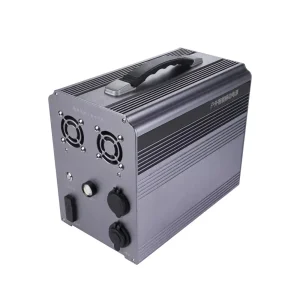
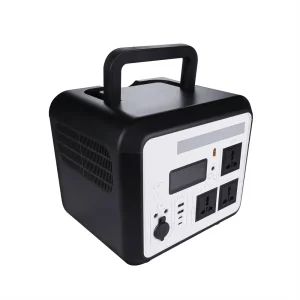
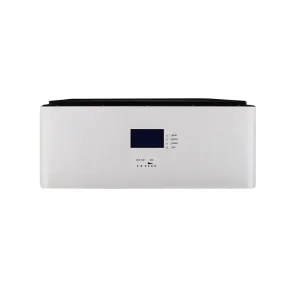
Our comprehensive ODM Overlanding Power Station solutions act as critical, localized smart microgrids. By pairing high-density lithium iron phosphate (LiFePO4) core battery modules with robust solar inputs and military-grade interconnects, we provide high-uptime, zero-emission energy supplies. These configurations ensure consistent power delivery even when exposed to high-frequency structural vibrations, thermal swings, and moisture intrusion.
The global portable power station market is undergoing a seismic shift. Industrial buyers are migrating from consumer-grade power banks to high-voltage, integrated outdoor energy hubs capable of running heavy-duty power tools, remote telecommunication relays, and field-grade laboratory instrumentation.
As standard grid infrastructures face increased instability due to climatic events, the demand for localized commercial backup reserves has spiked. This industrial shift necessitates engineering architectures that emphasize long-term life cycles (minimum 3,000 to 6,000 charging cycles to 80% capacity), multi-port power routing, and modular expansion capabilities that can scale on-site without complex rewiring.
Dynalink Electronic Technology Co., Ltd (DL), established in 2007, currently has a workforce of over 800 employees, among which more than 200 are technical staff. It is a technology-driven design and manufacturing company specializing in power supplies, energy storage capacitors, and connectors.
With continuous investment in research and development and strong innovation capabilities, the company has built a complete industrial chain encompassing material research and development, product design, and precision manufacturing. Thanks to the advantages of high reliability and excellent performance, its products are widely used in key fields such as aviation, aerospace, shipping, railways, new energy vehicles, the medical industry, drones, and robots, providing customized solutions for customers.

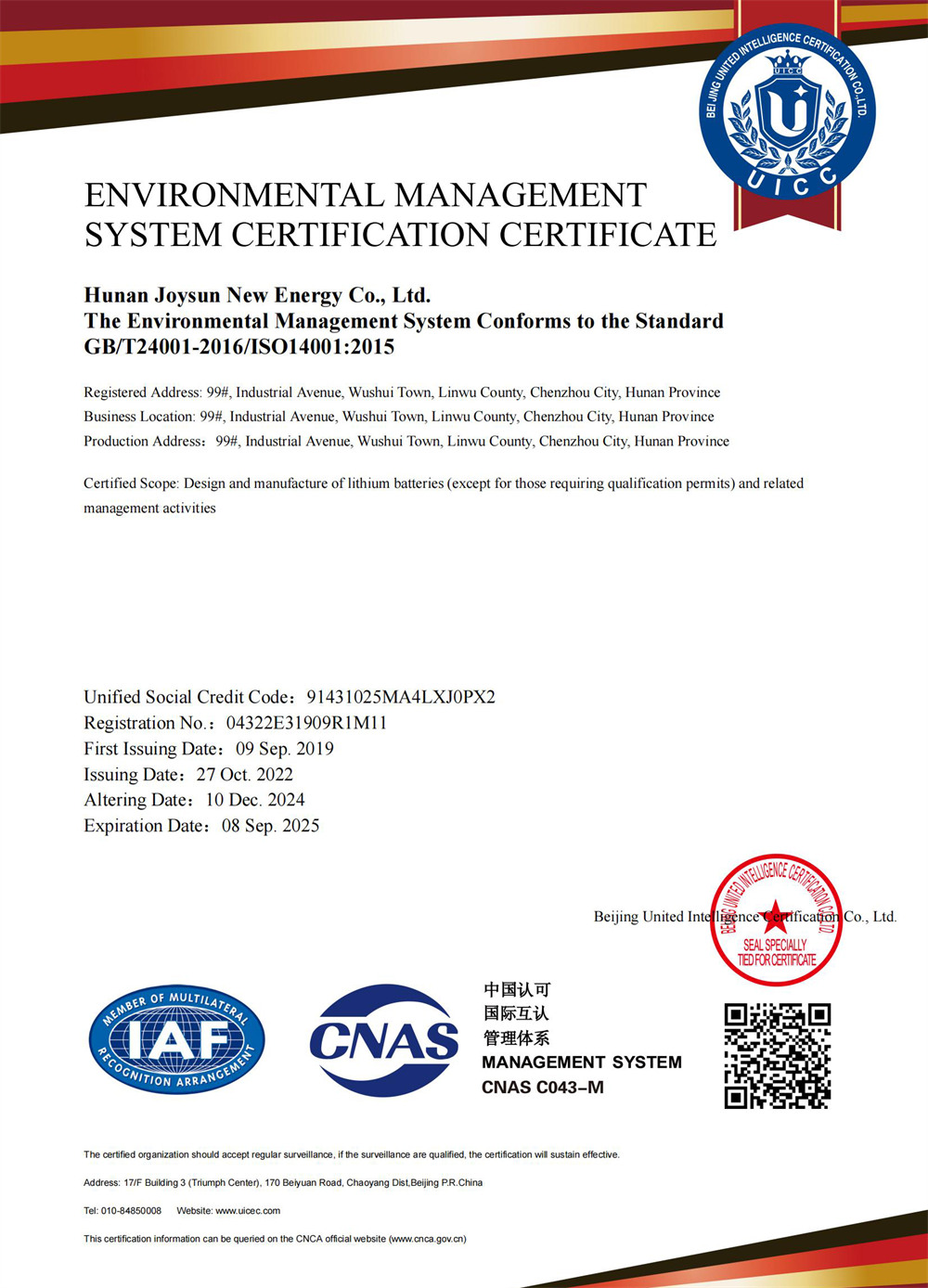
Environmental Management System
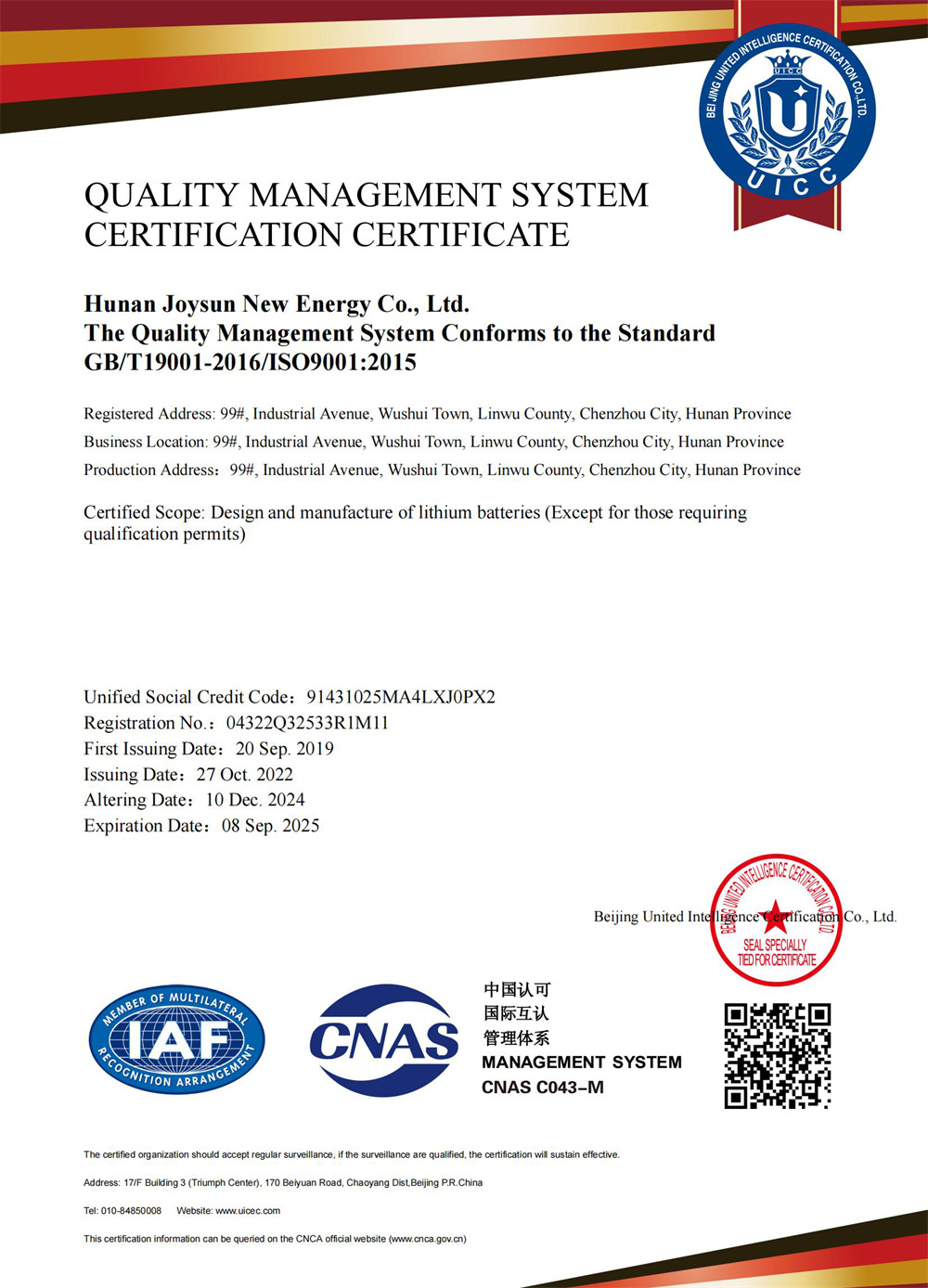
Quality Management System
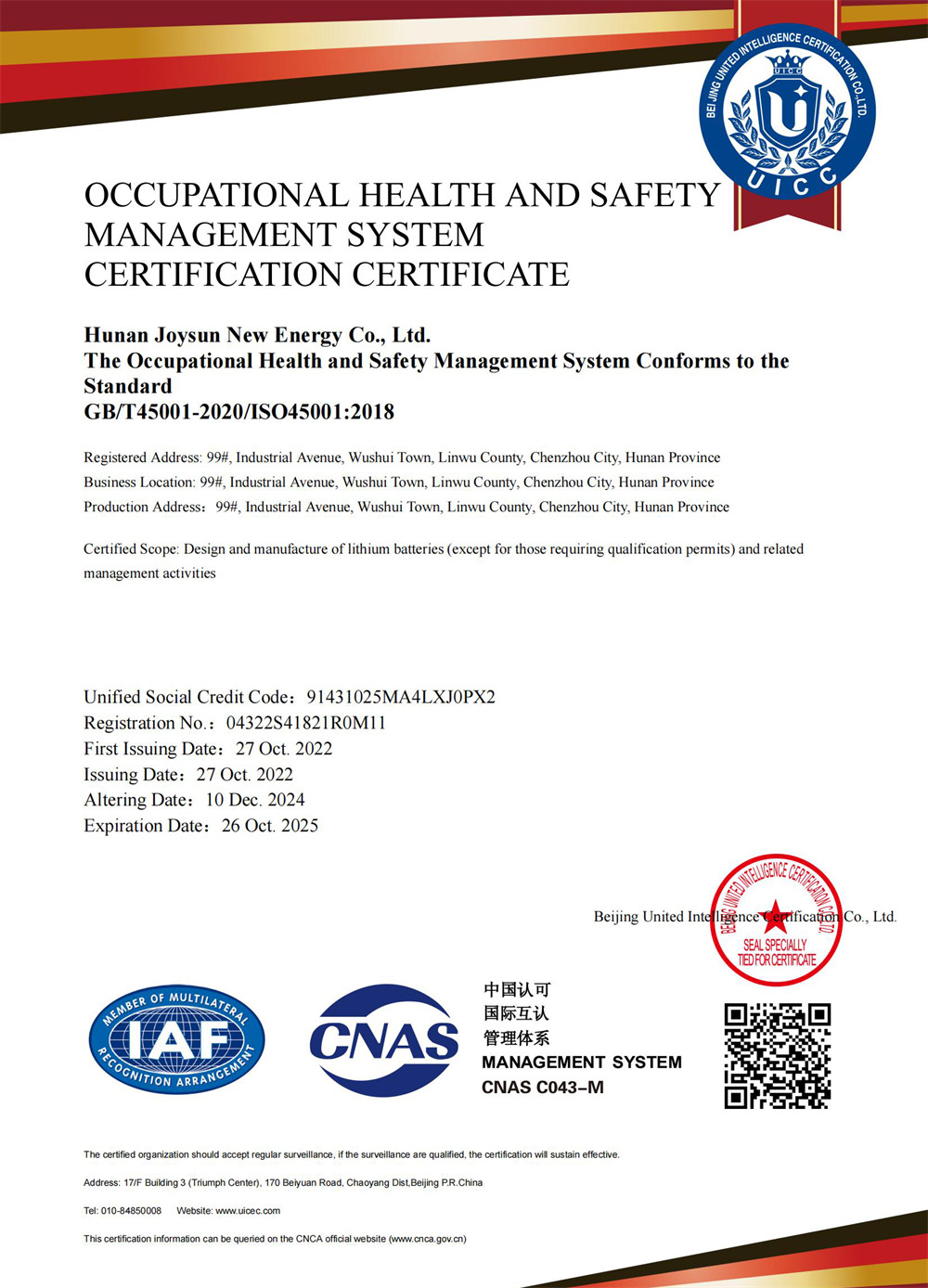
Occupational Health and Safety System

Our technical scale and operational presence across high-precision electronic manufacturing sectors
We establish comprehensive customized development systems leveraging profound industrial research
In the field of drones, our custom-engineered power solutions ensure highly efficient charging and discharging metrics, alongside maximum system stability in challenging aerodynamic scenarios.
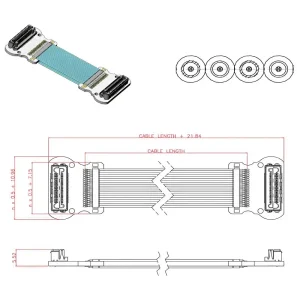
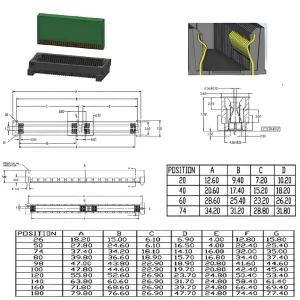
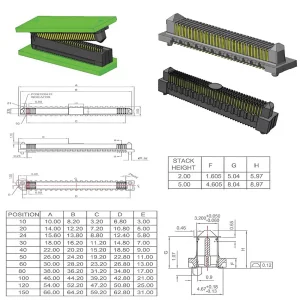
For data centers, high-speed, high-density backplanes and ultra-stable power configurations guarantee zero-loss transmission of critical system data under continuous operational loads.
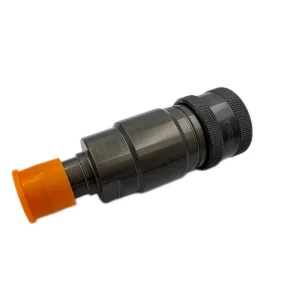
In harsh automation environments, our robust fluid and electrical connectors safeguard internal component signals against particulate infiltration, vibration fatigue, and extreme temperature flux.
Relying on our self-developed intelligent CAD/CAE design platforms, we rapidly prototype custom architectures, executing seamless product transitions from board layouts to field integration.
We persistently push the performance boundaries of solid-state systems and capacitor technologies, designing highly scalable, future-ready energy hubs for all sectors of global society.
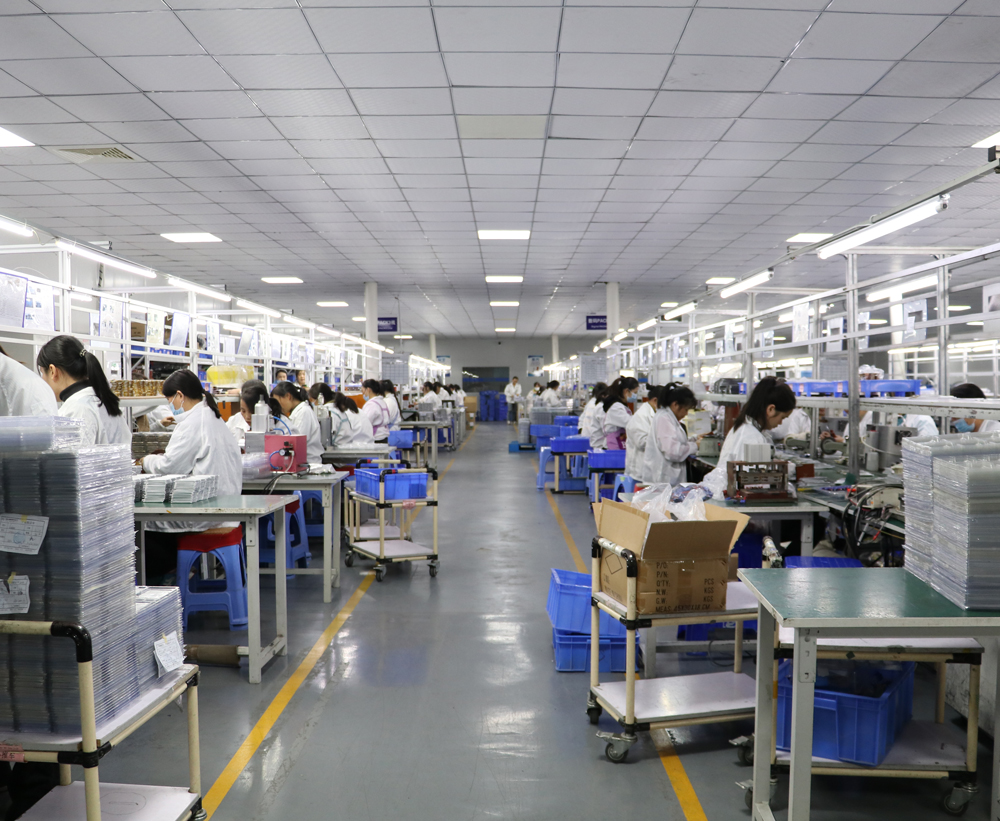
Taking quality as our shield, we continuously optimize manufacturing steps and industrial standards to forge industry benchmark systems.
The soul of Dynalink. We focus on "empowering life with technology and creating a sustainable future" as our core mission, aiming to lead global B2B sectors with integrated system power supply systems.
We maintain an active and united working environment, investing heavily in employee education, offering continuous technical certification options, and providing robust advancement tracks.
Focusing on advanced battery arrays, high-density capacitors, and heavy-duty connectors, we actively innovate to bypass the bottlenecks of solid-state chemistry and structural losses.
How Dynalink secures performance across global environments while meeting stringent international regulations
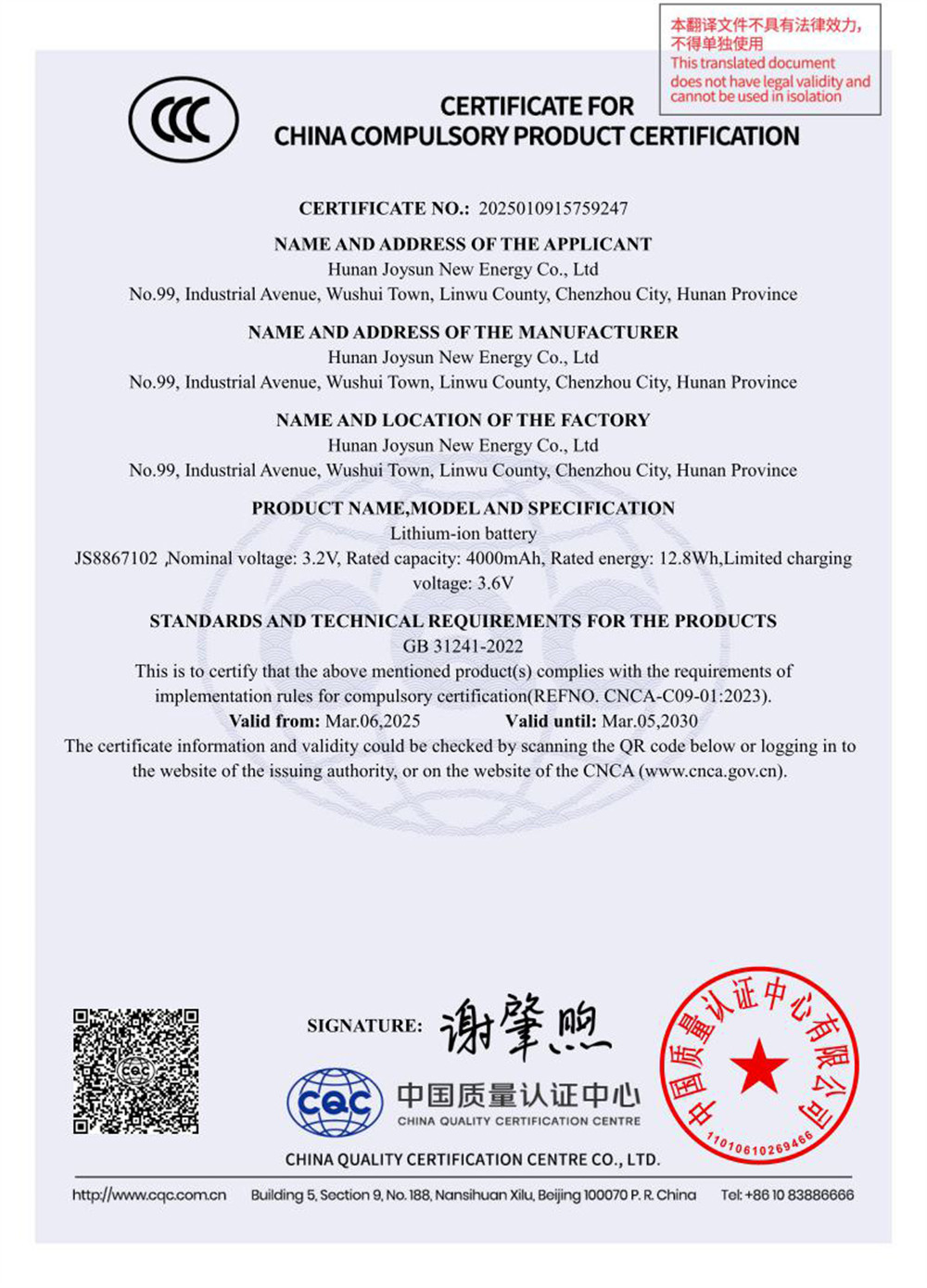
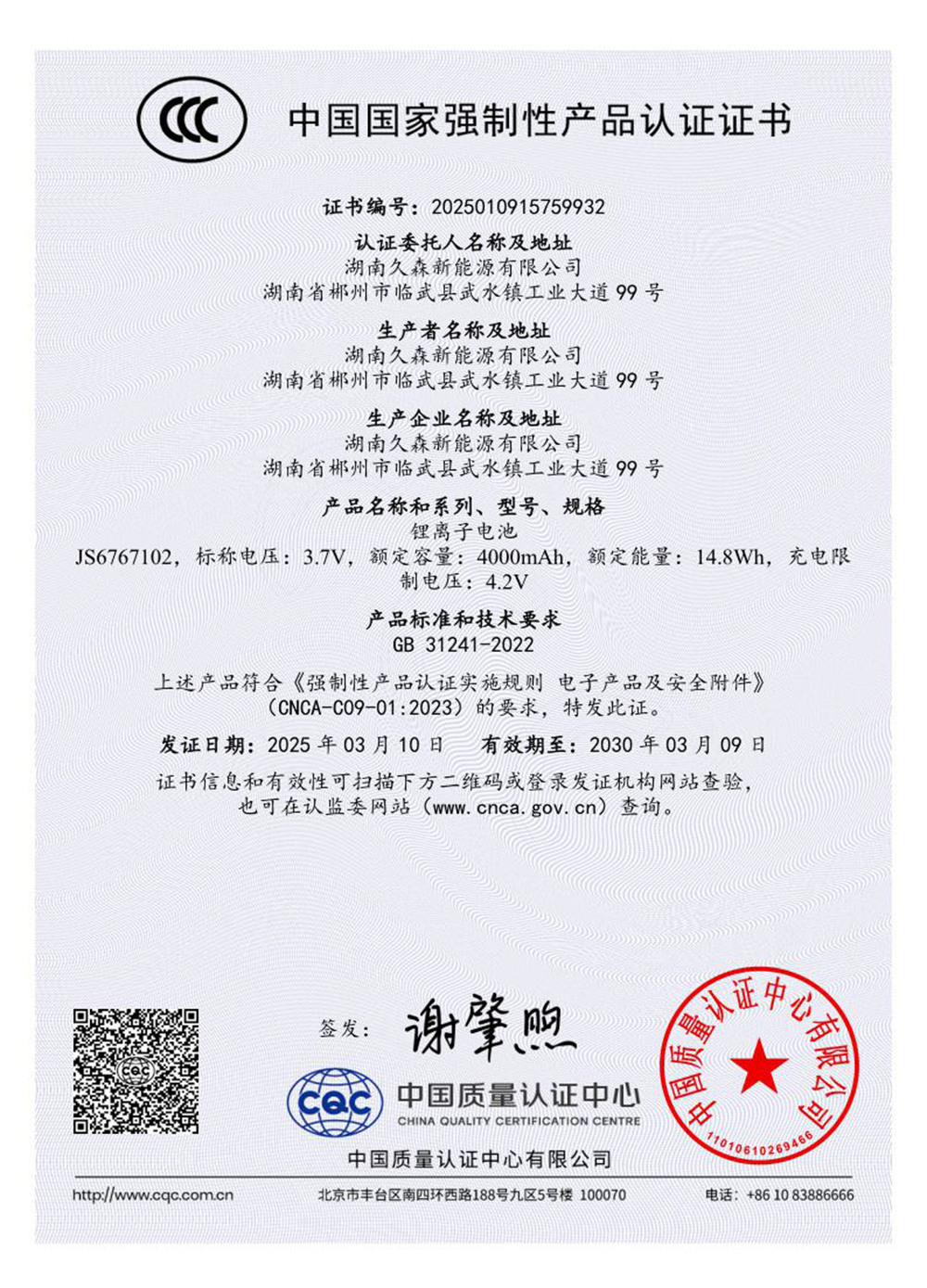
Deploying energy equipment globally requires alignment with localized power distribution parameters, safety rules, and mechanical certifications. Dynalink guarantees that all ODM and OEM Overlanding Power Stations comply with UN38.3 (lithium battery transport safety standard), UL 2743 (portable power stations safety certification), and standard electromagnetic guidelines (CE, FCC, and RoHS).
Our localized support centers offer technical assistance, field troubleshooting, and component replenishment networks. Additionally, our customizable dual-voltage AC output boards allow operators to switch output configuration from 110V/60Hz (North American Standard) to 220V/50Hz (European and Asian Standards) on the fly, eliminating compatibility issues in remote territories.
Arctic Telemetry & Research Stations: Our high-capacity LiFePO4 batteries are paired with advanced internal heating systems (pre-heating plates) to enable charging and discharge cycles at temperatures as low as -30°C without risk of lithium plating or capacity loss.
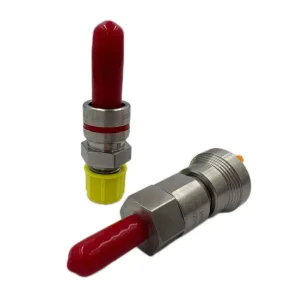
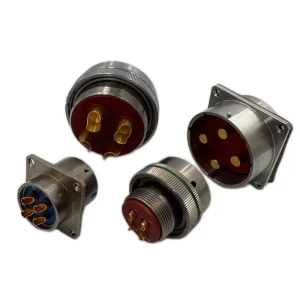
Mobile Desert Command Outposts: Engineered with IP65-rated structural enclosures, dust protection filters, and our proprietary *YTB/YTC series bayonet-locking connectors*, the power systems remain completely isolated from dust, grit, and moisture while powering communications hubs in arid climates.
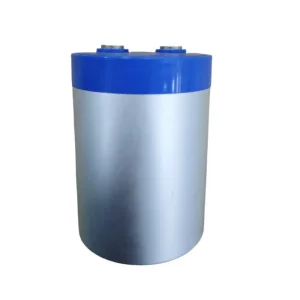
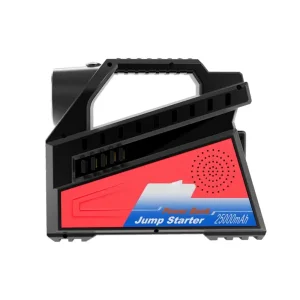
Critical Fleet Support and Jump-Starting: Combining high-surge capacitor systems with large capacity battery storage, our commercial assemblies supply instantaneous cranking current (up to 2500A) to jump-start heavy machinery, diesel trucks, or service vehicles.
The engineering milestones defining Dynalink's research and development agenda
By 2026, we aim to transition our top-tier ODM overlanding designs to semi-solid-state cells. This update will double the system energy density while mitigating thermal runaway risks and reducing overall housing weight by 30%.
Our upcoming modules will incorporate global satellite and cellular IoT chips. This integration allows fleet managers to monitor cell voltage, temperature, cycles, and physical shock parameters from a centralized cloud dashboard.
Developing direct integration pathways between heavy expedition vehicles (4x4 campers, tactical trucks) and auxiliary power stations, allowing high-amperage bidirectional charging using automotive alternator circuits.
Our manufacturing lines operate under strict international criteria to guarantee long-term field survivability
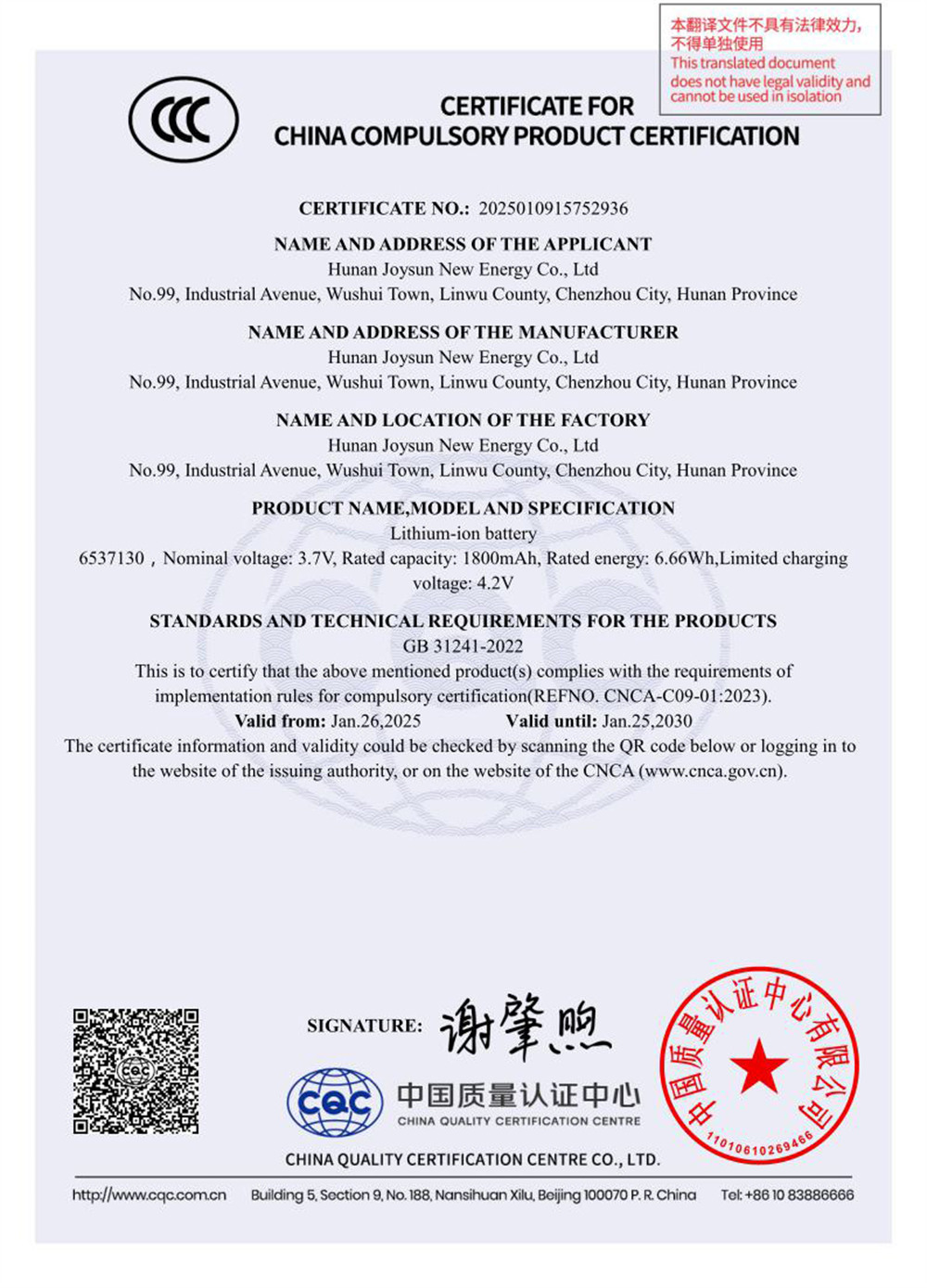
Addressing core technical concerns from fleet operators, industrial purchasing managers, and distributors
Supporting components designed for advanced off-grid electrical infrastructures

 Dynalink Electronic