The global shift toward zero-emission urban mobility has accelerated the demand for high-capacity, safe, and long-cycle-life electric bicycle batteries. As governments enforce rigorous sustainability laws and mandate the transition away from fossil-fuel-dependent vehicles, micro-mobility has emerged as a cornerstone of green transit. Today, the modern E-Bike is no longer just a recreational vehicle; it is a critical component of metropolitan transport infrastructure, commercial last-mile delivery networks, and cross-country eco-tourism.
In this dynamic landscape, the transition from legacy chemistries (like Lead-Acid and NiMH) to advanced Lithium-ion cell structures is effectively complete. Modern OEM designs focus heavily on optimizing energy density ($Wh/kg$), reducing charge cycle degradation, and implementing intelligent communication protocols between the battery, motor, and user interface. Manufacturers and exporters face the crucial challenge of balancing cost-efficiency with uncompromising safety standards, such as EN 15194, UL 2271, and UN38.3. Achieving compliance and technological leadership requires a vertically integrated approach to design, engineering, and quality management.
Navigating raw material constraints (Lithium, Cobalt, Nickel) by securing primary tier-1 cell sources and executing strict localized testing, ensuring predictable lead times for OEM partners.
Strict regional compliance parameters in North America and Western Europe demand safety mechanisms like dual-layer thermal fuses, flame-retardant enclosures, and smart CANBUS tracking.
Rapid growth in food and parcel delivery fleets has triggered demands for heavy-duty, fast-charging, swap-capable batteries engineered to withstand continuous daily operations.
Empowering Modern Micro-Mobility Through Premium Engineering and Technological Rigor.
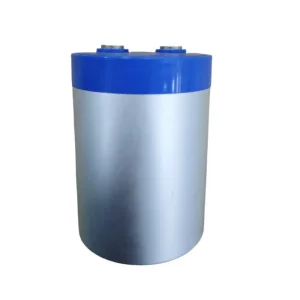
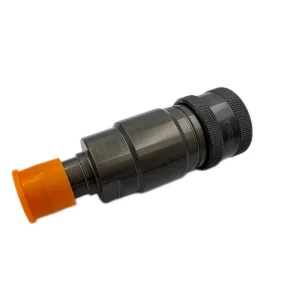
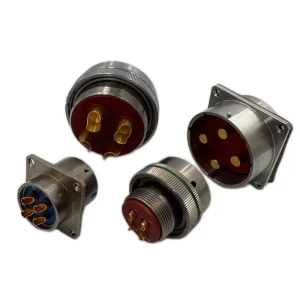
Dynalink Electronic Technology Co., Ltd (DL), established in 2007, currently has a workforce of over 800 employees, among which more than 200 are technical staff. It is a technology-driven design and manufacturing company specializing in power supplies, energy storage capacitors, and connectors. With continuous investment in research and development and strong innovation capabilities, the company has built a complete industrial chain encompassing material research and development, product design, and precision manufacturing.
Thanks to the advantages of high reliability and excellent performance, its products are widely used in key fields such as aviation, aerospace, shipping, railways, new energy vehicles, the medical industry, drones, and robots, providing customized solutions for customers worldwide.


Year of Establishment
Experienced Personnel
R&D & Engineering Experts
Global Regulatory Testing Passed
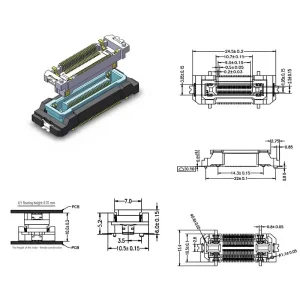
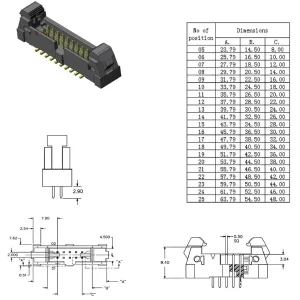
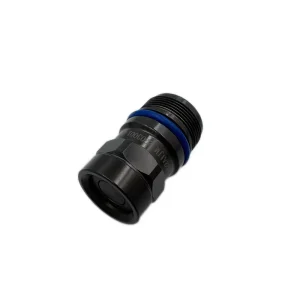
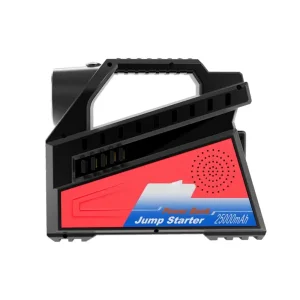
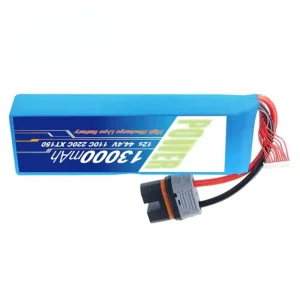
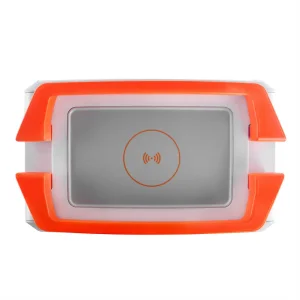
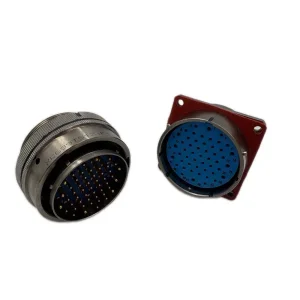
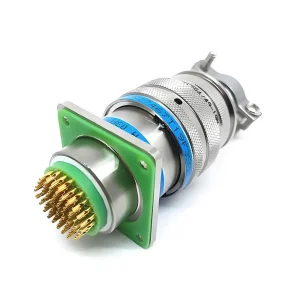
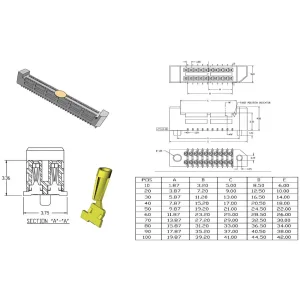
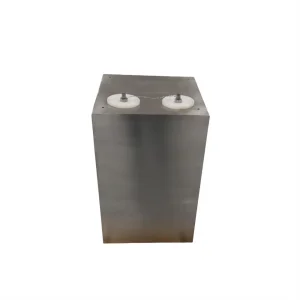
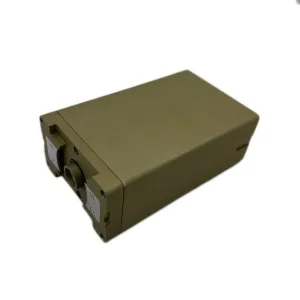
DL provides premium energy systems, advanced energy storage capacitors, and high-conductivity connectors, underpinned by an intelligent design platform capable of rapidly prototyping customizable, mission-critical hardware assemblies.
Ensuring ultra-high-rate battery discharge stability, efficient cell thermal regulation, and reliable weight-to-power ratio optimization for drone operations.
Providing high-speed, low-insertion-loss connectivity alongside robust backup energy architectures to secure continuous uptime and minimize data transmission attenuation.
Designing high-IP-rated connectors and ruggedized power packs capable of operating in highly dusty, corrosive, and vibration-prone manufacturing environments.
Utilizing custom CAD-to-BOM automated design pathways to construct bespoke mechanical geometries and circuit footprints matching unique OEM frame tubes.
Continuous investment in Solid-State cell packaging, extreme fast-charging capability, and next-generation environmental recycling compliance methodologies.
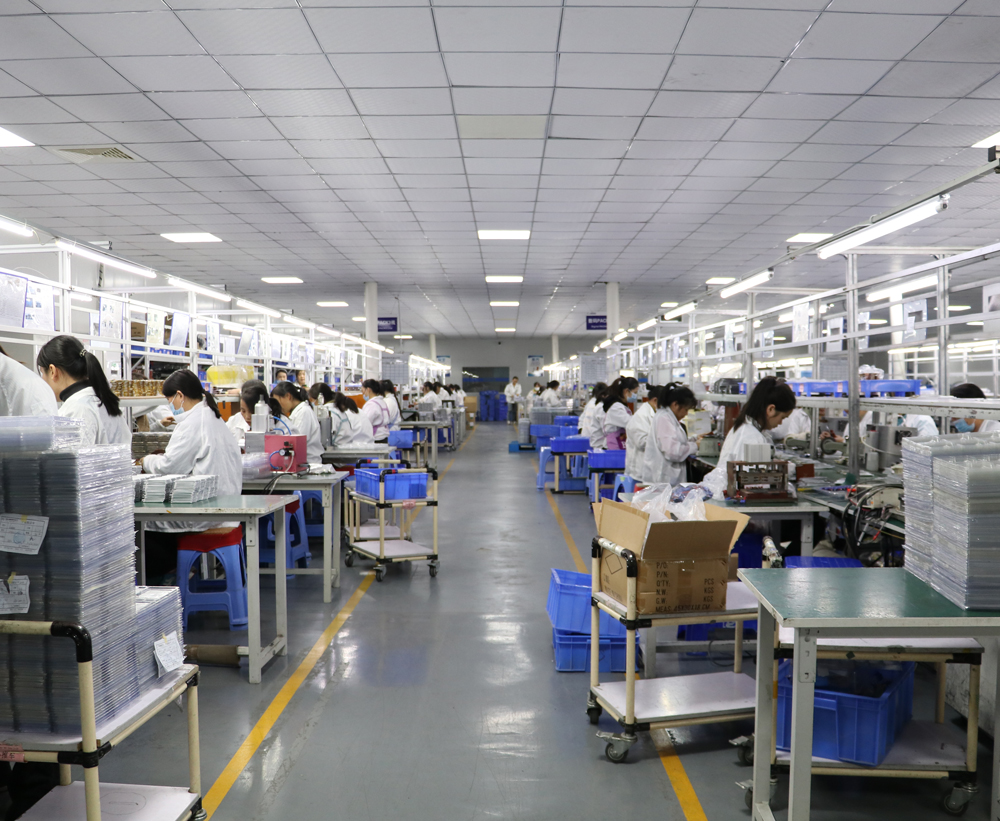
As a leading supplier and exporter, Dynalink is focused on solving key engineering barriers in micro-mobility electrification. An effective OEM battery pack must balance multiple parameters to guarantee safe performance over a 5-year operational lifecycle.
Our custom BMS boards feature real-time monitoring of cell voltage, current, and temperature at multiple points. Supporting protocols like CANBUS, SMBus, and UART, our systems allow the E-Bike controller to dynamically adjust power delivery, preventing overcharging, over-discharging, and short circuits.
We implement flame-retardant cell holders, phase-change materials (PCM) to absorb heat spikes, and precise spacing configuration to prevent thermal runaway propagation from one failing cell to the rest of the pack. Outer shells are manufactured with high-strength, impact-resistant polycarbonate (PC-ABS) rated UL94-V0.
Through strict grading processes, cells are grouped with minimal internal resistance (IR) variance (within ±2mΩ) and capacity delta (within ±10mAh). This ensures uniform load distribution and extends the pack’s overall lifecycle up to 1000 charge cycles at 80% Depth of Discharge (DoD).
Dynalink's commitment to continuous improvement and technological innovation drives our R&D roadmap, aligning with global shifts in sustainable micro-mobility development.
Developing structural pack designs optimization for Lithium Iron Phosphate (LFP) for cargo fleets and launching initial tests on Sodium-Ion chemistry to mitigate winter performance drops and lower raw-material dependency.
Deploying cellular-connected cloud diagnostic modules that calculate State of Health (SoH) and predict potential thermal faults using machine learning models before they happen.
Testing semi-solid-state chemistry formulations to increase energy density to >300 Wh/kg while achieving total resistance to mechanical punctures and extreme operating temperatures.
Different markets present highly diverse operating environments and regulatory requirements. Our OEM/ODM capabilities are designed to meet these specific local demands.
Focusing on long-range stability, EN 15194 compliance, and seamless down-tube frame integration. Cargo transport E-Bikes require dual-battery parallel management systems for sustained torque handling.
Off-road terrains demand superior shock absorption, high mechanical impact resistance, and continuous high-discharge current capabilities (up to 30A-40A) without overheating.
Demands robust exterior shells, standard plug-and-play interfaces, and IP67 waterproof grading to handle heavy monsoon downpours and high-frequency hot swaps.
Dynalink products are manufactured under rigorous QA/QC processes and validated by international testing laboratories.
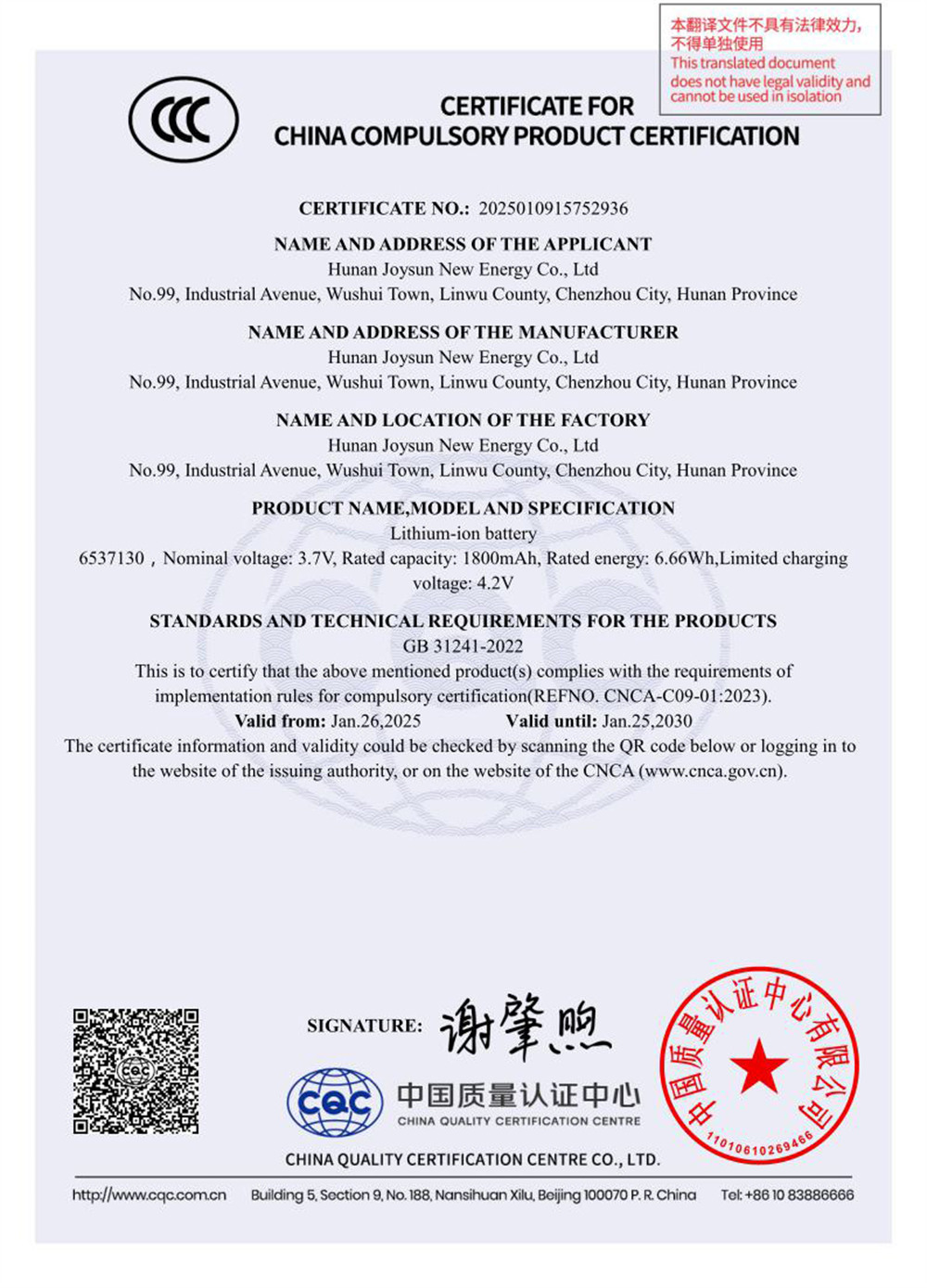
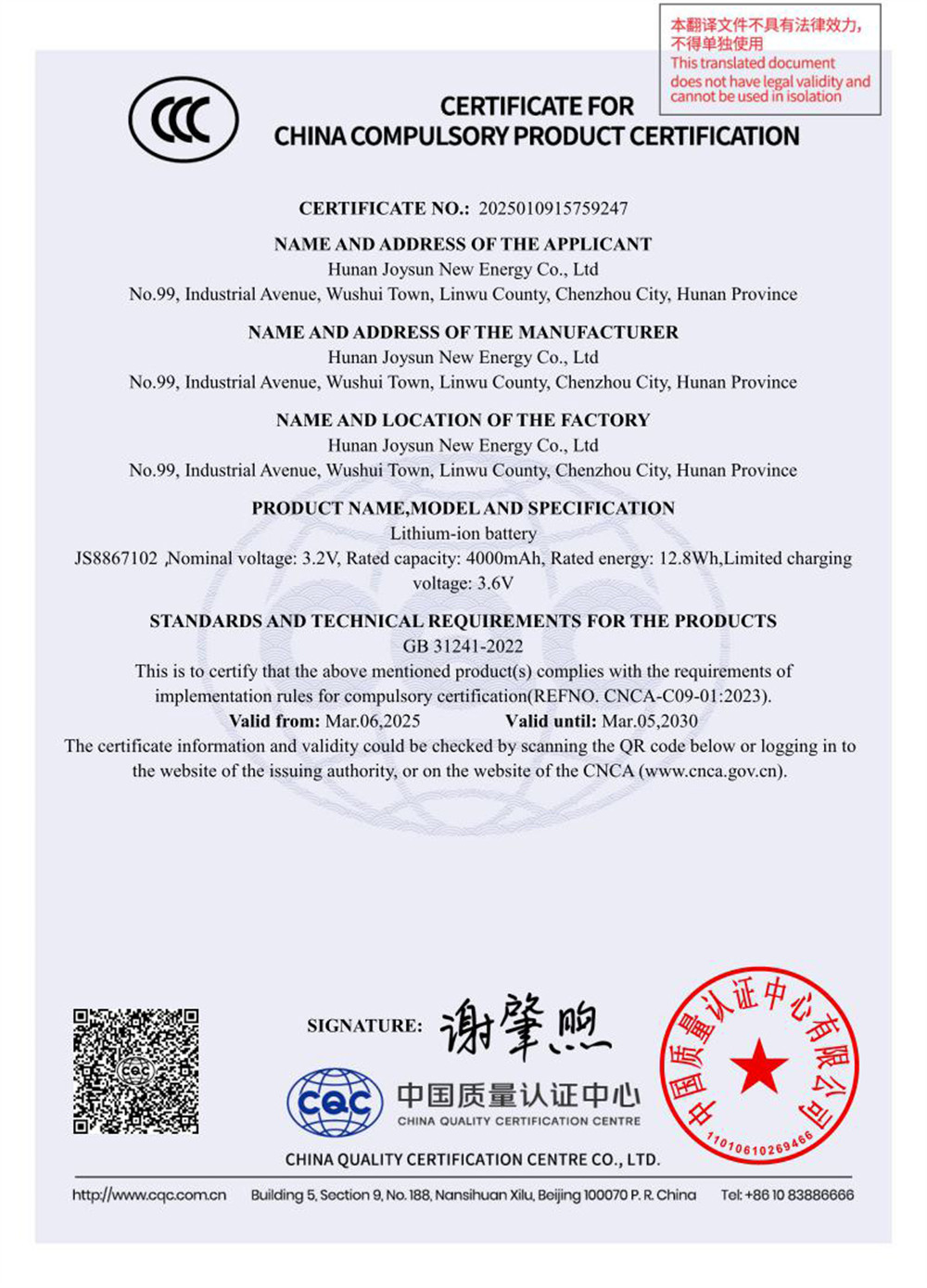
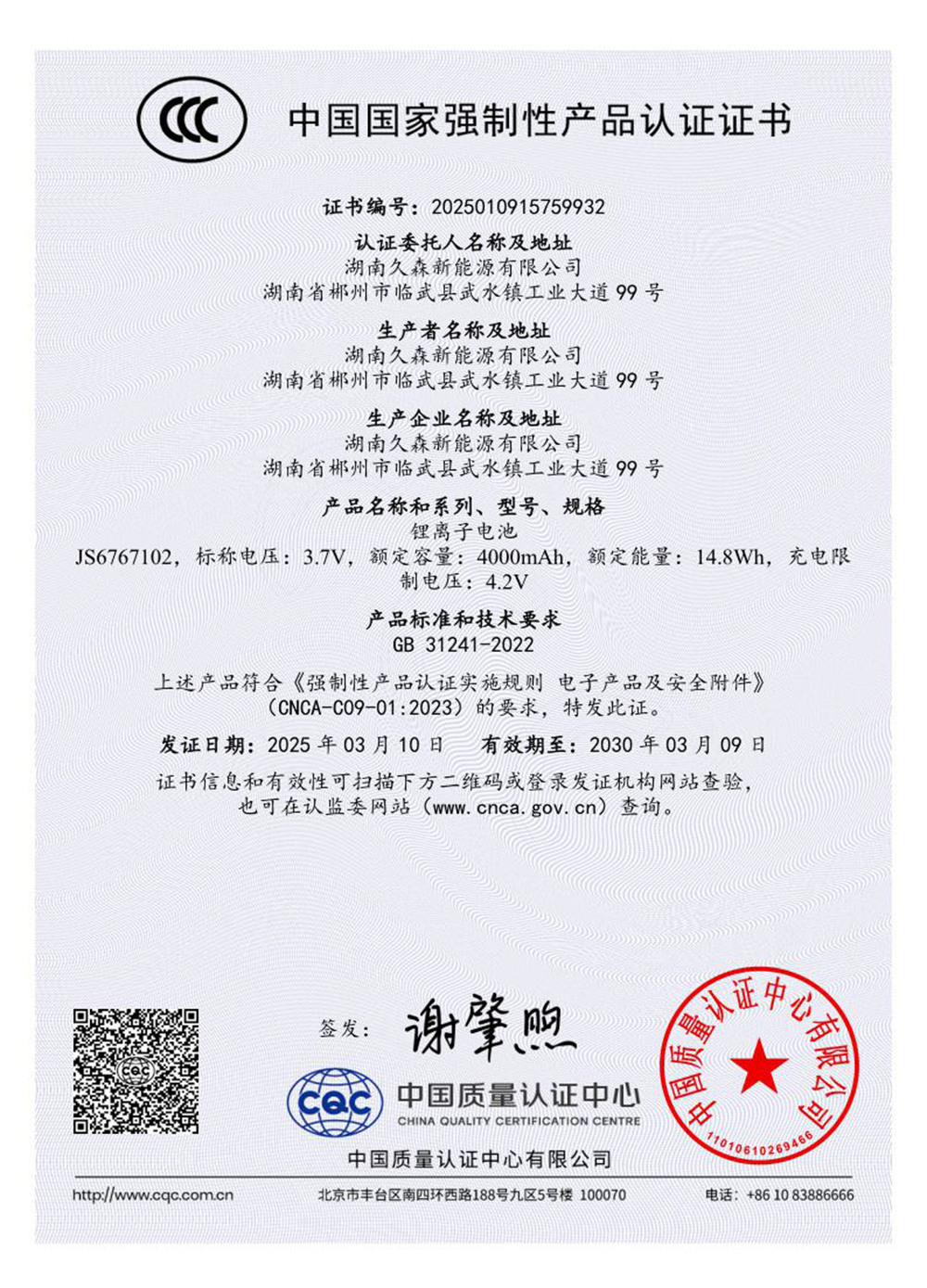
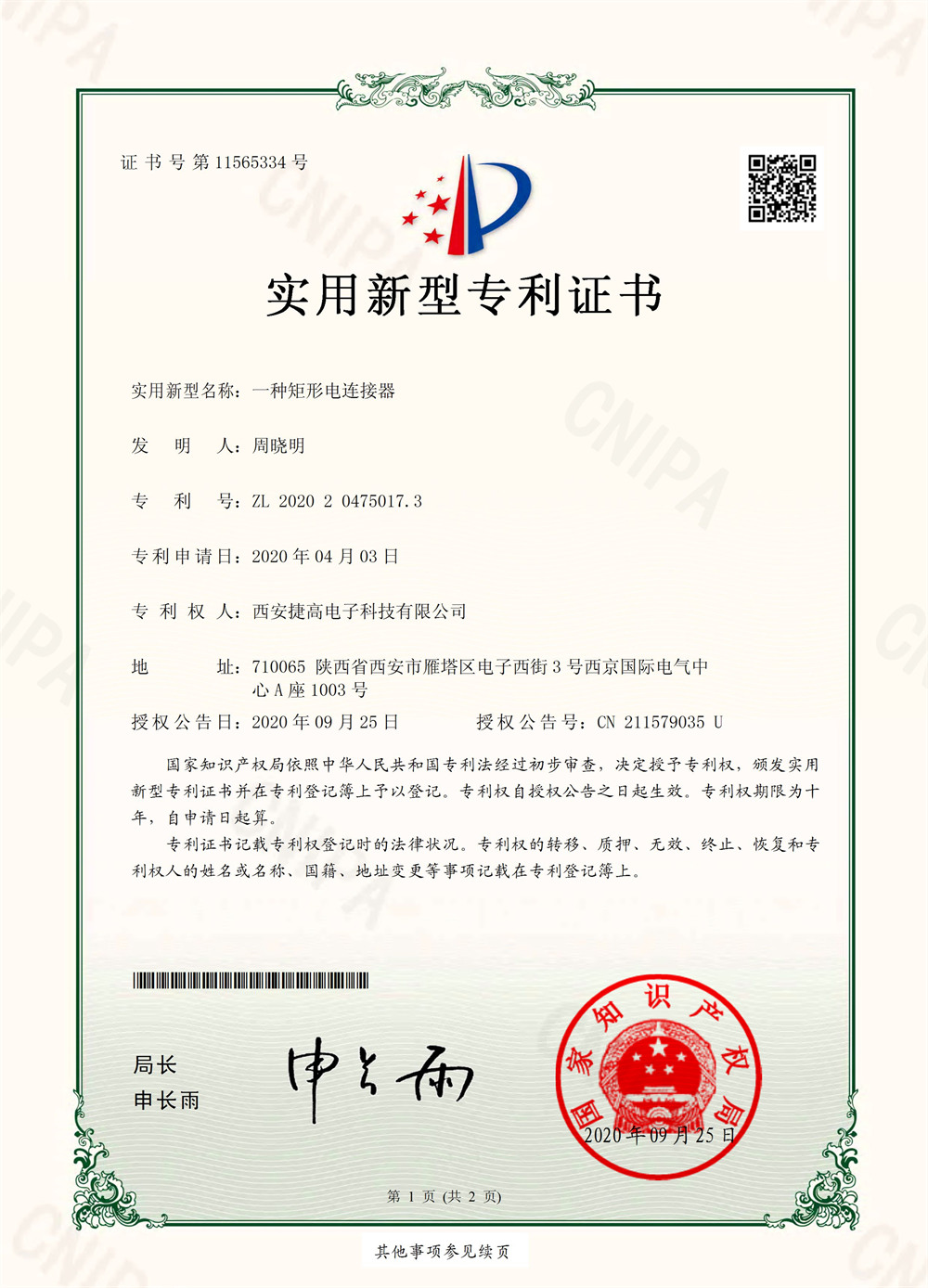
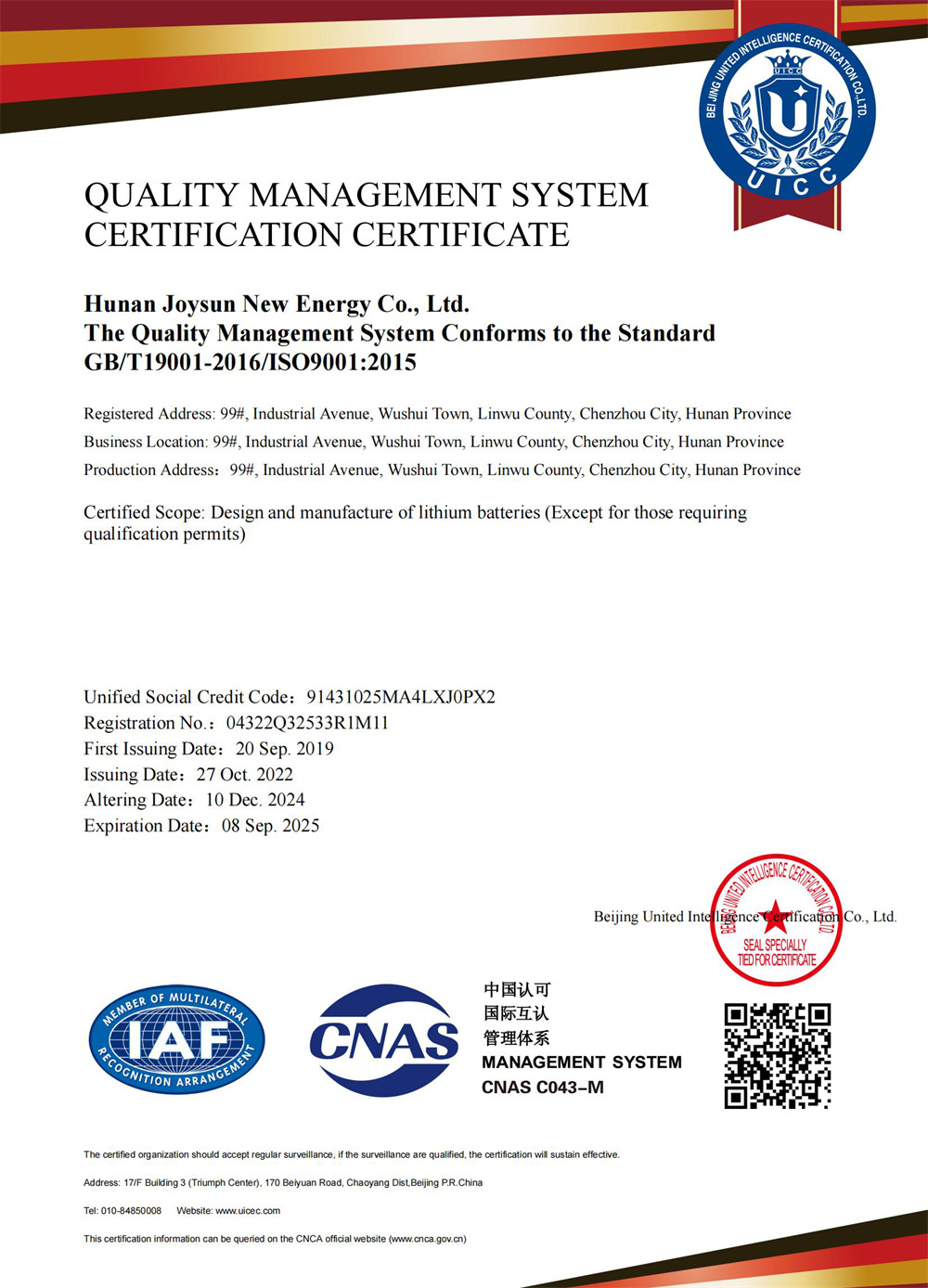
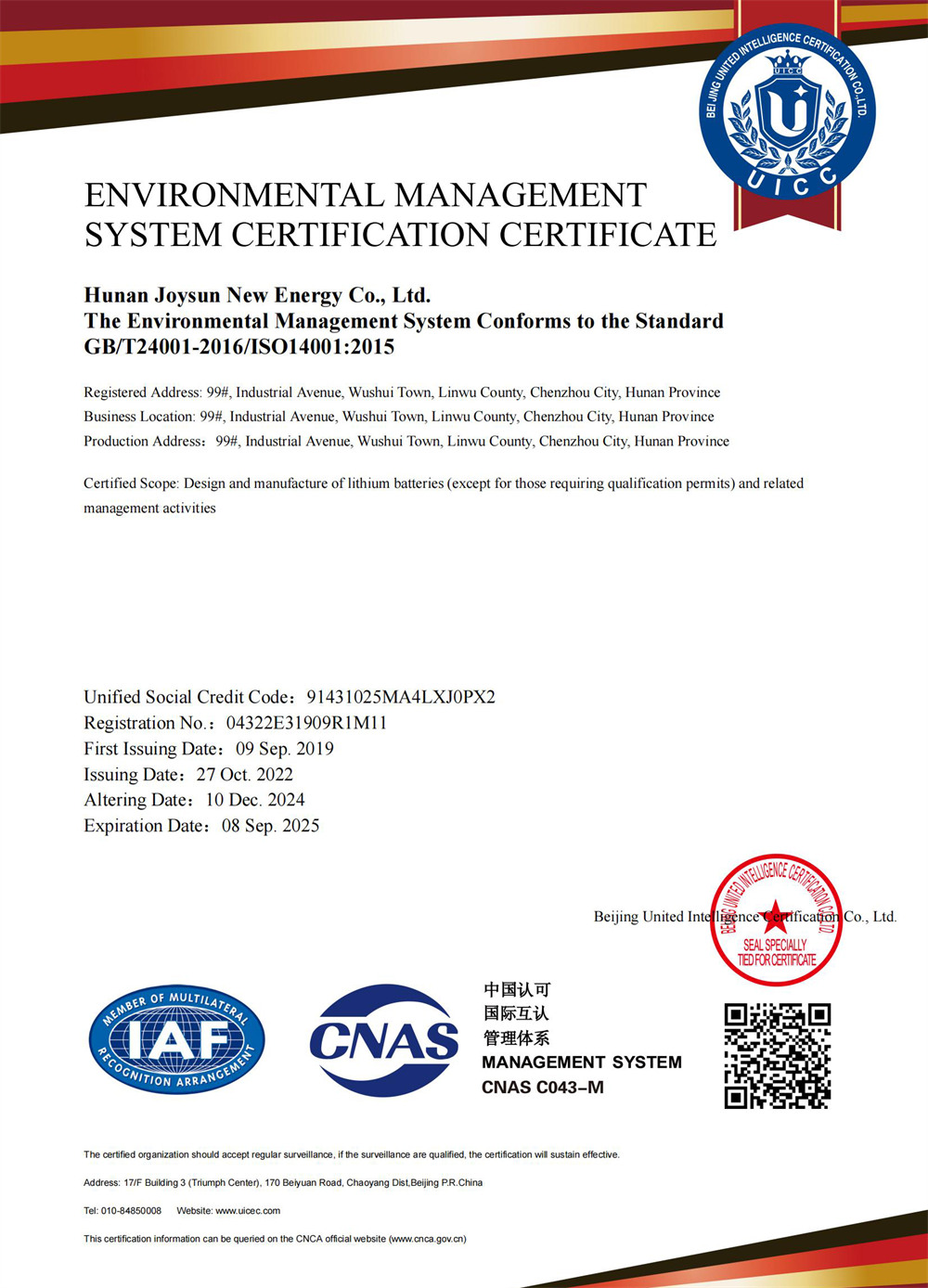
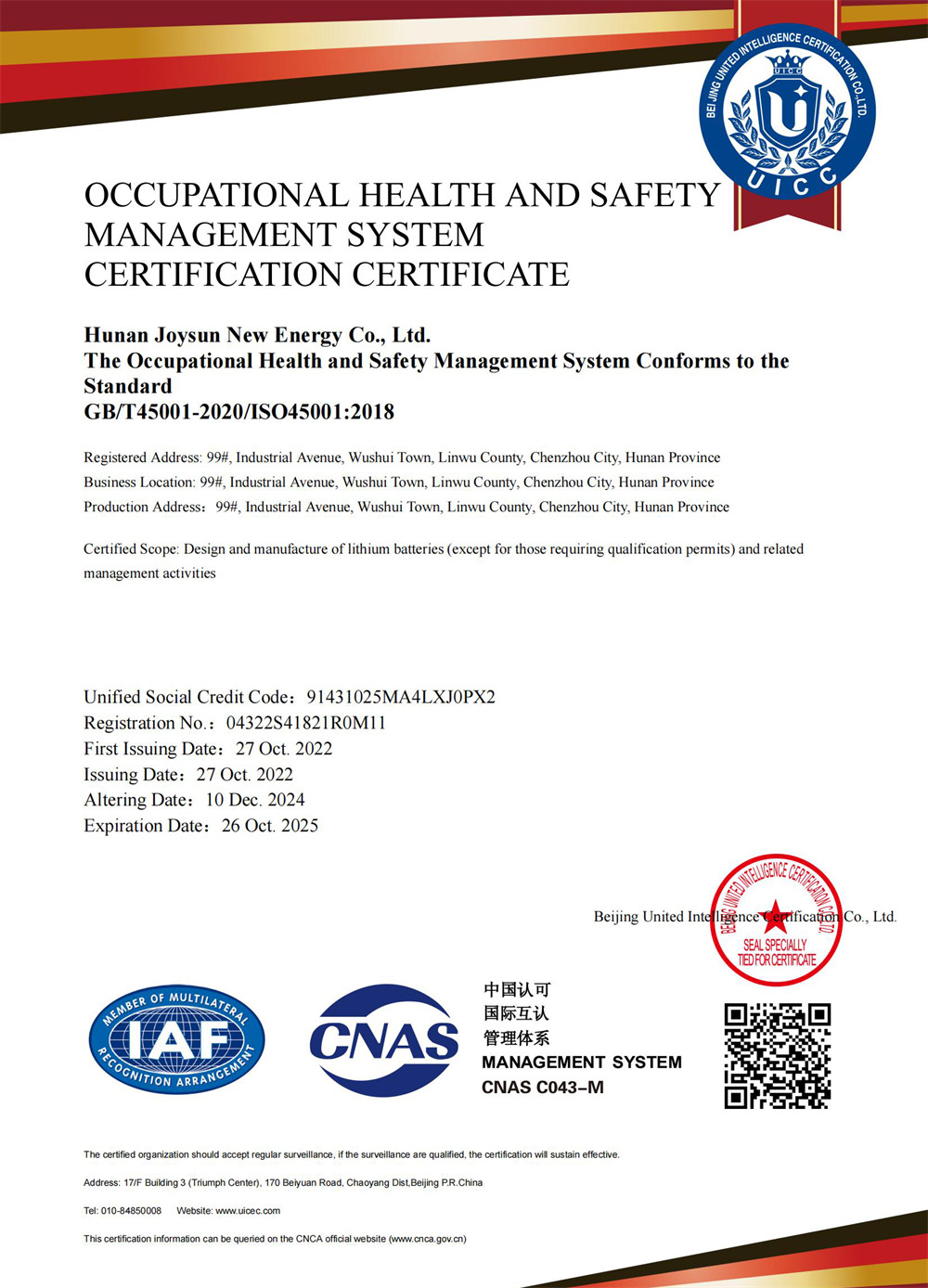
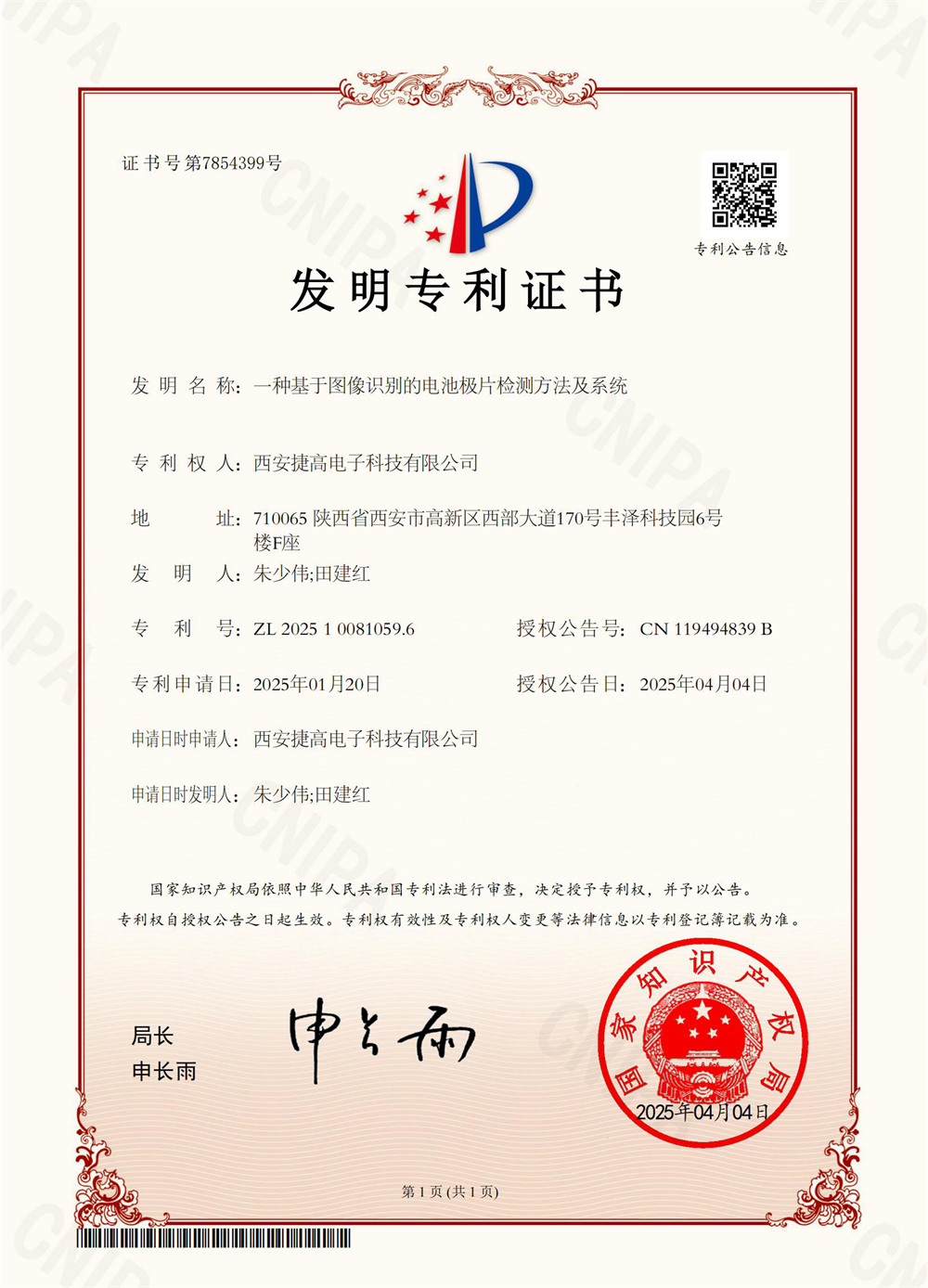
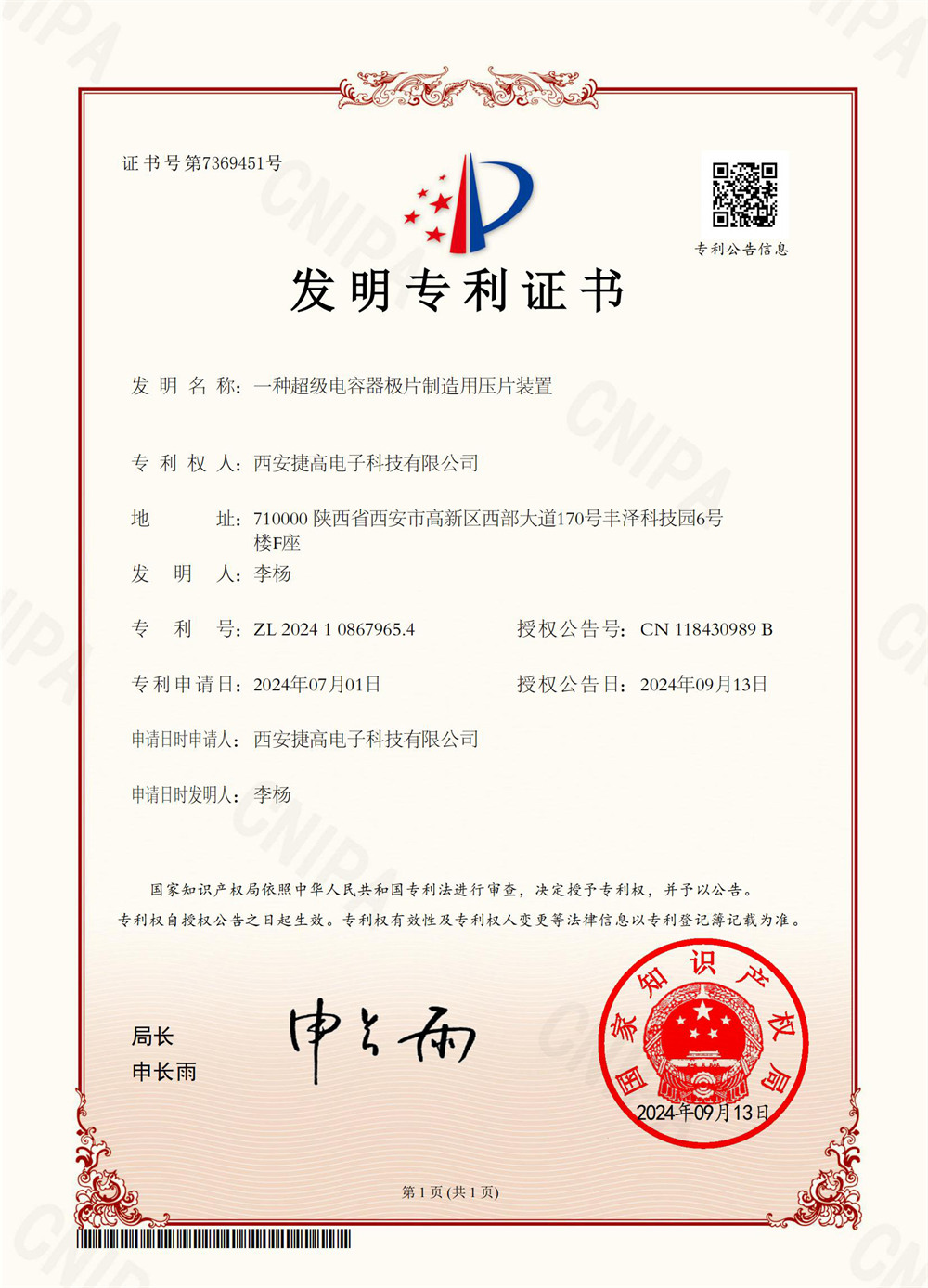
Expert insights addressing common engineering, procurement, and regulatory questions from OEM buyers and distributors.
 Dynalink Electronic