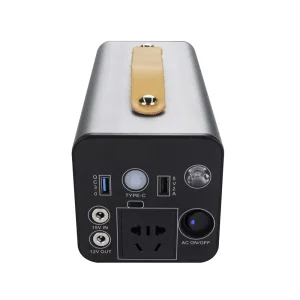
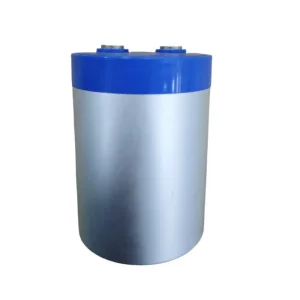
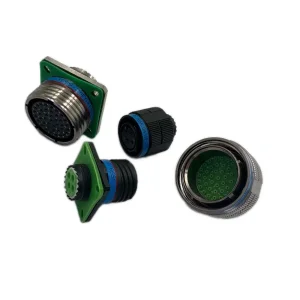
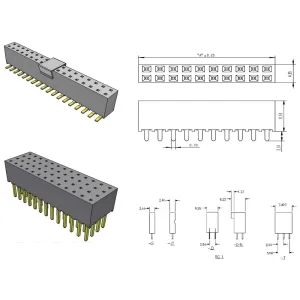
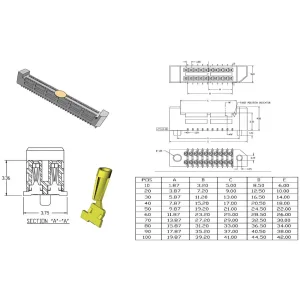
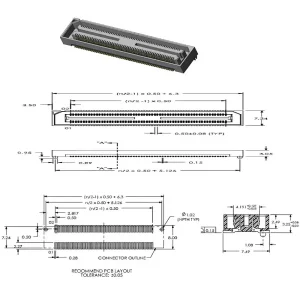
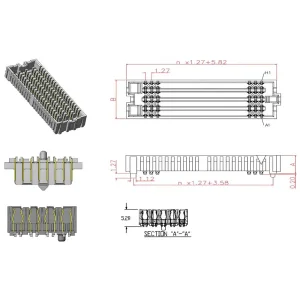
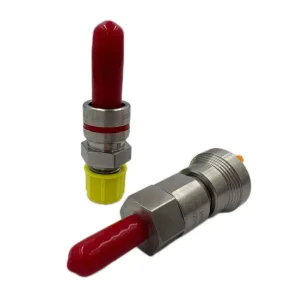
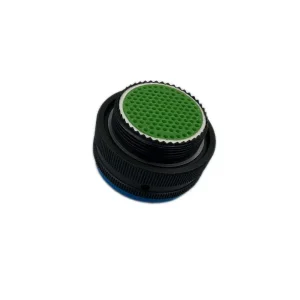
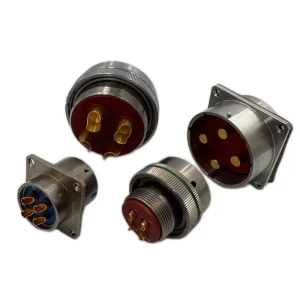
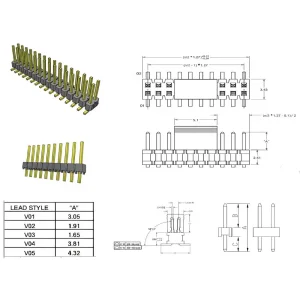
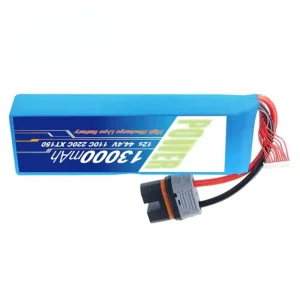
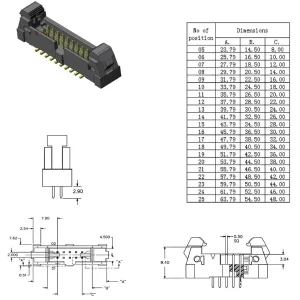
Explore our primary range of aerospace-grade electronic capacitors, multi-pitch precision connectors, and robust power systems designed for unmanned systems and critical industrial applications.
As the commercial unmanned aerial vehicle (UAV) sector expands beyond recreational hobbies into industrial inspection, precision agriculture, search and rescue, and defence logistics, the requirements for energy storage have shifted. FPV (First Person View) drones operate under aggressive flight envelopes, demanding high agility, rapid thrust variations, and sustained power output. This performance is governed entirely by the electrochemical performance of the Lithium Polymer (LiPo) cells.
Global enterprise procurement divisions seek more than simple battery packs; they require comprehensive guarantees of electrical consistency, long-term cycle stability, thermal safety protocols, and strict supply chain reliability. Factors such as Internal Resistance (IR) variance, continuous vs. burst C-rate capabilities, and high gravimetric energy density (Wh/kg) determine the viability of commercial drone fleets. Standard off-the-shelf consumer LiPo packs rarely meet these rigorous operational demands, forcing industrial operators to partner directly with OEM/ODM manufacturers capable of fabricating application-specific battery solutions.
Sustaining high current output (typically 95C to 150C continuous) without severe voltage sag is critical for high-thrust maneuvers in commercial applications.
Optimized internal cell geometry and advanced electrolyte formulations minimize Joule heating, extending battery life and mitigating thermal runaway risks.
Every single cell in a multi-S pack (e.g., 4S, 6S, or 8S) must be carefully matched for capacity, internal resistance, and voltage curve to avoid premature degradation.
At the macro level, the global transition to unmanned logistics requires an overhaul of electrochemical architectures. Traditional LiPo batteries suffer from volumetric degradation over cycle lifetimes. To counteract this, modern research and development focuses on the integration of silicon-carbon composite anodes, which allow for increased energy density and superior charge acceptance. Dynalink is actively engineering next-generation lithium polymer architectures that incorporate solid-state interfaces to drastically lower internal resistance while raising safety boundaries.
For industrial drone operators, down-time translates directly to financial loss. Fast-charging capabilities (5C to 8C charging rates) are no longer just an optional feature; they are a standard operational requirement. Developing high-C-rate fast charging requires a delicate balance to prevent lithium plating on the anode. Through precise raw material synthesis and binder optimization, DL provides batteries that support rapid replenishment while maintaining over 300 charge-discharge cycles under harsh operational parameters.
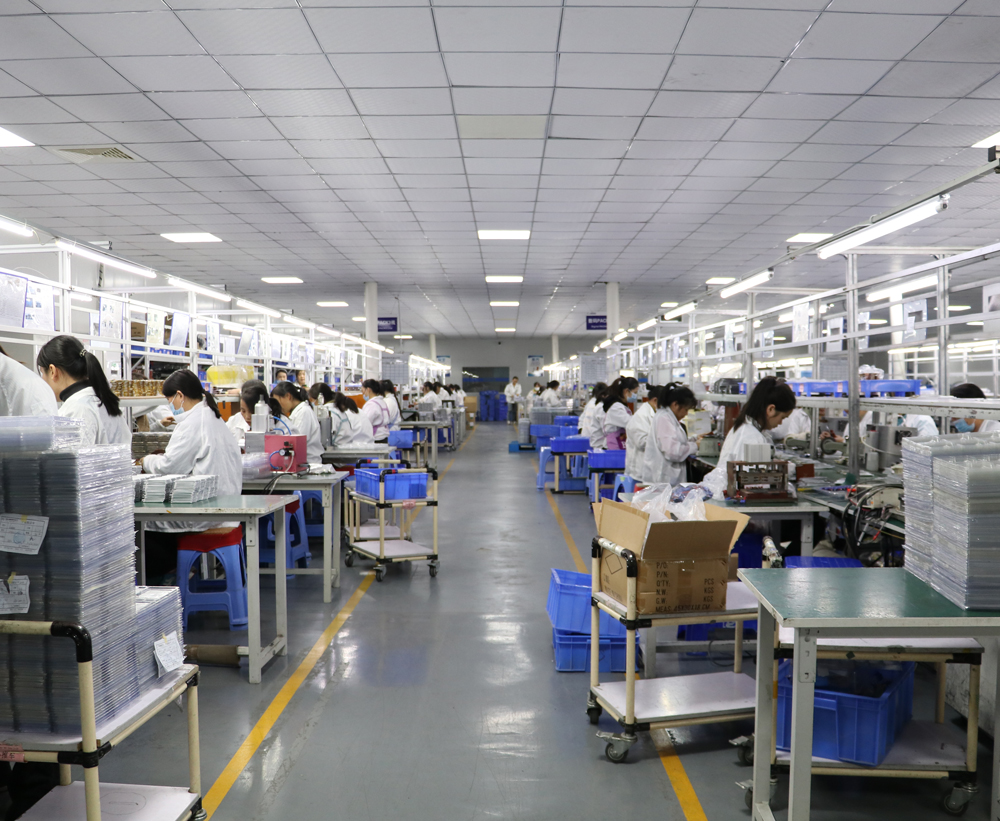
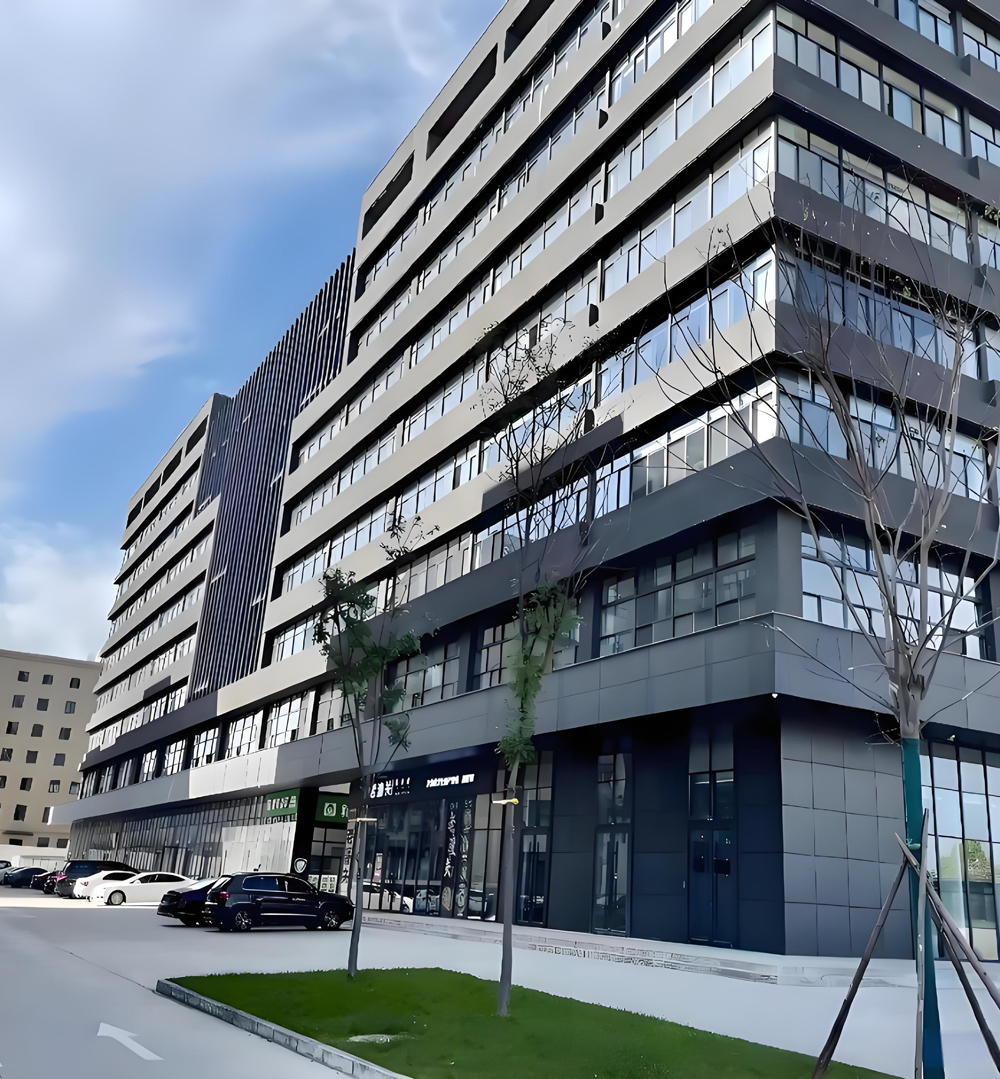
Dynalink Electronic Technology Co., Ltd (DL), established in 2007, currently has a workforce of over 800 employees, among which more than 200 are technical staff. It is a technology-driven design and manufacturing company specializing in power supplies, energy storage capacitors, and connectors. With continuous investment in research and development and strong innovation capabilities, the company has built a complete industrial chain encompassing material research and development, product design, and precision manufacturing. Thanks to the advantages of high reliability and excellent performance, its products are widely used in key fields such as aviation, aerospace, shipping, railways, new energy vehicles, the medical industry, drones, and robots, providing customized solutions for customers.
By controlling every tier of production—from the raw chemical formulation of lithium polymer cells to the high-conductivity copper connector terminals and energy-dense capacitor lines—we ensure that our FPV power configurations yield unmatched reliability, low voltage sag, and long lifecycle profiles in the field.
DL provides customers with high-quality power supplies, energy storage capacitors, and connectors, alongside full-cycle services. Relying on profound technical accumulation and innovative capabilities, we have established a comprehensive customized development system across several critical sectors:
In the field of drones, our products ensure efficient battery charging and discharging and the stable operation of the power system. Our high-density FPV LiPo batteries offer optimized weight-to-capacity configurations to maximize aerial runtime and instantaneous thrust.
For data centers, high-speed connectors and stable power supplies ensure low-loss transmission of massive amounts of data and the reliable operation of equipment. Our capacitors absorb electrical ripples and defend critical server systems.
In industrial automation scenarios, connectors with high protection performance and precision power supplies provide solid support for equipment operating in complex environments. These systems are highly vibration-resistant, making them ideal for heavy robotic units.
Relying on our self-developed intelligent design platform, we can quickly respond to customer needs and provide integrated solutions from components to systems, guaranteeing custom layout parameters within record timelines.
In the future, DL will continue to deeply engage in technological innovation, promote industrial upgrading, and integrate advanced power supply technologies into every corner of life, accelerating solid-state and high-voltage (LiHv) innovations.
We synthesize critical base materials and control high-precision stamping and battery winding lines, eliminating downstream supply defects and reducing unit costs for international bulk buyers.
Understanding the exact specifications of FPV LiPo batteries is crucial for matching flight performance with structural durability. Standard lithium polymer packs utilize a lithium metal oxide cathode (typically LiCoO2) and a graphite anode. At Dynalink, we have updated this paradigm with carbon-silicon composite materials. This integration permits a much higher pack energy density without inviting structural cell swelling during rapid discharge spikes.
| Performance Parameter | Standard Consumer LiPo | DL Industrial FPV LiPo | DL Next-Gen Solid-State FPV (Roadmap) |
|---|---|---|---|
| Nominal Cell Voltage | 3.7V / Cell | 3.8V - 3.85V (LiHv) / Cell | 3.9V / Cell |
| Energy Density (Gravimetric) | 180 - 210 Wh/kg | 240 - 280 Wh/kg | 320 - 360 Wh/kg |
| Continuous Discharge Rate | 30C - 50C | 100C - 130C | 150C+ |
| Pulse Peak Discharge (3s) | 80C | 200C - 260C | 300C |
| Cycle Lifetime (80% DoD) | ~150 Cycles | 300 - 500 Cycles | 800+ Cycles |
| Operating Temperature Range | 0°C to 45°C | -20°C to 65°C | -40°C to 80°C |
As detailed in our technology roadmap, Dynalink is transitioning towards semi-solid state architectures. In these configurations, the liquid volatile organic carbonate solvents are replaced by a highly conductive polymer gel or ceramic composite membrane. This design limits thermal runaway risks, ensuring that even if a UAV crashes and the battery pack is mechanically compromised, the risk of combustion is significantly reduced compared to traditional liquid-electrolyte packs.
Taking quality as our shield, we continuously optimize processes and standards to forge industry benchmark products. Our approach to technological development is built on three pillars:
Corporate culture is the soul of the company's development. We take "empowering life with technology and creating a sustainable future" as our mission, aiming to "become a leading provider of integrated system power supply solutions in the industry" as our vision, and practice the values of "integrity, innovation, collaboration, and win-win results."
We create a positive and united working atmosphere, attach great importance to the growth and development of employees, and provide them with broad career advancement opportunities and a complete training system. This ensures our R&D team remains at the cutting edge of battery chemistry and connector engineering.
Focusing on the fields of batteries, capacitors, and connectors, we use innovation as our spear, making every effort to overcome the technical bottlenecks of solid-state batteries, break through the upper limit of capacitor energy density, and develop high-precision and low-loss connectors.
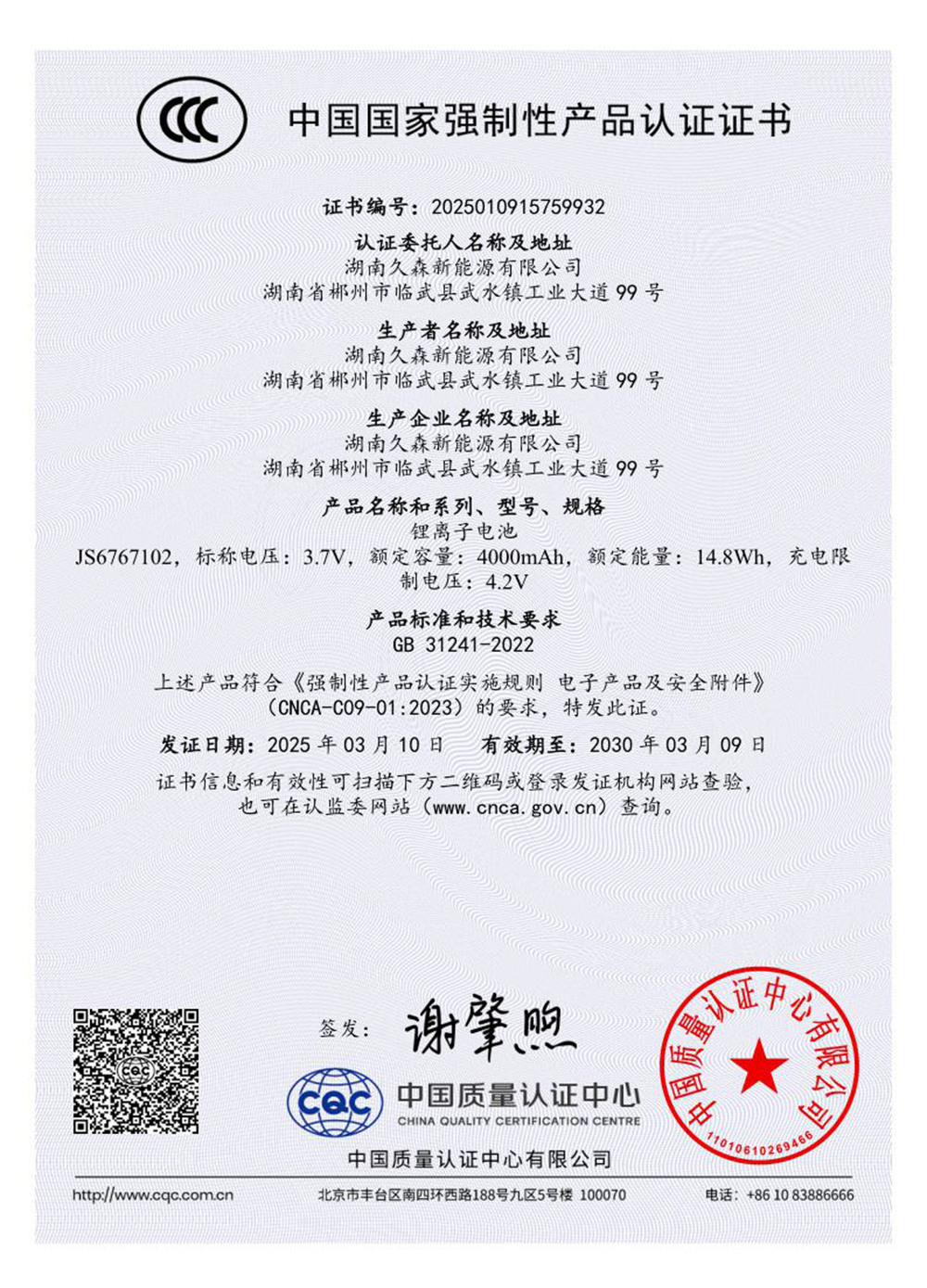
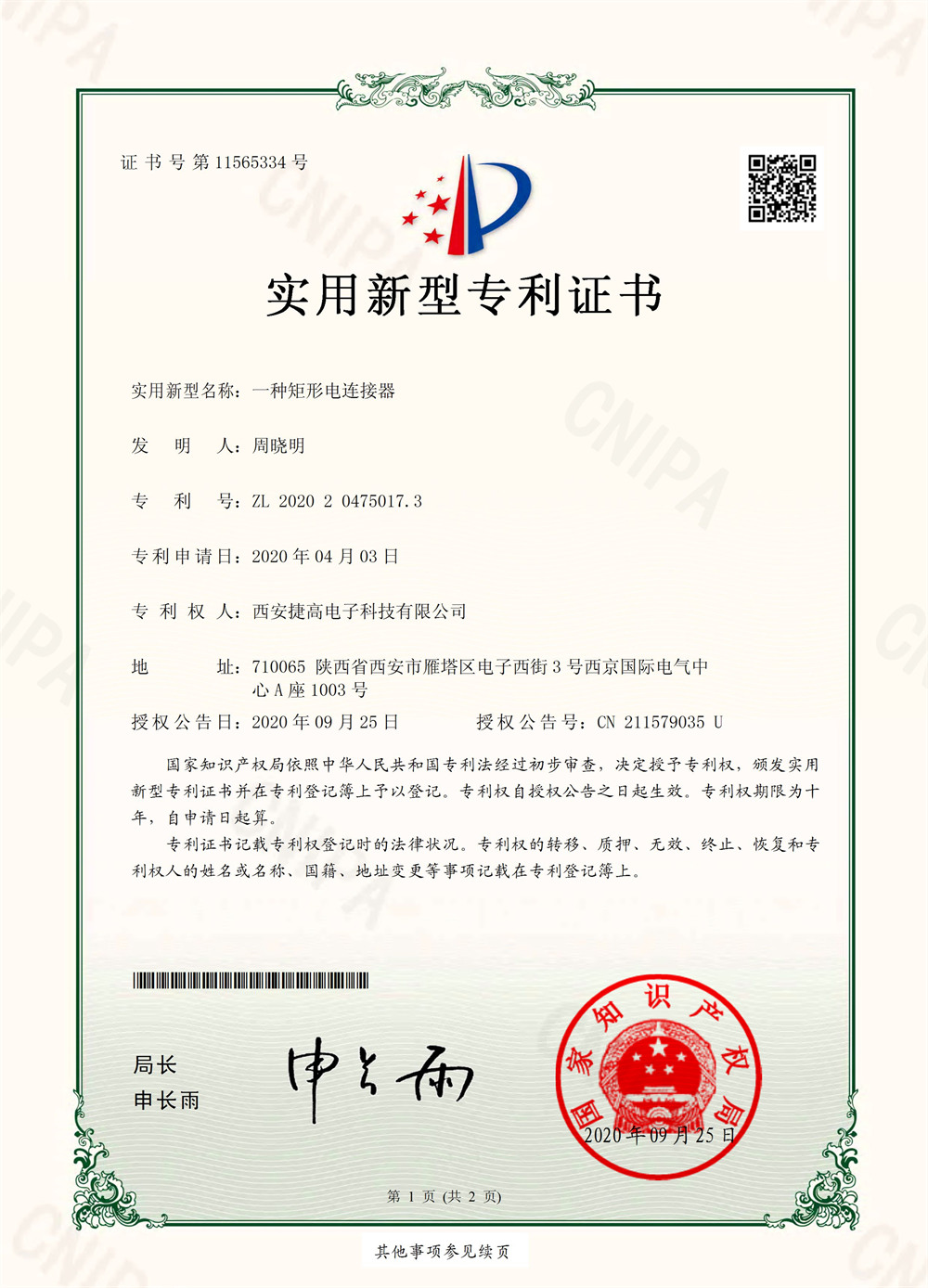
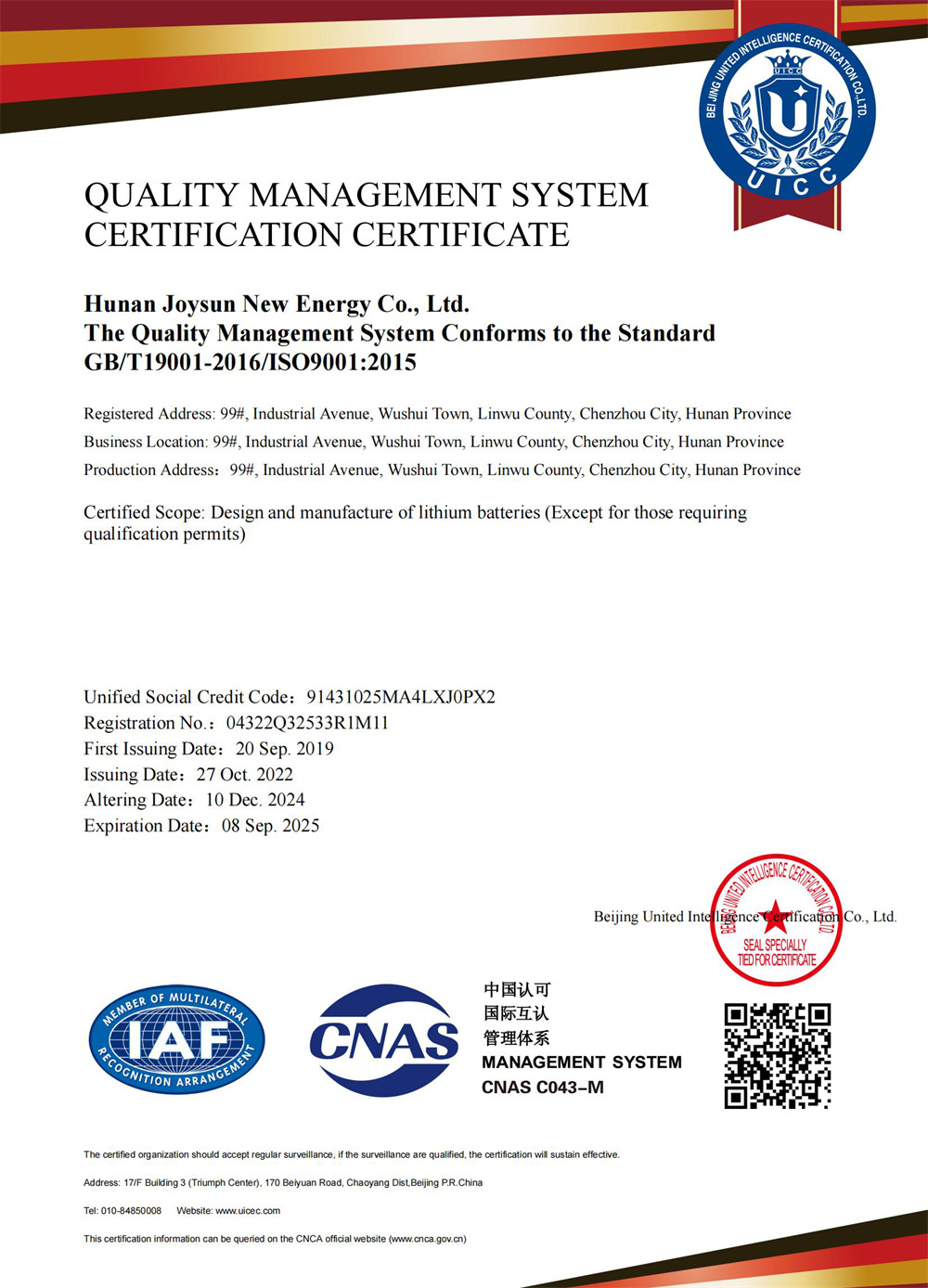
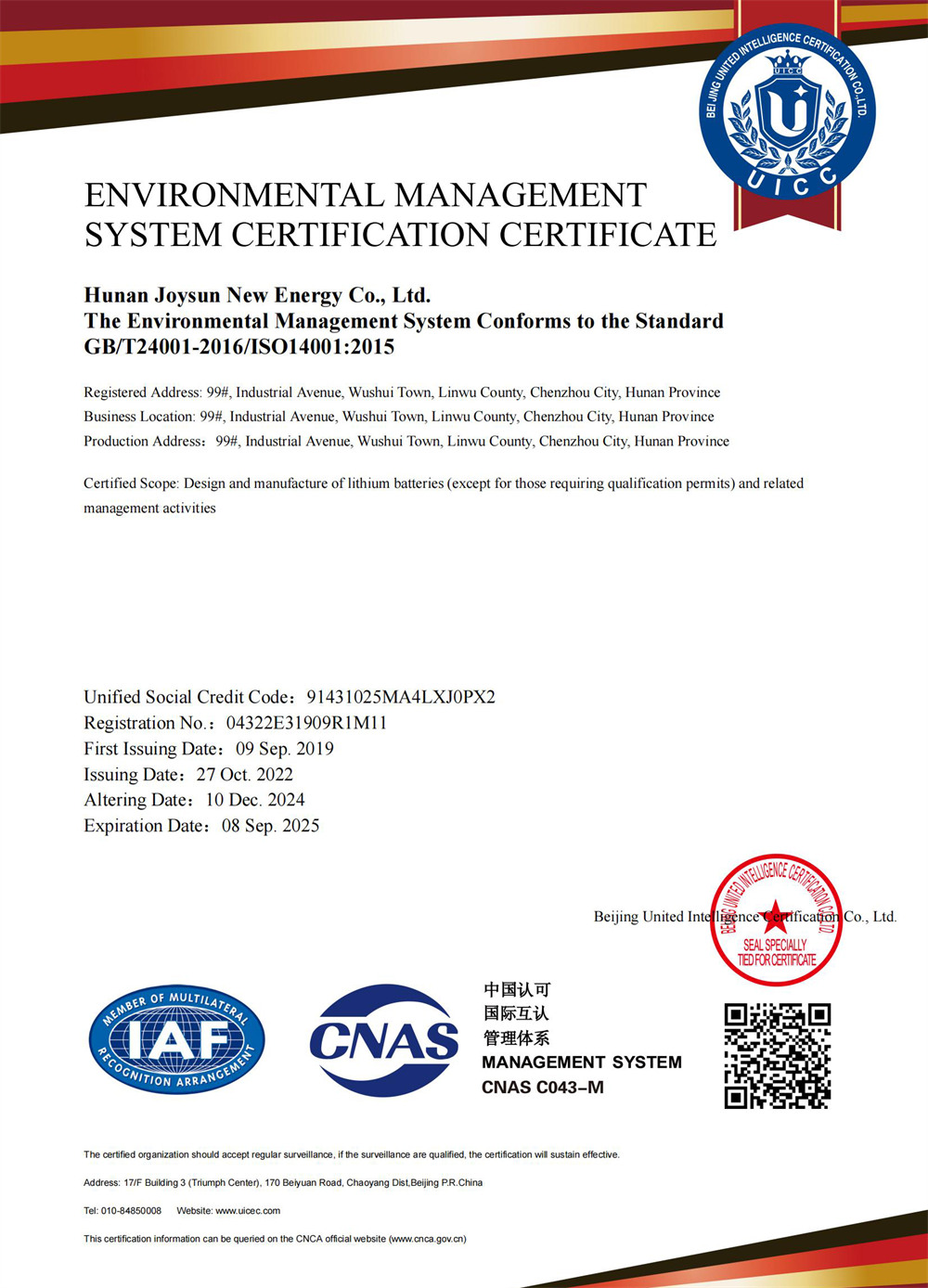
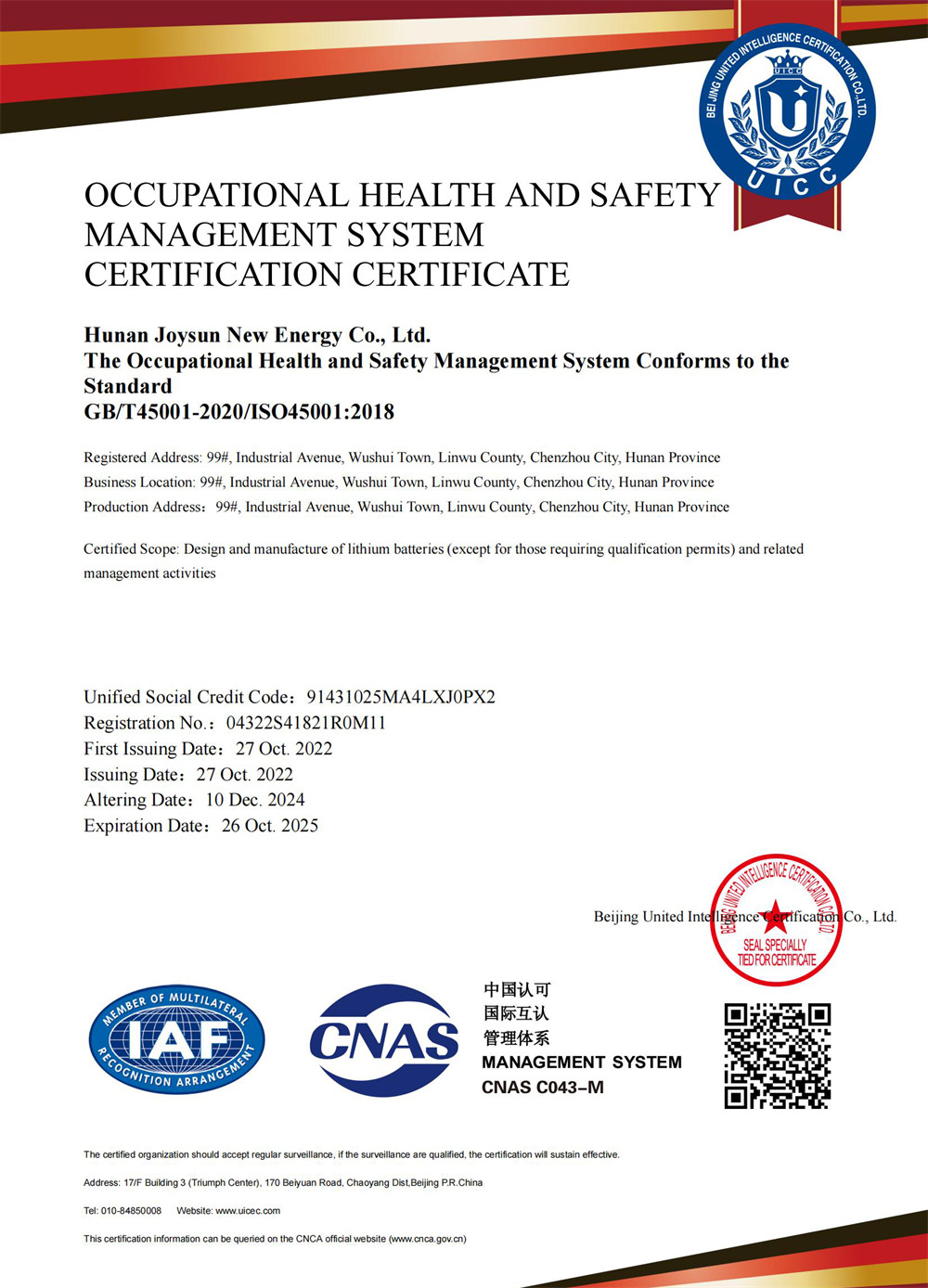
Deploying heavy UAV machinery in industrial plants, municipal zones, or international shipping corridors requires strict safety and quality compliance. Dynalink complies with international environmental, occupational health, and quality standards to guarantee risk-free integration. Our operational facilities are fully certified under the following criteria:


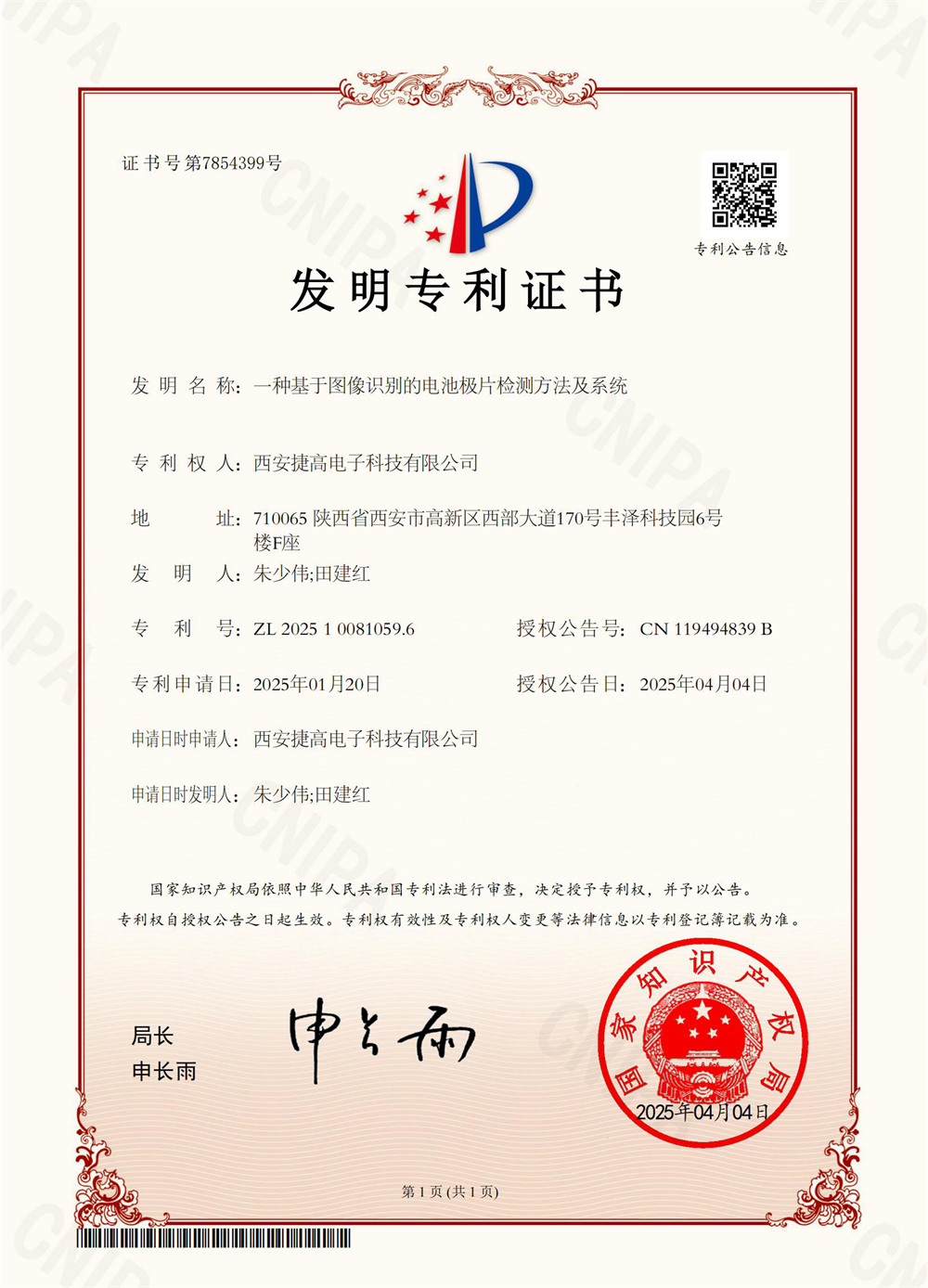
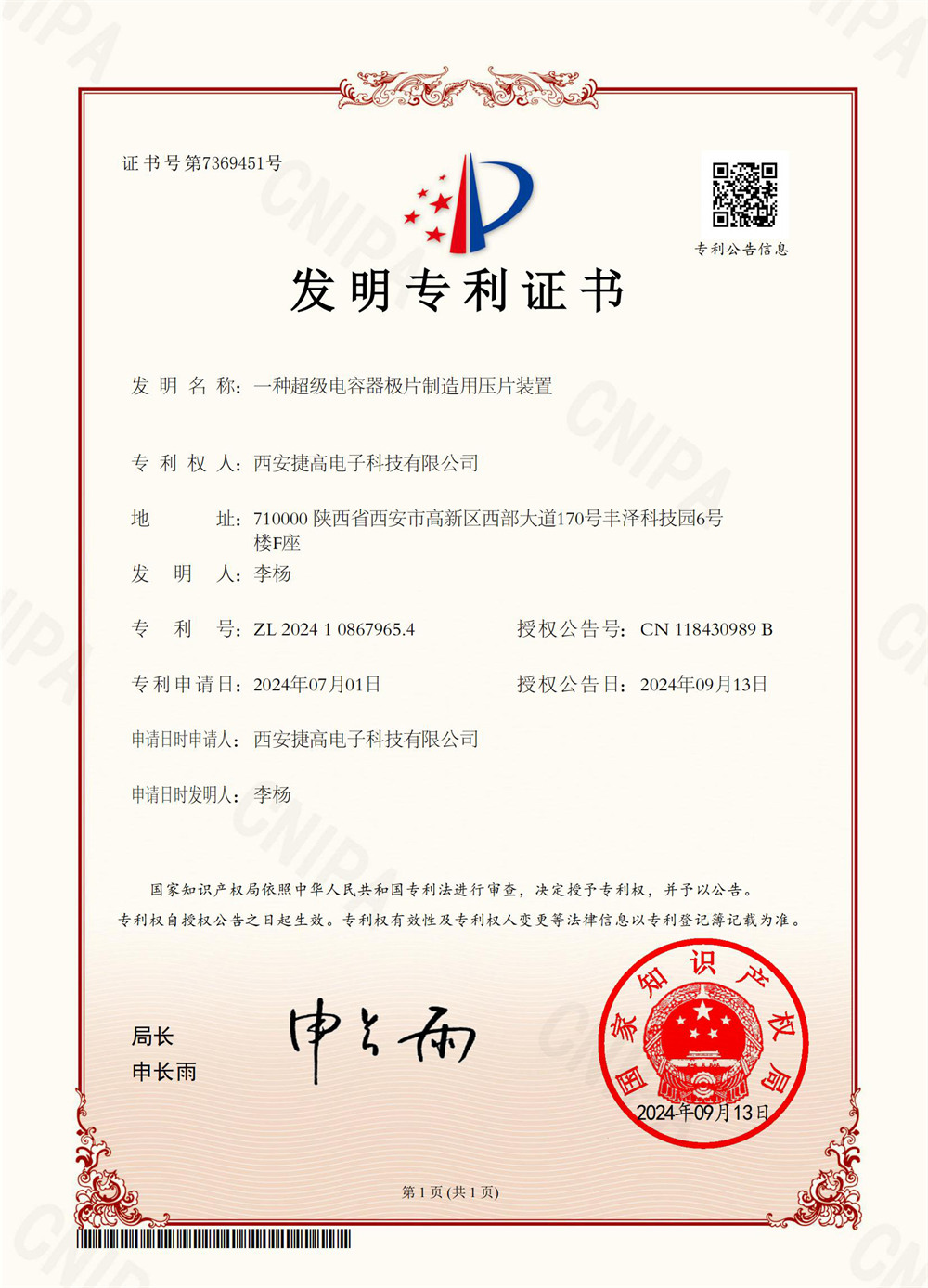
Our commitment to reliability is demonstrated through continuous validation across multiple production runs, backed by international third-party test houses:
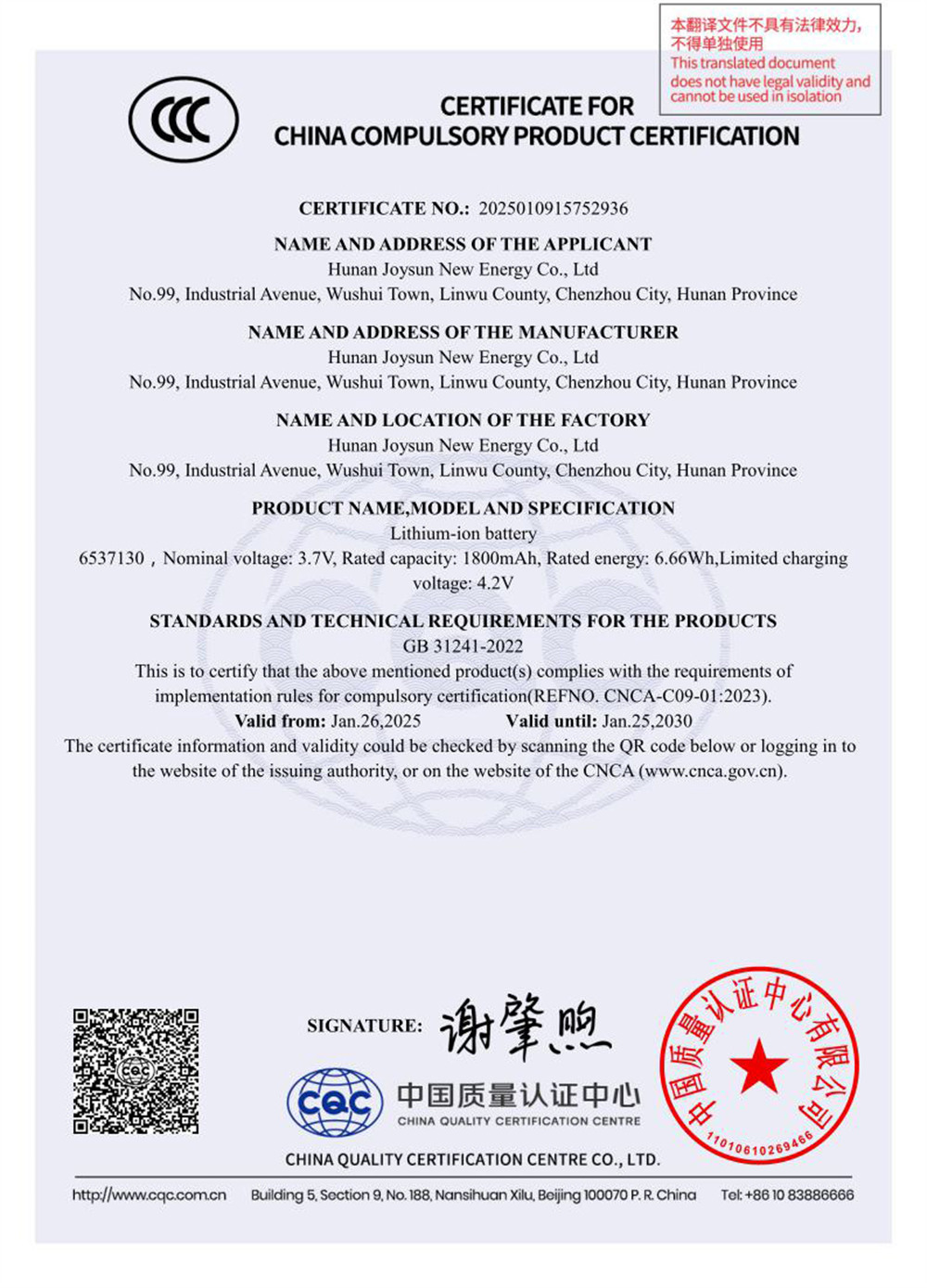
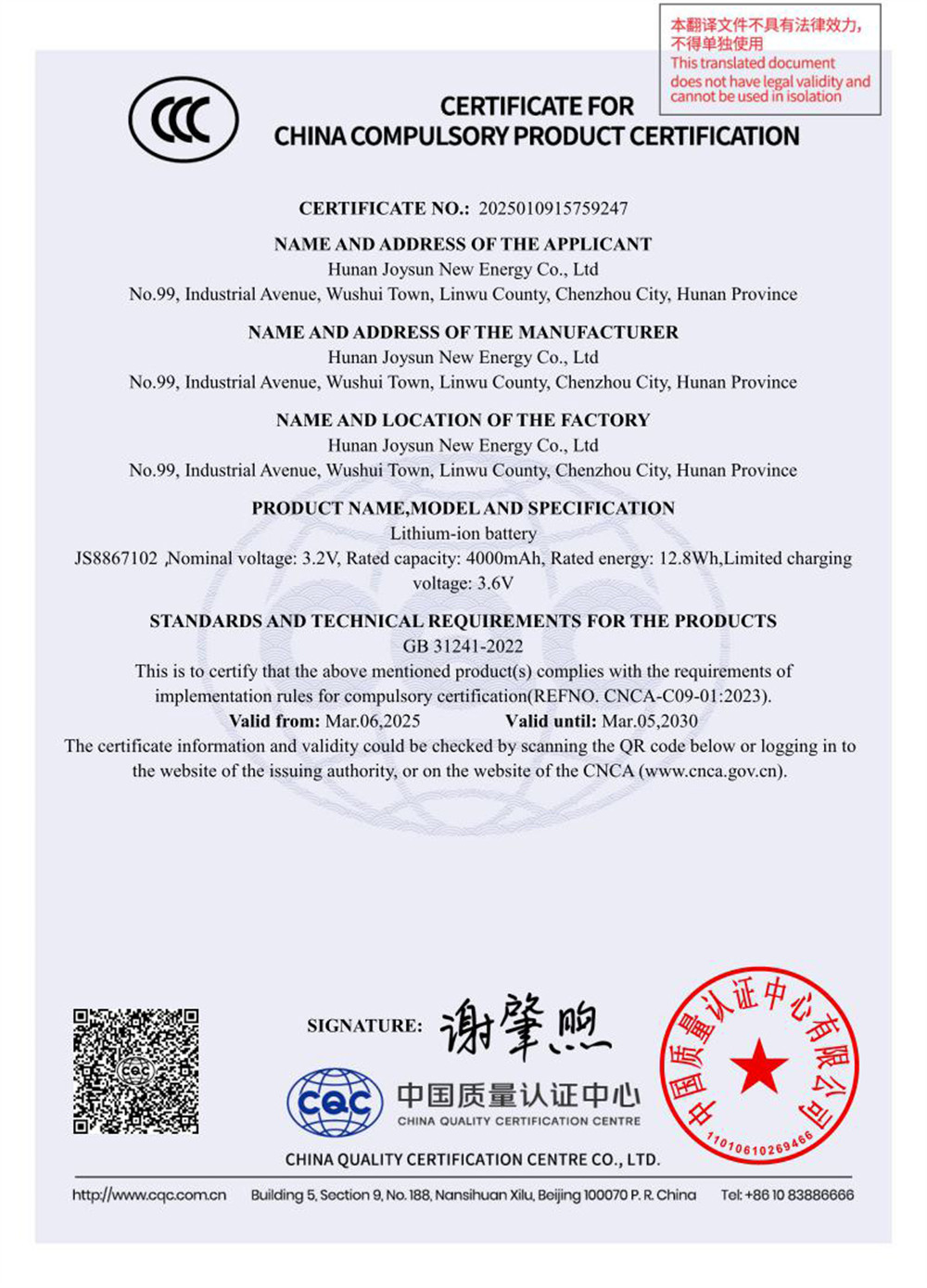
Access answers to the most common questions regarding high-discharge FPV lithium polymer cells, bulk sourcing, shipping compliance, and system integration parameters.
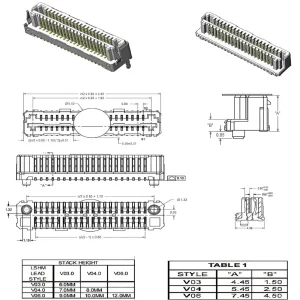
Browse our specialized industrial connectors, pin header arrays, and drone-oriented lithium polymer battery solutions configured for global distributions.
Get in touch with Dynalink's engineering department today to discuss your cell configuration parameters, capacity requirements, connector setups, and custom casing layouts.
Contact Our Technical Team Dynalink Electronic