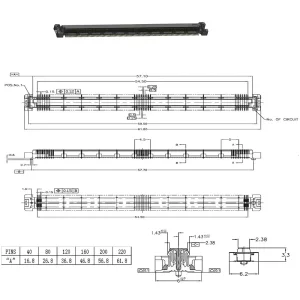
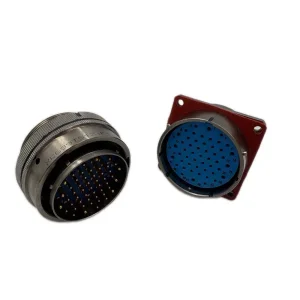
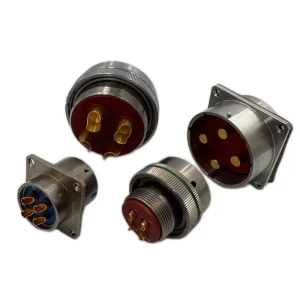
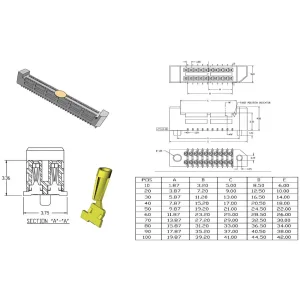
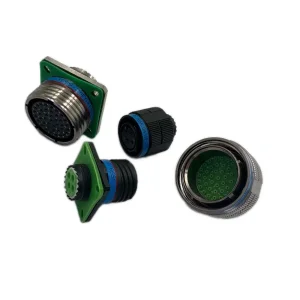
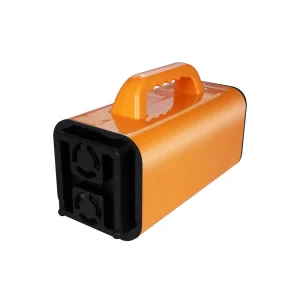
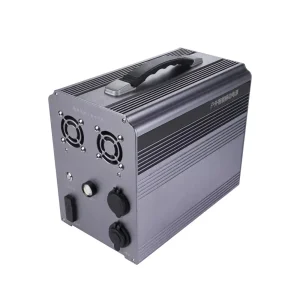
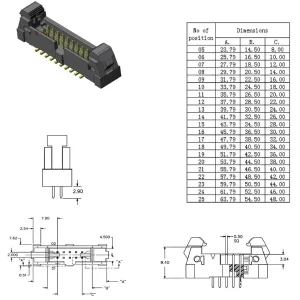
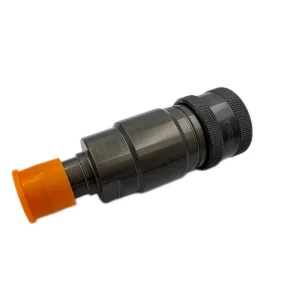
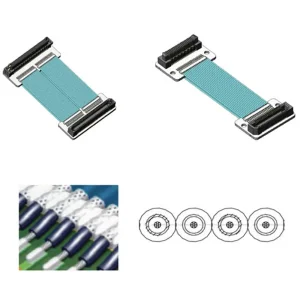
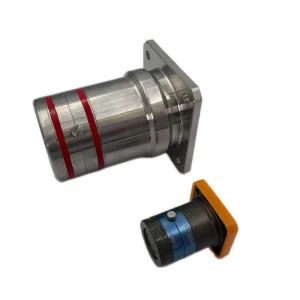
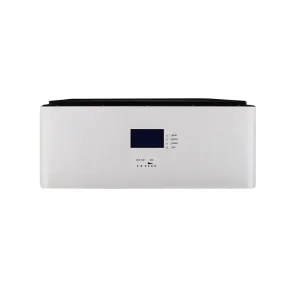
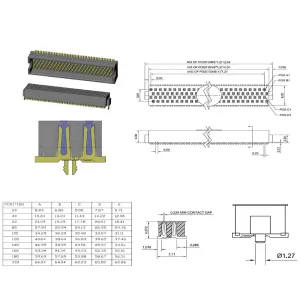
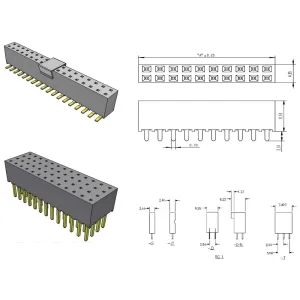
Explore our flagship catalog featuring ultra-precise micro-pitch board-to-board connectors, heavy-duty circular interfaces, and specialized power systems.
In high-reliability electronics, the selection of contact materials dictates the lifecycle, thermal thresholds, and overall signal fidelity of the system. Phosphor Bronze, primarily composed of copper (Cu) alloyed with tin (Sn) typically ranging from 3.5% to 9%, and deoxidized with phosphorus (P) content of 0.03% to 0.35%, serves as the premier choice for demanding industrial and aerospace connector terminals.
Unlike standard brass, the addition of tin raises the alloy's tensile strength, elasticity, and fatigue limit. The microscopic presence of phosphorus acts as a strong deoxidizing agent during smelting, which eliminates structural voids and refines the grain structure. This metallurgical composition provides an unmatched combination of spring properties and electrical conductivity (approximately 15% IACS), ensuring consistent contact force over millions of thermal cycles.
Key Material Metric: Phosphor bronze demonstrates exceptional resistance to stress relaxation at temperatures exceeding 100°C, making it indispensable for micro-pitch interfaces (such as 0.50mm and 0.80mm pitch components) where physical contact area is microscopic.
Dynalink leverage this robust alloy's characteristics to manufacture connectors that withstand severe mechanical shock, persistent vibrations, and corrosive oxidation, mitigating contact resistance hikes over long-term operations.
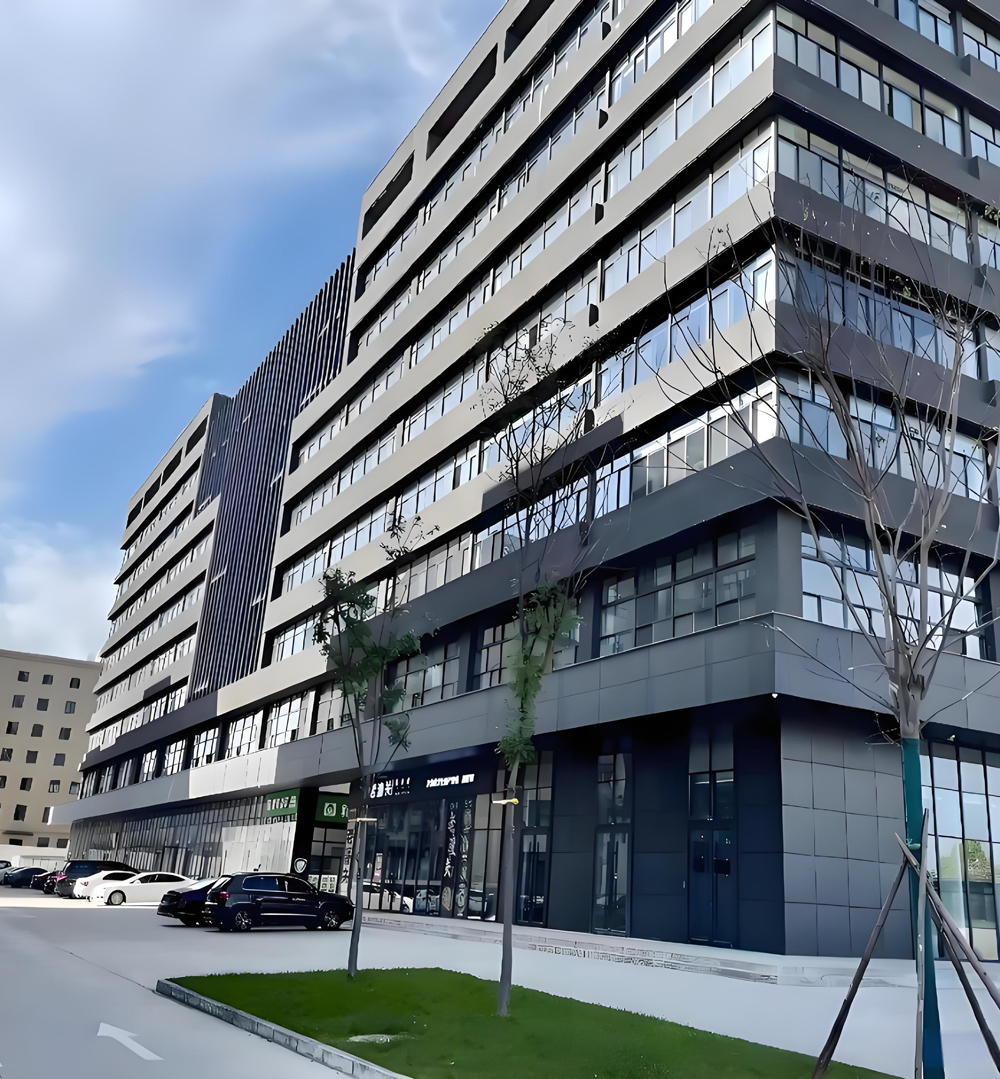
A technology-driven design and precision manufacturing titan, cultivating reliability from material research to custom application deployment.
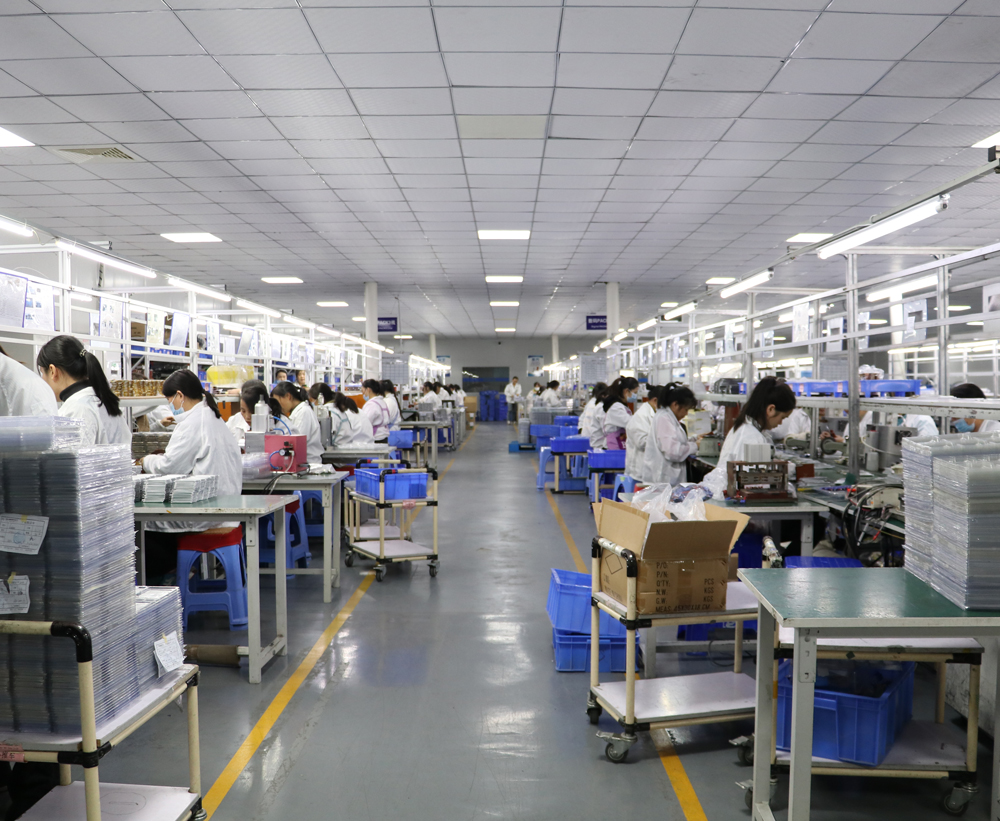
Established in 2007, Dynalink Electronic Technology Co., Ltd (DL) has evolved into a global benchmark supplier, driving interconnect and energy storage systems to new heights. Currently staffing a workforce of over 800 employees—among which more than 200 are highly specialized technical staff—DL operates a full-scale industrial chain. This integrated structure encompasses advanced material research and development, bespoke CAD/CAE product design, and micro-precision manufacturing.
Due to high reliability and excellent signal/power performance, DL products are actively utilized in vital global sectors, including aviation, aerospace, shipping logistics, railway transit systems, new energy vehicles, advanced medical apparatus, multi-rotor commercial drones, and intelligent industrial robotics.
Environmental Management System
Quality Management System
Occupational Health and Safety
Addressing the complex engineering challenges of high-density electronic networks and power ecosystems across diverse global sectors.
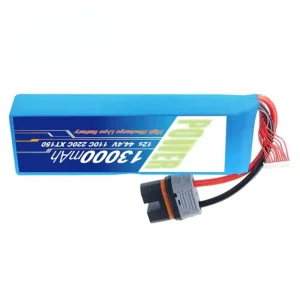
Ensuring ultra-stable battery charging/discharging pathways and dependable connection matrixes for military, agricultural, and logistics drone platforms.
High-speed, low-loss interconnects coupled with robust power infrastructure components support massive data flows and minimize signal degradation.
Supplying high-protection-rated, sealed connectors and power supplies that guarantee continuity in environments exposed to extreme dust, oil, and moisture.
Utilizing our in-house smart design ecosystem to accelerate rapid CAD iterations, going from initial concept to high-volume manufacturing with speed.
As microelectronics shift toward higher frequencies and denser layouts, structural failures caused by thermal expansion mismatches, vibration-induced wear, and oxidation have surged. The global transition to electric vehicles, high-speed rail, and commercial UAVs demands interconnect systems that go beyond basic connectivity.
Phosphor bronze addresses this need by providing low contact resistance (often <10mΩ) under thermal cycling conditions. In localized applications such as offshore wind systems, robotic manufacturing, and high-altitude drones, connectors must function continuously in harsh climates without degrading signal integrity.
In response, Dynalink maintains strict control over metallurgical compositions, tooling tolerances, and plating thickness (offering various options from thin gold flash to heavy gold coatings), delivering consistent performance that meets international standards.
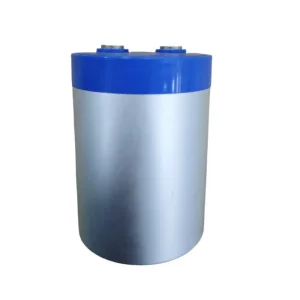
Dynalink's engineering department is focused on three primary areas: miniaturization, high-frequency signal integrity, and sustainable, lead-free alloy compositions. By using advanced finite element analysis (FEA), we simulate insertion and extraction cycles to predict contact point wear before tooling begins. Our research into solid-state batteries and high-energy-density supercapacitors also ensures that our power connectors can handle high current demands safely and efficiently.
For high-frequency applications, we are refining contact terminal geometries to control characteristic impedance. This minimizes insertion loss and crosstalk in dense packaging, such as 0.50mm COM-E card edges and round-hole connectors. Additionally, we are using advanced surface-mount plating techniques to eliminate the risk of tin whiskers, ensuring reliability in deep-space and critical medical hardware.
Global Compliance & Environment: All Dynalink manufacturing processes comply with RoHS 3 (EU 2015/863) and REACH directives. We prioritize conflict-free mineral sourcing and reduce chemical waste through advanced, closed-loop plating technologies.
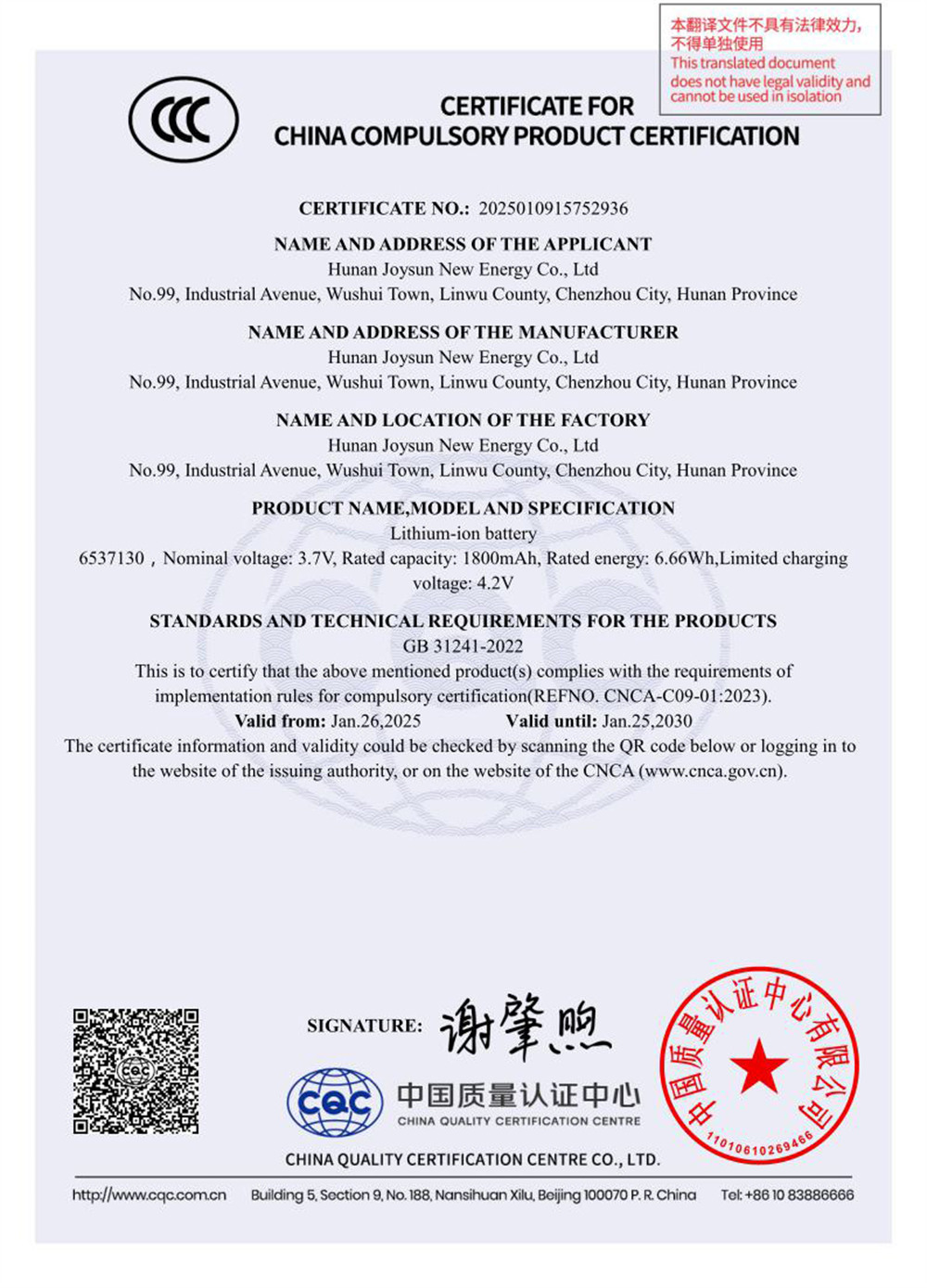
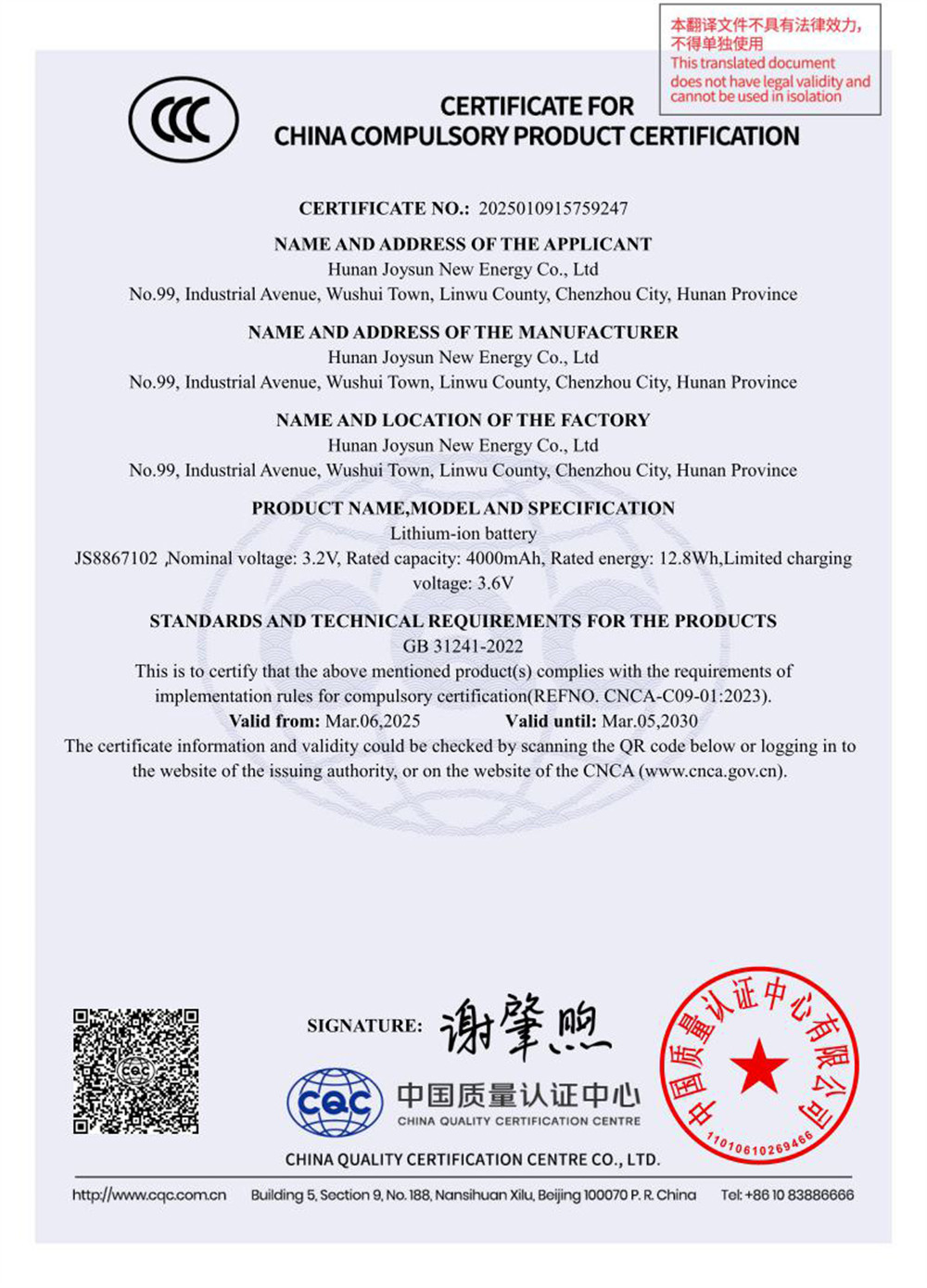
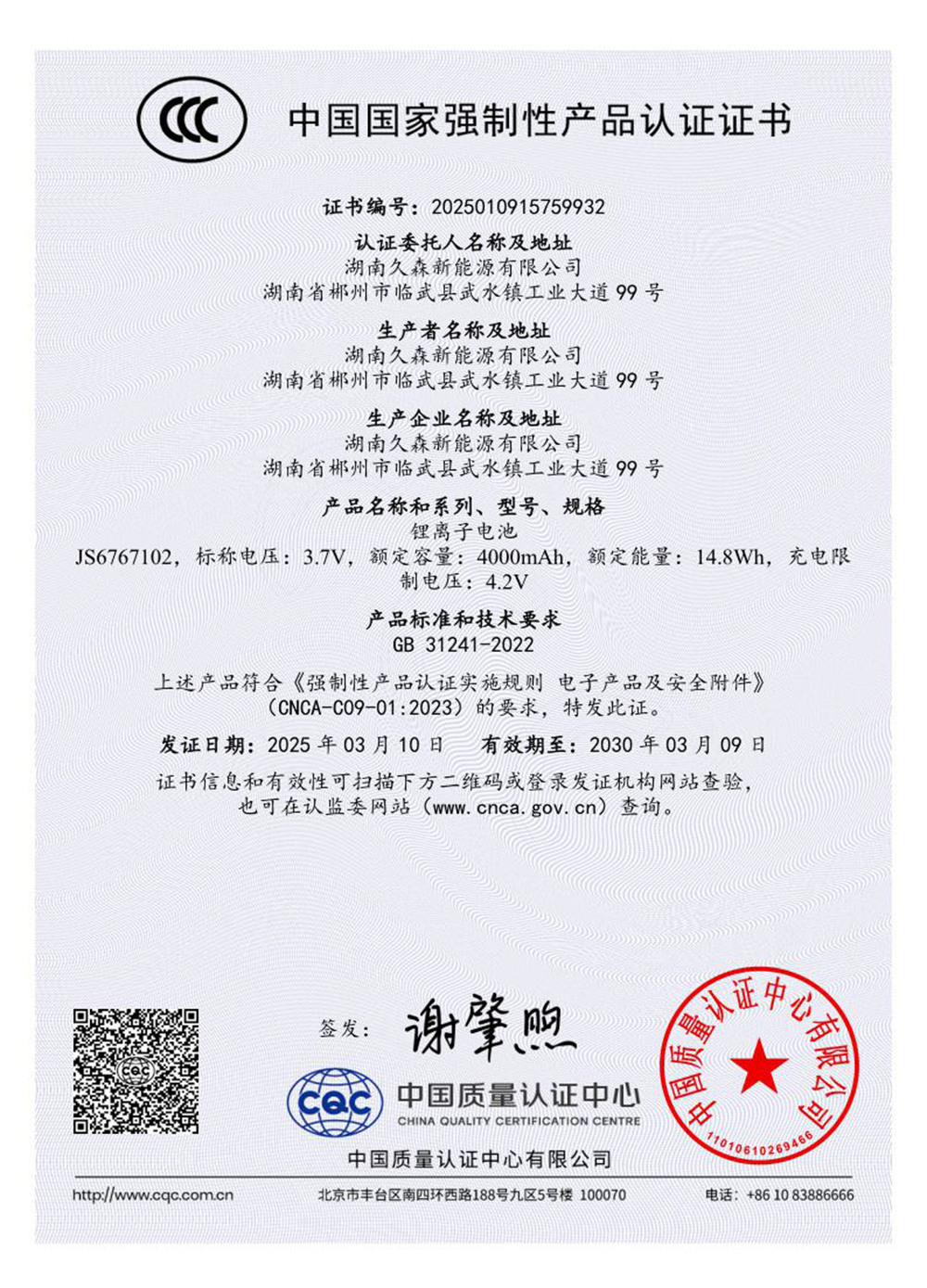
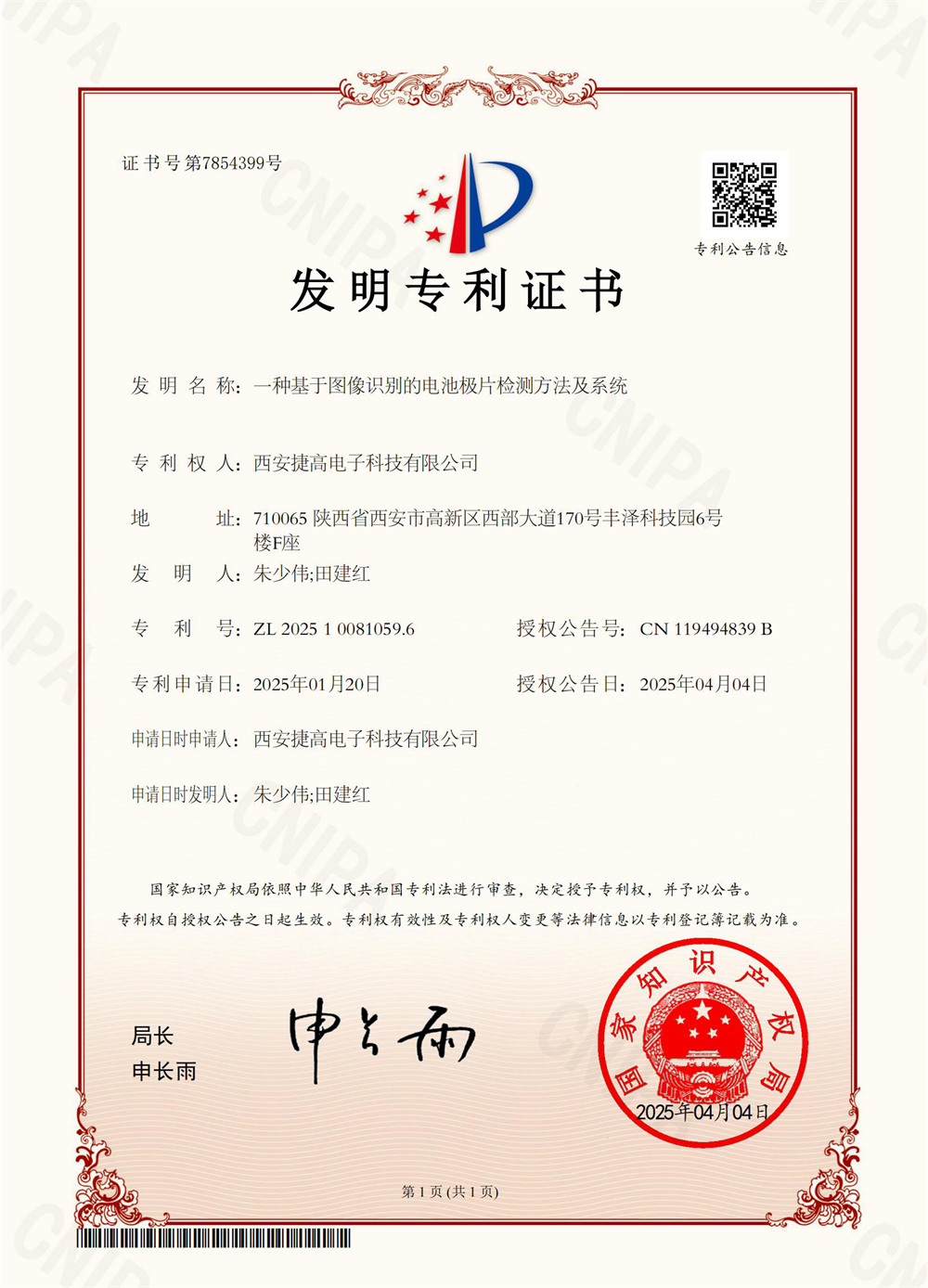
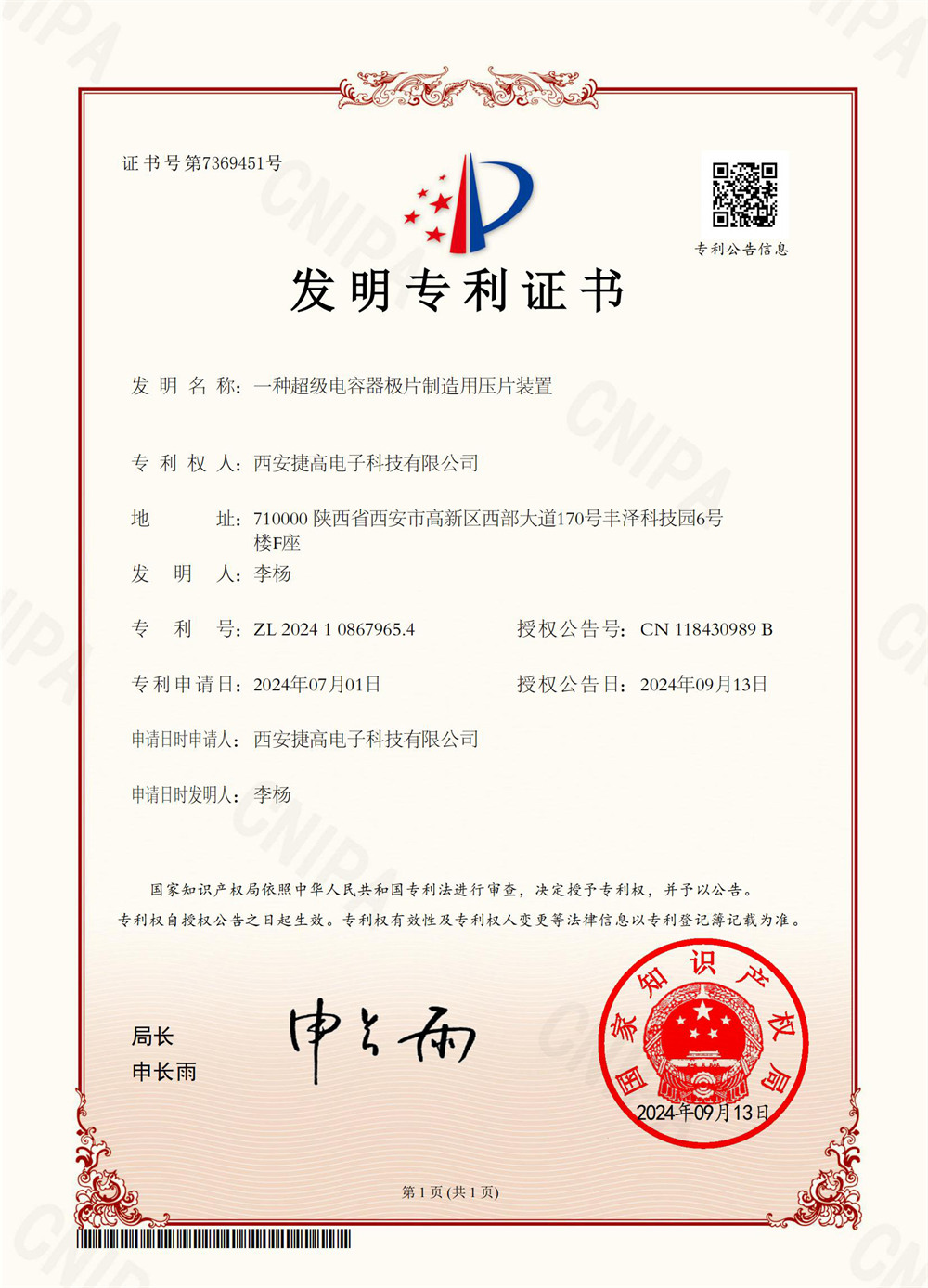
Our manufacturing and processing lines are thoroughly audited and compliant with global quality, environmental safety, and occupational health systems.
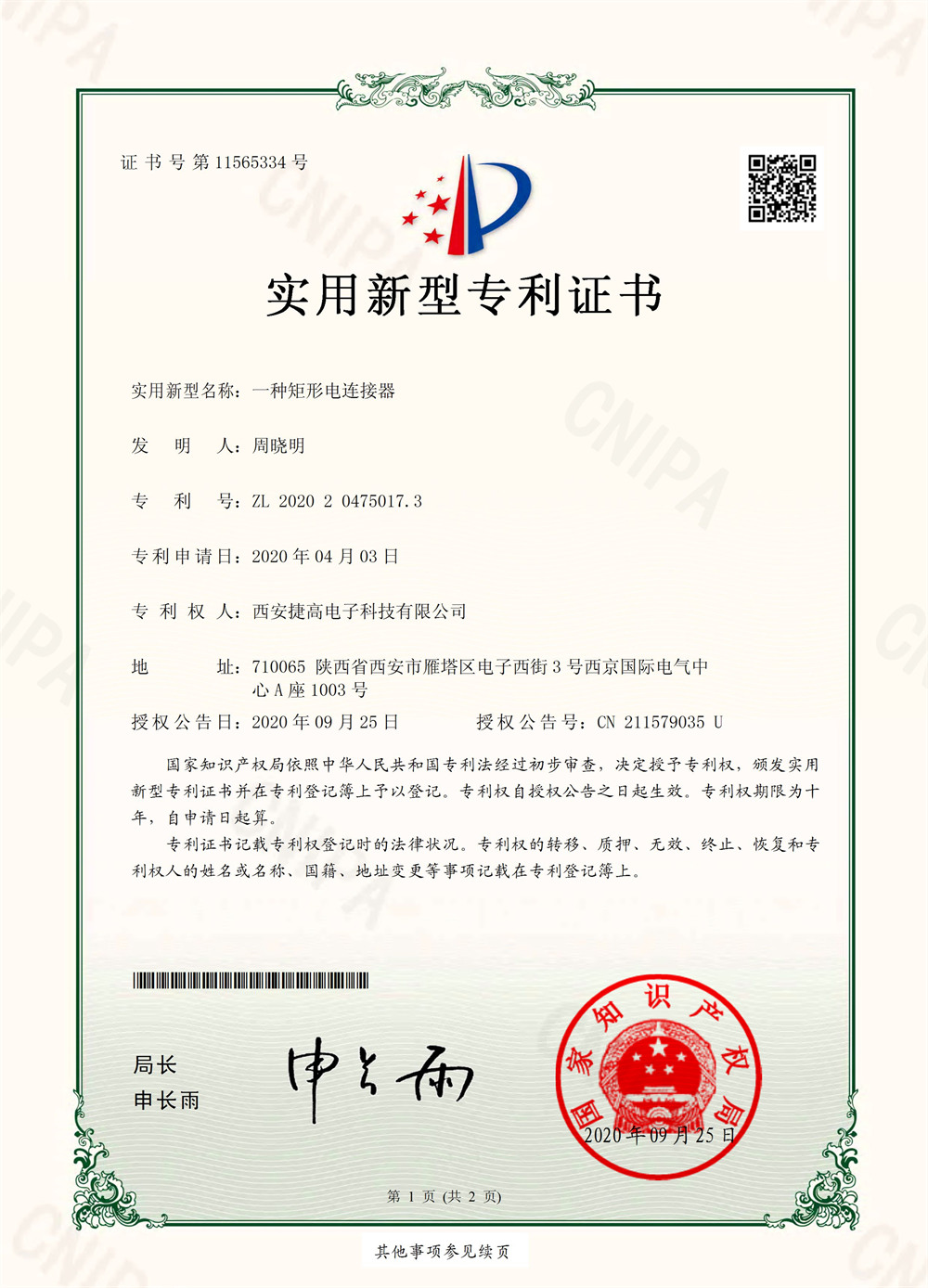
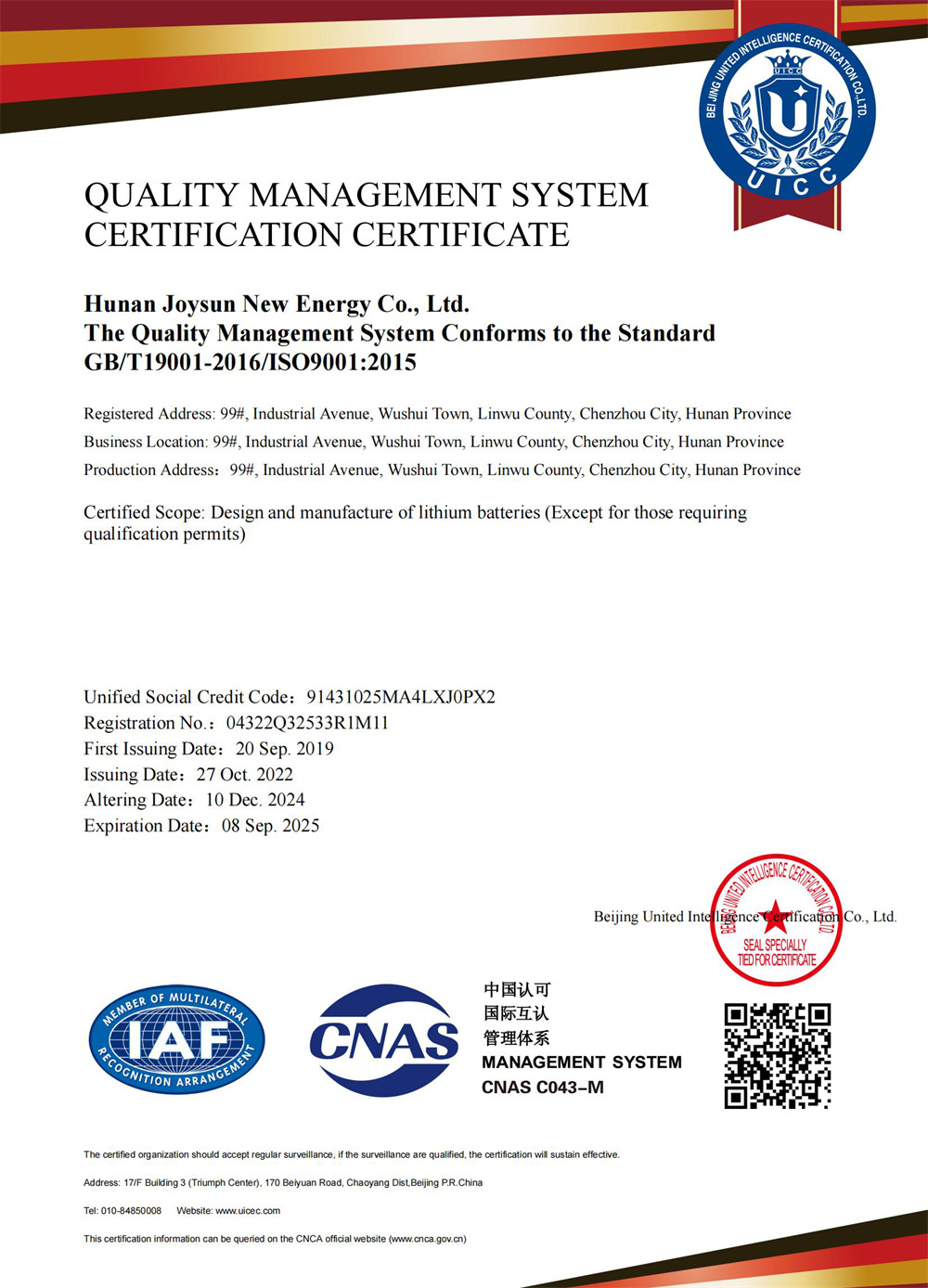
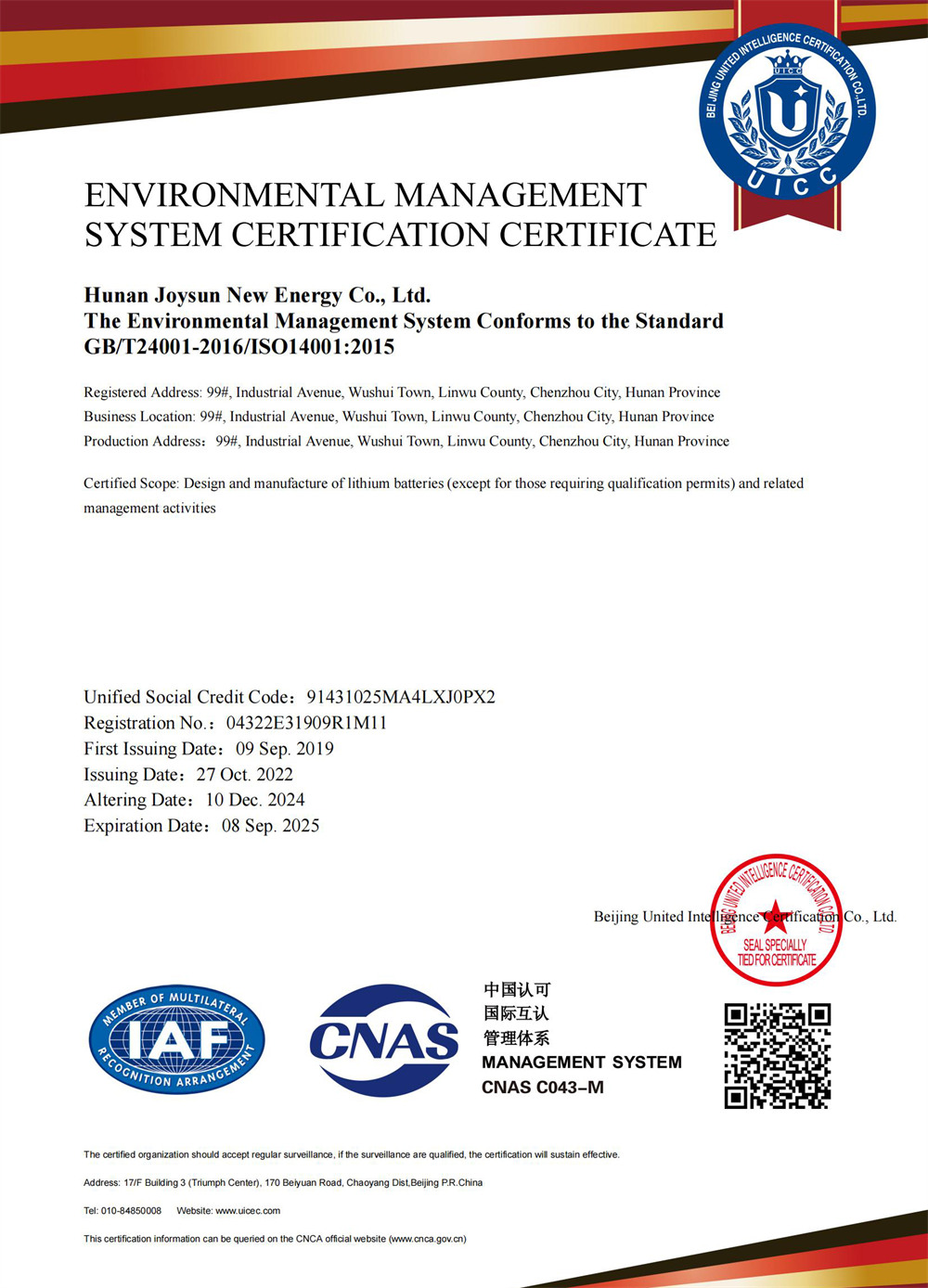
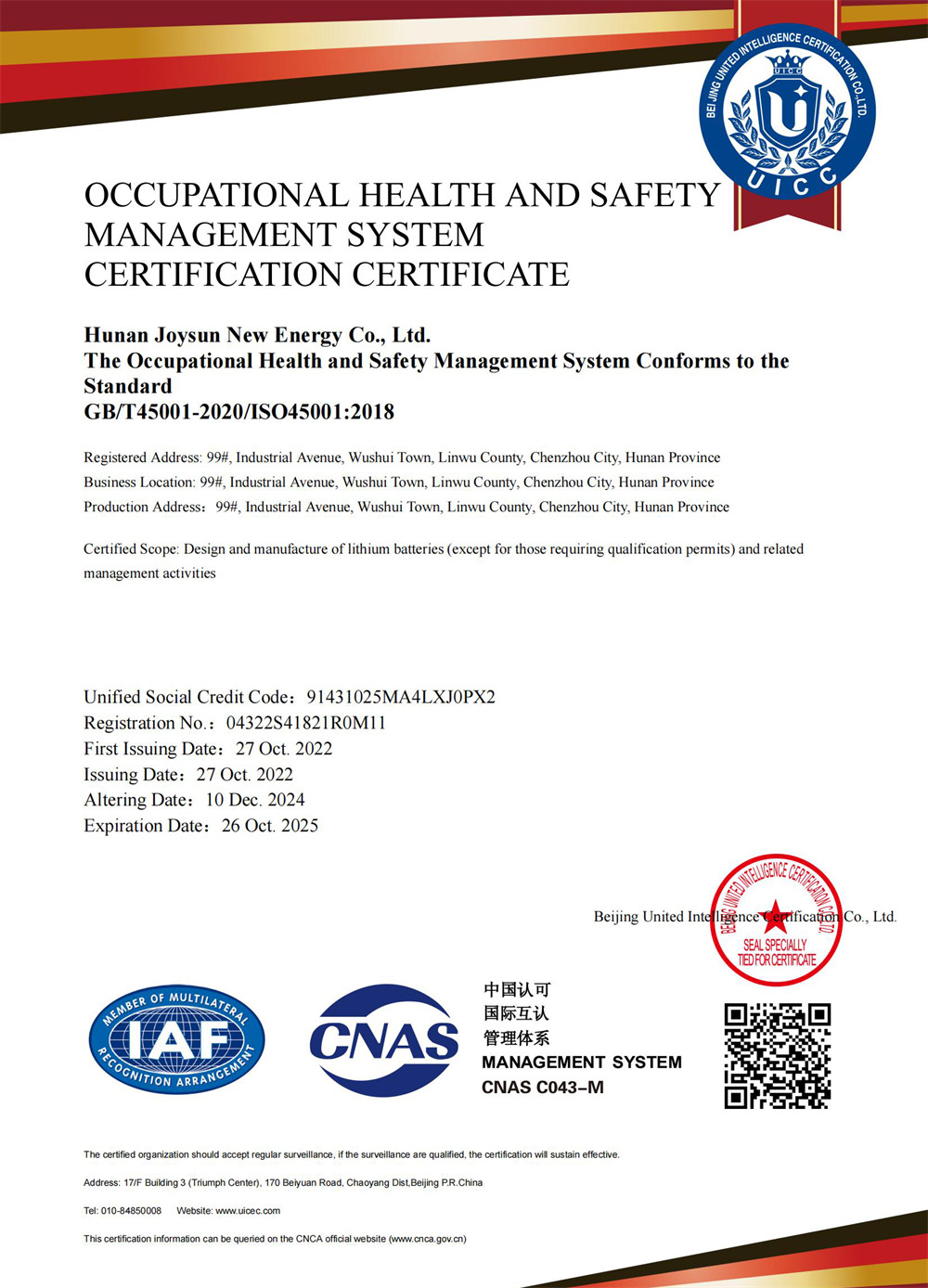
Addressing the common design, material, and testing questions of global procurement and system engineers.
Brass (copper-zinc) is prone to stress-relaxation, losing its spring retention force over time, especially in elevated thermal environments. Phosphor bronze (copper-tin-phosphorus) has a higher yield strength and elasticity. This ensures the contact point maintains consistent contact pressure over many mating cycles, preventing signal drops and localized resistance heating.
Gold plating is highly recommended for low-voltage, low-current signals (dry circuits) because it resists oxidation, maintaining contact resistance below 10mΩ. Tin plating is cost-effective and suitable for higher contact pressures and high-power applications, but it requires enough normal force to break through local tin-oxide films during mating.
We combine precise molding tolerances with finite element signal integrity simulation. The stamped phosphor bronze contacts are shaped to maintain clear mating pathways and controlled impedance. High-temperature LCP housings are also used to keep contact geometries stable during lead-free reflow soldering.
Yes. Our manufacturing facilities are certified to ISO 9001:2015 and ISO 14001:2015. We also follow specialized quality standards, making our interconnect assemblies and power solutions suitable for aviation, rail transit, UAVs, and medical instrumentation.
We provide full OEM/ODM services, including custom contact pin counts, modified pitch spacing, high-speed differential signal modifications, customized overmolding, and specialized wire-harness integration. Our R&D team can deliver initial CAD and simulated performance reviews within days of receiving specifications.
Explore our industrial fluid lines, heavy-duty bayonet locks, and high-capacity portable power stations designed for tough field conditions.
 Dynalink Electronic