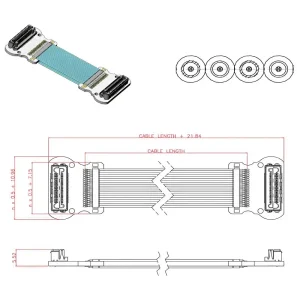
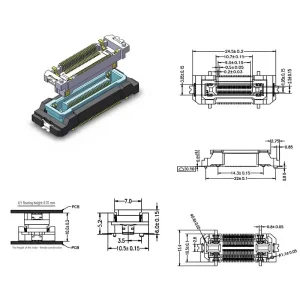
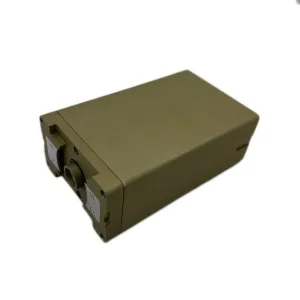
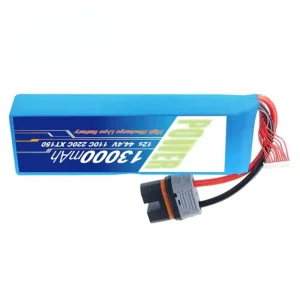
Explore our industrial-grade connectors, solid-state energy storage arrays, and micro-pitch board-to-board solutions designed for zero-failure operations.
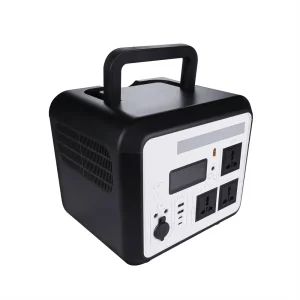
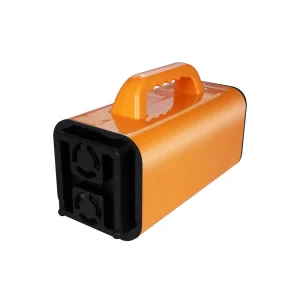
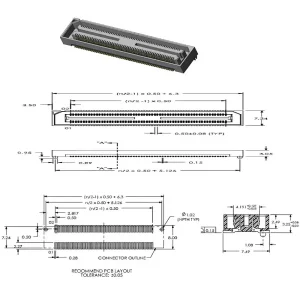
Modern electrical interconnect architectures demand unprecedented signal integrity, mechanical resilience, and power delivery performance. In environments ranging from avionics flight decks to sub-zero subsea deployments, solder connectors serve as the primary conduits for energy and raw telemetry data. For hardware engineers and procurement managers, partnering with an elite ODM (Original Design Manufacturer) is no longer simply about sourcing components; it is a critical strategy to mitigate parasitic inductance, reduce transition-state resistance, and withstand extreme thermal cycling.
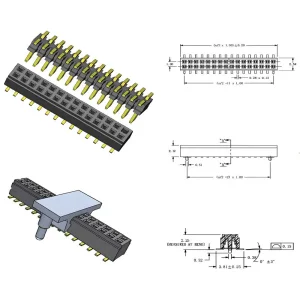
Dynalink Electronic Technology Co., Ltd. (DL) engineers next-generation board-level and modular interfaces that bridge the gap between theoretical electrical layouts and absolute physical reliability. By integrating cutting-edge material science, proprietary metallurgy, and precision plastic injection molding, we ensure that every solder point, pin header, and micro-pitch interface we design maintains absolute structural and electrical integrity across its entire service life.

A global design and manufacturing powerhouse providing high-reliability power systems, custom capacitors, and precision connectors.
Established in 2007, Dynalink Electronic Technology Co., Ltd (DL) has developed from a dedicated component manufacturer into a globally recognized technology-driven partner. Today, our operations are powered by a workforce of over 800 highly skilled personnel, including more than 200 R&D and systems integration engineers. This robust engineering talent is focused entirely on pushing the performance boundaries of integrated power modules, high-frequency energy storage capacitors, and high-density solder interconnects.
Our comprehensive business model covers the entire lifecycle of industrial development: from fundamental materials research and prototyping to mechanical/thermal simulation, precision tooling, and high-volume ISO-compliant production. DL operates state-of-the-art vertical integration facilities that house robotic assembly lines, high-frequency signal analyzers, and climatic environmental simulation chambers.
Established Year
Active Staff
R&D Engineers
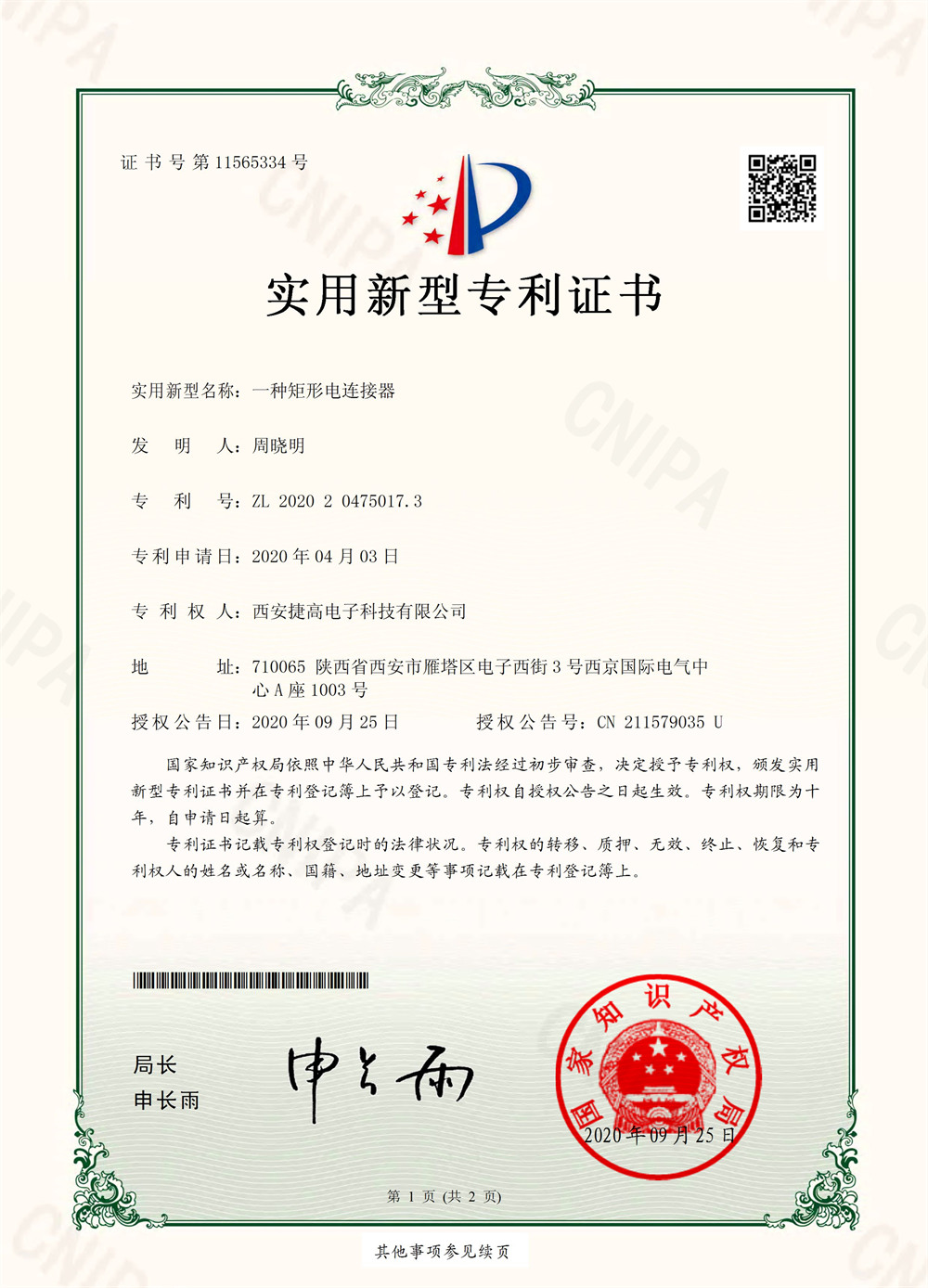
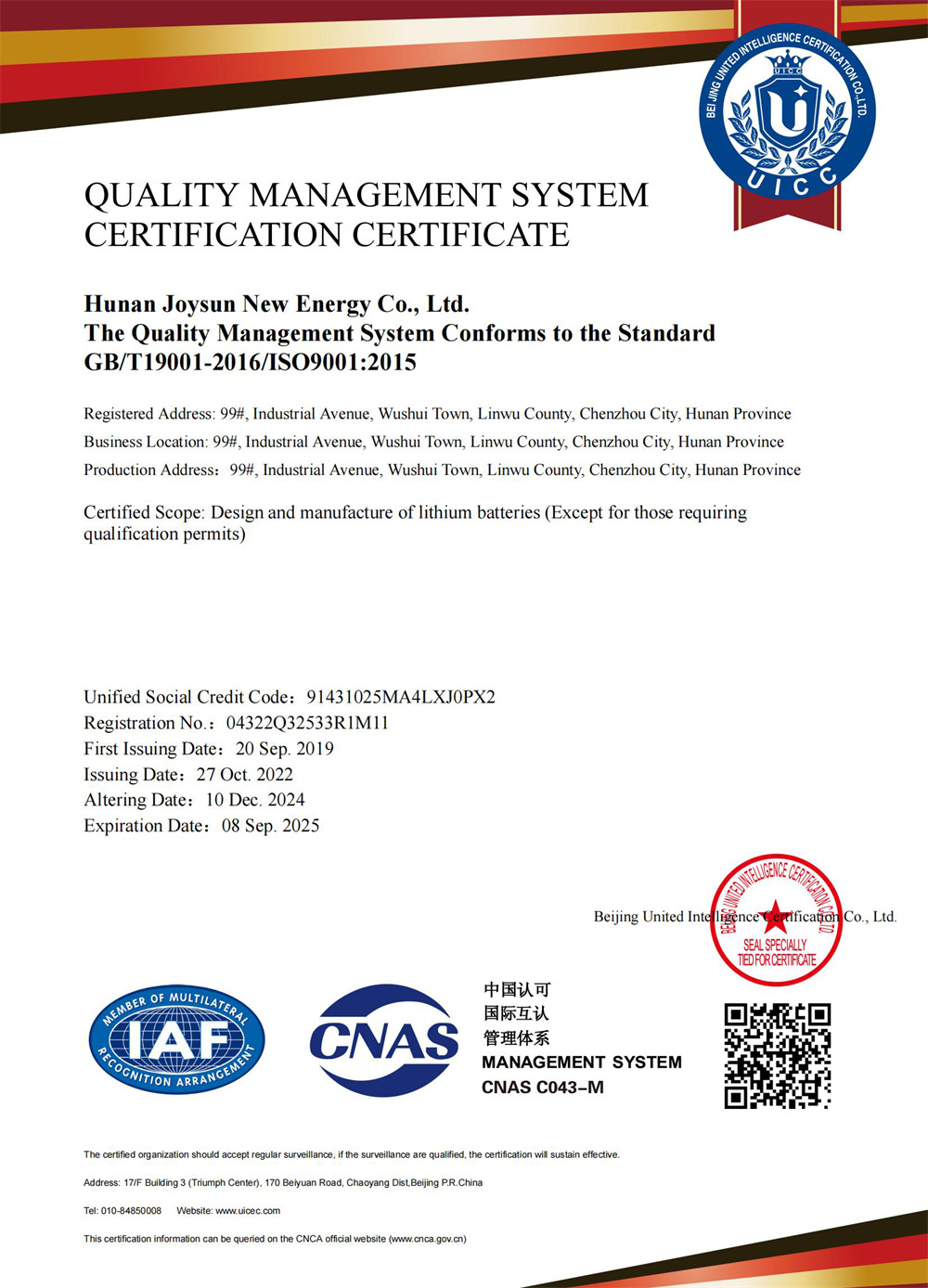
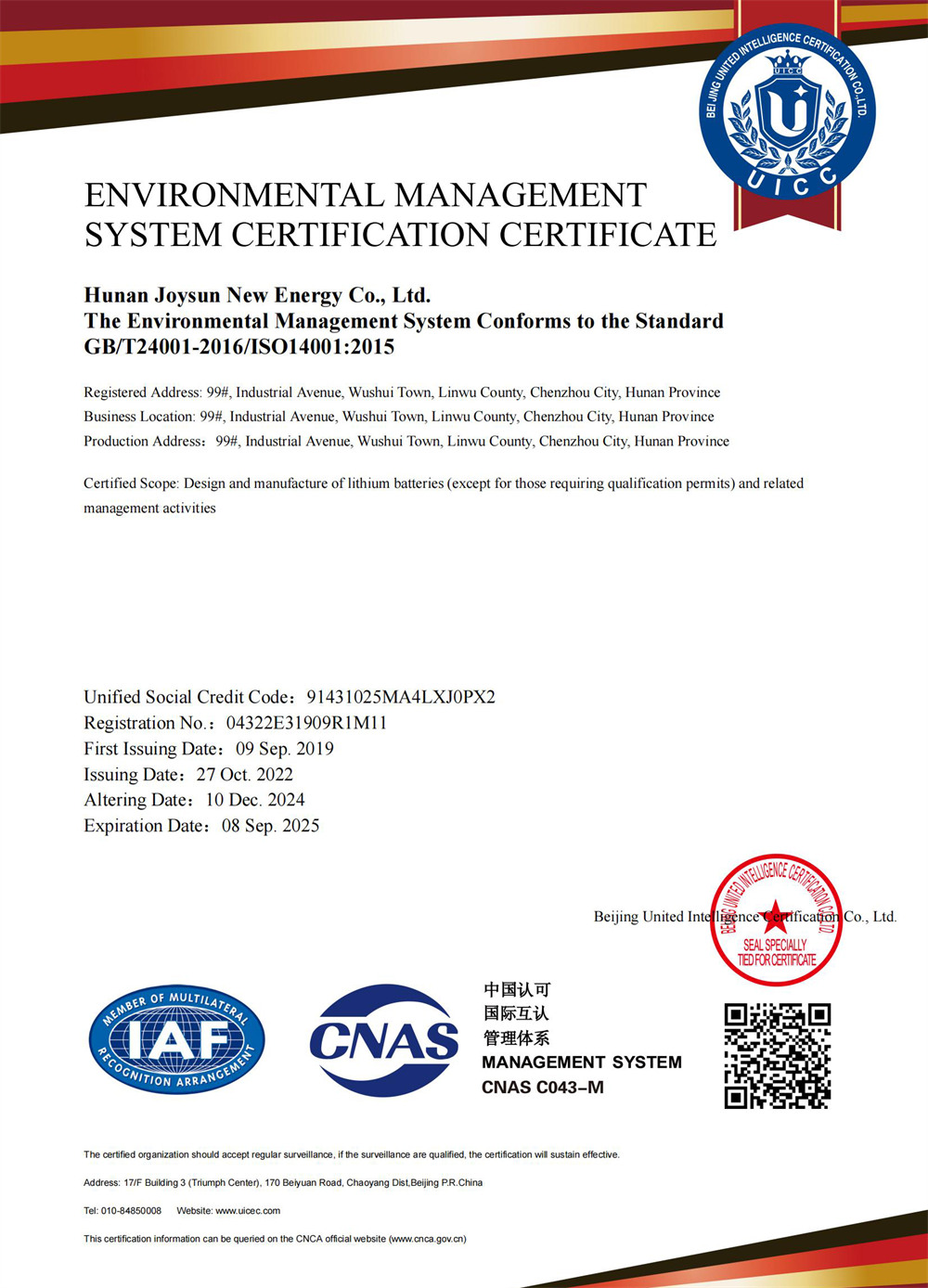
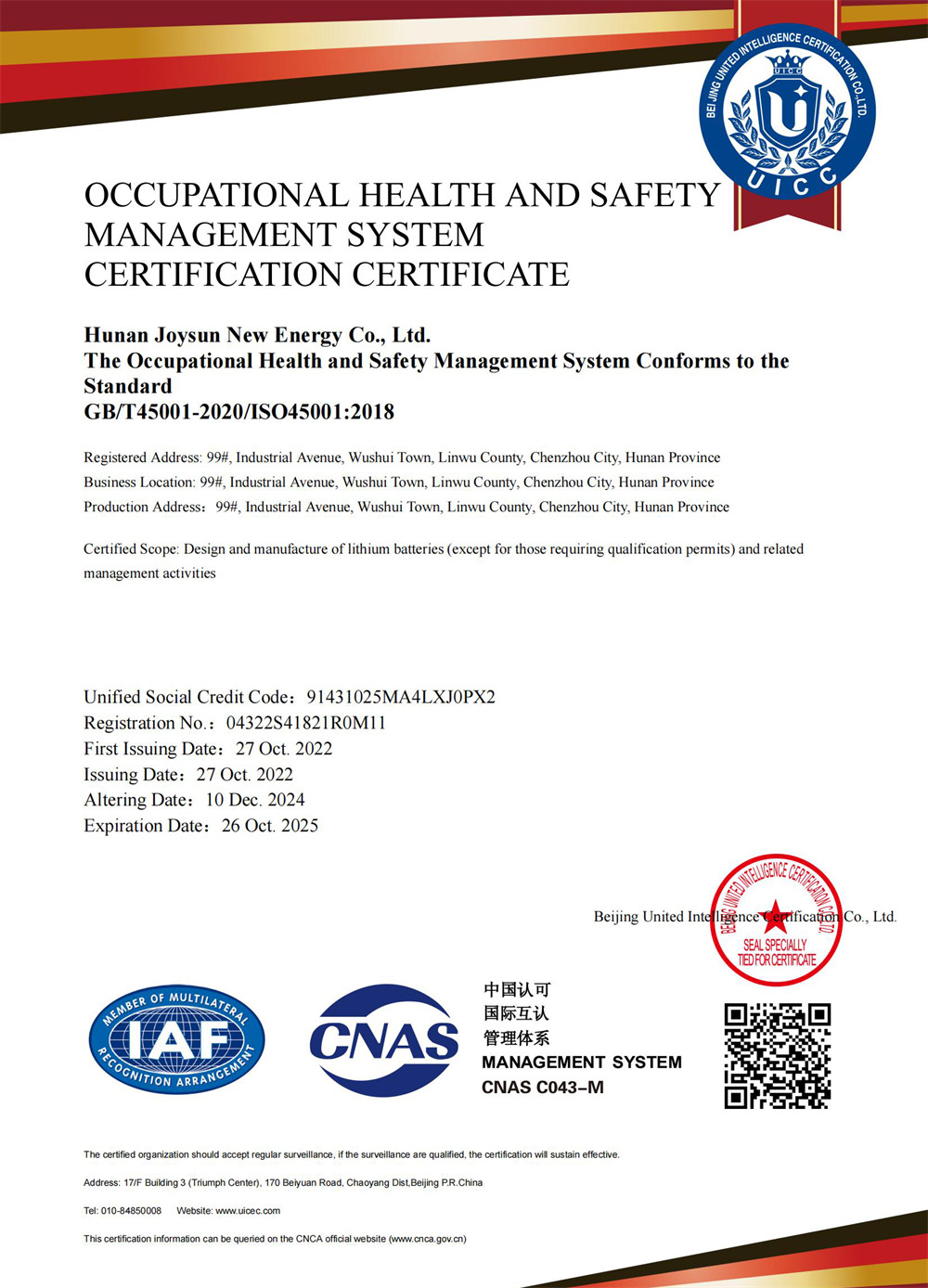
Global Standard Certs

Environmental Management Standard
Quality Management System Standard

Occupational Health & Safety Standard
How we solve the most demanding mechanical, thermal, and electrical interface challenges across complex industrial environments.
Delivering high-current, low-weight solder connectors and energy systems that withstand intense vibration, high g-forces, and extreme atmospheric pressure shifts.
Engineering sub-millimeter pitch interfaces and high-speed electrical connectors capable of multi-gigabit signal routing without signal degradation.
Providing heavy-duty connectors built to withstand corrosive oils, chemicals, fine dust, and continuous mechanical shock on assembly lines.
Utilizing our proprietary CAD/CAE modeling and mold flow analysis to transform complex electrical requirements into physical prototypes in days.
Investing heavily in advanced research, covering solid-state battery development, sub-micron tolerances, and low-loss polymer insulators.
Every production batch undergoes automated visual inspections (AOI), X-ray validation, and rigorous electrical connectivity profiling.
Designing a high-performance solder connector requires a deep understanding of metallurgy, mechanical engineering, and physical chemistry. The mechanical interface between a PCB and a connector terminal is subject to mechanical stresses such as CTE (Coefficient of Thermal Expansion) mismatch, shear stress during vibration, and chemical changes during reflow soldering. At DL, our design team carefully analyzes these variables to ensure long-term reliability.
The performance of any solder connector depends on the quality of its base metal and surface finish. DL uses high-grade copper alloys—such as Phosphor Bronze and Beryllium Copper—to ensure excellent conductivity and long-term elasticity. These alloys are precision-plated with nickel to prevent metal diffusion, followed by selective gold plating on contact points to minimize resistance and prevent corrosion. The solder tails are finished with pure tin or lead-free tin-copper coatings to facilitate fast, clean wetting during automated reflow soldering, minimizing solder voiding.
The plastic housing of our solder connectors serves as both a structural frame and an electrical insulator. We select high-performance, high-temperature polymers such as LCP (Liquid Crystal Polymer), PPS (Polyphenylene Sulfide), and PBT (Polybutylene Terephthalate) that can withstand lead-free reflow temperatures exceeding 260°C. These materials provide excellent dimensional stability, low moisture absorption, and high dielectric strength, ensuring pin alignment is maintained within a ±0.02mm tolerance.
In high-density SMT (Surface Mount Technology) assembly, maintaining precise coplanarity is critical to preventing open circuits or weak solder joints. DL guarantees a maximum coplanarity deviation of less than 0.10mm across all SMT solder pin matrices. Additionally, our connectors are designed with integrated pick-and-place caps and supplied in standardized tape-and-reel packaging, allowing for seamless integration into high-speed automated assembly lines.
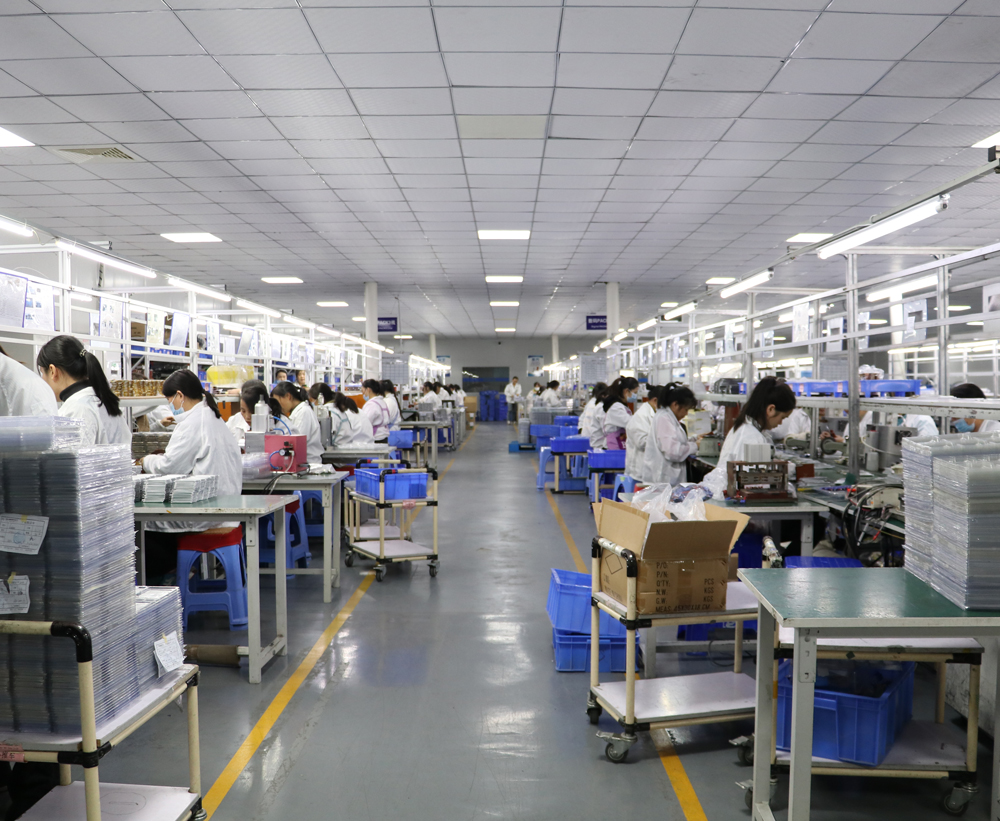
At Dynalink Electronic Technology, quality is the foundation of our design and manufacturing processes. Guided by our mission to "empower life with technology and create a sustainable future," we implement strict control systems at every stage of production. From raw material sourcing to final validation, our quality assurance protocols ensure every product meets the highest performance standards.
Our engineers focus on overcoming typical system-level bottlenecks: extending the life and energy density of capacitor networks, minimizing insertion loss in multi-position connector pins, and improving the safety and reliability of lithium battery management systems. This collaborative approach allows us to deliver high-performance, integrated systems that solve our clients' complex engineering challenges.
The demand for high-reliability electrical connectors is growing rapidly, driven by the expansion of cloud computing, smart grids, industrial automation, and electric vehicles. As processing speeds increase and systems are miniaturized, electronic designs require connectors that are smaller, faster, and more robust. At the same time, international environmental regulations demand the phase-out of lead and other hazardous substances, requiring manufacturers to adapt their material formulations and processing techniques.
To support clients in this shifting landscape, Dynalink maintains complete compliance with global environmental directives, including RoHS (Restriction of Hazardous Substances) and REACH (Registration, Evaluation, Authorisation and Restriction of Chemicals). Our engineering team is also deeply familiar with IPC standards (such as IPC-A-610 Class 3 for high-reliability electronic assemblies), ensuring our connectors perform reliably in demanding medical, aerospace, and safety-critical industrial systems.
Full conformance to UL, CSA, CE, and RoHS standards, allowing seamless integration into regulated medical and industrial systems.
A highly optimized material supply chain that guarantees consistent sourcing of high-purity copper, performance plastics, and specialty plating chemicals.
Flexible distribution models and dedicated regional support offices that ensure timely delivery and engineering assistance worldwide.
As we look to the future, Dynalink is focused on developing next-generation interconnect technologies that address key industry trends: miniaturization, signal integrity, and environmental sustainability.
Our engineering roadmap includes several key development focus areas:
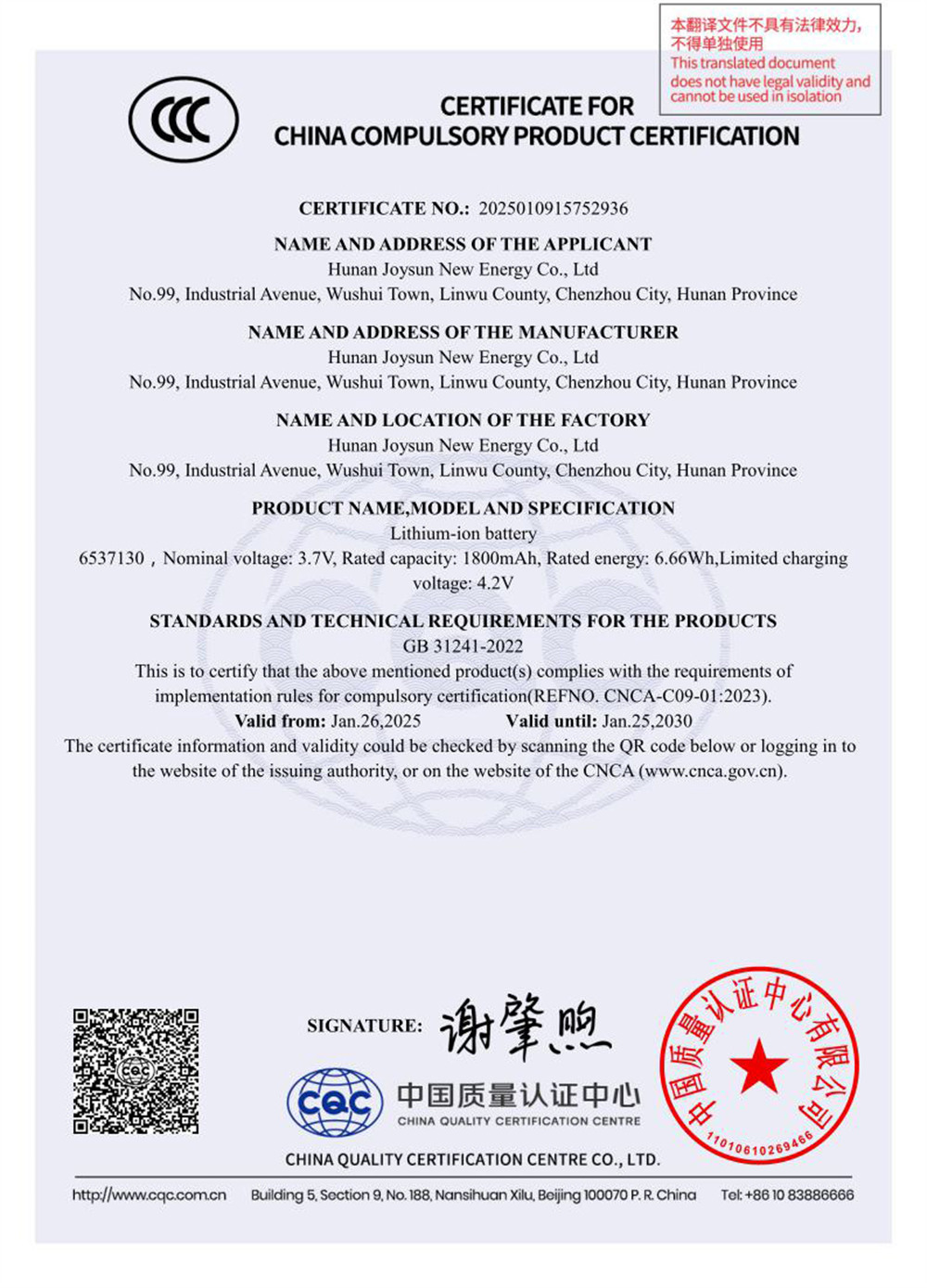
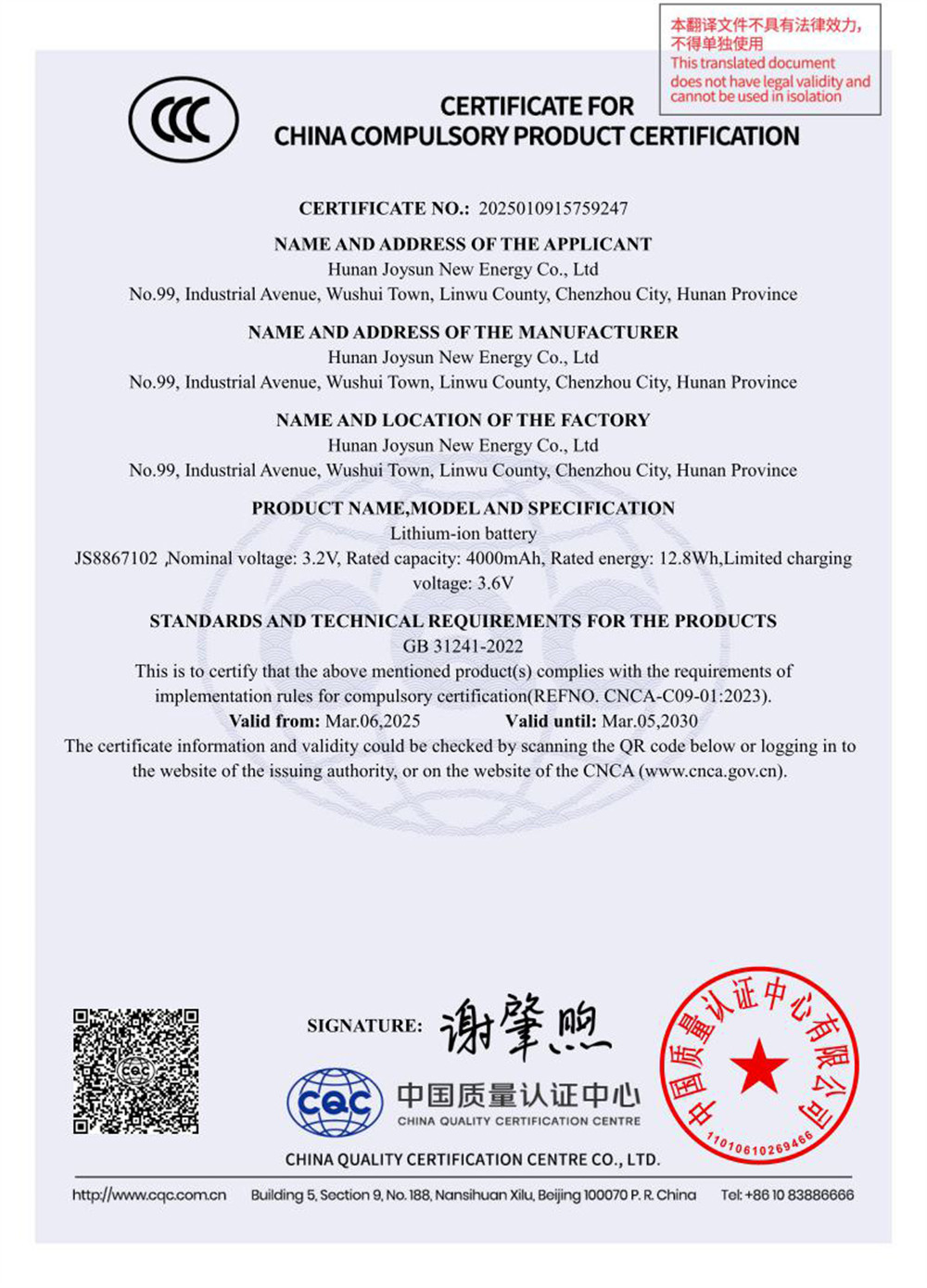
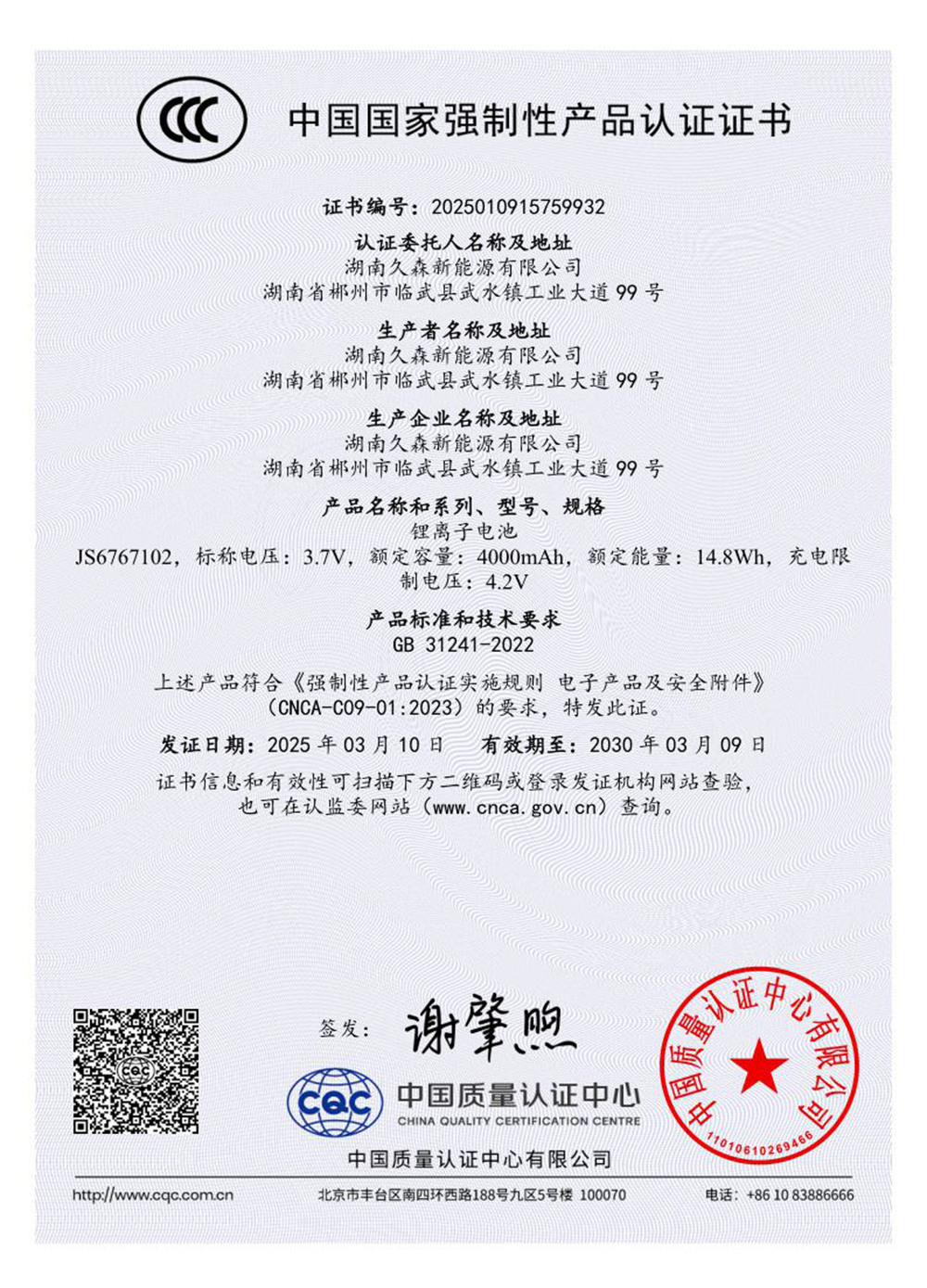
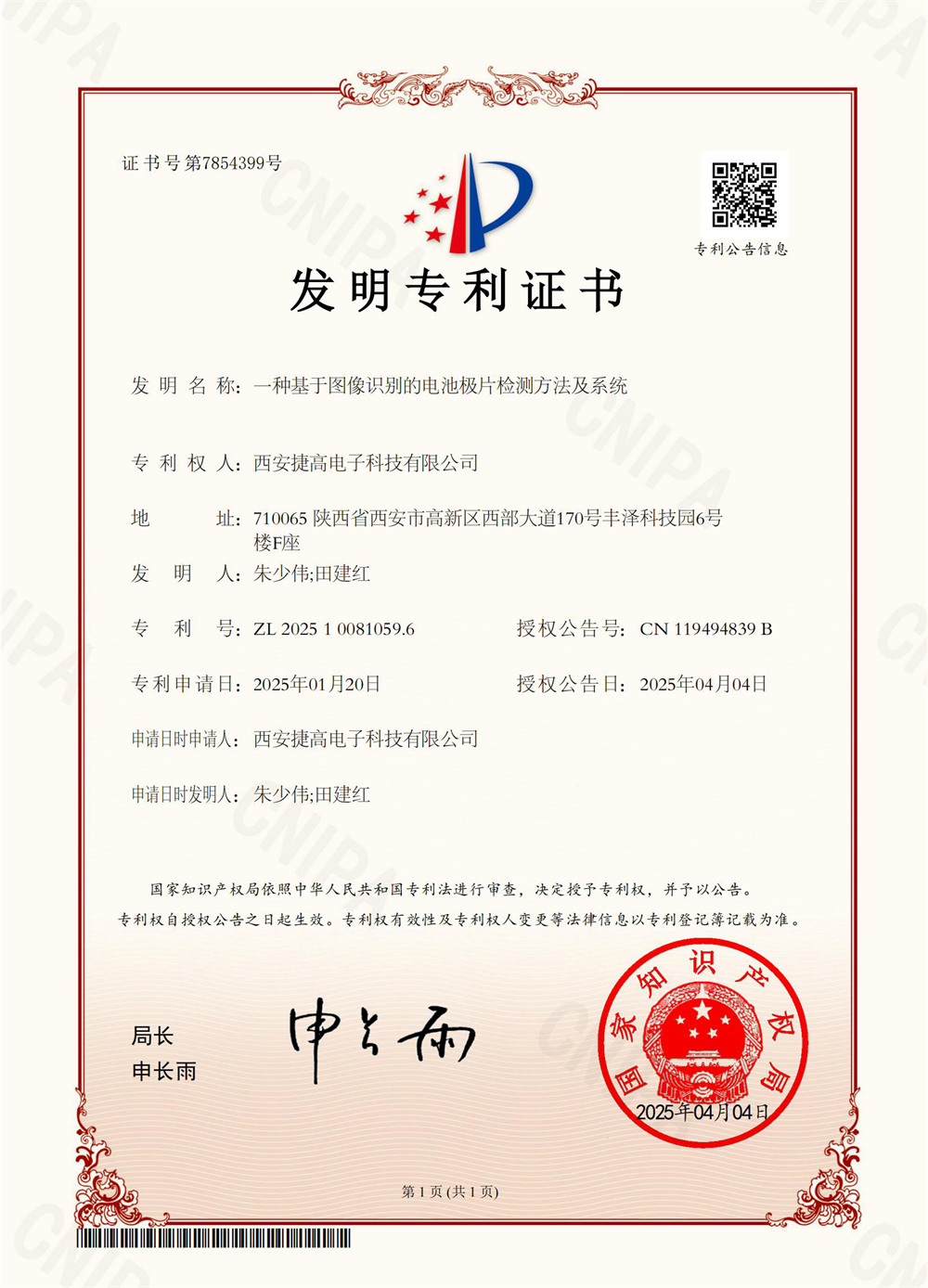
Our quality and processes are regularly audited by international accreditation bodies, ensuring compliance with global manufacturing standards.
Detailed explanations on alloy metallurgy, mechanical tolerances, and reflow profile optimization for hardware design engineers.
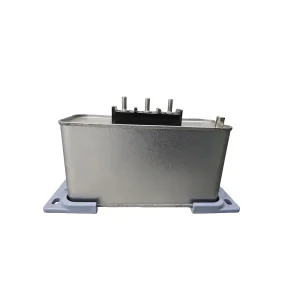
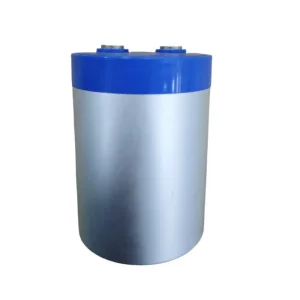
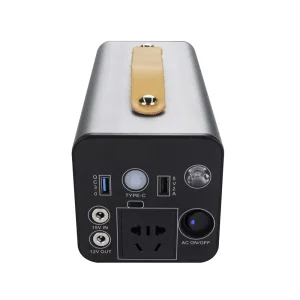
Explore our industrial energy storage capacitors, solar storage systems, and heavy-duty circular power connectors built for continuous service.
 Dynalink Electronic