Direct from factory sourcing for reliable systems integration, connectors, and capacitors
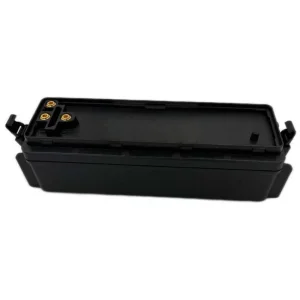
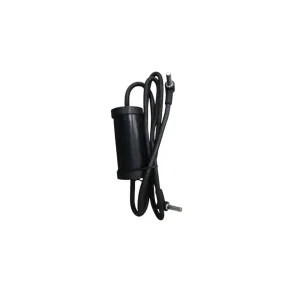
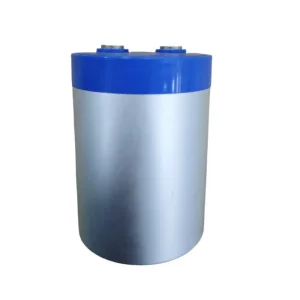
Analyzing the technical gap between Electric Double-Layer Capacitors (EDLCs), traditional batteries, and the rise of Lithium-ion Capacitors (LICs).
Global energy transition demands rapid power delivery coupled with sustained storage capacities. Traditional systems are forced to choose between the high energy density of lithium-ion batteries and the extreme power density and cycle life of electrostatic double-layer capacitors (supercapacitors). Lithium-ion Capacitors (LICs) bridge this crucial gap, serving as a hybrid technology that leverages a battery-type insertion electrode alongside a capacitor-type adsorption electrode.
By employing a pre-lithiated carbonaceous anode and an activated carbon cathode, LICs unlock operating voltages up to 3.8V-4.2V. The result is a system boasting an energy density far higher than typical EDLCs, while maintaining a charge/discharge lifespan of hundreds of thousands of cycles. This makes LICs indispensable for transient voltage stabilization, heavy machinery regenerative energy capture, and high-reliability backup power.

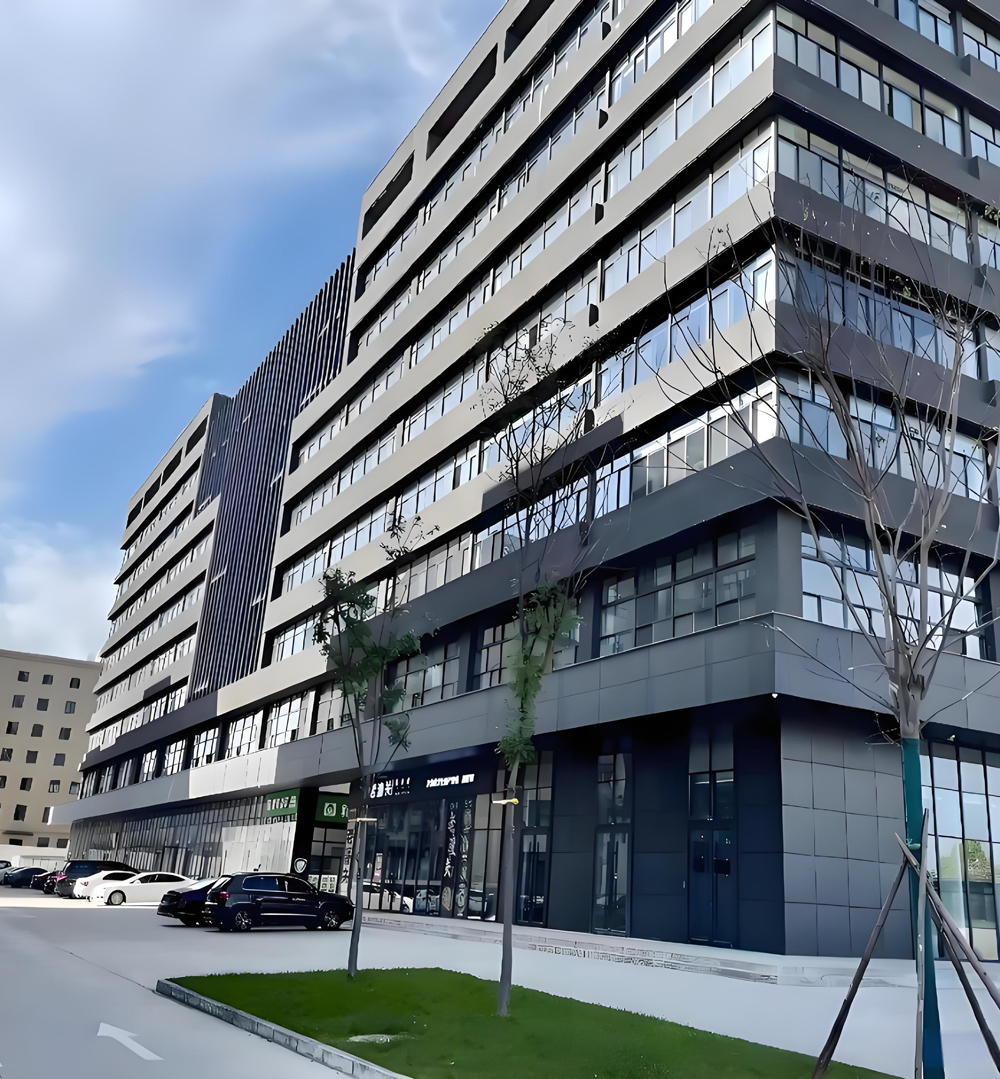
Established in 2007, Dynalink Electronic Technology Co., Ltd (DL) has developed into a premier global player in precision electronic components, advanced energy storage systems, and ruggedized connectivity interfaces. With over 800 employees—including more than 200 dedicated R&D and technical staff—our operations bridge the gap between basic materials research and high-volume, automated precision manufacturing.
We believe quality is the ultimate shield for mission-critical operations. Our research team focuses on overcoming core solid-state battery boundaries, extending capacitor energy density plateaus, and manufacturing high-precision, low-loss connectors. Through our vertically integrated production system, we supply custom power solutions and engineered components directly to industries where failure is not an option.

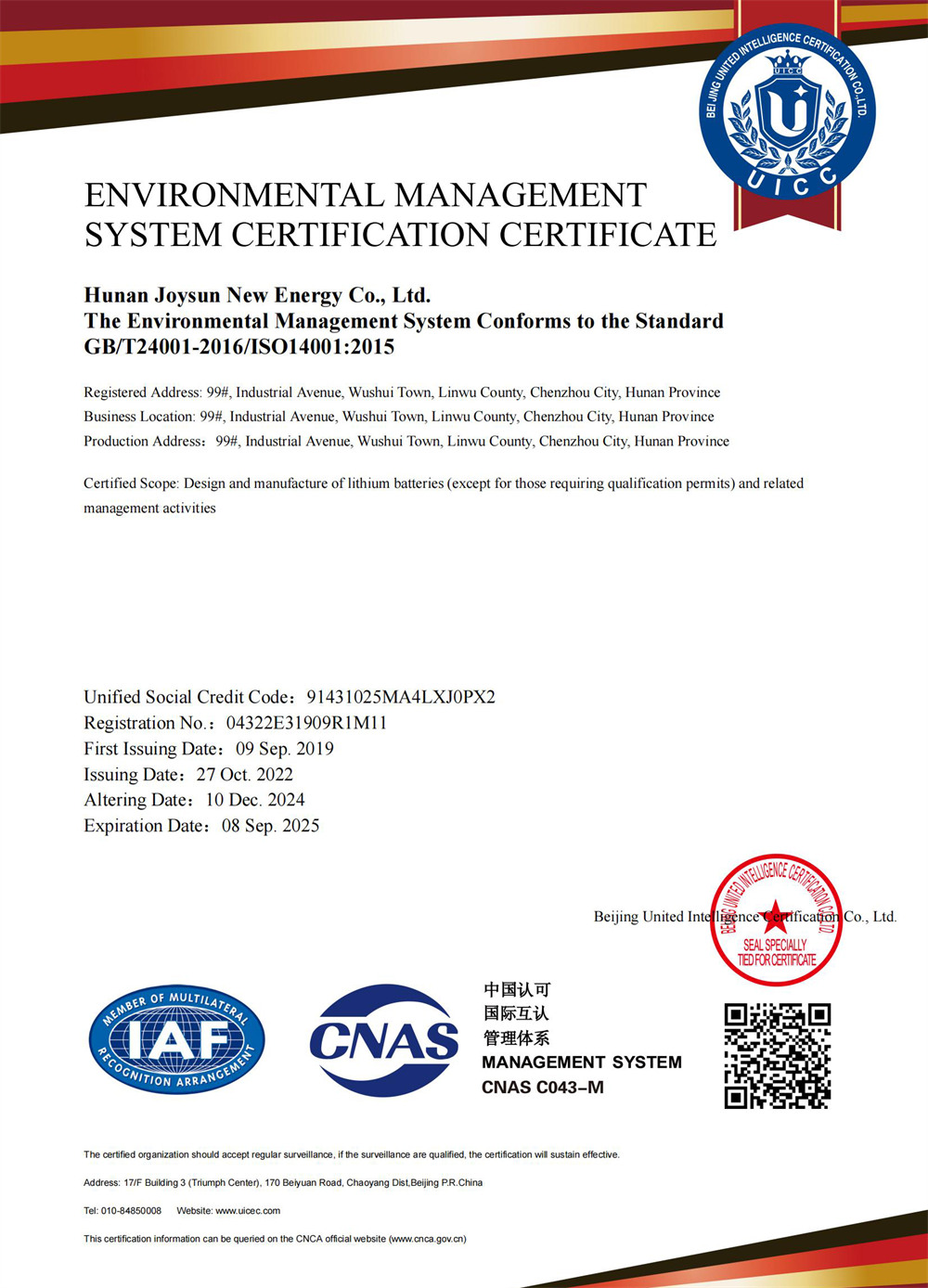
Environmental Management System Certificate
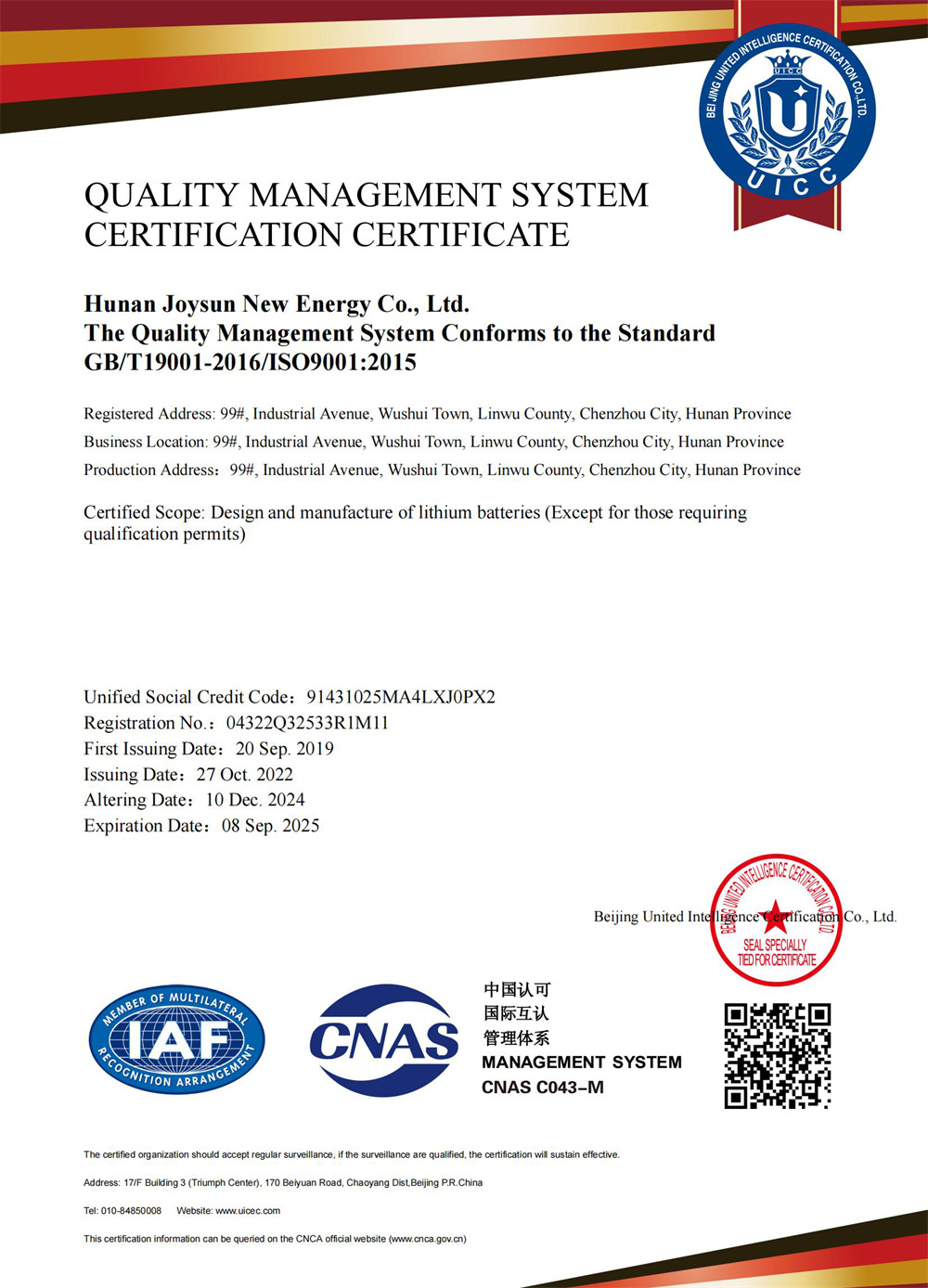
Quality Management System Certificate
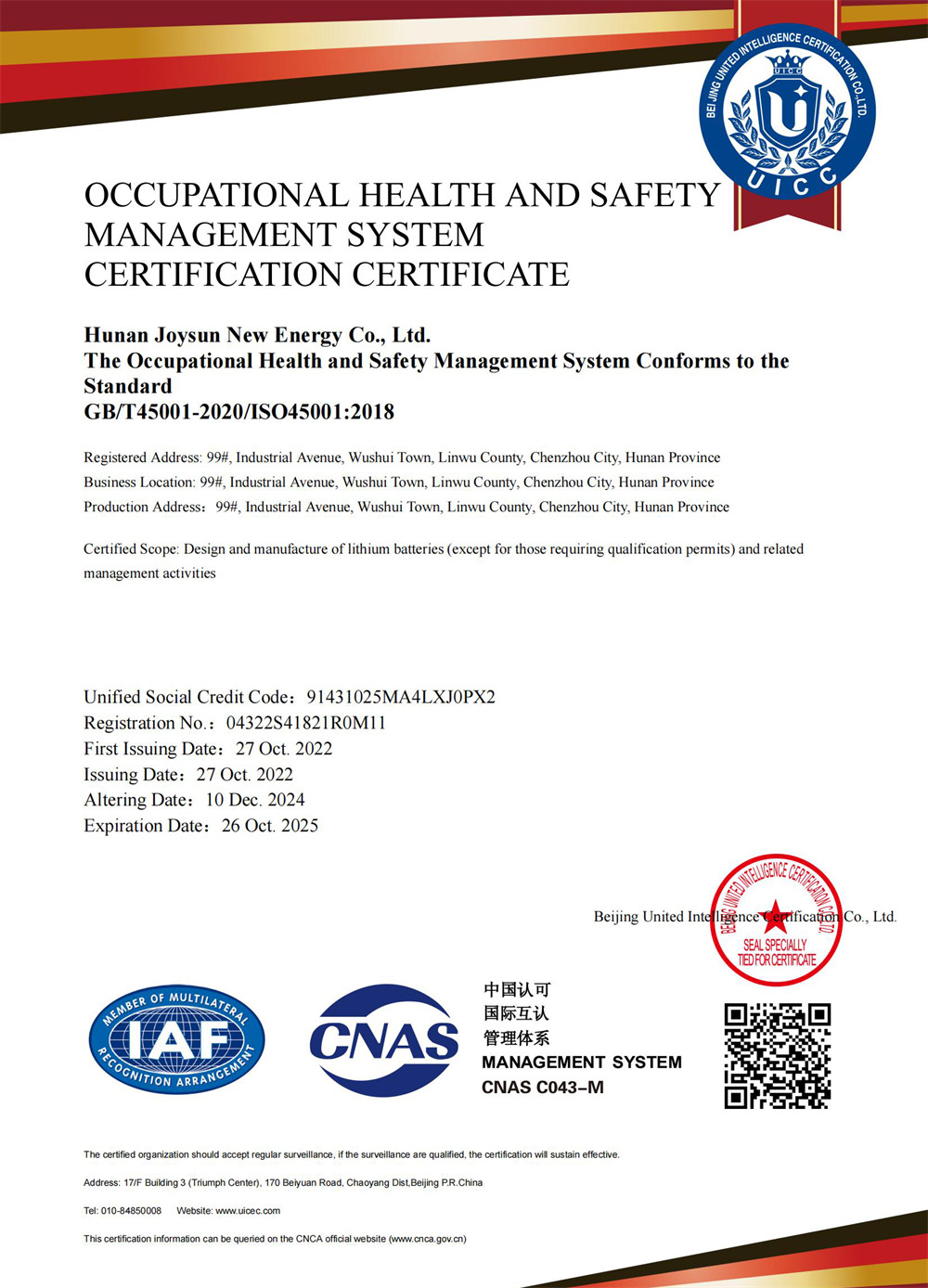
Occupational Health and Safety System Certificate
Deep-dive comparison highlighting how LICs merge the physical characteristics of EDLCs and Secondary Batteries
The operational framework of a Lithium-ion Capacitor hinges on asymmetric charge storage mechanisms. The positive electrode utilizes electrostatic double-layer adsorption/desorption (physical process, fast), while the negative electrode utilizes lithium ion intercalation/de-intercalation (chemical process, high storage capacity). Prior to assembly, the anode undergoes a pre-lithiation process, dropping its electrical potential close to that of metallic lithium. This increases the total cell voltage window, drastically increasing energy density without sacrificing power delivery speeds.
| Technical Characteristic | Standard EDLC (Supercapacitor) | Lithium-ion Capacitor (LIC) | Lithium-Ion Battery (Li-Ion) |
|---|---|---|---|
| Working Voltage Window | 1.5V - 2.8V | 2.2V - 3.8V (Optional up to 4.2V) | 2.5V - 4.2V |
| Energy Density (Wh/kg) | 1 - 8 Wh/kg | 10 - 35 Wh/kg | 100 - 300 Wh/kg |
| Power Density (W/kg) | Up to 15,000 W/kg | Up to 10,000 W/kg | 200 - 1,500 W/kg |
| Cycle Lifespan (DoD 100%) | > 500,000 cycles | > 100,000 to 500,000 cycles | 500 - 3,000 cycles |
| Self-Discharge Rate | High (~20% per month) | Very Low (< 5% per month) | Extremely Low (~1-2% per month) |
| Operating Temperature | -40°C to +70°C | -45°C to +85°C | -20°C to +60°C |
Dynalink is actively addressing the physical boundaries of hybrid capacitors through three key technical directions:
Analyzing key regional dynamics and global supply structures driving lithium capacitor adoption
Driven by the massive electric vehicle (EV) supply chain, industrial automated guided vehicles (AGVs), and smart utility meter installations. APAC represents the largest consumption market and volume production center for wholesale lithium capacitor cells.
Western and Northern Europe focus on microgrid frequency stabilization, heavy transport energy recovery (tramways, harbor cranes), and wind turbine pitch control systems. High demand for components that operate flawlessly at sub-zero temperatures.
Critical requirements in high-grade telecom backup power, medical robotics, defense avionics, and space technology projects. Priority is placed on aerospace-grade materials, absolute reliability (E-E-A-T), and compliance with military testing guidelines.
Real-world integration fields where Dynalink's products deliver sustained, reliable system advantages
Modern commercial drones encounter sudden voltage drops during payload deployment or aggressive altitude adjustments. Integrating LICs parallel to the primary battery pack acts as an instantaneous peak power buffer, protecting the main battery from thermal spikes, reducing risk of mid-air shutoff, and allowing rapid burst charging in field stations.
Uninterruptible Power Supply (UPS) systems require reliable ride-through power to bridge the gap between grid failure and generator start-up (typically 5 to 15 seconds). LIC systems replace short-lived lead-acid batteries, offering a compact footprint, zero maintenance overhead, and a 15-year lifecycle operating at elevated datacenter temperatures.
Automated Guided Vehicles (AGVs) in smart logistics warehouses operate 24/7. Standard lithium batteries require hours to charge. By integrating Dynalink high-power hybrid capacitors, AGVs can park over an induction charging plate during station stops, absorbing a full working charge in under 30 seconds and eliminating offline charging bays.
In railway networks, signals are sent through the steel rails to track train locations. Dynalink’s CBG Railway Track Compensation Capacitors stabilize tracking current, overcoming impedance variations along kilometers of rail track, and preventing false signaling events due to ambient temperature shifts or line corrosion.
Surgical robotics, portable MRI machinery, and life-support emergency gear require constant, clean electrical power. Our medical-grade capacitors filter switching harmonics and provide instantaneous pulse discharge currents, securing stable operation during power fluctuations or high-load medical procedures.
When wind speeds reach critical limits, turbine blades must pitch out of the wind to prevent structural damage. LIC backup modules provide the high-torque starting current required to mechanical motor systems, operating reliably at the top of the nacelle in freezing offshore wind parks.
Addressing core mechanical, chemical, and design questions from procurement engineers and project designers
The pre-lithiation process embeds lithium ions directly into the carbonaceous anode material prior to cell sealing. This lowers the electrical potential of the anode close to that of a lithium metal electrode (approx. 0.1 - 0.2V vs. Li/Li+). Because cell voltage is the difference between positive and negative electrode potentials, this significantly boosts the overall cell voltage window (up to 3.8V-4.2V) without oxidizing the organic electrolyte. Ultimately, this raises the energy density of the capacitor by 5x to 10x compared to a standard double-layer supercapacitor.
We prevent degradation by carefully managing electrochemical interfaces. Unlike batteries that rely on phase changes (which damage crystal structures over time), the cathode of our LIC functions purely through electrostatic adsorption/desorption. The anode relies on intercalation without causing substantial volume change in the carbon host. By selecting high-purity materials, optimizing mechanical electrode thickness, and utilizing state-of-the-art battery management systems (BMS), we maintain structural integrity and minimize capacity fading across hundreds of thousands of cycles.
Yes. Standard lithium batteries experience severe capacity drop and risk plating lithium at temperatures below 0°C. Dynalink's custom electrolyte formulation prevents freezing down to -45°C. At the high end of the spectrum, our low ESR design prevents internal heat generation, allowing continuous performance at +85°C. This wide operating range makes them ideal for demanding environments, such as aerospace applications and railway track systems.
LICs have a significantly lower thermal runaway risk than standard lithium batteries. Because the cathode is activated carbon rather than a lithium metal oxide (which releases oxygen during thermal breakdown), the risk of explosive oxidation is eliminated. Even when punctured or short-circuited, the stored energy is released smoothly without the intense, self-sustaining fire associated with battery failures. This makes them highly suitable for use in passenger transport, medical environments, and high-density computing servers.
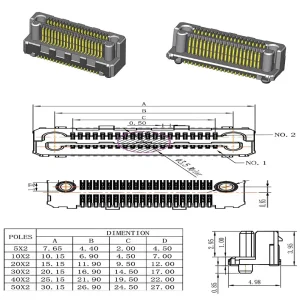
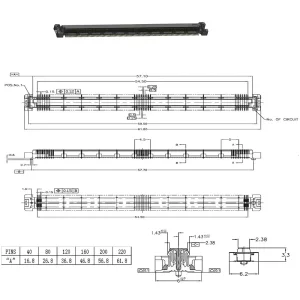
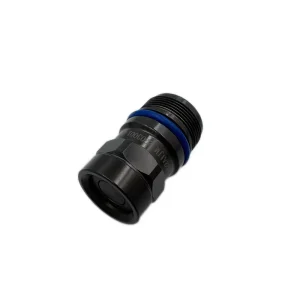
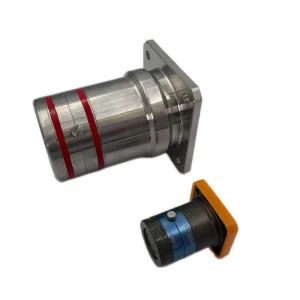
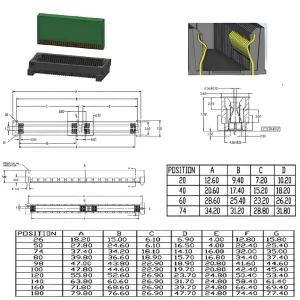
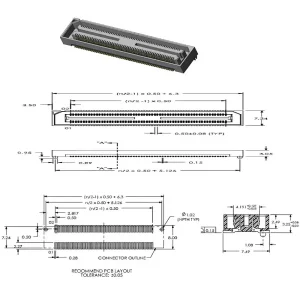
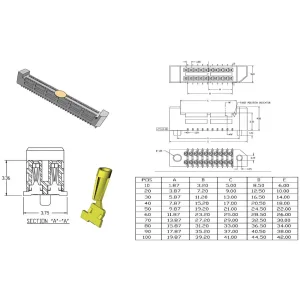
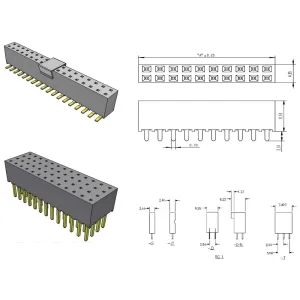
For energy storage systems, especially those handling high pulse currents, high contact resistance can lead to thermal losses and voltage drops. Dynalink manufactures proprietary blind-mate fluid and high-speed electrical connectors. Integrating these connectors directly into our modular capacitor trays ensures minimal contact resistance, robust resistance to vibration, and efficient thermal management—which is particularly critical in liquid-cooled power systems.
We offer comprehensive customized development. This includes physical form factor adjustment (cylindrical, prismatic, or pouch cell packaging), custom battery pack assemblies with integrated BMS boards, specific terminal configurations, and custom electrical tuning (optimizing cells for low ESR or higher energy capacity). Our design team works closely with your engineering group to guide the product from simulation models to prototype verification and final scale production.
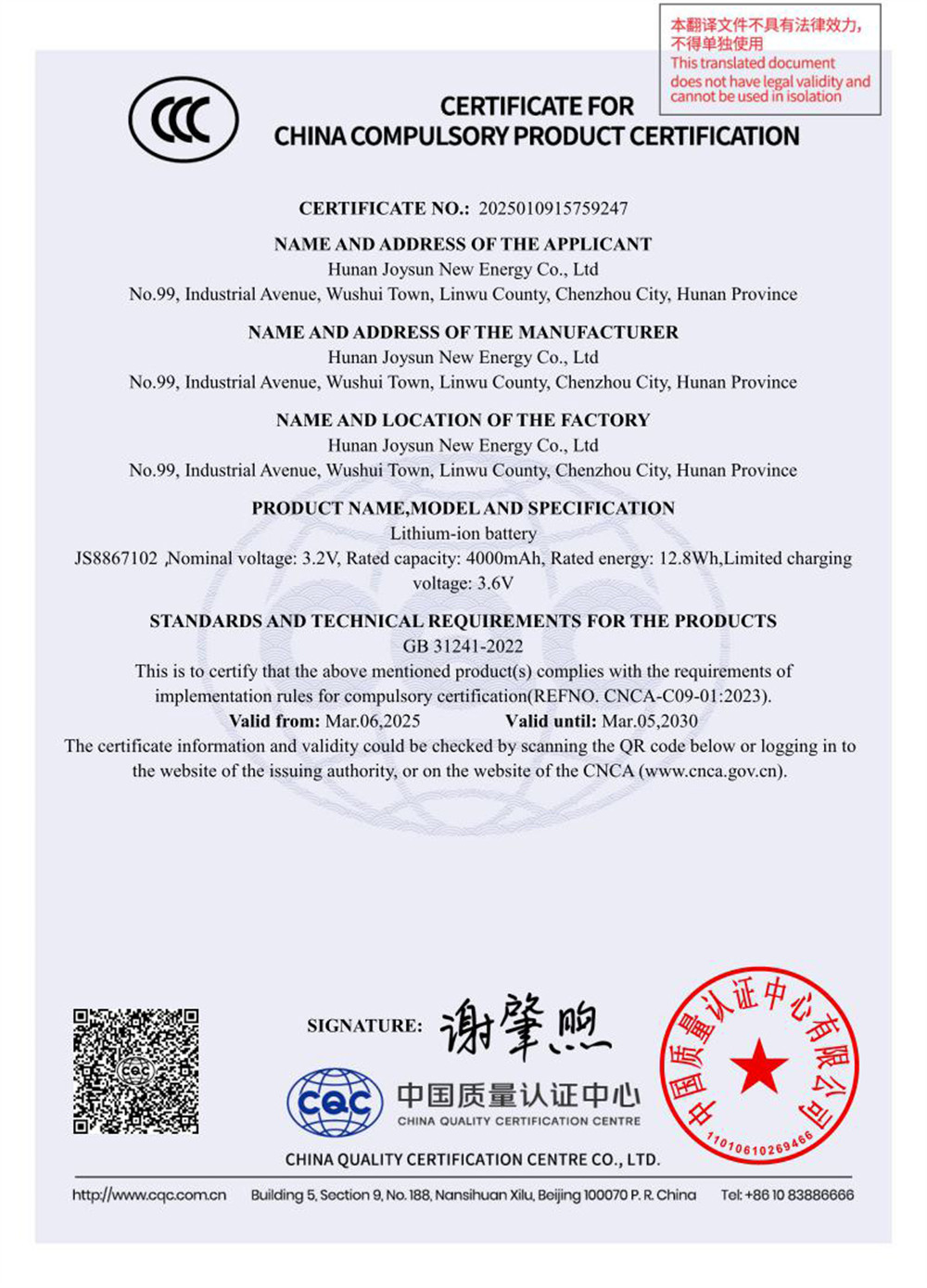
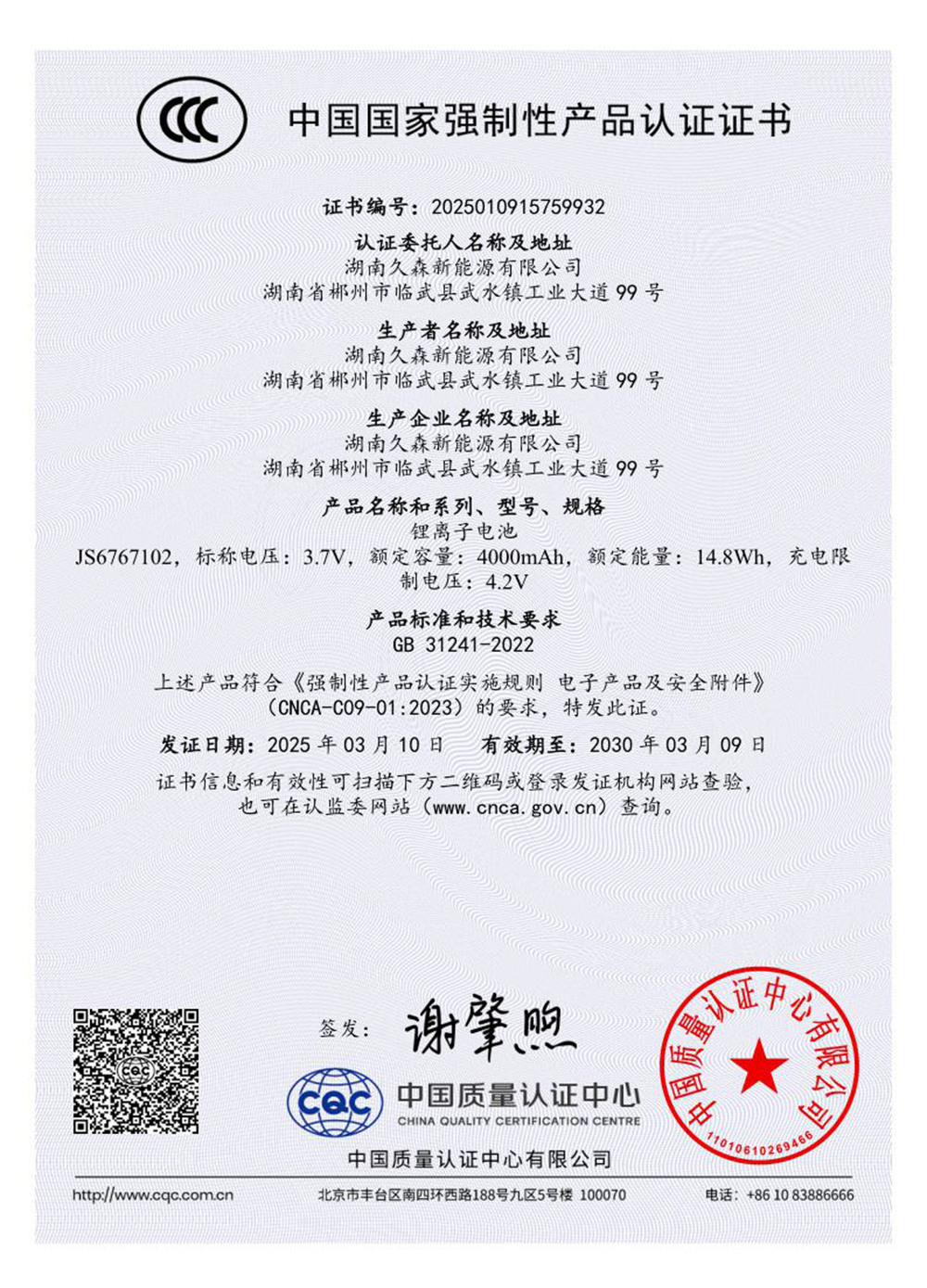
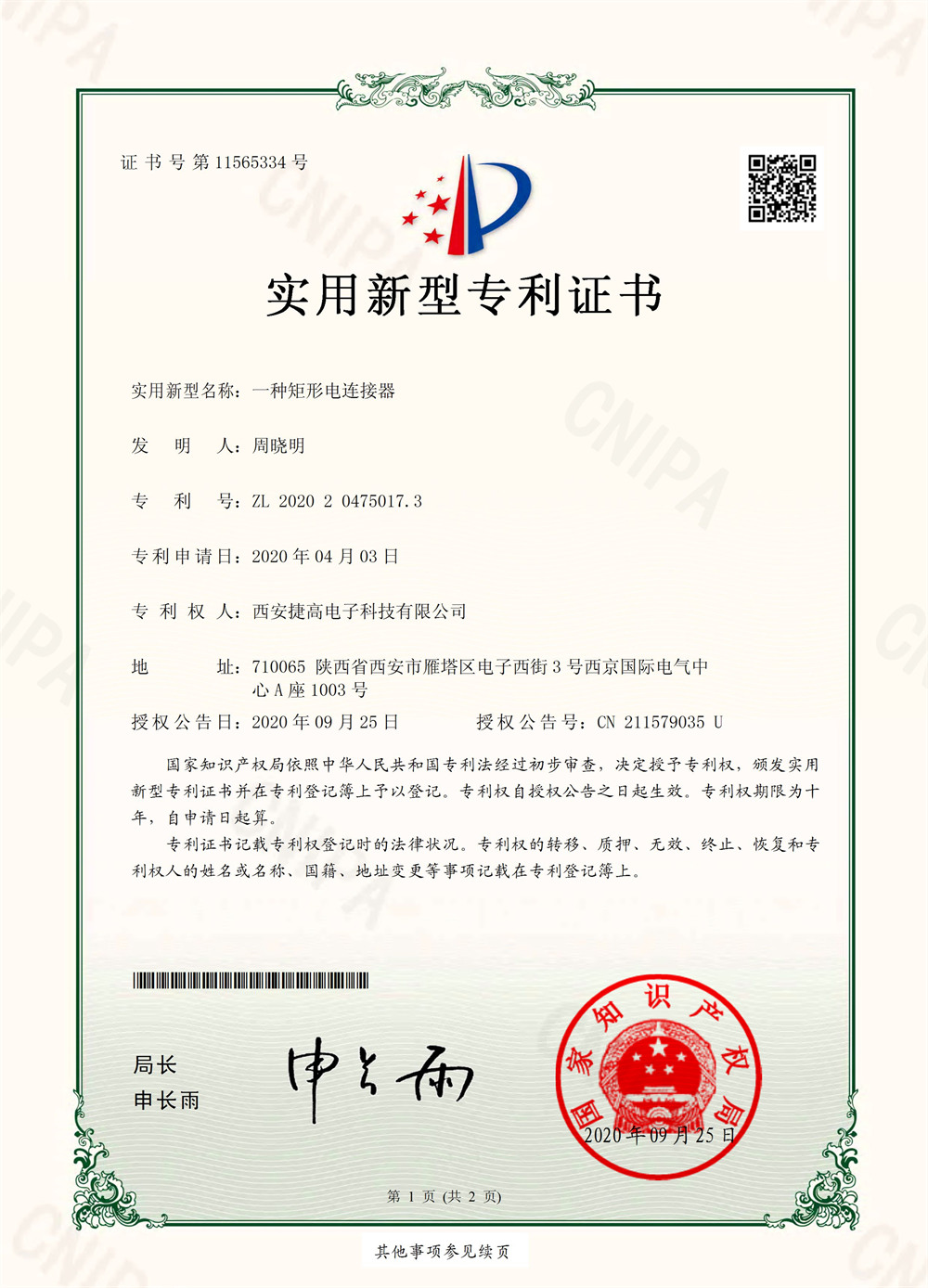
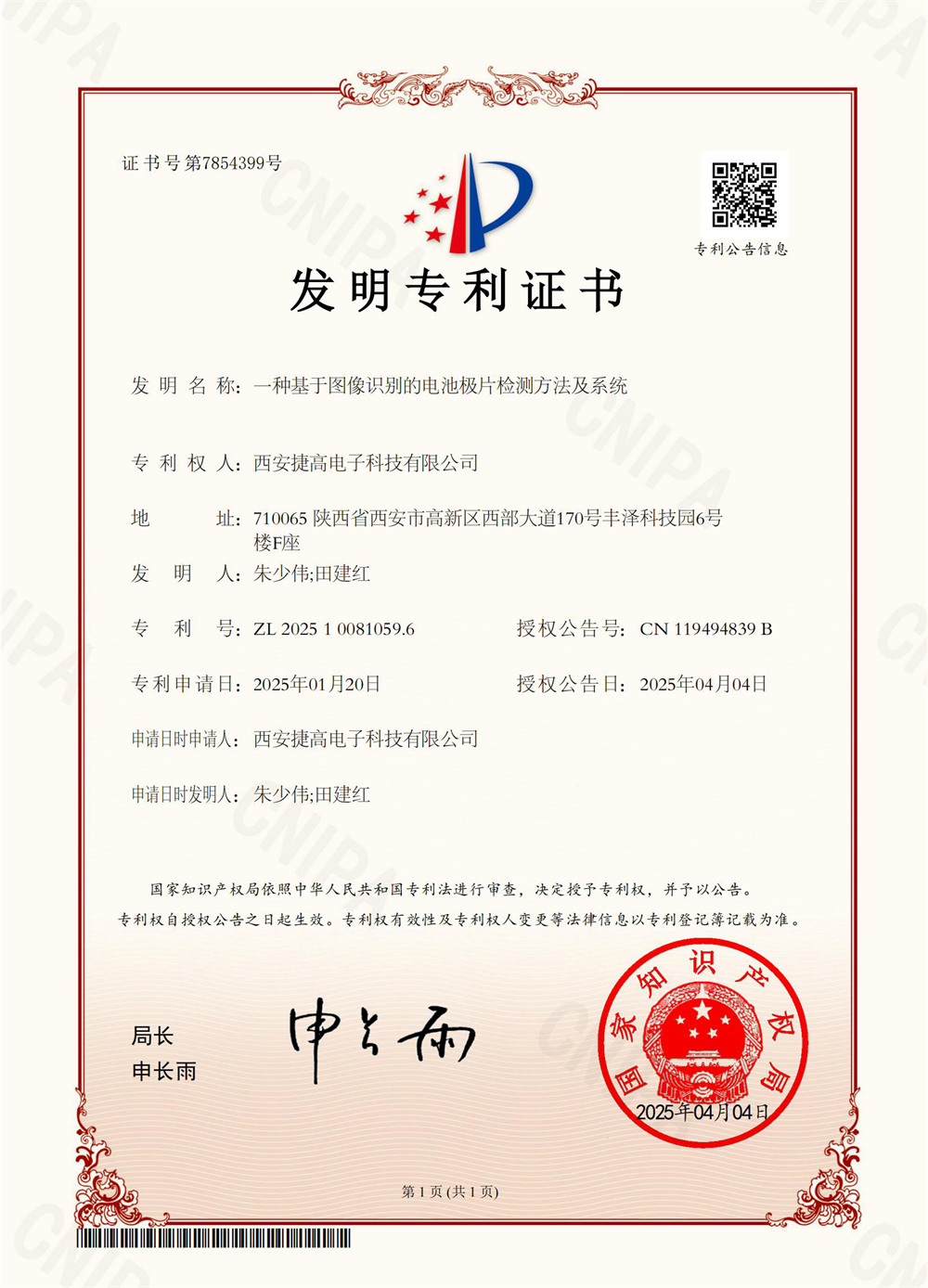
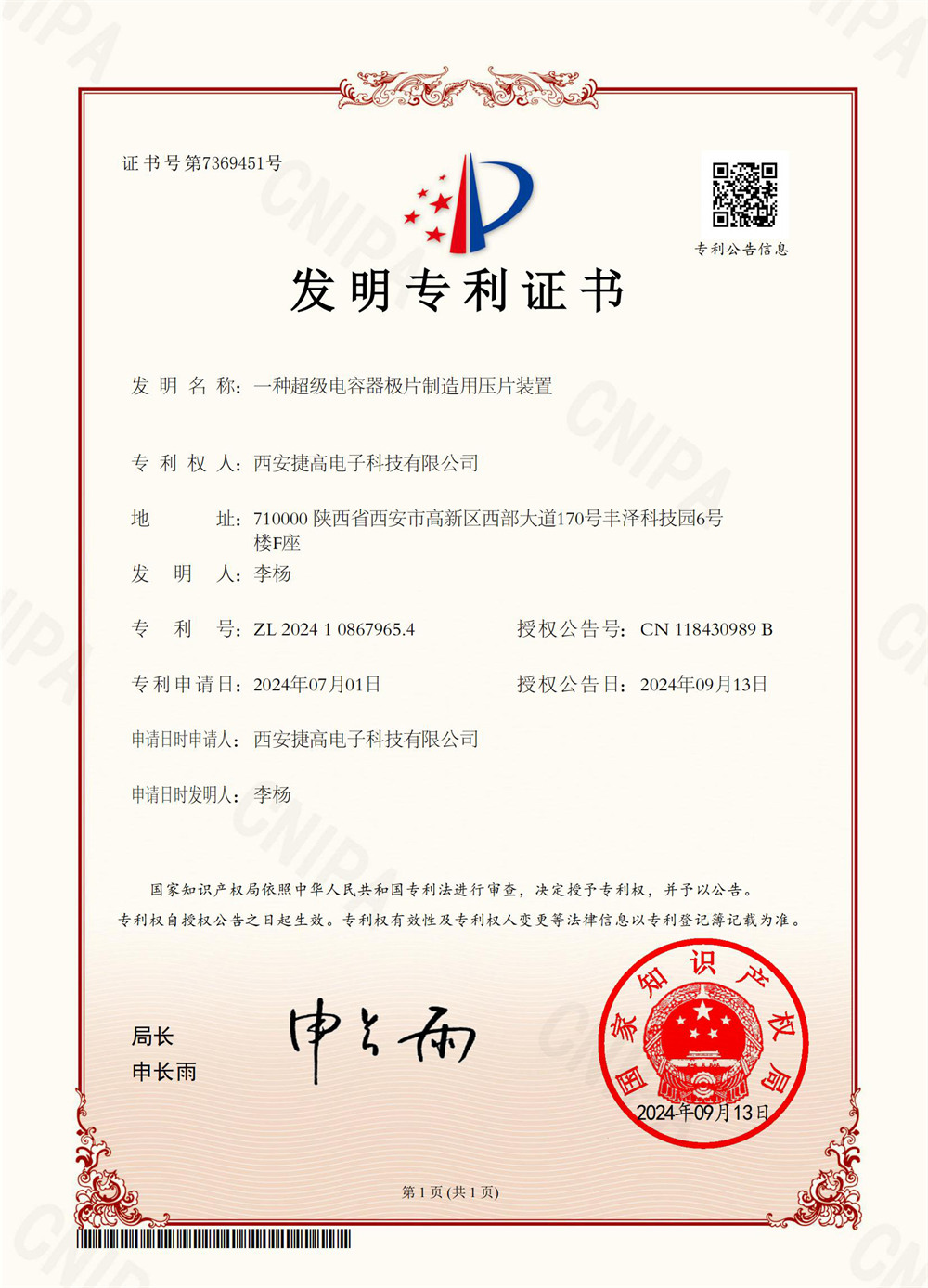
Dynalink products comply with strict international standards, ensuring reliability under the most demanding conditions.
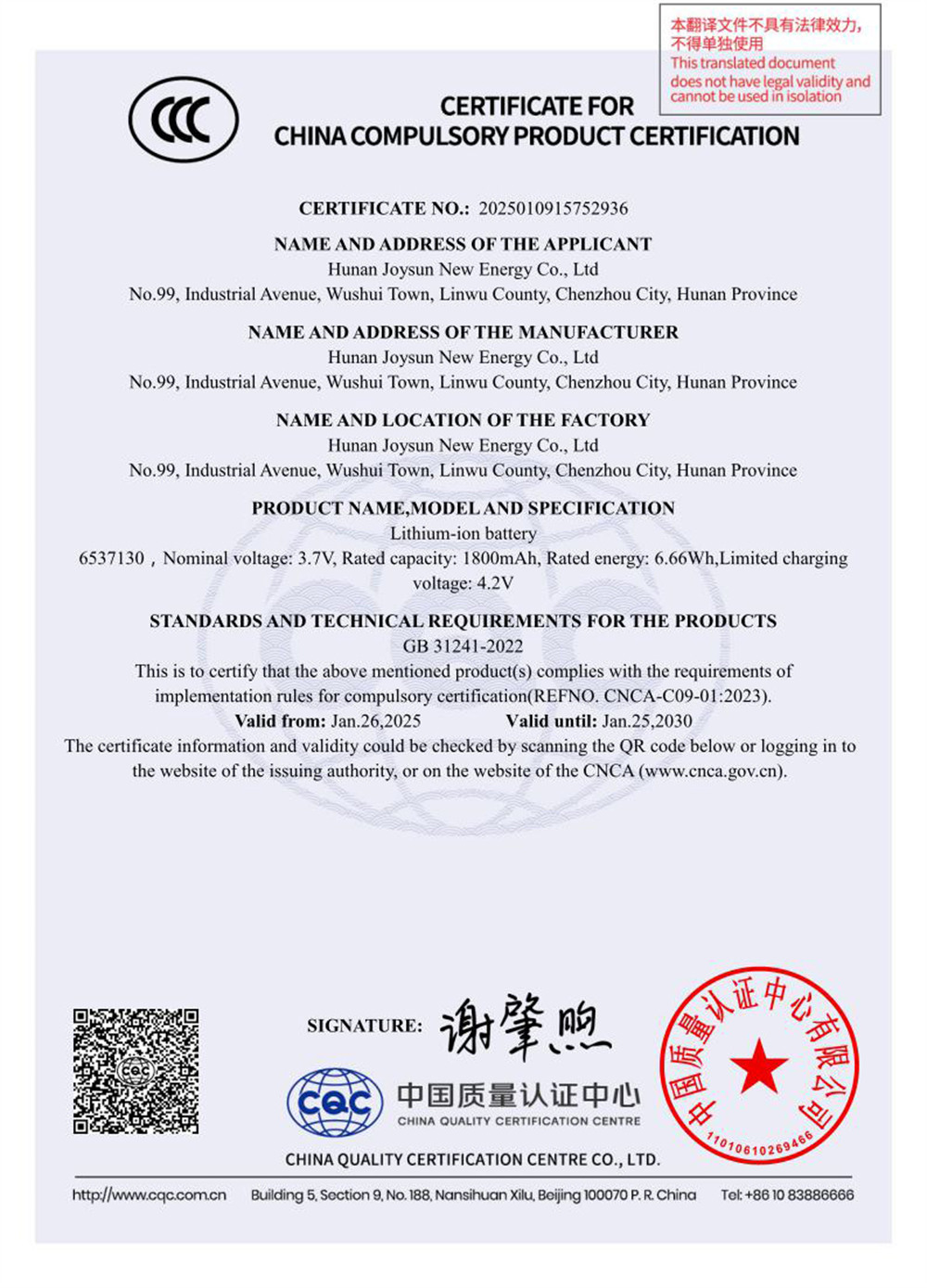
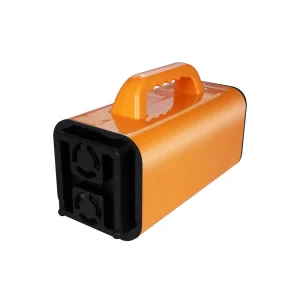
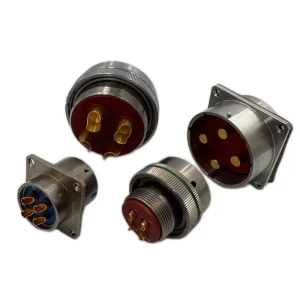
Explore our full range of connectors, hybrid systems, and ruggedized power packs

 Dynalink Electronic