Analyzing why LFP has become the definitive choice for modern industrial infrastructure and utility-scale energy storage systems.
The global battery storage landscape has witnessed a monumental transition from traditional Nickel Manganese Cobalt (NMC) chemistries to Lithium Iron Phosphate (LiFePO4 or LFP). This migration is driven by core thermodynamic characteristics that favor industrial deployments: safety, longevity, and cost stability. While NMC cells offer slightly higher volumetric energy density, LFP’s olive-structured crystal matrix exhibits immense thermal and chemical stability, completely mitigating the risk of thermal runaway under extreme mechanical deformation, overcharging, or elevated ambient operating temperatures.
From an operating expenditure perspective, wholesale Lithium Iron Phosphate battery packs provide an unparalleled return on investment (ROI). Where typical NMC cells degrade to 80% capacity within 1,000 to 2,000 equivalent full cycles, advanced industrial-grade LFP cells manufactured by leading suppliers consistently achieve between 4,000 and 6,000 cycles at 80% Depth of Discharge (DoD). This makes them the optimal solution for mission-critical applications where maintenance downtime represents significant capital losses.
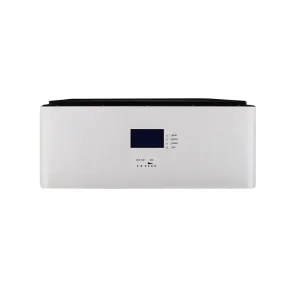
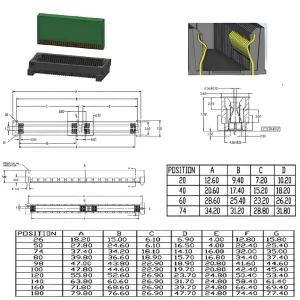
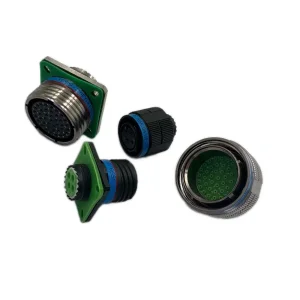
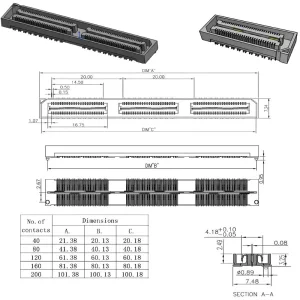
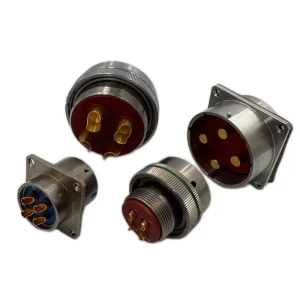
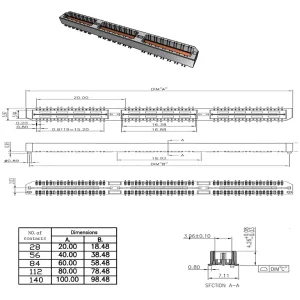
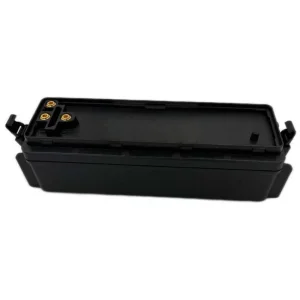
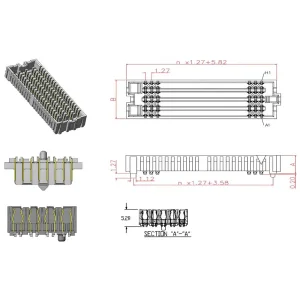
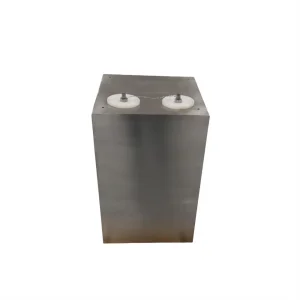
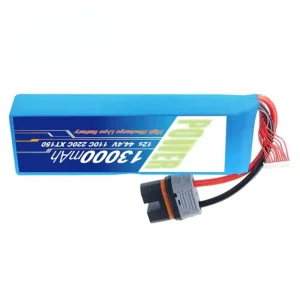
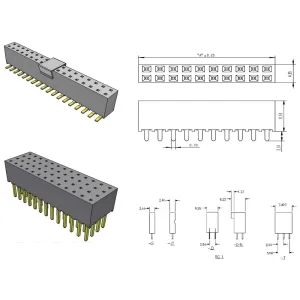
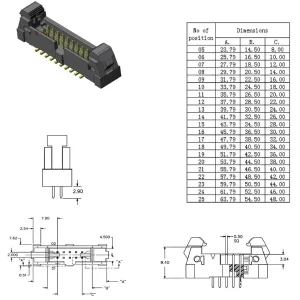
Modern industrial operations require comprehensive energy integration that crosses component thresholds. Pack assembly design is no longer just about wiring cells together; it requires custom Battery Management Systems (BMS), high-precision interconnects, and localized thermal management systems. The integration of high-performance components ensures that the stored energy is delivered reliably to critical nodes:
Established in 2007, Dynalink Electronic Technology Co., Ltd (DL) has developed into a technology-driven design and manufacturing powerhouse. Currently employing a dedicated workforce of over 800 employees—including more than 200 high-caliber technical and engineering staff—we specialize in the development of advanced power supplies, high-density energy storage capacitors, and precision electrical connectors.
Through continuous capital investment in research and development, we have established a fully vertical industrial chain encompassing advanced material R&D, precision product design, and automated manufacturing. Thanks to their high reliability and outstanding performance, our customized solutions are widely deployed across aerospace, aviation, maritime shipping, rail transit, electric vehicles, medical infrastructure, drone platforms, and industrial robotics.

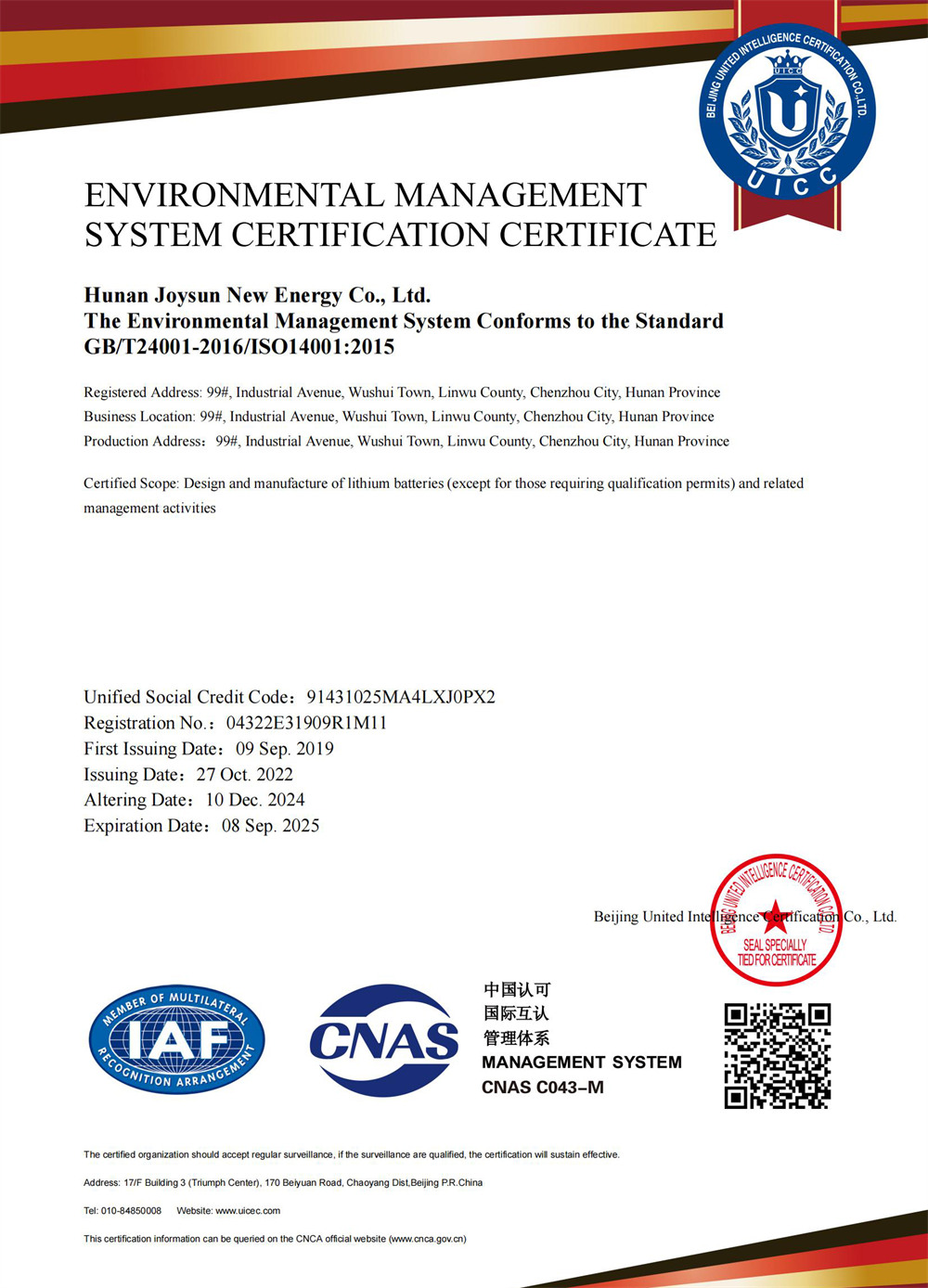
Environmental Management System Certification
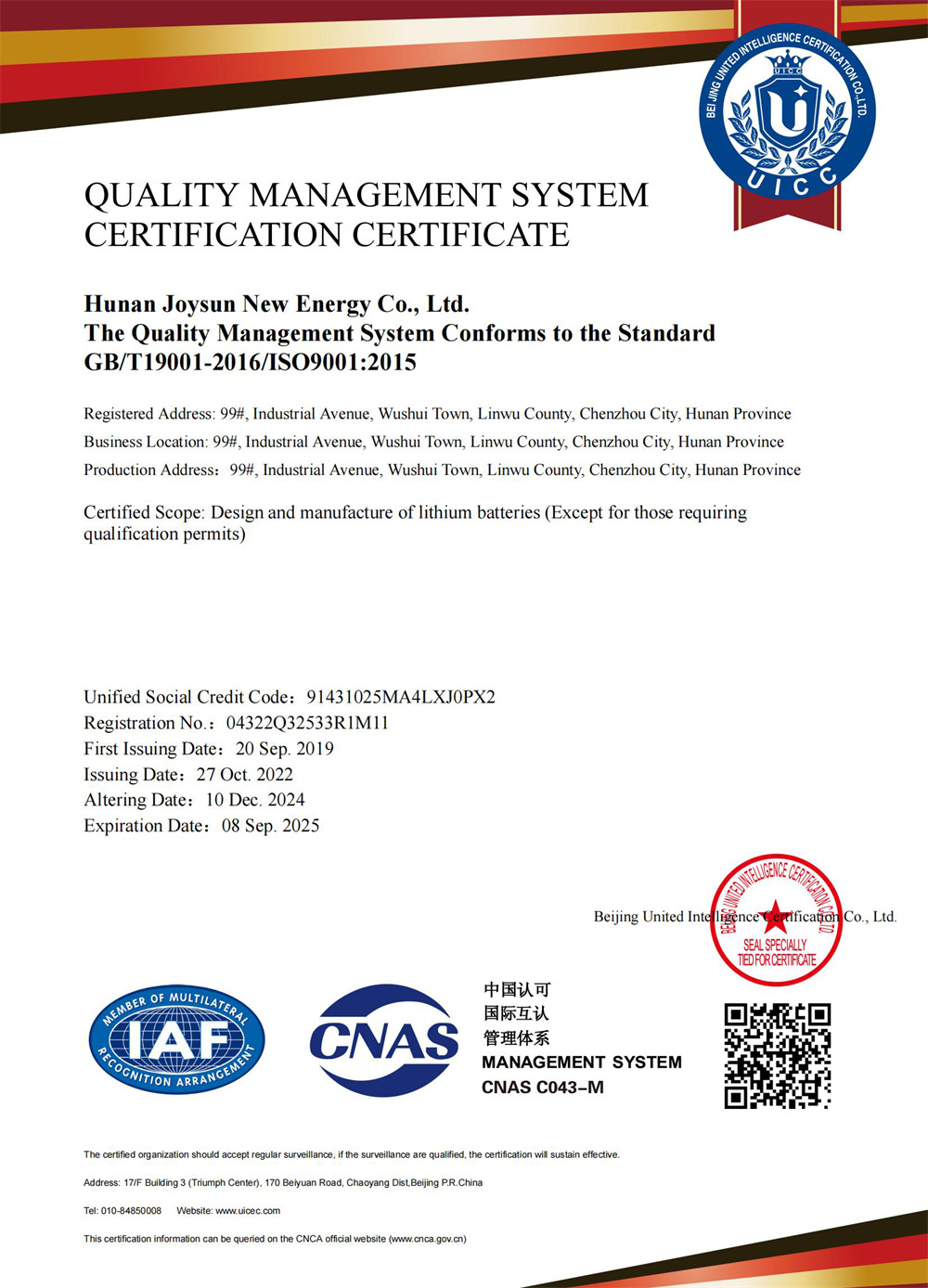
Quality Management System Certification
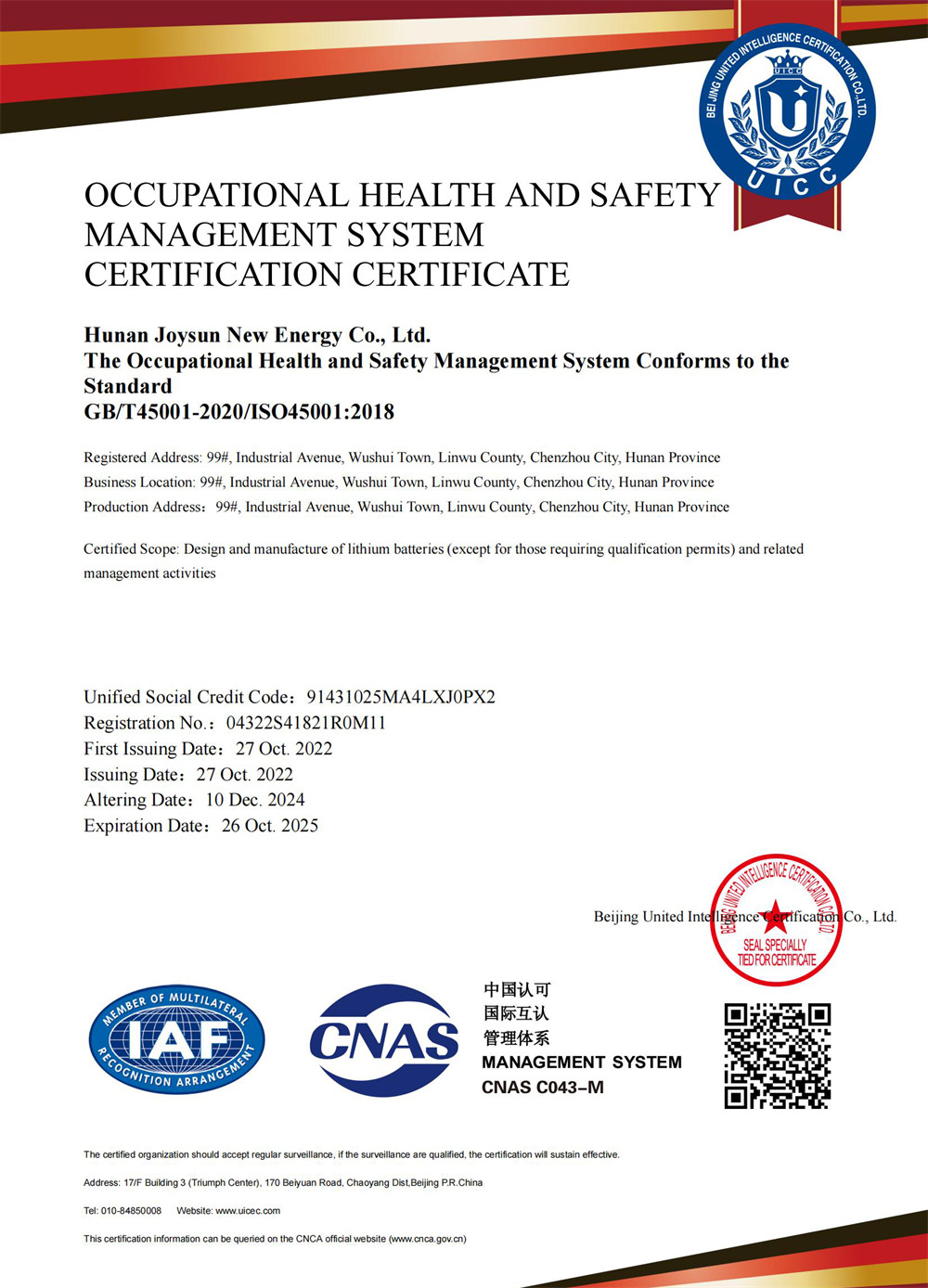
Occupational Health & Safety Management System

How B2B procurement managers can mitigate risk, verify compliance, and guarantee supply chain continuity in the energy sector.
Enterprise sourcing of wholesale Lithium Iron Phosphate battery packs is fraught with complex regulatory, logistical, and technical hurdles. For procurement directors, procuring energy storage at scale is not merely a transaction; it is a long-term strategic partnership. Technical specifications must align perfectly with safety directives, hazardous material shipping regulations (such as UN38.3), and localized environmental compliances (including RoHS and REACH).
Furthermore, global supply chain volatility highlights the necessity of working with manufacturers who control the upstream material stages. Dynalink’s vertical integration ensures that from raw LFP powder sourcing, through cell sorting and matching, to BMS hardware fabrication, every single step is subjected to continuous statistical process control (SPC). This structured oversight eliminates cell mismatching—the primary cause of early battery pack failures in multi-cell series/parallel configurations.
Global procurement requires local adaptability. An industrial client in Western Europe operates under different grid and safety parameters than an enterprise client in North America. Dynalink bridges this gap by providing field engineering support, customized form-factors, integrated communication interfaces (CANbus, RS485, Modbus), and proactive assistance with international shipping classes for Class 9 Dangerous Goods. We ensure that our wholesale battery packs arrive with all clearance documentations, customs declarations, and local compliance markings fully completed.
Explore our targeted industrial expertise, high-reliability design structures, and responsive production capabilities.
In the field of drones, our advanced power solutions ensure highly efficient charging cycles and stable, low-ripple power delivery to safeguard propulsion and telemetry systems under extreme aerodynamic loads.
For hyperscale data centers, our high-density connectors and ultra-stable backup power supplies prevent power disruptions, ensuring seamless switchover with minimal heat buildup and transmission loss.
Within demanding automation environments, our robust connectors with high ingress protection (IP ratings) pair with precision battery architectures to resist mechanical wear, chemicals, and dust.
Leveraging our in-house smart simulation and CAD design platforms, we rapidly conceptualize, prototype, and manufacture custom sub-systems, bridging the gap between design and production.
Dynalink is committed to breaking limits. We continuously upgrade energy density thresholds, pioneer hybrid solid-state integrations, and develop high-speed transmission connectors to match evolving demands.
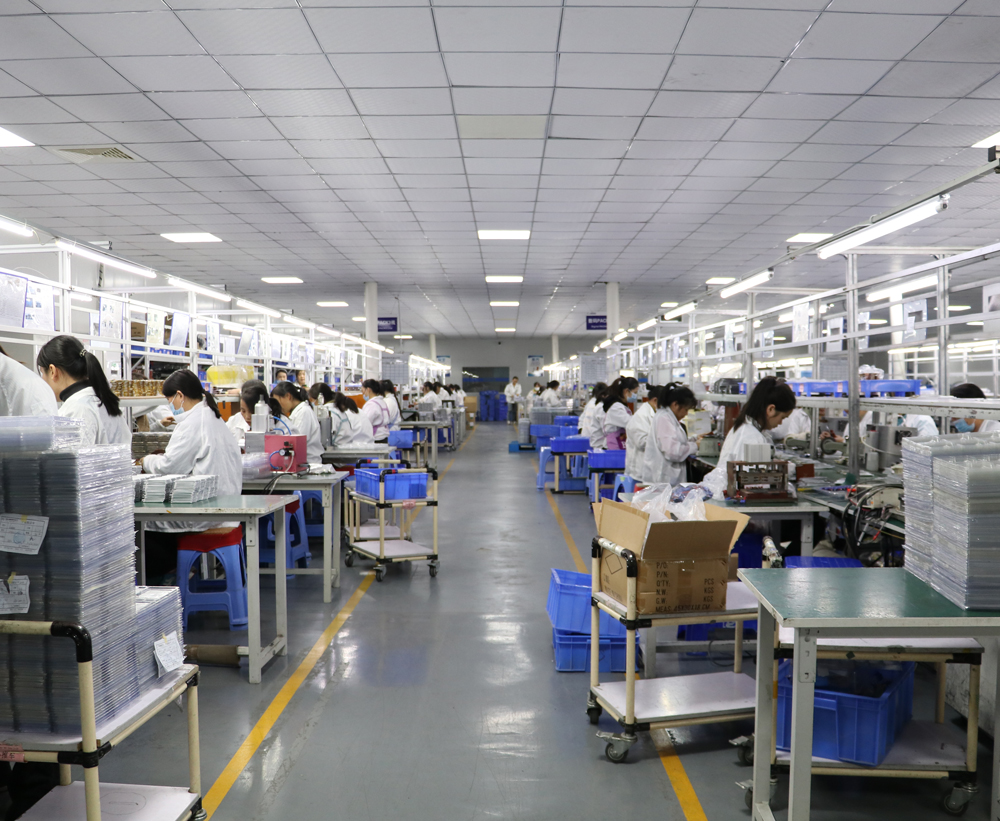
At Dynalink, we take "empowering life with technology and creating a sustainable future" as our core mission. Our ultimate corporate vision is to stand as a leading global provider of integrated system power supply and energy storage solutions. We actively practice the corporate values of integrity, innovation, collaboration, and mutual win-win results.
Positive Team Dynamics: We foster a collaborative, unified working environment where team development and ongoing education are deeply valued. Through our specialized training programs, we provide wide career progression paths for our technical and administrative personnel.
Self-Breakthrough: Focusing on batteries, capacitors, and connectors, we push technological boundaries to overcome solid-state battery constraints, break through energy density thresholds of capacitors, and engineer low-loss, ultra-high-speed electrical connectors.
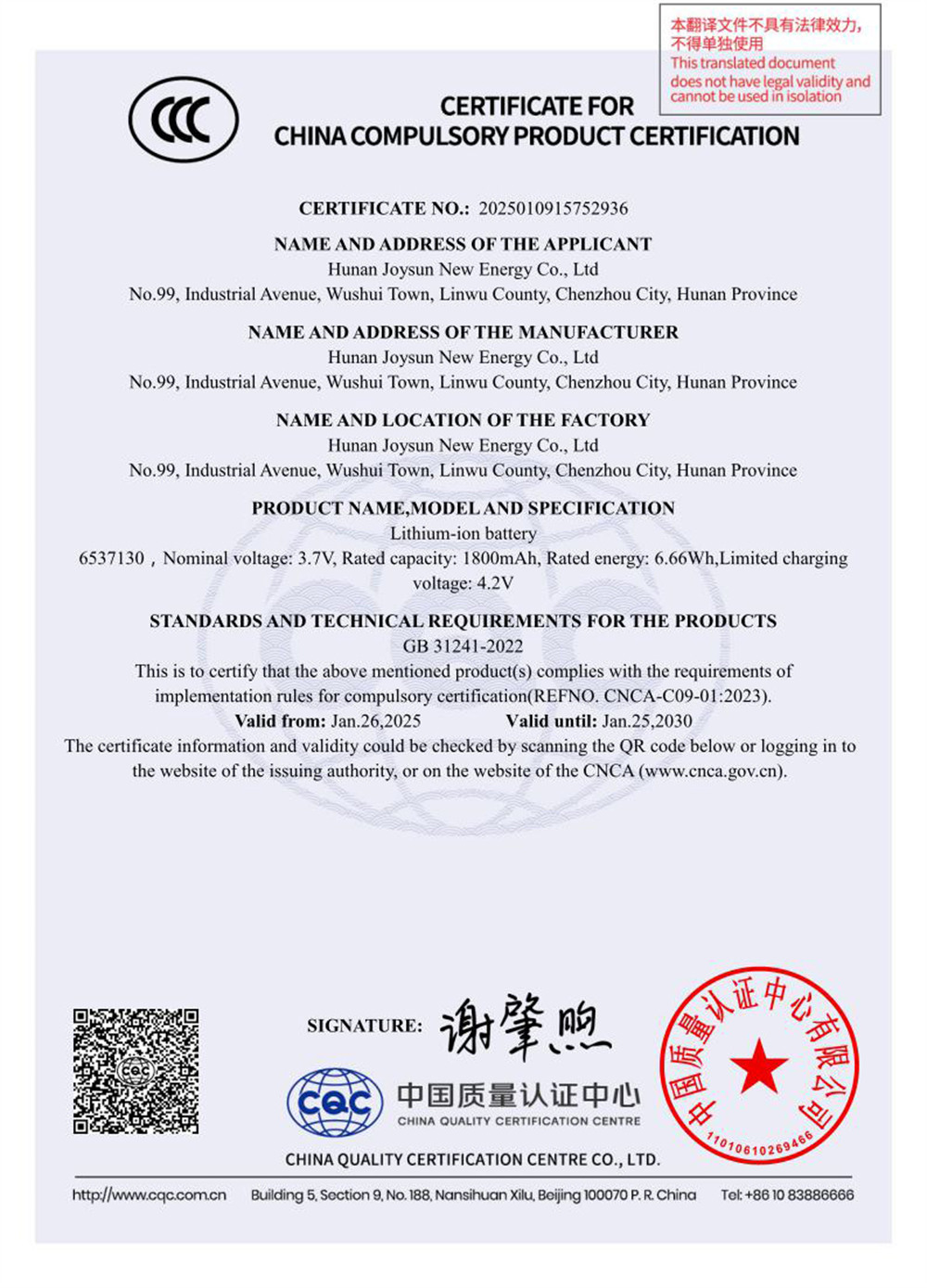
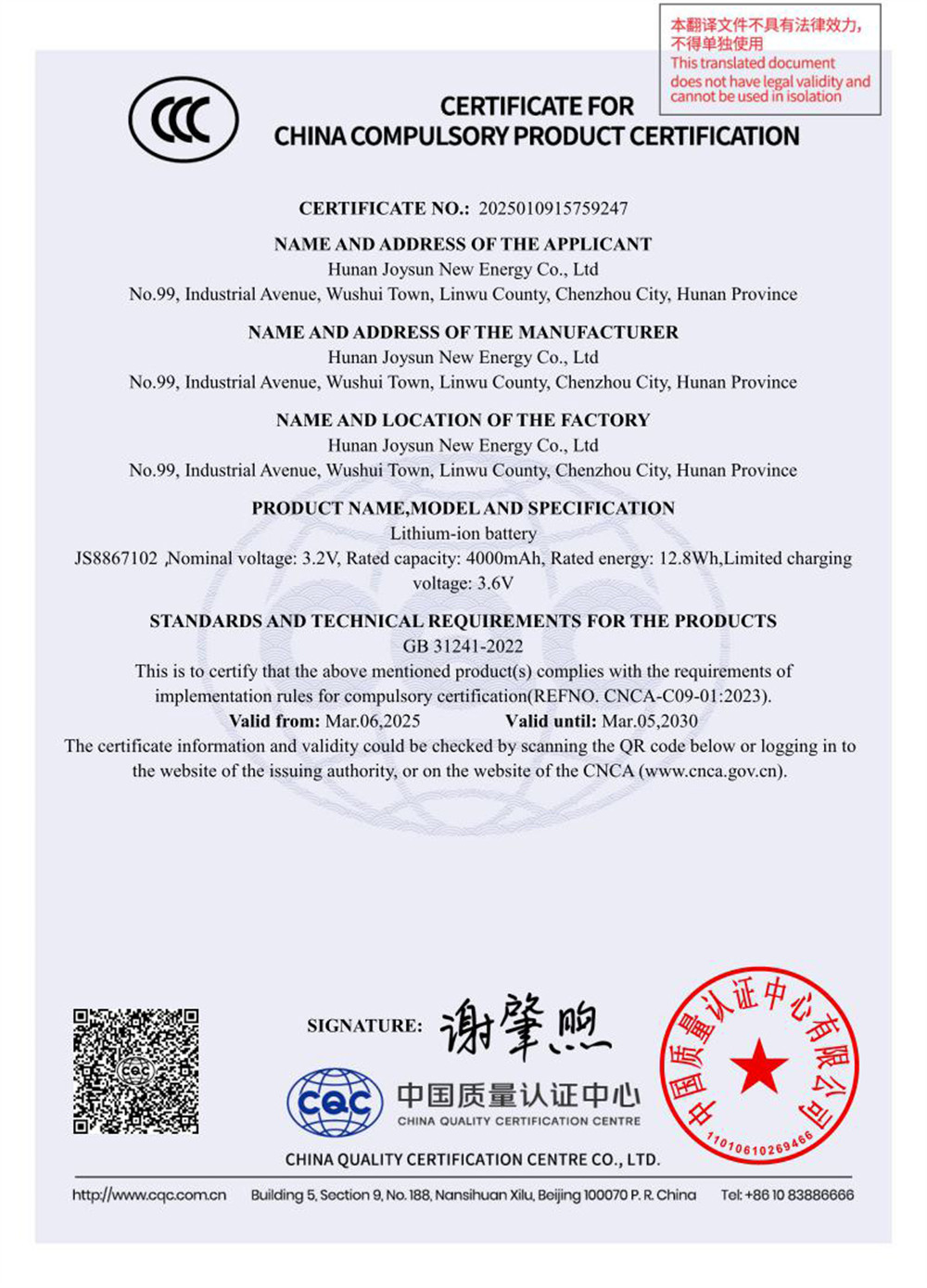
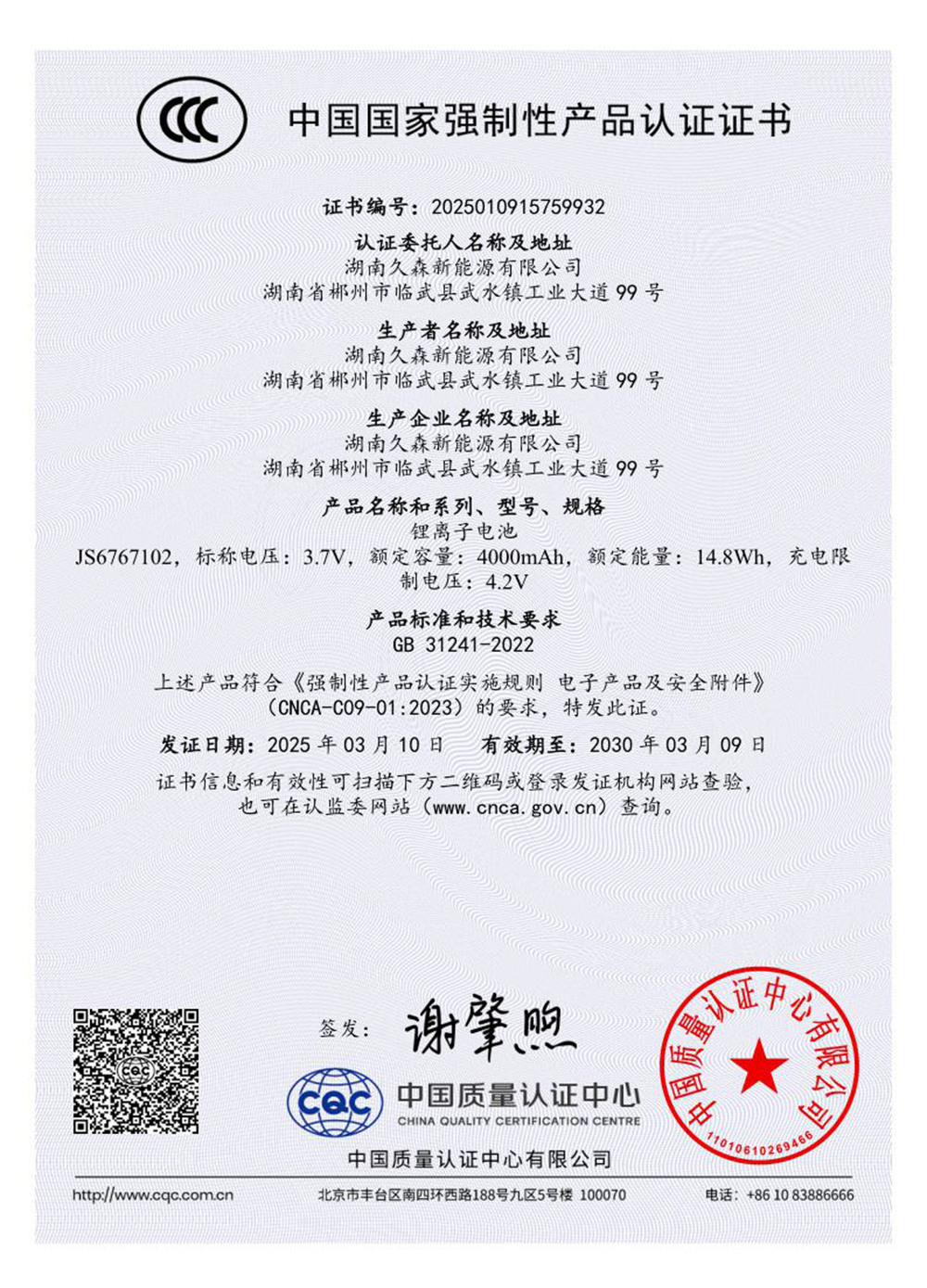
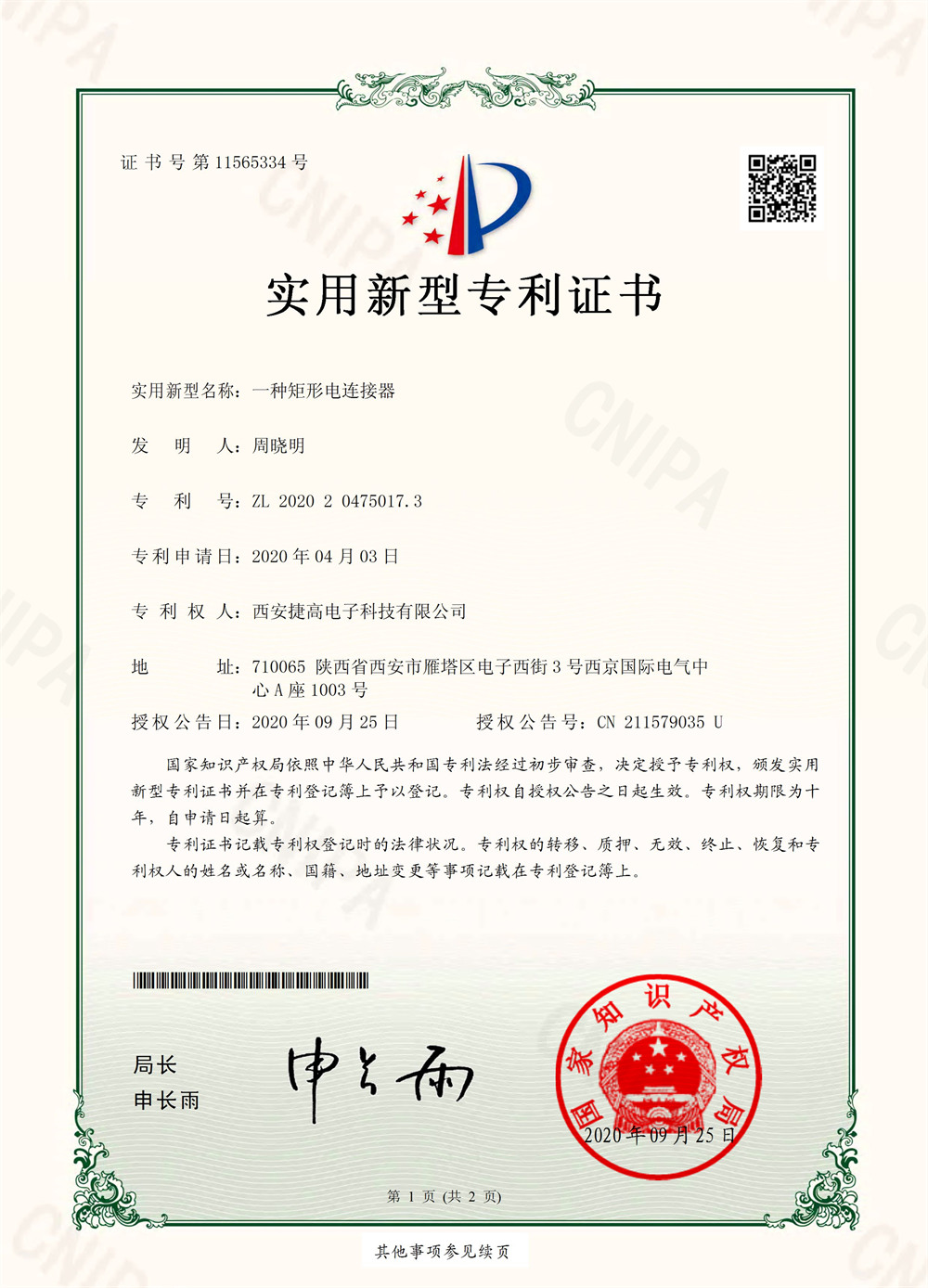
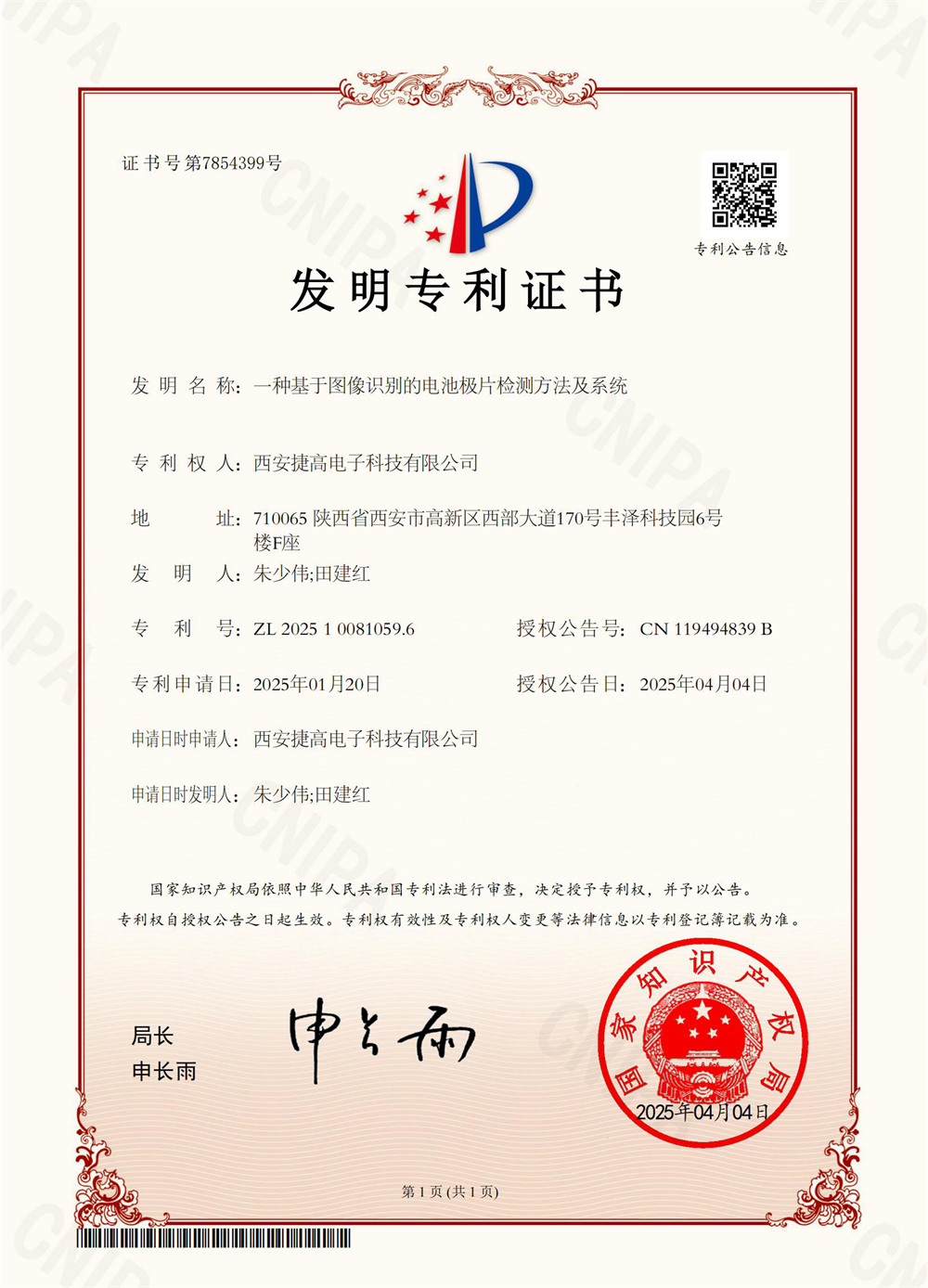
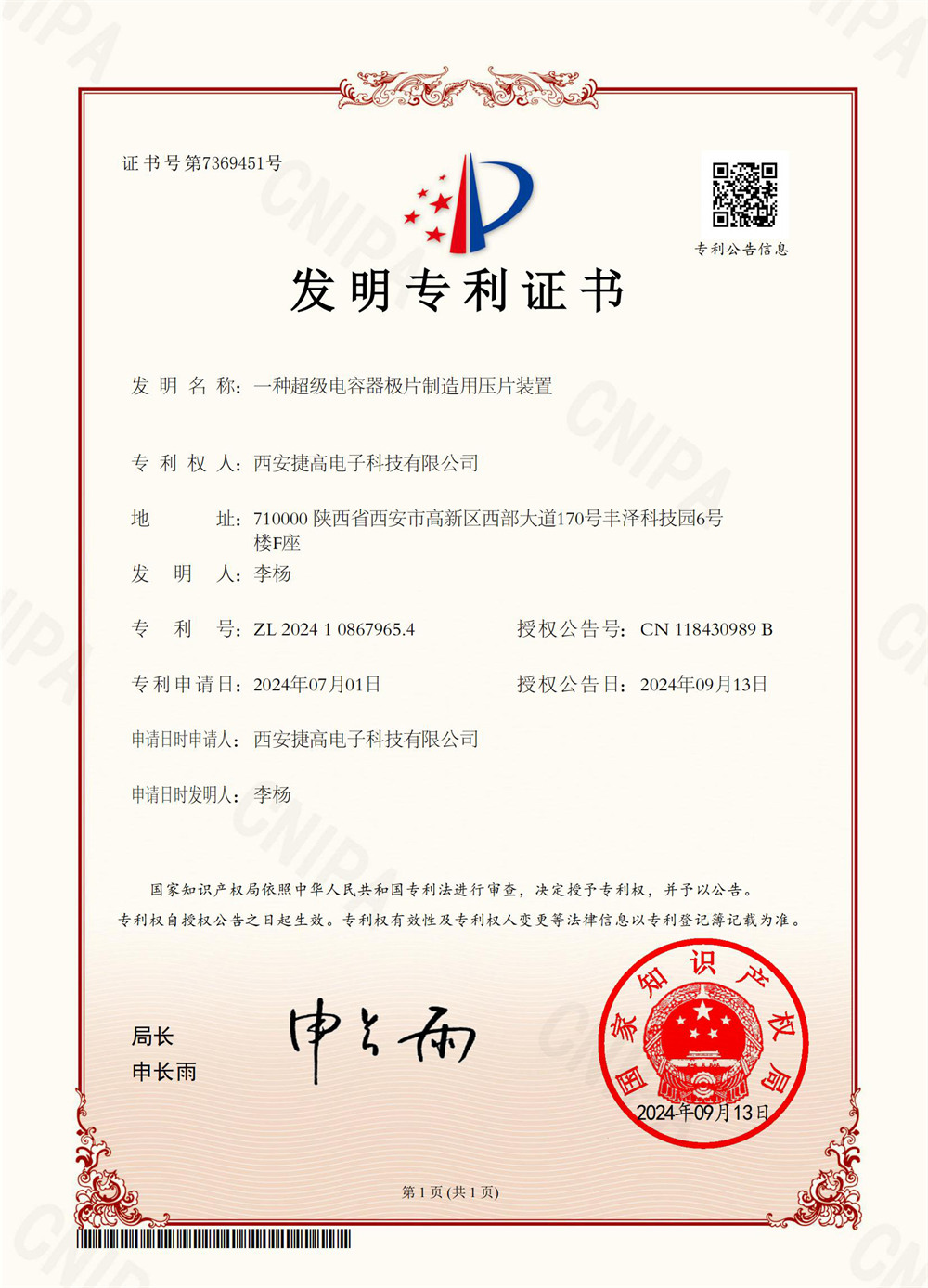
Rigorous test protocols and systematic manufacturing standards verified by third-party industrial auditors.
Discovering future research horizons: how solid-state interfaces, CTP designs, and digital twins are shaping industrial batteries.
The main technological challenge historically associated with Lithium Iron Phosphate has been its lower gravimetric energy density relative to NMC. However, through aggressive innovation in structural cell packaging and anode materials, manufacturers are pushing the boundaries of LFP. Cell-to-Pack (CTP) and Cell-to-Chassis (CTC) manufacturing methods eliminate intermediate module components, saving up to 40% in structural volume and decreasing system weight by 20% while increasing total energy density at the pack level.
Additionally, material enhancements such as doping the olivine structure with Manganese (LMFP, Lithium Manganese Iron Phosphate) are raising the voltage plateau of the cells from 3.2V to 3.7V. This maintains the cycle longevity and safety profile of pure LFP while providing a 15–20% boost in energy density. This technological leap allows industrial users to specify lighter packs for drone systems and robotic applications, increasing load capacities and operational range without compromising safety guidelines.
In parallel, the adoption of cloud-integrated BMS Digital Twins is transforming preventative maintenance. By utilizing real-time monitoring of impedance and temperature parameters, our system predicts degradation paths, isolates abnormal cells before failure, and dynamically balances voltage distribution across the entire series. This preserves the health of the cells and ensures that the systems achieve their rated 15-year operational lifespans.
Professional technical answers regarding Lithium Iron Phosphate battery pack engineering, sourcing, and performance parameters.
 Dynalink Electronic