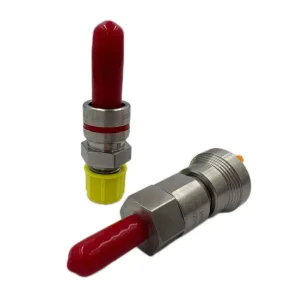
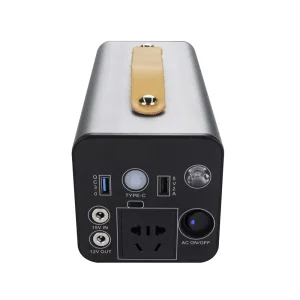
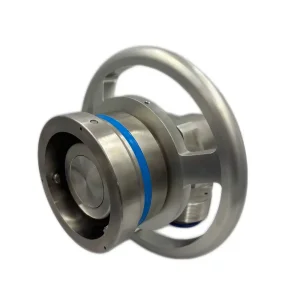
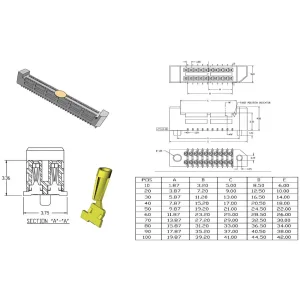
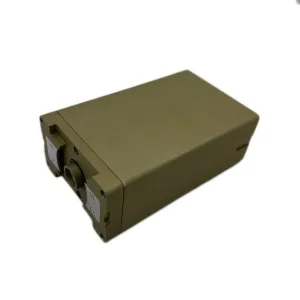
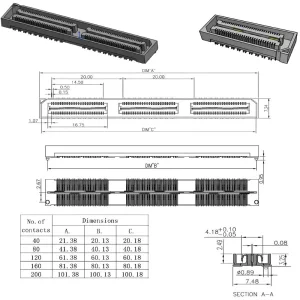
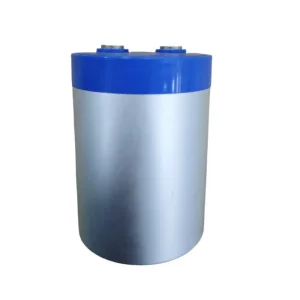
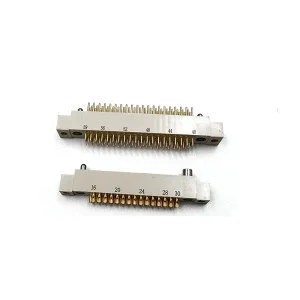
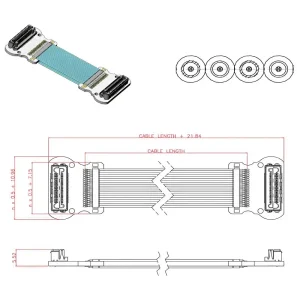
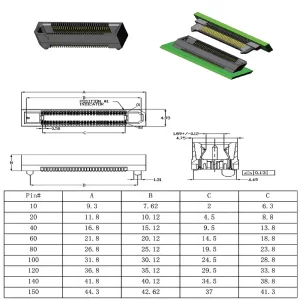
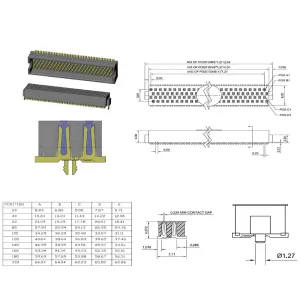
Explore our foundational range of heavy-duty backup batteries, high-speed circuit mechanisms, and precision power regulation components built for demanding operational environments.
Insights into chemistry evolution, power density limits, and the transition toward microgrid integration.
The global demand for reliable mobile energy storage has accelerated the transition from conventional NMC (Nickel Manganese Cobalt) chemistries to stable Lithium Iron Phosphate (LiFePO4) platforms. LiFePO4 chemistry provides long lifecycle profiles (exceeding 3000-6000 cycles at 80% Depth of Discharge) and elevated thermal safety limits, making it the industry standard for commercial and tactical field deployment. Furthermore, material R&D is paving the way for semi-solid-state and full solid-state battery cells. These advancements promise to double current gravimetric energy density figures past 400 Wh/kg while eliminating combustible liquid electrolytes.
Industrial applications require rapid power delivery. By moving from typical 12V/24V battery packs to 48V, 96V, and even 400V high-voltage topologies, manufacturers minimize internal $I^2R$ power dissipation, optimize heat dissipation, and reduce wire gauge thickness requirements. Integrated bidirectional inverters permit bi-directional power transfers (V2L / V2H / V2G), turning portable storage systems into active utility assets during grid instability.
Modern mobile power stations are no longer passive battery cells encased in metal. Intelligent battery systems utilize dynamic AI algorithms inside the BMS to monitor cell state-of-health (SoH), balance internal cell voltages, prevent thermal runaway, and calculate residual runtime based on variable load parameters. This IoT connectivity allows operators to monitor large fleets of deployed batteries in real time via cloud platforms.

A technology-driven design and manufacturing leader specializing in power supplies, energy storage capacitors, and connectors.
Established in 2007, Dynalink (DL) currently operates with a workforce of over 800 employees, including more than 200 dedicated technical staff. Over the past decade and a half, we have established a fully integrated industrial ecosystem encompassing core material research, advanced product design, and high-precision mechanical manufacturing. Our primary capabilities center on electrical interconnects, high-voltage energy storage capacitors, and portable power management systems.
By leveraging proprietary material science and precision tooling, our products maintain reliable performance levels in complex operating conditions. This reliability makes our components and power solutions well-suited for critical aerospace, shipping, railway, new energy vehicle, medical engineering, drone, and industrial robotics applications.
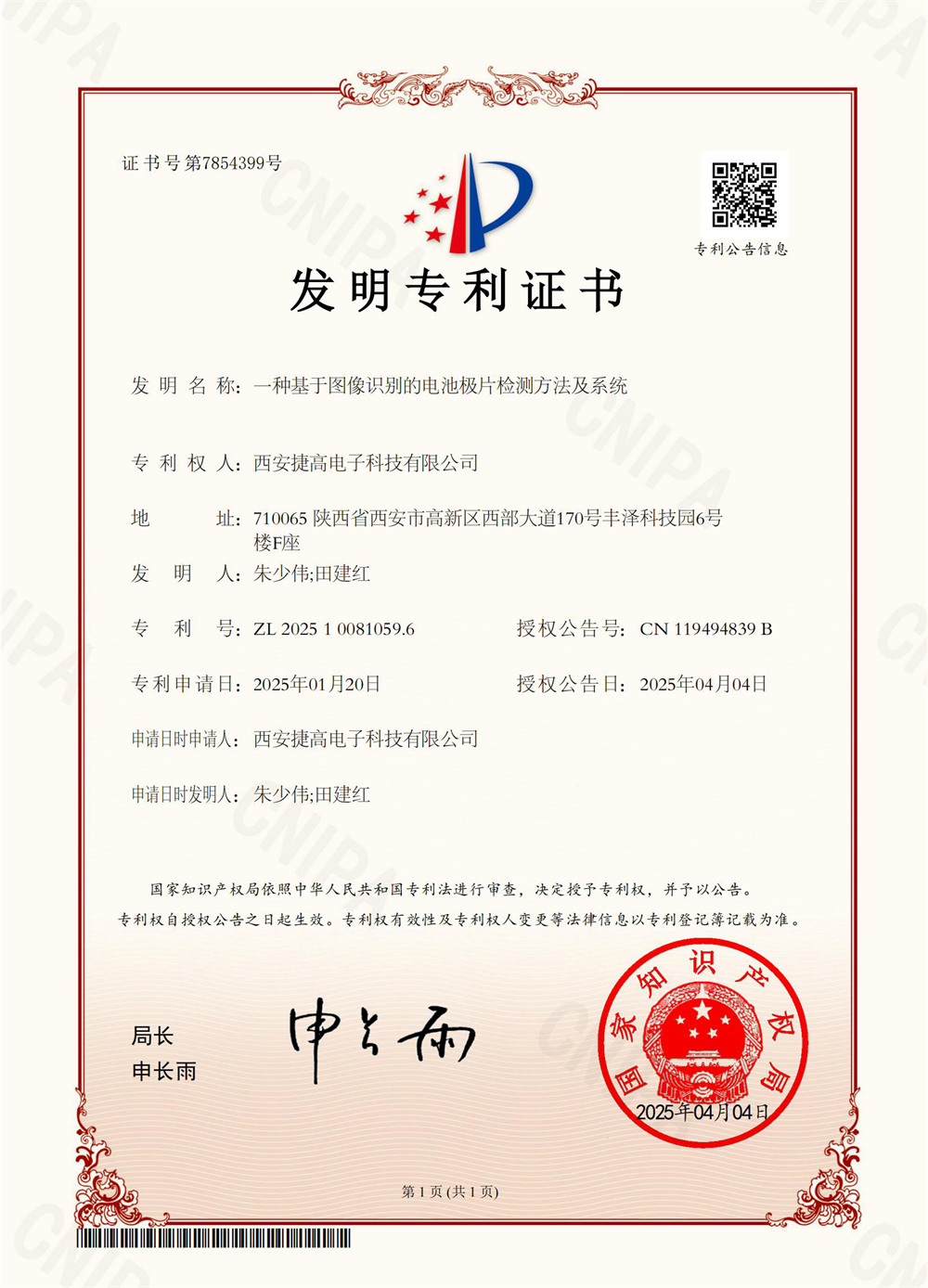
Dynalink operates under standardized management controls, ensuring that every mobile power station, capacitor, and connector satisfies strict international certifications.

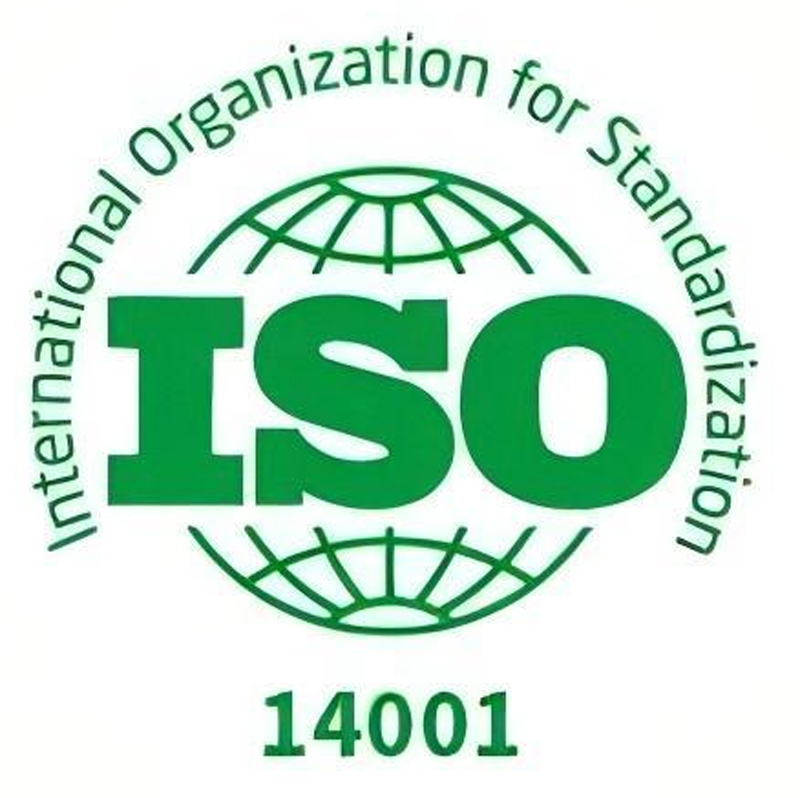
GB/T24001-2016 standard compliance ensuring sustainable materials acquisition, reduced waste generation, and eco-friendly manufacturing.
GB/T19001-2016 certification detailing our comprehensive quality control protocols spanning incoming raw materials to final packaging stages.

GB/T45001-2020 compliance verifying safe plant floor operations and modern ergonomic practices for our 800+ workforce members.
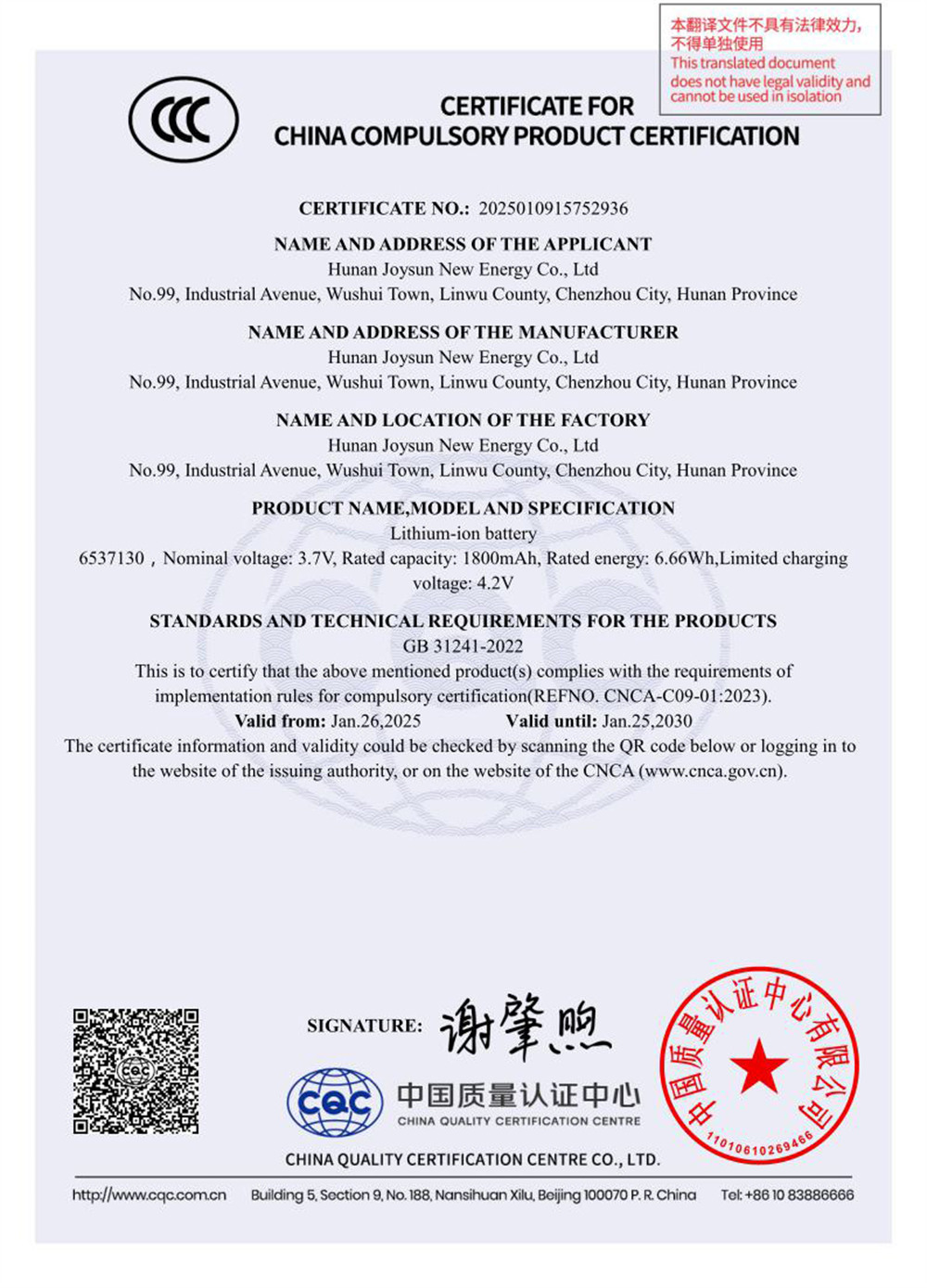
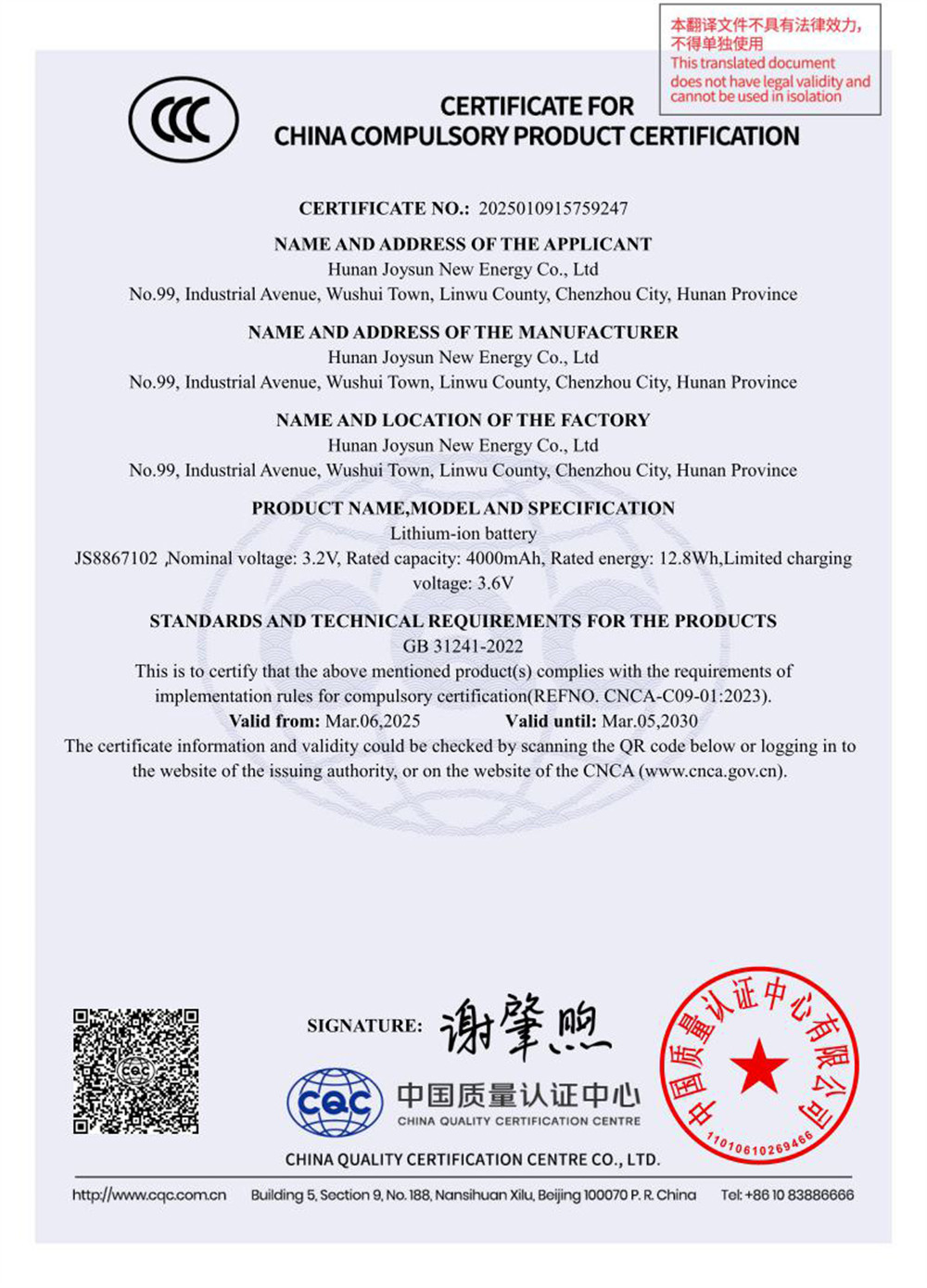
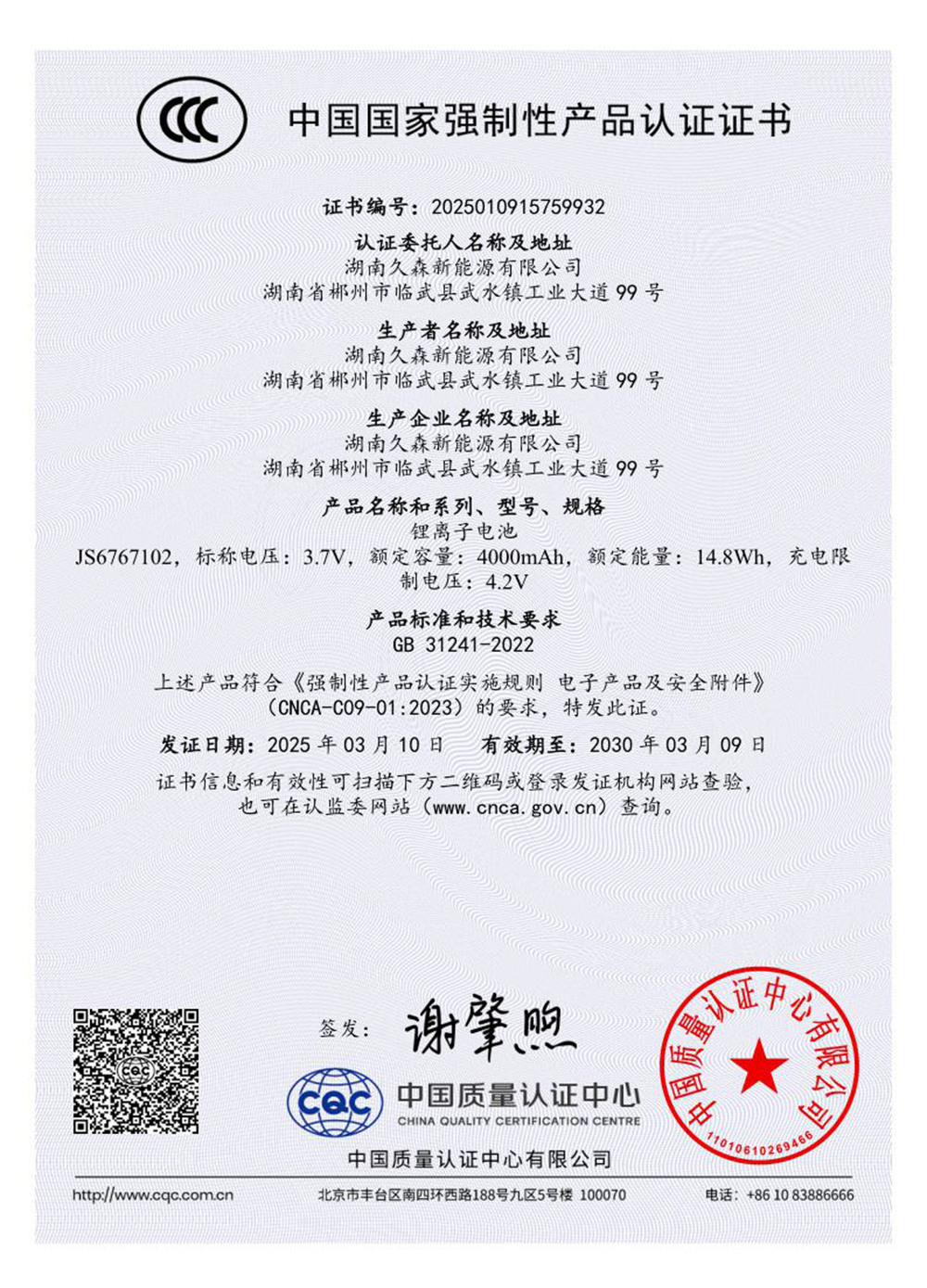
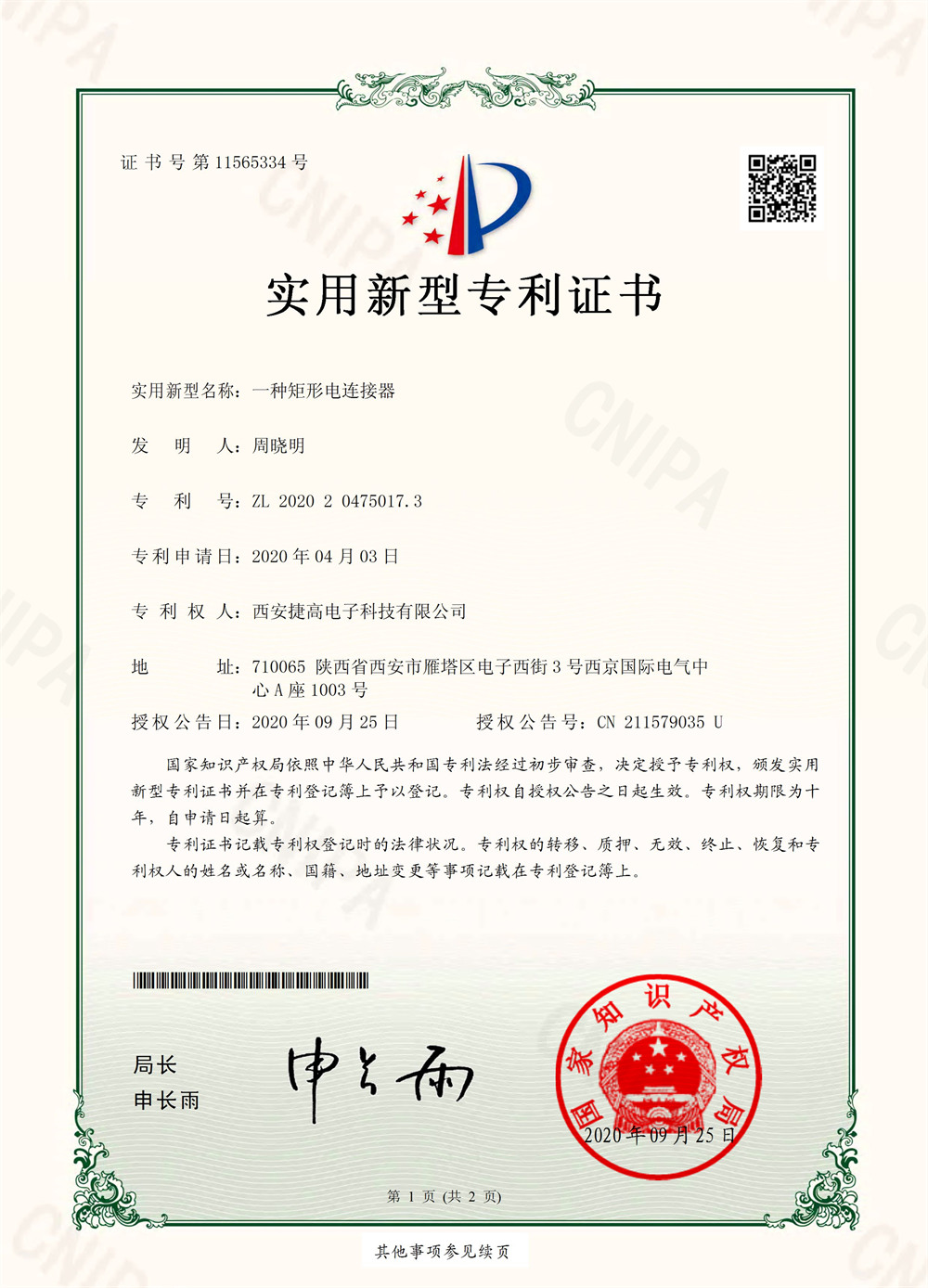
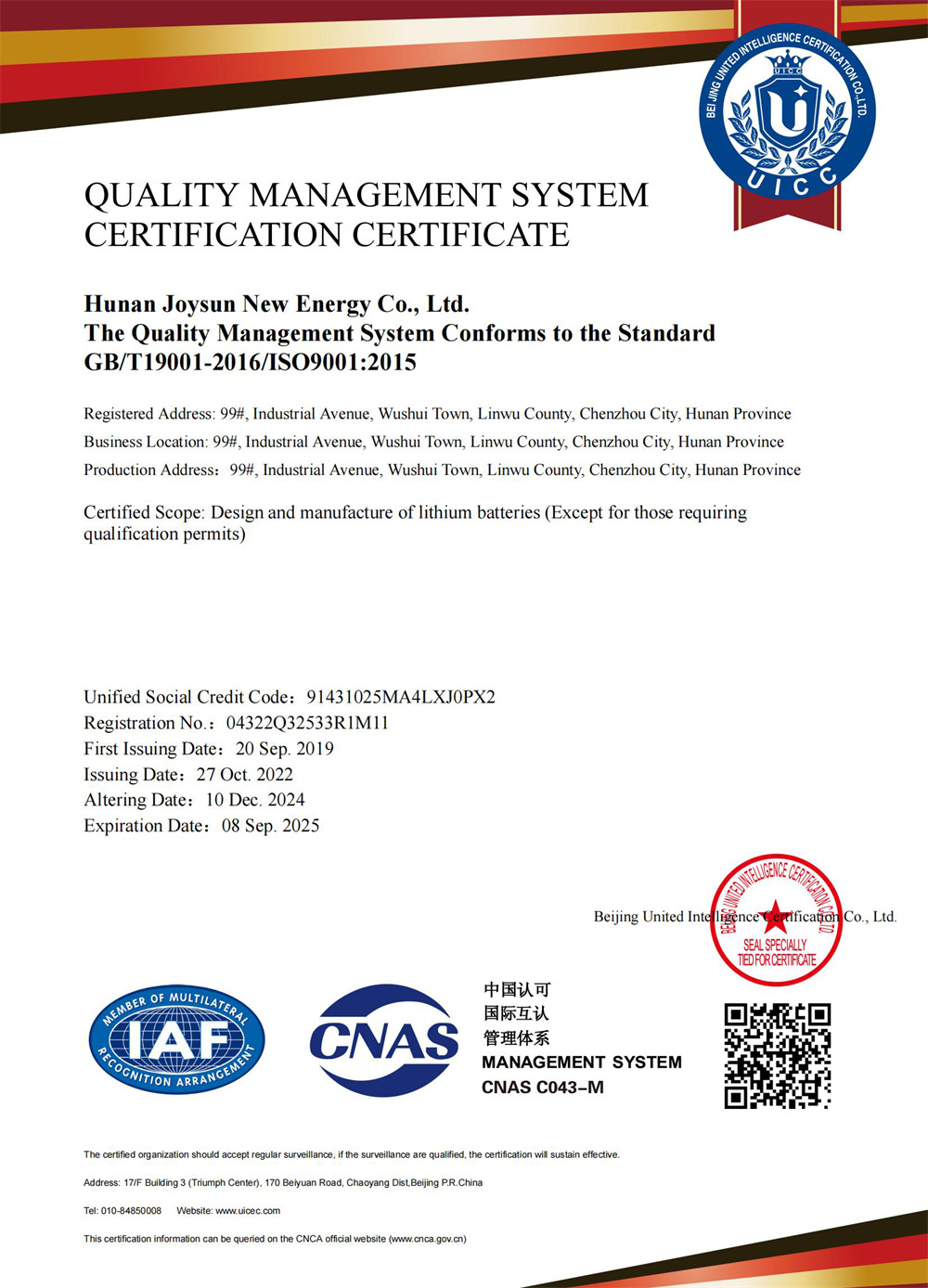
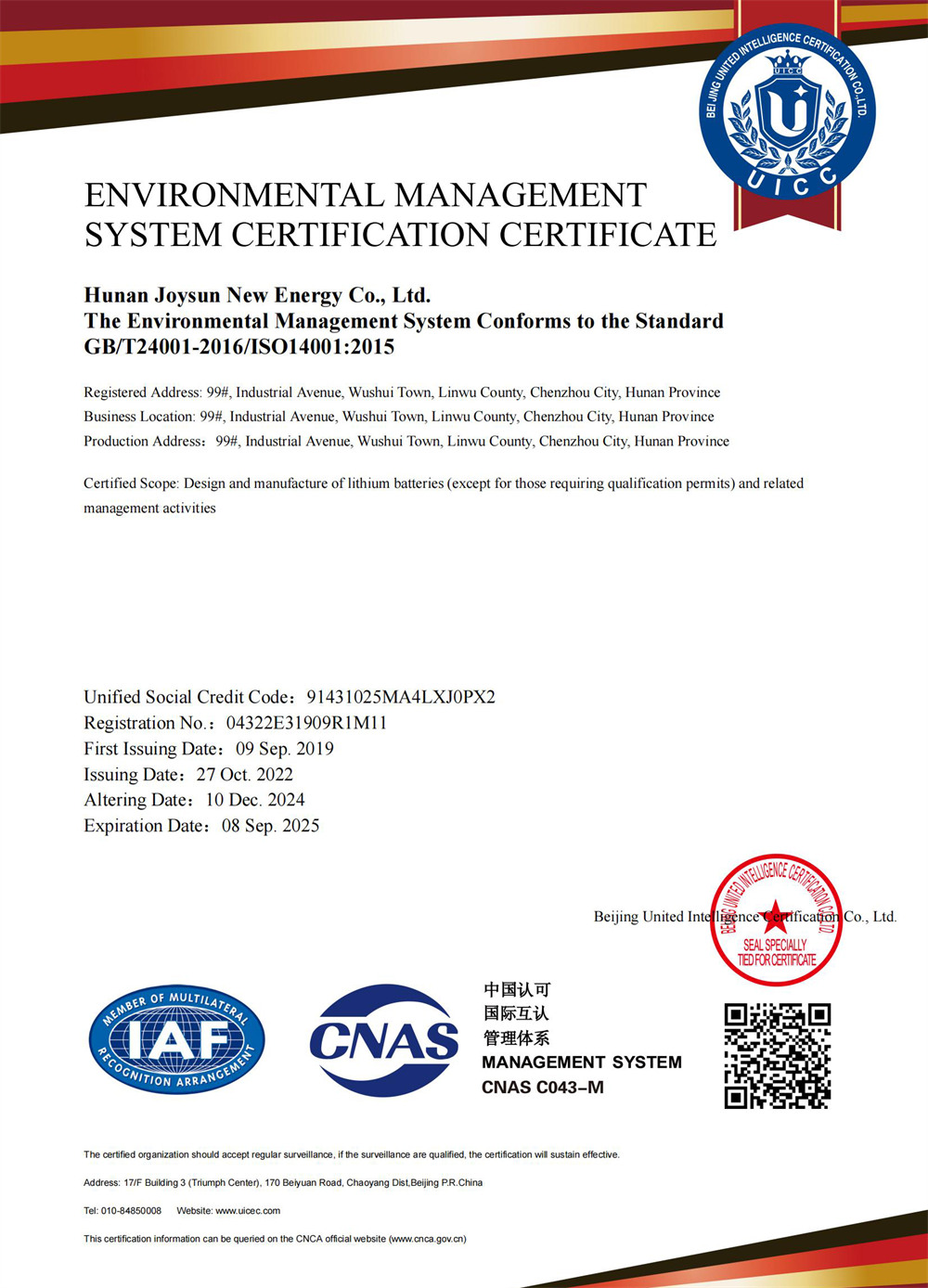
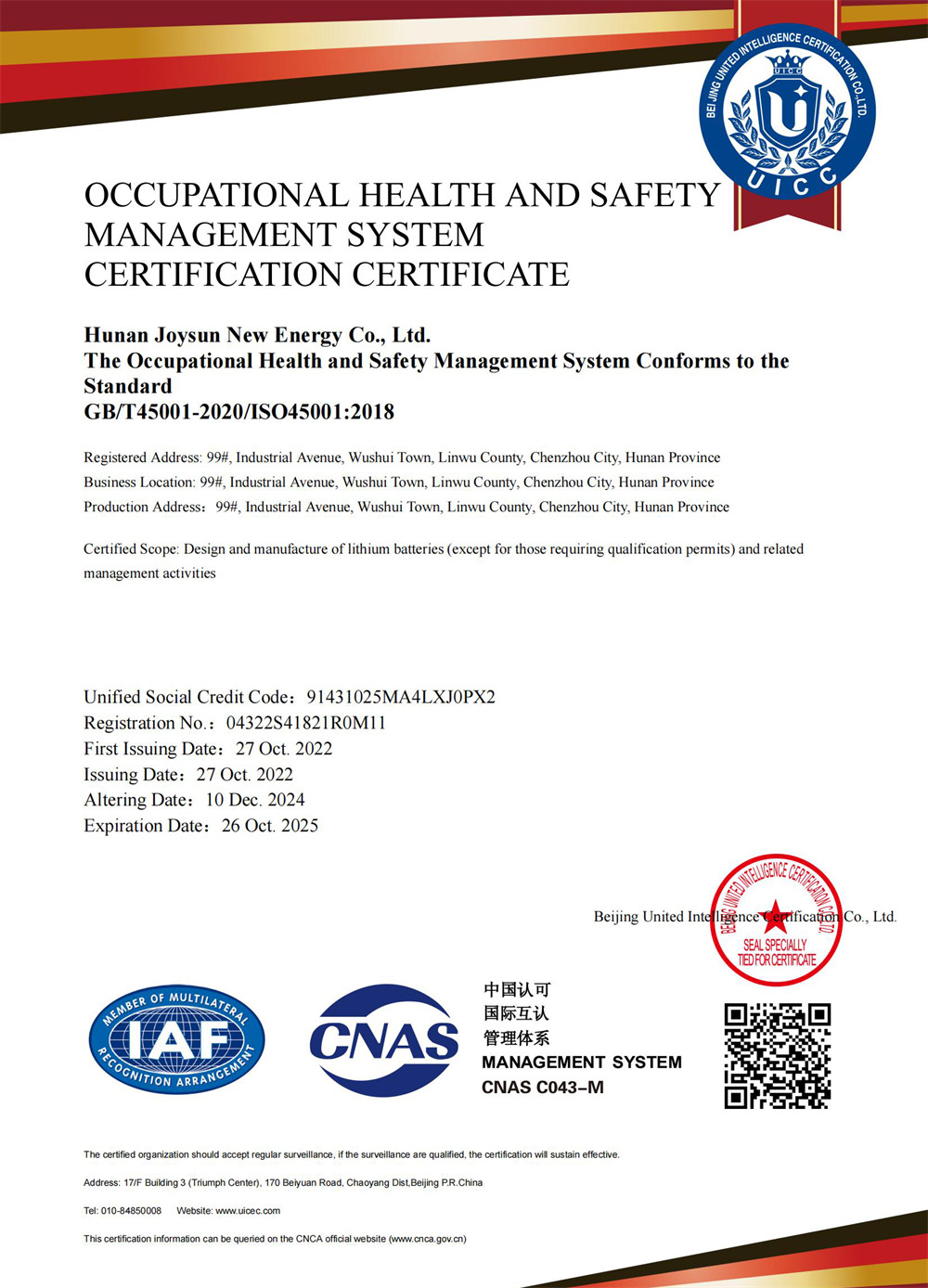
By producing the internal connectors, capacitors, and charging management boards in-house, we control quality and performance across various application sectors.
In high-altitude deployment sectors, our power supplies and connectors provide stable current regulation and solid mechanical connection profiles. They manage high-current charging and discharging cycles under dynamic thermal stresses and vibrational impacts.
For cloud servers and edge data facilities, our high-density connectors and power capacitors limit power transmission losses. They provide reliable power transfer for system operation and instant backup support during utility interruptions.
In harsh environment automation settings, our high-protection connectors and heavy-duty capacitors provide electrical defense against dust ingress, moisture exposure, and electromagnetic noise.
Our intelligent computer-aided design platform allows engineers to quickly translate mechanical and power specifications into functional prototypes. This system speeds up custom modifications for specialty connectors and portable power packs.
We invest 10% of annual revenue into solid-state battery safety engineering, capacitor volumetric density optimization, and next-generation connectors. Our design goals target reducing total system weight and increasing efficiency across all application models.
Combining corporate strategy, collaborative workflows, and material science research to manufacture reliable power components.
Corporate Mission: We prioritize safe electrical power delivery. Dynalink is committed to engineering clean, reliable energy storage systems and connection architectures that help industries maintain operations under difficult field conditions.
R&D Focus areas: Our research team works to resolve structural and technical bottlenecks in battery performance. Current project objectives target increasing solid-state cell life, optimizing capacitor electrostatic capacitance profiles, and reducing connector interface insertion losses.
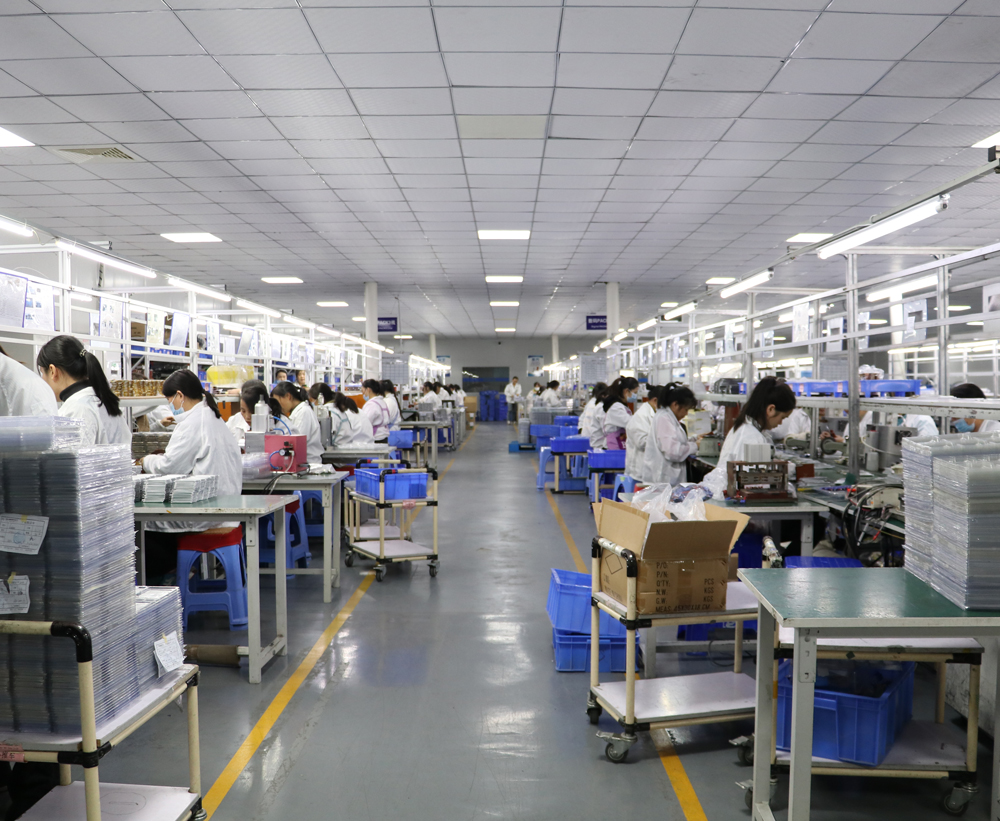
Collaborative Environment: We support professional engineering growth by maintaining active standard training systems and clean workshop areas across our factories.
Evaluating critical parameters to choose the appropriate partner for commercial mobile power stations.
For procurement officers, regional distributors, and industrial site managers, selecting a mobile power station manufacturer involves analyzing a range of design and engineering parameters. The following guide outlines the core criteria for evaluating enterprise partners:
Any energy storage system must prioritize functional safety. High-power units require active cell management, multi-point thermal monitoring, overvoltage protection, and short-circuit containment. Industrial power platforms should include isolated electrical topologies and physically separated cell clusters to stop potential thermal issues from spreading.
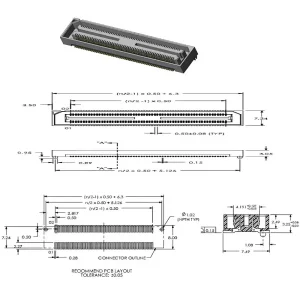
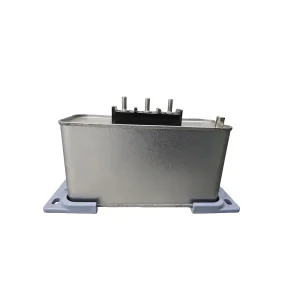
Many system builders source their electrical components from external vendors. Dynalink produces its own high-speed connector pins, bayonet couplings, and power capacitors. This in-house component integration helps maintain quality, reduces electrical losses at connection points, and shortens production lead times for custom orders.
Mobile power stations must satisfy shipping and regional deployment regulations. These requirements include UN38.3 for battery transport safety, UL2743 for portable power station construction, and CE / FCC / RoHS markings for electromagnetic compatibility and hazardous materials control. Choosing certified manufacturing facilities helps prevent shipping delays and customs issues.
Detailed engineering explanations answering common procurement questions from industrial operators and system integration engineers.
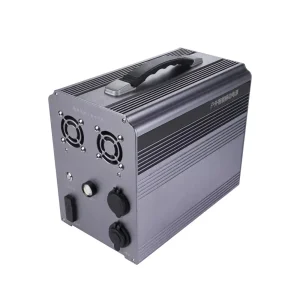
Explore our additional line of specialized railway capacitors, multi-pin electrical interfaces, and high-capacity portable backup systems.
 Dynalink Electronic