ODM Battery Li Po Manufacturers & Manufacturer

Custom Engineering, Advanced Chemistry Solutions & Global Supply Chain Integration by Dynalink

Industry Whitepaper Lithium Polymer Technology ODM Technical Blueprint

1. Executive Summary & Market Landscape

In the rapidly transforming landscape of modern hardware engineering, the demand for highly optimized, customized power delivery systems has reached unprecedented peaks. Original Equipment Manufacturers (OEMs) and developers of advanced electronics—ranging from tactical Unmanned Aerial Vehicles (UAVs) to implantable medical devices and ultra-dense IoT networks—increasingly rely on ODM Lithium Polymer (Li-Po) battery manufacturers. Standard, off-the-shelf cells frequently fall short of satisfying structural, volumetric, thermal, and electrochemical constraints.

This whitepaper outlines the advanced processes of ODM Li-Po battery custom engineering, covering cell chemistry optimization, safety compliance protocols, Chinese supply chain orchestration, and end-use application parameters. As a veteran partner in engineering power supplies, capacitors, and connectors, Dynalink Electronic Technology Co., Ltd (DL) leverages its robust infrastructure and R&D capability to provide this deep-dive guide for global engineering procurers.

2. The Technical Anatomy of High-Performance Li-Po Cells

Lithium Polymer batteries differ fundamentally from cylindrical lithium-ion cells due to their gelled polymer electrolyte matrix and soft aluminum-plastic pouch packaging. This structure offers unique design and performance benefits:

  • Unparalleled Volumetric and Gravimetric Energy Density: Eliminating the need for metal casings permits weight reductions of 20% to 40% compared to equivalent cylindrical configurations.
  • Configurable Geometry: Pouch packaging allows customization of thickness (down to 0.4mm), width, and length to fit complex device chassis.
  • Safety Margins: Under severe failure conditions, the aluminum-plastic pouch naturally expands, venting internal gases to minimize explosive pressure buildup.
Anode/Cathode Chemistries Nominal Voltage (V) Energy Density (Wh/kg) Cycle Life (80% DoD) Primary Application Target
NCM (Nickel Cobalt Manganese) 3.7V - 3.8V 220 - 280 500 - 1000 Consumer Electronics, UAVs, Robotics
High-Voltage LCO (Lithium Cobalt Oxide) 3.85V - 3.9V 250 - 300 500 - 800 Ultra-thin Smart Devices, Premium IoT
LFP (Lithium Iron Phosphate) 3.2V 140 - 180 2000 - 5000+ Industrial Systems, EV Marine, Grid Backup

3. Custom Engineering Lifecycle: The ODM Protocol

The success of custom ODM battery development depends on precise, collaborative engineering steps. We follow a strict phase-gate development flow to translate application requirements into validated, mass-produced battery packs:

Phase I: Requirement Discovery & Electro-Chemical Alignment

Electrical parameters must be defined alongside the physical environment. Key inputs include continuous and peak discharge current profiles (C-rate), charging limits, operational temperature ranges (-40°C to +85°C for specialized environments), and target cycle life. Dynamic current profiles help prevent voltage drop during transient power spikes.

Phase II: Advanced BMS (Battery Management System) Designing

The BMS serves as the brain of the battery pack. A custom ODM Li-Po solution must integrate a BMS that matches the device's host system communication protocol (e.g., I2C, SMBus, HDQ, or CANBUS). Standard protective measures include:

  • Over-Voltage Protection (OVP) & Under-Voltage Protection (UVP): Prevents damage from overcharging and deep discharge.
  • Over-Current Charge/Discharge Protection: Mitigates thermal risks from external short circuits.
  • Precision Coulomb Counting: Uses state-of-health (SoH) and state-of-charge (SoC) algorithms to deliver real-time capacity reporting to the user interface.
  • Active/Passive Cell Balancing: Standardizes cell voltage variations in multi-series configurations to maximize pack lifespan.

Phase III: Thermal Management and Structural Architecture

Using finite element analysis (FEA), mechanical engineers simulate structural stress and thermal dissipation profiles. In high-rate discharge applications, such as professional drones, heat buildup can degrade cells. Integrating phase change materials (PCMs), thermal pads, or air cooling channels maintains cells within their optimal temperature zone of 15°C to 35°C.

Specialist Insight: Minimizing Cell Expansion

During cycling, Li-Po cells naturally expand by 3% to 10% in thickness due to lithiation processes. Our structural design ensures the physical battery enclosure features calculated spring-force tolerancing to prevent mechanical cell deformation or damage to the device chassis.

4. Global Compliance, Safety Certifications, & E-E-A-T Quality Standards

Navigating the global regulatory landscape is a critical stage in ODM battery procurement. Batteries without verified certifications face customs delays, shipping rejections, and legal liabilities. A reliable ODM manufacturer must align its quality control systems with international regulatory bodies:
  • UN38.3 (Transport Testing): Required for international shipping of lithium batteries, ensuring stability under altitude, thermal, vibration, impact, external short-circuit, impact, and overcharge conditions.
  • UL1642 & UL2054 (Underwriters Laboratories): Evaluates cell-level safety (UL1642) and pack-level protective circuitry (UL2054) to resist thermal runaway and internal shorts.
  • IEC 62133 / CB Scheme: The baseline safety standard for portable applications in European, Asian, and Latin American markets.
  • RoHS & REACH Compliance: Verifies that battery enclosures, cells, and solder joints are free from hazardous substances, supporting circular economy initiatives.
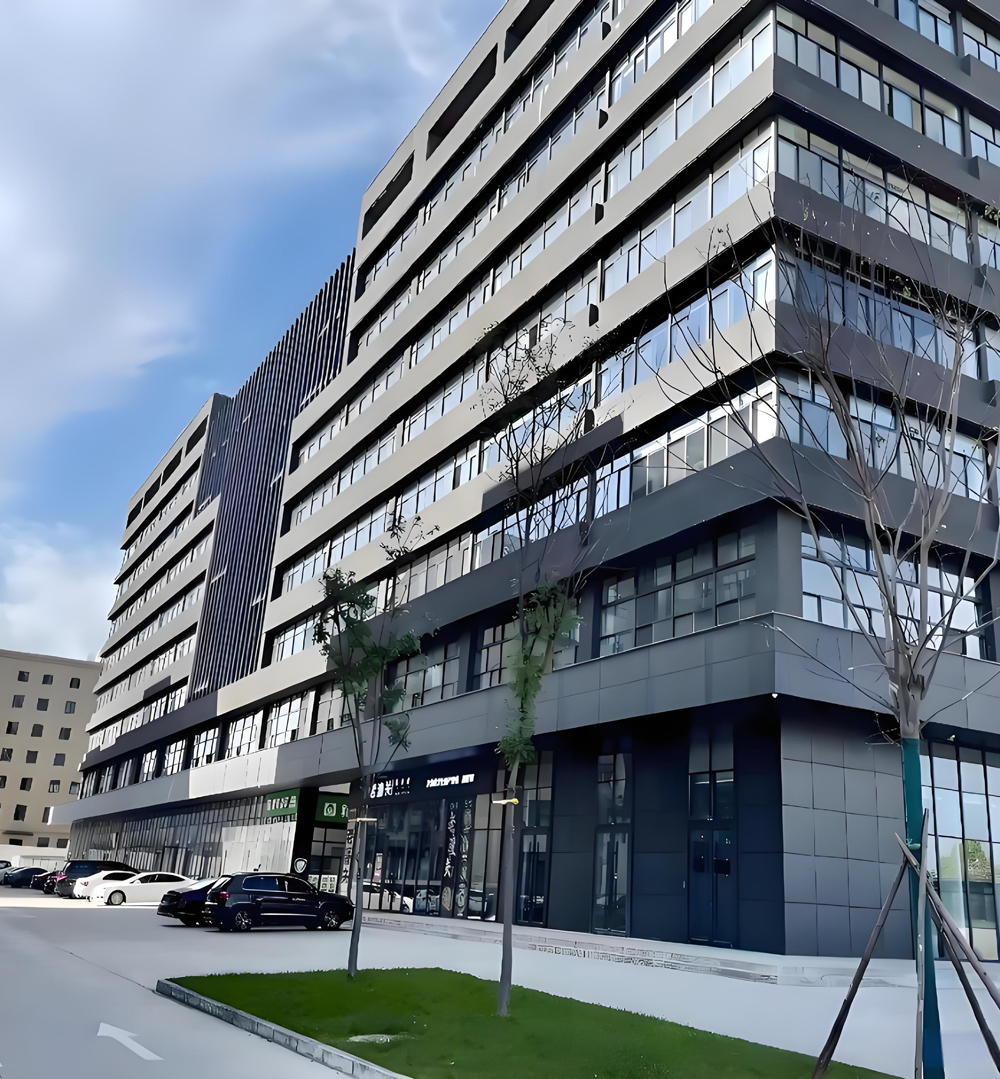
Dynalink Electronic Production Plant

Company Profile

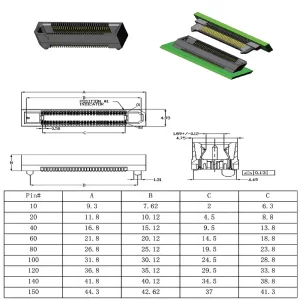
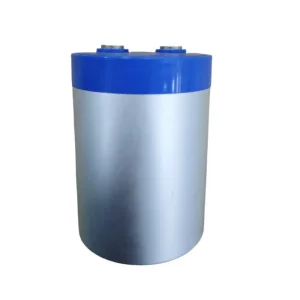
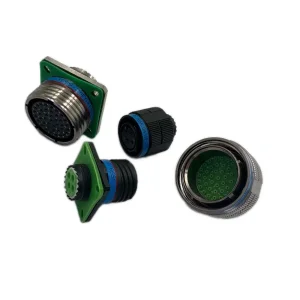
Dynalink Electronic Technology Co., Ltd (DL), established in 2007, currently has a workforce of over 800 employees, among which more than 200 are technical staff. It is a technology-driven design and manufacturing company specializing in power supplies, energy storage capacitors, and connectors. With continuous investment in research and development and strong innovation capabilities, the company has built a complete industrial chain encompassing material research and development, product design, and precision manufacturing. Thanks to the advantages of high reliability and excellent performance, its products are widely used in key fields such as aviation, aerospace, shipping, railways, new energy vehicles, the medical industry, drones, and robots, providing customized solutions for customers.

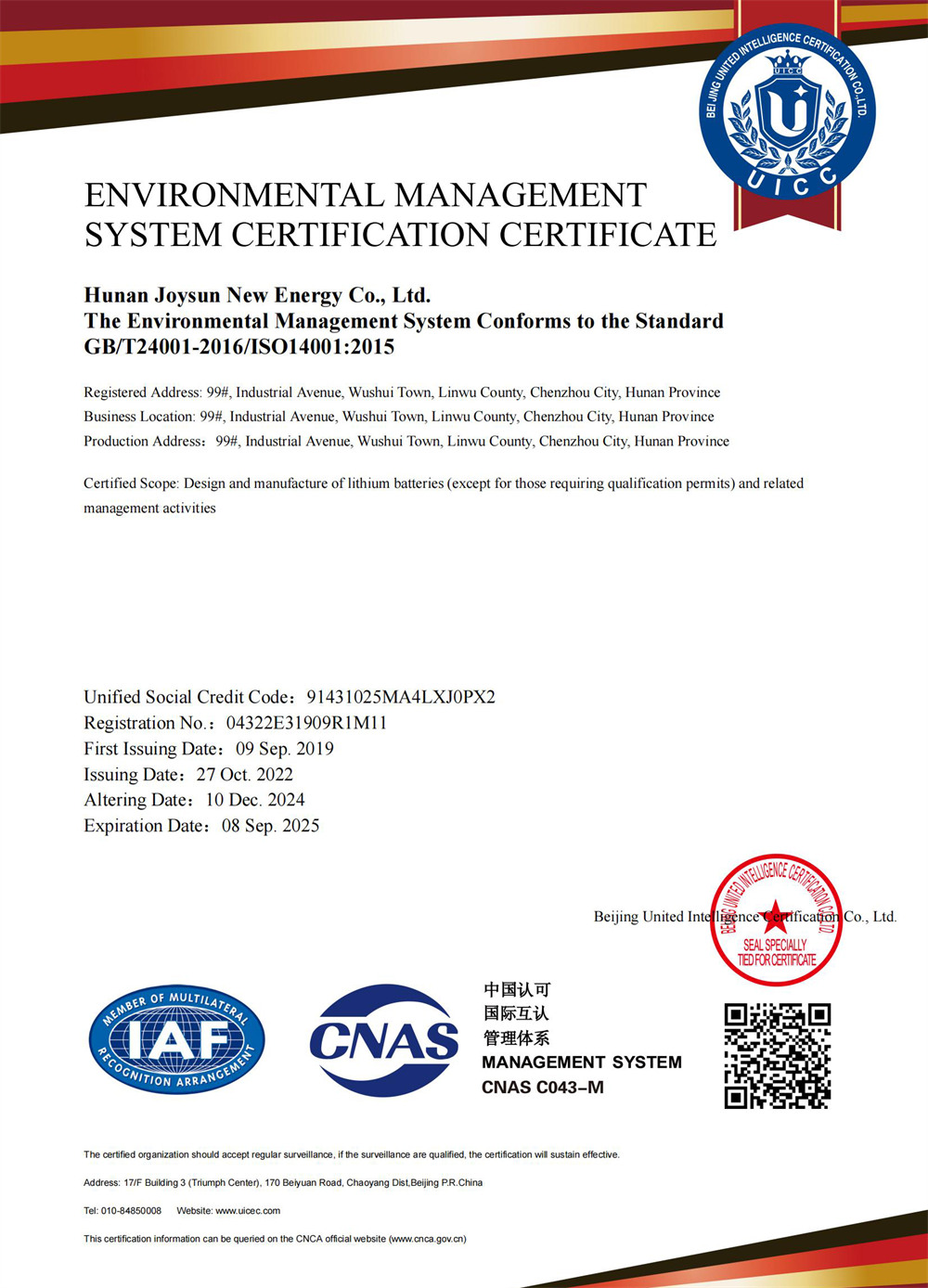
ISO 14001 Logo

GB/T24001-2016 / ISO14001:2015 Environmental Management

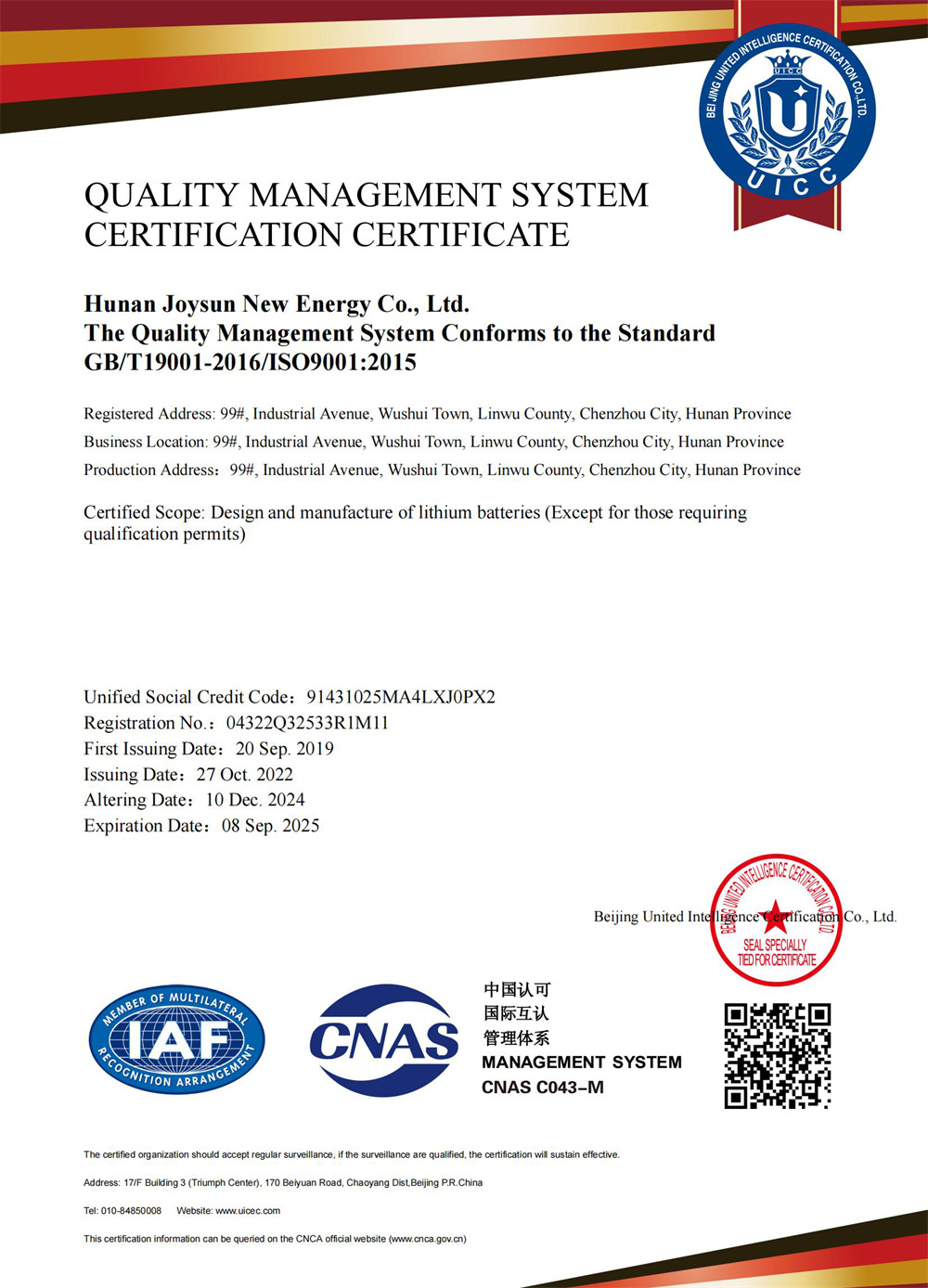
ISO 9001 Logo

GB/T19001-2016 / ISO9001:2015 Quality Management

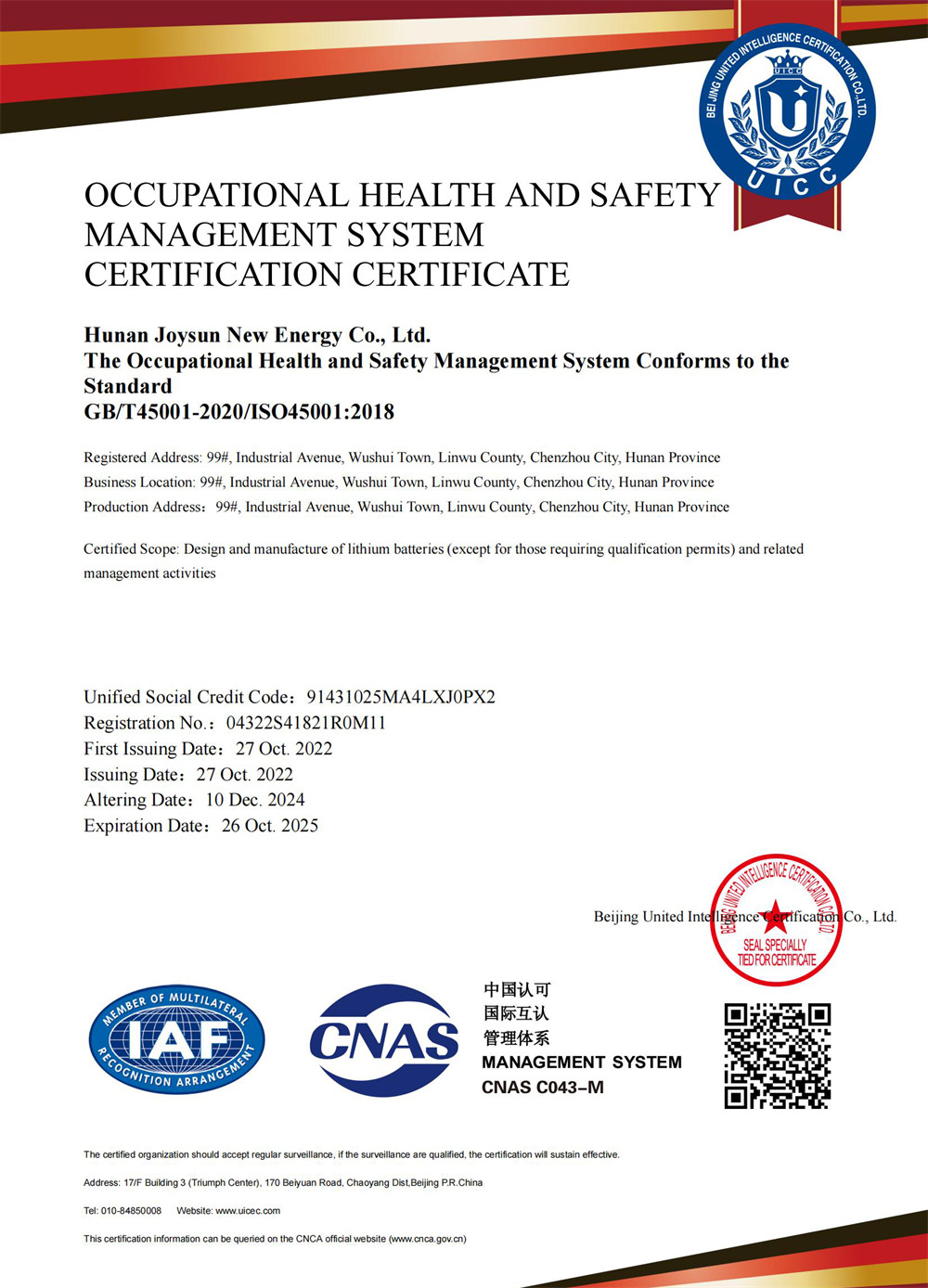
ISO 45001 Logo

GB/T45001-2020 / ISO45001:2018 Occupational Health & Safety

800+
Dedicated Employees
200+
R&D and Technical Engineers
15+
Years of Industry Leadership

5. Localized Support & Global Regulatory Logistics

Navigating the supply chain for lithium-based batteries requires managing specialized logistics requirements. Since Li-Po chemistries are classified under Dangerous Goods (Class 9 - UN3480 / UN3481), custom ODM manufacturers must coordinate safe delivery processes alongside localized support:

  • Real-Time Engineering Support: Local field application engineering teams help clients integrate the battery, BMS, and charging systems during design phases.
  • Localized Compliance Management: We structure safety documentation (such as Safety Data Sheets, UN38.3 test summaries, and declaration forms) to meet country-specific standards.
  • End-to-End Logistics Coordination: Working with certified freight partners ensures compliant shipping across maritime, air, and overland routes, avoiding transit delays.

6. China's Industrial Supply Chain Advantages

China remains a leading region for advanced lithium battery production. This leadership is built on complete vertical integration and established manufacturing infrastructure:

  • Raw Material Ecosystem: Key battery materials (including high-density cathode powders, anode graphs, separator membranes, and electrolyte solutions) are sourced locally, reducing transportation lead times and costs.
  • Advanced Manufacturing Scale: Automated assembly lines, high-precision electrode coating, and automated inspection systems ensure consistent cell production.
  • Skilled Engineering Base: Access to a deep pool of technical talent enables rapid prototyping, custom BMS layout design, and quick cycle testing.

Why Choose Dynalink Electronic

We provide high-quality power systems, energy storage capacitors, and connectors, supported by integrated, customized development capabilities.

Field of Drones

Our power solutions support efficient battery charge and discharge cycles, helping maintain stable operation in demanding drone systems.

For Data Centers

High-speed connectors and stable power supplies ensure low-loss transmission of data and reliable continuous equipment performance.

Industrial Application

Connectors with high environmental protection ratings combined with stable power systems support reliable operation in harsh industrial conditions.

Requirement Response

Utilizing our intelligent design platform, we quickly process custom requirements and develop integrated solutions from component to system levels.

Technological Innovation

DL continuously invests in technological innovation and industrial upgrades, working to integrate advanced power technologies into electronics design.

Custom Battery ODM

We combine battery packs, custom BMS circuits, high-speed connectors, and protective housings into unified power solutions.

What We Do

By focusing on product quality and manufacturing standards, we deliver robust solutions that meet demanding industry requirements.
  • Corporate Culture
    Our mission is to support technological progress and help build a sustainable future. We aim to serve as a reliable partner for integrated power solutions by prioritizing integrity, innovation, and collaborative progress.
  • Team Climate
    We maintain a collaborative working environment and invest in employee development, providing continuous technical training and career growth opportunities.
  • Self Break & Innovation
    Focusing on batteries, capacitors, and connectors, we invest in R&D to improve battery safety, increase capacitor energy density, and develop low-loss, high-precision connectors.
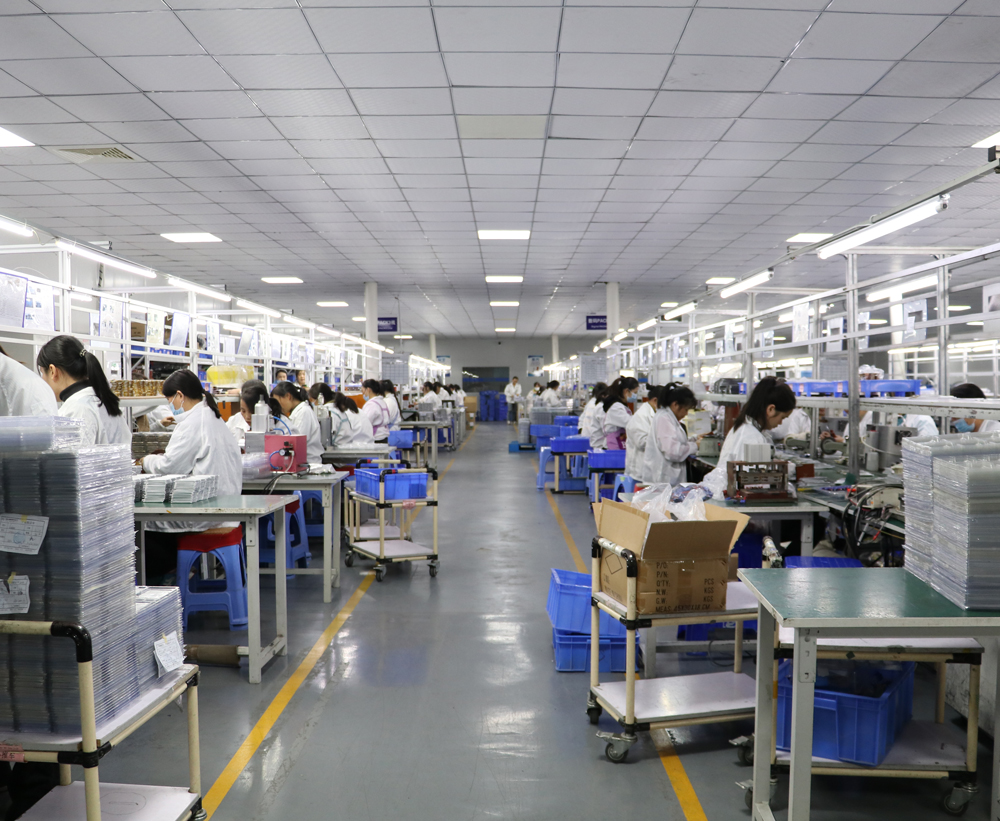
High precision manufacturing automation

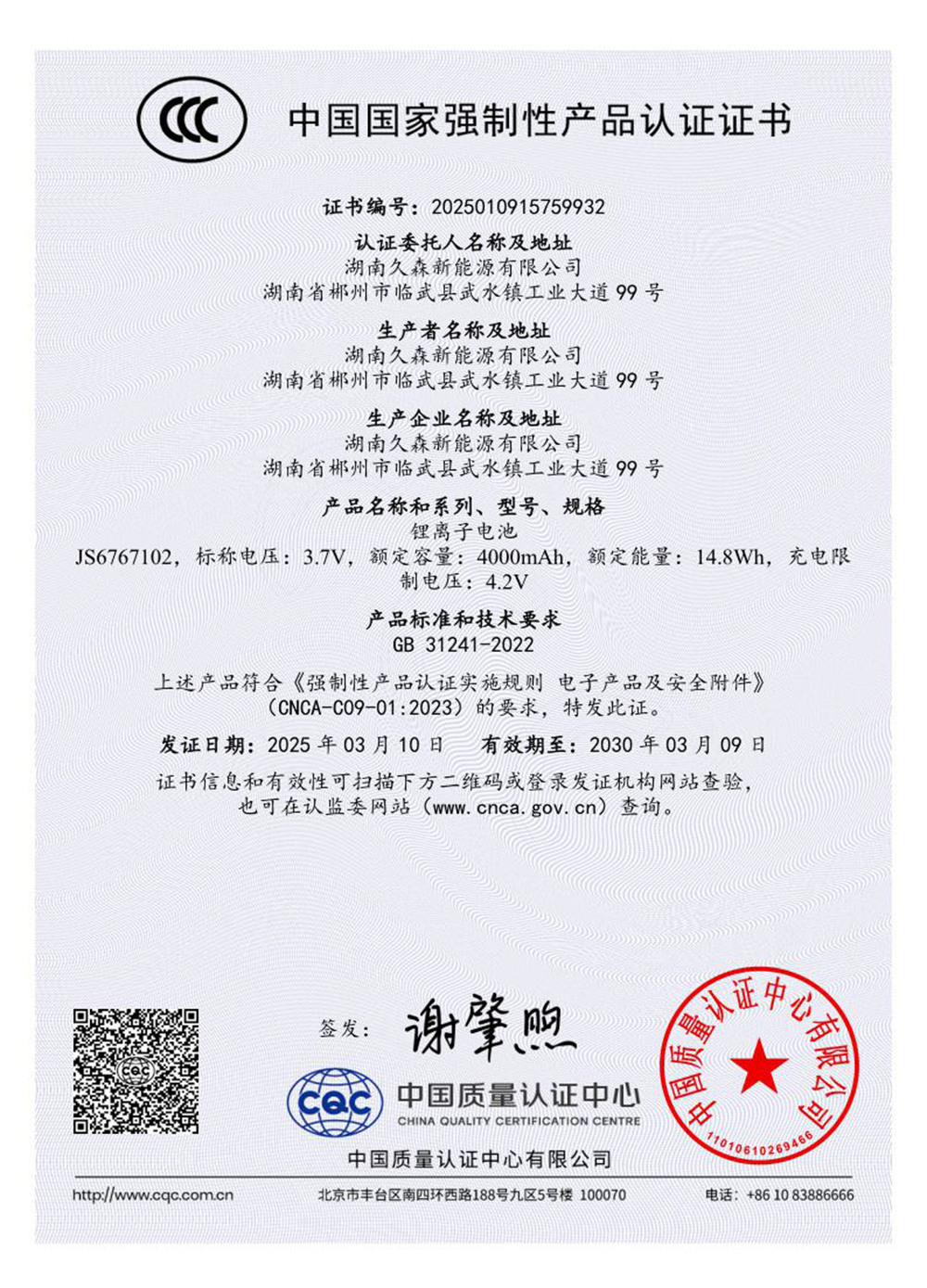
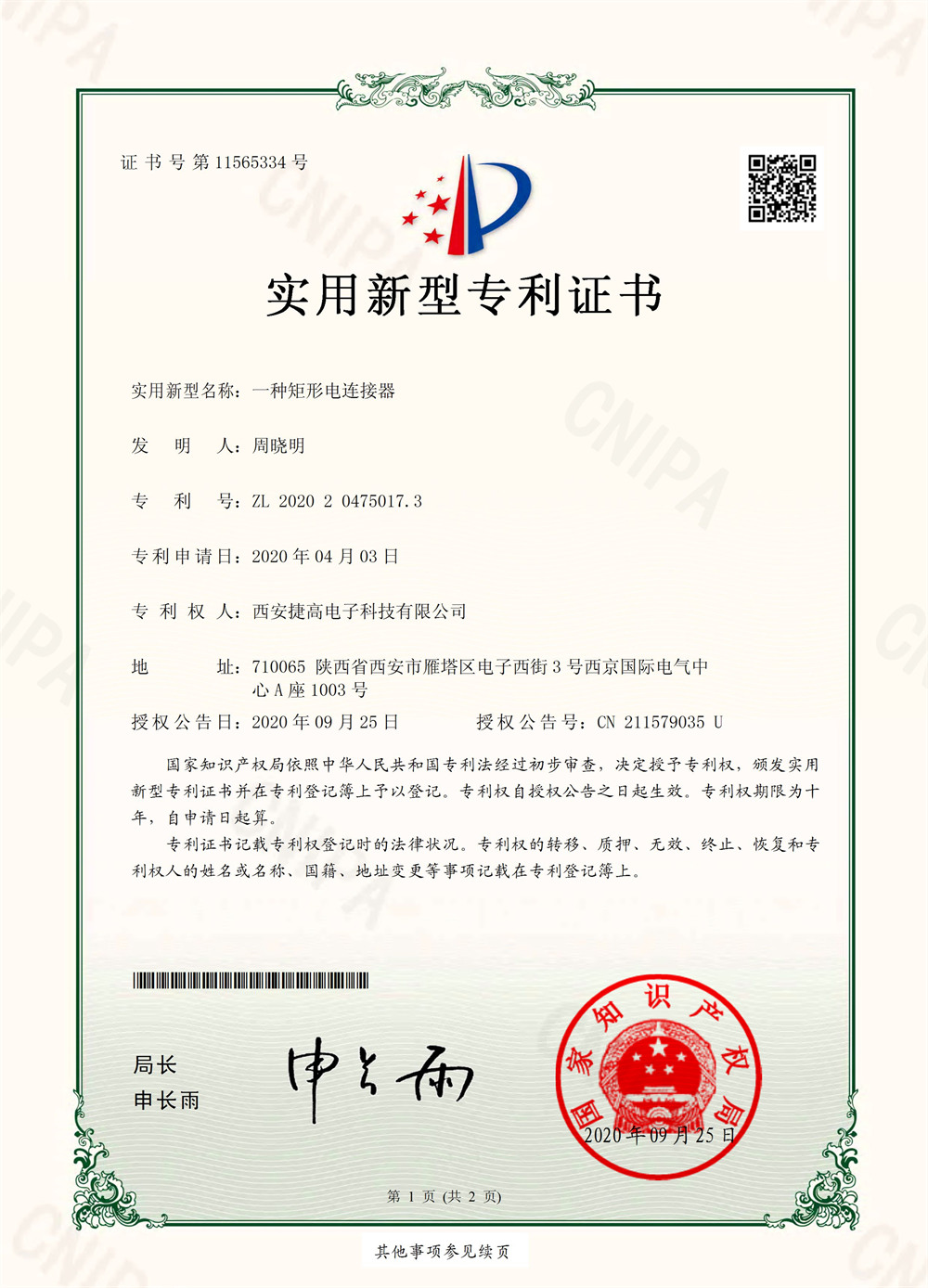
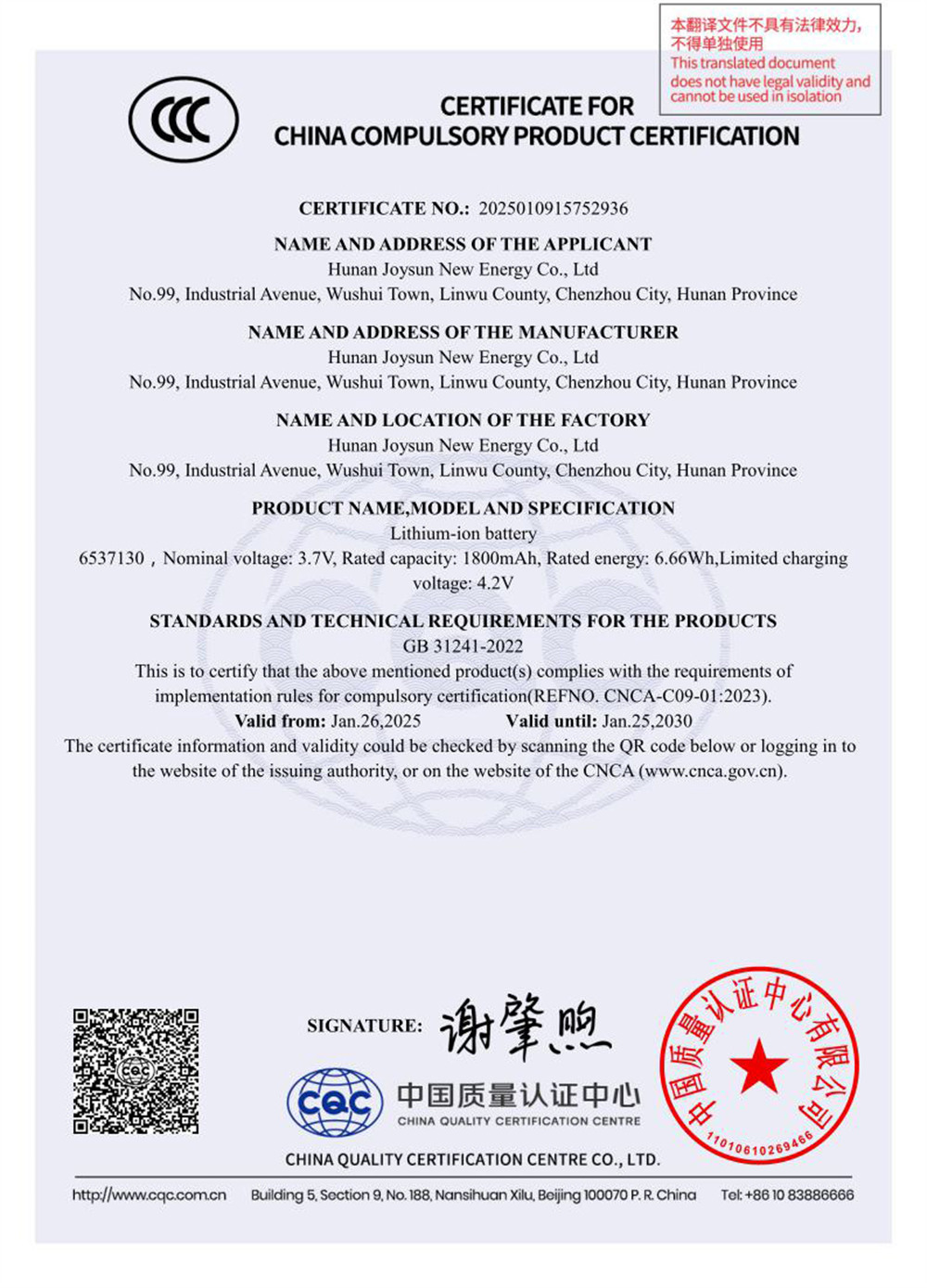
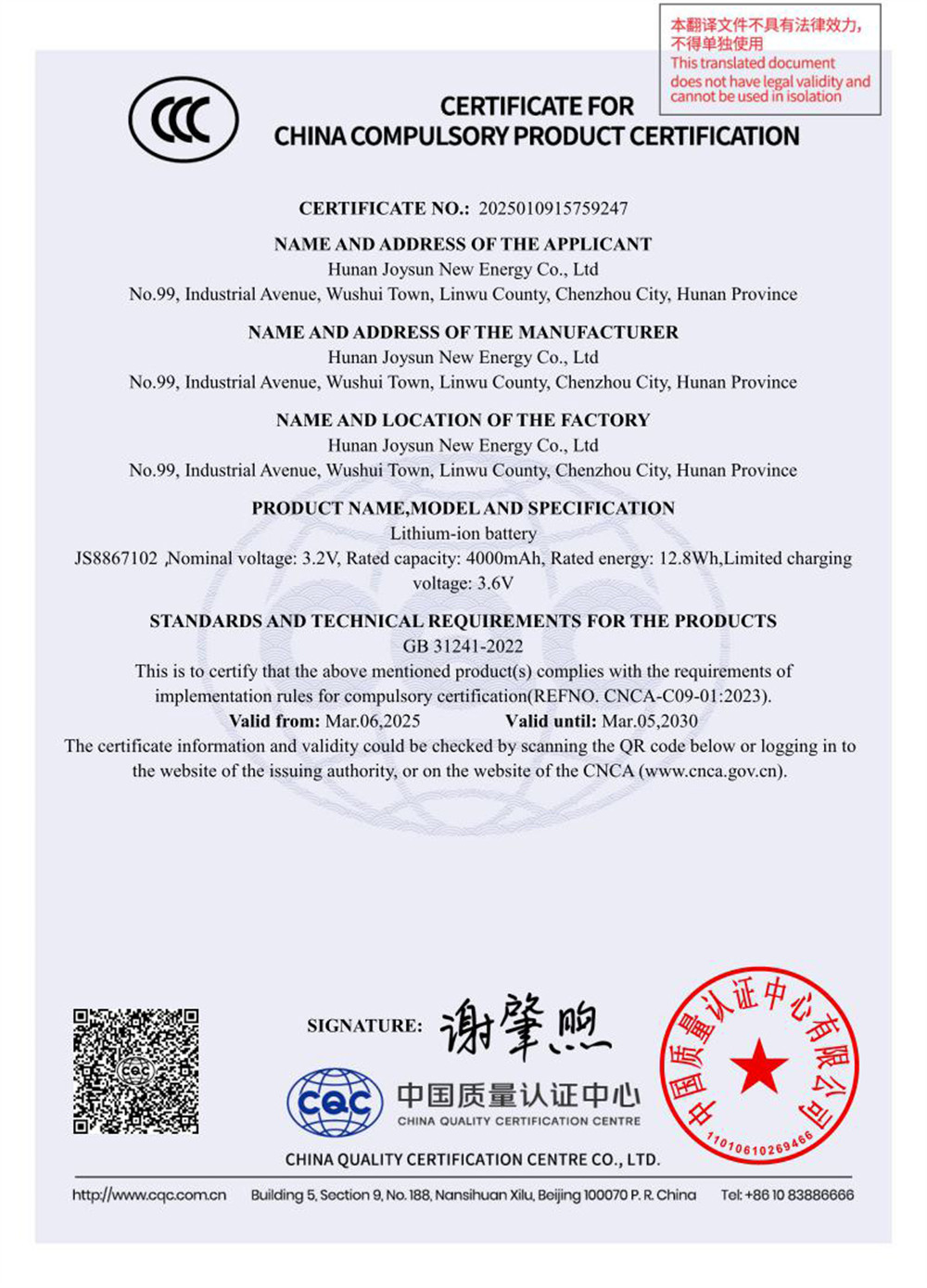
Our Quality Credentials

We maintain verified certifications to support compliance and safety requirements in global markets.
FAQ: Custom ODM Li-Po Development

Find technical answers regarding our custom design capabilities, cell chemistry parameters, and safety integrations.

Q1: How do you prevent cell expansion (swelling) in high-rate discharge applications?
Cell swelling is mitigated through chemistry selection, custom electrode compression during manufacturing, and proper enclosure tolerancing. We configure the mechanical design to manage the battery's natural thickness changes (typically 3% to 10% over its cycle life) without compromising the device structure.
Q2: Can you design a custom BMS with specific communication protocols?
Yes, our design team develops customized BMS circuits supporting standard communication protocols like I2C, SMBus, HDQ, and CANBUS. This allows the host application to monitor real-time metrics including state-of-charge (SoC), voltage, cell temperature, and general health indicators.
Q3: What safety certifications are provided for international shipping?
Every custom battery pack design is engineered to meet safety standards including UN38.3, UL1642, UL2054, IEC 62133, CE, RoHS, and REACH. We provide full test documentation to support import compliance and logistical clearance.
Q4: How do you handle low-temperature operation for aerospace or industrial uses?
For cold-weather or high-altitude operations, we use specialized low-temperature electrolytes that maintain chemical activity down to -40°C. When necessary, we can also integrate internal heaters managed by the BMS to warm cells before charging.
Q5: What is the typical lead time for custom battery samples?
Standard prototype development—including initial CAD design, BMS layout design, cell fabrication, and assembly—is completed within 4 to 6 weeks. Additional time may be required for full environmental and regulatory safety certification.
Q6: What is the differences in cycle life between custom NCM and LFP chemistry?
NCM chemistry offers higher energy density, making it suitable for applications with weight constraints like drones or portable electronics, with a cycle life of 500 to 1,000 cycles. LFP chemistry offers longer lifespans (2,000 to 5,000+ cycles) and high thermal stability, making it preferred for fixed industrial and railway installations where space and weight are less constrained.