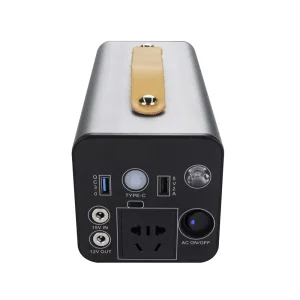
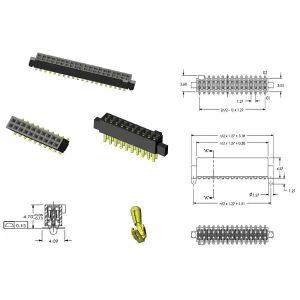
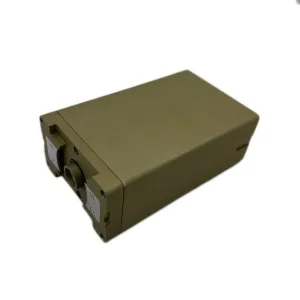
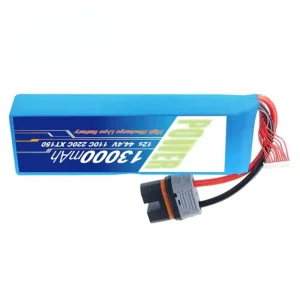
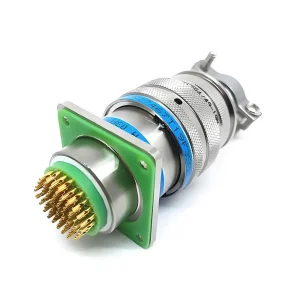
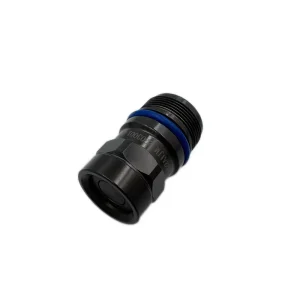
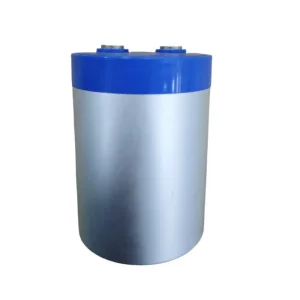
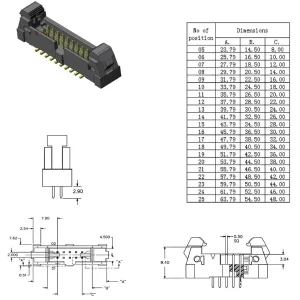
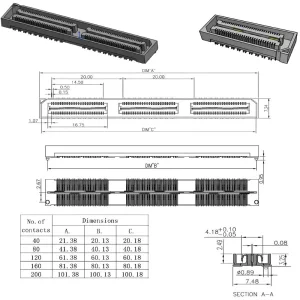
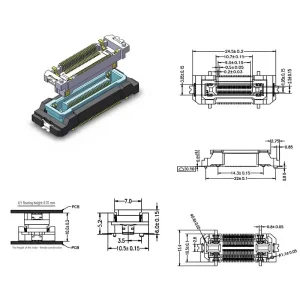
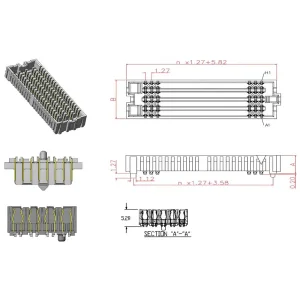
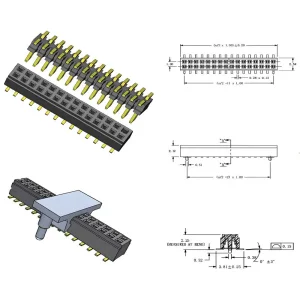
Explore our core selection of customizable lithium-ion battery cells, high-performance connectors, power stations, and parallel low-voltage capacitors designed for global export.
Decoding market parameters, regulatory metrics, and macro-demand dynamics across global industry sectors.
The global transition towards high-efficiency electrification has catapulted lithium-ion battery cells into the status of a foundational macro commodity. As heavy industries, automotive conglomerates, grid operators, and portable system integrators shift away from carbon-intensive power solutions, the demand for high-reliability, customized OEM lithium cell manufacturing has reached unprecedented levels. The complex supply chains of today mandate that OEM manufacturers operate not just as assembly partners, but as vertically integrated engineering specialists capable of fulfilling precise mechanical, electrical, and chemical performance indicators.
In regions such as North America, the European Union, and Asia-Pacific, regulatory frameworks like the EU Battery Passport and local sustainability subsidies have placed strict compliance rules on battery lifecycle tracing, recycling performance, and carbon footprint accountability. A reliable supplier must offer robust traceability alongside superior electrochemical parameters. Consequently, state-of-the-art manufacturing facilities must match high-throughput production with advanced safety protocols, guaranteeing that every battery cell complies with international standards such as UN38.3, IEC 62133, and UL 1642.
Demands high discharge capacities, fast charging capabilities, and long-term cycle stability to support vehicle electrification and urban transport systems.
Focuses heavily on safety metrics, LFP chemistry stability, thermal runaway mitigation, and extended cycle life parameters for grid peak-shaving.
Requires light weight configurations, high gravimetric energy density (Wh/kg), high C-rate capability, and reliable operation under extreme temperatures.
Dynalink Electronic Technology Co., Ltd (DL), established in 2007, currently has a workforce of over 800 employees, among which more than 200 are dedicated technical and R&D staff. We are a technology-driven design and manufacturing company specializing in high-performance power supplies, energy storage capacitors, and precision connectors.
Through persistent investments in research and development and robust technological innovation, Dynalink has established a complete, vertically integrated industrial chain. This encompasses advanced material research and development, innovative product design, and micro-precision manufacturing. Thanks to our core engineering advantages of high reliability and excellent performance, Dynalink products are widely used in critical fields such as aviation, aerospace, marine shipping, railway systems, new energy vehicles, the medical industry, UAV drones, and intelligent robotics, providing advanced custom OEM/ODM solutions globally.

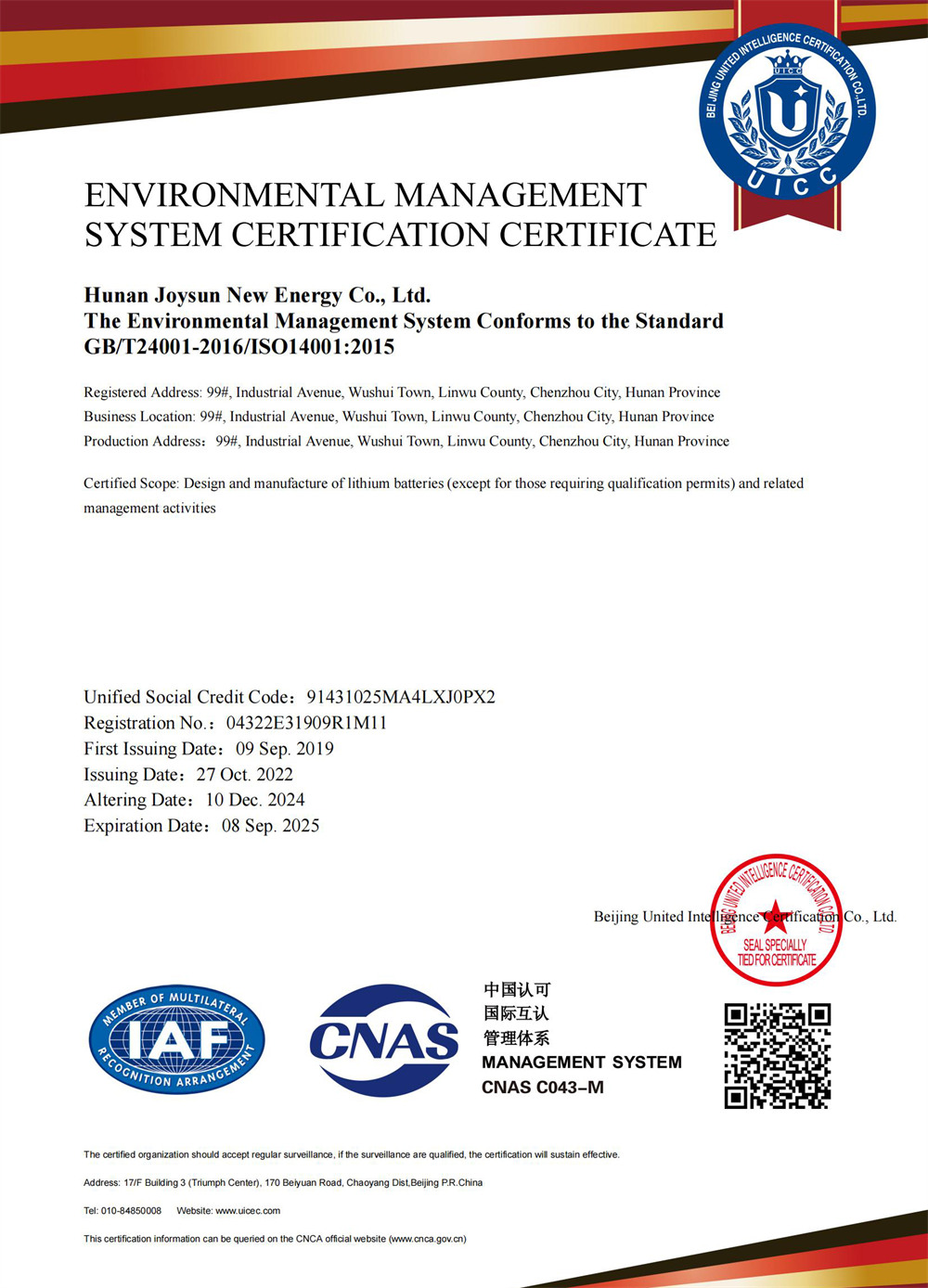
Environmental Management System Certificate
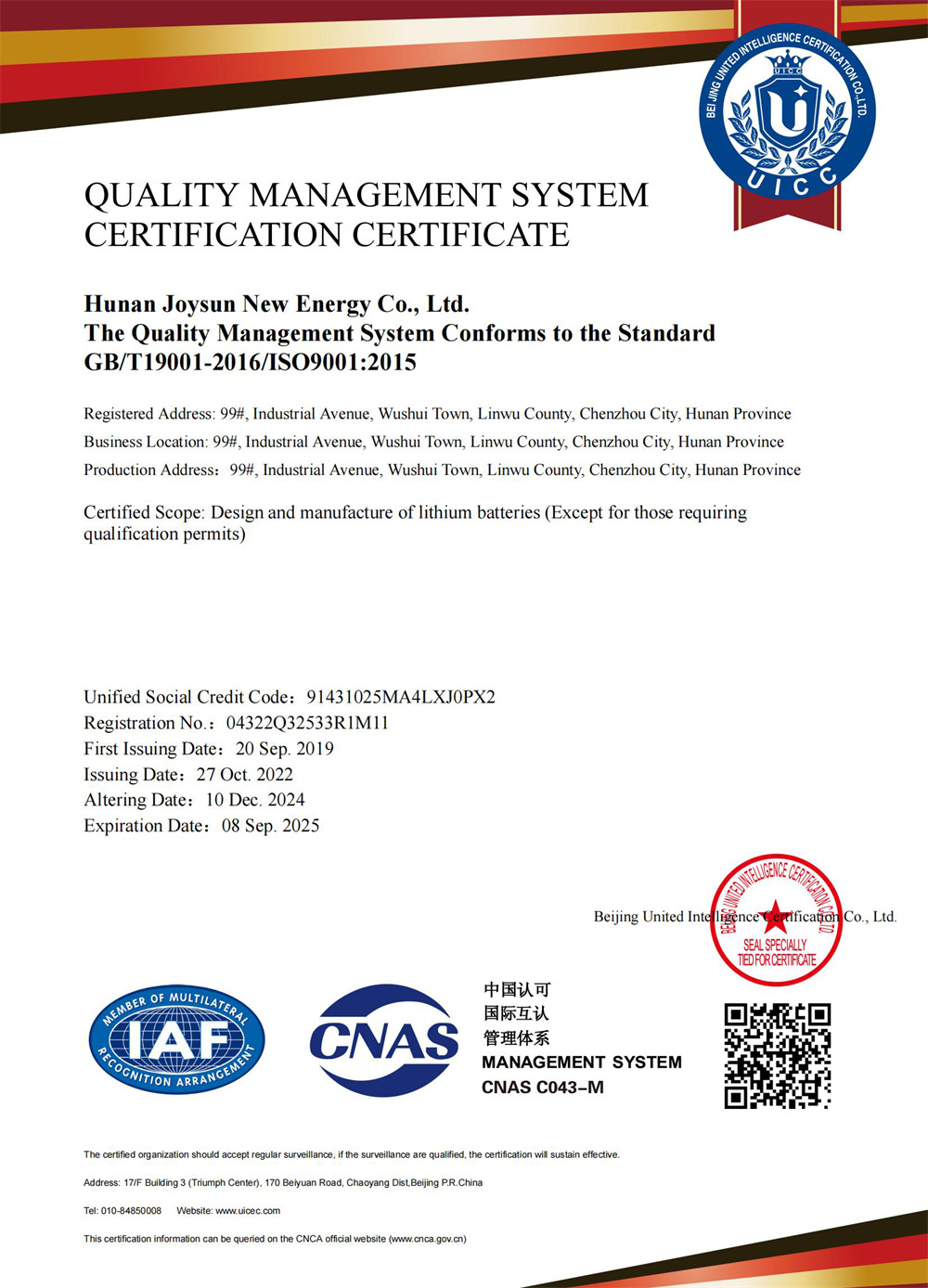
Quality Management System Certificate
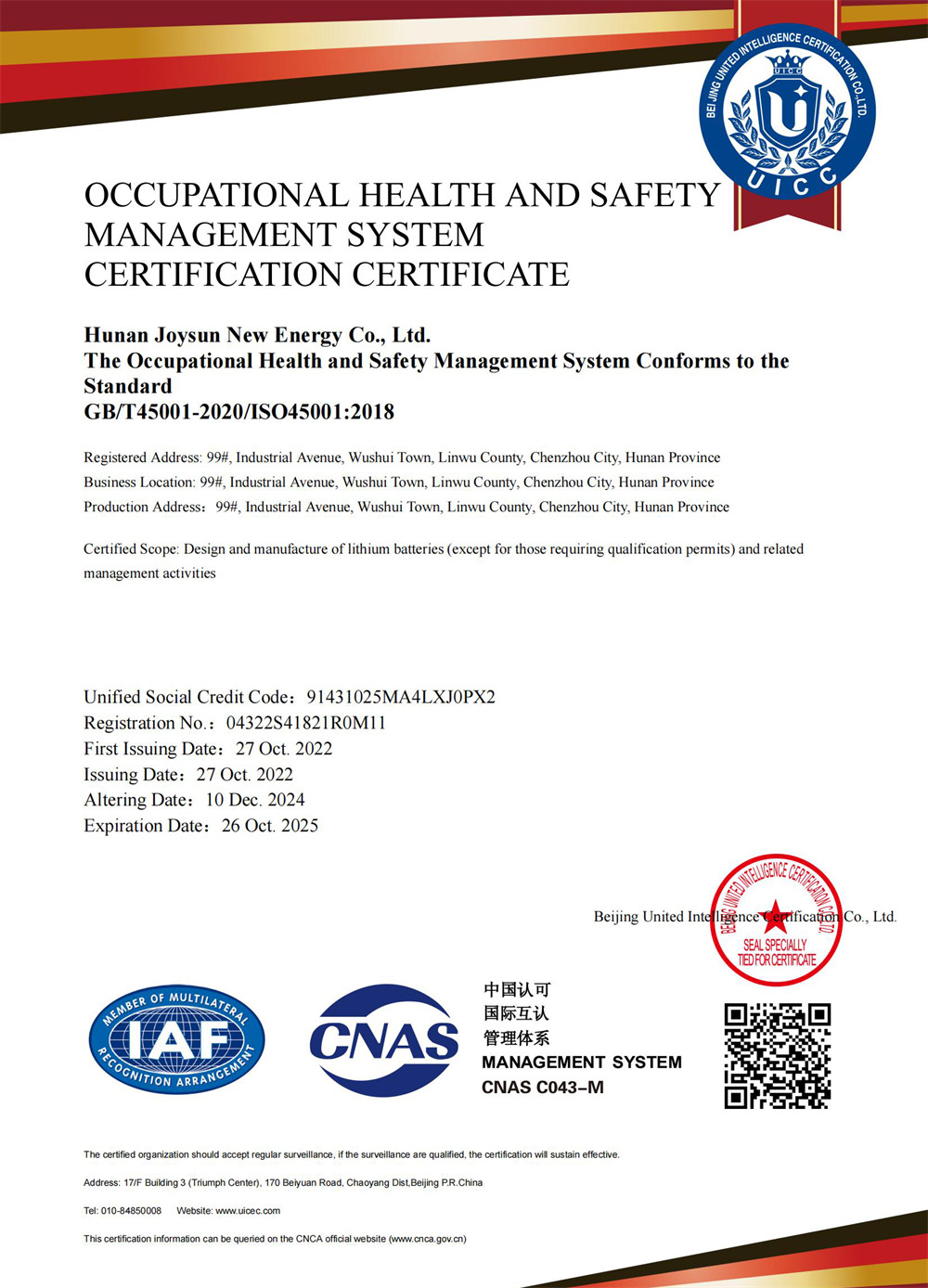
Occupational Health and Safety Management System

Exploring the chemical evolution from liquid-electrolyte lithium cells to next-generation solid-state architectures.
To sustain competitive dominance, Dynalink’s battery research lab actively tracks and defines cell technology roadmaps. Our R&D team targets the optimization of energy density, cycle life, thermal boundaries, and chemical safety characteristics. By transitioning from conventional carbon anodes to silicon-oxygen (Si-O) composites, we are raising the volumetric energy threshold of our cell offerings. Concurrently, our cathode development supports both high-nickel NMC (Nickel Manganese Cobalt, such as NMC 811) for maximum gravimetric performance and cobalt-free LFP (Lithium Iron Phosphate) chemistries for lower-cost, ultra-safe stationary applications.
Looking to the next decade, Dynalink is actively positioning itself to overcome the technical bottlenecks of solid-state lithium batteries. Replacing liquid electrolytes with solid-state alternatives eliminates risk of leakage, mitigates dendritic growth pathways, and supports temperatures up to 80°C without runaway hazards. This technological frontier will revolutionize not only drone autonomy but also aerospace safety parameters.
By blending silicon-carbon compounds into traditional graphite anodes, we increase specific capacity by up to 20%, reducing the physical footprint of industrial cells.
Developing solid polymer and ceramic-based electrolytes to increase thermal endurance, prevent dendrites, and lift energy densities past 400 Wh/kg.
Embedding multi-node micro-sensors inside custom battery packs, enabling real-time cell-balancing, state-of-charge tracking, and predictive thermal diagnostics.
Our operational capacity in numbers — proving market reach, manufacturing depth, and technological competence.
Dynalink does not simply manufacture and supply general battery cells; we provide a comprehensive, fully-realized custom design and manufacturing system. By using advanced software platforms, dynamic modeling, and validation technologies, our team delivers integrated system solutions spanning from simple cell components to complete power electronics assemblies.
We supply high-C-rate, light-weight polymer cells ensuring rapid energy throughput, efficient battery charging/discharging, and reliable endurance during flight operations.
High-speed circular and rectangular connectors paired with stable energy storage capacitors guarantee low-loss data transfer and continuous, uninterrupted server operations.
Highly protected circular electrical connectors and ruggedized power modules offer dust, vibration, and water resistance for assembly lines and CNC robotic equipment.
Through our intelligent design and simulation platform, we quickly model, prototype, and manufacture custom solutions matching client pitch, capacity, voltage, and geometry requirements.
Taking product quality as our shield, we continually optimize manufacturing pipelines, precision stamping, and automated cell assembly to establish benchmarks in global hardware supply chains.
Empowering life with technology and creating a sustainable future. We strive to lead the electronics industry as a first-tier, system-integrated power and connectivity solution provider, based on integrity, innovation, and mutual win-win cooperation.
We foster a collaborative, high-tech workspace environment, offering career progression paths and extensive electronic engineering and electrochemistry training to our 200+ design staff.
Focusing on battery cells, capacitors, and connectors, we push the boundaries of solid-state safety, increase capacitor energy density, and engineering zero-loss blind-mate and float connectors.
Our commitment to precision, certified through rigorous international third-party audits.
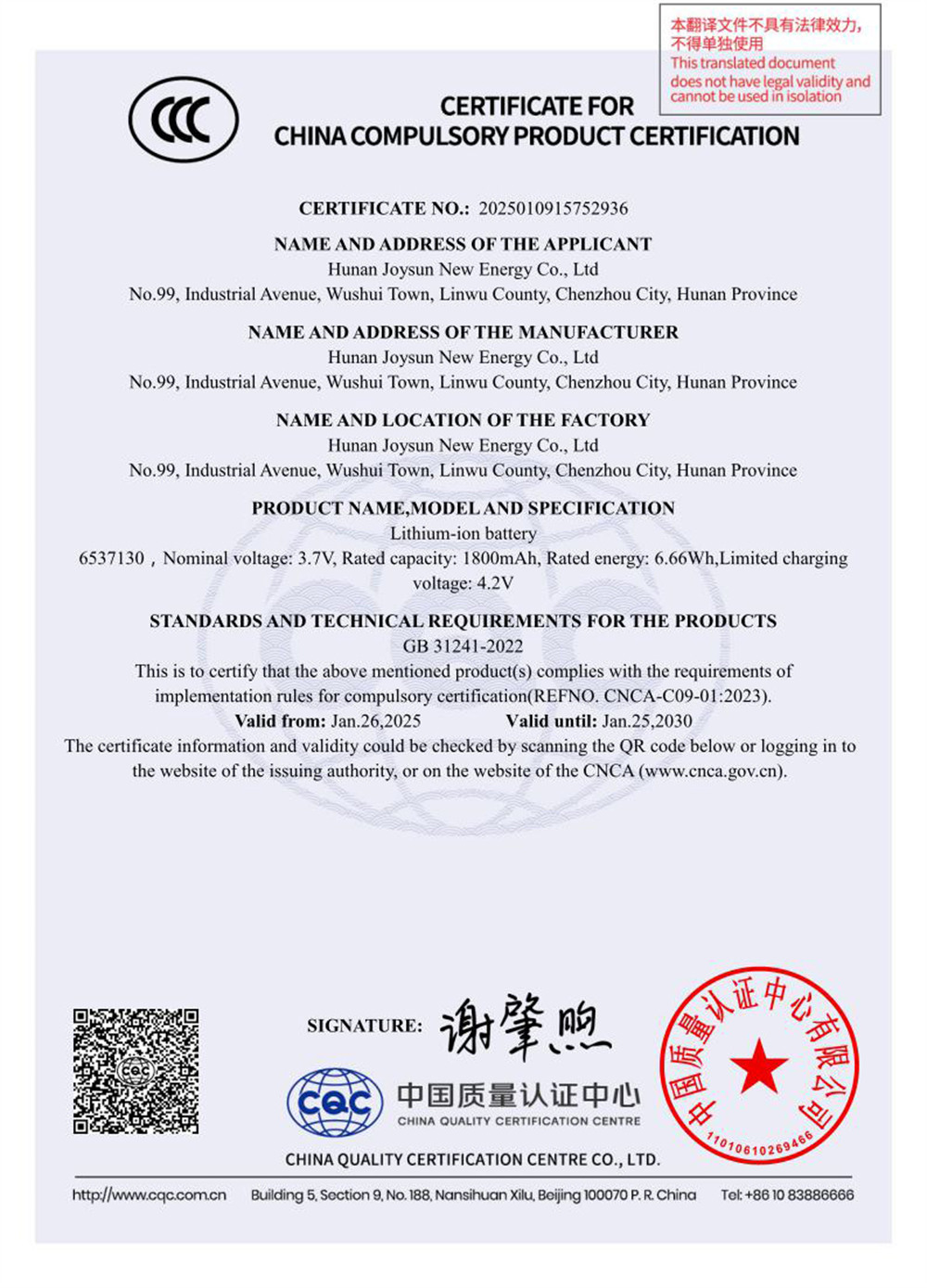
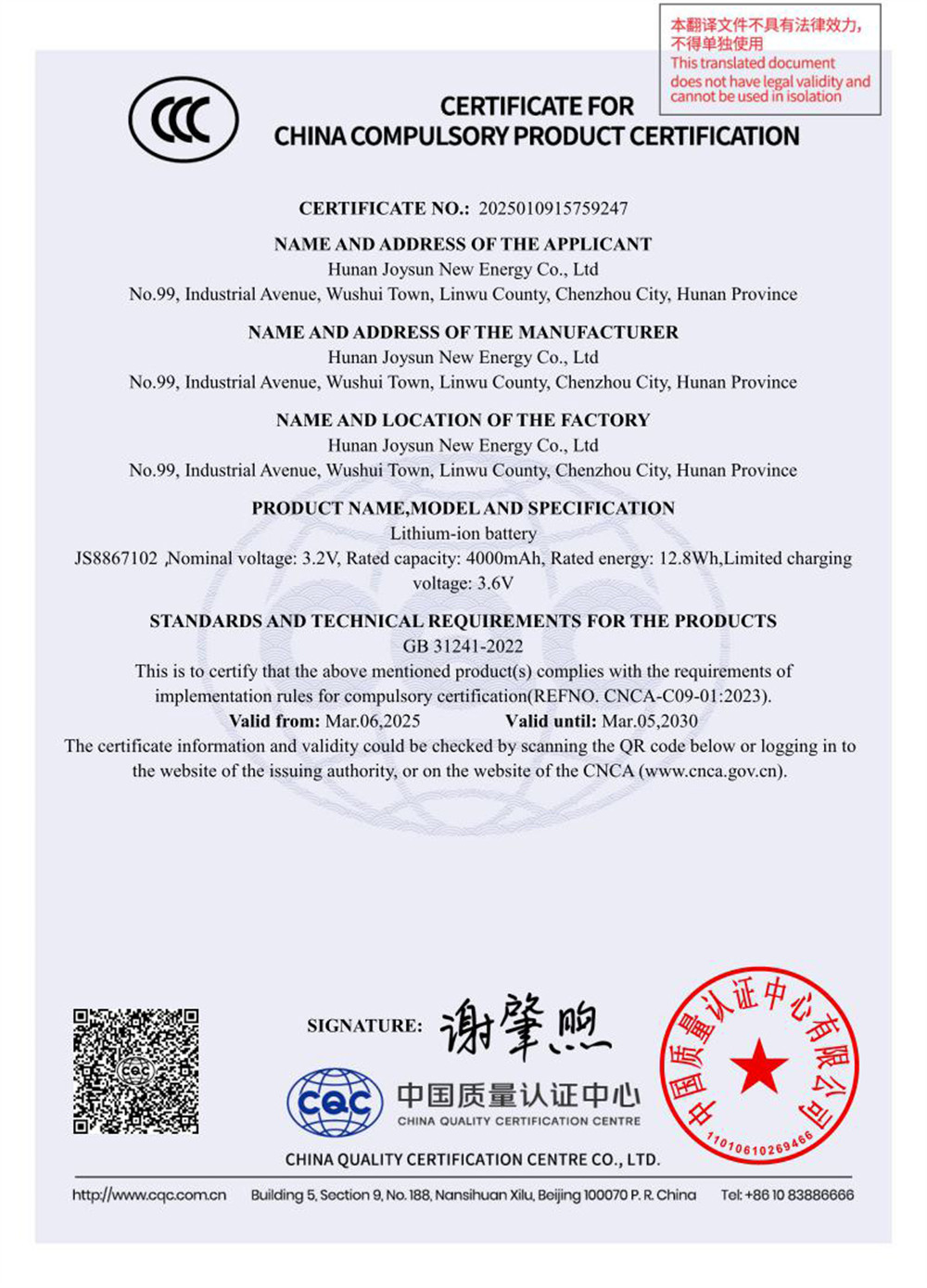
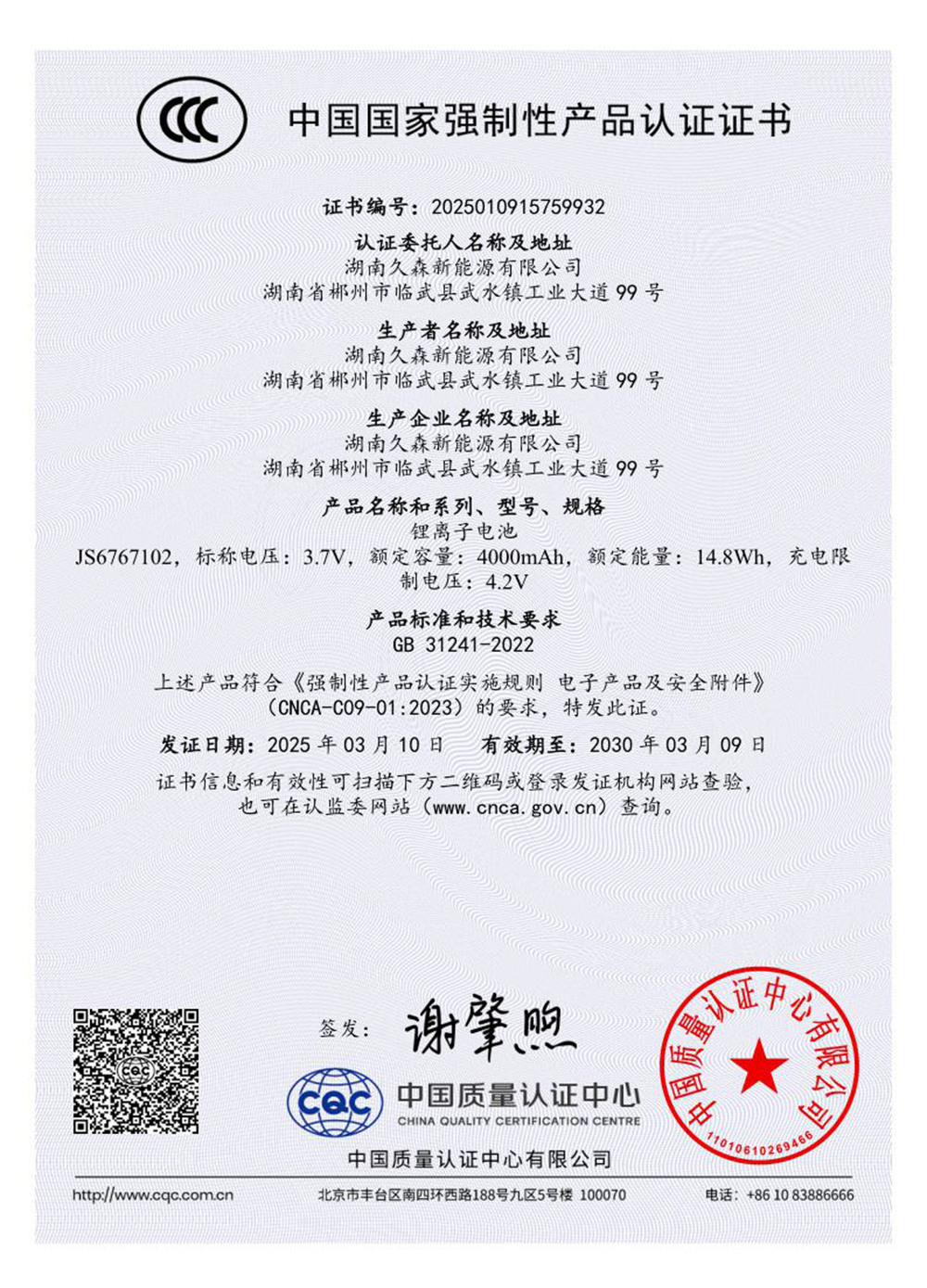
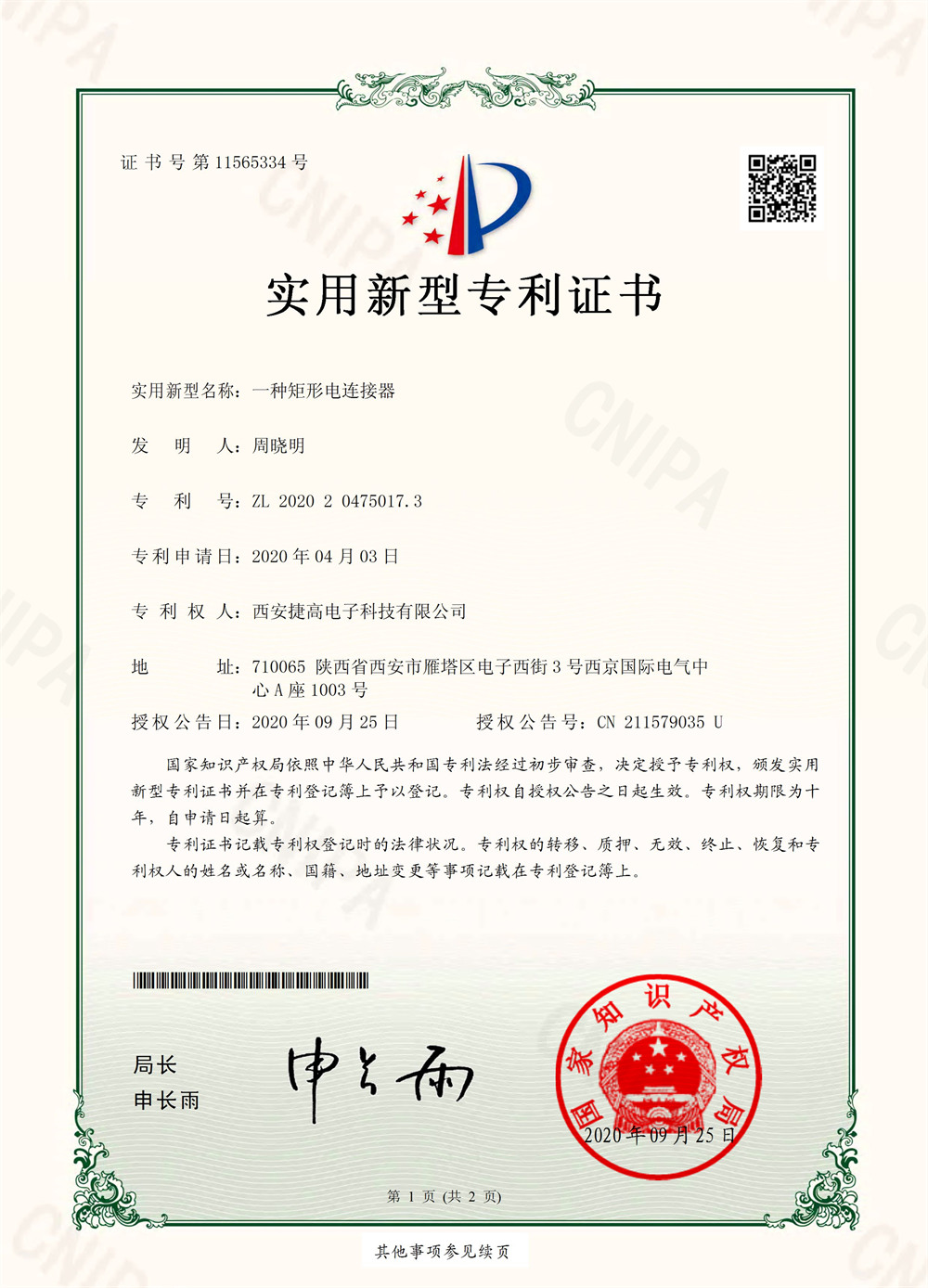
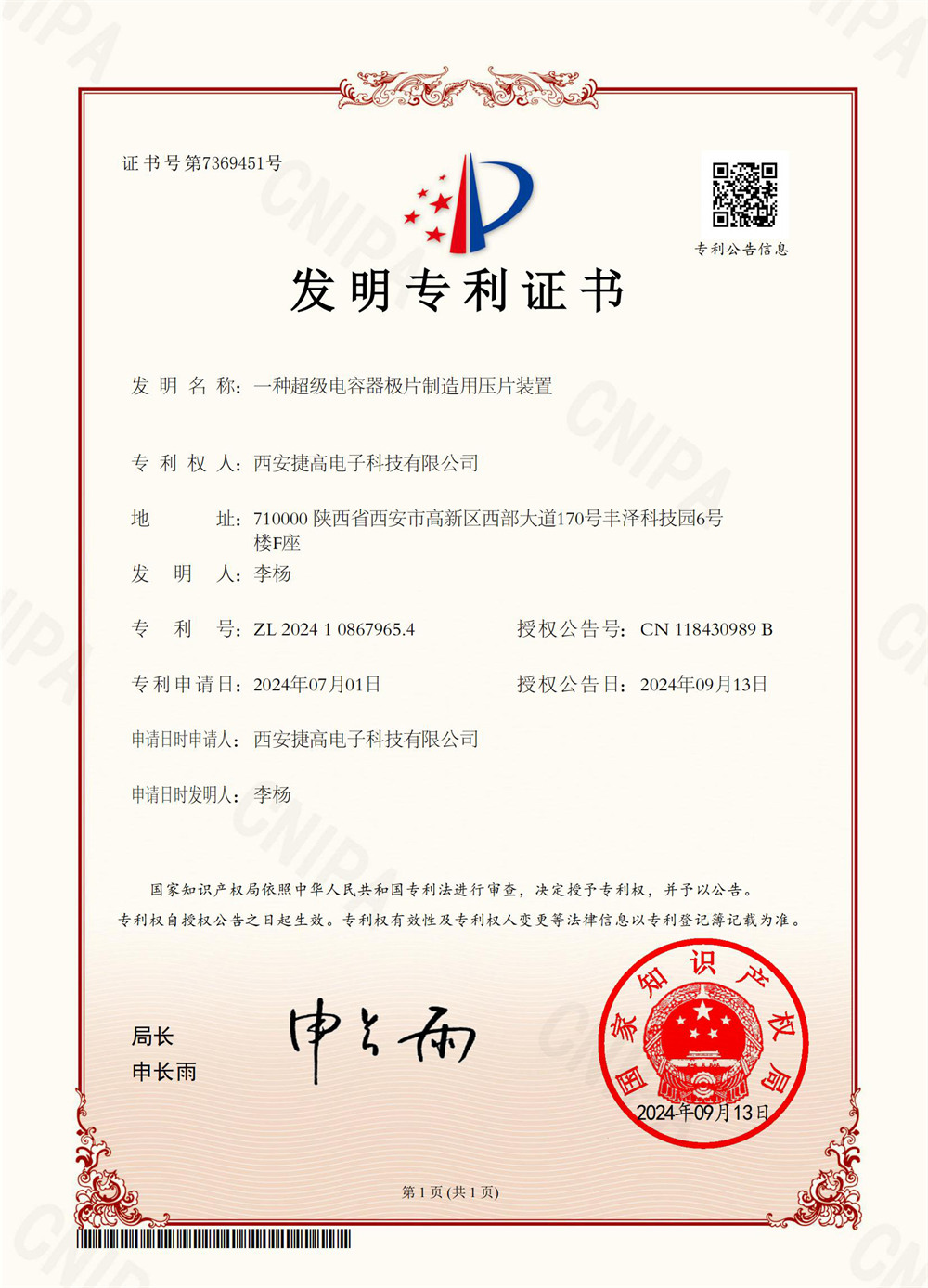
A look at the mechanical configurations, testing paradigms, and custom options Dynalink offers our global B2B clients.
For industrial system designers, purchasing battery cells off-the-shelf often introduces packaging bottlenecks and compromises system integration. Dynalink resolves this challenge by providing a complete OEM customization framework. The customization pipeline begins with electrochemical chemistry adjustments, allowing clients to specify their optimal trade-off between C-rate (charge/discharge speeds) and gravimetric energy density (Wh/kg). Our production lines handle three main battery shapes: cylindrical (e.g., 18650, 21700, 4680 formats), prismatic (highly durable aluminum casing for automotive and energy storage), and pouch cells (ideal for aerospace, drones, and consumer electronics due to their low weight and flexible shapes).
Beyond the raw battery chemistry, Dynalink’s integration capability covers internal wiring, balancing circuits, temperature sensors (NTC thermistors), and custom protective casings (IP67 or IP68 ratings for harsh industrial settings). Our testing phase is particularly comprehensive. Every OEM production run undergoes structural drop tests, vibration testing to military standards, high-altitude low-pressure simulation, cyclic thermal testing (-40°C to +85°C), and short-circuit testing. This ensures that the battery packs we deliver function reliably in complex environments, from sub-zero railway sensors to hot industrial assembly lines.
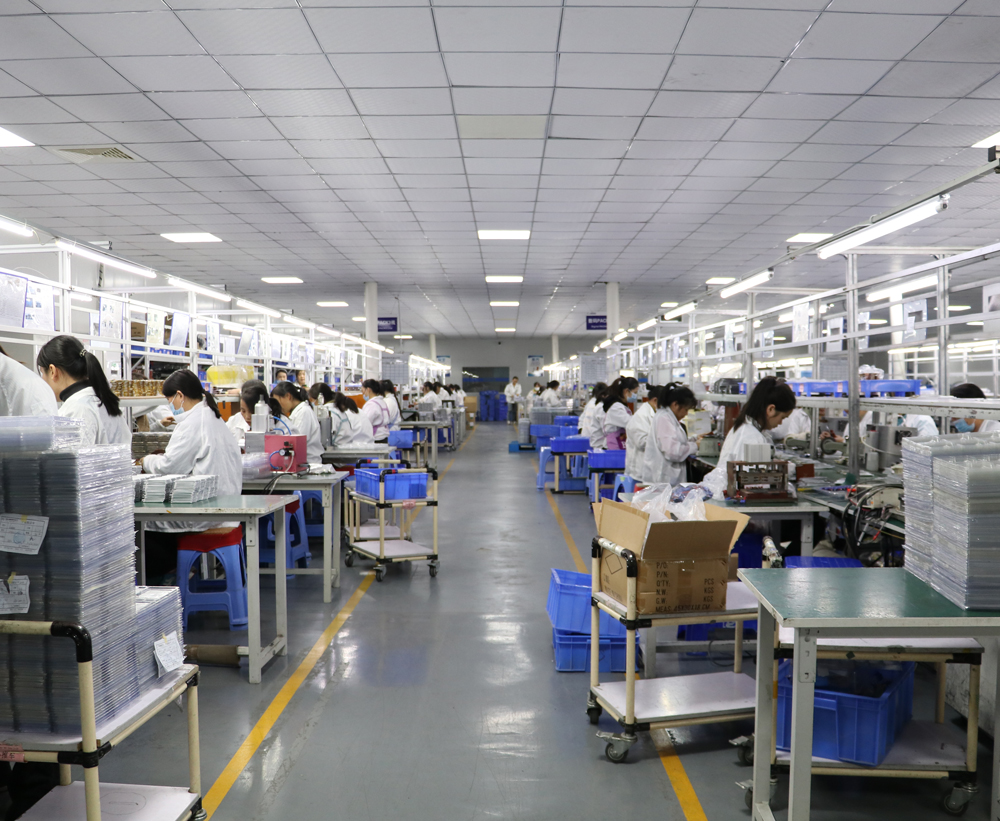
Addressing core technical, compliance, and supply chain queries raised by procurement teams and electrical engineers.
Explore our range of connectors, multi-row plug units, high-capacity capacitors, and industrial power supplies.
 Dynalink Electronic