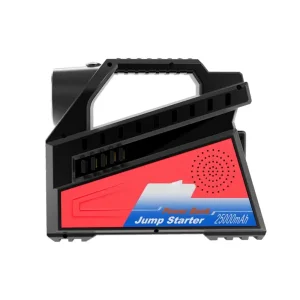
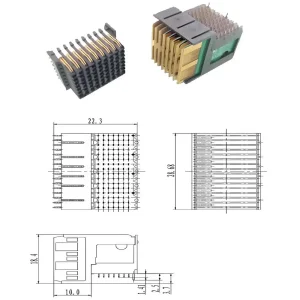
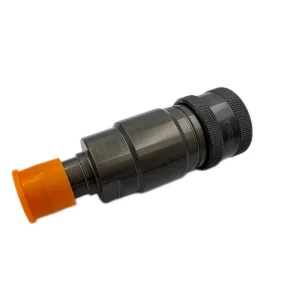
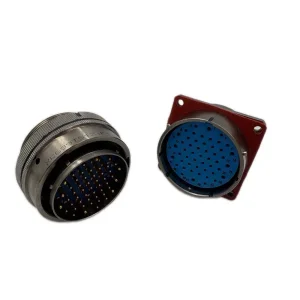
Explore our premium components engineered for high reliability, fast charging capabilities, and exceptional signal and fluid transmission safety.
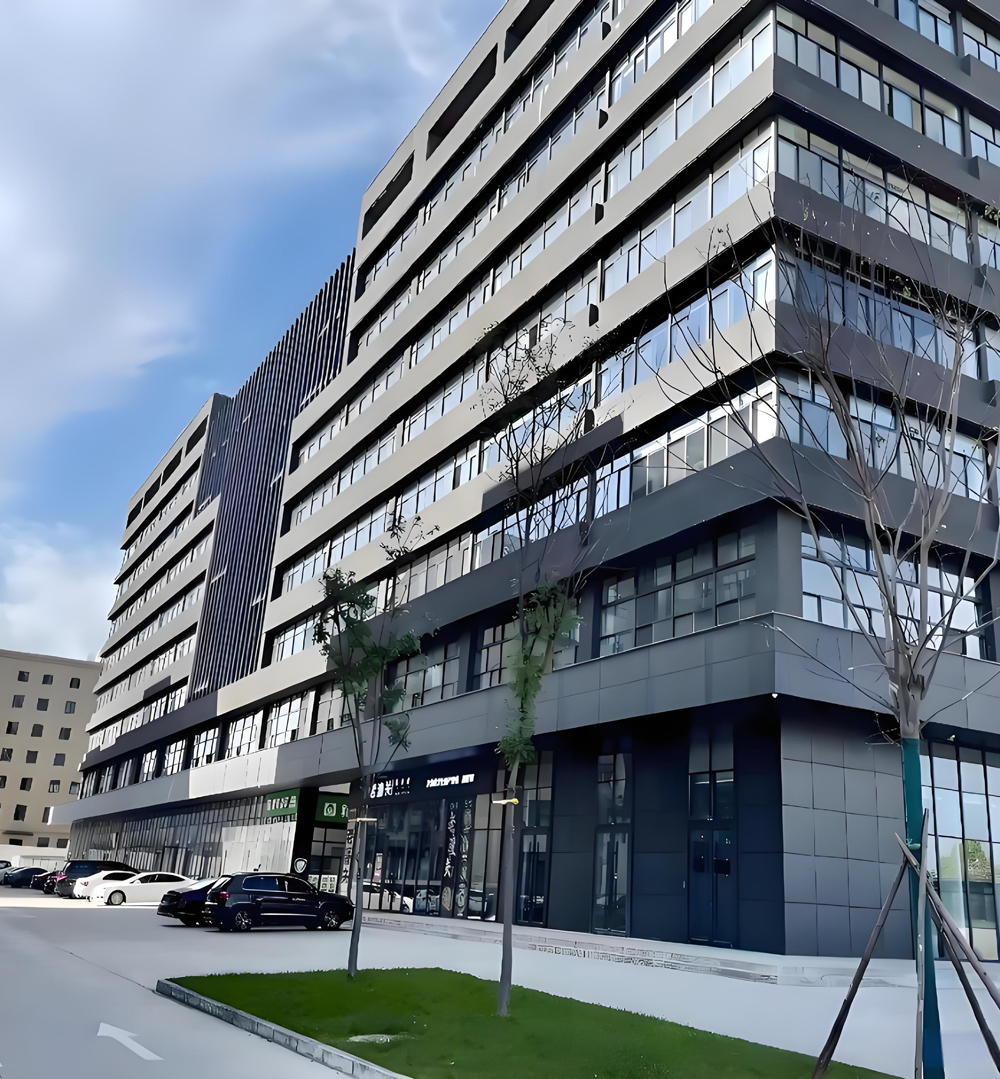
Dynalink Electronic Technology Co., Ltd (DL), established in 2007, currently has a workforce of over 800 employees, among which more than 200 are highly specialized technical staff. As a technology-driven design and manufacturing company, DL specializes in advanced power supplies, high-energy-density capacitors, and high-performance electronic connectors.
With continuous investment in research and development and strong innovation capabilities, the company has built a complete industrial chain encompassing material research and development, product design, and precision manufacturing. Thanks to the advantages of high reliability and excellent performance, our products are widely used in key fields such as aviation, aerospace, shipping, railways, new energy vehicles, the medical industry, drones, and robots, providing customized solutions for global customers.
A global technological footprint built on innovation, safety certification, and scalable manufacturing capabilities.
DL not only provides customers with high-quality power supplies, energy storage capacitors, and connectors, as well as full-cycle services, but also, relying on its profound technical accumulation and innovative capabilities, has established a comprehensive customized development system.
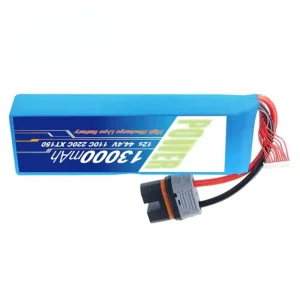
In the field of drones, our advanced products ensure efficient battery charging and discharging, high C-rate capability under extreme duty cycles, and the stable, continuous operation of the onboard power system.
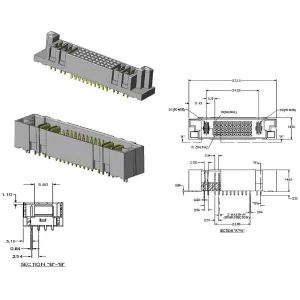
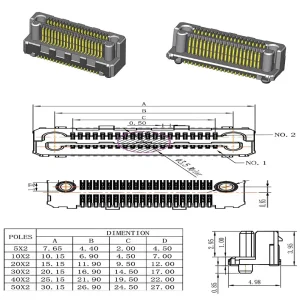
For data centers, high-speed connectors, VPX series backplanes, and highly stable power supplies ensure low-loss transmission of massive amounts of data and the ultra-reliable operation of server systems.
In industrial automation scenarios, fluid and electrical connectors with high protection performance (IP67/IP68) and precision power supplies provide solid support for equipment operating in complex, harsh environments.
Relying on our self-developed intelligent design platform, we can quickly respond to customer needs and provide integrated solutions from customized component level to large systems.
In the future, DL will continue to deeply engage in technological innovation, promote industrial upgrading, and integrate advanced power supply technologies into every corner of life.
Analyzing the chemistry mechanics, high-current connection bottlenecks, and safety boundaries in next-generation high-rate charging ecosystems.
Fast-charging lithium-ion batteries are primarily categorized by their capability to absorb charge without inducing lithium plating—a dangerous state where metallic lithium deposits form on the anode, eventually causing internal short-circuits. At Dynalink, our ODM battery R&D team works extensively with advanced anode chemistry modifications. By optimizing graphite anode structures with silicon-carbon composites and engineered nanostructures, we reduce the diffusion path length for lithium ions, allowing for safe charging at 3C, 5C, and even 10C rates.
This molecular-level optimization is balanced with proprietary electrolyte formulations containing additive blends that lower interfacial resistance at the Solid Electrolyte Interphase (SEI) layer. Consequently, our high-rate battery packs can achieve an 80% state-of-charge (SoC) in less than 15 minutes, while preserving an industry-leading cycle life exceeding 2,000 duty cycles.
One of the primary concerns in high-power fast charging is the exponential generation of heat, dictated by Joule heating ($P=I^2R$). Without appropriate mitigation, localized hot spots can lead to thermal runaway. DL addresses this macro challenge through structural thermal integration:
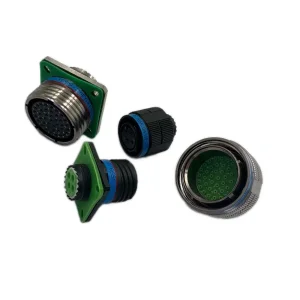
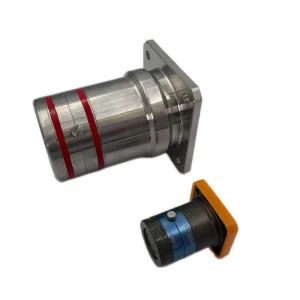
Heavy-duty fast charging cannot exist without robust connector systems. A high-resistance contact point can melt under 100A+ charging current loads. This is why Dynalink's dual competency in both lithium-ion batteries and high-power circular/rectangular connectors is a major asset for ODM buyers. Our circular electrical connectors (e.g., XC and 599 Series) and bayonet fluid-locking connectors are engineered to work in tandem with our battery packs. High-conductivity copper alloys combined with gold plating ensure contact resistances remain below $0.5\text{ m}\Omega$, limiting local heat generation and optimizing total charging system efficiency.
Taking quality as our shield, we continuously optimize processes and standards to forge industry benchmark products.

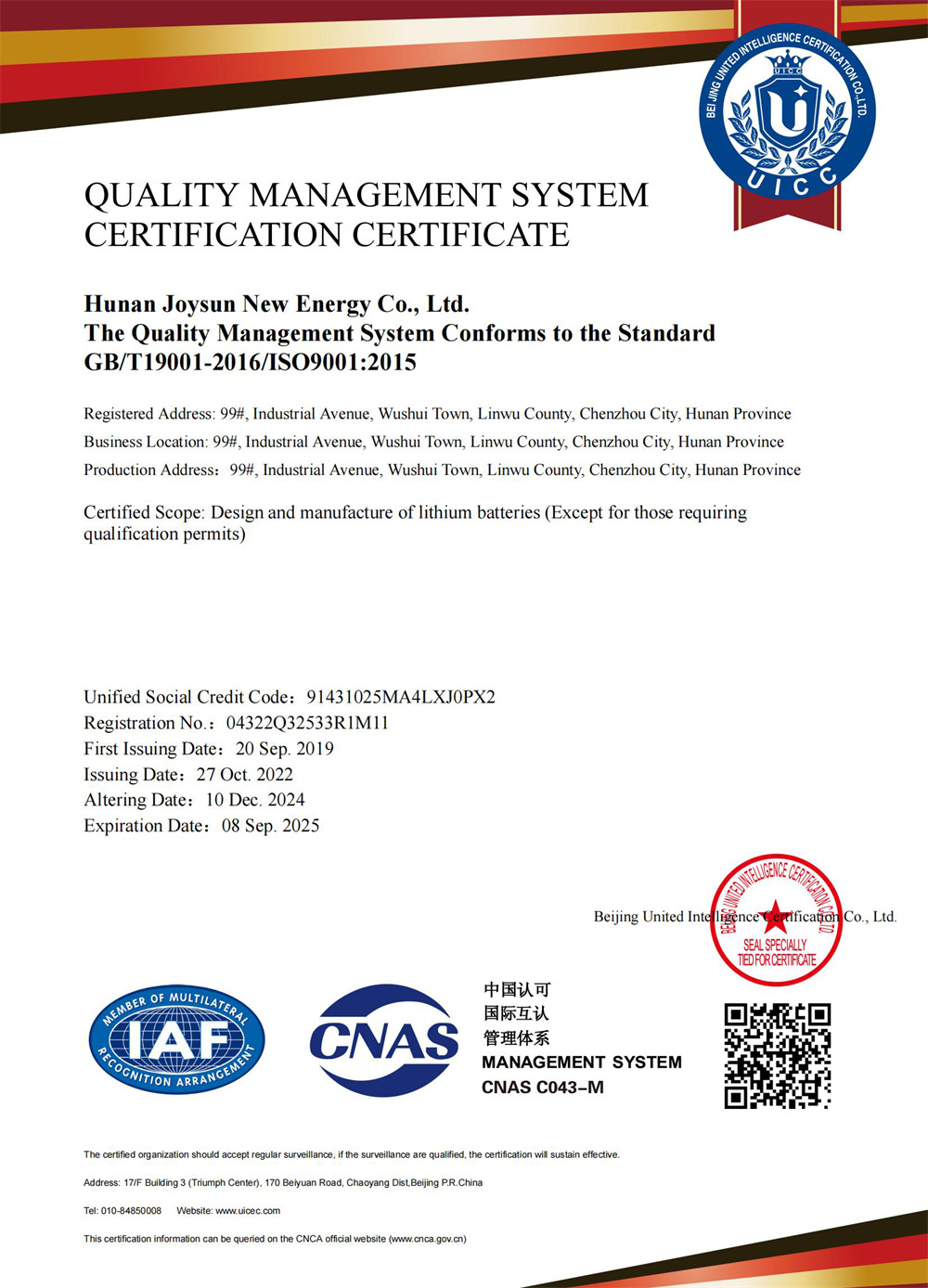
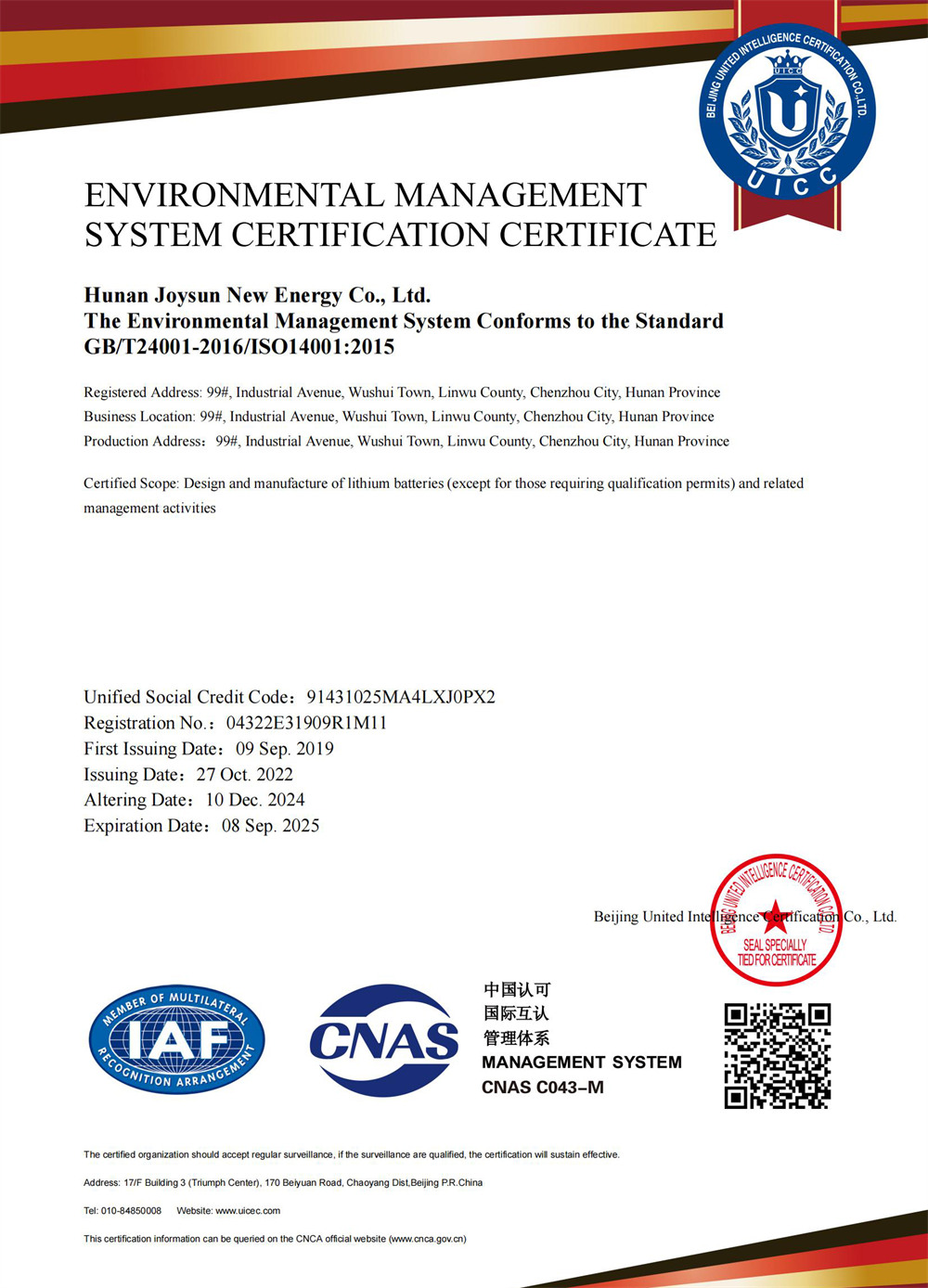
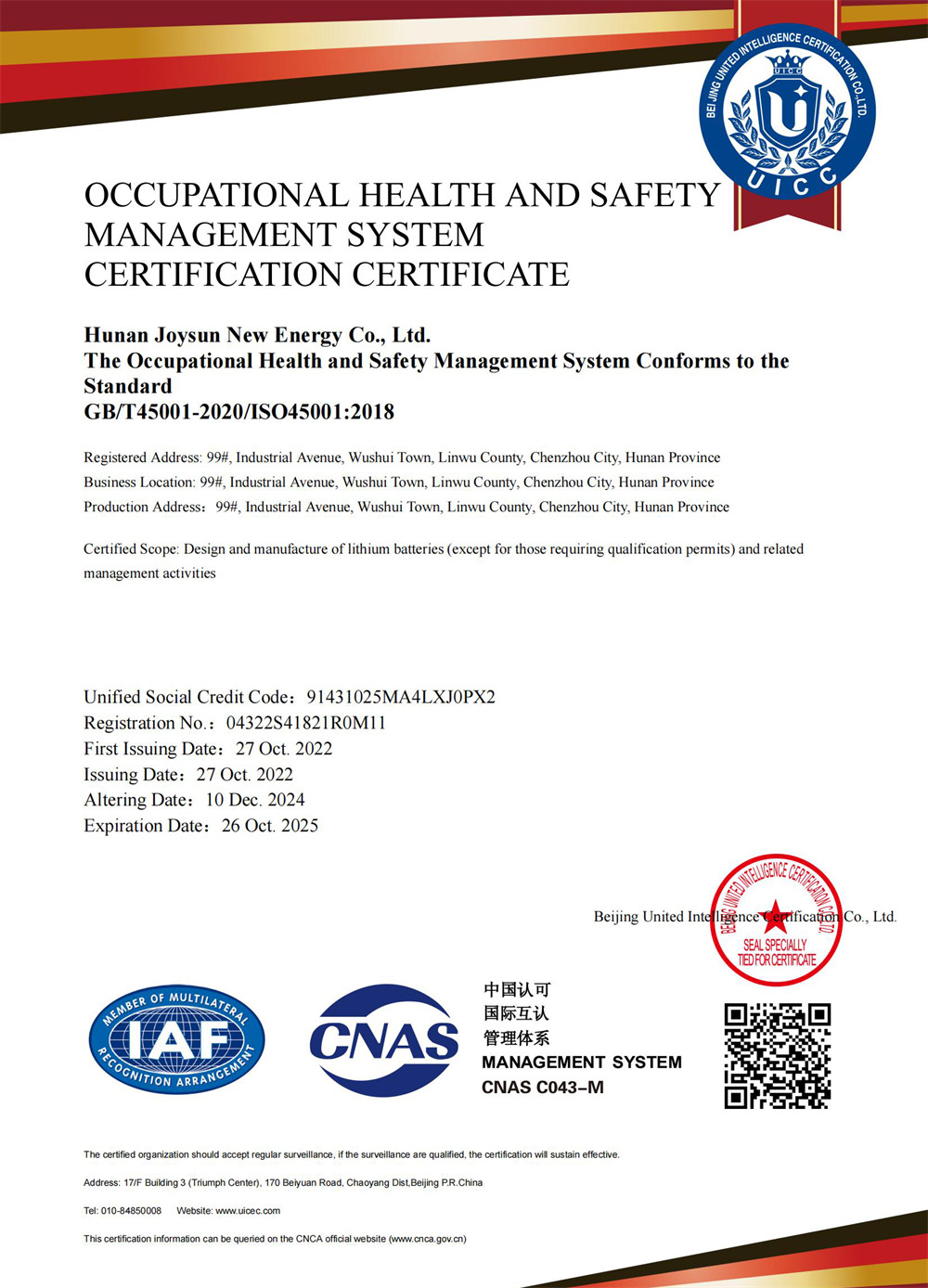
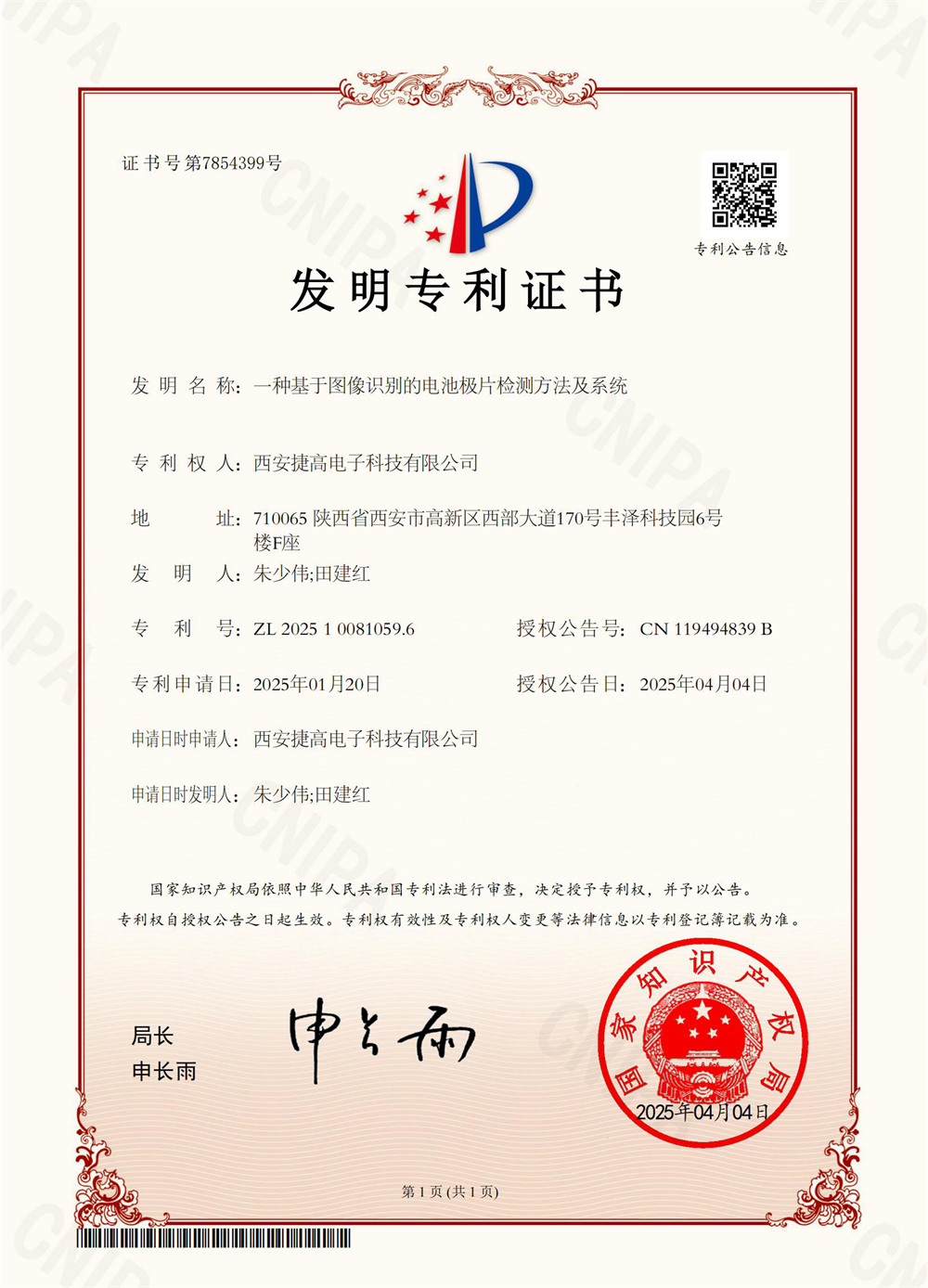
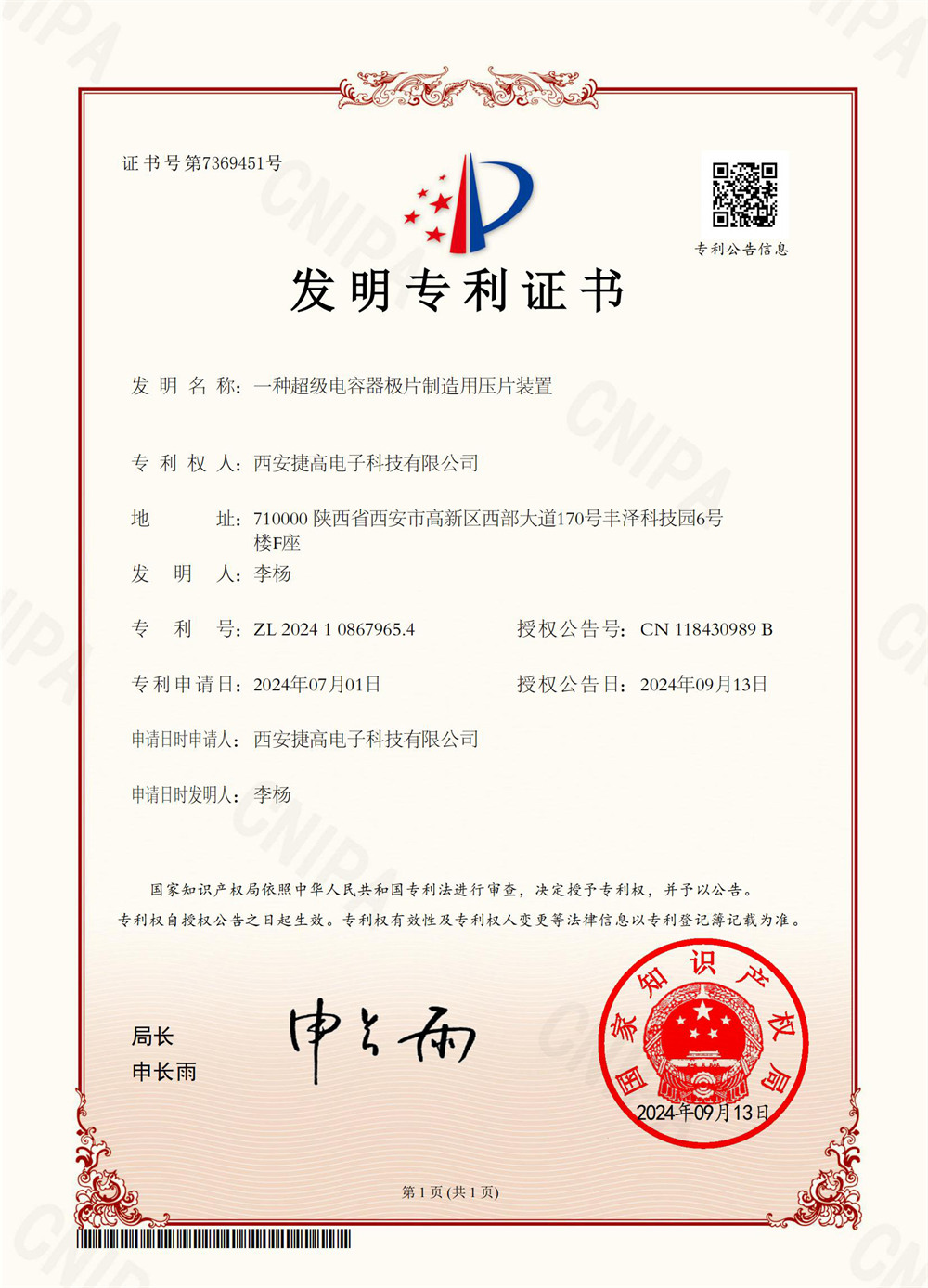
Dynalink maintains strict quality control measures, validated by global standards bodies across electrical, aerospace, and safety sectors.
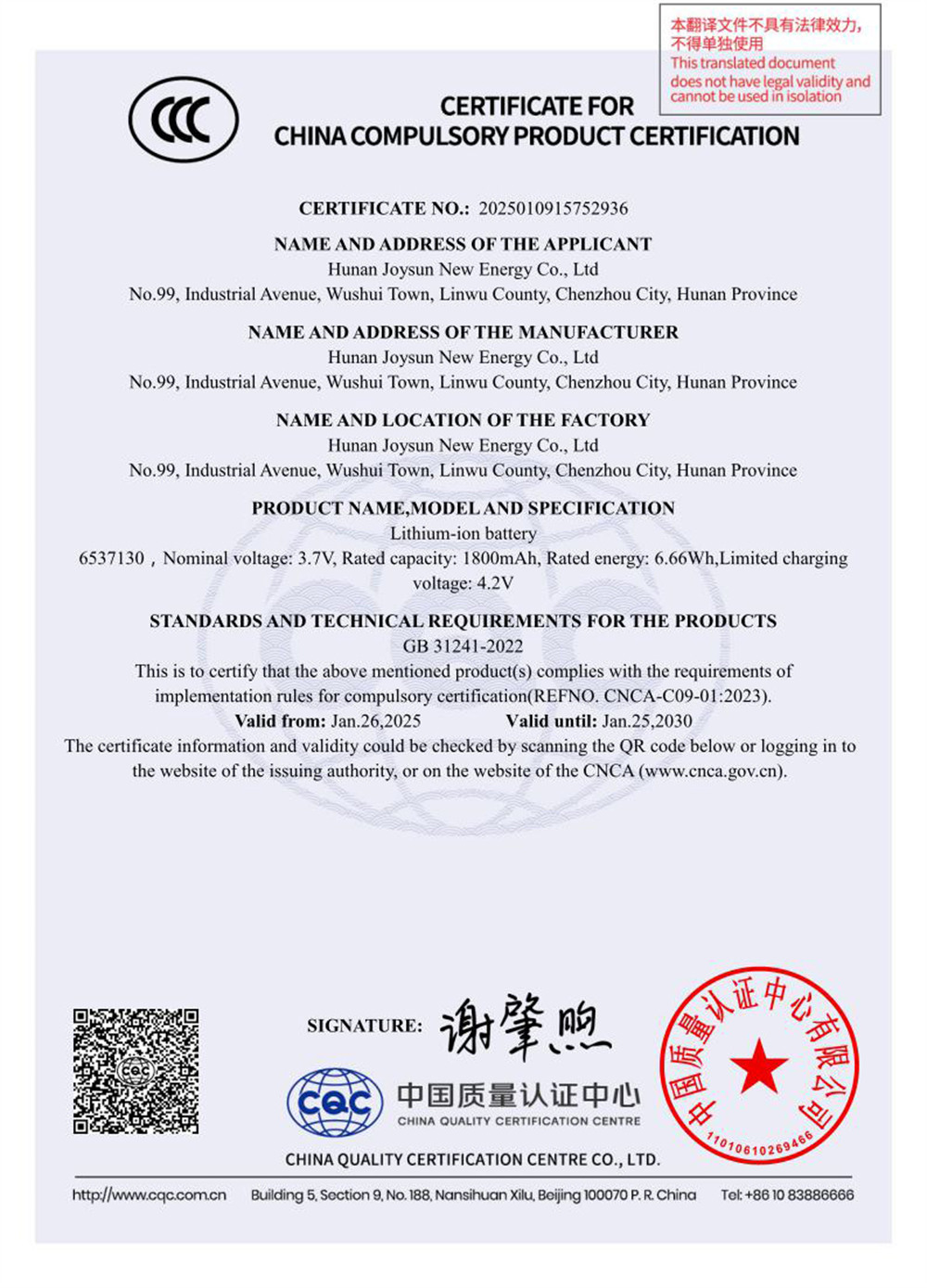
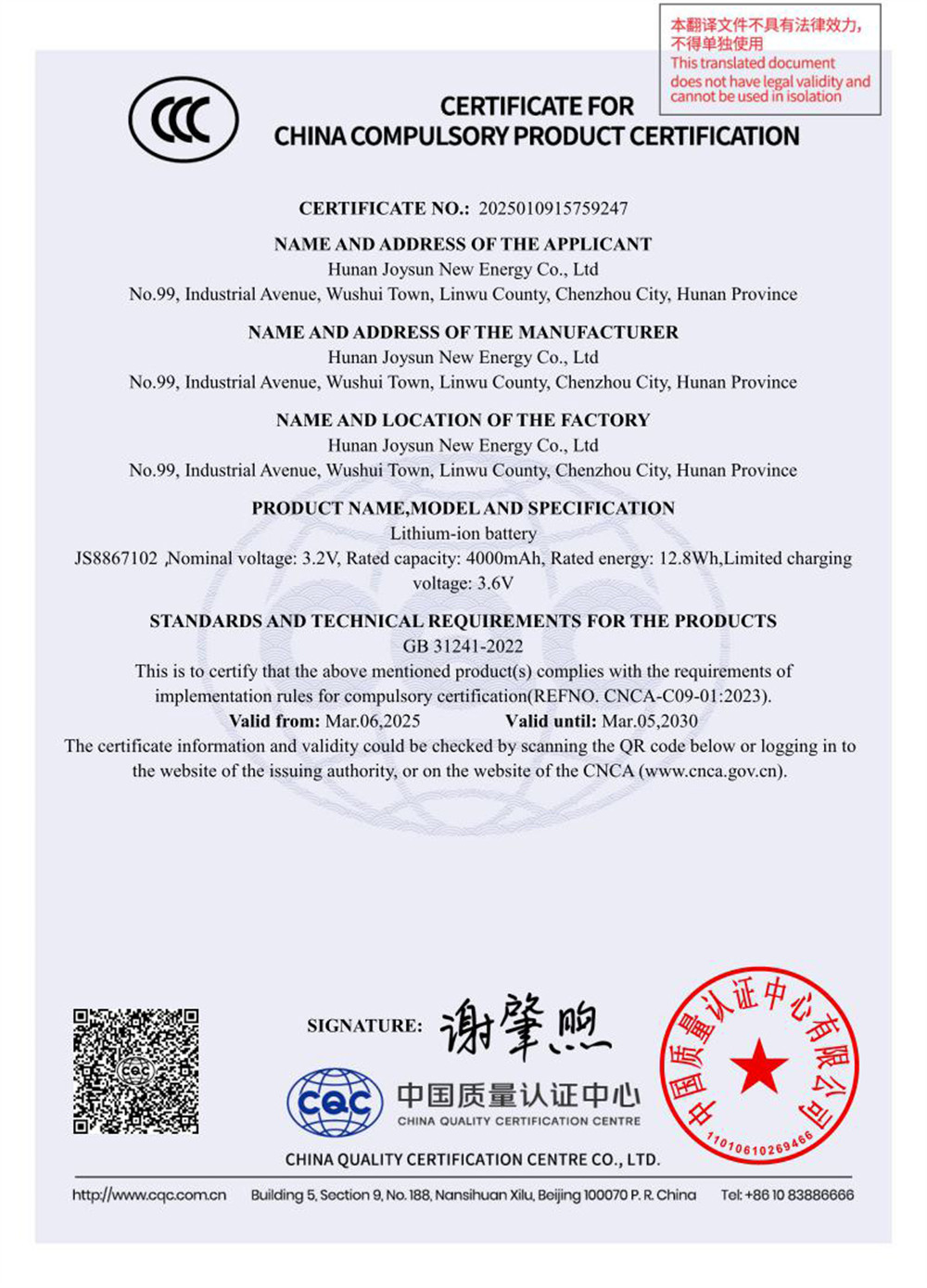
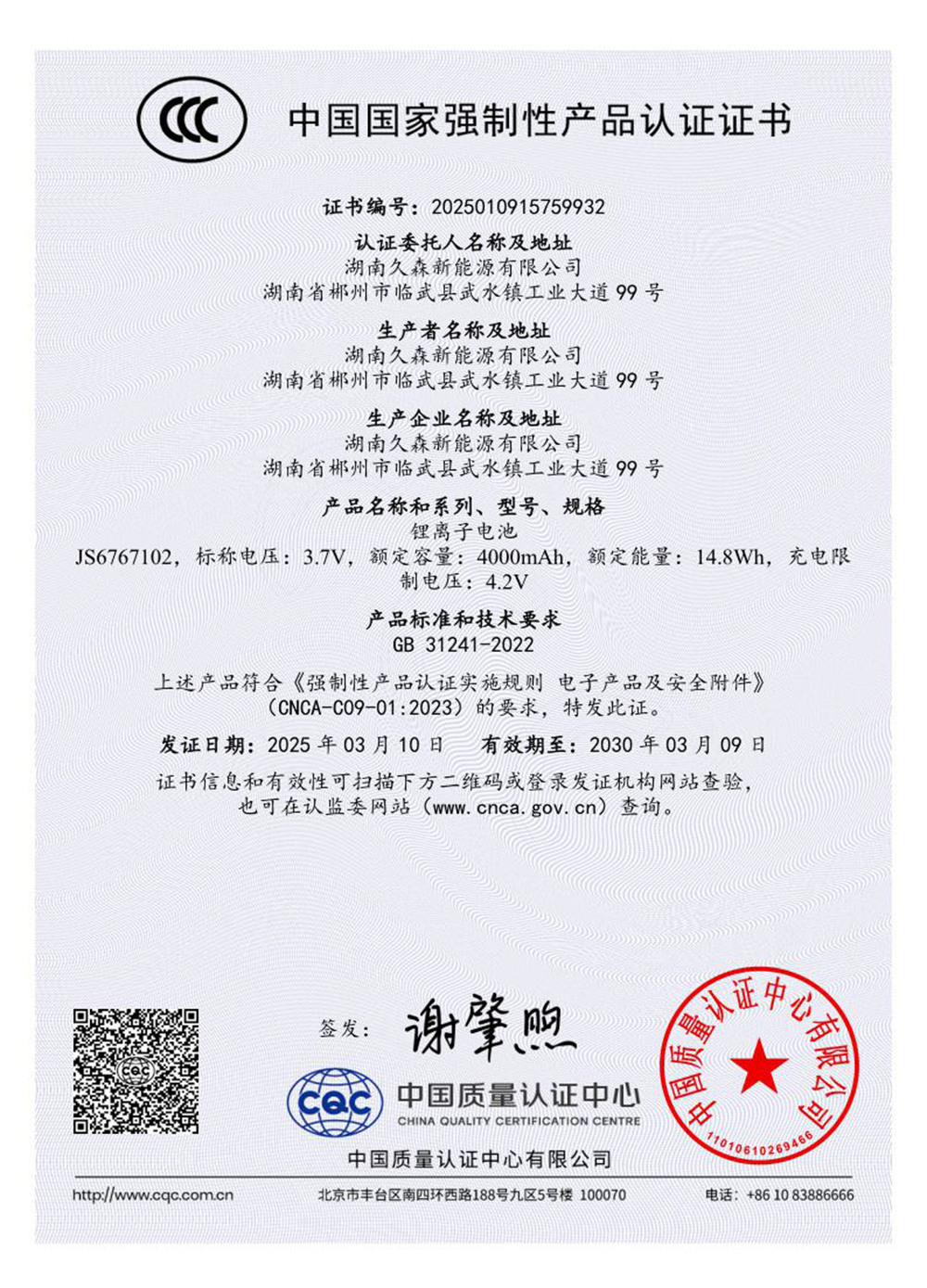
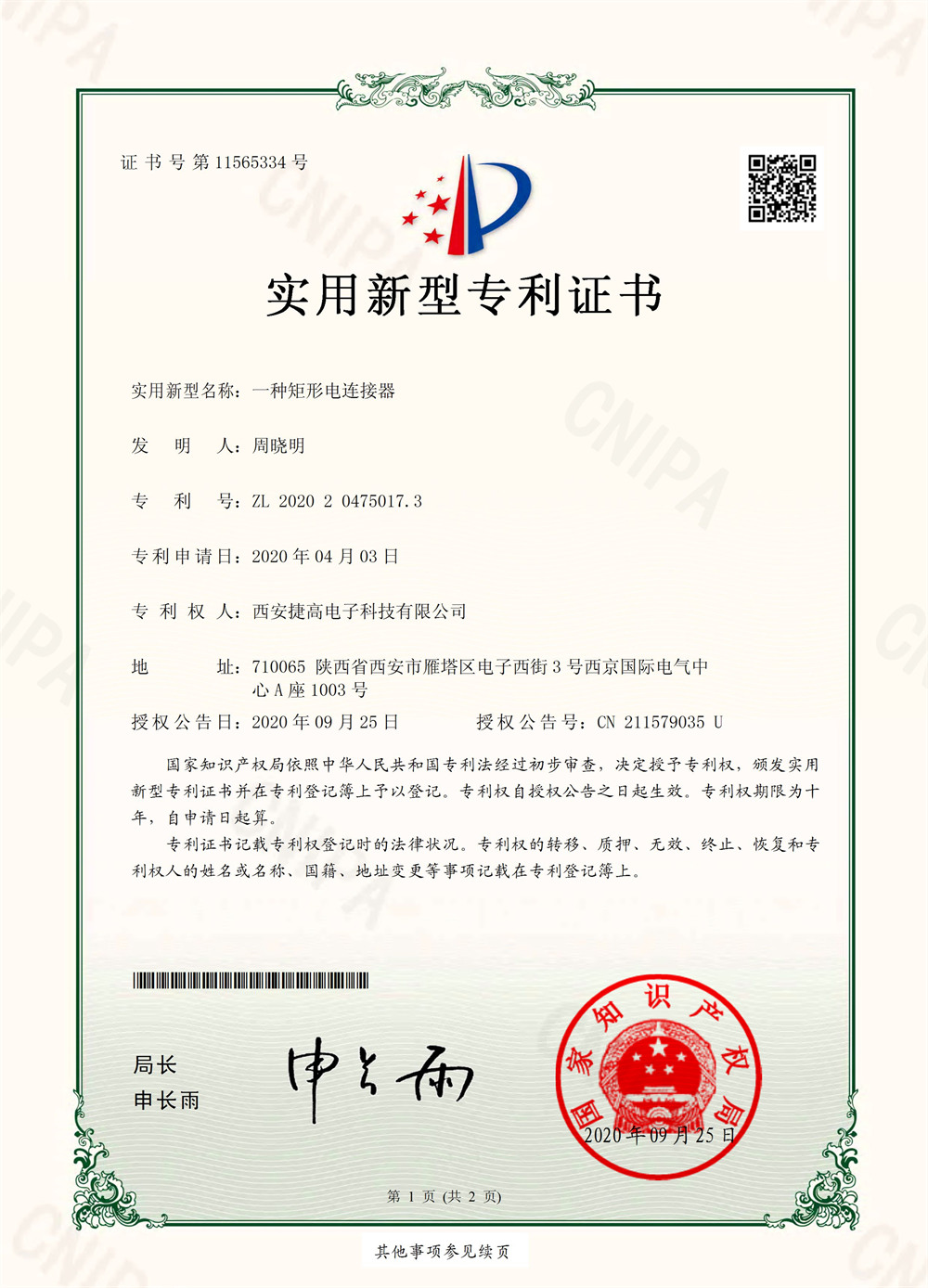
Addressing the complex requirements of modern supply chains, hazardous shipping compliances, and localization requirements.
Enterprise procurement teams for high-capacity, fast-charging batteries are rarely just buying components; they are acquiring strategic capability. Key issues in modern procurement include tariff variations, environmental restrictions (such as RoHS and REACH compliance), and source traceability. Dynalink ensures clear transparency down to the raw cobalt and lithium compound mines, protecting enterprise partners against supply disruptions and ethical liability.
Furthermore, shipping lithium batteries globally requires navigating stringent UN 38.3, IATA Hazardous Cargo, and IMDG maritime transport guidelines. Our custom packaging and pre-tested cells satisfy Class 9 Dangerous Goods transport rules, allowing us to export to North America, Western Europe, and Southeast Asia without bureaucratic delays.
As standard machinery transitions to fully electric designs, industry requires integrated solutions. Dynalink provides these across four main domains:
Navigating the transition toward solid-state chemistry, ultra-fast charging interfaces, and intelligent digital twin diagnostics.
Dynalink's research and development timeline prioritizes the eventual shift from liquid organic electrolytes to solid-state matrices. Solid-state lithium-ion technology promises to eliminate thermal runaway risks and significantly boost energy density limits beyond $400\text{ Wh/kg}$. Our materials lab is currently evaluating oxide and sulfide electrolyte barriers, targeting prototype deployment in drone and industrial test applications by 2026.
Integrating artificial intelligence into battery management boards allows for real-time digital twin generation. By monitoring current, temperature, and cell degradation rates over time, our intelligent BMS can run prognostic algorithms to predict failure modes before they occur. This is a critical requirement for aerospace, railway transportation systems, and unmanned maritime vessels.
Providing engineering support where it is needed is fundamental to Dynalink's service philosophy. We operate regional validation hubs and maintain close engineering relations with partners worldwide. Our compliance team verifies that every battery and electrical connector assembly conforms to local electrical standards, including UL, CE, KC, CCC, and UKCA, ensuring seamless integration into localized end-products.
Providing clear, authoritative answers to critical engineering, safety, and logistical questions.
Our standard high-rate fast-charging batteries support charging rates up to 5C and peak discharge rates up to 30C. Custom projects can be engineered to support higher discharge currents depending on active cooling configurations.
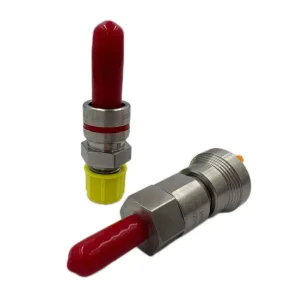
By producing proprietary, low-resistance fluid and electrical connectors (such as our bayonet-locking YTA/YTB and circular XC series), we keep system resistance minimal, reducing I2R power loss and localized heat build-up.
We work with NMC (Nickel Manganese Cobalt) for high power-to-weight ratios in drones and aerospace, LFP (Lithium Iron Phosphate) for maximum cycle life and thermal stability in energy storage systems (ESS), and new silicon-carbon anodes for next-generation energy density.
Yes. All of our cells, battery modules, and customized portable power packs undergo rigorous testing to ensure full compliance with UN 38.3 transport standards, and are accompanied by complete MSDS documentation.
An average custom ODM battery pack engineering cycle—from physical blueprint and BMS design to structural modeling, compliance testing, and initial sample delivery—takes approximately 45 to 60 days.
We perform mechanical vibration, thermal shock, short-circuit, overcharge, and nail-penetration tests within our ISO 9001 certified quality control process. We also integrate secondary safety vents and fire-retardant barriers in our casings.
Yes, our YTC, YTA, and circular connectors are built using aerospace-grade steel, titanium, and specialized sealing gaskets, achieving IP67/IP68 ratings. They are specifically tested for continuous vibration and corrosion resistance.
In accordance with our ISO 14001 certification, we use energy-efficient manufacturing lines and actively incorporate recycled copper and aluminum. We also design packs to allow for straightforward module disassembly, facilitating end-of-life battery recycling.
Select specialized equipment from our catalog to ensure high safety standards and reliable performance in demanding operating environments.
 Dynalink Electronic