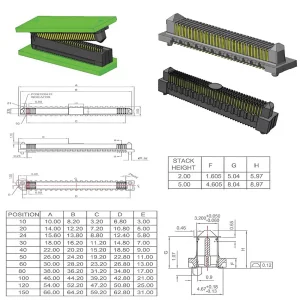
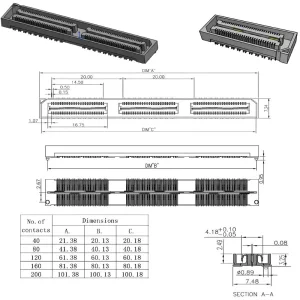
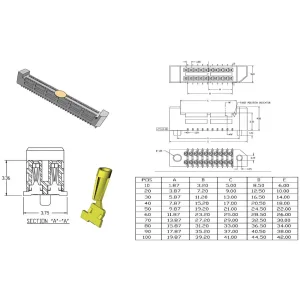
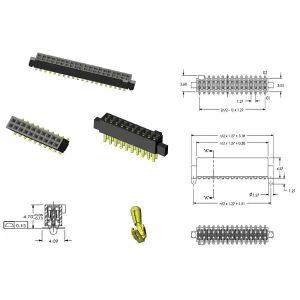
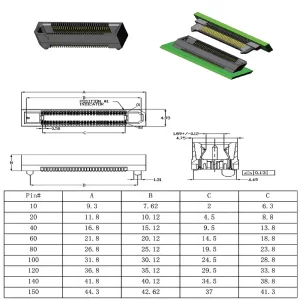
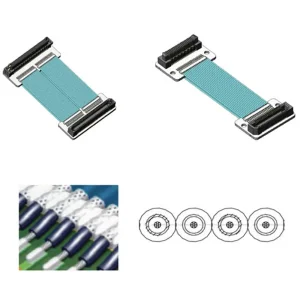
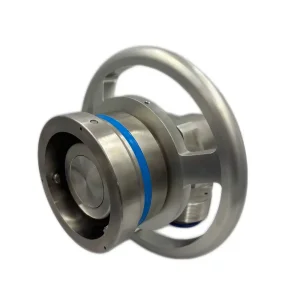
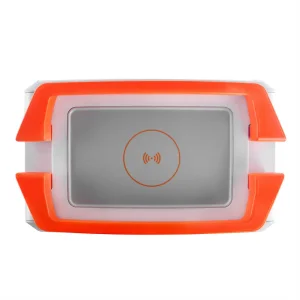
Explore our engineering portfolio featuring high-current jump starters, high-speed printed circuit connectors, and industrial-grade portable power stations.
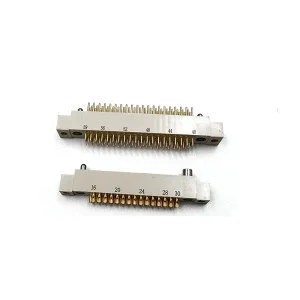
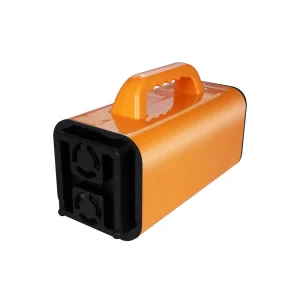

Established in 2007, Dynalink Electronic Technology Co., Ltd (DL) has structured its development around high-reliability engineering. Currently supported by a workforce of over 800 employees—among which more than 200 operate as core technical staff—the company acts as a technology-driven design and manufacturing entity specializing in high-current power supplies, energy storage capacitors, and high-speed electrical connectors.
Through systematic investments in materials science research and manufacturing precision, we have constructed an end-to-end industrial chain. This encompasses material R&D, product prototyping, thermal dynamics simulation, and ultra-high precision assembly. Due to their high reliability, our energy systems and connector interfaces are deployed globally across aviation, aerospace, shipping, railway networks, new energy vehicle drivetrains, medical machinery, industrial drones, and industrial robotics.
The global portable power market is undergoing a structural transition. Driven by the expansion of the outdoor recreational economy, rising demand for remote off-grid operations, and the integration of battery backups in critical emergency scenarios, portable power banks and jump starters are no longer simple consumer electronics. They are complex power delivery assets requiring sophisticated Battery Management Systems (BMS) and thermal protections.
Modern emergency start-up systems (Jump Starters) require high discharge rates (often exceeding 80C to 100C peak discharge) to deliver the critical cold cranking amps (CCA) needed for multi-liter internal combustion engines, especially in extreme low-temperature environments. Standard lithium-ion pouch cells degrade rapidly under these conditions. Consequently, high-performance manufacturers must focus on specialized high-density lithium polymer formulas, LiFePO4 structures, and supercapacitor-hybrid integration paths to ensure reliability and operating lifecycles exceeding 1,000 deep discharge cycles.
Technical Benchmark: Reliable jump starting under sub-zero conditions (-20°C to -40°C) requires optimized electrolyte formulations with high ionic conductivity and internal impedance levels below 0.5 milliohms per cell. This forms the design baseline of Dynalink’s industrial ODM portfolio.
Around the world, different regulatory and climatic regions demand targeted design configurations:
We leverage vertical engineering integration, supplying everything from raw capacitor materials and high-current connectors to complete intelligent BMS assemblies.
In drone applications, our high-current connectors and lightweight power assemblies ensure rapid discharge capabilities, minimal impedance heating, and robust retention systems under high vibrational stresses.
For data centers, our high-density connectors and power backup distribution units are designed to ensure low-loss transmission of massive data loads, preventing line drops and stabilizing voltage steps.
Our connectors feature IP-rated ingress protections, resistance to chemical wear, and thermal stabilities up to 125°C, ensuring consistent power distribution for automated machinery and factory controllers.
By leveraging our self-developed digital simulation platform, we reduce the time required to complete prototyping cycles for custom battery layouts, connector pitches, and specialized outer casings by 40%.
Dynalink channels up to 12% of annual revenue directly back into our R&D divisions, funding research into solid-state battery cells and sub-nanometer connector pitches.
Designing high-current energy systems requires careful management of thermal runaways and electrical impedance. Under high-current discharges (e.g., jump starting a heavy-duty engine), internal resistance inside a standard lithium cell generates heat according to Joule's Law: $P = I^2R$. Even a fraction of a milliohm of excess resistance can cause thermal runaway or melt internal terminal connections.
To address this challenge, Dynalink’s technical roadmap prioritizes three key pillars:
Transitioning from volatile liquid electrolytes to solid-state separators. This technology prevents internal dendrite growth, increases energy densities past 400 Wh/kg, and extends working temperature profiles down to -45°C without requiring heavy, power-consuming thermal pre-heaters.
Combining lithium-ion chemistries with high-capacity supercapacitors. The supercapacitor bank provides the initial peak cranking current, protecting the lithium battery from deep voltage drops and extending the overall system life.
Developing ultra-low contact resistance terminals down to 0.15 milliohms. These high-speed, high-density contact configurations reduce signal attenuation and localized heating in both small electronic assemblies and high-power battery banks.
Our manufacturing process features automated precision testing terminals. In these setups, every single unit undergoes a battery of stresses, including automated high-current impedance analysis, vacuum-chamber thermal cycling, and high-frequency vibrational profiles matching aerospace and heavy industrial requirements.
Quality serves as our primary engineering parameter. By maintaining tight process controls and testing standards, we strive to build high-performance products that set industry benchmarks.

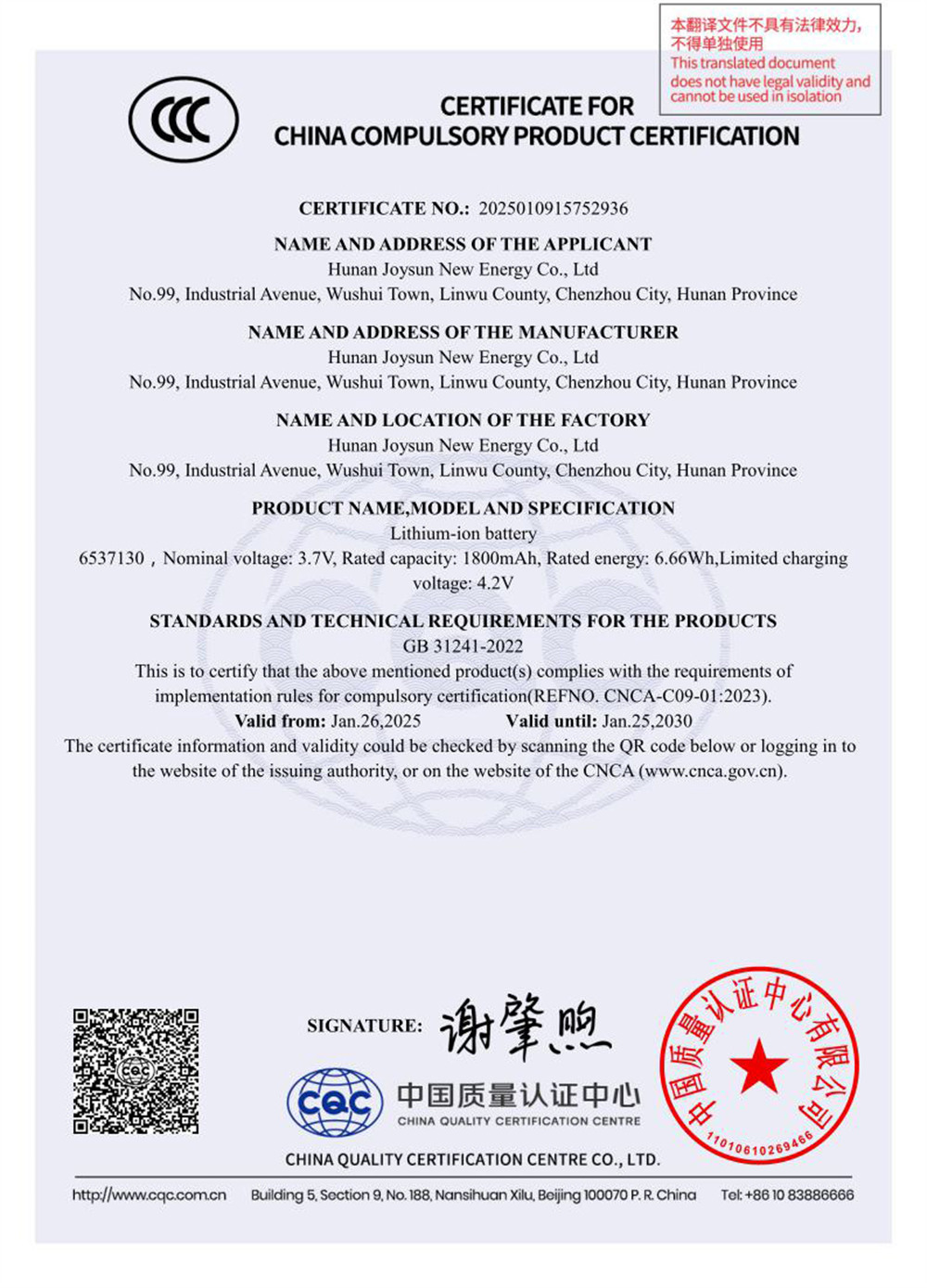
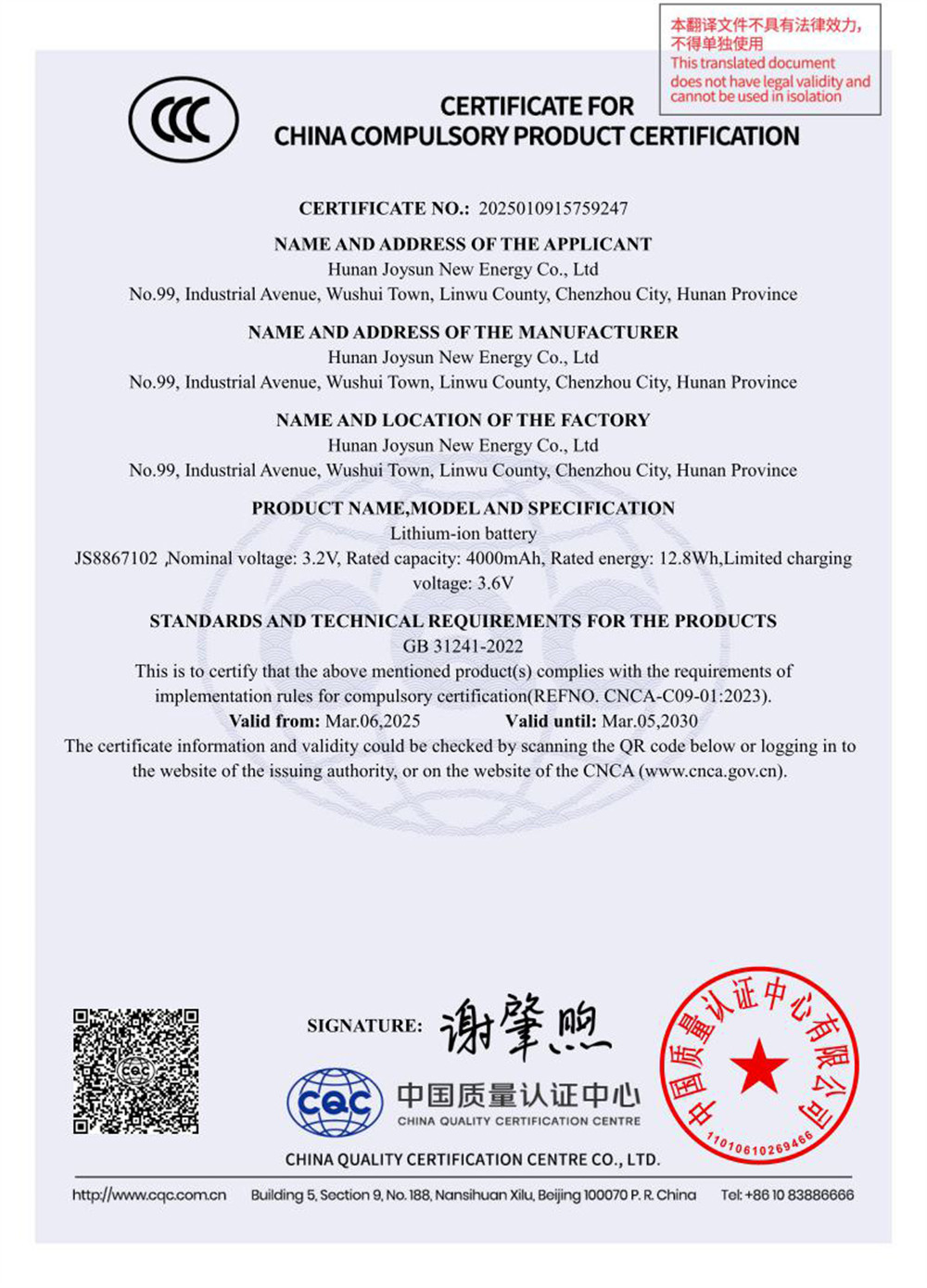
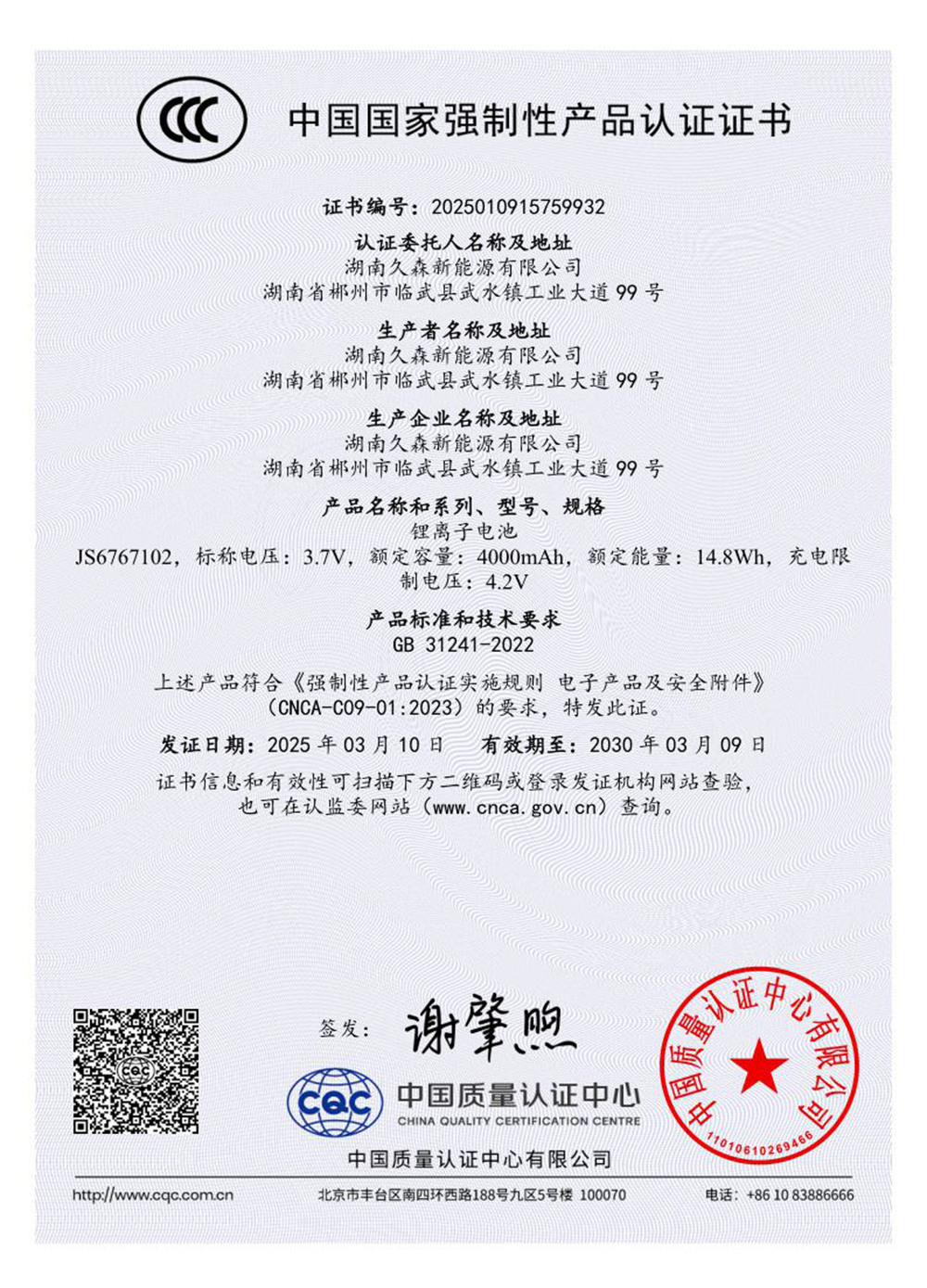
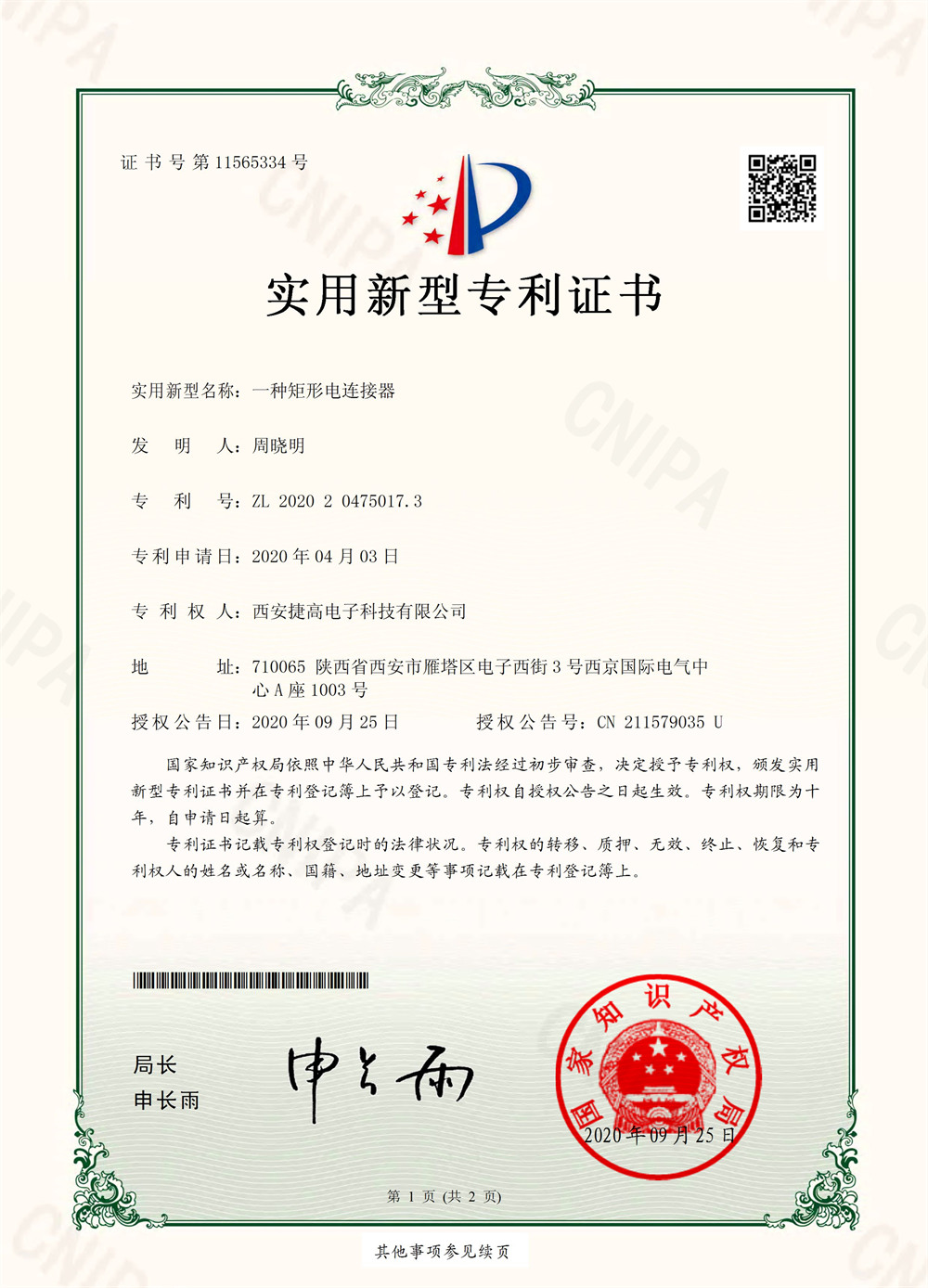
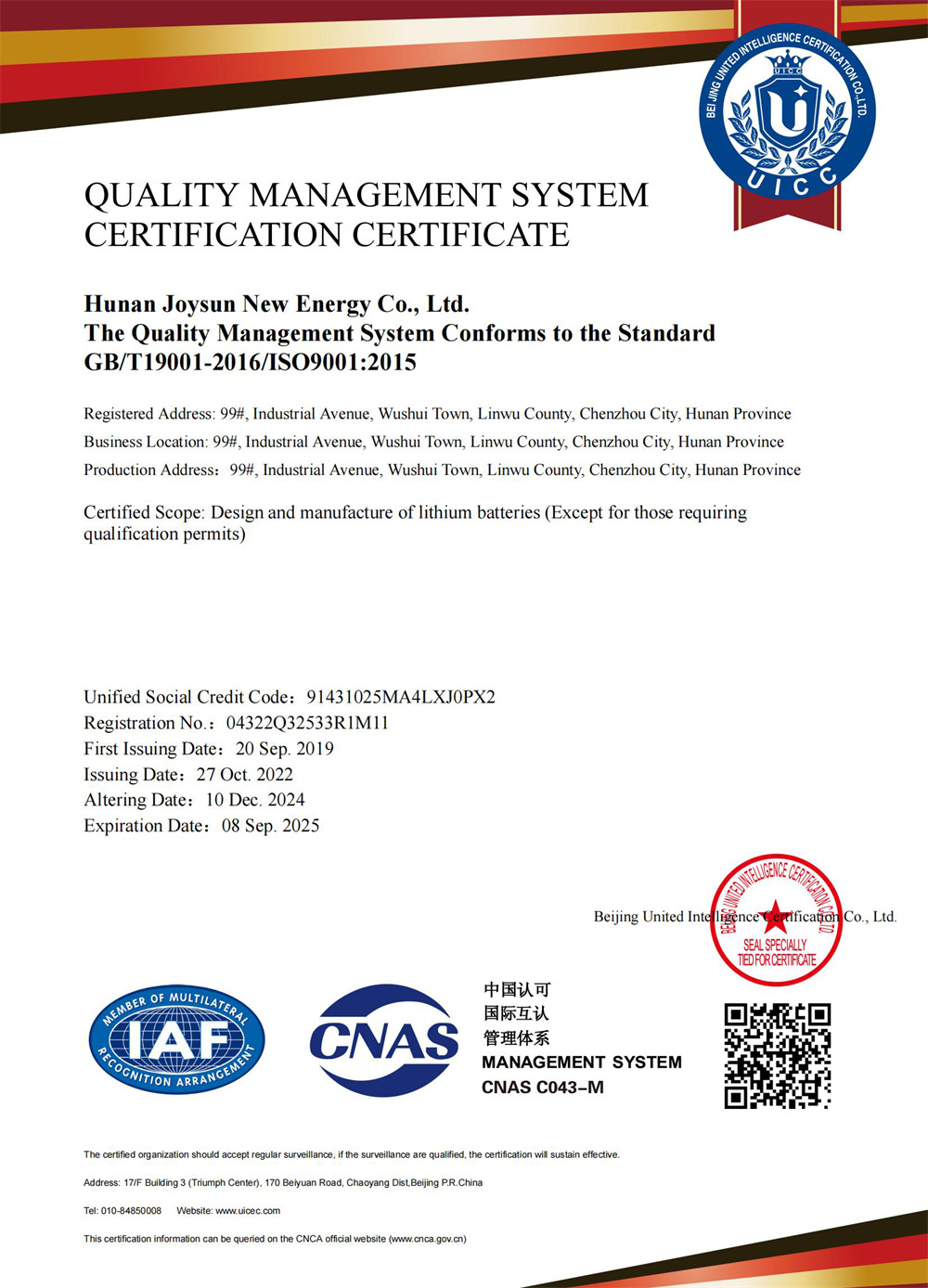
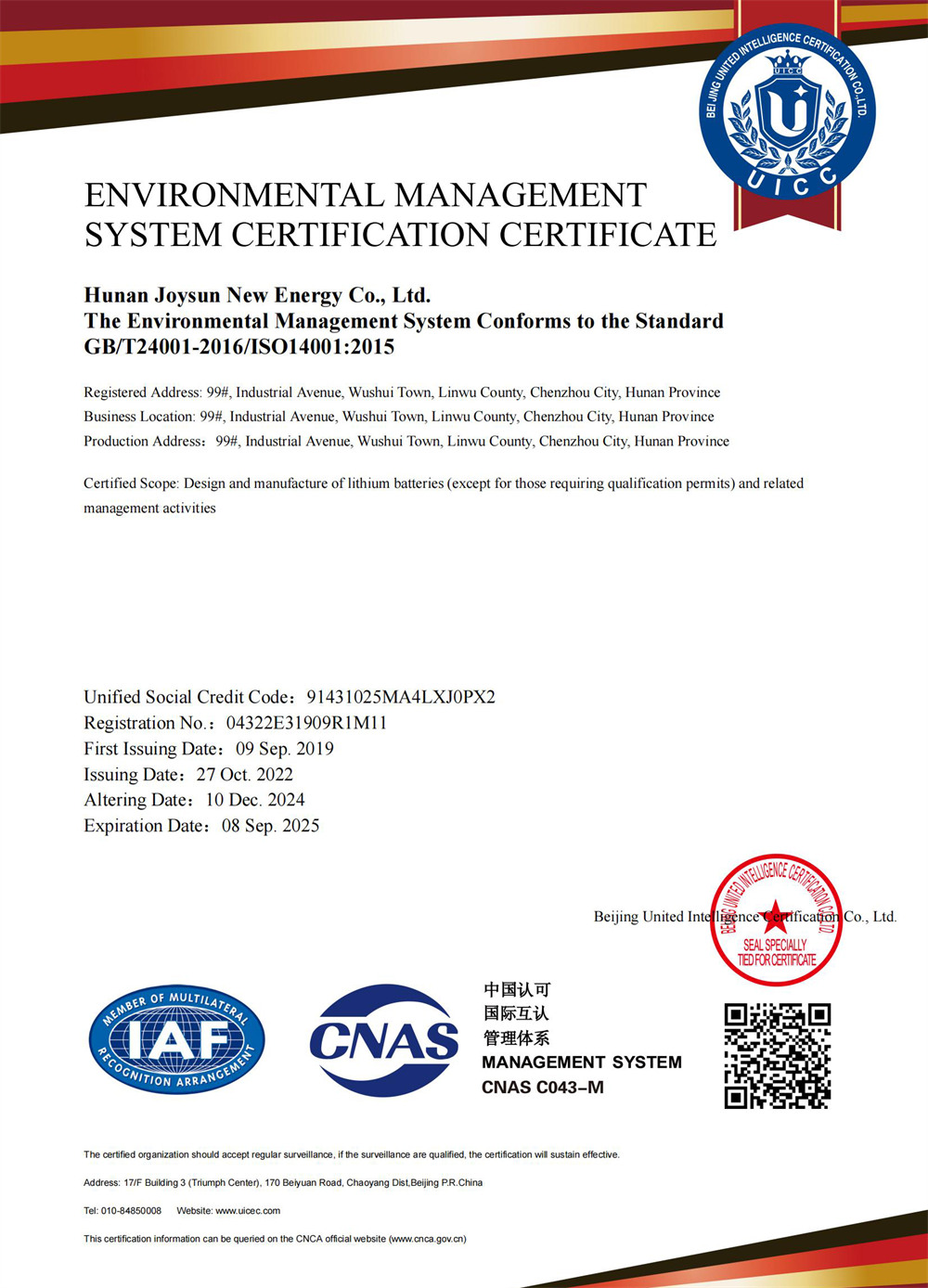
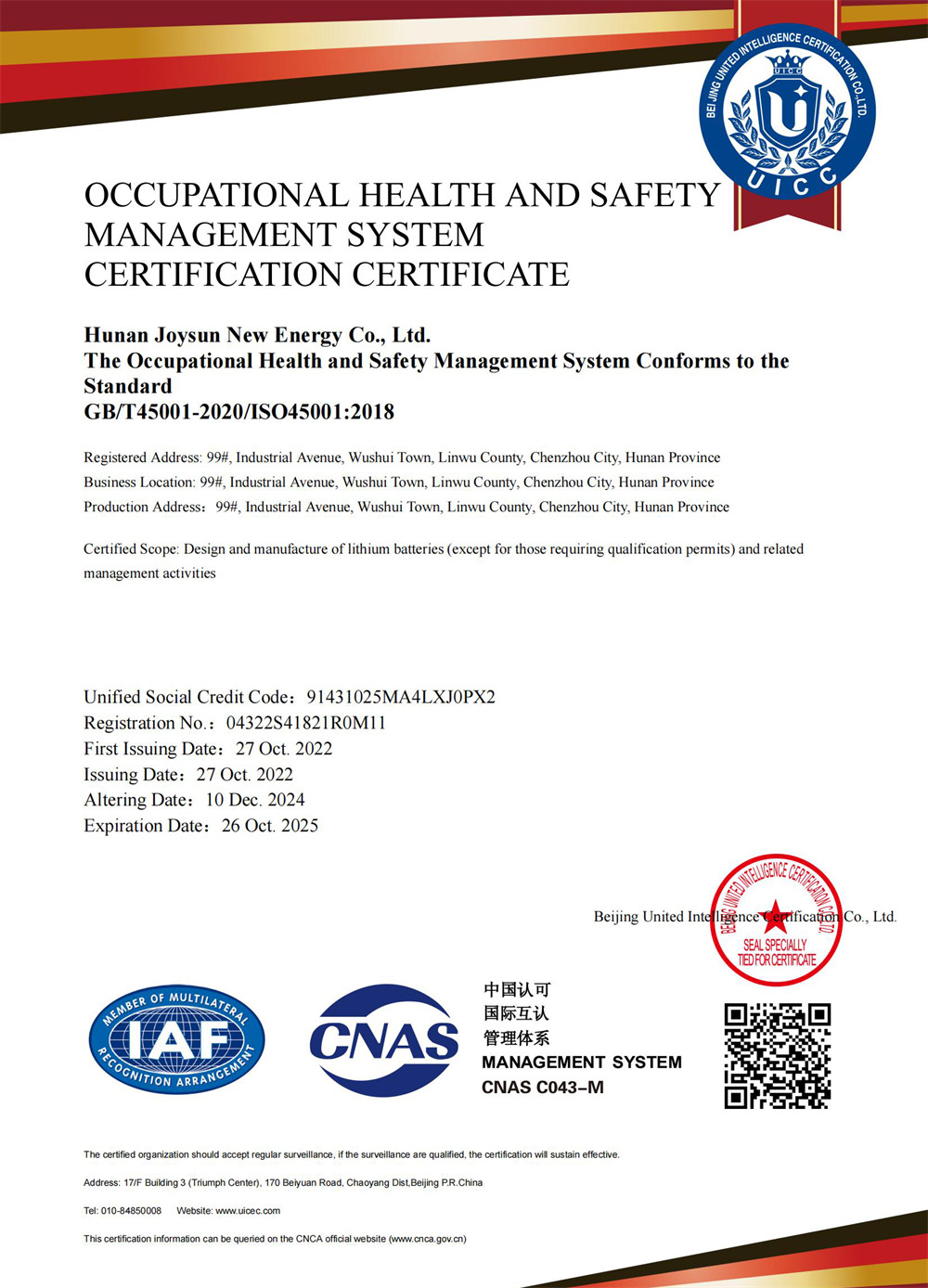
Dynalink maintains an audited operational framework complying with global industrial, ecological, and occupational health regulations.



Our production environment utilizes cleanroom assembly lines for our high-precision connectors, automated sorting for battery cell matching, and real-time monitoring software that logs performance metrics for every single product batch. This rigorous data tracking ensures complete traceability for aerospace, medical, and military-grade applications.
Industrial backup power demand has changed significantly with the rise of distributed sensor networks, automated fleets, and remote micro-grids. Below, we examine three real-world deployment scenarios that highlight the importance of high-capacity portable power banks and jump starters:
Challenge: During cold-weather shipping, fleet vehicles face high rates of battery failures. Under these freezing conditions, standard consumer jump starters lose capacity rapidly due to freezing electrolytes.
Solution: We supply logistics hubs with custom ODM jump starters that feature active silicone heating pads, ultra-low internal resistance cells, and robust structural casings designed to withstand drops onto frozen asphalt.
Challenge: Cellular repeaters and remote monitoring systems require continuous power backup during primary grid failures. Standard lead-acid backup systems are heavy, high-maintenance, and prone to rapid degradation in high-temperature environments.
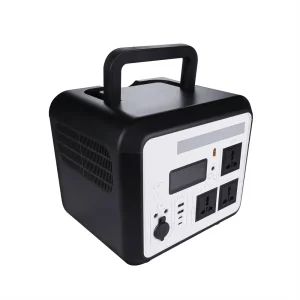
Solution: Integrating our 1200W LiFePO4 power stations with dual solar MPPT controllers ensures continuous operation, low maintenance overhead, and a service life exceeding 10 years.
Challenge: Command vehicles and emergency field teams require rapid energy deployment, multi-voltage outputs (12V, 24V, USB-PD, AC Pure Sine Wave), and high-current vehicle jump-starting capabilities from a single, portable unit.
Solution: Our integrated jump starter and power banks feature heavy-duty structural designs, built-in safety monitoring systems, and reliable connector ports to support diverse field electronics.
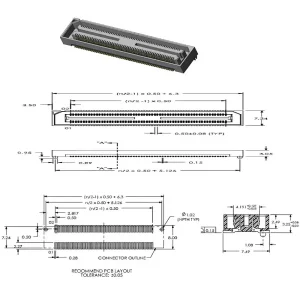
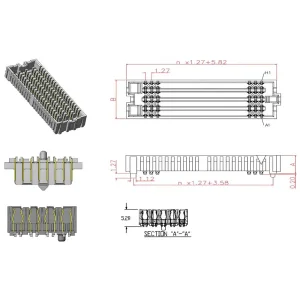
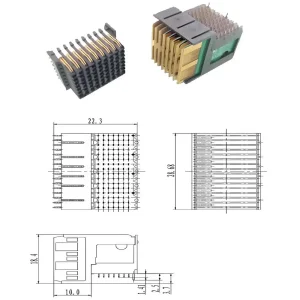
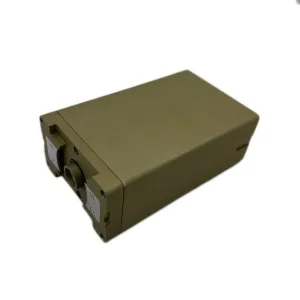
Browse our selection of heavy-duty connectors, backplane interfaces, and vehicle-mounted lithium-ion battery modules.
 Dynalink Electronic