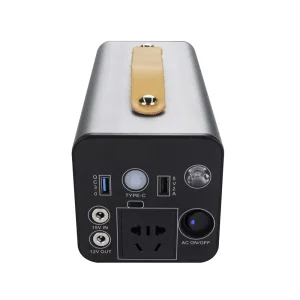
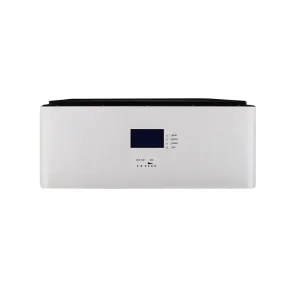
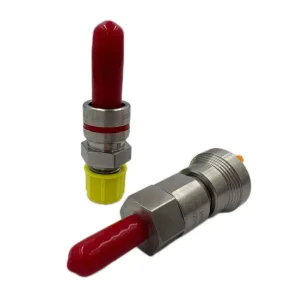
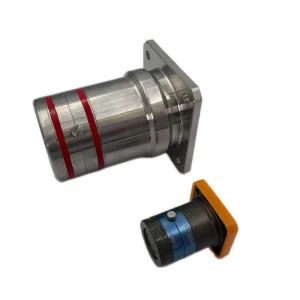
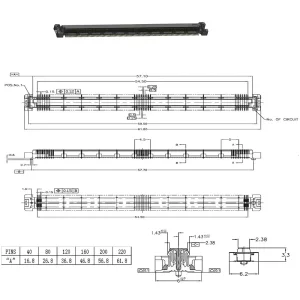
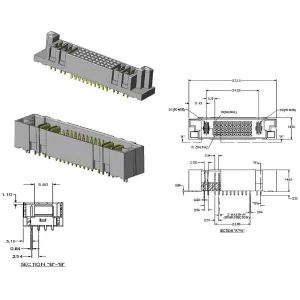
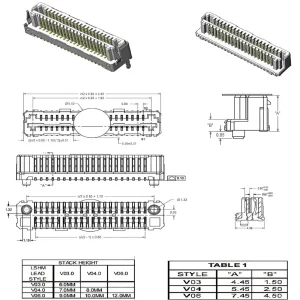
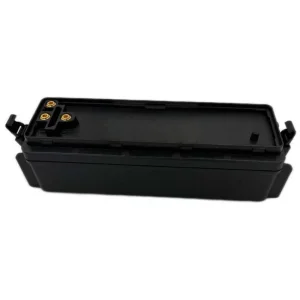
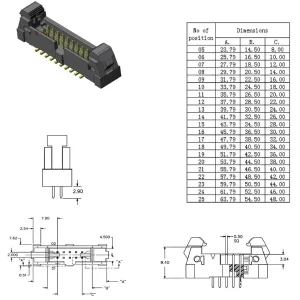
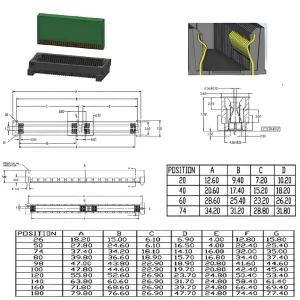
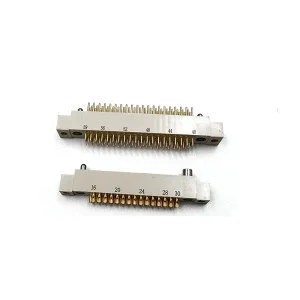
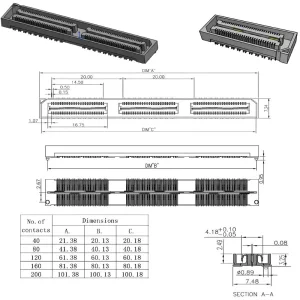
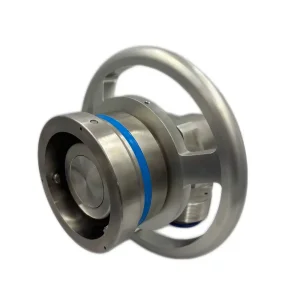
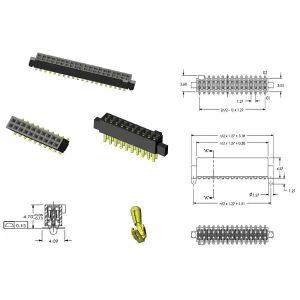
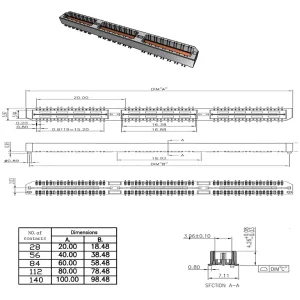
High-precision connectivity systems and smart portable power station architectures tailored for industrial applications.
High Volumetric Energy Density Engineered for High-Drain Modern Environments
Lithium Cobalt Oxide (LiCoO2, commonly referred to as LCO) stands as the foundational chemistry powering high-density consumer electronics, specialized unmanned aerial systems (UAVs), and medical equipment. With a nominal cell voltage of 3.7V to 3.9V and a charging cut-off potential that has evolved up to 4.5V+ under advanced formulation techniques, LCO offers an unmatched volumetric energy density exceeding 700 Wh/L.
At the heart of the LCO crystal structure lies a layered rocksalt framework where lithium ions reside between cobalt-oxygen octahedral sheets. When charging, lithium ions are extracted from the lattice. To maintain structural integrity during extreme state-of-charge (SOC) conditions, modern ODM engineering introduces metal-doping strategies. These modifications prevent phase transition failures and increase the cyclic threshold of high-rate discharge requirements.
When compared to Lithium Iron Phosphate (LFP) and Nickel Manganese Cobalt (NMC), LCO is preferred where space constraints are absolute. LFP struggles in volumetric metrics, whereas NMC balances power and capacity. LCO remains the dominant player for high-end digital platforms, surgical robotics, and high-thrust drones that require maximum energy output in minimal spatial envelopes.
Voltages: LCO (3.7V - 4.5V) | LFP (3.2V - 3.65V) | NMC (3.6V - 4.2V)
Applications: Precision systems, smart handheld telemetry devices, compact power stations, and custom high-speed data transmission grids.
Pushing Energy Thresholds with High-Voltage Interfacial Optimization & Solid-State Architectures
To push the operating voltage limit beyond 4.5V, our advanced research utilizes aluminum (Al), titanium (Ti), and magnesium (Mg) co-doping. This stabilizes the crystal lattice structure, prevents phase transitions from hexagonal to monoclinic structures, and prevents capacity fade over thousands of cycles.
Protecting the cathode surface from acid dissolution is key. Implementing ALD ceramic coatings (such as Al2O3 and ZrO2) restricts direct contact between the cathode and liquid electrolyte, minimizing internal gas generation and reducing thermal runaway risks.
The future points to semi-solid and solid-state LCO battery options. Replacing volatile organic liquid solvents with non-flammable solid polymer or oxide electrolytes provides high thermal limits, virtually eliminating fire risk while increasing volumetric capacity.
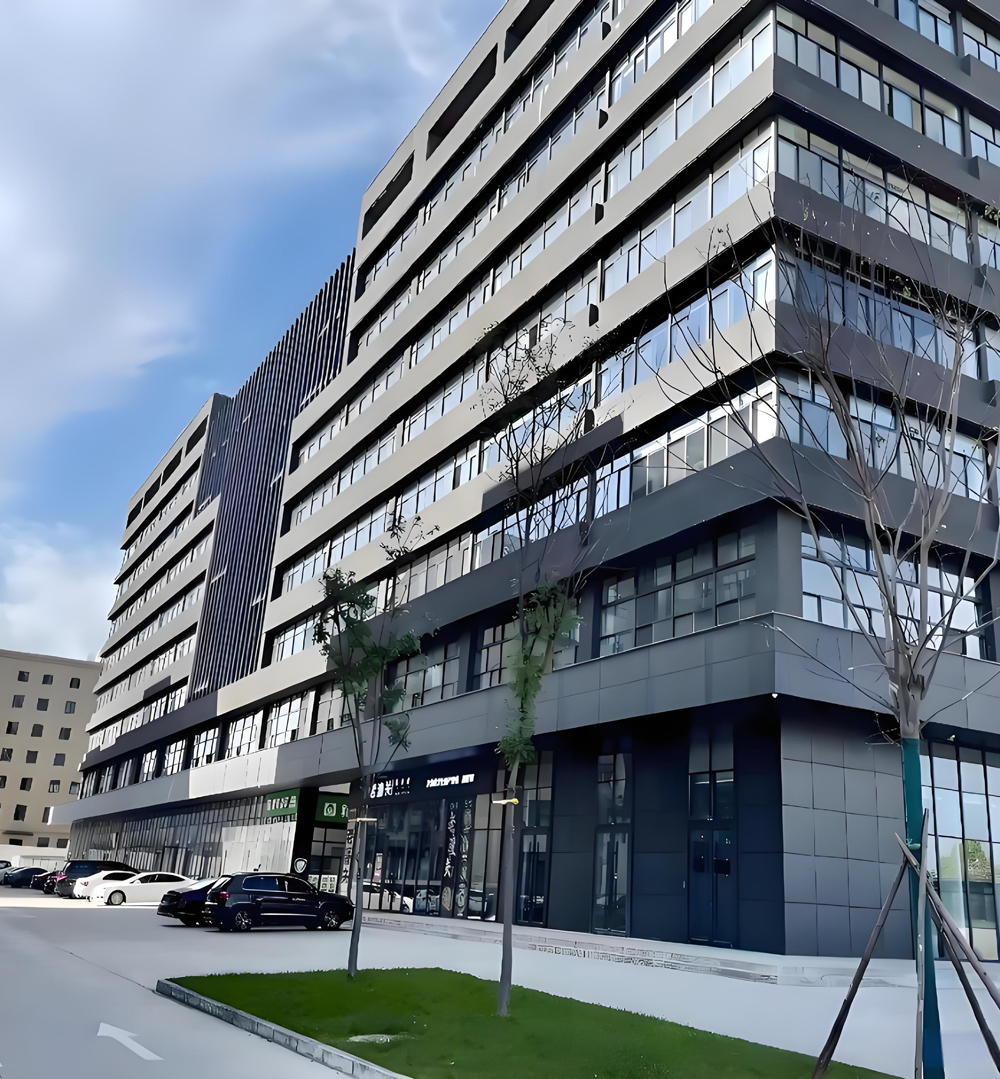
Dynalink Electronic Technology Co., Ltd (DL), established in 2007, currently has a workforce of over 800 employees, among which more than 200 are technical staff. It is a technology-driven design and manufacturing company specializing in power supplies, energy storage capacitors, and connectors.
With continuous investment in research and development and strong innovation capabilities, the company has built a complete industrial chain encompassing material research and development, product design, and precision manufacturing. Thanks to the advantages of high reliability and excellent performance, its products are widely used in key fields such as aviation, aerospace, shipping, railways, new energy vehicles, the medical industry, drones, and robots, providing customized solutions for customers.
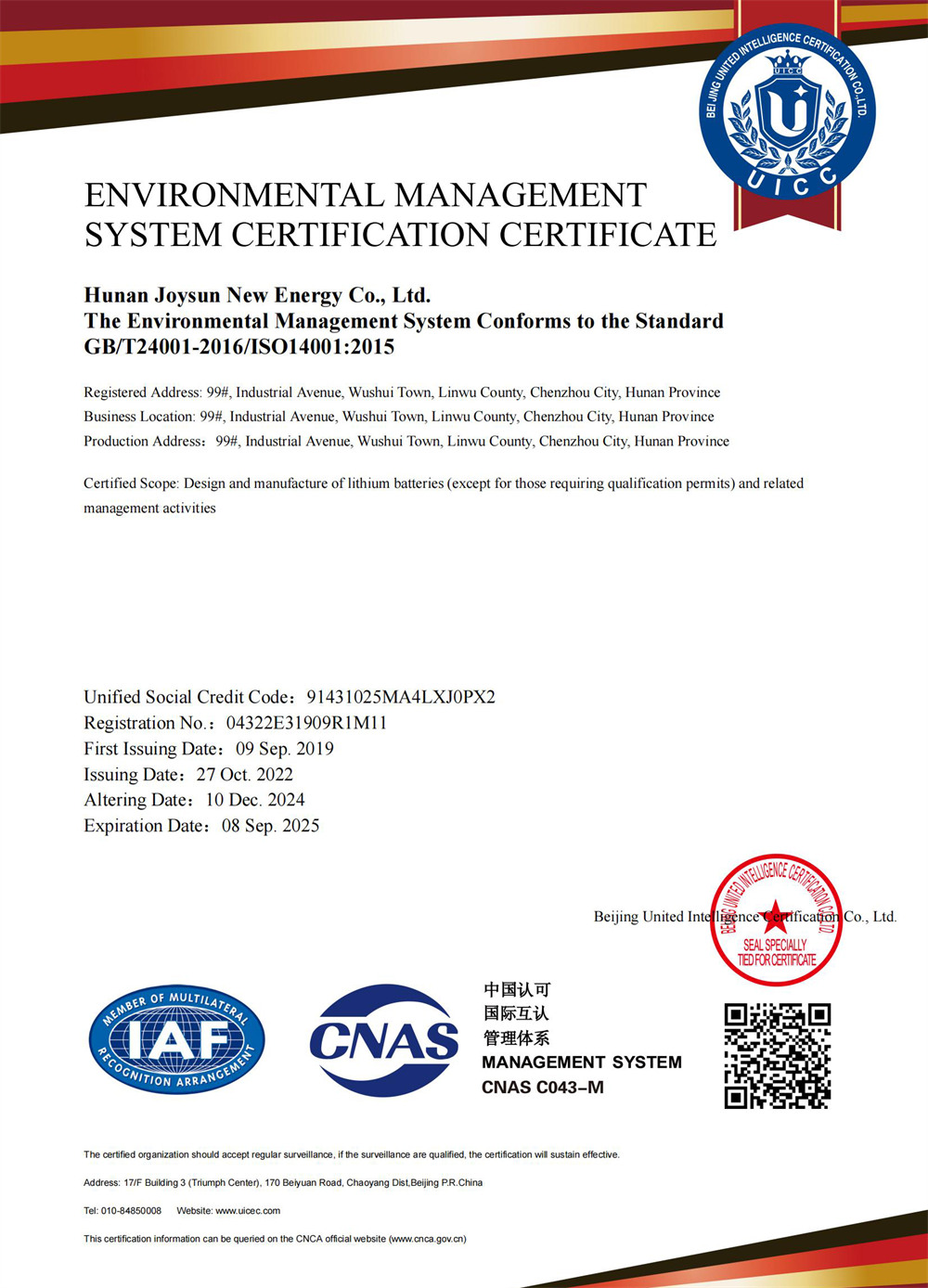
Environmental Management System Certification
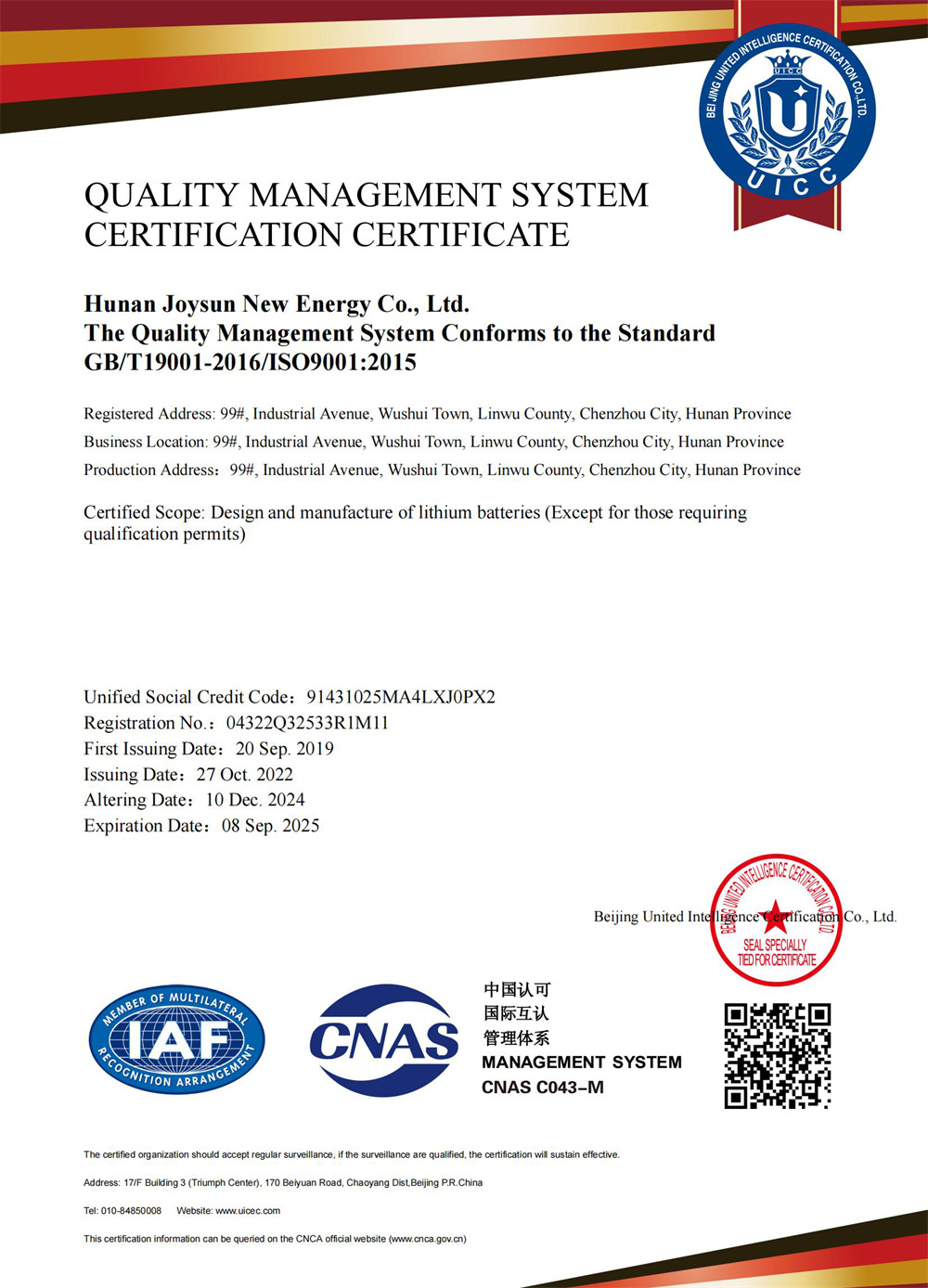
Quality Management System Certification
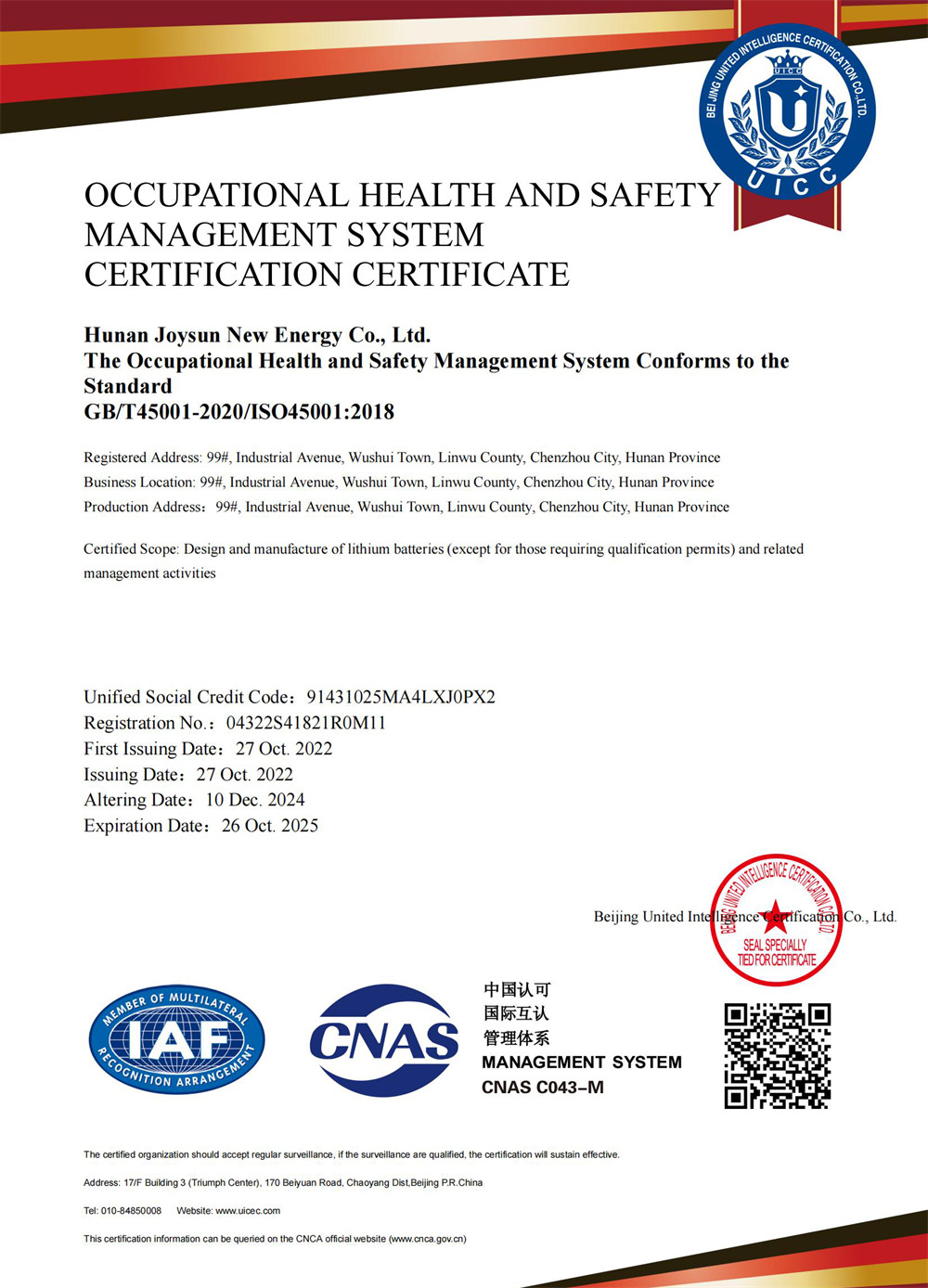
Occupational Health & Safety Certification
Providing high-quality power supplies, energy storage capacitors, and connectors, supported by custom engineering and system integration.
In the field of drones, our products ensure efficient battery charging and discharging, high peak-current survival rates, and stable operation of power distribution units during rapid flight adjustments.
For high-throughput data centers, our high-speed connectors and stable power supplies ensure low-loss transmission of massive amounts of data, minimal signal degradation, and reliable operation of hardware stacks.
In industrial automation, connectors with high IP-rated ingress protection and high-precision power systems maintain performance in environments with vibration, extreme temperatures, and chemical exposure.
Relying on our self-developed intelligent design platform, we can quickly respond to customer needs and provide integrated solutions from custom structural cells to complete energy management sub-systems.
In the future, DL will continue to focus on technological innovation, promote industrial upgrades, and integrate advanced power supply designs into specialized consumer, military, and commercial systems.
Taking quality as our shield, we continuously optimize processes and standards to forge industry benchmark products.
The corporate culture is the soul of the company's development. We take "empowering life with technology and creating a sustainable future" as our mission, aim to "become a leading provider of integrated system power supply solutions in the industry" as our vision, and practice the values of "integrity, innovation, collaboration, and win-win results".
We create a positive and united working atmosphere, attach great importance to the growth and development of employees, and provide them with broad career advancement opportunities and a complete training system.
Focusing on the fields of batteries, capacitors, and connectors, we use innovation as our spear, making every effort to overcome the technical bottlenecks of solid-state batteries, break through the upper limit of capacitor energy density, and develop high-precision and low-loss connectors.
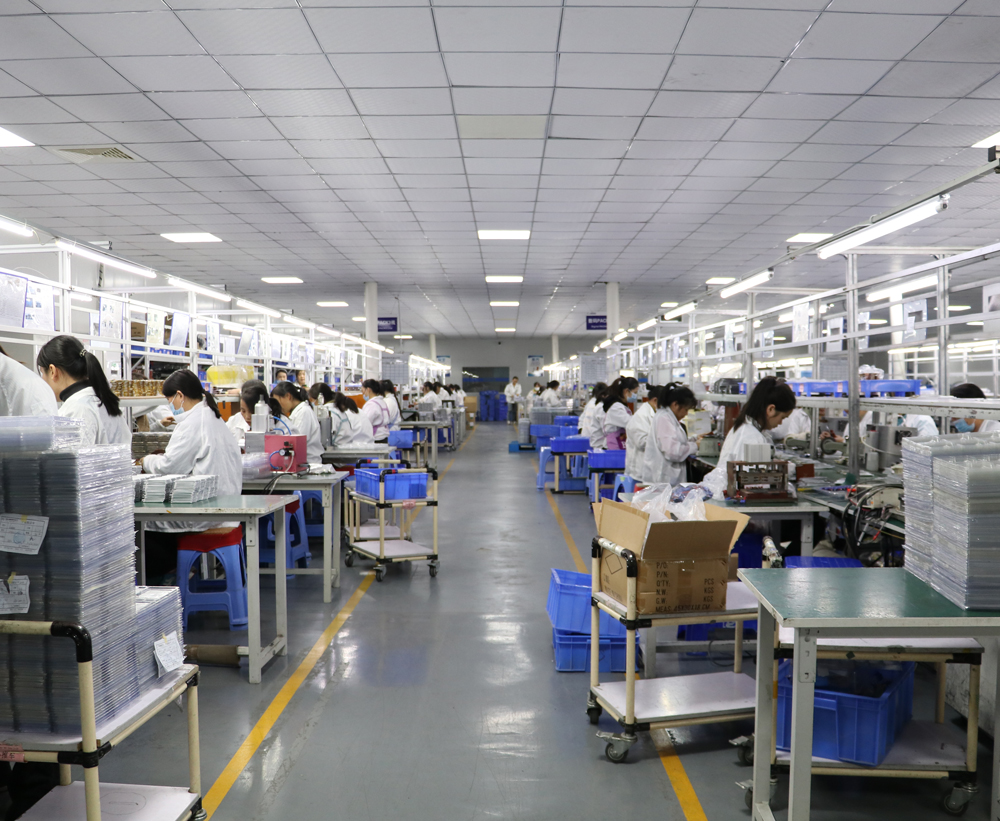
Harnessing Automated Assembly and Multi-Tier Quality Control Systems
Operating from our highly integrated manufacturing facilities in China, Dynalink matches strict quality targets with optimized pricing. Our Factory 4.0 practices integrate Manufacturing Execution Systems (MES) to monitor each stage of the battery and connector manufacturing process.
From the initial raw materials checks (analyzing cobalt purity, lithium concentration, and binder properties) to planetary mixing, automated slot-die coating, and vacuum baking, we control internal moisture down to <150 ppm. Laser-slitting systems shape the electrodes with minimal burring, reducing short-circuit risks in high-capacity packs.
Our automated cell-grading systems group battery cells within strict tolerances (internal resistance variance <1.5mΩ, voltage difference <2mV). This ensures long service life for multi-cell configuration packs. Through stable vendor partnerships for raw nickel, cobalt, and lithium, we maintain manufacturing schedules even during global raw materials shortages.
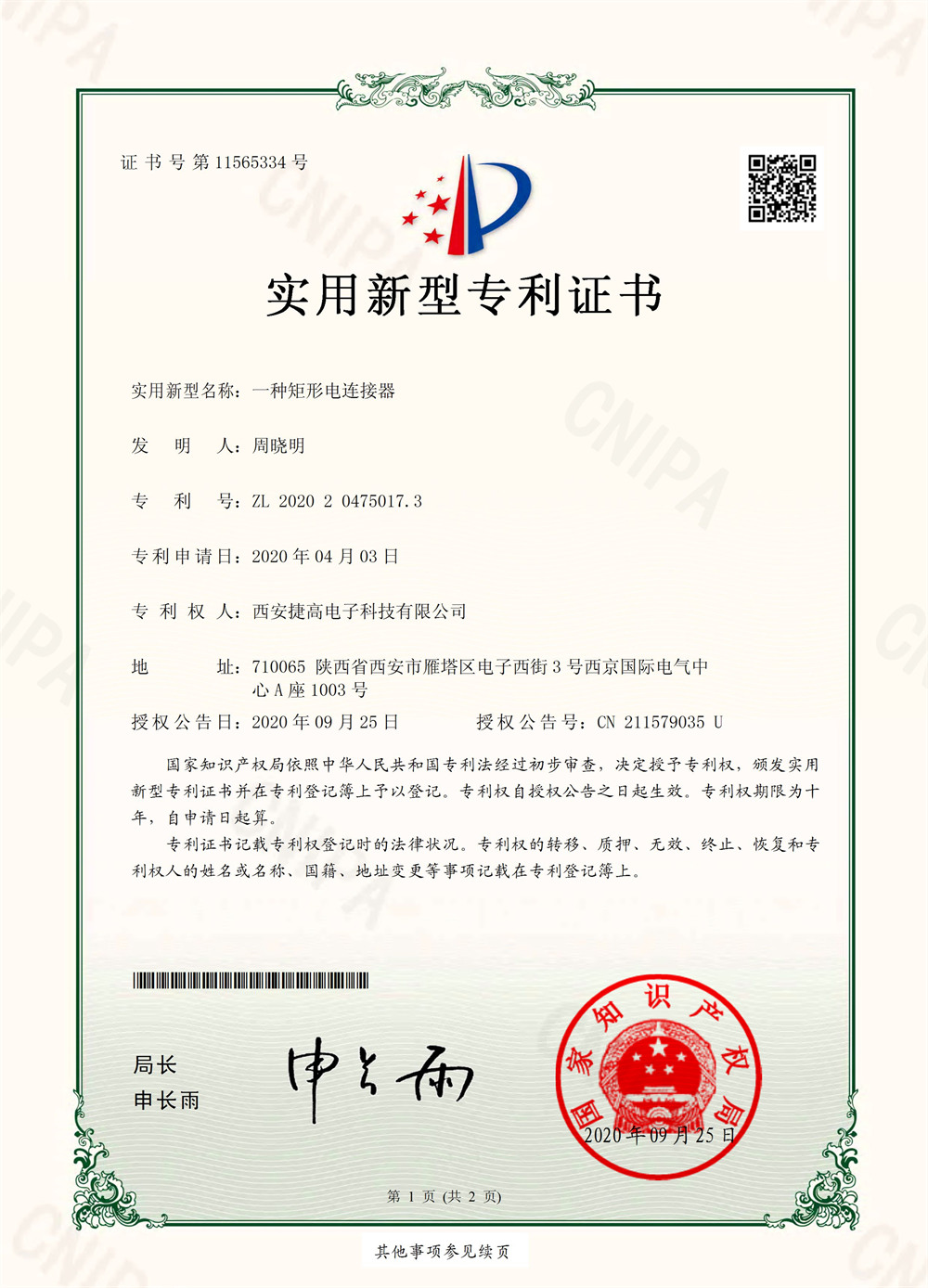
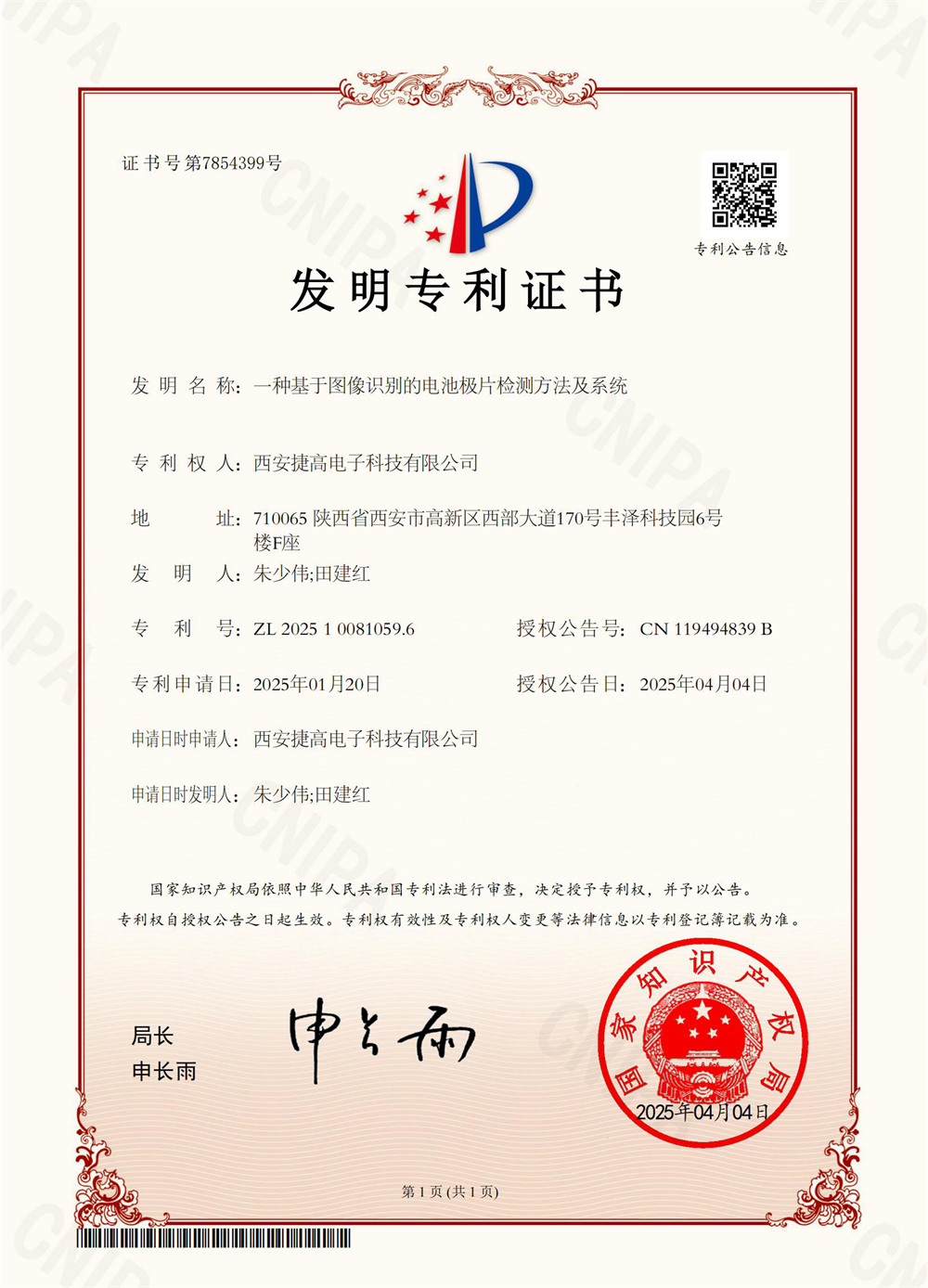
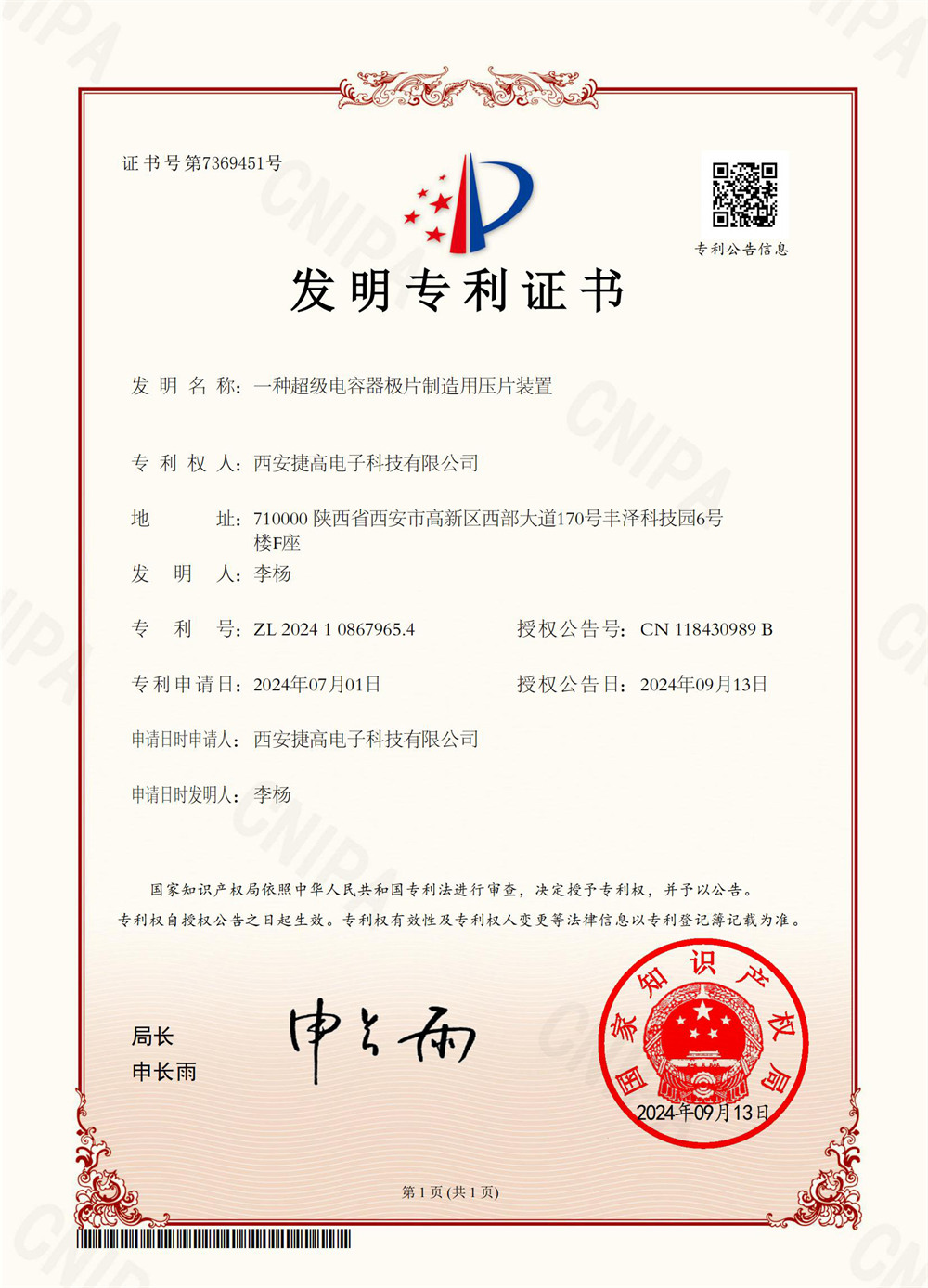
Proof of compliance with global standards in safety, engineering, and manufacturing management systems.
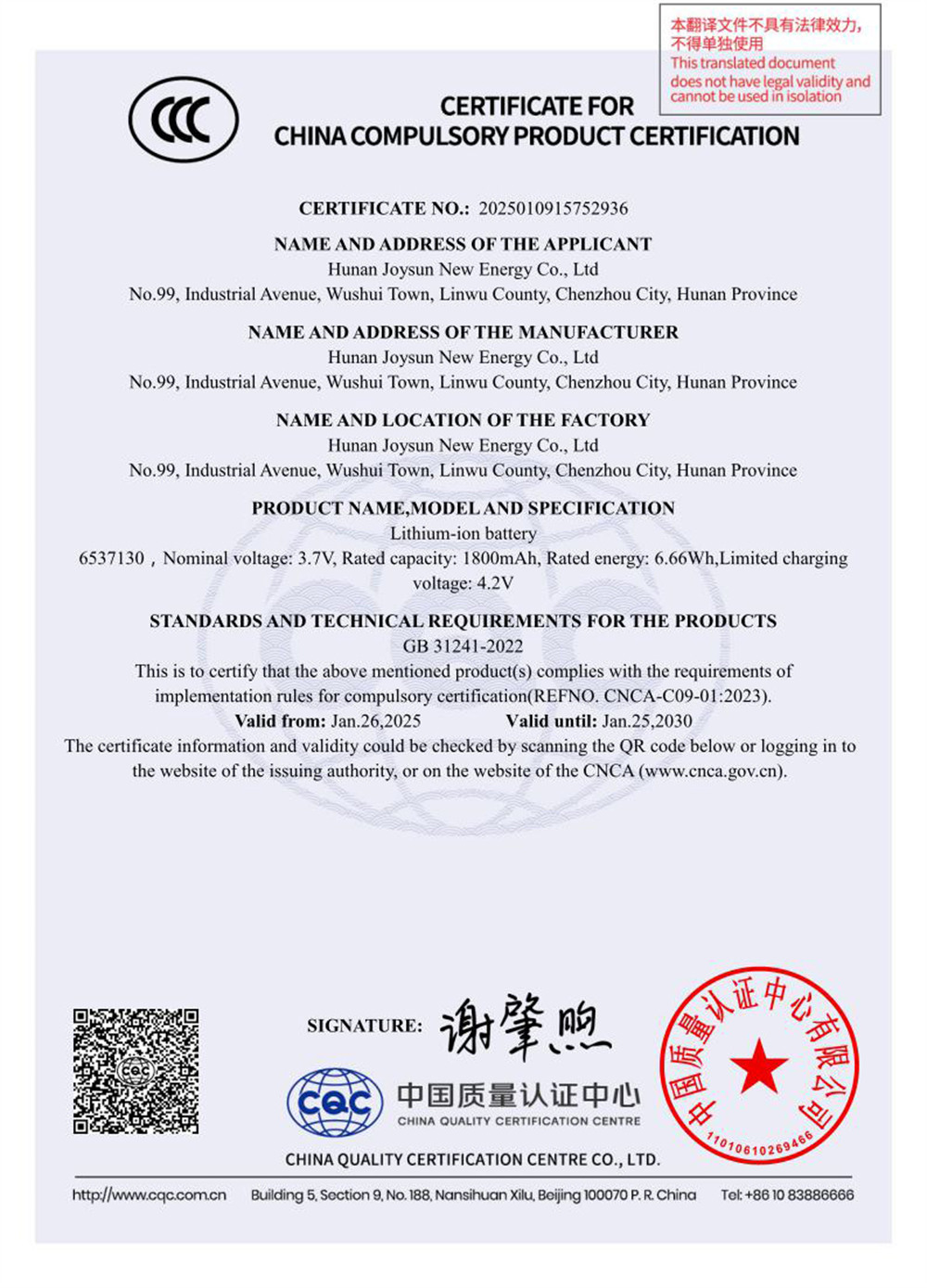
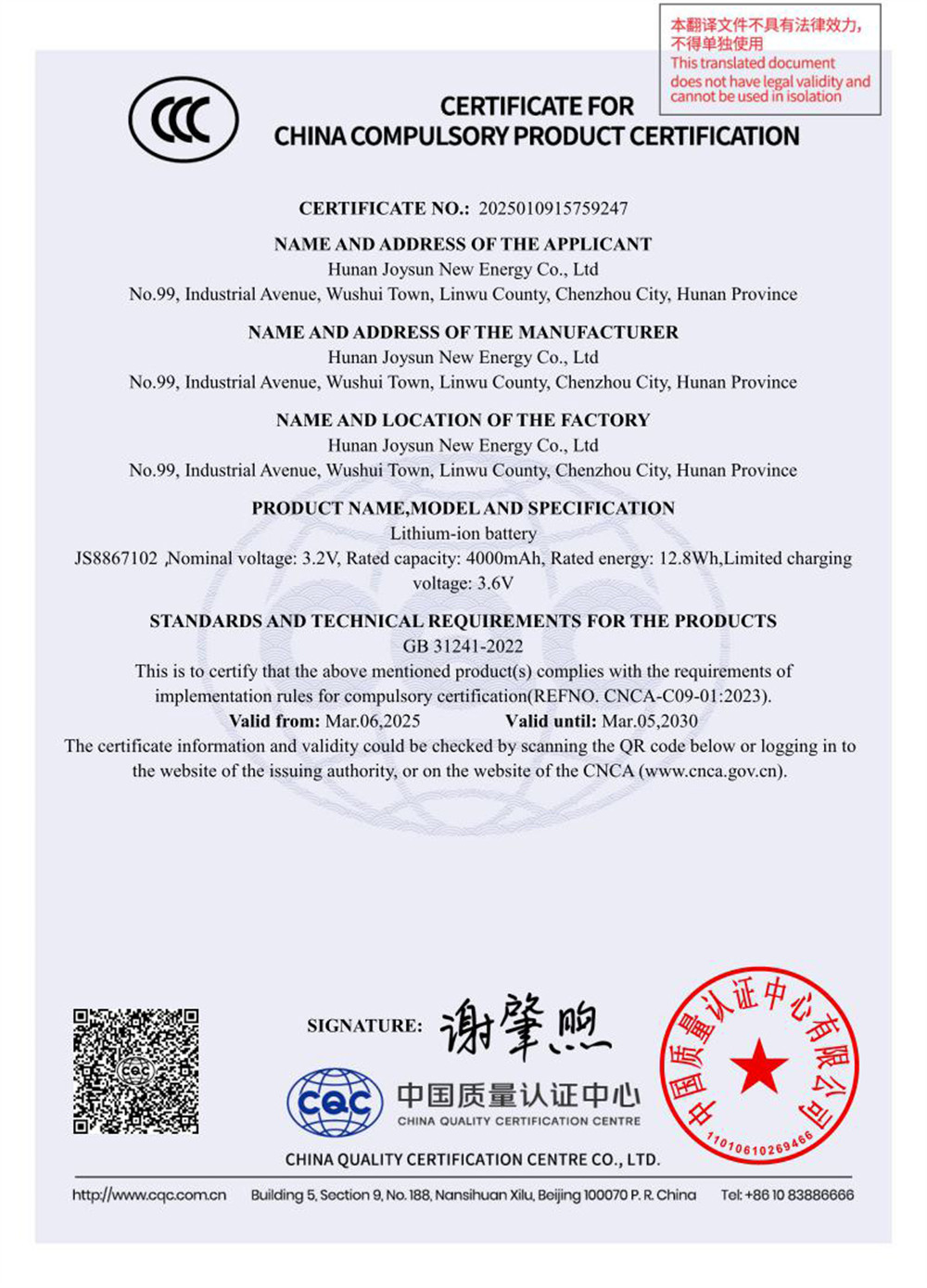
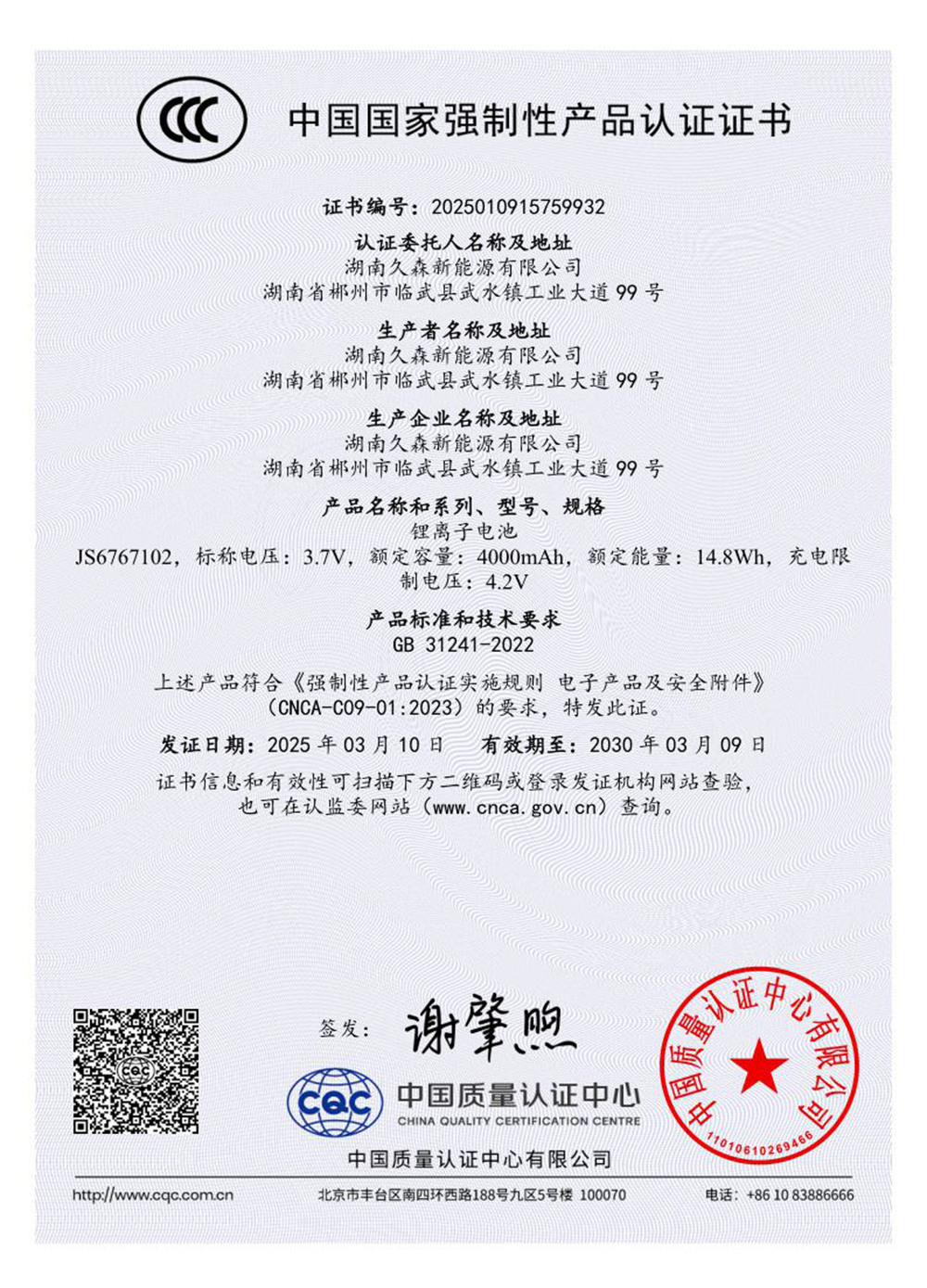
Meeting International Logistics Safety, Import Clearance, and Environmental Testing Criteria
Importing high-density lithium cobalt oxide batteries requires compliance with regional safety frameworks and transport protocols. As an established exporter, Dynalink facilitates the complete documentation trail necessary for customs clearance and risk management.
Our products undergo testing to meet global standards. We provide UN38.3 test summaries, Material Safety Data Sheets (MSDS), and drop-test certificates essential for maritime and air freight compliance.
Every shipment undergoes strict safety and quality testing. Our testing facilities include thermal shock testing (cycling between -40°C and +75°C), low-pressure altitude chambers, mechanical vibration platforms, and direct short-circuit testing protocols. We design shipping cartons with flame-retardant inserts to ensure safe transport.
Common technical and logistical inquiries regarding ODM Lithium Cobalt Battery manufacturing and customization
LCO offers high volumetric energy density (exceeding 700 Wh/L) and a stable nominal voltage plateau (~3.7V to 3.8V). These features make it highly suitable for applications with strict space limitations, such as slim consumer electronics, medical monitoring devices, and high-performance drones, where maximizing runtime in a compact space is critical.
Our ODM cycle starts with defining the electrical requirements (voltage, capacity, peak discharge rate) and dimensional limitations. We then use 3D modeling to draft the casing and construct prototype cells. After testing for thermal safety, cycle aging, and BMS compatibility, we handle mass production under ISO9001 guidelines, finishing with regulatory compliance testing (UN38.3, CE, UL).
We use multi-level safety mechanisms: doping the cathode lattice with metal stabilizers (Al, Ti, Mg) to prevent phase degradation, applying ceramic separators to prevent internal short-circuits under high temperatures, and integrating custom BMS units that monitor voltage, current, and temperature at the cell level.
Dynalink provides a complete compliance folder with every order, including UN38.3 test reports, MSDS sheets, safe air/ocean shipping declarations, and regional approvals like CE, RoHS, and UL certificates based on client requirements.
High-reliability connector systems and heavy transit compensation components designed for extreme environments.
 Dynalink Electronic