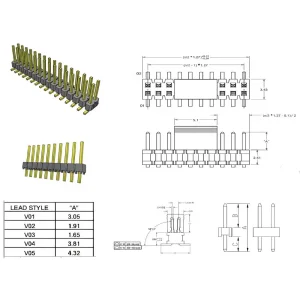
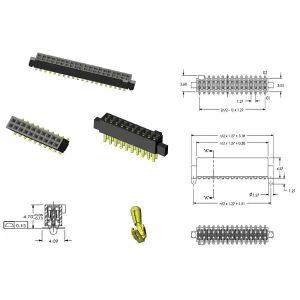
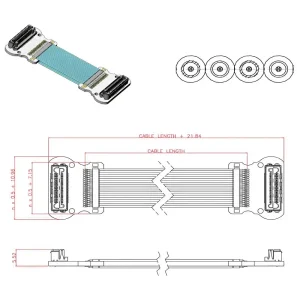
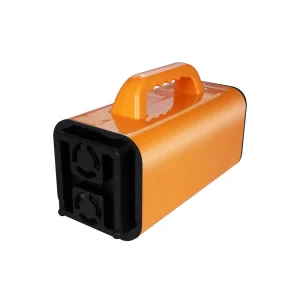
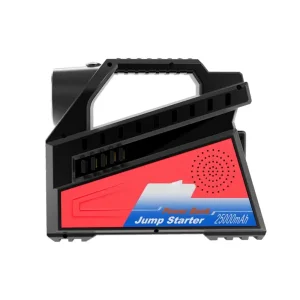
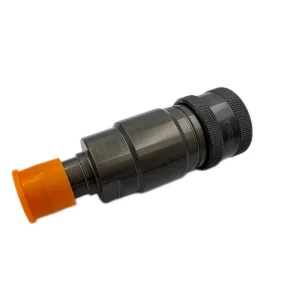
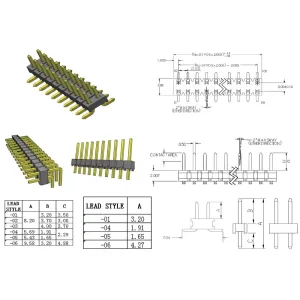
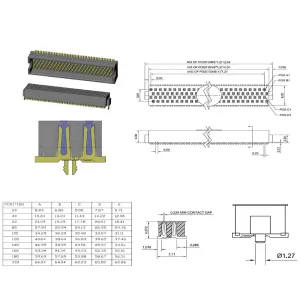
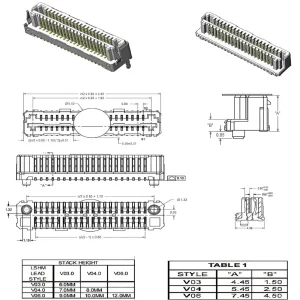
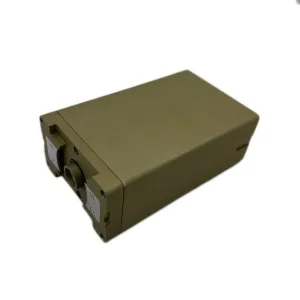
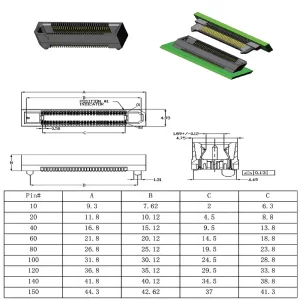
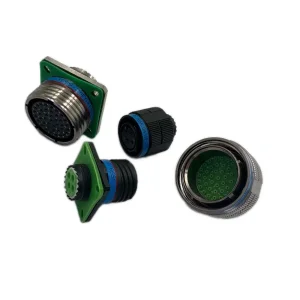
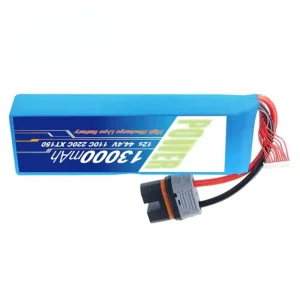
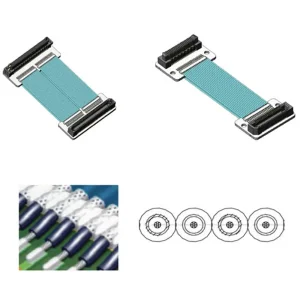
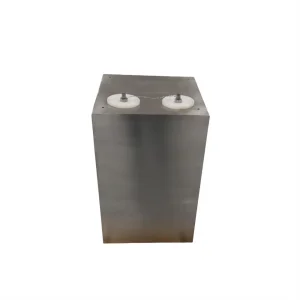
Explore our original portfolio of high-precision connectors and custom battery packs engineered to meet complex industrial specifications.
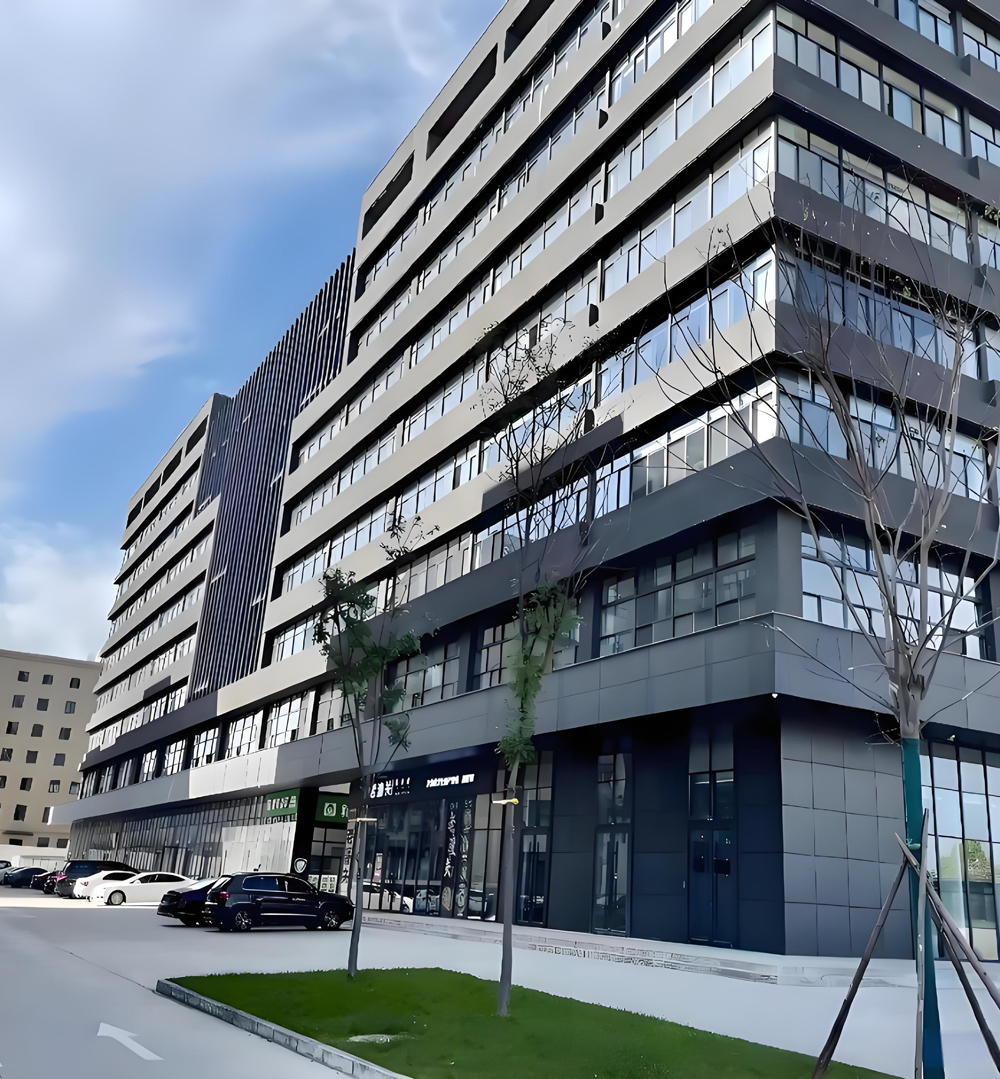
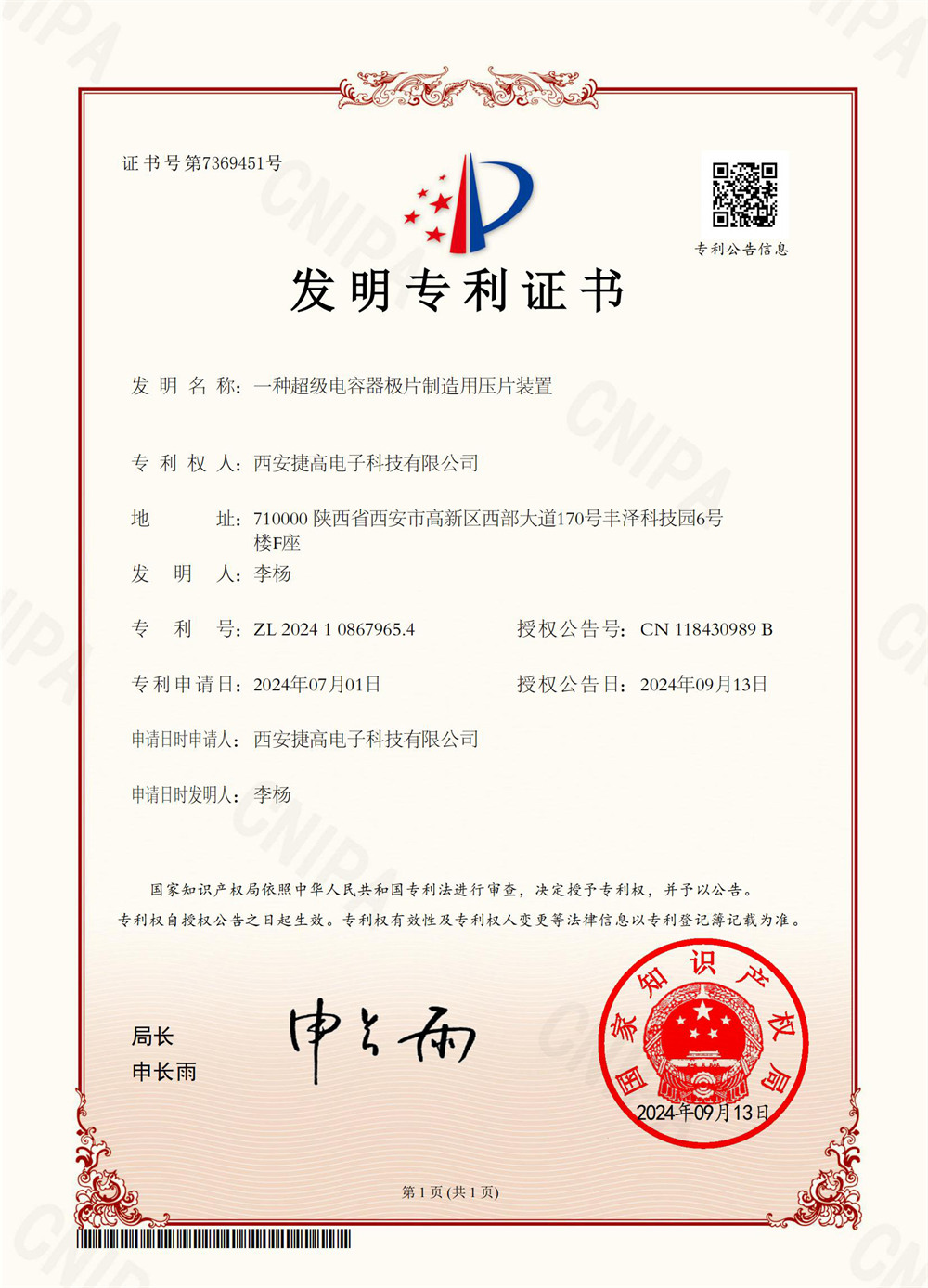
Established in 2007, Dynalink Electronic Technology Co., Ltd (DL) has grown into a leading technology-driven design and manufacturing enterprise. Supported by a workforce of over 800 employees, including more than 200 specialized technical and engineering staff, we specialize in high-reliability power supplies, energy storage systems, capacitors, and micro-interconnect solutions.
By integrating foundational material research, advanced product design, and 4.0 precision manufacturing, we control quality from raw chemical compounds to finished electronic assemblies. Our custom high-density lithium polymer cell formulations are widely implemented across safety-critical fields including aerospace, railways, new energy vehicles, high-rate drones, and surgical robotics.
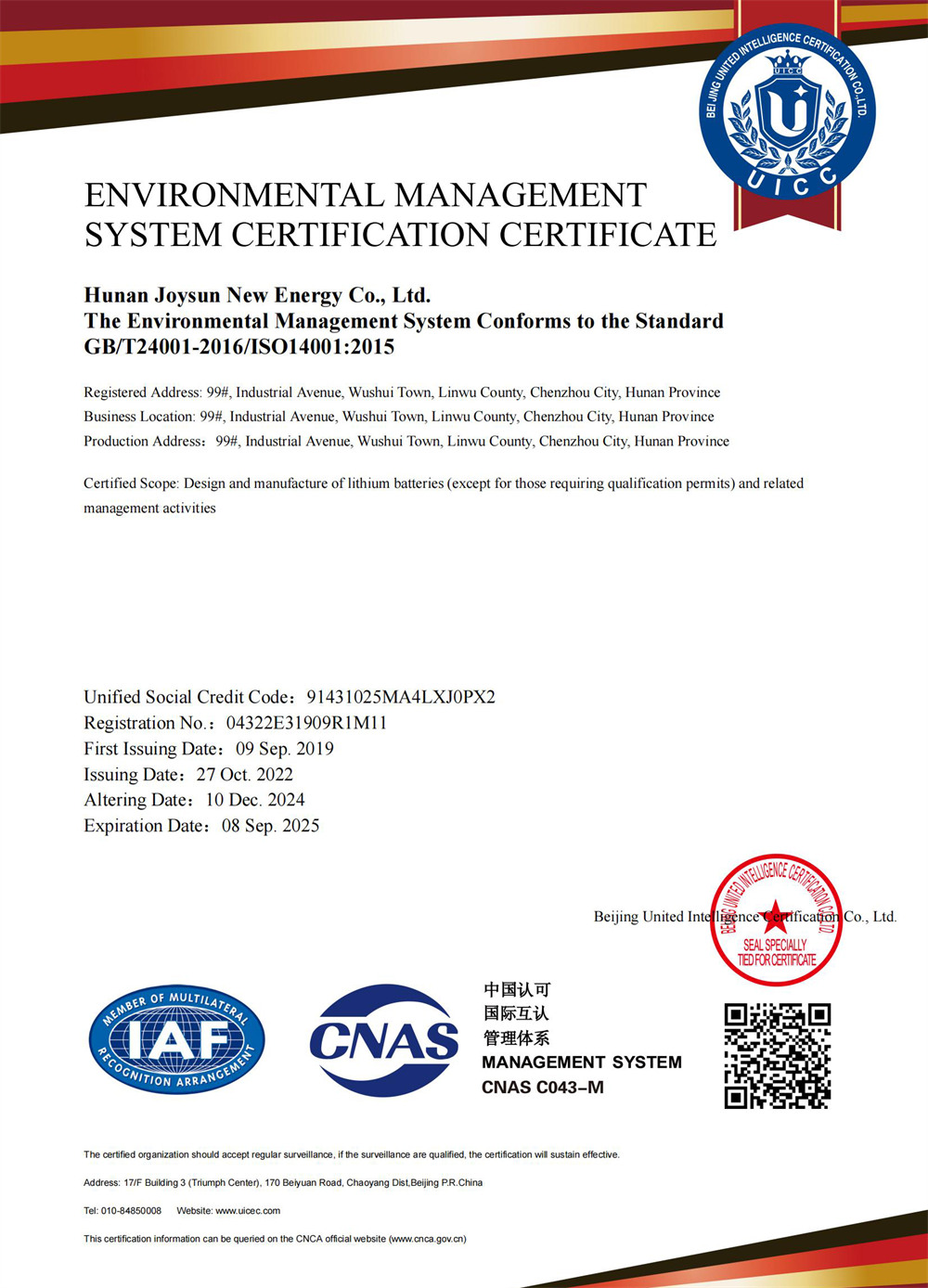
 ISO 14001:2015 Environmental System
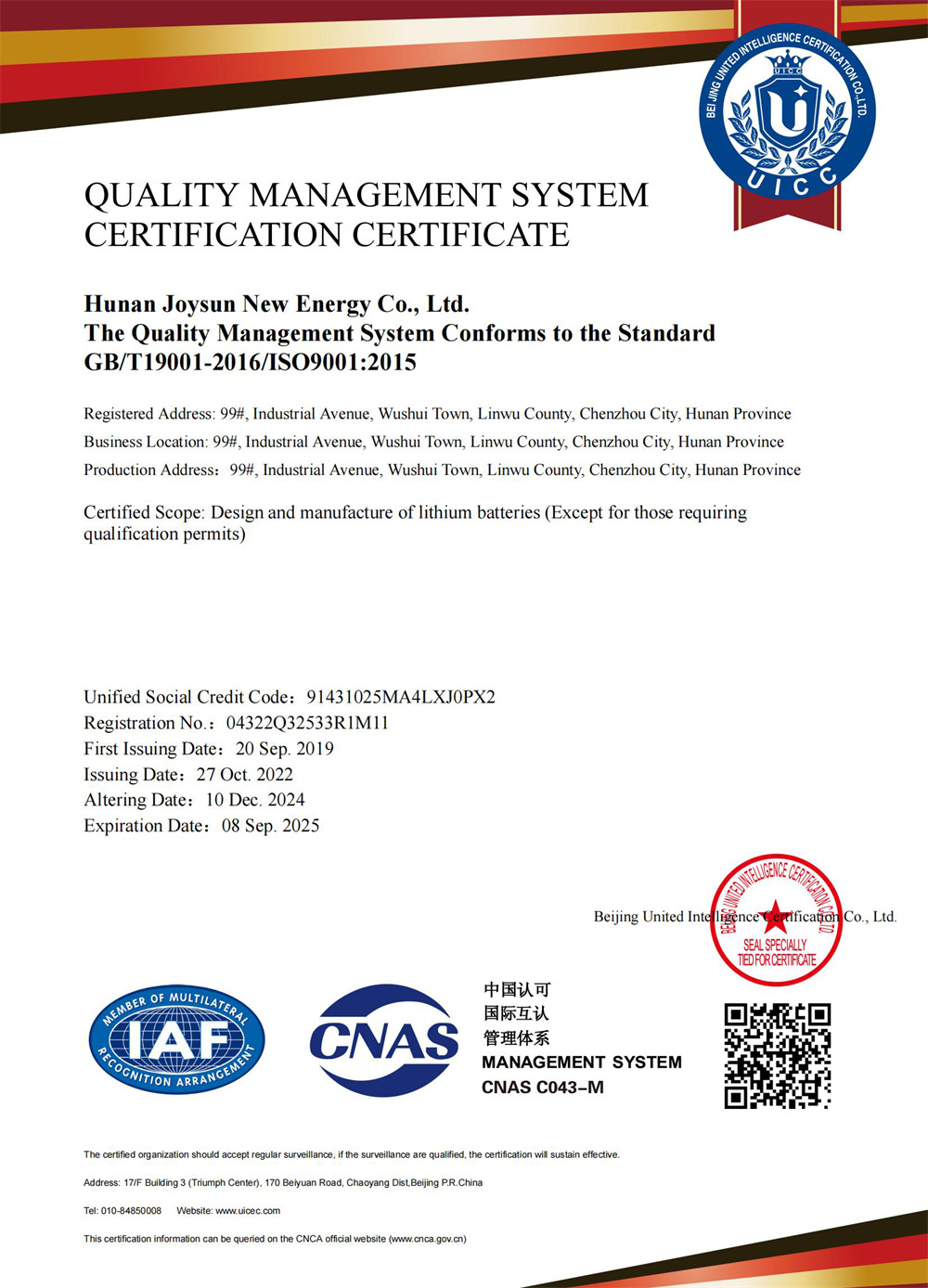
 ISO 9001:2015 Quality Management
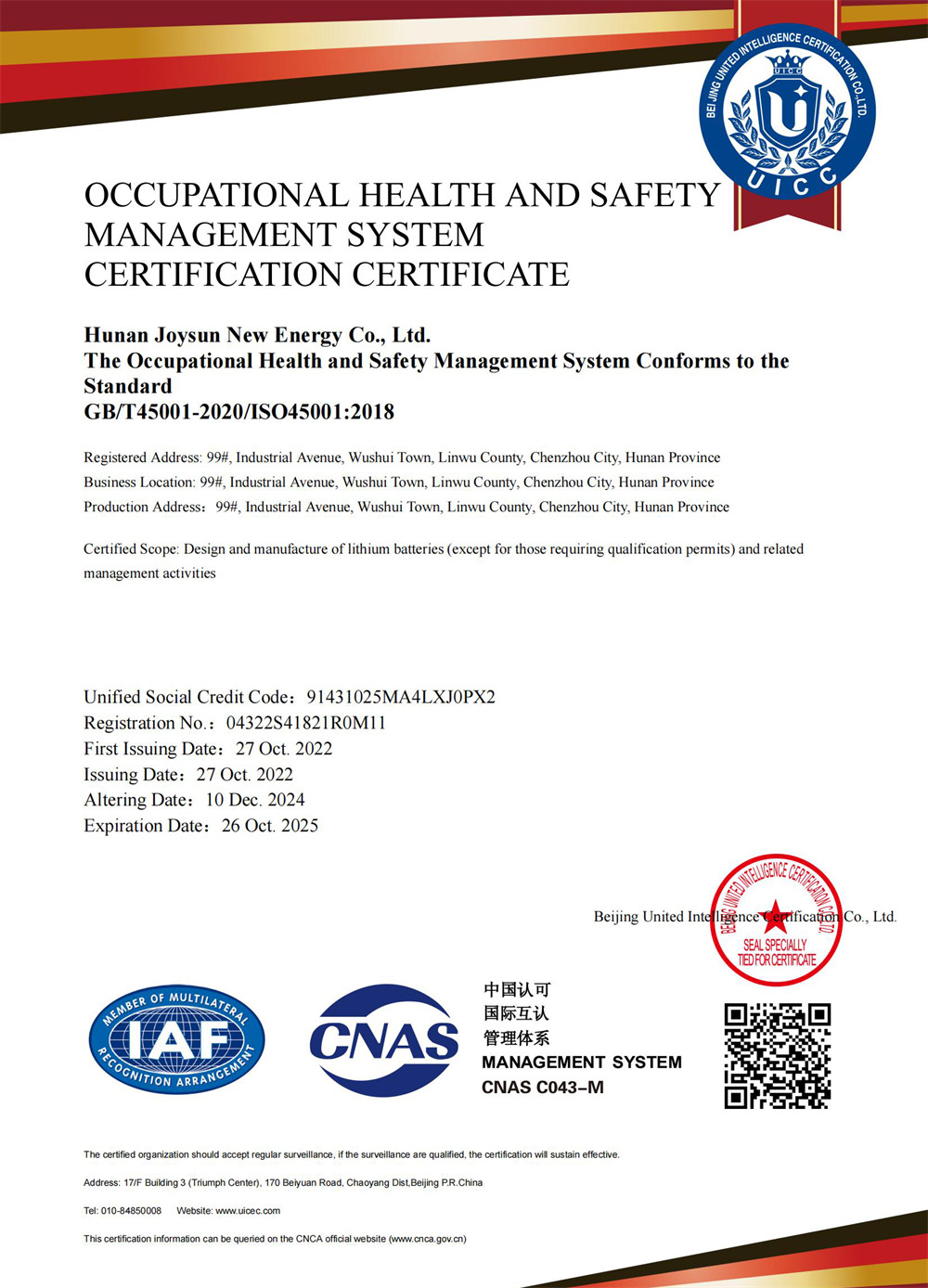
 ISO 45001:2018 Health & Safety
From custom battery chemistries to advanced high-speed connectors, we leverage vertically integrated technical systems to solve core engineering constraints.
Providing up to 75C continuous discharge cycles for heavy-lift industrial drones and unmanned aerial systems, securing flight stability and thermal control.
Integrating low-loss high-speed connectors and high-reliability batteries to guarantee zero-latency power transitions in hyperscale cloud environments.
Designing vibration-proof housing, anti-corrosive pin connectors, and wide-temperature polymer cells that perform reliably from -40°C to +75°C.
Our proprietary, AI-driven parameter platform matches battery pack dimensions, C-rate, and interconnect parameters quickly, delivering fully functional prototypes in weeks.
Active investment in solid-state polymer research, silicon-graphene composite anodes, and ultra-miniaturized interconnects enables us to keep your products ahead of the market curves.
Strategic directions in battery chemistry and material sciences pushing the limits of energy density and operational safety.
Optimizing active material loading and using atomic layer deposition (ALD) coatings to operate cells reliably up to 4.45V. This increases volumetric density to 750 Wh/L, serving thin-profile portable electronics and commercial medical devices.
Introducing micro-silicon composite anodes coupled with elastic binders. This compensates for volume expansion during lithiation, offering up to 20% energy capacity increases over standard graphite anodes without swelling.
Transitioning from liquid organic electrolytes to polymer matrix gel membranes and solid state ceramics. This dramatically improves safety by eliminating flammable solvents, preventing dendrite punctures, and tolerating extreme mechanical impacts.
We combine strict manufacturing standards with innovative materials to deliver robust, high-performance battery and connector solutions.
Our mission is to supply robust power and connection architectures. We design integrated power sub-systems that simplify your electrical engineering process.
Our R&D structure fosters seamless collaboration between electrochemists, mechanical designers, and electrical validation engineers, ensuring rapid support for challenging specifications.
We work to improve battery safe operating limits, high-frequency signal integrity in micro-connectors, and energy density in advanced film capacitors.
Providing customized battery assemblies that meet the stringent performance and regulatory requirements of diverse target markets.
Lightweight pouch form factors coupled with high gravimetric energy density to reduce payload weight in telemetry devices, tactical communications, and drones.
Ultra-reliable cells designed for surgical tools, portable oxygen concentrators, and diagnostic monitors requiring biocompatible safety.
High-capacity modular battery arrays equipped with active balancing CAN-bus BMS for automated guided vehicles (AGV) and e-mobility.
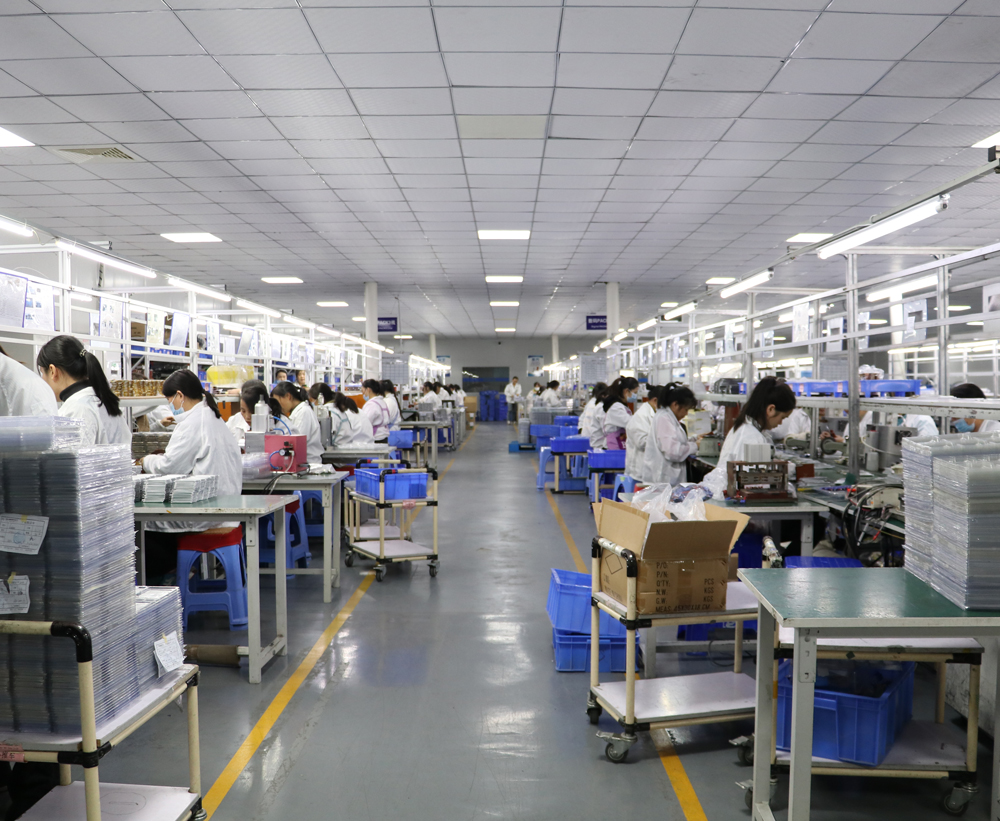
Battery pack consistency is essential for safety and service life. At Dynalink, our production facilities employ high levels of automation and end-to-end trace control systems.
Our mixing, coating, and slitting procedures are monitored by real-time closed-loop optical detectors. This maintains active thickness tolerances within ±1.5μm, preventing localized current concentrations and minimizing thermal hot spots during operation.
We operate fully dry rooms with atmospheric dewpoints maintained at -45°C. This keeps moisture content in cells below 150 ppm, limiting internal degradation, gas generation, and cycle fade over the lifetime of the battery.
Every single cell runs through a comprehensive 100% capacity matching and internal resistance profiling stage. Testing data is archived in our MES, enabling precise cell matching for multi-cell pack configurations.
Verifies internal electrode alignment and checks tab welding integrity to prevent internal short circuits.
High-temperature and low-temperature storage aging processes help identify micro-leakage and minor voltage drops early.
Helium leak detection is utilized to confirm hermetic seal integrity, preventing moisture ingress and electrolyte evaporation.
Our standard engineering flow minimizes project risks, moving from initial concept verification through to final mass production.
Analysis of target operating voltage, continuous and peak currents, envelope limits, connector types, and temperature range requirements.
Creating structural 3D CAD models, designing cell layouts, selecting BMS protection chips, and configuring micro-connectors.
Completing environmental chamber sweeps, vibration tests, shock testing, short-circuit validation, and thermal run-up evaluation.
Executing scaling runs via automated pilot lines, locking tooling fixtures, setting up standard quality control plans, and shipping final products.
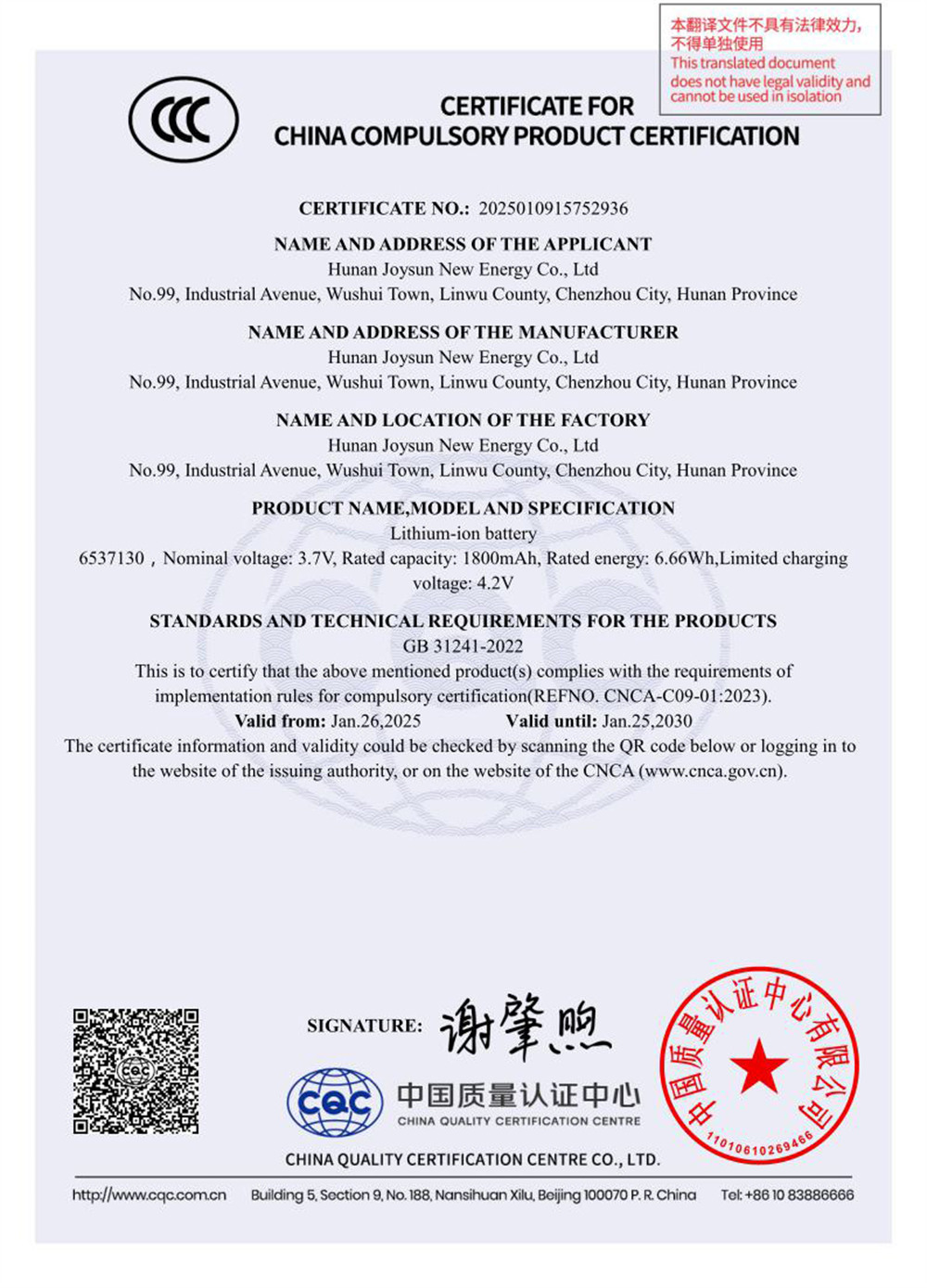
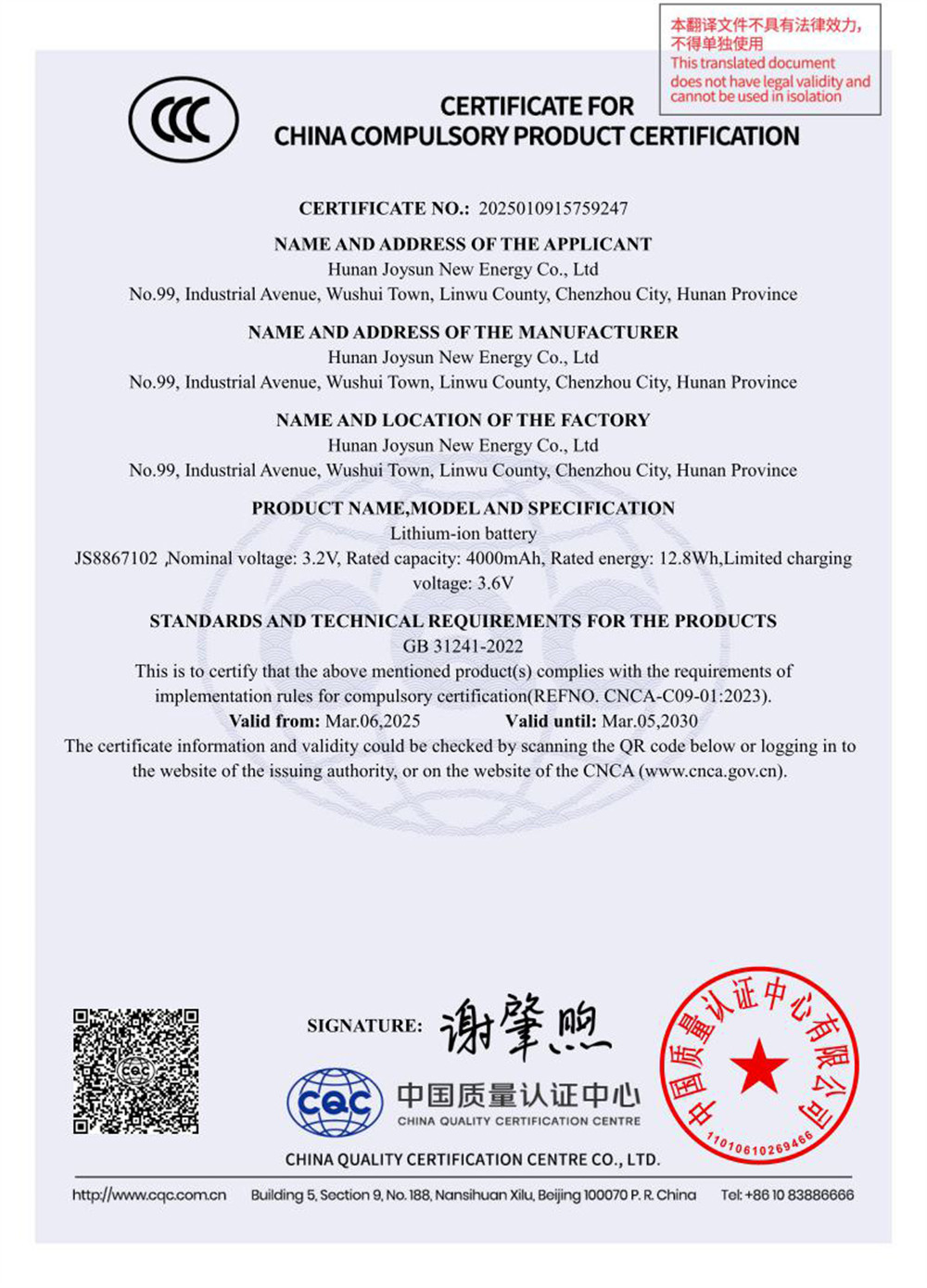
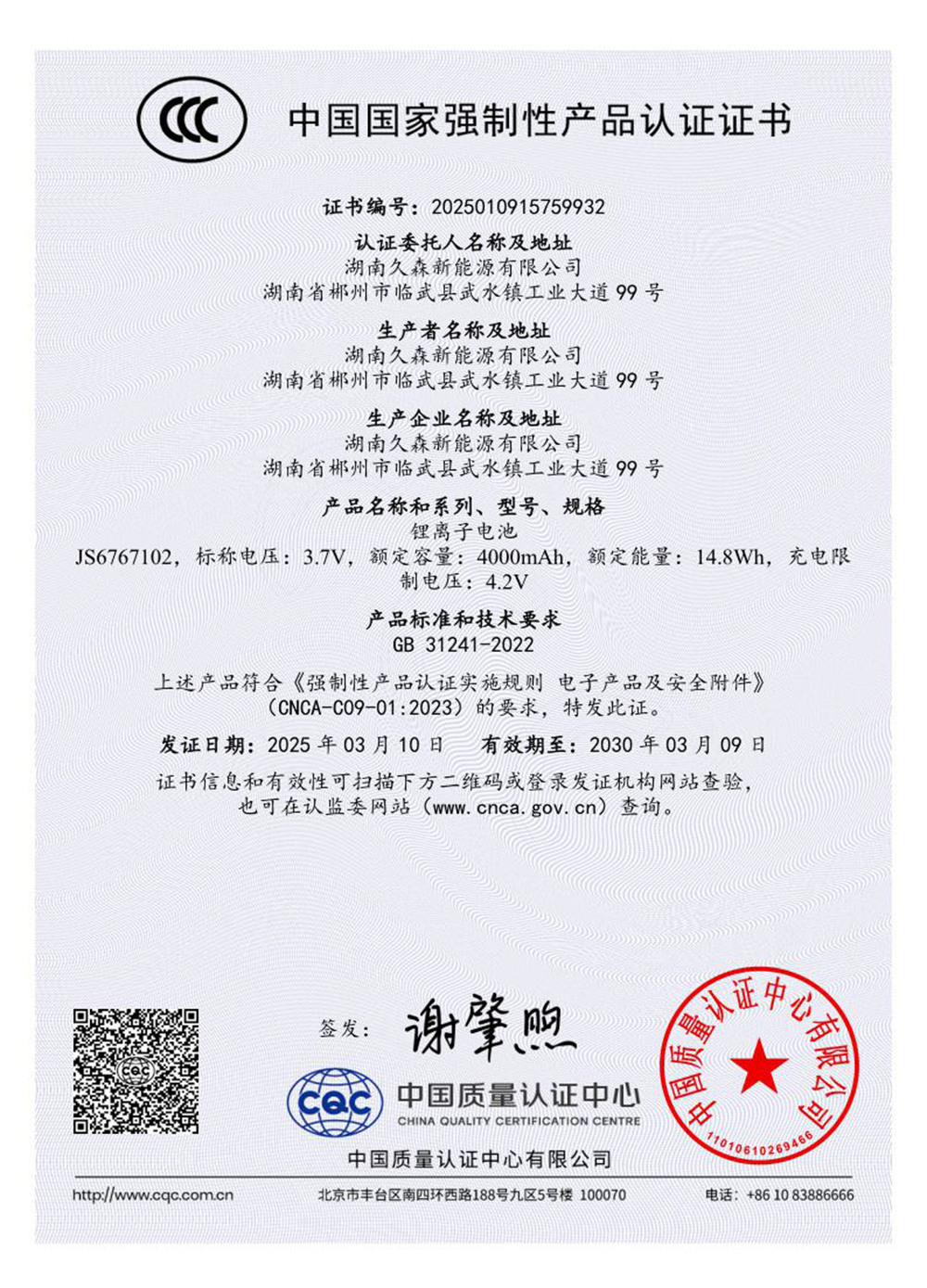
Transporting and deploying lithium-ion batteries requires strict adherence to international safety rules. Dynalink batteries undergo testing and certification to comply with key global standards.
Our product lines carry certifications including UL 1642 (cell safety), UL 2054 (pack safety), IEC 62133-2, CE, KC, and PSE. This helps speed up the approval process for your final equipment in major markets.
For shipping, we verify each batch with UN38.3 test reports and supply updated SDS documentation. We work with certified hazardous materials forwarders to manage smooth shipping transitions across Class 9 cargo channels.
Validates robust cell design against physical impact, overcharging, and thermal exposure.
Ensures compliance with international portable product standards in Europe and Asia.
Confirms safety during air and sea transport under vibration, drop, and pressure tests.
Ensures the elimination of restricted heavy metals and hazardous processing chemicals.
Our factories and testing procedures are audited to comply with major international quality and environmental management standards.
Detailed answers to technical and operational questions concerning custom lithium polymer battery design and supply.
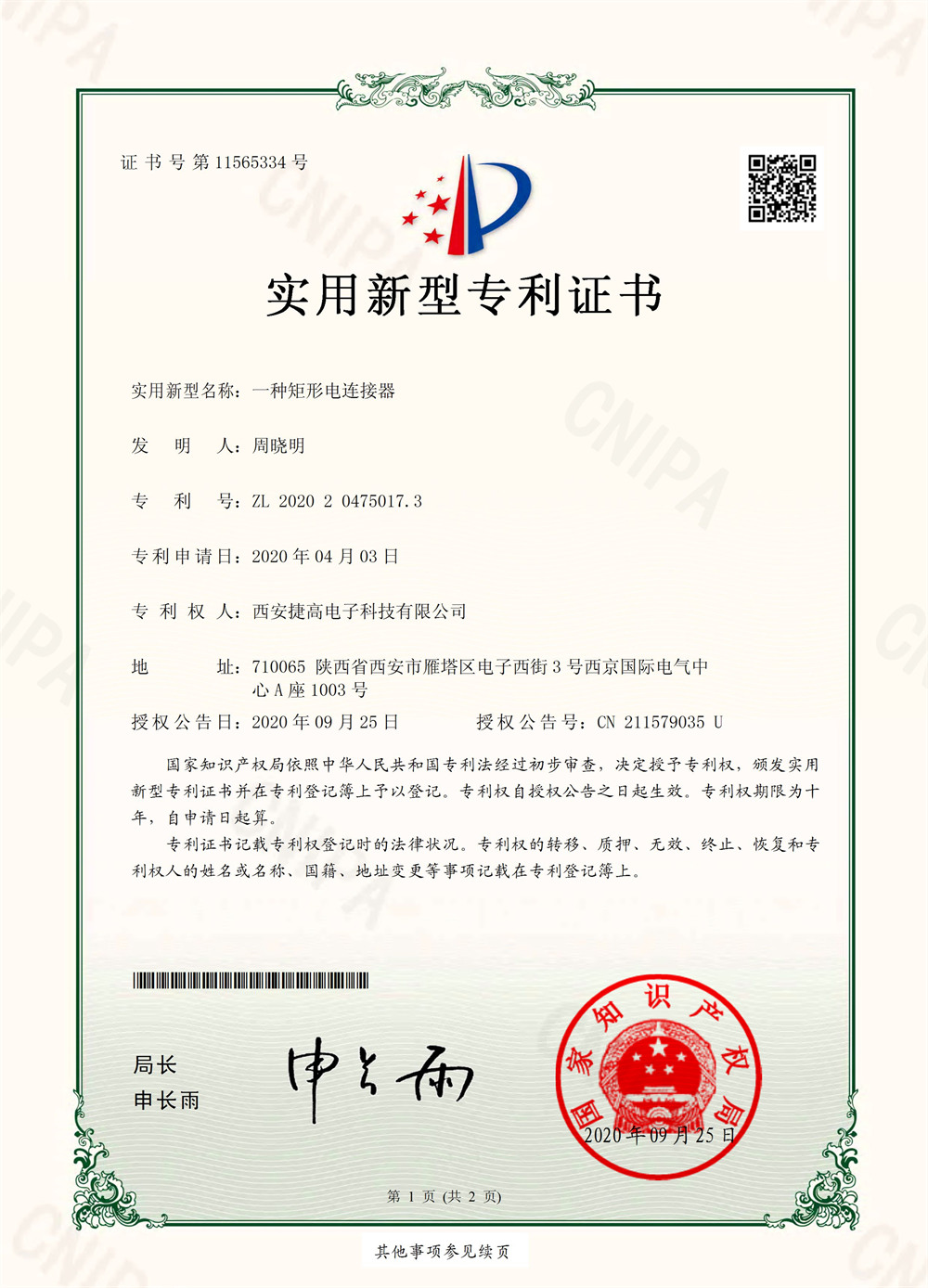
Providing high-grade components designed to maintain stable power delivery and signal integrity in demanding conditions.
 Dynalink Electronic