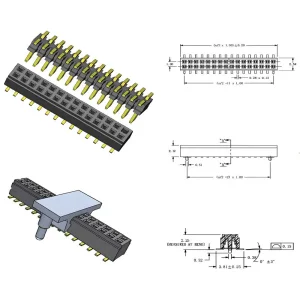
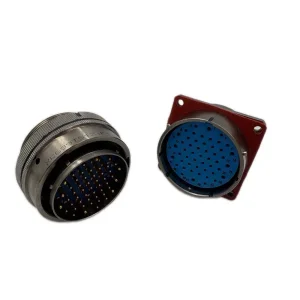
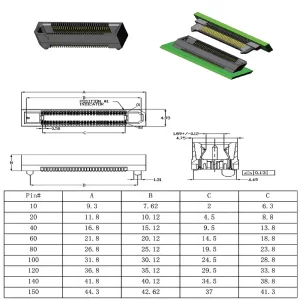
Explore our foundational range of heavy-duty aerospace, medical, and energy storage system components engineered for extreme environments.
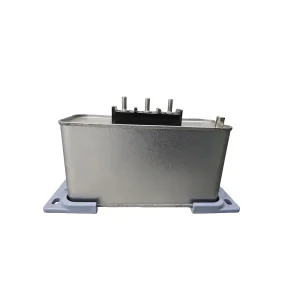
The global transition toward green energy grid networks has accelerated the demand for stable, high-performance battery systems. Modern industrial ecosystems require more than off-the-shelf storage solutions; they demand highly specialized, tailormade integrations. Shoto Lithium Battery technologies represent the zenith of this evolution, blending safe chemistries like Lithium Iron Phosphate (LiFePO4) with next-generation smart Battery Management Systems (BMS).
For multinational corporations, procuring from a reliable ODM Shoto Lithium Battery Manufacturer & Exporters is a crucial strategy to mitigate long-term energy risks. High energy density, thermal safety, and micro-grid compatibility are key operational benchmarks. As global telecom providers, utility companies, and backup datacenters upgrade from legacy lead-acid structures, our advanced ODM systems ensure maximum runtime and minimal degradation over thousands of duty cycles.
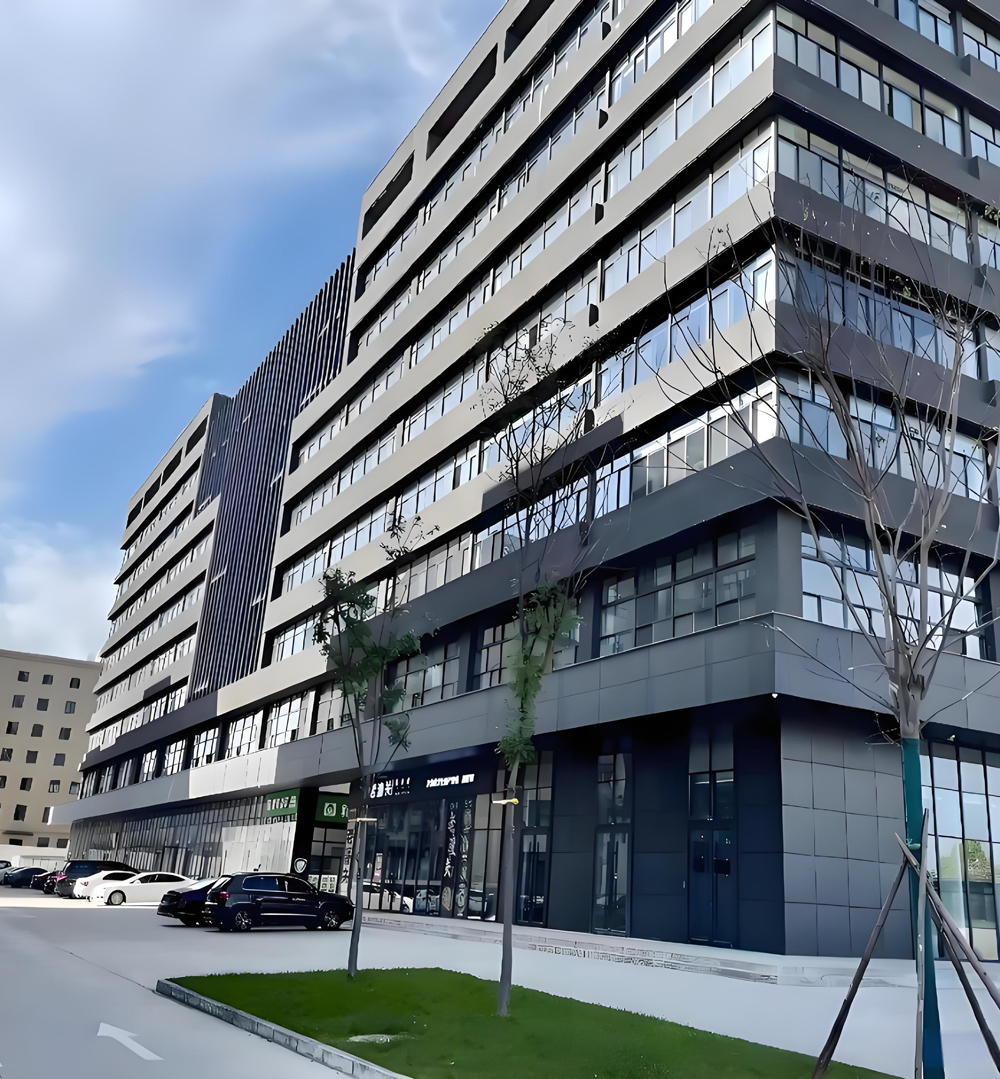
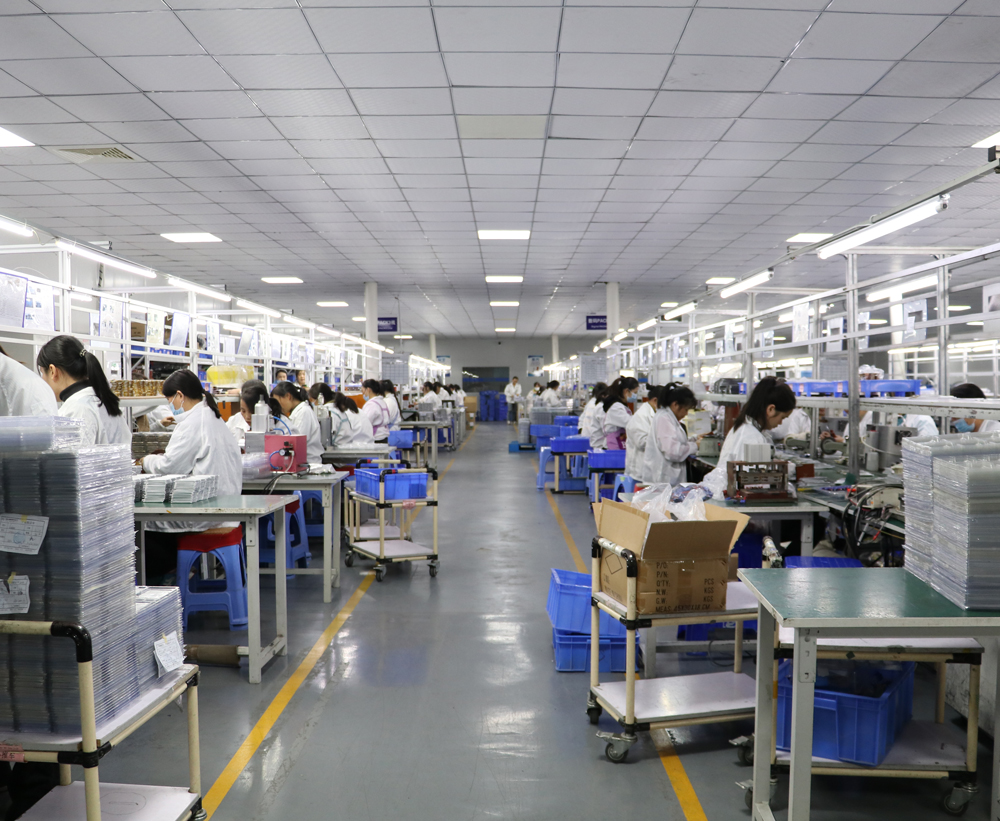
Established in 2007, Dynalink Electronic Technology Co., Ltd (DL) has emerged as a premier technology-driven design and manufacturing powerhouse. We maintain a robust workforce of over 800 employees, which includes a dedicated team of more than 200 technical staff specializing in advanced chemical engineering, electrical systems, and structural connector designs.
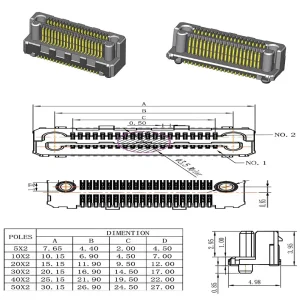
DL specializes in the complete lifecycle development of high-reliability power supplies, energy storage capacitors, and precision connectors. By investing continuously in R&D, we have secured a comprehensive industrial chain that covers raw material research, prototype development, precision CNC fabrication, and full-system electrical validation. Our robust components are heavily deployed in high-spec industries including aviation, aerospace, maritime transport, high-speed railways, electric vehicles (EVs), medical devices, logistics drones, and industrial robotics.
Through our intelligent design platform, DL resolves systemic energy bottlenecks across major modern industries.
In high-end logistics and military drone ecosystems, our custom lithium assemblies ensure optimized C-rates, lightweight frames, stable discharge curves, and rapid recharging structures.
We supply high-speed connectors and microsecond-response backup power systems, ensuring data transmission remains continuous with minimal impedance loss during power switches.
Specially sealed connector nodes and shockproof, high-voltage battery designs deliver uninterrupted performance for heavy machinery working in dust-heavy, high-vibration terrain.
By investing heavily in Solid-State Battery Research and next-gen material capacitors, we push the physical limits of safety, lifetime economics, and gravimetric energy density.
Global procurement directors face unprecedented supply volatility. DL resolves this via our Factory 4.0 methodology in China, integrating cyber-physical systems with automated production lines. Our vertical integration enables direct control over key battery cells, structural brackets, busbars, and BMS PCBs.
Through automated high-precision laser welding, automated cell sorting systems, and automated thermal chamber cycling, every single Shoto Lithium Battery pack is subjected to rigorous quality gates before dispatch. This systematic approach dramatically cuts scrap rates and provides global exporters with high-volume, reliable shipments that adhere to international transport guidelines (UN38.3, IMDG code).
Furthermore, by optimizing raw material pipelines (securing tier-one LFP cell precursors), DL cushions its B2B partners against spot-price market shifts, securing stable contract pricing and predictable multi-year scaling paths.
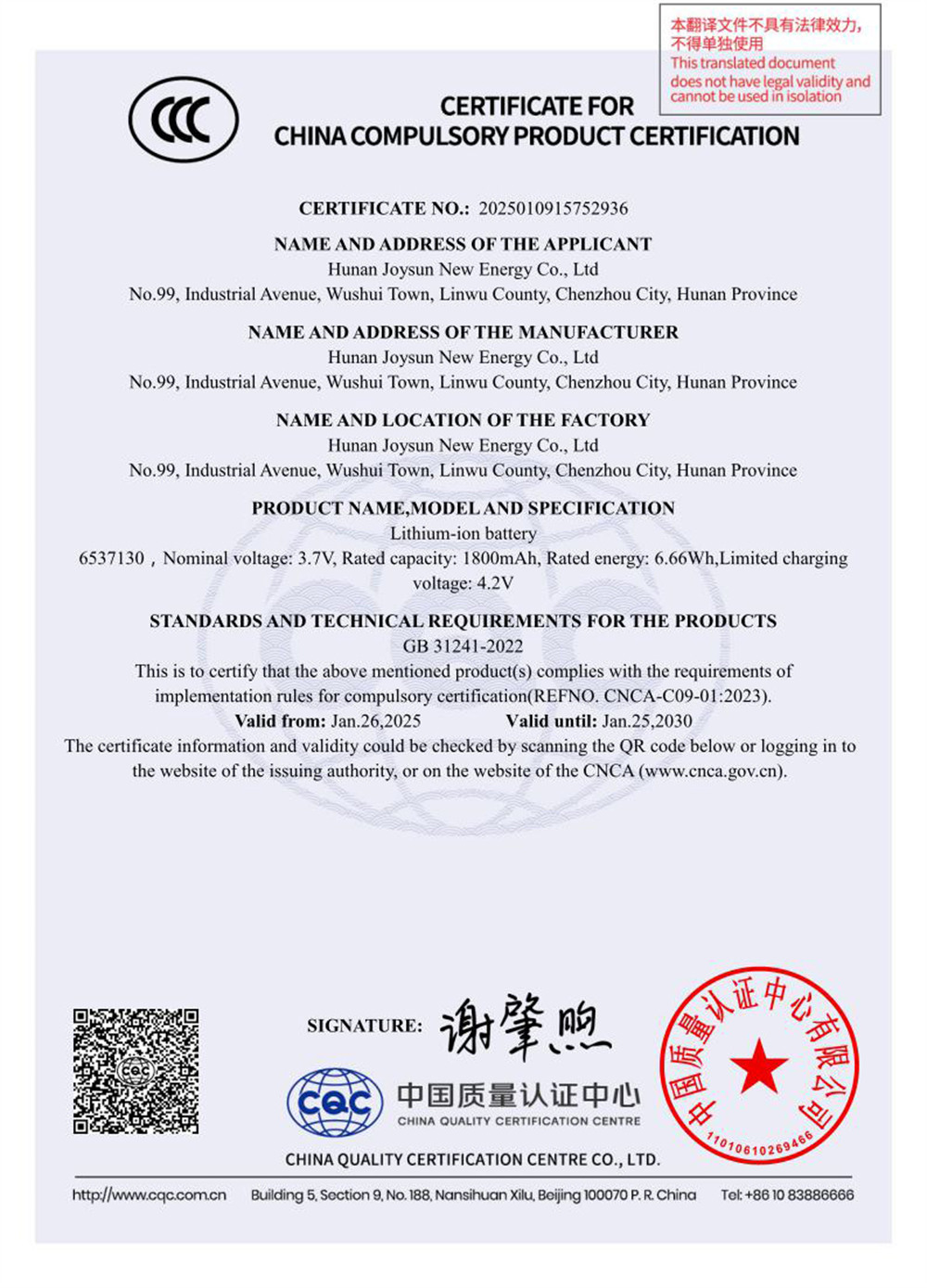
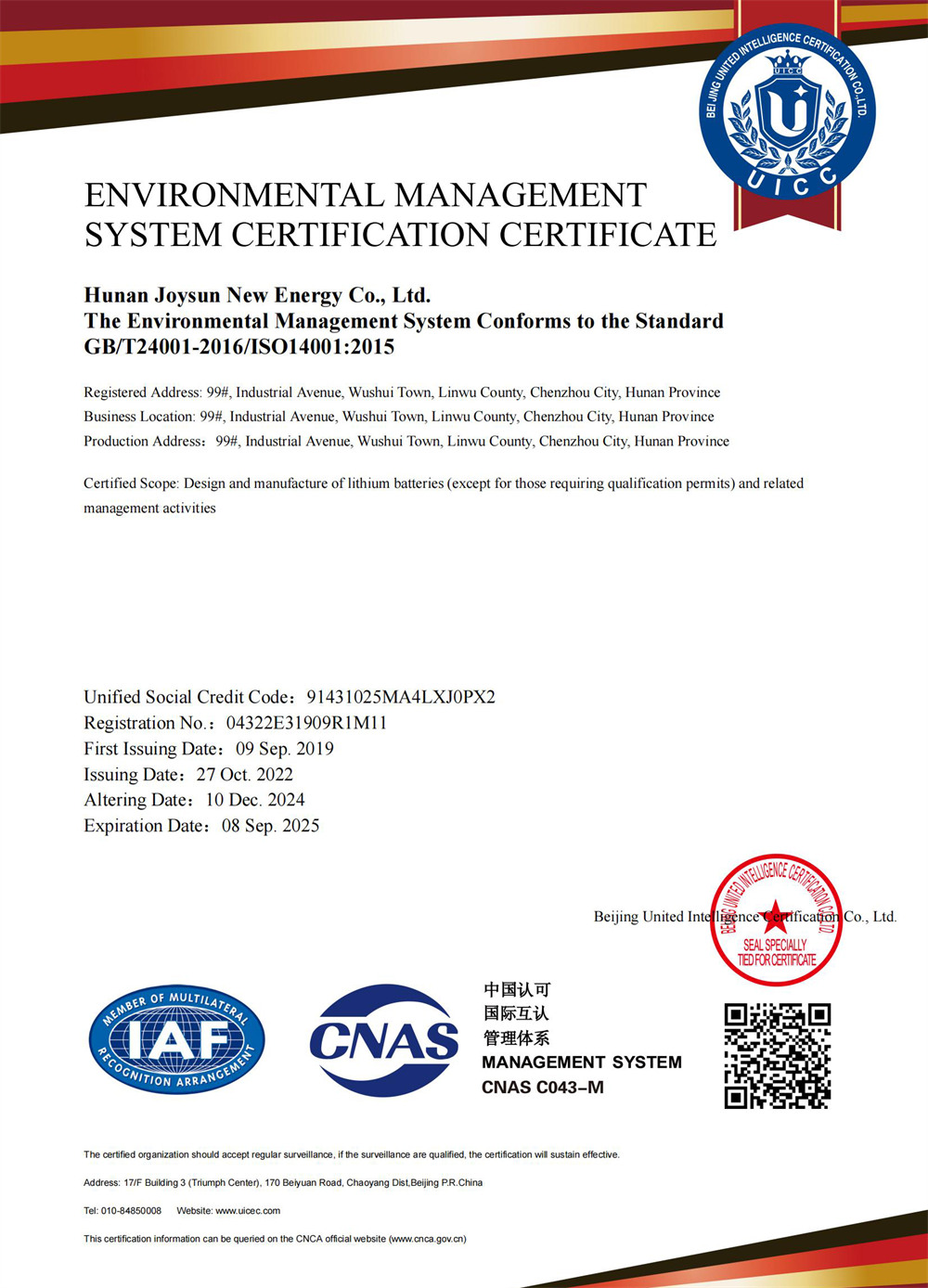
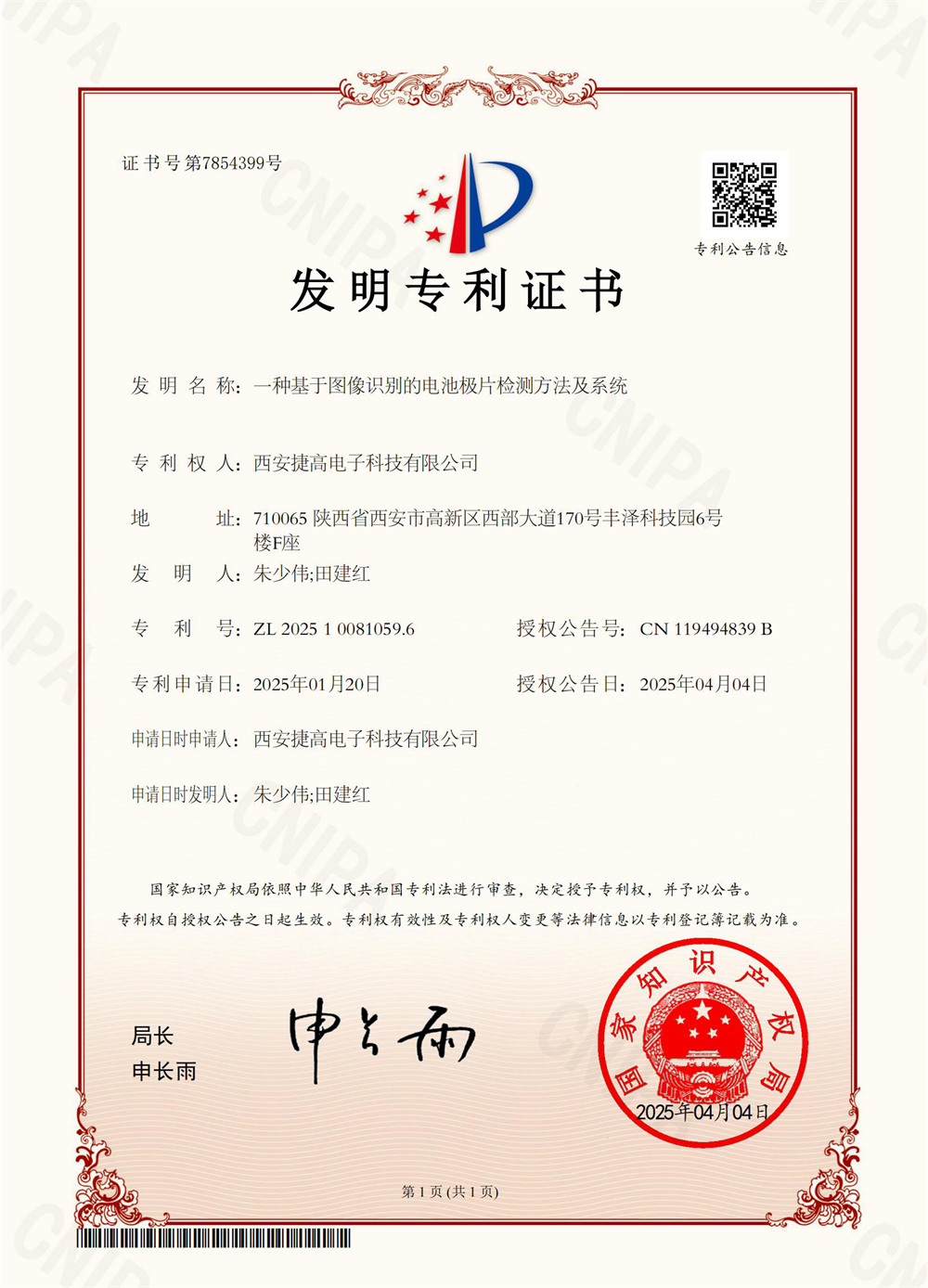
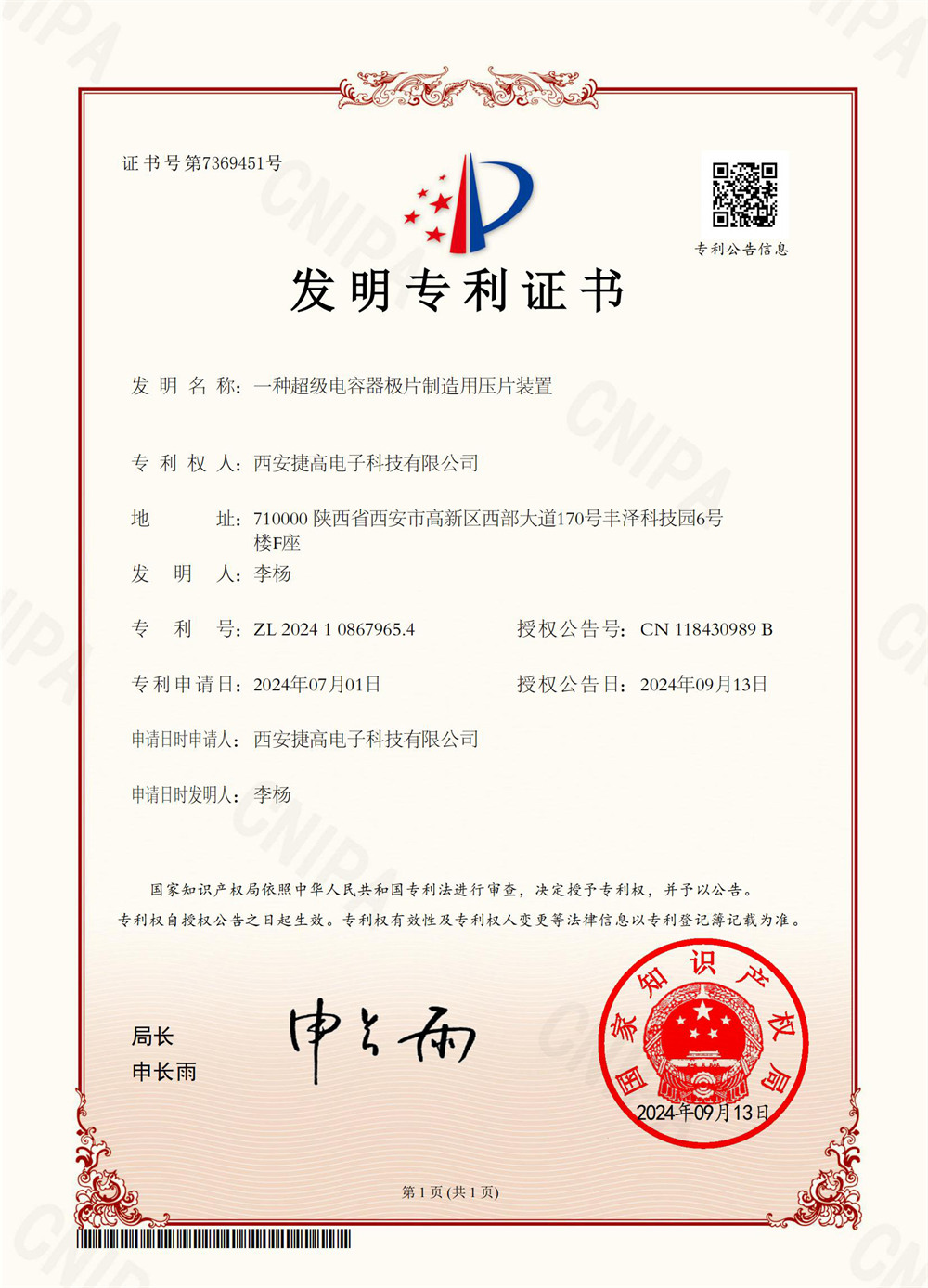
Our industrial facilities operate under strict global auditing systems. We ensure that our design processes, environmental footprints, and labor environments are managed under the highest standard frameworks:



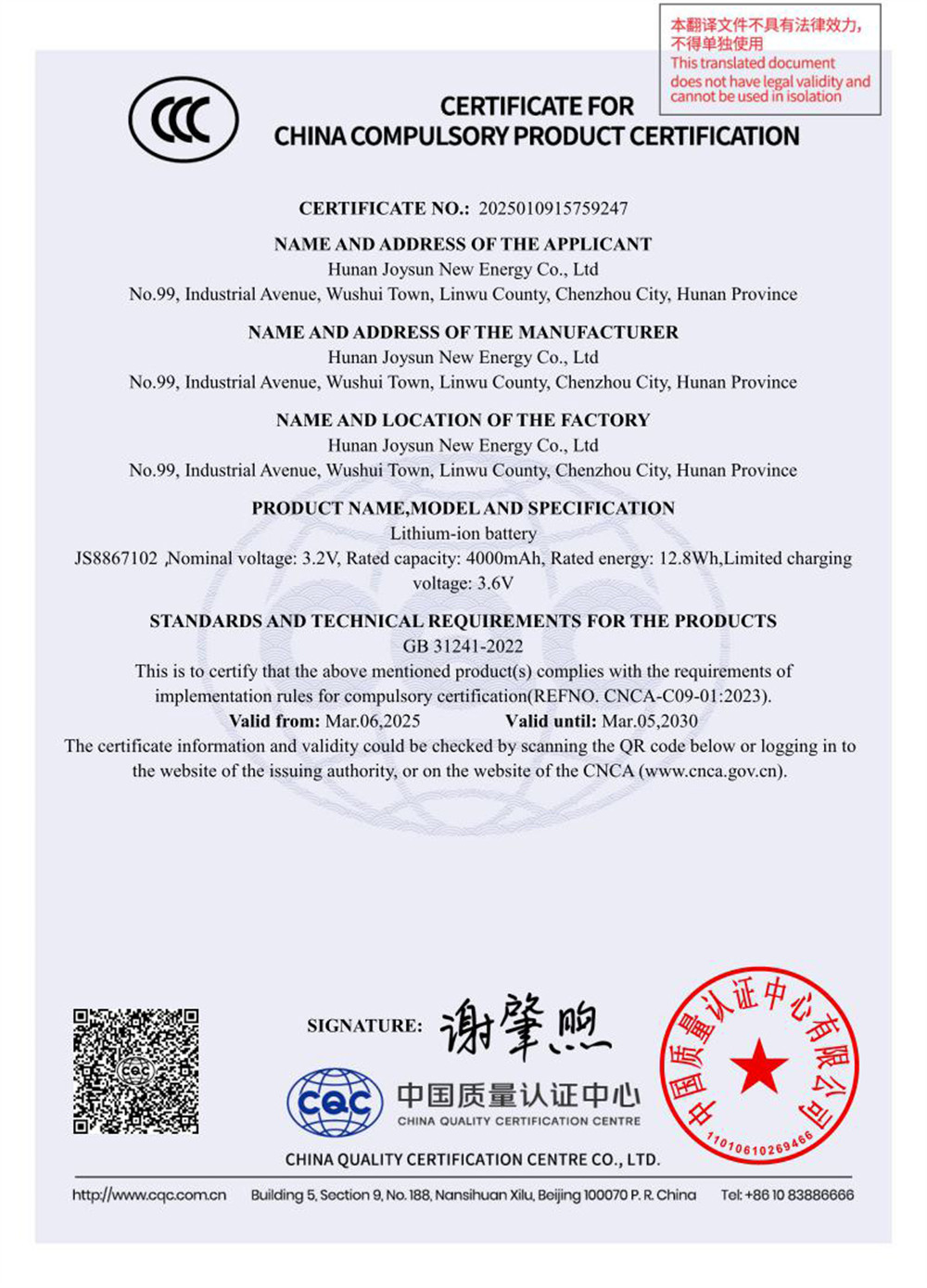
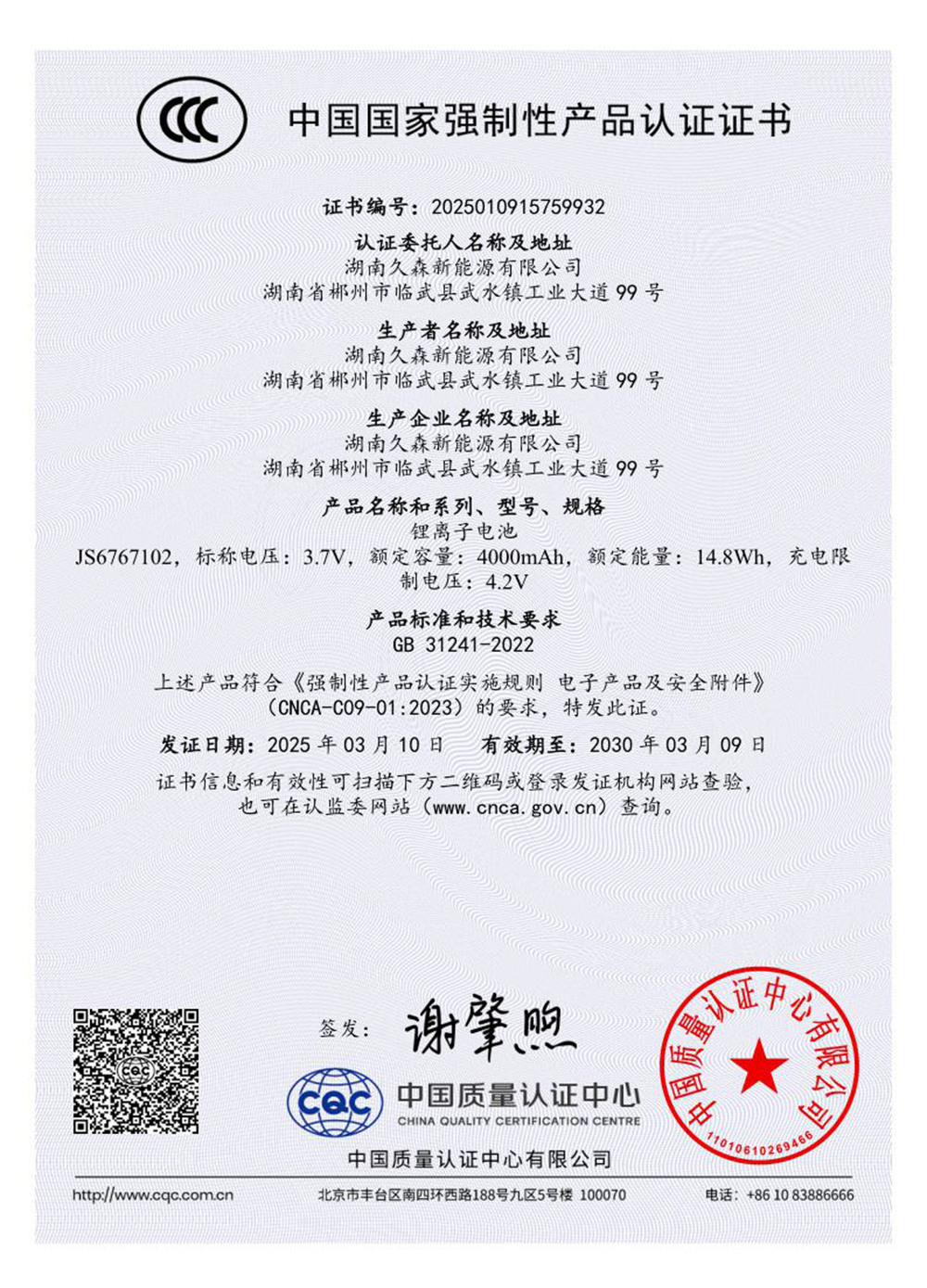
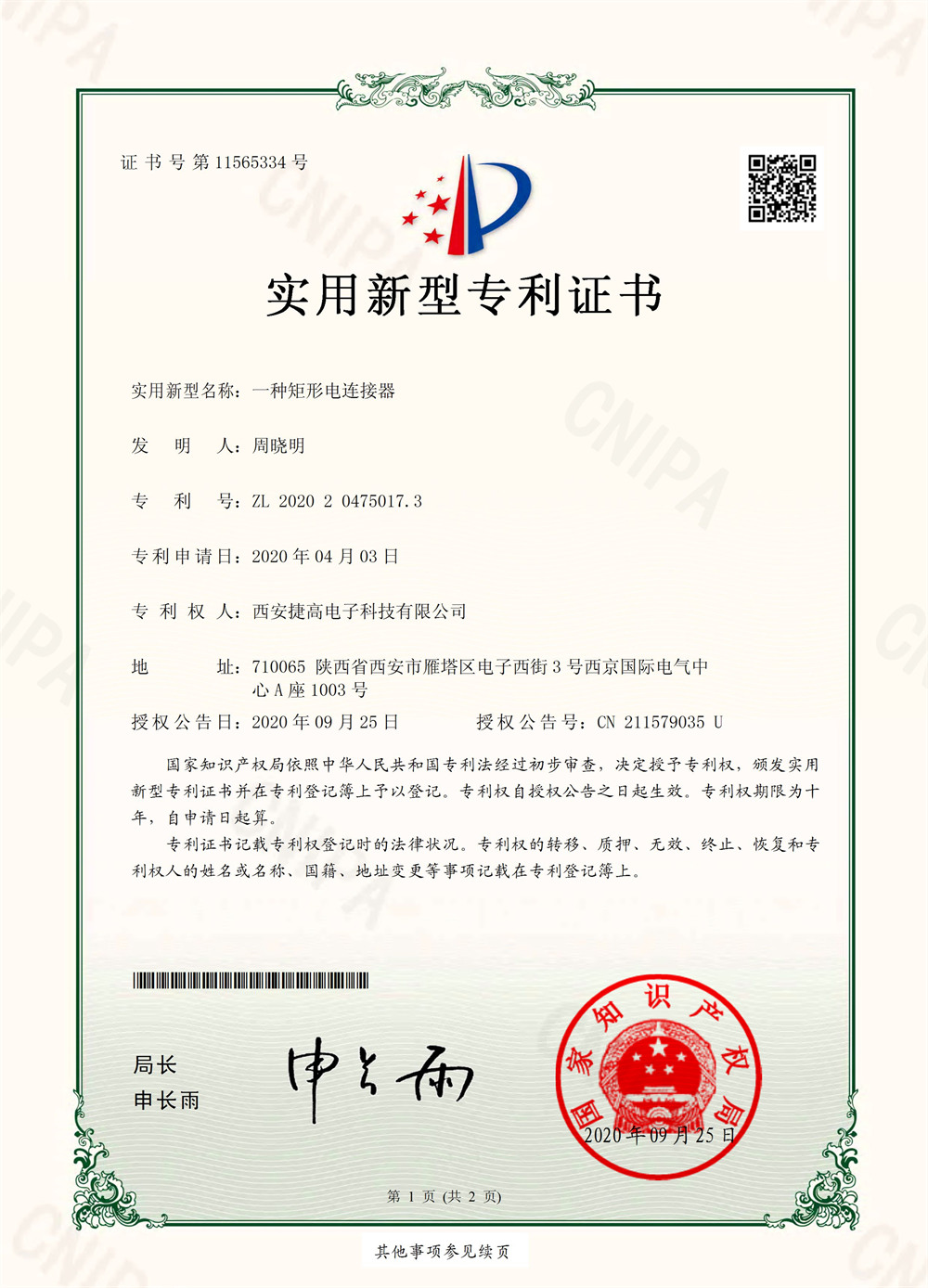
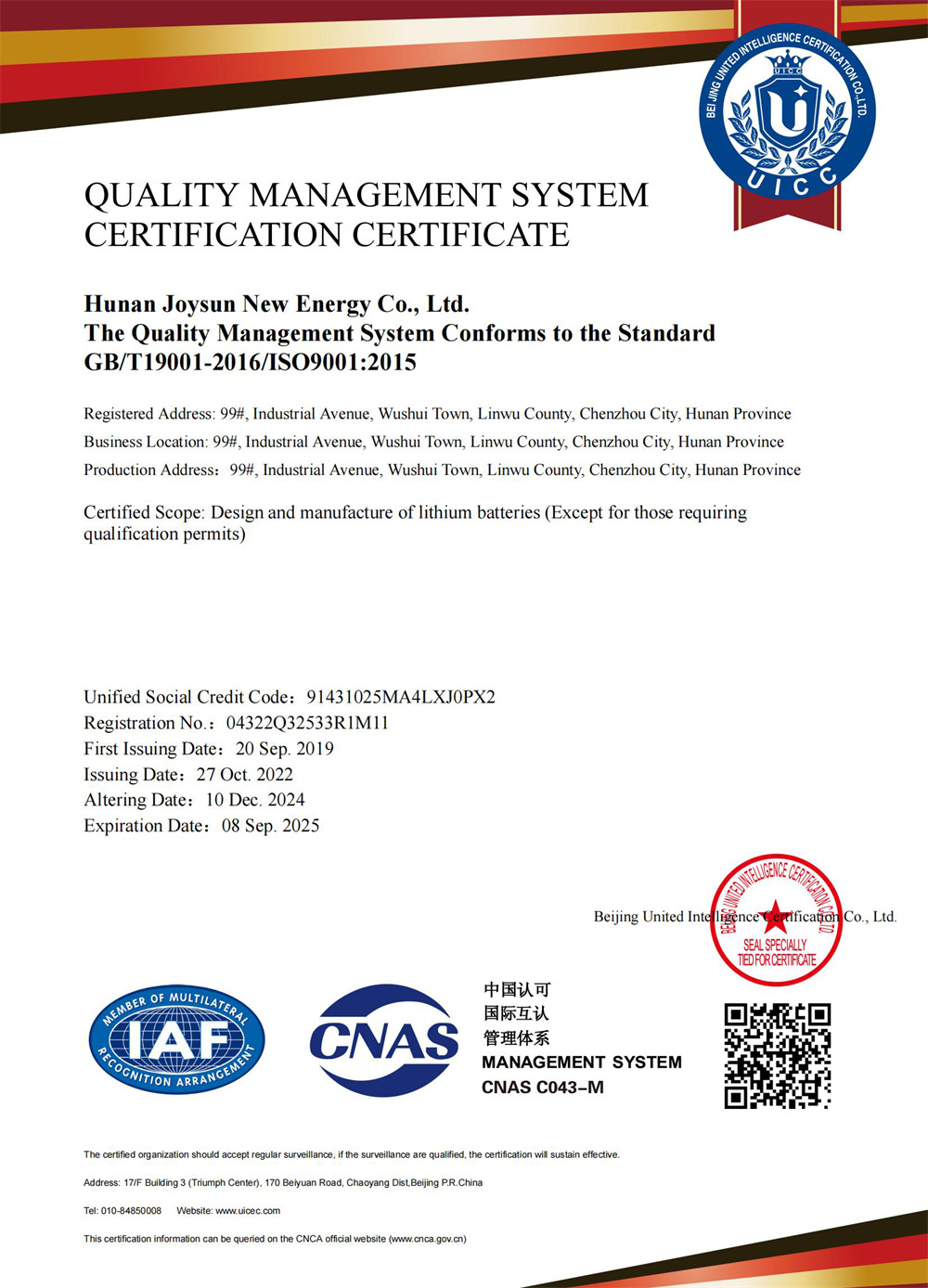

Different regions demand varied storage parameters. Understanding these local requirements defines our design architecture.
Lithium systems typically degrade rapidly when exposed to temperatures below 0°C or above 45°C. To solve this, our ODM Shoto battery arrays incorporate dynamic thermal management systems. Internal active heating elements warm up LFP cells under freezing sub-zero conditions, allowing standard charging without dendrite formation. Conversely, for dry, hot arid regions, specialized liquid cooling loops preserve battery cycle-life by maintaining optimal structural temperatures.
In regions suffering from volatile utility grids, telecom towers experience multiple daily micro-outages. Our lithium arrays act as the primary buffer. Compared to standard lead-acid batteries that fail within 1-2 years under constant partial-state-of-charge (PSOC) conditions, our LiFePO4 modules handle up to 6000 cycles at 80% Depth of Discharge (DoD), drastically reducing OPEX maintenance and site visits.
Vessels and railway grids demand strict shock resistance and high current draw profiles. Our custom-designed mechanical enclosures secure modules against severe multi-axis vibrations, and our customized copper busbars prevent localized hot spots. These safety features are paired with fire-suppressant gas systems embedded within the battery racks, securing a critical layer of defense for onboard crew and passengers.
For modern smart factories and retail complexes, peak power tariffs pose a significant financial hurdle. Our smart battery racks charge during low-cost utility windows and discharge when tariffs peak. By communicating directly with local Building Management Systems via Modbus/CAN protocols, our systems dynamically load-match to maximize electricity savings.
Expert insights into cell engineering, customization limits, thermal safety, and procurement processes.
Lithium Iron Phosphate (LiFePO4) offers exceptional thermal stability and has a thermal runaway threshold exceeding 270°C, compared to 150°C for Nickel Manganese Cobalt (NMC). Furthermore, LFP offers a cycle life exceeding 5000-8000 cycles (depending on operational conditions), compared to 1500-2500 cycles for NMC. This long lifespan provides a lower total cost of ownership (TCO) for telecom, microgrid, and industrial backup systems despite LFP's slightly lower gravimetric energy density.
Our ODM workflow begins with detailed mechanical and electrical specification profiling, including voltage configurations, peak discharge currents, dimensional space constraints, and communication protocol selection (typically CAN, RS485, or Modbus). Once the specs are locked in, our engineers design custom structural battery enclosures, select optimal cell batches, construct customized BMS architectures, and assemble prototypes for validation. We conduct extensive thermal mapping, vibration trials, and electrical load testing in our laboratory before initiating high-volume automated manufacturing.
DL integrates a three-tier safety framework. First, on the chemistry layer, we use high-grade cell vents and flame-retardant structural plastics. Second, our Battery Management System (BMS) continuously monitors individual cell voltages, pack temperatures, and current levels to prevent overcharging, deep discharge, or short circuits. Lastly, our heavy-duty enclosures are engineered with dynamic pressure release valves and localized thermal isolation sheets between cell groups to prevent thermal runaway propagation.
We deploy automated robotic assembly lines where high-resolution vision systems check cell alignment, spot-welding uniformity, and busbar contacts. Every single weld spot is scanned using laser monitoring to identify structural anomalies. Our cells are automatically sorted by capacity and internal resistance, preventing mismatched cells within a pack, which is the primary cause of premature battery failure. This meticulous process ensures a uniform standard across large product shipments.
Yes. Our customized BMS supports extensive communication protocols, enabling direct plug-and-play configuration with top-tier hybrid inverters and charge controllers. The BMS continuously shares charge parameters, battery health state (SoH), and state of charge (SoC) data, allowing the solar array control unit to balance solar generation with battery capacity limits, improving system efficiency and safety.
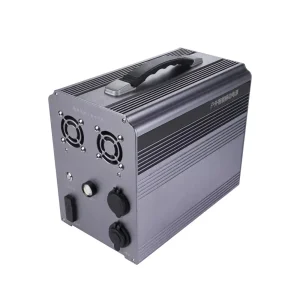
Explore our specialized range of high-density backplanes, power stations, high-voltage battery banks, and custom cabling nodes.
 Dynalink Electronic