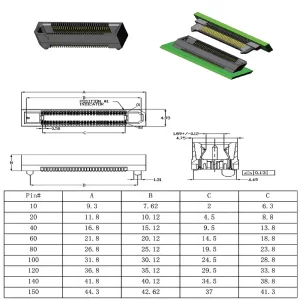
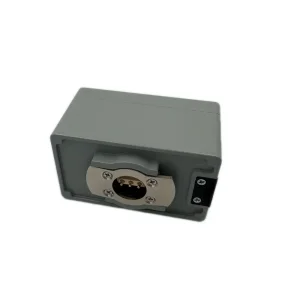
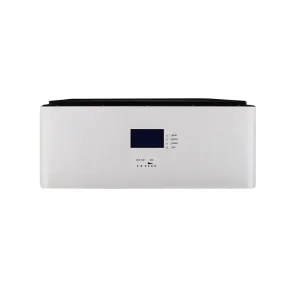
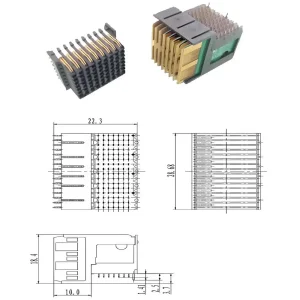
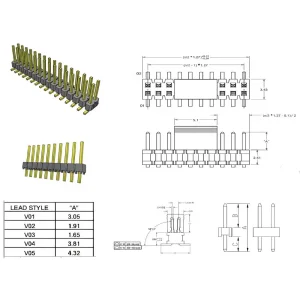
Explore our high-performance power supply systems, connectors, and capacitors engineered for harsh environments.
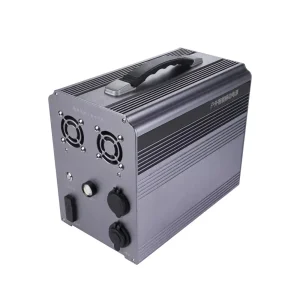
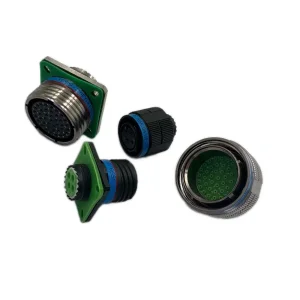
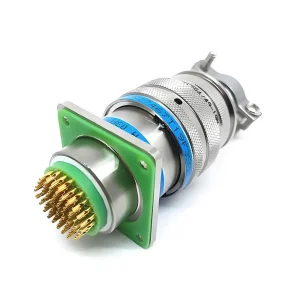
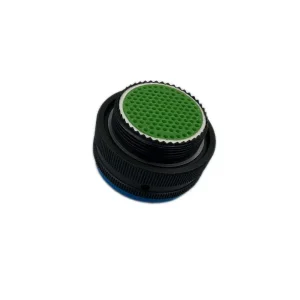
An authoritative look at technical parameters, global commercial demands, and engineering applications.
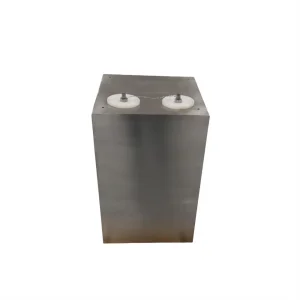
In modern electronic circuit architectures, a blocking capacitor (also known as a DC blocking capacitor) serves a vital dual-purpose role: it prevents the flow of direct current (DC) signals while presenting a low-impedance path to alternating current (AC) or radio frequency (RF) signals. The operating principle lies in capacitive reactance, governed by the formula Z = 1 / (2πfC). As frequency (f) increases, capacitive reactance drops to near zero, permitting high-frequency communication signals or pulse currents to pass without attenuation, while isolating the DC biasing voltages of adjacent circuit stages.
In high-power industrial platforms, high-speed telecommunication structures, and power electronic converters, selecting the proper dielectric material is critical. RF and microwave blocking capacitors utilize low Equivalent Series Resistance (low-ESR) and low Equivalent Series Inductance (low-ESL) ceramics, such as Class I C0G/NP0 dielectrics, to eliminate insertion losses and prevent thermal dissipation. For power decoupling and energy storage, Class II materials like X7R, X5R, or specialized polypropylene films (MKMJ type) are selected due to their high capacitance densities.
"High-frequency matching, low insertion loss, and stable thermal performance under high-voltage stresses are the core criteria for global tier-one electronics OEMs. A failure rate in the parts-per-billion (ppb) range is mandatory for applications operating in critical domains."
The global demand for high-reliability blocking capacitors is expanding rapidly, driven by the rollout of 5G Advanced/6G networks, autonomous driving radars (operating at 77-81GHz), and renewable energy smart grids. In high-frequency communication transceivers, DC blocking capacitors isolate the power rail from RF transmission pathways. In the automotive sector, the adoption of Wide Bandgap (WBG) semiconductors like Gallium Nitride (GaN) and Silicon Carbide (SiC) in traction inverters demands capacitors that withstand higher operating voltages, faster switching transients (high dV/dt), and elevated ambient temperatures exceeding 150°C.
Currently, procurement trends indicate that multinational corporations are shifting from standard off-the-shelf catalog products to bespoke OEM/ODM design-ins. Engineers require custom electrode metallization, specialized packaging formats (including ultra-miniature MLCC formats like 0201/01005 and heavy-duty screw terminals for industrial energy banks), and rigorous mechanical screening to resist vibrations in aerospace and automotive platforms.
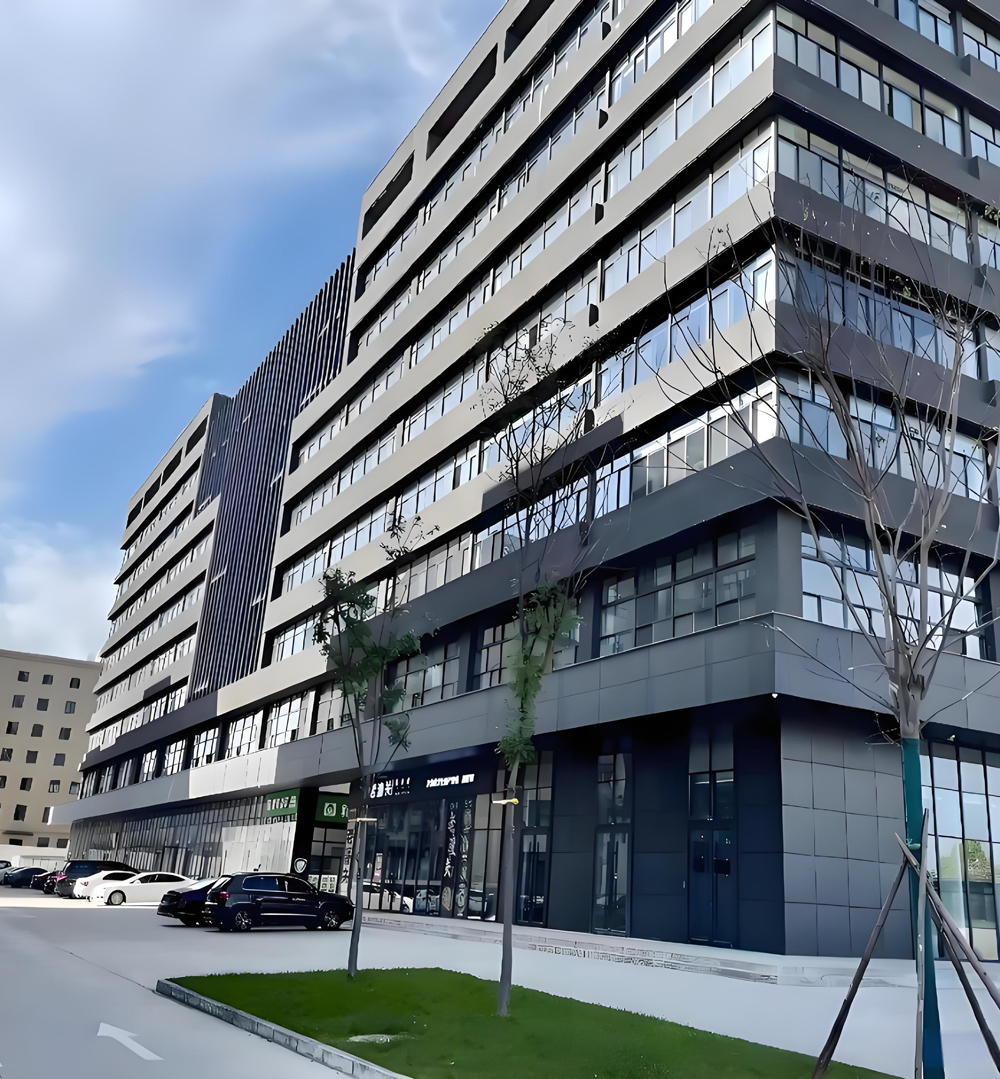
Established in 2007, Dynalink Electronic Technology Co., Ltd (DL) has developed into a technology-driven designer and precision manufacturer of high-end power supplies, energy storage capacitors, and high-reliability connectors. Supported by a workforce of over 800 employees—which includes more than 200 dedicated R&D and quality control technicians—Dynalink has built a vertically integrated production structure. This spans material formulation research, structural engineering, high-precision tooling fabrication, and automated testing.
Dynalink's design and manufacturing systems are structured to comply with international aerospace, automotive, and military standards. The company's products are used in demanding applications such as aviation avionics, deep-sea shipping instrumentation, high-speed rail control units, new energy vehicles, advanced medical imaging, industrial drones, and robotic controls.
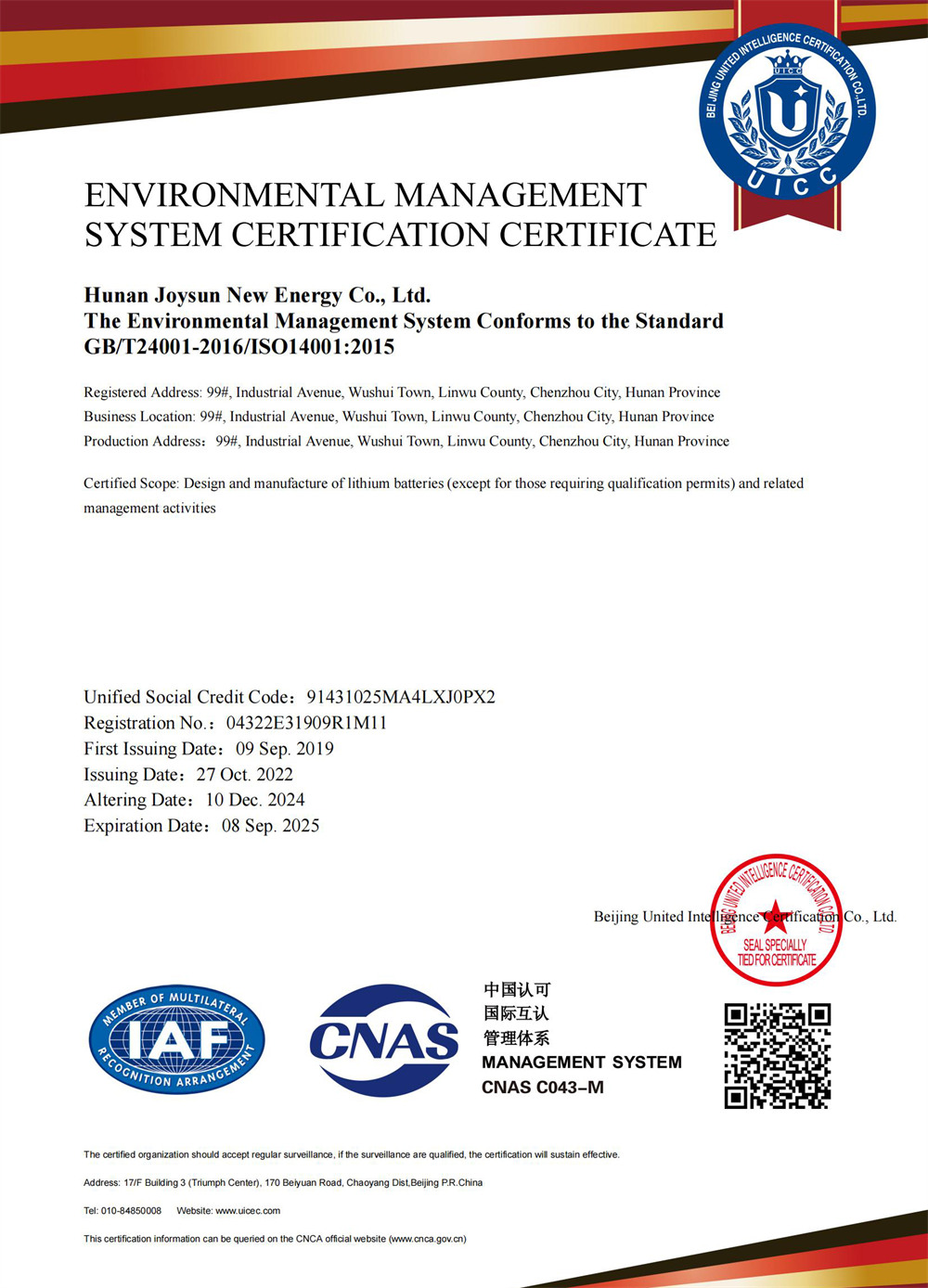
GB/T24001-2016 Environmental Management
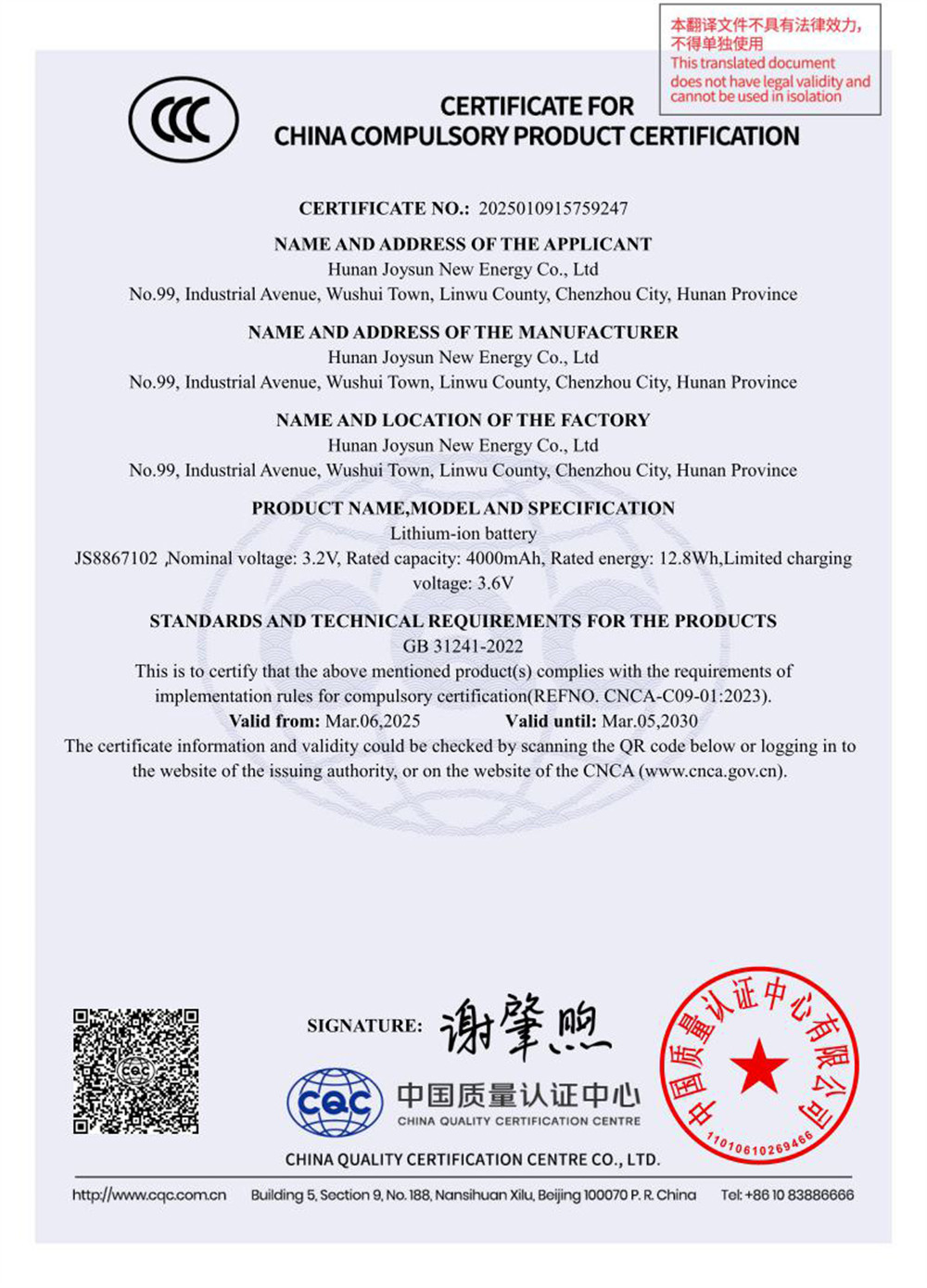
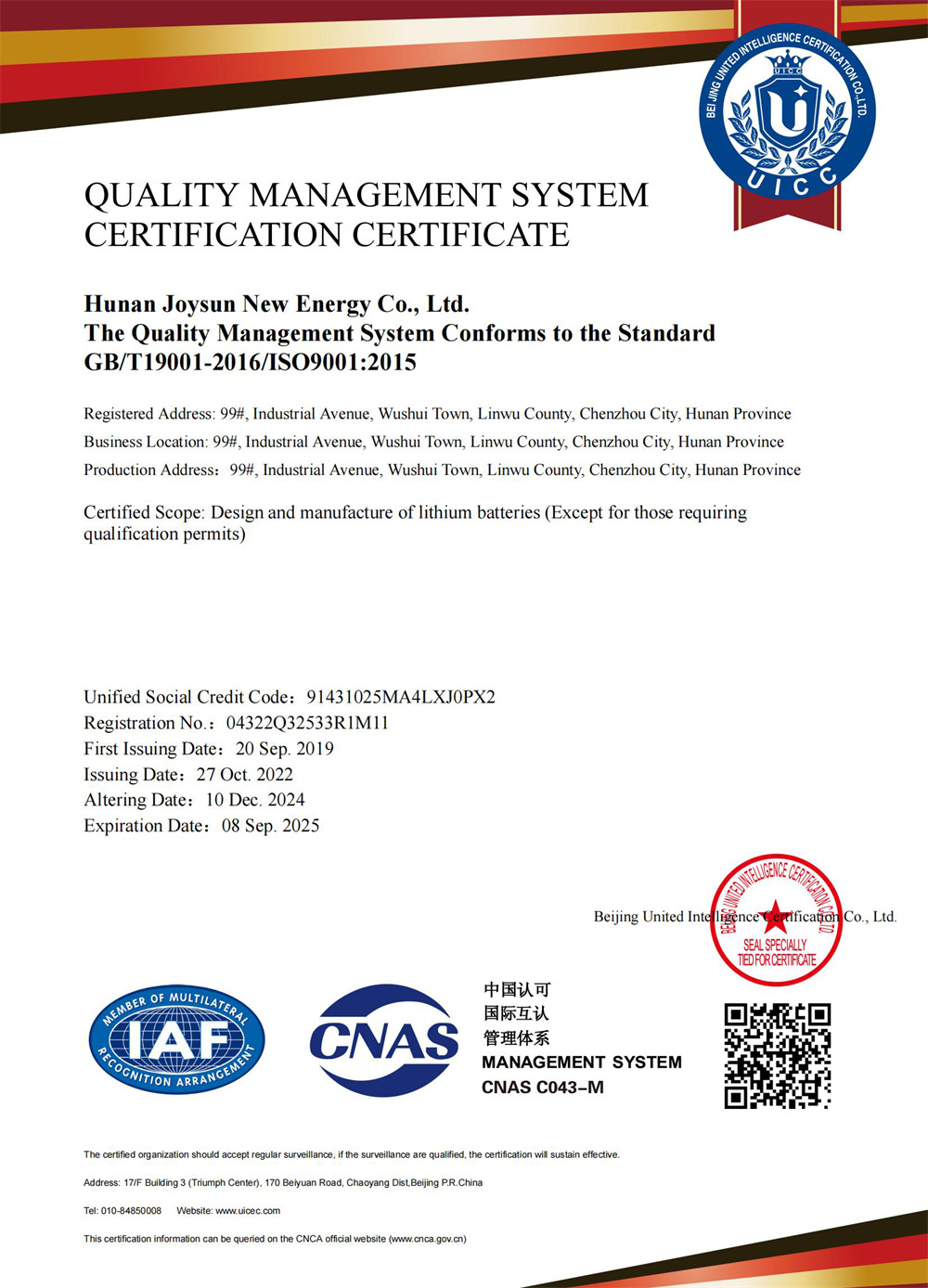
GB/T19001-2016 Quality Management System
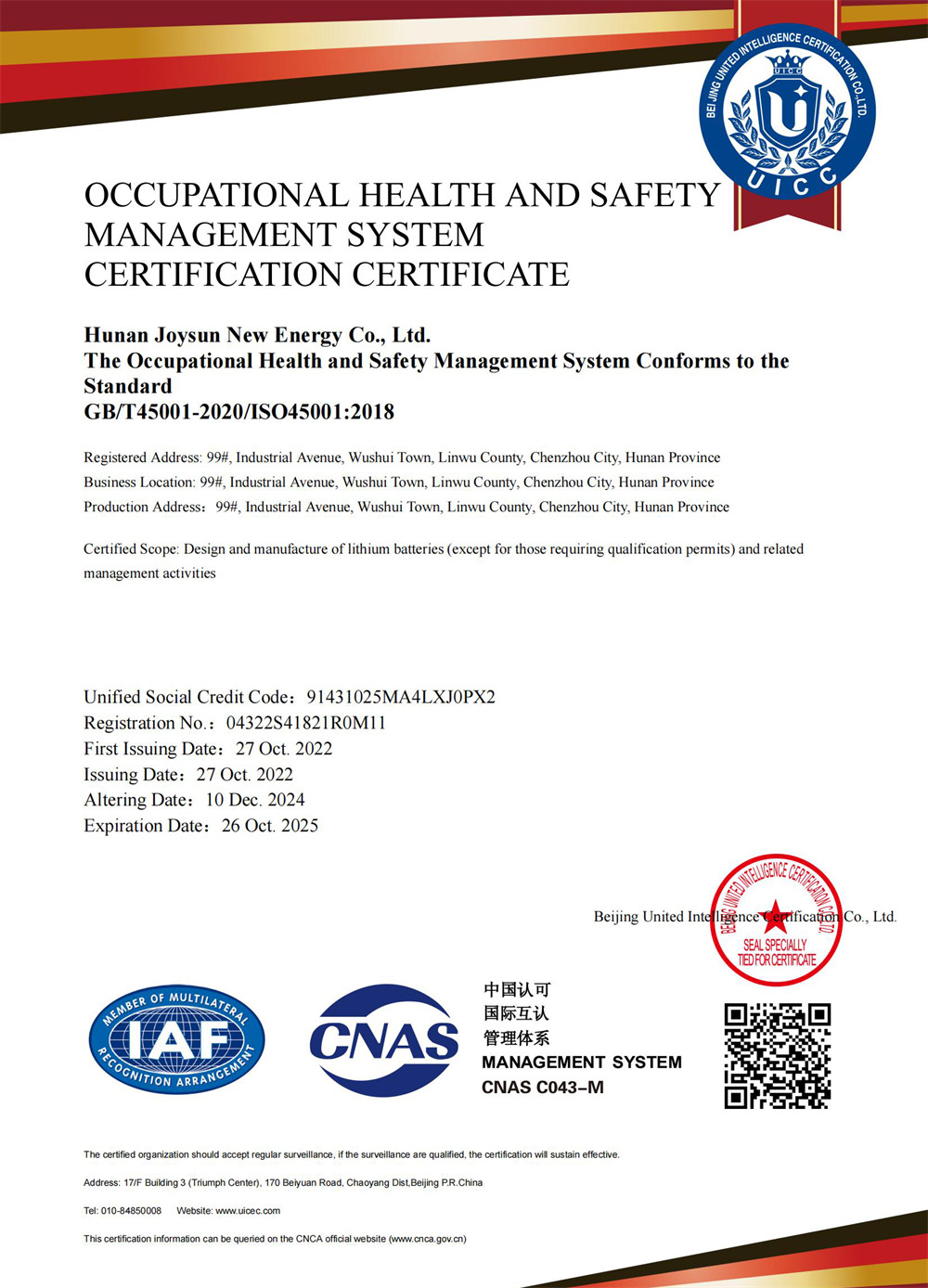
GB/T45001-2020 Occupational Health & Safety
Analyzing cost optimization, logistics efficiency, and raw material access for global electronics OEMs.
Proximity to high-purity chemical processing and specialized metal foil rolling plants allows Dynalink to source raw materials with minimal transit times. This integrated ecosystem protects our production schedules from global raw material disruptions and keeps material costs highly competitive.
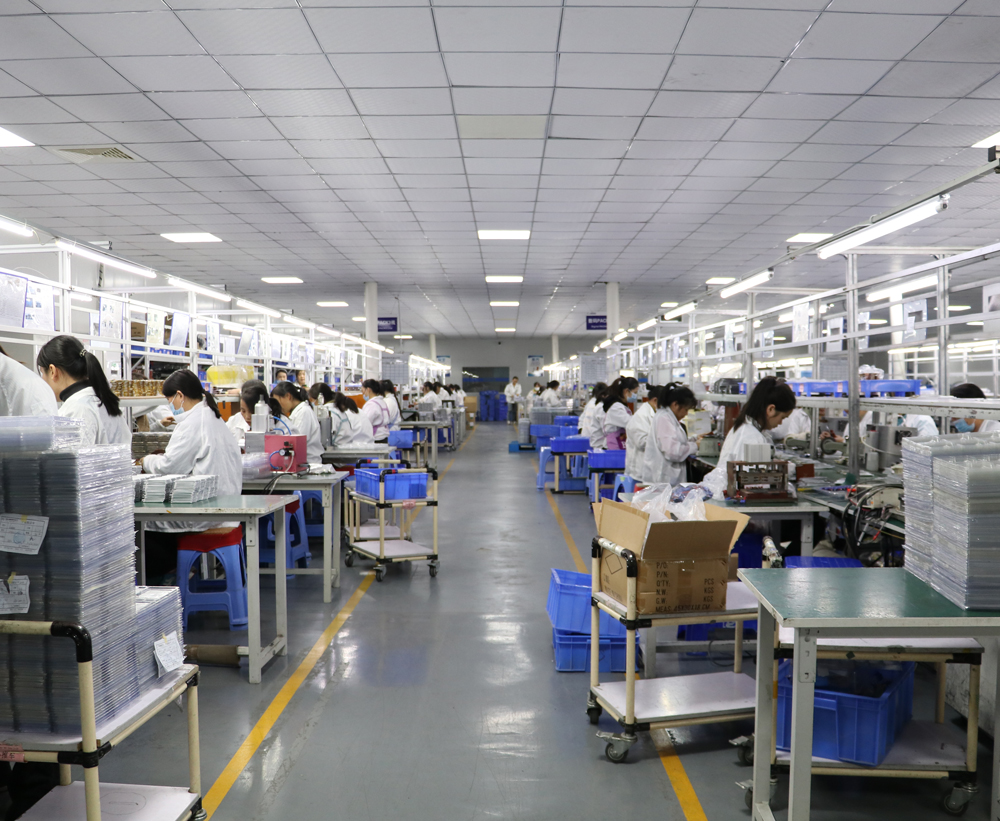
We operate automated reel-to-reel foil winding, vacuum impregnation, high-temperature curing, and automatic packaging systems. Automation reduces manual assembly errors, ensures batch-to-batch parameter consistency (capacitance tolerance within ±1%), and maximizes throughput.
Every batch undergoes automated screening for dielectric breakdown voltage, ESR values, and leakage currents. Testing facilities conduct Highly Accelerated Life Testing (HALT) and temperature cycling (-55°C to +125°C) to ensure reliability in harsh environments.
Dynalink leverages China's industrial clustering to optimize our logistics. Located near major marine ports and international cargo airports, we offer streamlined customs declarations and multiple shipping options to Europe, North America, and other Asian manufacturing hubs. Our global customers benefit from shortened lead times and lowered transport costs, establishing us as a dependable OEM/ODM supply chain partner.
How Dynalink components solve technical challenges in critical operating environments.
In multi-rotor and fixed-wing UAV platforms, high vibrations and rapid power surges challenge electrical stability. Dynalink's low-weight, high-density capacitors and ruggedized circular connectors manage battery charging and discharging cycles while stabilizing the ESC (Electronic Speed Controller) DC bus.
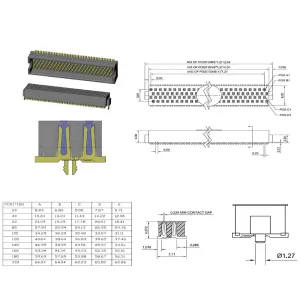
In enterprise servers, high-speed backplanes require low-attenuation transmission paths for massive data signals. Our high-frequency DC blocking capacitors filter out low-frequency power supply noise. Combined with VPX backplane connectors, they support low-loss signal propagation over high-frequency paths.
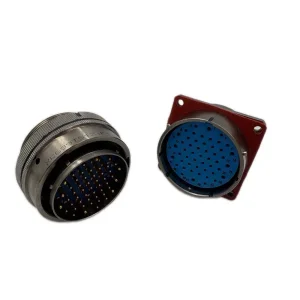
Industrial robotic arms and factory automation systems operate in environments subject to electromagnetic interference (EMI) and temperature extremes. Dynalink's IP-rated circular connectors and high-reliability capacitors provide stable power delivery to servo motors, preventing positioning deviations.
Anticipating engineering needs through research in dielectric systems and high-density packaging.
The expansion of Silicon Carbide (SiC) and Gallium Nitride (GaN) technologies in power converters has changed circuit designs. Operating at high switching speeds (hundreds of kilohertz to megahertz) reduces filter size but subjects blocking capacitors to severe high-frequency voltage spikes (dV/dt stress).
To address this challenge, Dynalink's research team is developing thin-film dielectric configurations designed for high breakdown voltages and low dissipation factor (DF). These specialized capacitors prevent energy loss at higher frequencies, protecting delicate semiconductor switches from voltage stress.
Modern designs require smaller component footprints. In aerospace and automotive assemblies, ambient temperatures can exceed 125°C. Dynalink's research focuses on developing ceramic and film formulations that maintain capacitance stability across temperature ranges (-55°C to +150°C), preventing capacitance drift and maintaining signal integrity.
Structuring high-quality manufacturing processes to align with global procurement frameworks.
Global industrial purchasing departments prioritize supply chain transparency, quality verification, and engineering support. Dynalink meets these requirements through:
We implement batch coding systems for all raw materials, including ceramic powders, polymers, and copper alloys. This ensures full traceability back to the supplier, supporting quality audits and compliance processes.
All Dynalink components comply with RoHS, REACH, and WEEE requirements. We run regular testing programs through independent laboratories (such as SGS and Intertek) to verify the absence of hazardous substances.
Our R&D team provides FEA (Finite Element Analysis) thermal and mechanical simulations before manufacturing physical prototypes. This shortens design iteration cycles and helps optimize component integration on your PCBs.
Developing advanced solutions from individual components to complex systems.
In the field of drones, our products ensure efficient battery charging and discharging and the stable operation of the power system under high dynamic loads.
For data centers, high-speed connectors and stable power supplies ensure low-loss transmission of massive amounts of data and the reliable operation of server systems.
In industrial automation scenarios, connectors with high protection ratings and precision power supplies support equipment operating in harsh thermal and electrical environments.
Relying on our self-developed intelligent design platform, we quickly respond to customer customization requests, providing integrated solutions from components to system modules.
In the future, DL will continue to engage in technological innovation, promote industrial upgrading, and integrate advanced power supply technologies into electrical infrastructure.
Taking quality as our shield, we optimize processes and standards to forge industry benchmark products.
Corporate culture is the foundation of our company's development. We take "empowering life with technology and creating a sustainable future" as our mission, aiming to "become a leading provider of integrated system power supply solutions" by practicing "integrity, innovation, collaboration, and win-win results".
We maintain a collaborative and united working environment, prioritize the professional growth of our employees, and support them with comprehensive training programs and career advancement pathways.
Focusing on batteries, capacitors, and connectors, we utilize research and engineering to resolve technical bottlenecks in solid-state batteries, increase capacitor energy density, and develop high-precision, low-loss interconnects.
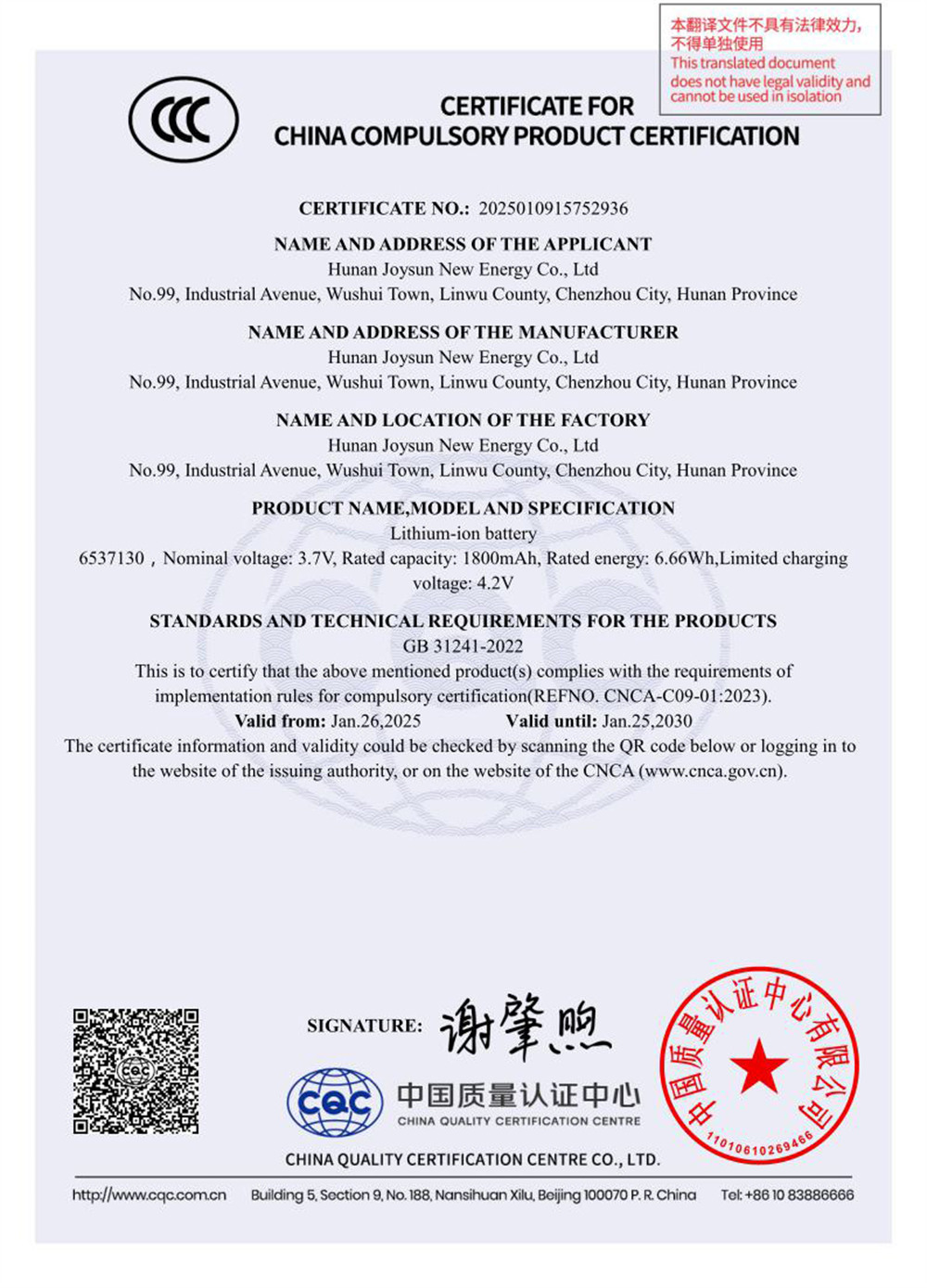
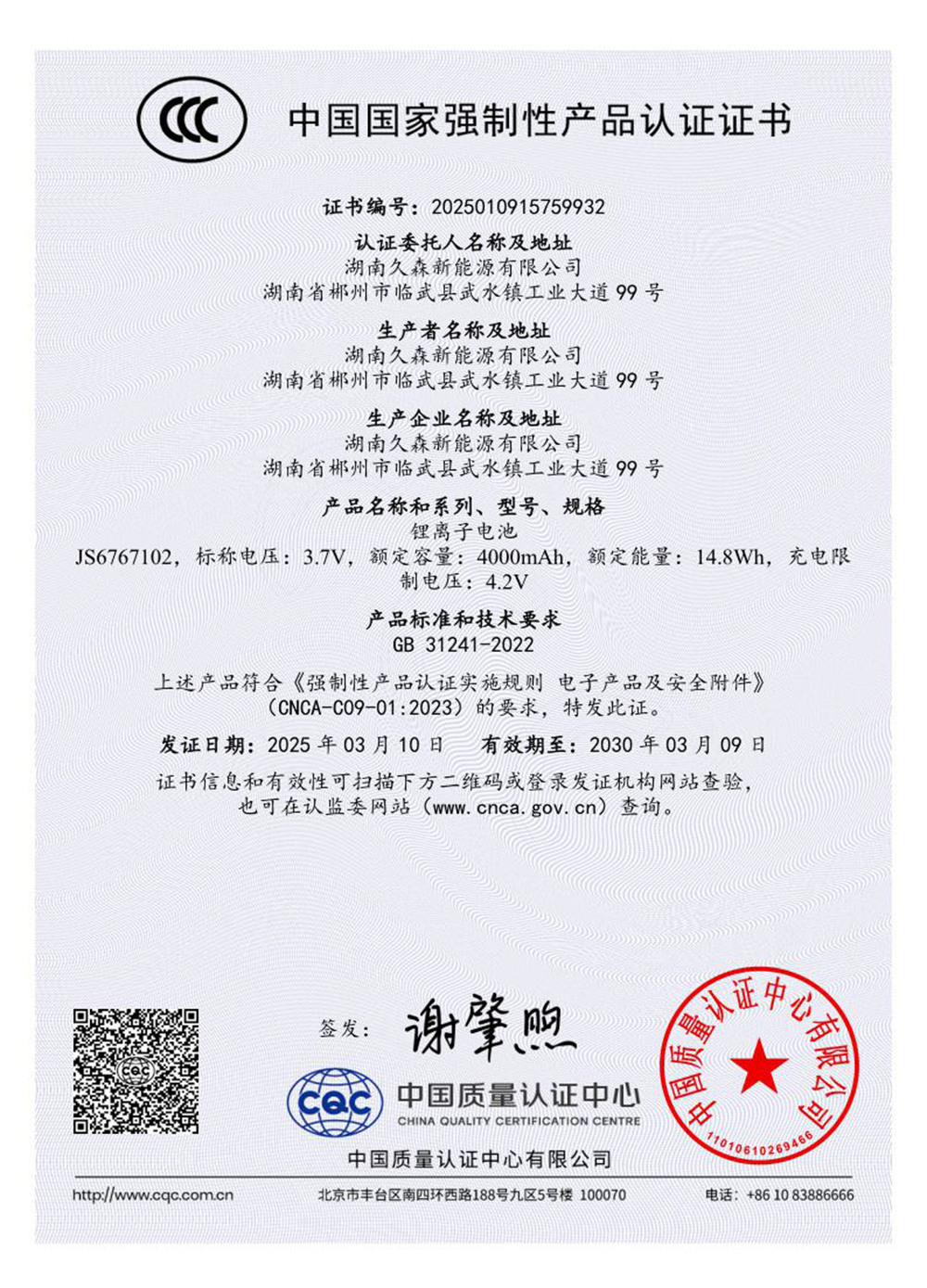
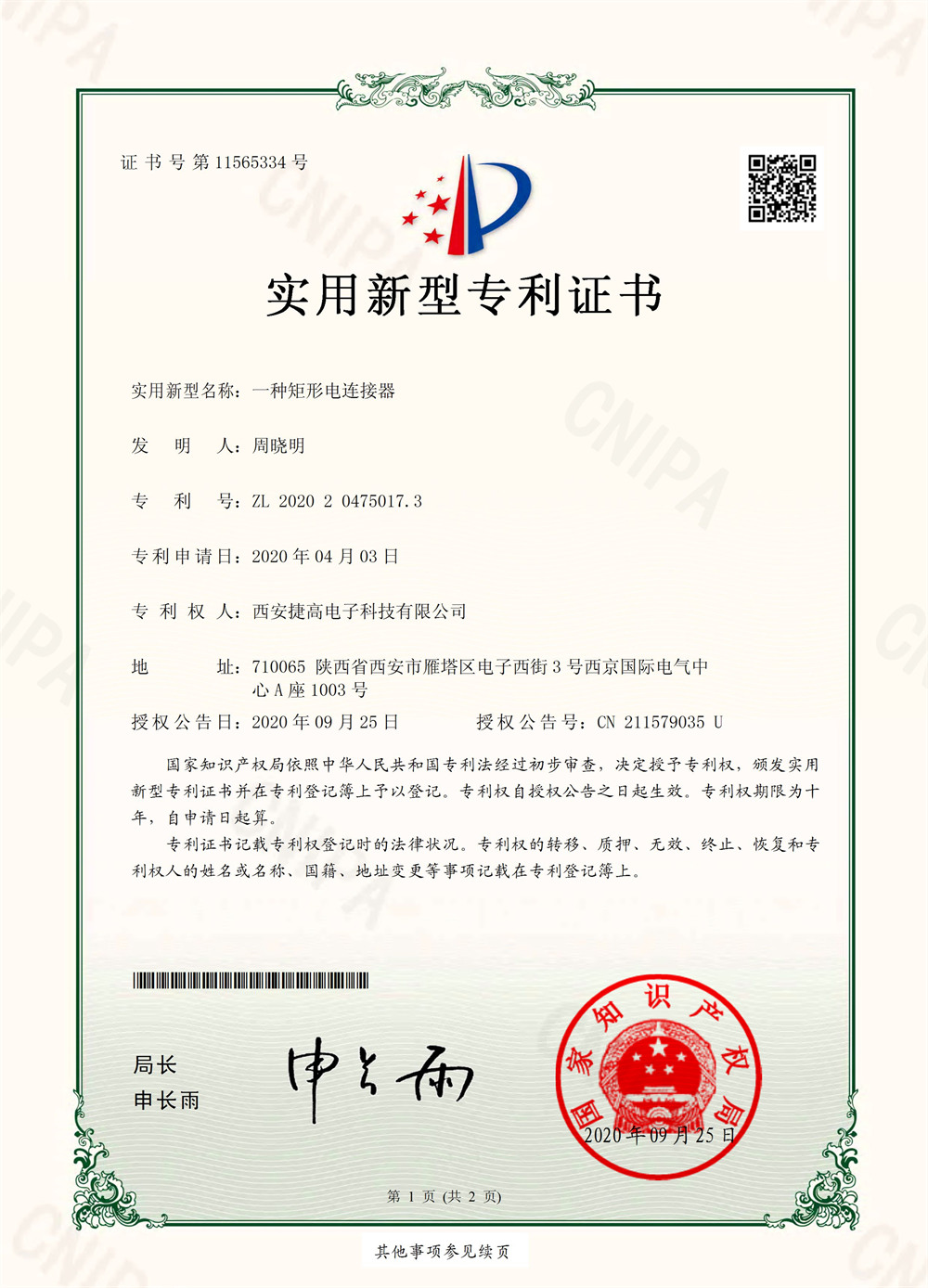
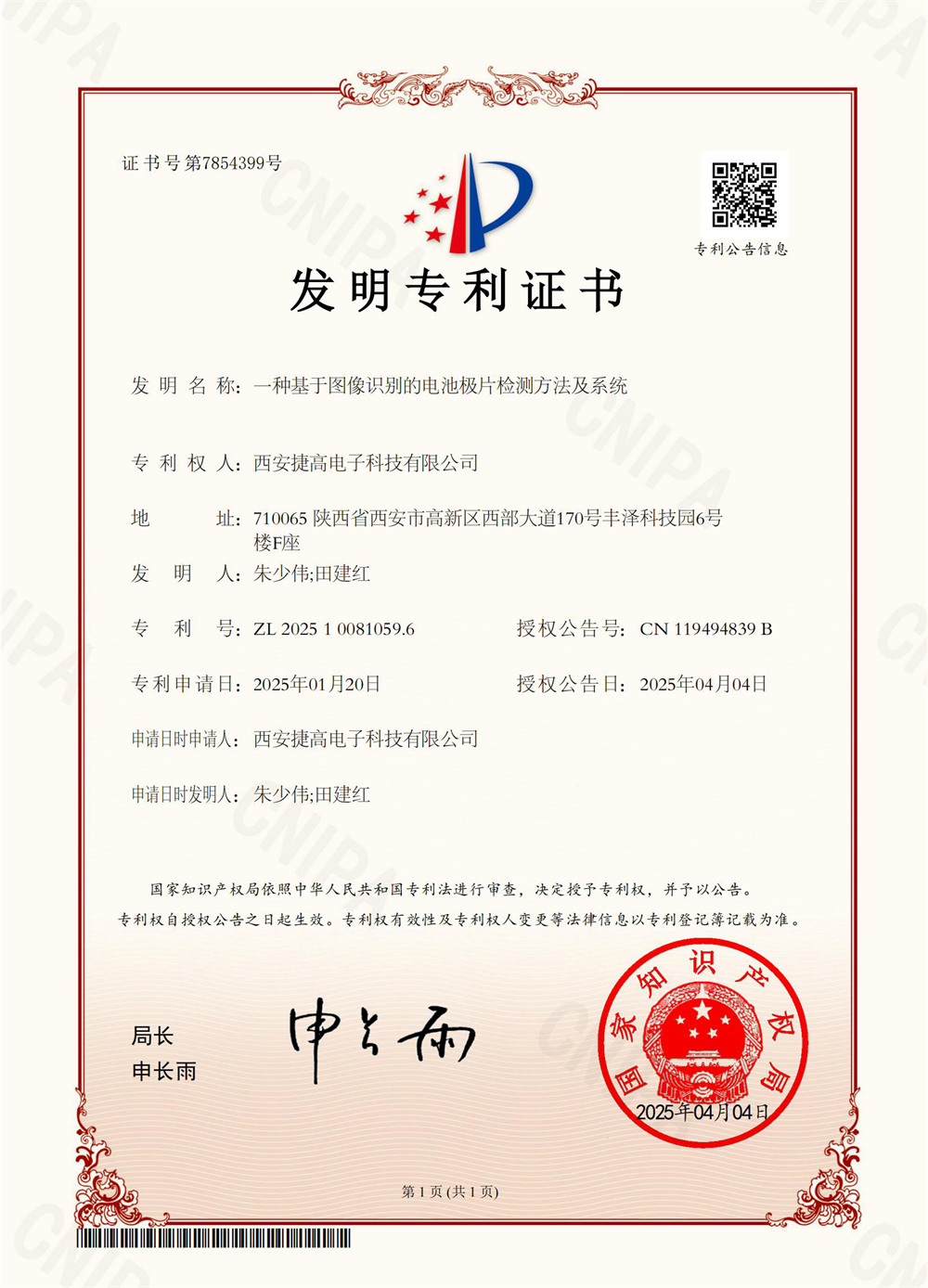
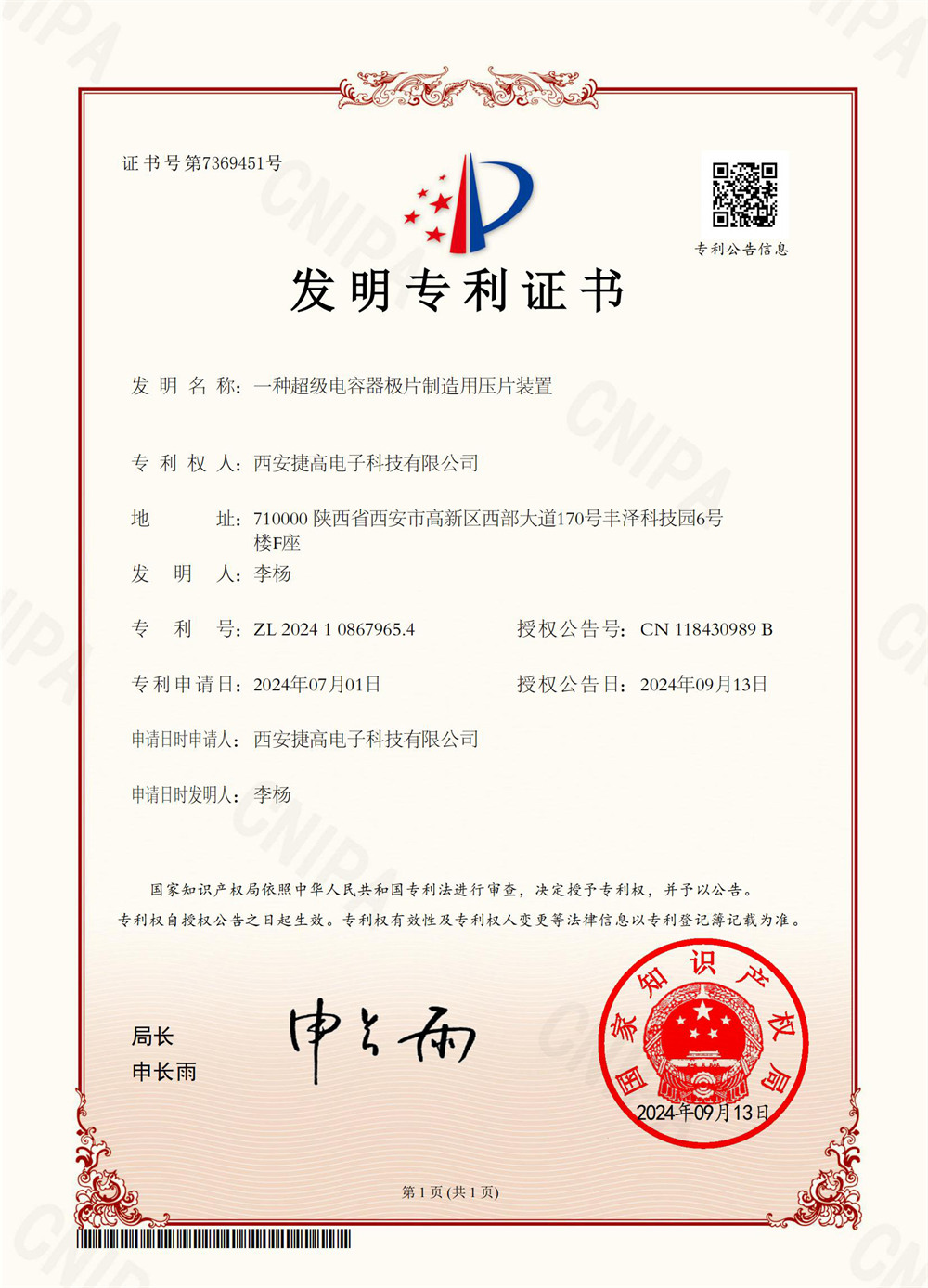
A look at the certifications validating Dynalink's production processes and compliance framework.
Answers to common design and procurement questions from circuit designers and procurement managers.
A: The capacitance value must be selected so that its reactance at the lowest operating frequency is close to zero. The target reactance is typically chosen to be less than 1 Ohm (or less than 10% of the transmission line's characteristic impedance, typically 50 Ohms). However, the value must not be set too high, as larger capacitance values typically increase parasitic inductance (ESL), lowering the Self-Resonant Frequency (SRF). It is important to verify that the RF signals operate below the capacitor's SRF to prevent inductive behavior.
A: Multi-Layer Ceramic Capacitors (MLCCs) offer small footprints, high-frequency operation, and low ESL/ESR, making them suitable for compact PCBs and high-speed communication lines. Film capacitors, such as MKMJ types, exhibit self-healing properties, stable temperature coefficients, and high resistance to transient voltage spikes (dV/dt), making them suitable for high-voltage DC-link and grid decoupling applications.
A: ESL determines the capacitor's high-frequency resonant properties. Beyond the Self-Resonant Frequency (SRF), the capacitor behaves as an inductor. Minimizing ESL is critical in gigahertz-range systems to prevent insertion loss and signal reflections. Dynalink limits ESL in high-frequency applications through low-inductance packaging and optimized electrode geometry.
A: We provide customization for dielectric materials (such as NPO, X7R, and Polypropylene), capacitance tolerances (down to ±1%), voltage ratings (up to 10kV+), package configurations (standard SMD, radial, axial, and customized busbar connections), and environmental ratings for high-humidity and high-vibration applications.
A: High temperatures accelerate dielectric degradation and increase leakage currents, which can affect the DC isolation properties of the circuit. In contrast, low temperatures can cause capacitance values to drift, particularly in Class II dielectrics. Dynalink designs capacitors to maintain stable capacitance values across wide temperature ranges (-55°C to +125°C or +150°C), supporting reliability in automotive and aerospace systems.
A: Our capacitors undergo automated testing for parameters including insulation resistance, dielectric breakdown voltage, dissipation factor, and ESR values. In addition, we conduct batch testing for thermal shock, humidity load life, and mechanical vibration resistance, in compliance with ISO9001 and ISO14001 quality systems.
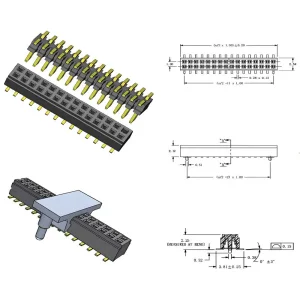
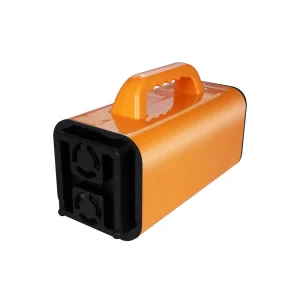
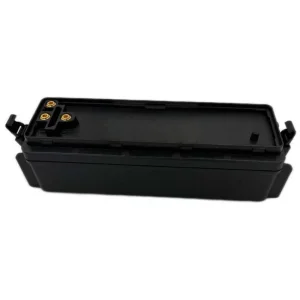
Explore our full line of connectors, board-level pin headers, and lithium battery modules designed to integrate with your systems.
 Dynalink Electronic