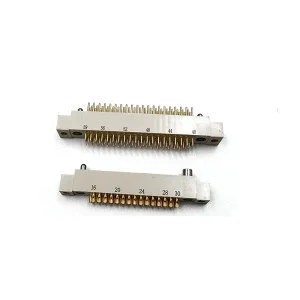
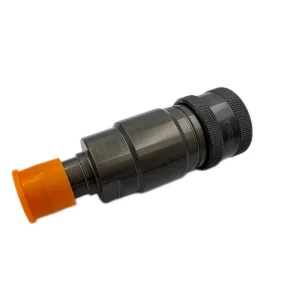
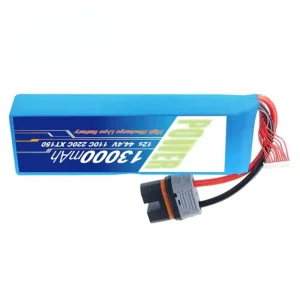
Explore our premium custom battery packs, power stations, and high-performance precision interconnect components engineered to match challenging modern demands.
Understanding the chemistry, structural advantages, and safety architectures of modern gel-polymer matrix batteries.
Unlike cylindrical cells limited by rigid steel casings, custom Lithium Polymer (Li-Po) pouch configurations maximize volumetric utilization, offering up to 260 Wh/kg. This lets OEM engineers design ultra-thin form factors with minimum dead space.
Replacing free liquid organic solvents with advanced gel polymer networks vastly lowers internal resistance, improves ion transport efficiency at extreme temperatures, and drastically mitigates the risks of thermal runaway.
Enclosed in a lightweight aluminum laminated foil pouch, internal gas buildup causes the pouch to swell rather than build explosive pressure, providing visual indication prior to structural structural failure.
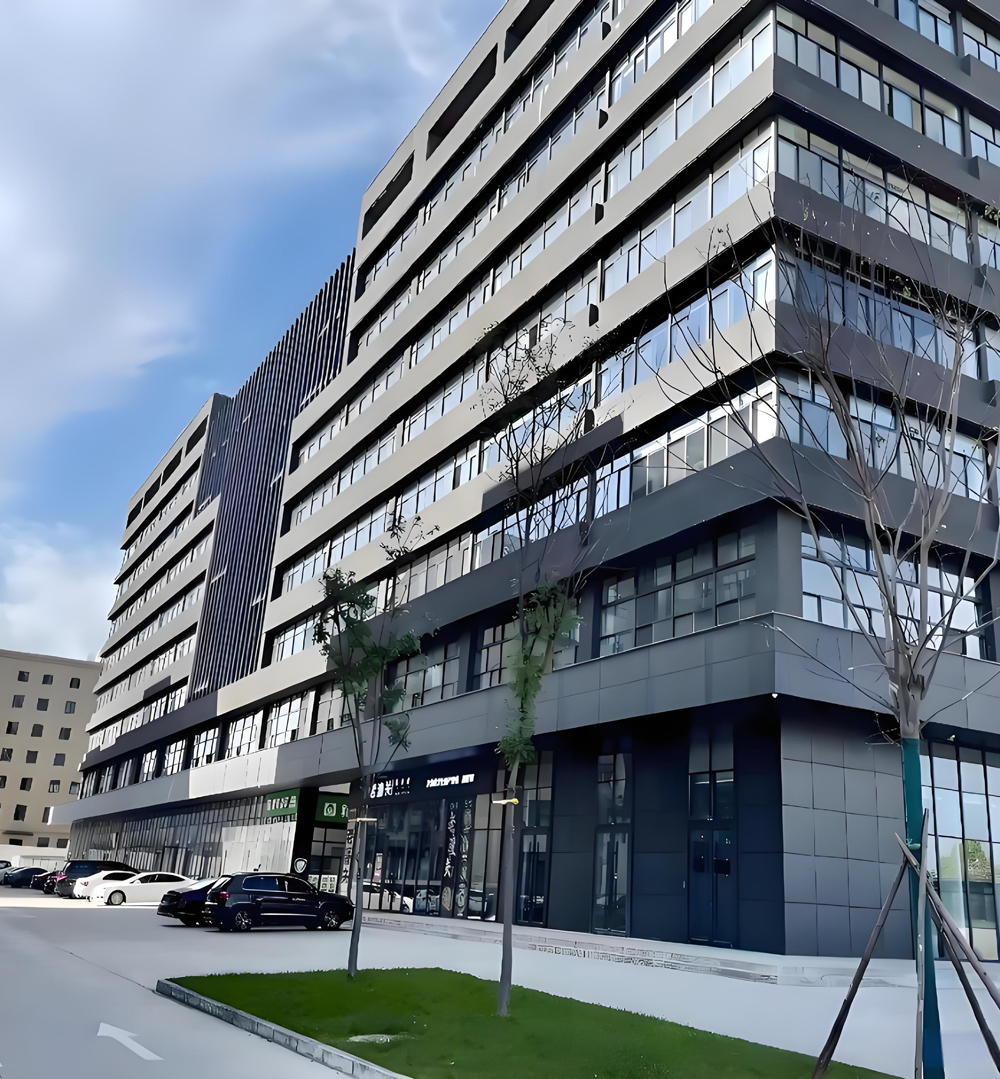
Established in 2007, Dynalink Electronic Technology currently hosts a workforce of over 800 employees, including more than 200 dedicated R&D and technical staff. We are a technology-driven engineering and manufacturing leader specializing in precision power supplies, advanced energy storage capacitors, and high-performance interconnect systems.
With massive, continuous investment in material science research and advanced innovation, DL has established a vertically integrated industrial chain. Our operations run from raw material research and development through custom structural product design to high-precision manufacturing, meeting strict validation cycles of industry leaders worldwide.
Dynalink strictly adheres to international environmental, quality, and workplace safety frameworks. We operate fully under certified management systems to ensure absolute reliability.

Environmental Management System compliance ensuring sustainable design, green manufacturing processes, and minimal ecological footprint.
Quality Management Systems governing traceability, process capability, rigorous testing protocols, and systematic continuous improvements.
Occupational Health and Safety management systems prioritizing hazard controls, risk prevention, and safe operational guidelines for all team members.
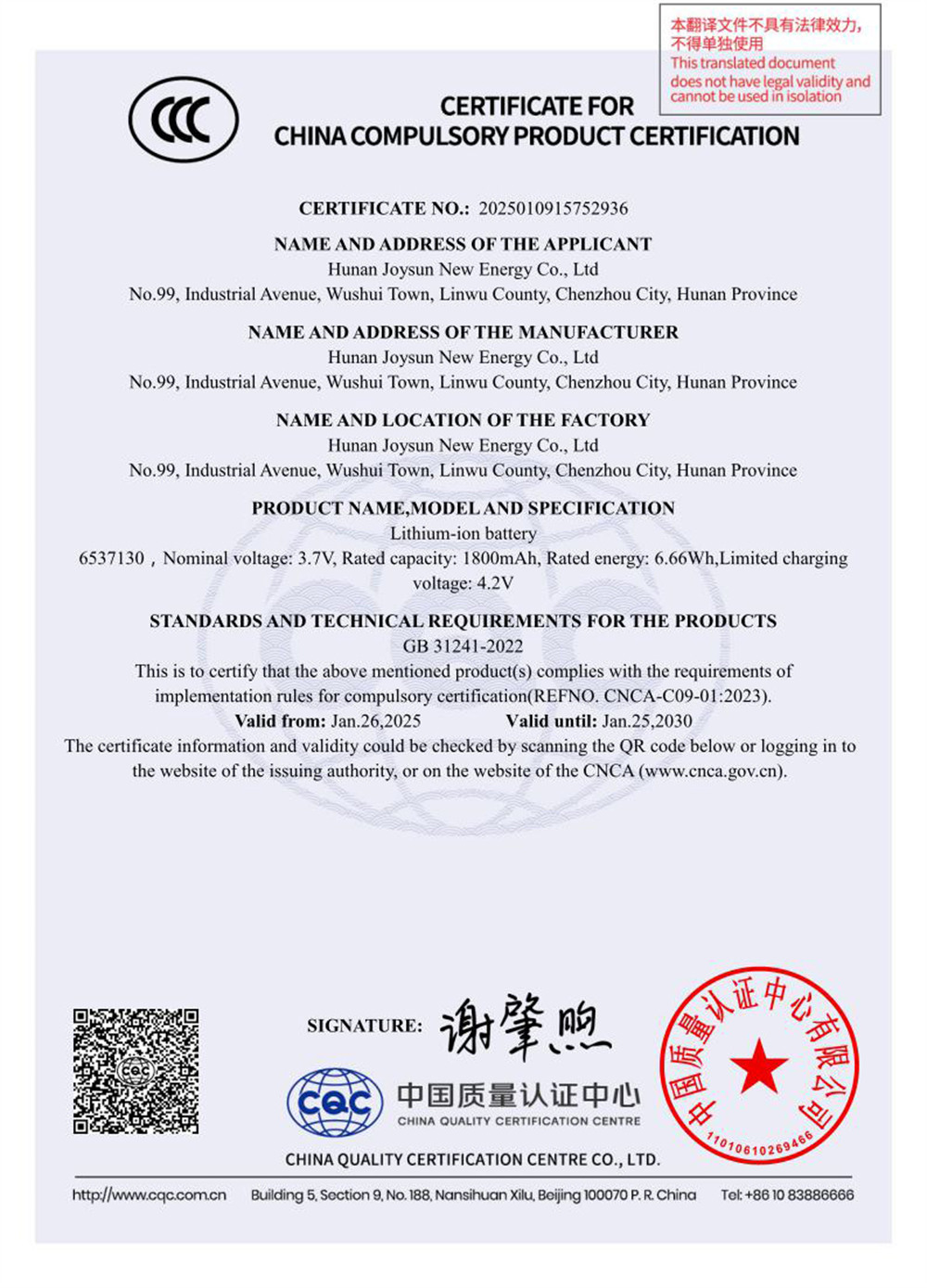
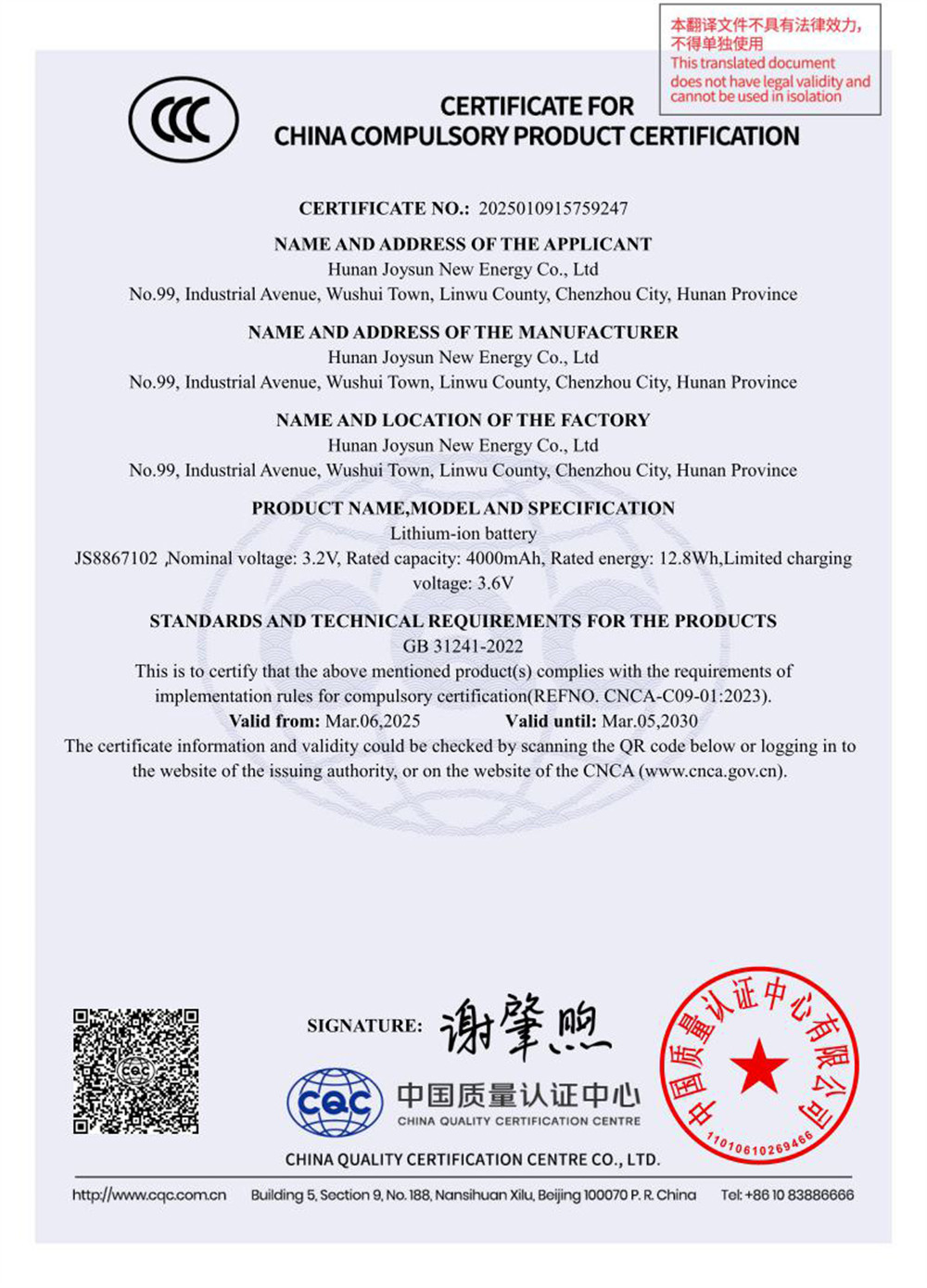
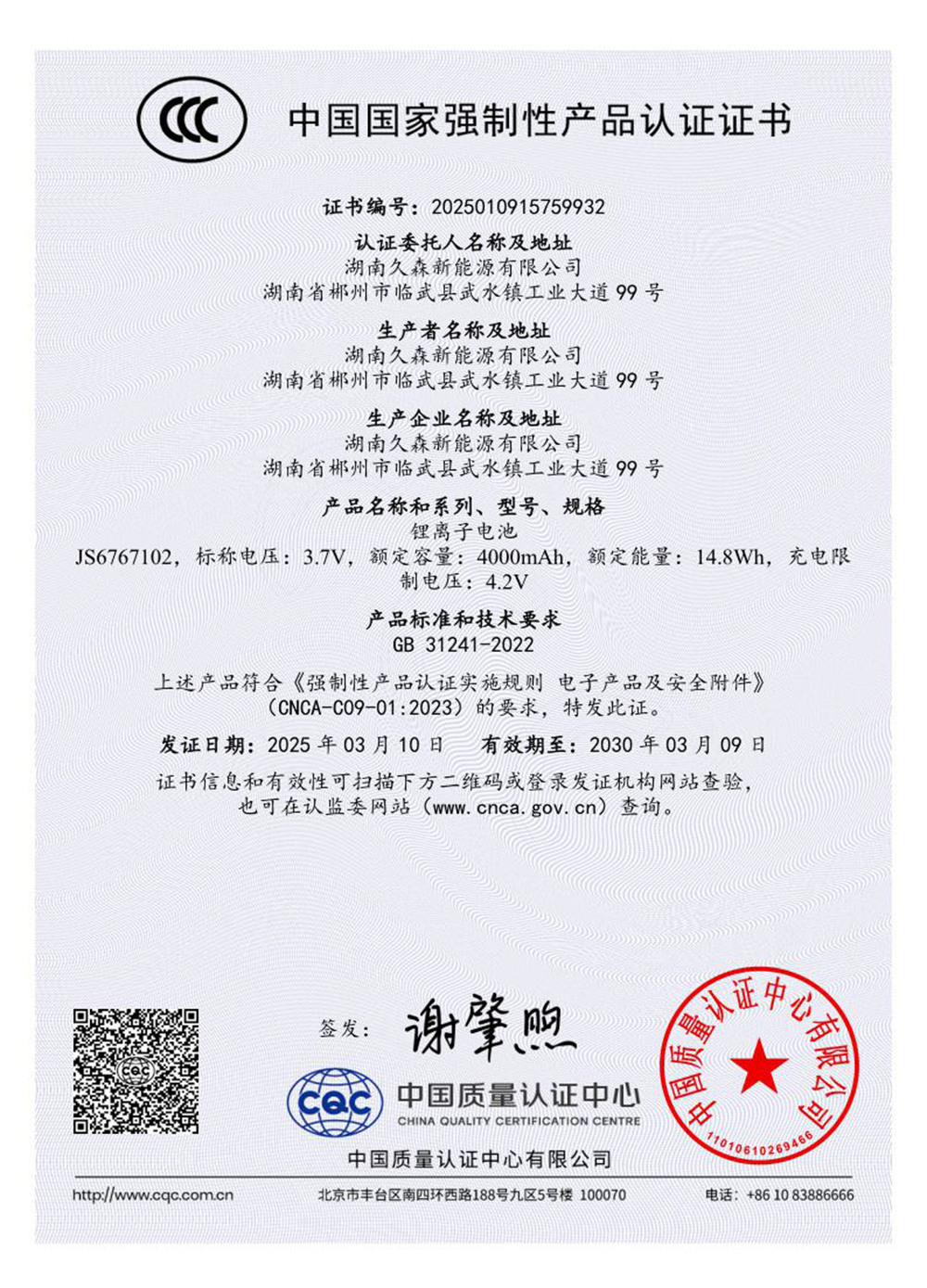
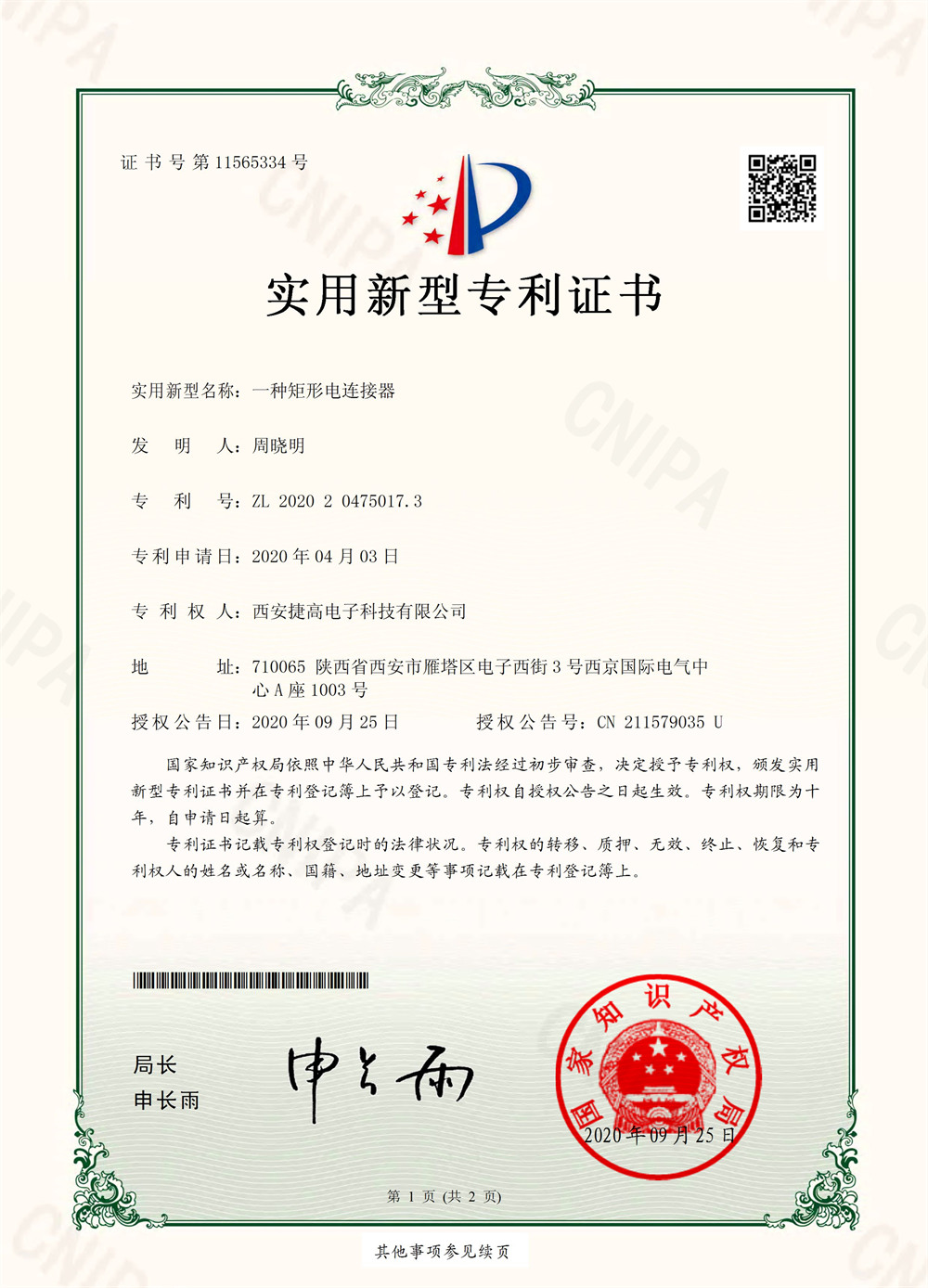

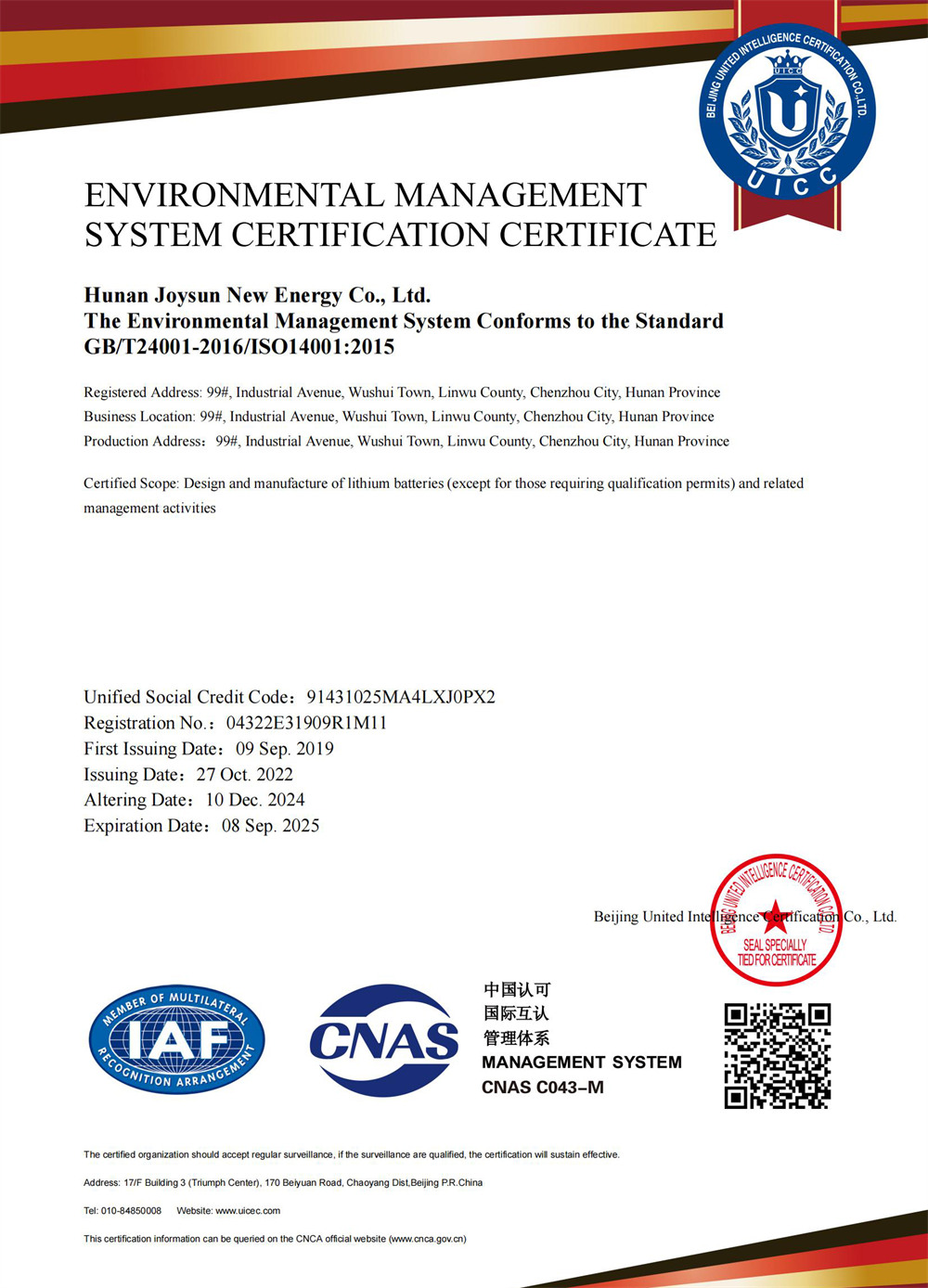
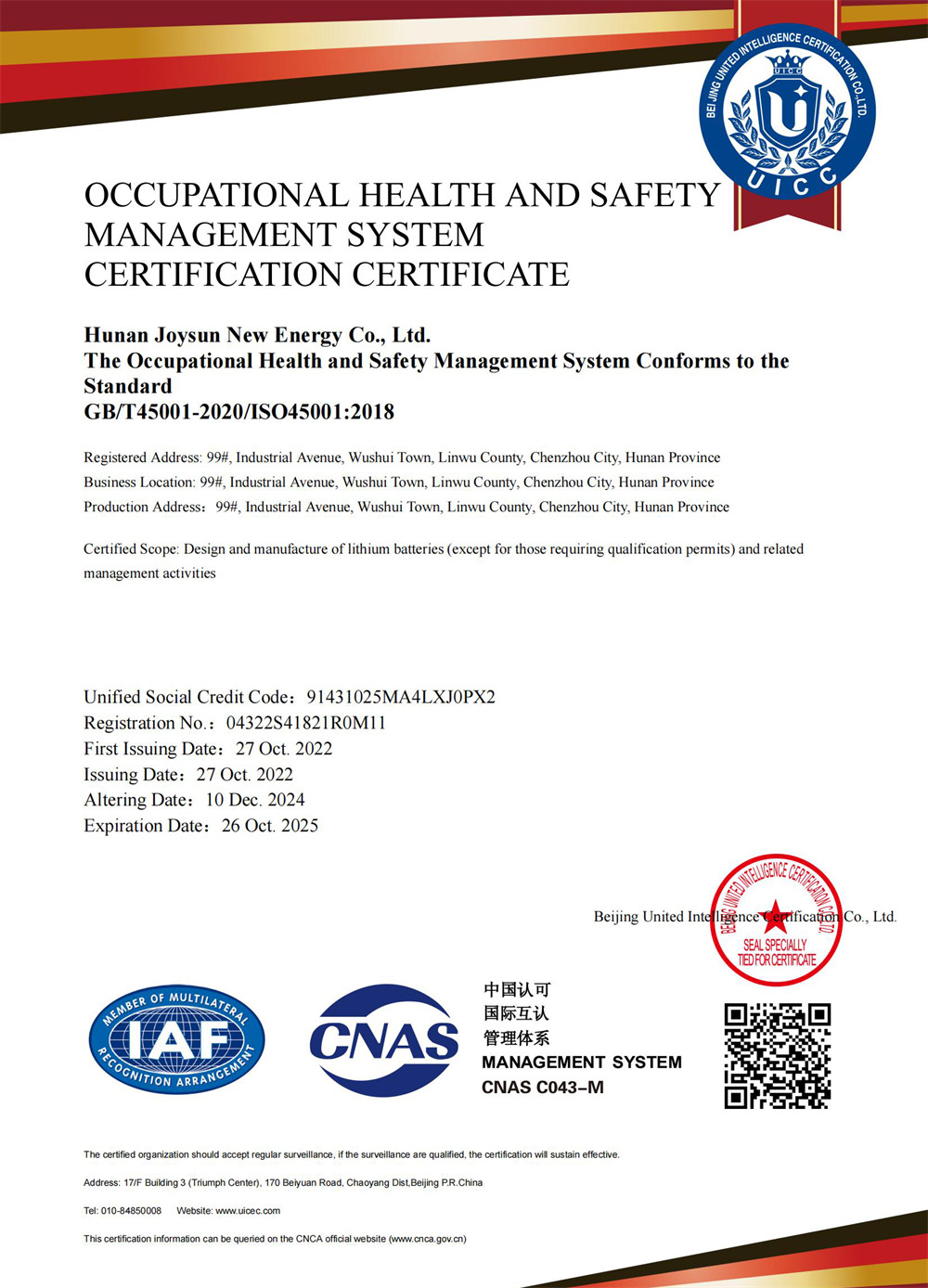
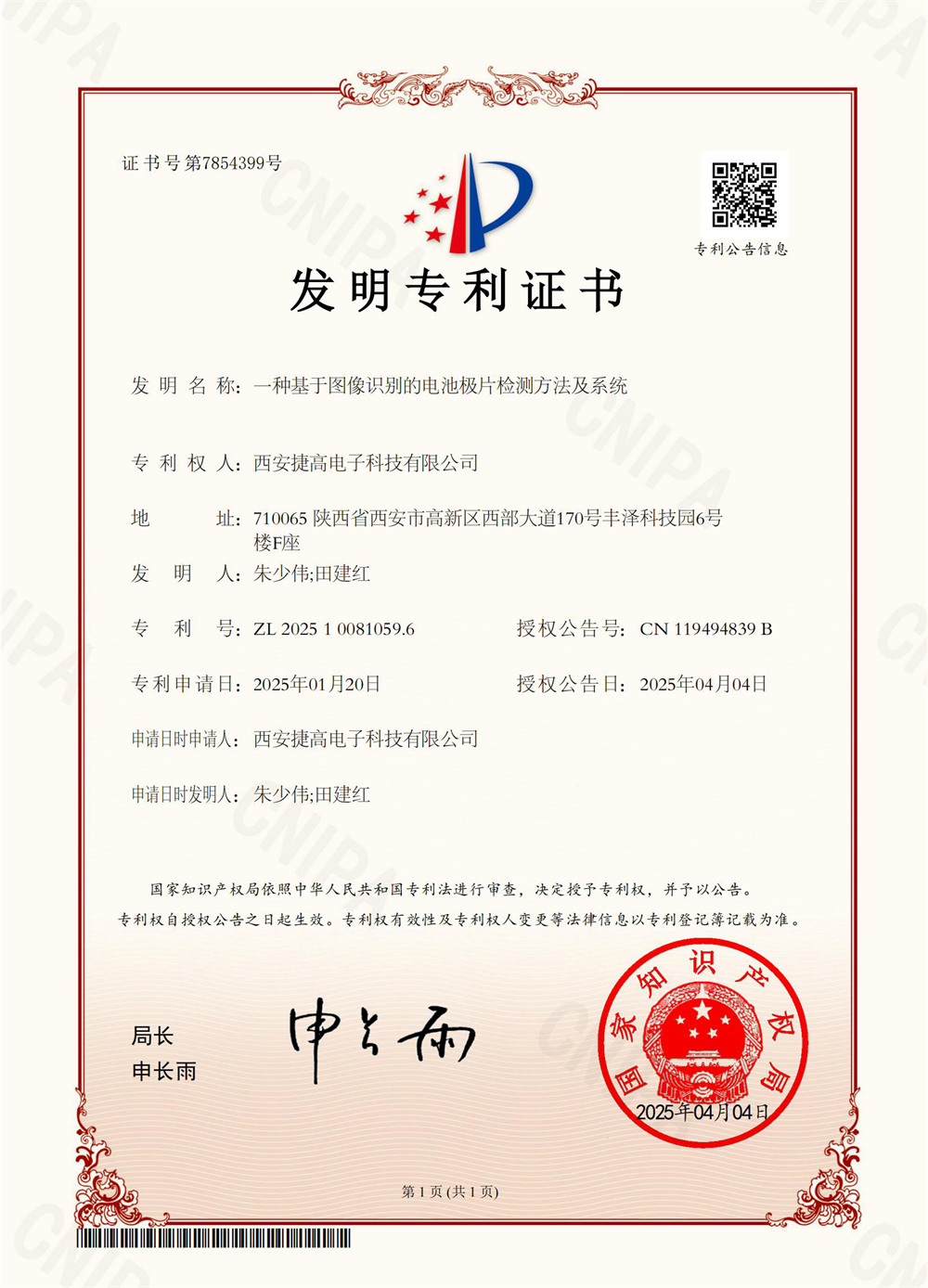
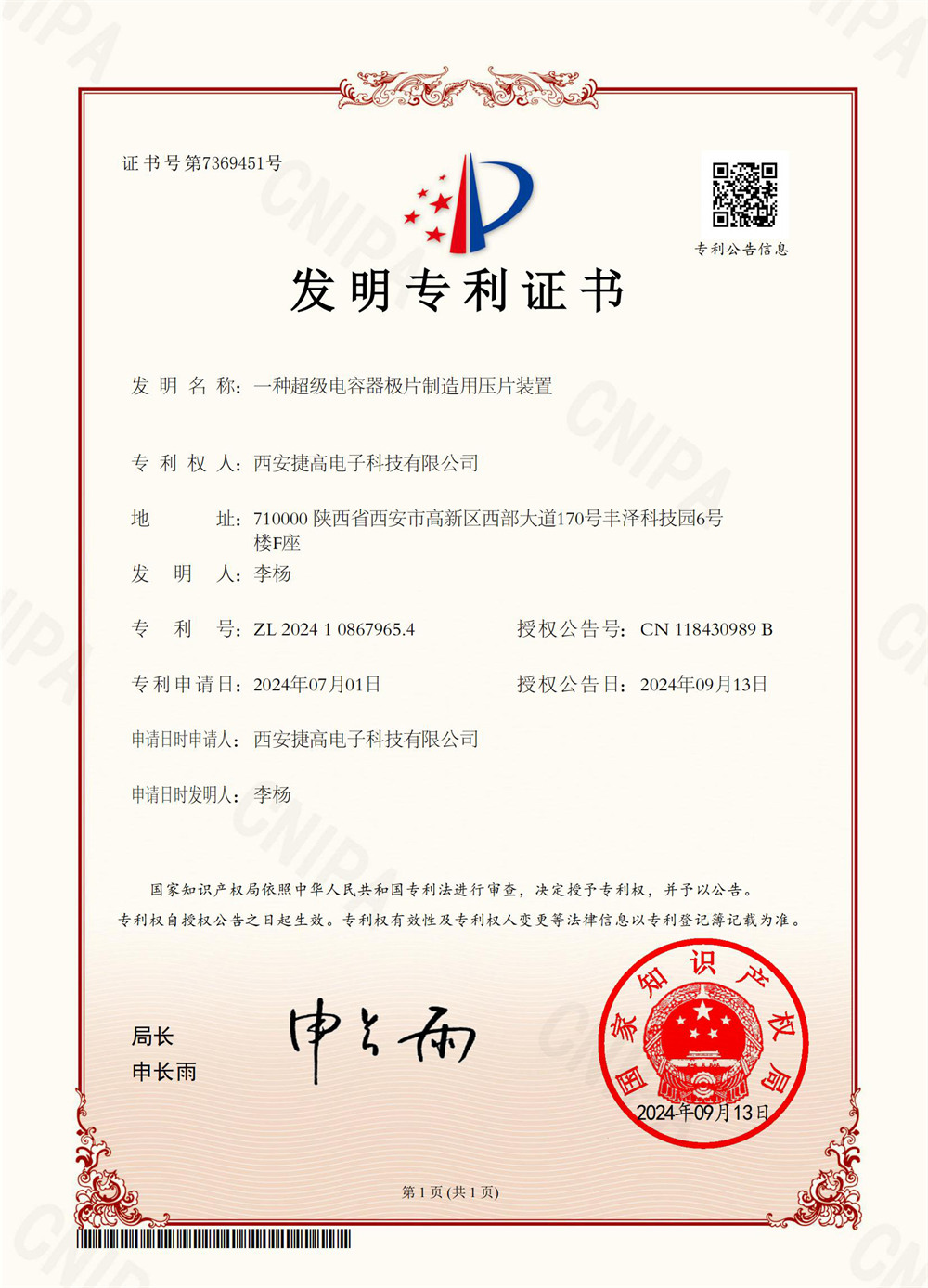
Dynalink provides design-in support, structural optimization, and vertical system integration from cell development to final electronic integration.
Our drone power solutions support sustained, high continuous discharge rates (up to 150C burst) while preventing impedance drift. This guarantees robust power and exceptional stability under variable aerodynamics.
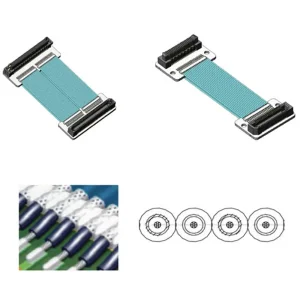
We supply high-speed interconnects and stable battery power modules. These systems manage high-rate backup transitions, preventing data drops and safeguarding operational continuity.
Our ruggedized, vibration-resistant power assemblies protect systems operating in harsh chemical, thermal, and mechanical conditions, ensuring continuous operation.
Using our virtual design platform, we simulate thermal maps, stress distribution, and pack chemistry layouts. This shortens the prototype phase, accelerating product development.
Dynalink focuses on solid-state battery chemistry, high-energy silicon anodes, and low-loss connector solutions to push energy density bounds further.
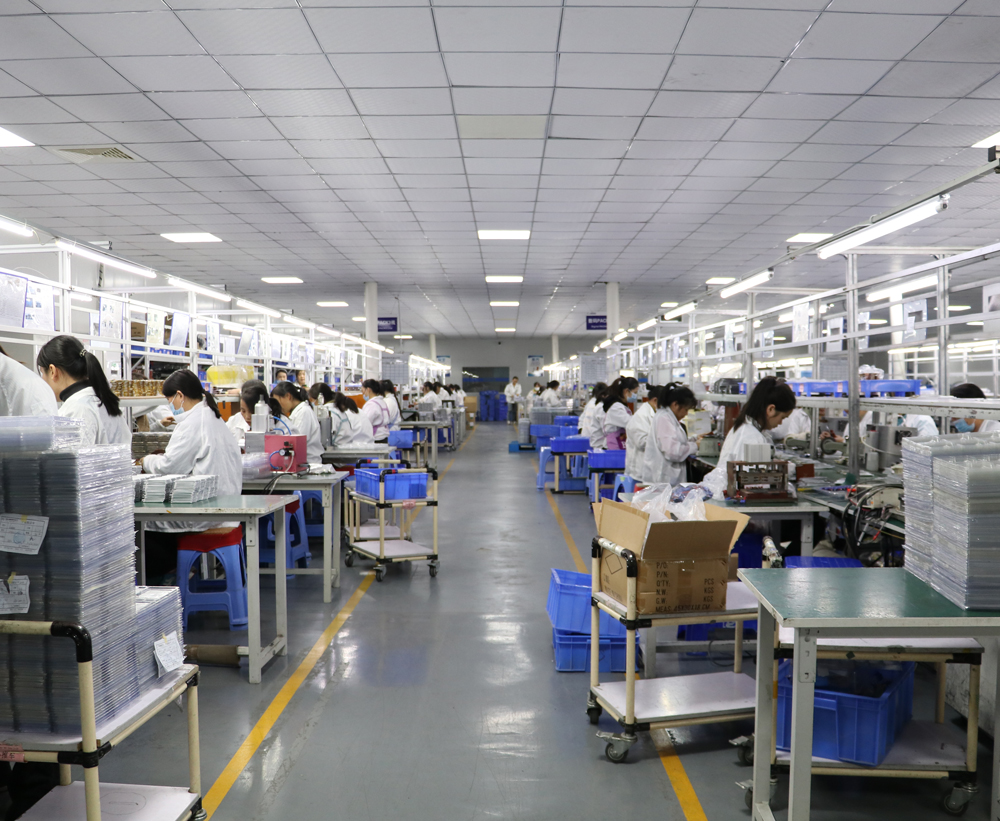
Corporate Mission: Empowering life with technology and creating a sustainable future. We aim to become a leading global provider of integrated system power supply and interconnect solutions.
Team Dynamics: We build a collaborative, encouraging workplace that supports career advancement. Active professional growth ensures stable quality controls and manufacturing consistency.
Overcoming Technical Bottlenecks: Focusing on batteries, capacitors, and connectors, we push technological boundaries to solve challenges in solid-state energy density, capacitor life, and connector transmission efficiency.
A reference checklist of chemistry specifications and performance parameters standard across our product line.
| Performance Criterion | Lithium Polymer (Standard) | Advanced Si-Anode (DL Lab) | OEM Customization Range |
|---|---|---|---|
| Nominal Voltage | 3.7V - 3.8V | 3.85V - 3.9V | 3.2V to 3.85V per cell |
| Gravimetric Energy Density | 190 - 240 Wh/kg | 280 - 320 Wh/kg | Custom engineered density matching target weight |
| Cycle Life (80% Capacity Retention) | > 500 cycles (1C discharge) | > 800 cycles (1C discharge) | Up to 2,000 cycles with custom active cooling BMS |
| Max Continuous Discharge Rate | 25C - 50C | Up to 120C | Configured matching mechanical motor metrics |
| Operating Temperature (Discharge) | -20°C to 60°C | -40°C to 80°C | Sub-zero low temp electrolyte customization |
| Swelling Allowance (EOL) | 8% - 10% | < 5% | Integrated compression foam mechanical limits |
Our R&D path to developing safer, higher-density polymer systems.
Integrating silicon-carbon composite anodes to surpass 300 Wh/kg, while resolving volumetric change issues via dynamic polymer binders.
Deploying hybrid gel-solid electrolytes to reduce flammable solvent use by 80%, providing enhanced safety and higher thermal limits.
Transitioning to true dry-electrode polymer processes, providing high safety profiles, high voltage support, and low self-discharge rates.
Key information for engineering and procurement managers sourcing battery systems.
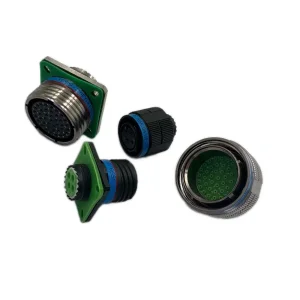
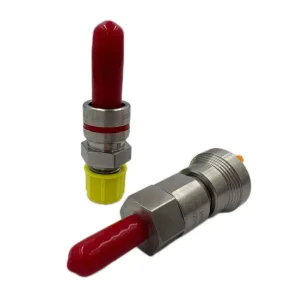
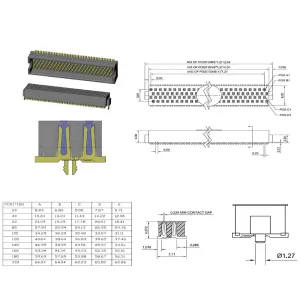
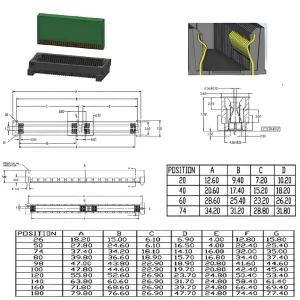
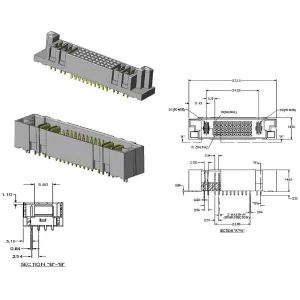
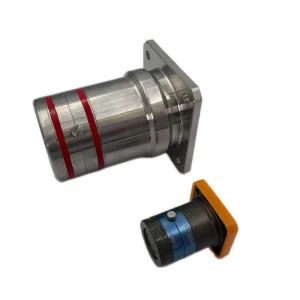
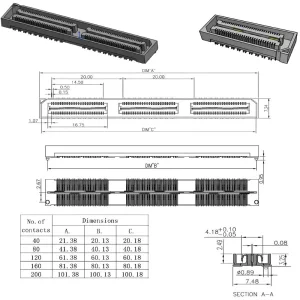
Explore our industrial-grade connectors, fluid coupling systems, and custom power adapters designed for high-vibration applications.
 Dynalink Electronic