The shift from traditional lead-acid, gel, or AGM (Absorbent Glass Mat) storage technologies to advanced lithium-ion systems is rapidly transforming global marine transport. As commercial vessels, high-speed patrol crafts, and luxury yachts seek maximum fuel efficiency, compliance with stringent environmental standards, and higher energy densities, the demand for customizable OEM Lithium Ion Boat Batteries has reached unprecedented levels. Modern marine battery design requires deep integration of chemical engineering, structural protection against mechanical shocks, thermal management systems, and extreme protection against saltwater ingress.
When specifying custom boat batteries, engineers must carefully evaluate the core electrochemistry. While NMC (Nickel Manganese Cobalt) chemistries yield high energy densities suitable for weight-sensitive racing hulls and electric hydrofoils, LiFePO4 (Lithium Iron Phosphate) remains the industry gold standard for commercial and displacement vessels due to its superior thermal stability, safety profile, and prolonged cycle life. An OEM design must factor in localized salt-mist conditions, continuous vibration parameters, and thermal constraints unique to marine engine rooms and isolated battery compartments.
Guaranteed long service life utilizing Grade-A prismatic LFP cells with dynamic balancing.
Hermetically sealed pressure-tested containment shields to resist corrosive saltwater mist.
Native integration with onboard navigation displays and diagnostic vessel architecture.
Optimized structural materials and light-weight alloys reducing deadweight on boats.

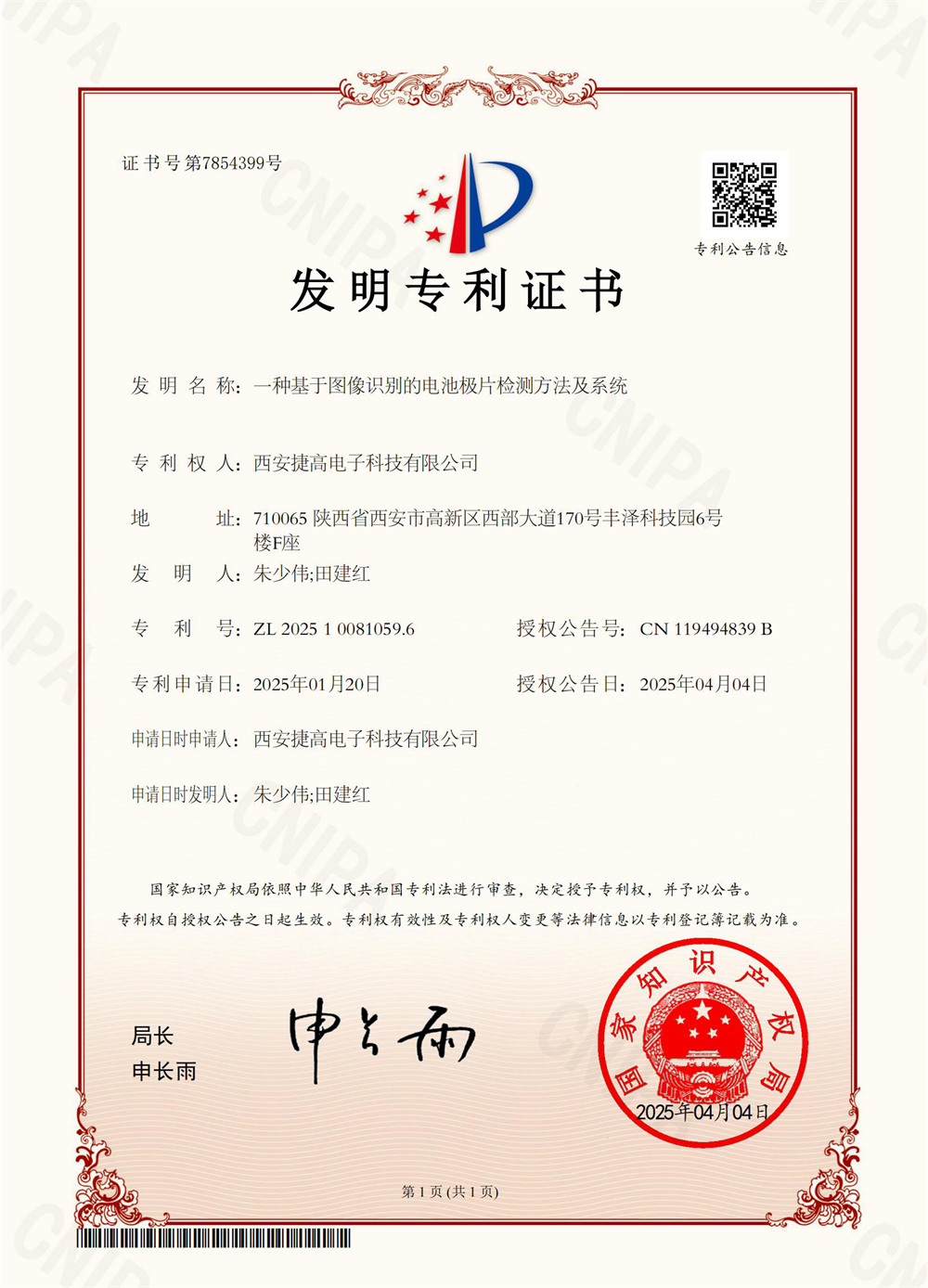
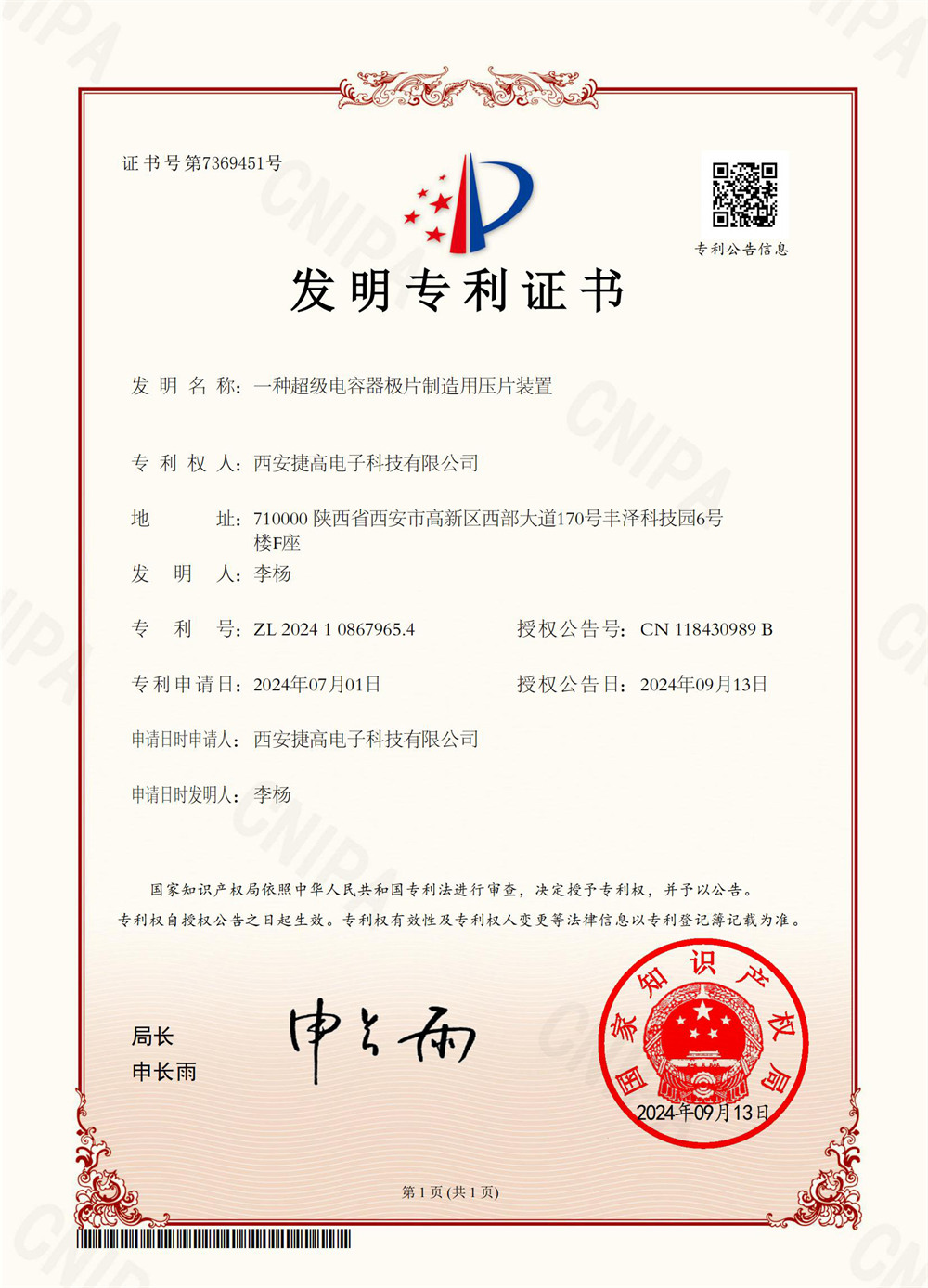
Established in 2007, Dynalink Electronic Technology Co., Ltd (DL) has grown to become a premium technology-driven manufacturing partner, boasting a dedicated workforce of over 800 employees, including more than 200 high-caliber technical and engineering staff. Specialized in power supplies, energy storage systems, capacitors, and precision high-speed connectors, DL has built a deeply integrated vertical industrial supply chain.
By controlling material research and development, custom precision prototyping, and highly automated production processes, we ensure every battery cell, connector pin, and charging unit delivers unmatched reliability under harsh conditions. Our high-reliability solutions are trusted in demanding sectors including aviation, marine transport, electric vehicles, industrial robotics, and UAVs.

Environmental Management

Quality Management System

Occupational Health & Safety
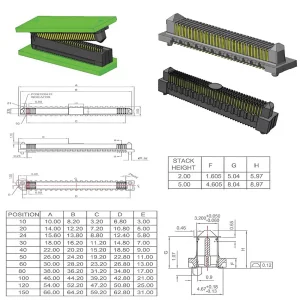
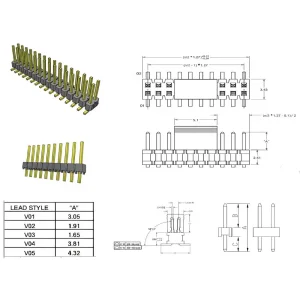
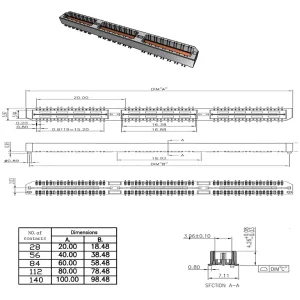
We design custom systems by pairing state-of-the-art battery chemistries with our industry-leading connector interfaces and power regulation hardware. By bridging the gap between energy storage technology and precision mechanical components, we eliminate typical failure points at high-vibration contacts and marine terminals.
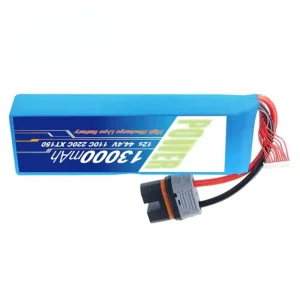
High-discharge lightweight lithium polymer packs that deliver stable voltage profiles under intense aerodynamic maneuvers and complex environments.
Highly integrated energy storage modules coupled with high-speed connectors for instant response, ultra-low losses, and long standby lifetimes.
Engineered to operate seamlessly across high-shock automated machinery and offshore environments prone to heavy dust or ambient moisture.
Utilizing our proprietary digital modeling platforms to build and deploy complex custom battery sizes, voltages, and thermal duct channels.
Continuous investment in Solid-State cell integration and ultra-low internal resistance connectors to double the efficiency ceiling of marine systems.
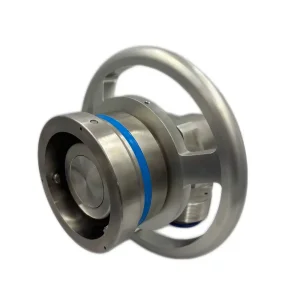
Integrated matching of marine power terminals and locking fluid lines, mitigating localized resistance heating and galvanic corrosion.
Marine electrical architectures are never one-size-fits-all. Custom OEM battery units must adapt to specific local operations, operational hours, environmental hazards, and localized regulatory regimes:
Commercial fishing vessels operate far offshore where energy system failure is not an option. These boats rely on large battery banks to power energy-intensive equipment like hydraulic winches, heavy refrigeration plants, sonar systems, and water pumps. Replacing diesel gensets with high-capacity lithium banks drastically reduces fuel burn and operating noise, enhancing crew comfort during overnight shifts. To counter persistent salt spray and mechanical shocks from heavy swell impacts, our offshore modules feature internal structural reinforcements and epoxy-coated aluminum enclosures.
Municipalities worldwide are enforcing zero-emission zones along inland waterways, lakes, and urban harbors. Dynamic commuter ferries running fixed scheduled routes require high-rate charging capabilities to top up their reserves during brief passenger transfers. We build multi-megawatt battery packs with advanced active liquid cooling loops, permitting continuous C-rate charging and discharging protocols without risking cell degradation or localized hot spots.
Recreational craft demand whisper-silent operation and space-saving integration. The high energy density of modern lithium technology allows boat designers to build flatter packs that drop neatly into the lowest parts of the hull, lowering the center of gravity and stabilizing the vessel. For houseboats, a solar-integrated lithium-ion storage bank provides long, silent nights without generator noise, powering air conditioning systems, kitchens, and water makers entirely from stored solar energy.
The next decade will define the transition to high-voltage, solid-state, and artificially intelligent marine grids. Our engineering team is currently developing technologies to support these major industry shifts:
We are validating solid-state cell architectures for marine hulls. By substituting the flammable organic liquid electrolyte with a solid polymer or ceramic matrix, the danger of thermal runaway propagation is practically eliminated. These cells also promise a 30% reduction in weight.
Integrating cellular and satellite links directly into the battery management system enables fleet managers to monitor cell temperature, impedance, voltage sag, and cycle health in real-time. Cloud-based predictive models can flag potential cell failures weeks before they manifest.
Moving from typical 48V or 96V systems up to 800V DC grid setups allows heavy passenger ships to pull high megawatt charges safely. It reduces the diameter and weight of onboard copper cables, cutting structural weight and raw material cost.
When a marine pack drops below 80% original capacity after years of hard service, it is decommissioned and rebuilt for stationary land-based solar storage. We design our modular packs for straightforward cell disassembly and secondary utilization.
Partnering with a Chinese manufacturer like Dynalink offers critical strategic advantages in sourcing, manufacturing efficiency, and raw material access. Over the past two decades, China has built an unmatched industrial cluster for battery production, offering a resilient supply chain that guarantees consistent lead times and competitive pricing.
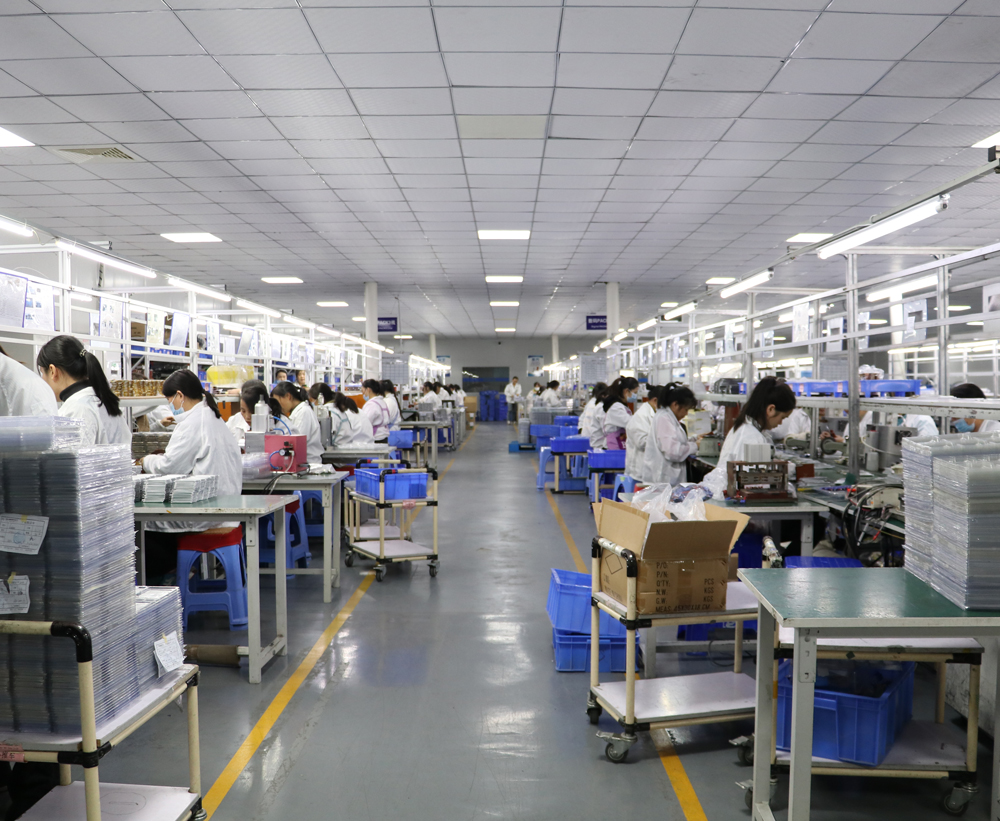
China produces the vast majority of the world's anode materials, lithium salts, and cell separators. This domestic supply chain shields our factory from international transport delays and volatile raw material pricing. Additionally, we co-locate our component assembly, connector manufacture, and precision cell packing facilities to minimize logistics costs and reduce production delays.
Dynalink leverages state-of-the-art automated production lines to achieve extremely consistent cell welding, thermal paste dispensing, and module integration. Automated optical inspection (AOI) systems and computerized testing rigs isolate out-of-tolerance units before final assembly, resulting in higher field reliability and lower RMA rates.
Our facilities operate under strict quality guidelines to ensure that all products comply with international safety regulations, including UN38.3, CE, and marine classification standards.
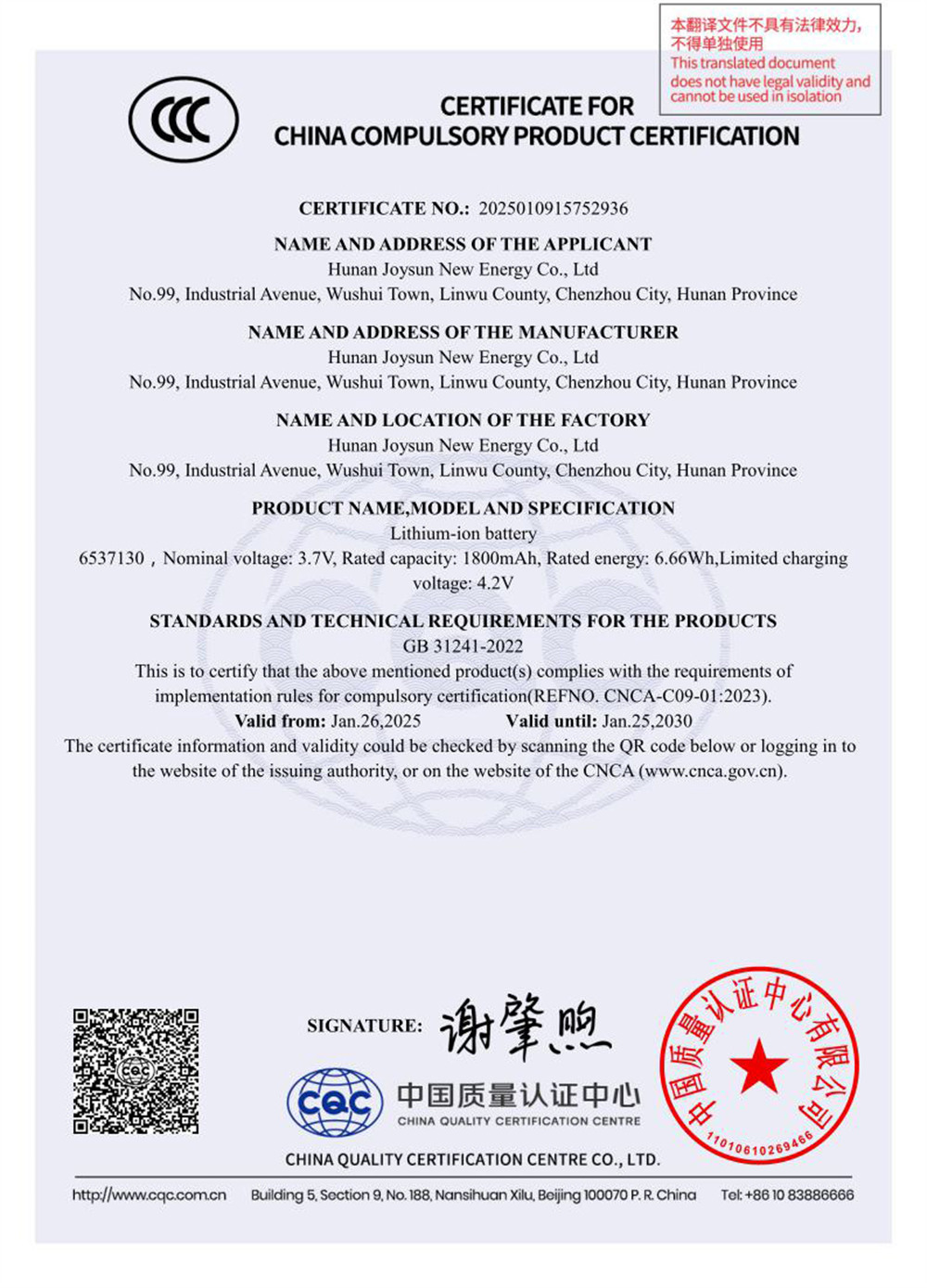
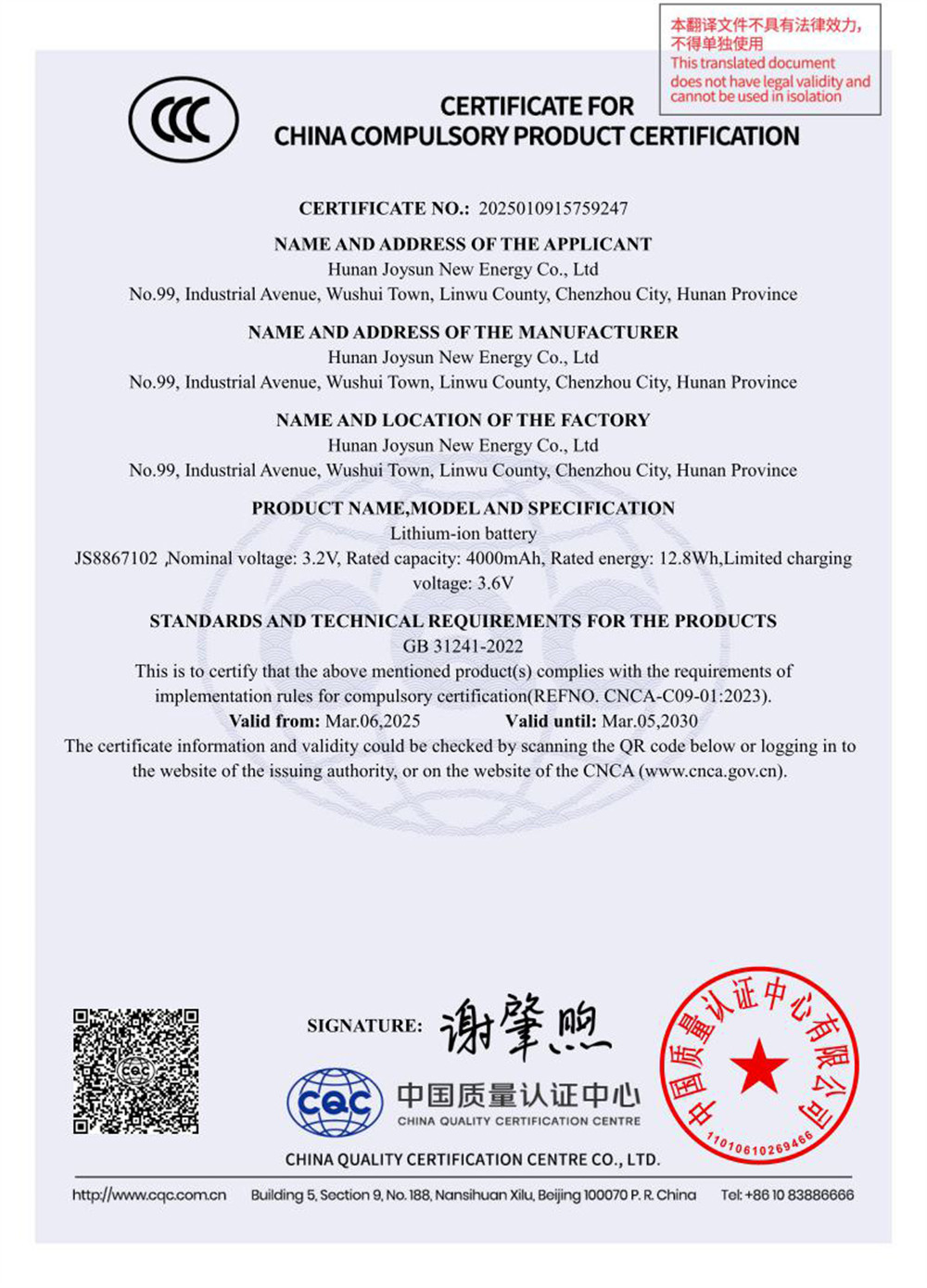
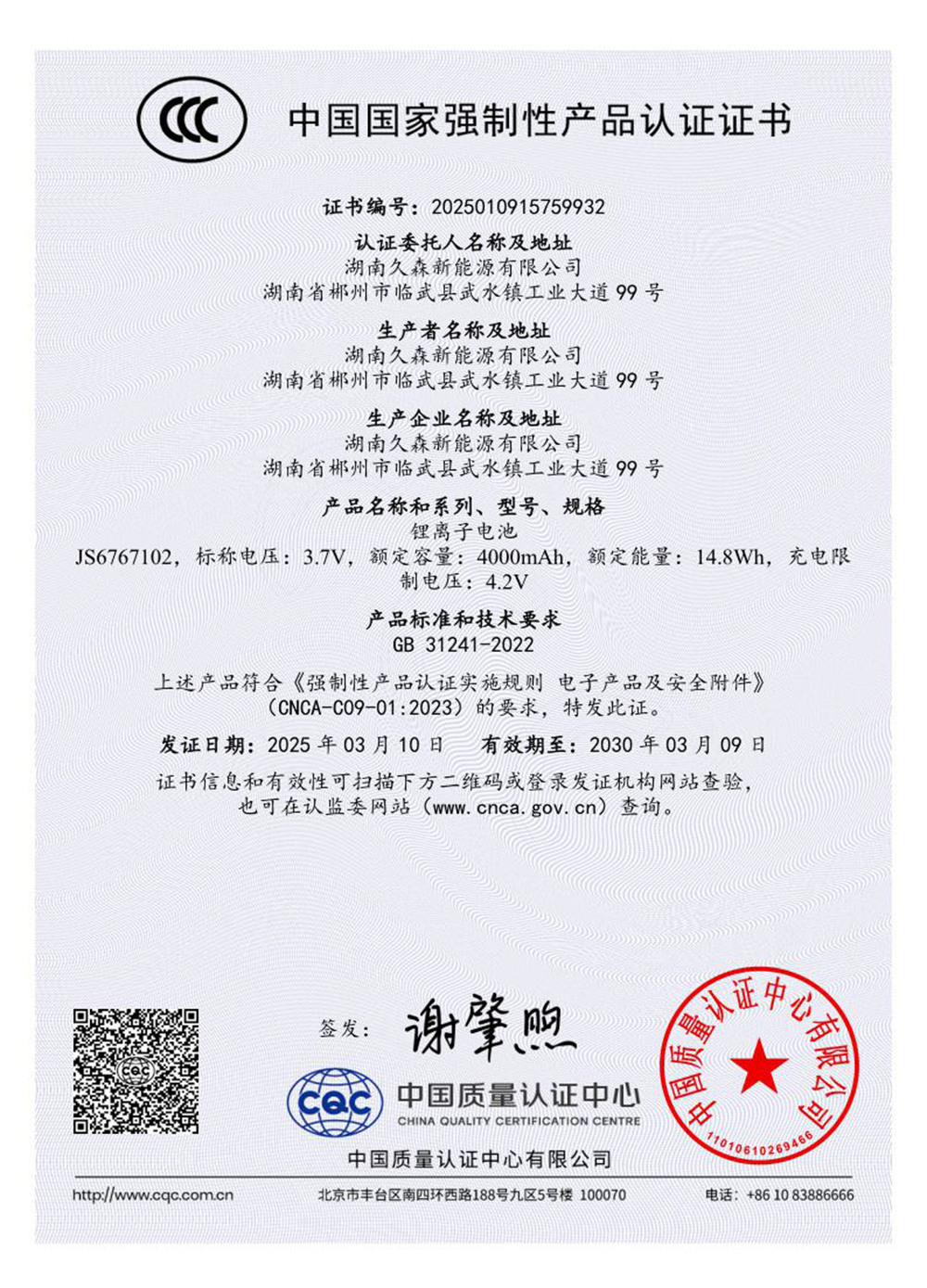
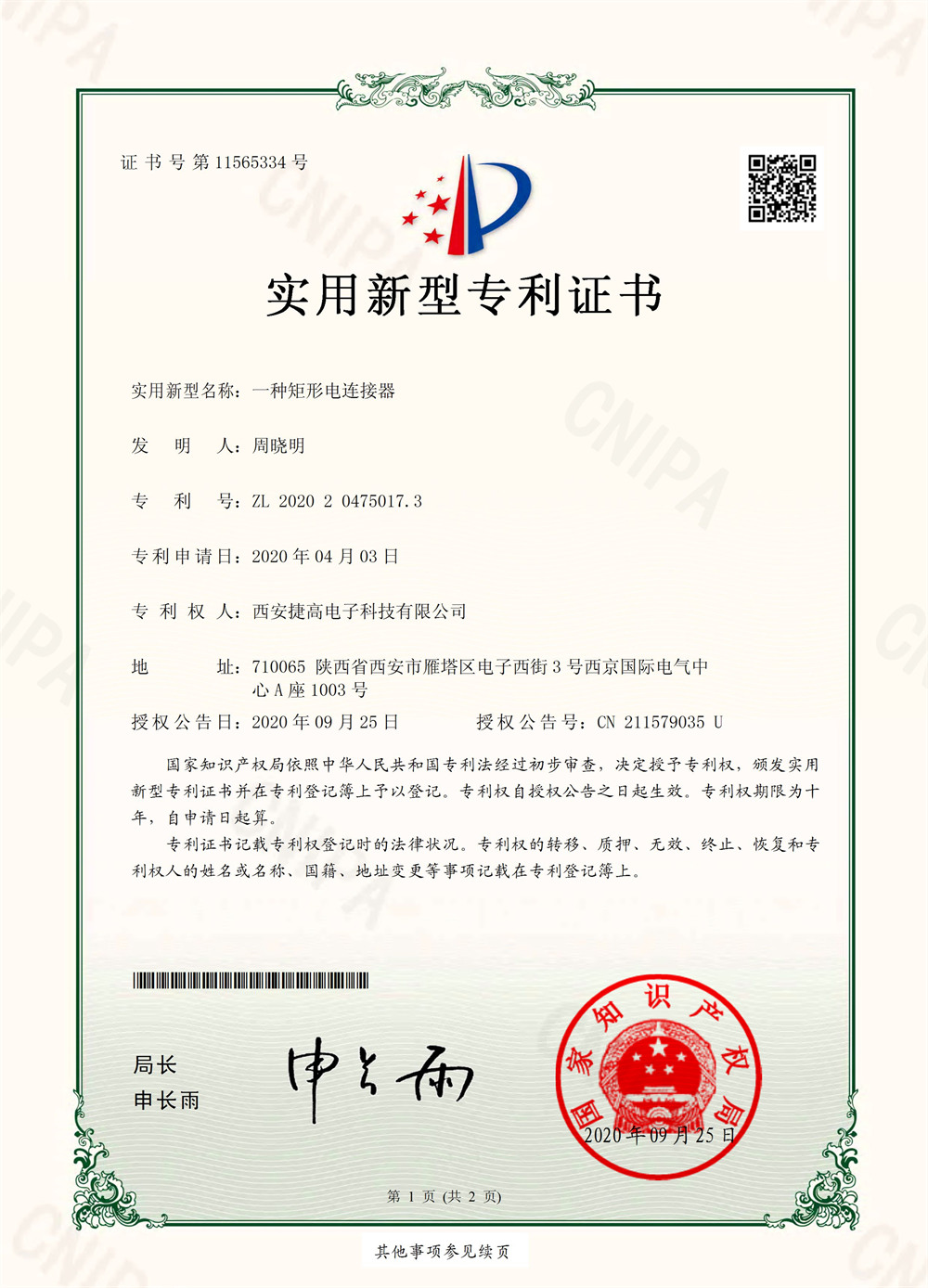
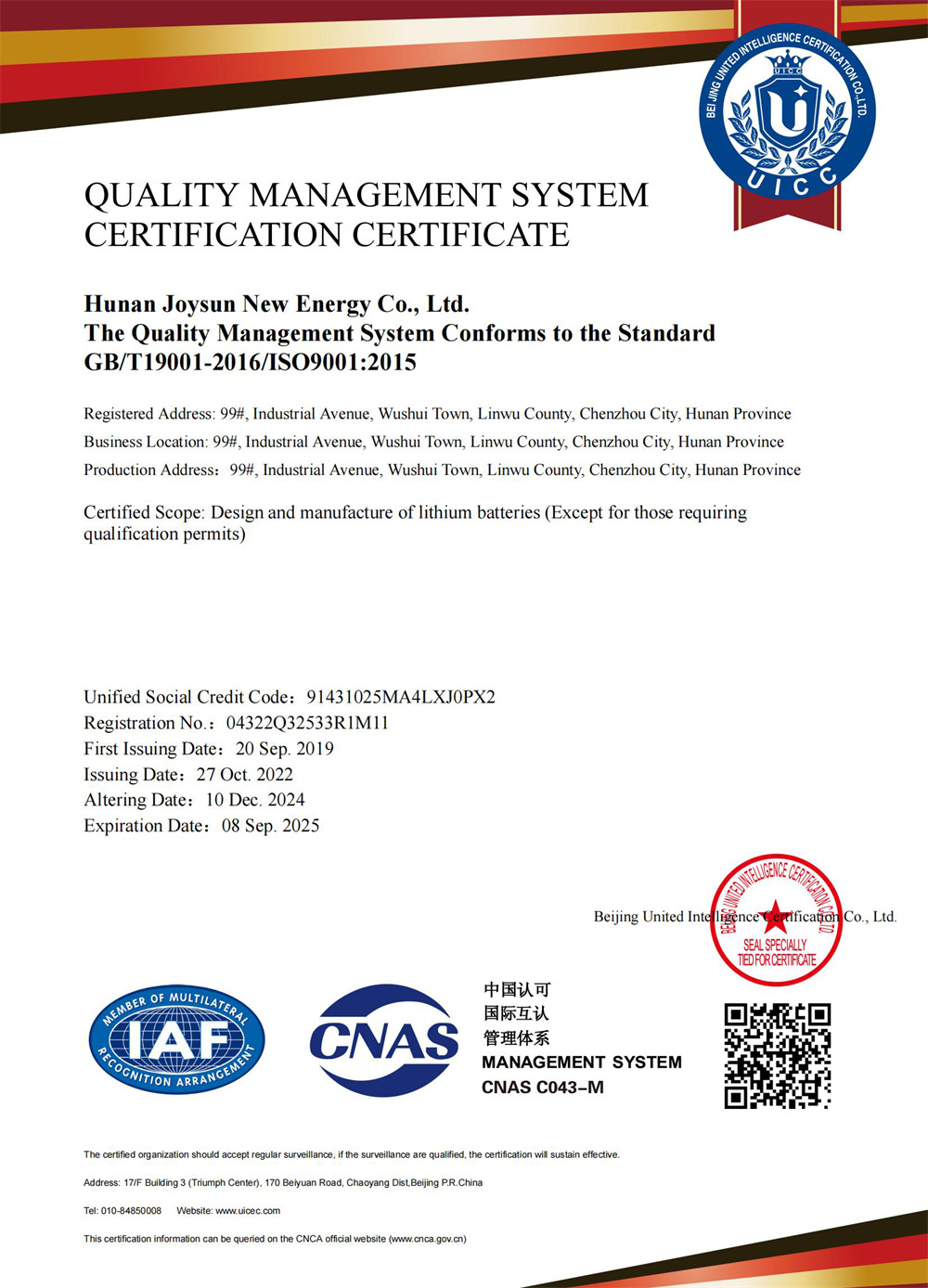
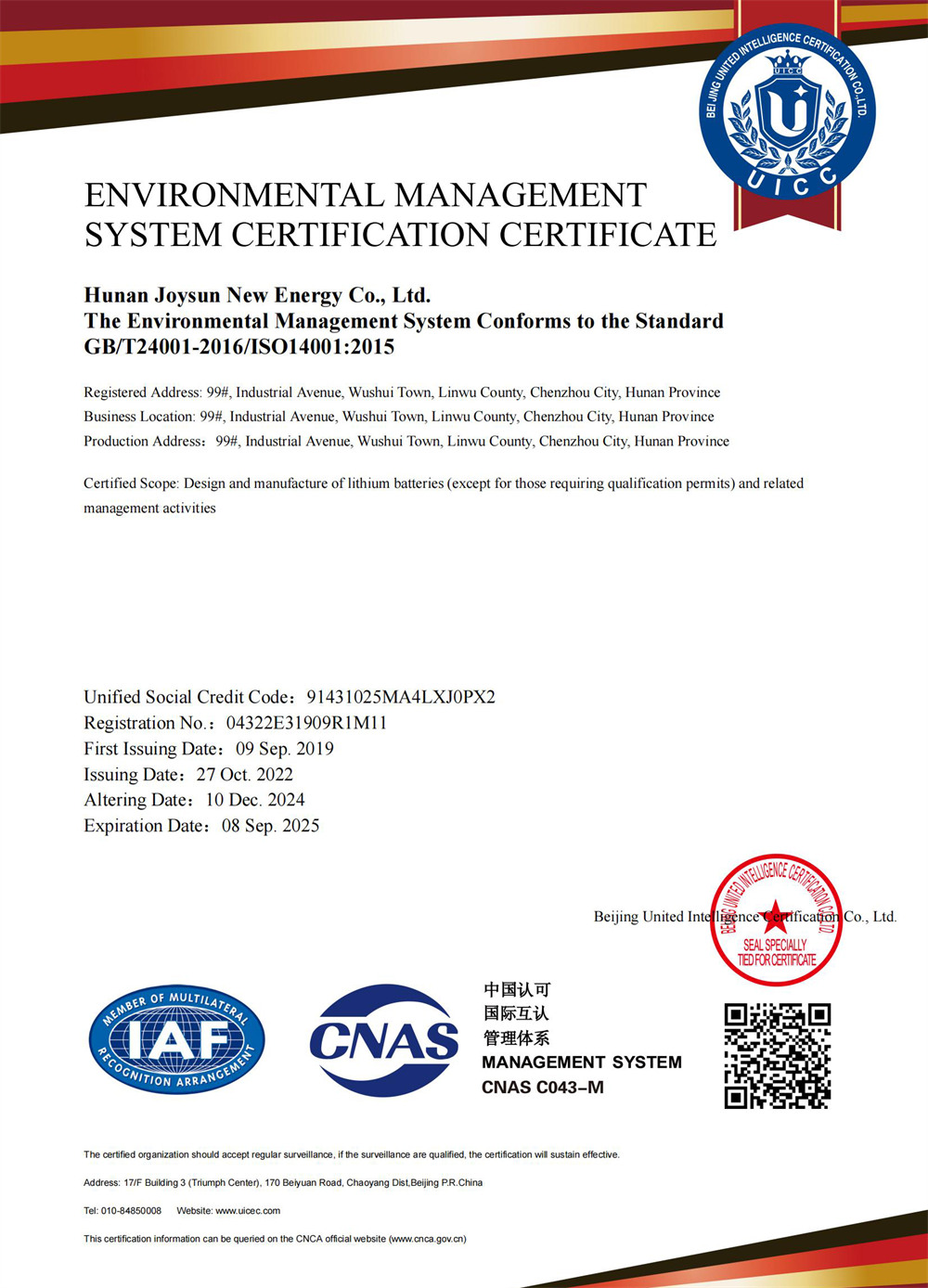
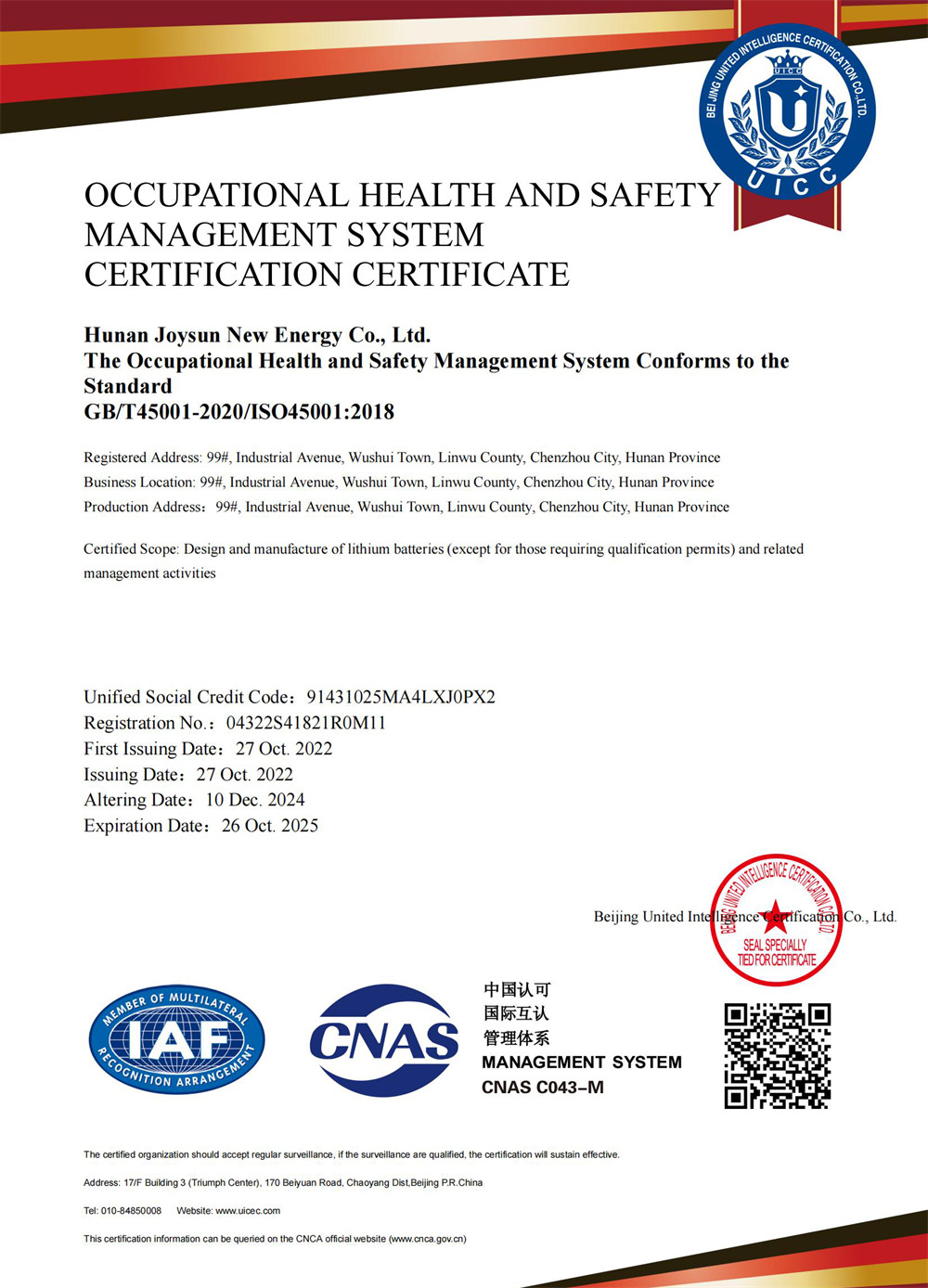
Navigating international marine transport guidelines requires careful planning and strict quality control. From initial design to containerized ocean shipping, marine battery packs must pass severe mechanical and electrical testing protocols. Dynalink guarantees global support by offering field application engineering services, safety validation testing, and compliant packaging solutions:
Every customized battery model undergoes extreme thermal, impact, vibration, and short-circuit testing to ensure safe transport over land, sea, and air.
We build systems engineered for compliance with major classification societies including DNV-GL, Lloyd’s Register, Bureau Veritas, CCS, and the USCG.
DL partners with localized engineering depots in Europe and North America to facilitate on-site troubleshooting, diagnostic evaluations, and spare parts management.
Browse technical answers to key questions from procurement teams, marine surveyors, and system integrators:
 Dynalink Electronic