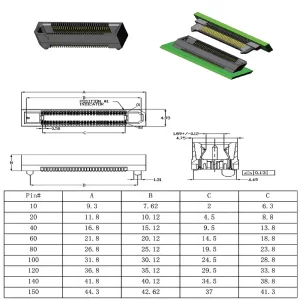
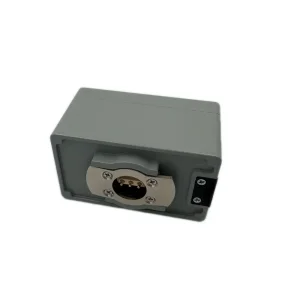
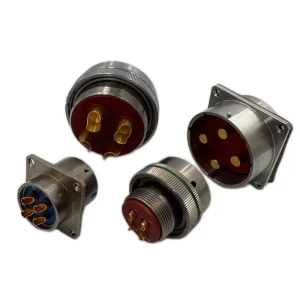
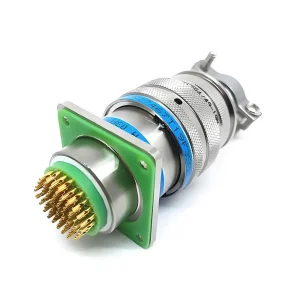
Deploying specialized hardware engineered to perform reliably under the most challenging electrical, mechanical, and thermal parameters.
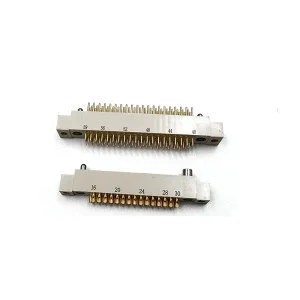
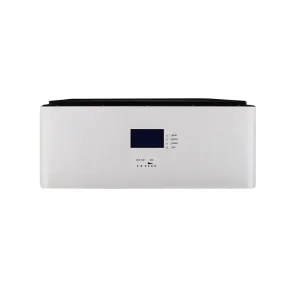
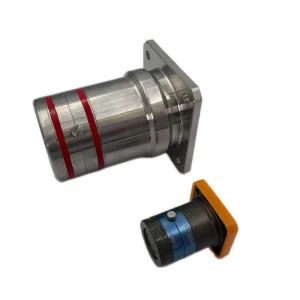
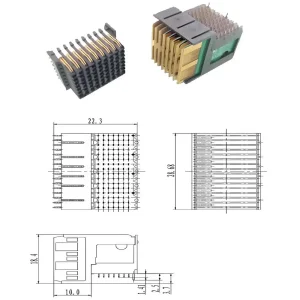
Navigating complex supply networks, stricter carbon footprint regulations, and specialized electrochemical requirements in a decarbonizing global economy.
Regulatory shifts like the European Battery Passport require complete lifecycle tracing, carbon profiling, and ethical material sourcing (responsible cobalt and lithium mining audits).
B2B buyers are moving past simple upfront cost-per-kWh analyses. They focus on Levelized Cost of Storage (LCOS), cycle lifespan, and system safety to reduce operational liabilities.
Sourcing battery systems from vertically integrated manufacturers minimizes integration and supply chain risks, ensuring stable access to critical raw materials and electronics.
As industries shift toward electric and hybrid systems, high-power lithium-ion systems are becoming critical infrastructure. In sectors like aviation, heavy machinery, logistics robotics, and grid storage, standard off-the-shelf options are rarely sufficient. High-performance projects require customized chemistry, shape configurations, and communication interfaces. Success depends on partnering with an OEM manufacturer capable of managing the process from early material design to large-scale production.
An engineering perspective on cell chemistry trade-offs, BMS architectures, and next-generation solid-state technologies.
Choosing the right battery chemistry is a fundamental engineering decision. We provide cell chemistry options tailored to specific balance requirements:
Cells require reliable monitoring and safety controls. Our custom BMS architecture features active balancing algorithms to extend pack life, high-accuracy state of charge (SoC) and state of health (SoH) estimates, and integrated interfaces (CAN-bus, Modbus, RS485). Combined with thermal safety solutions, like phase-change materials and liquid cooling pathways, we minimize runaway risks to keep operations running smoothly.
| Metric | LFP | NMC | LTO |
|---|---|---|---|
| Energy Density | Moderate (140-180 Wh/kg) | High (200-300 Wh/kg) | Low (70-110 Wh/kg) |
| Cycle Life (80% DOD) | > 4,000 - 6,000 | 1,500 - 2,500 | > 15,000 - 20,000 |
| Thermal Runaway Temp | ~ 270°C (Highly Safe) | ~ 210°C (Moderate) | Highly Resistant |
| Charging C-Rate | Up to 1C | 1C to 3C | Up to 10C (Ultra-Fast) |
How DL is aligning its manufacturing systems for next-generation solid-state and silicon-anode designs.
Mass-producing high-nickel NMC chemistry with silicon-graphene composite anodes to improve energy density beyond 300 Wh/kg while supporting 4C charging rates for UAVs and high-speed transit.
Transitioning to semi-solid electrolytes to minimize flammable solvent content. This delivers a substantial safety boost, prevents dendrite growth, and improves gravimetric density to over 380 Wh/kg.
Deploying all-solid-state designs using sulfide and oxide inorganic electrolytes. This eliminates traditional liquid fire hazards and allows battery packs to operate across extreme temperature ranges.
Established in 2007, Dynalink Electronic Technology Co., Ltd (DL) has developed into a technology-driven designer and manufacturer specializing in power supplies, energy storage capacitors, and connectors.
Today, DL maintains a team of over 800 employees, including more than 200 dedicated technical staff and R&D engineers. With continuous research and development investment, we have built a vertically integrated production ecosystem. This structure spans raw material research, electrochemical cell design, high-precision connector molding, and final automated system assembly.
Our products deliver high reliability and steady performance under extreme conditions. They are widely used in demanding fields such as aviation, aerospace, shipping, railways, new energy vehicles, medical devices, unmanned aerial vehicles (UAVs), and commercial robotics.
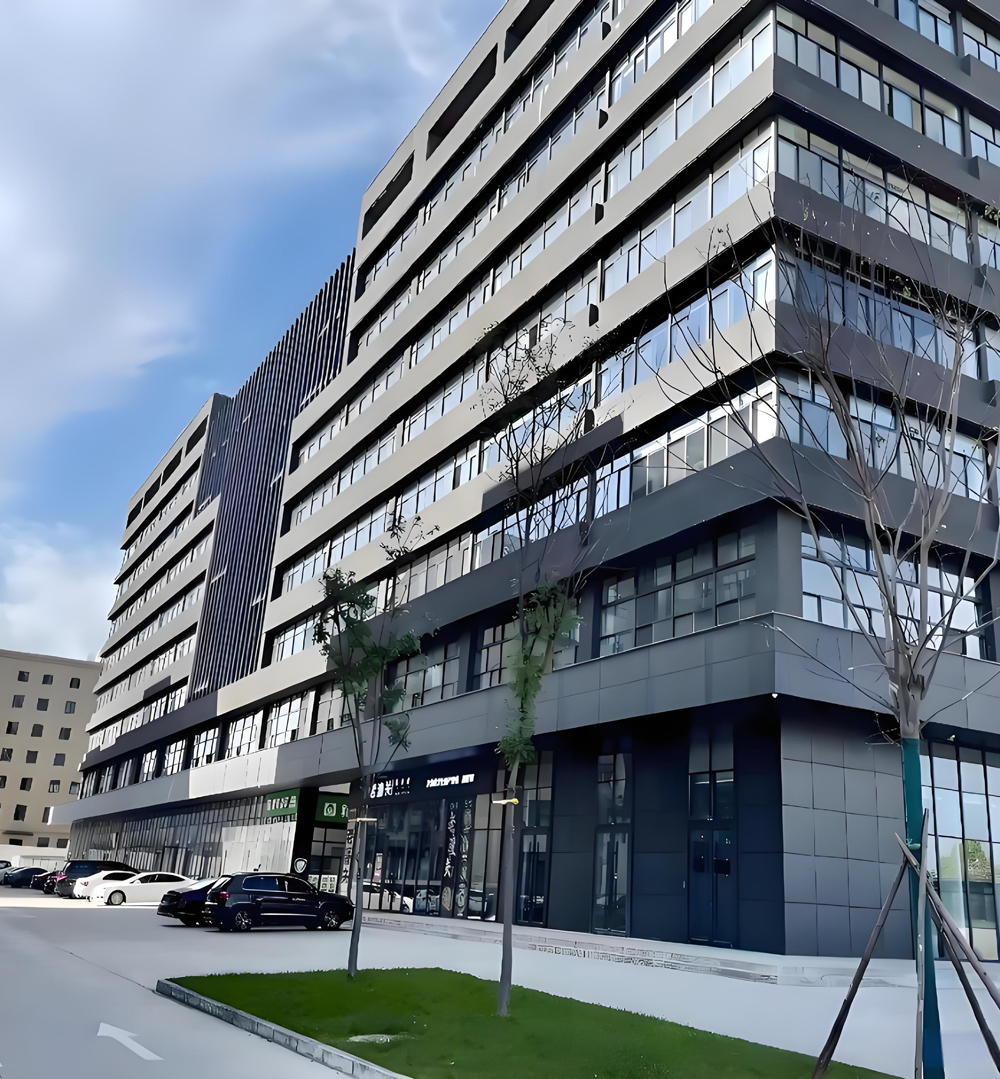
We design custom solutions tailored to the operational demands, environmental stresses, and regulatory requirements of your industry.
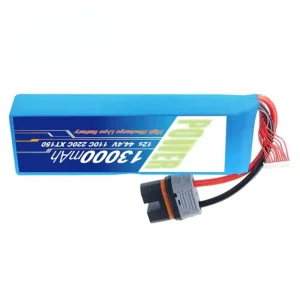
UAV operations demand light weights, high discharge currents (high C-ratings), and steady power delivery. DL designs drone batteries with optimized gravimetric energy density. These packs support rapid charging and discharging, helping maximize flight times and handle peak current demands during vertical takeoffs.
For data centers, maintaining continuous uptime is essential. We combine ultra-reliable connectors with backup batteries to enable rapid power transition and reduce transmission losses. This setup helps protect mission-critical servers against grid fluctuations.
Automation systems operating in harsh environments need batteries built to withstand vibration and shocks. Our ruggedized housings, secure connection terminals, and shock-resistant designs keep AGVs and robotic fleets moving reliably on the factory floor.
Through our internal development platform, we engineer comprehensive systems from scratch. We combine cells, structural housings, matching connectors, and custom programming to create complete, tailored power solutions.
Aviation, rail transit, and maritime shipping demand strict adherence to high quality standards. Our manufacturing processes utilize aerospace-grade alloys, high-performance insulation, and specialized anti-vibration framing to prevent physical degradation under severe mechanical stress. This ensures stable power delivery even under intense thermal fluctuations and high atmospheric pressures.
Ensuring quality and precision through vertical integration and structural testing.
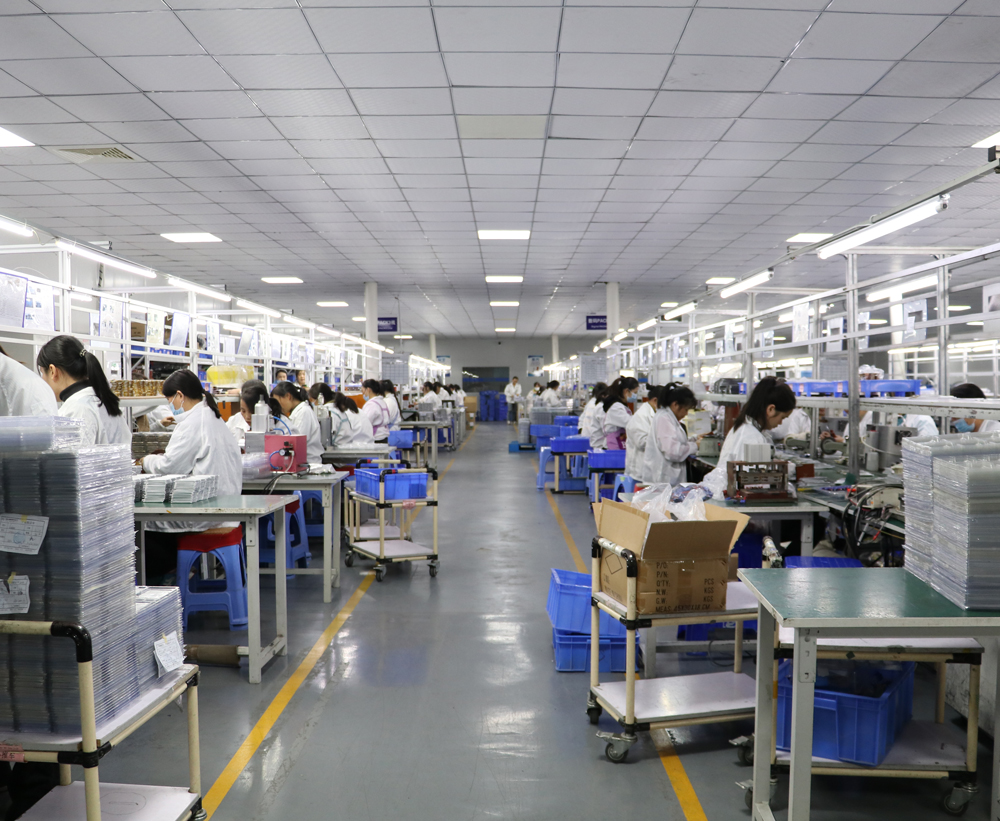
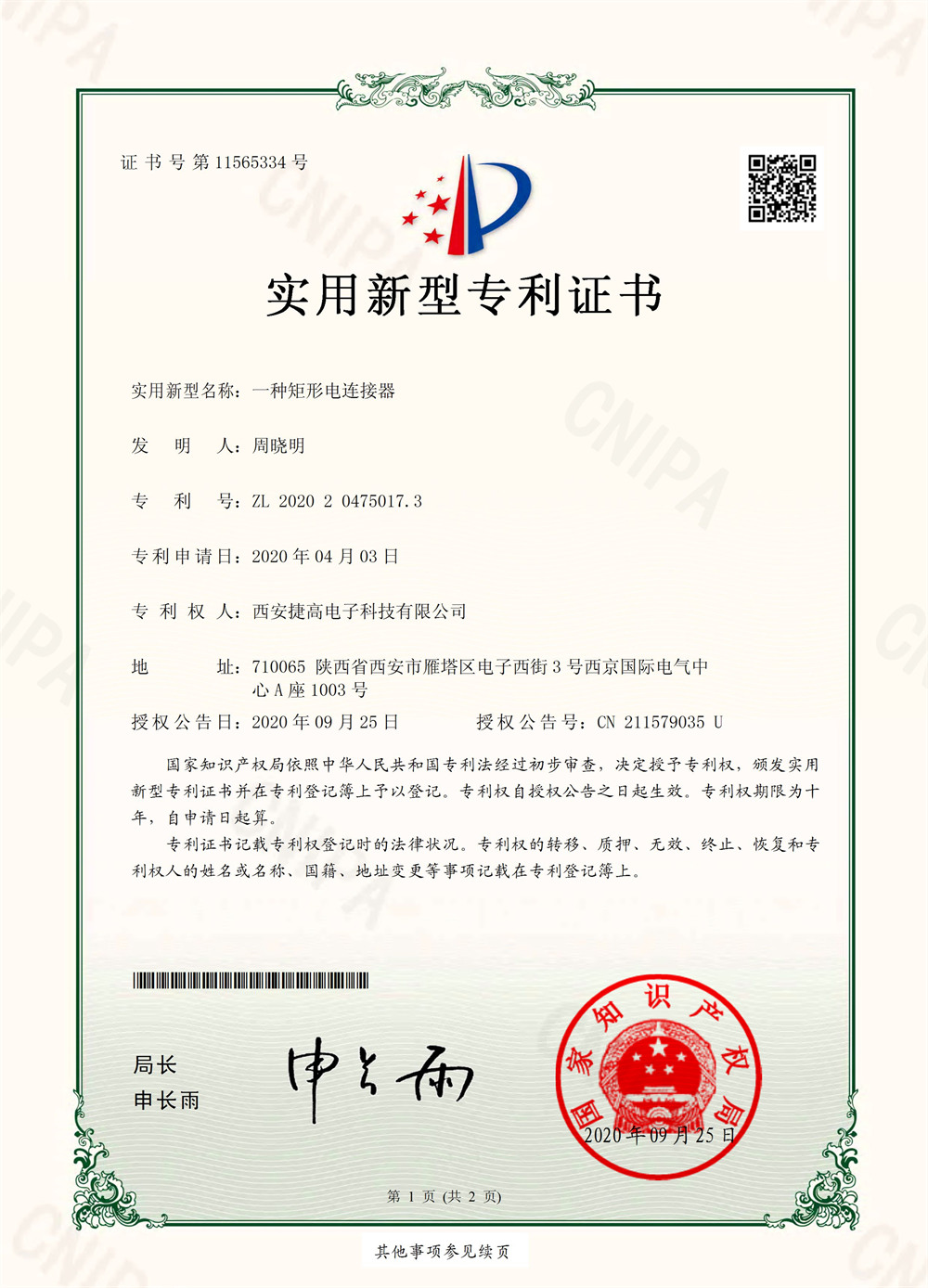
We minimize dependency on third-party suppliers by manufacturing our own key sub-components, including electrical connectors, battery brackets, and high-density capacitors. This high level of vertical integration helps us enforce strict quality controls, maintain cost stability, and speed up turnaround times on custom OEM designs.
Every battery pack undergoes rigorous testing before leaving our facility. This includes automated optical inspection (AOI), X-ray examination of internal weld joints, high-G mechanical shock tests, thermal cycle simulation, and full charge-discharge cycle validation. We ensure that every battery module is fully optimized and safe for field deployment.
Our corporate philosophy, "Empowering life with technology and creating a sustainable future," drives our R&D focus. We invest in solving long-term industry challenges, such as developing solid-state batteries, improving capacitor energy density, and engineering ultra-low resistance, high-speed connector terminals.
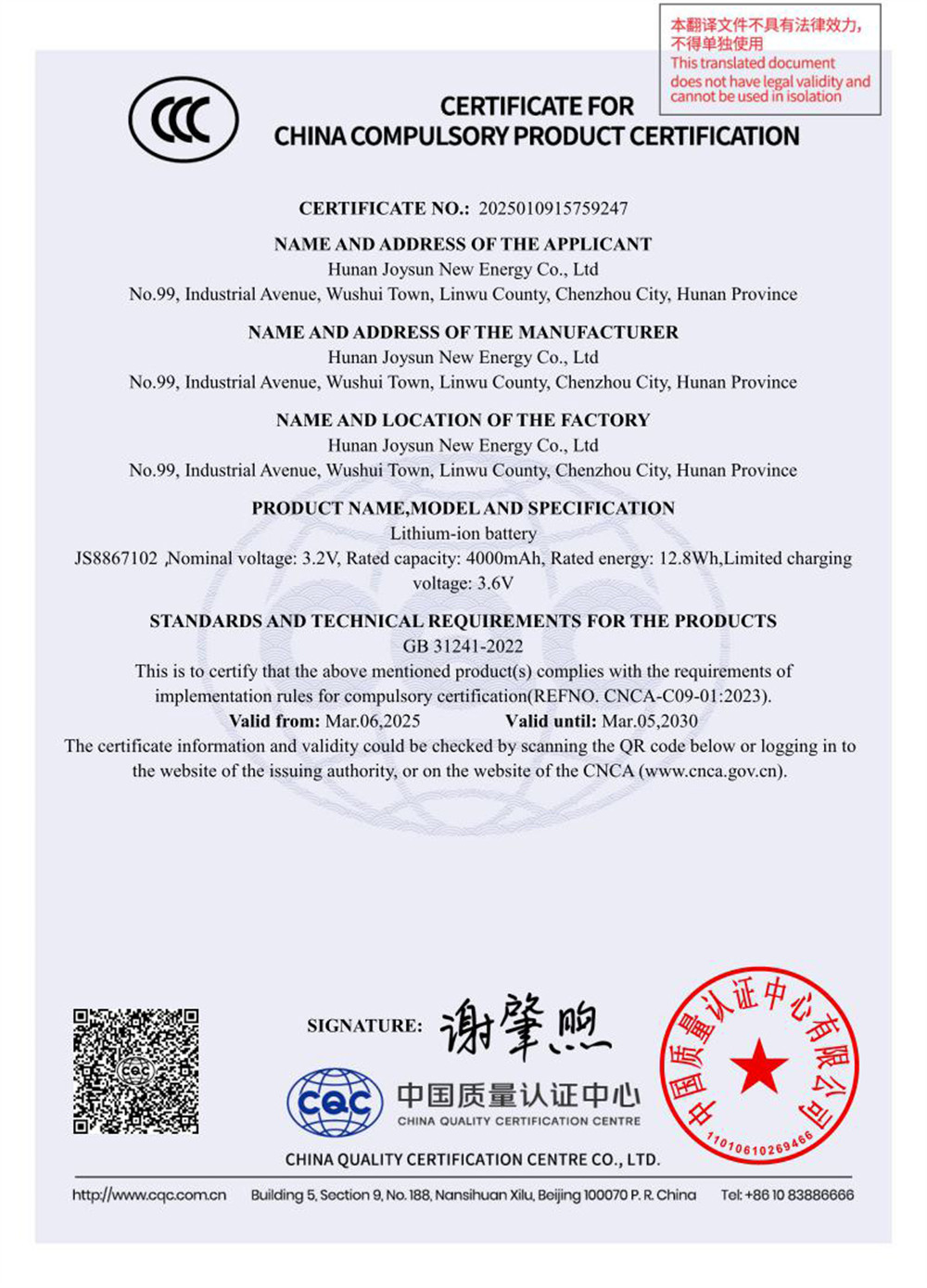
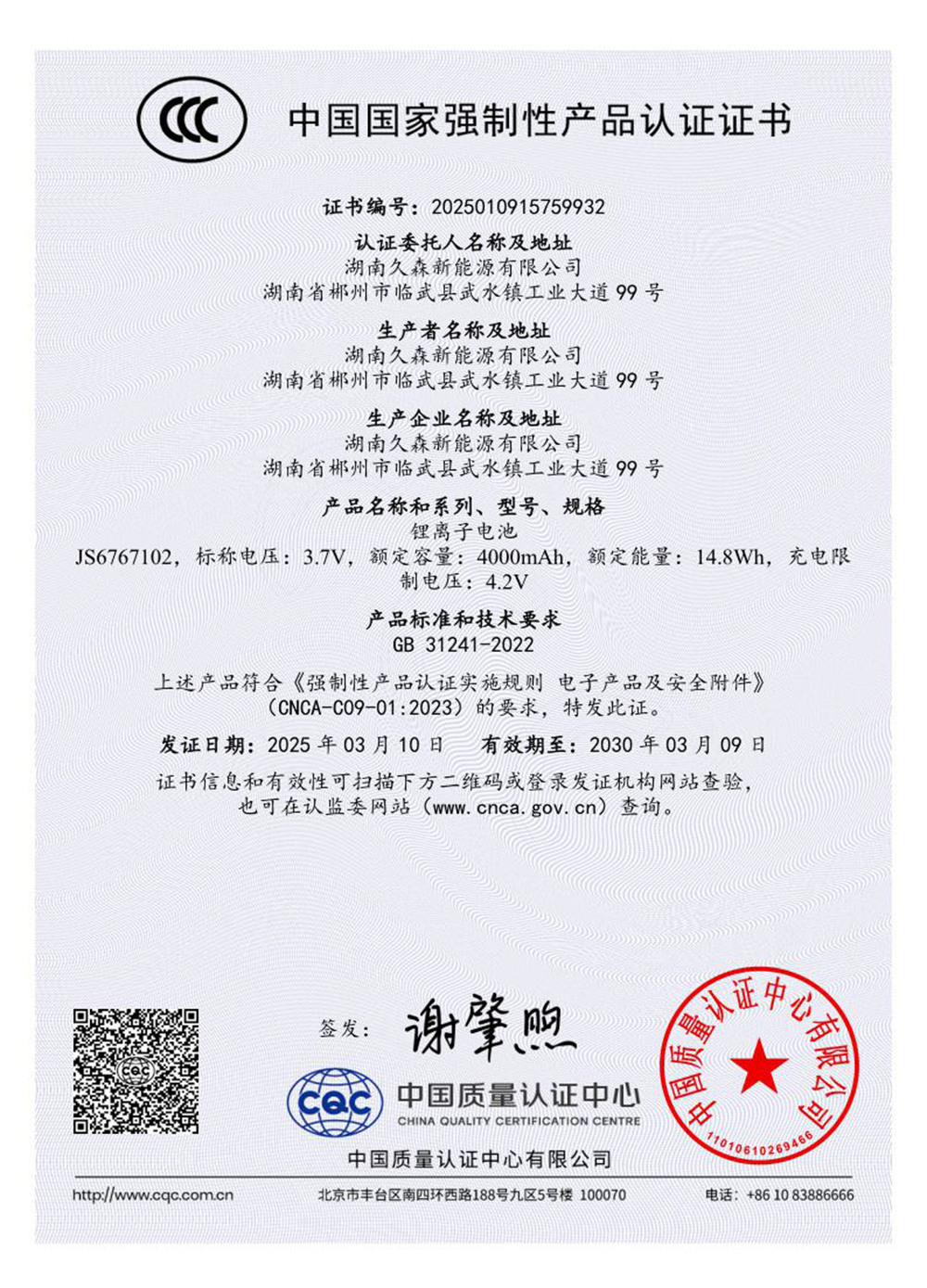
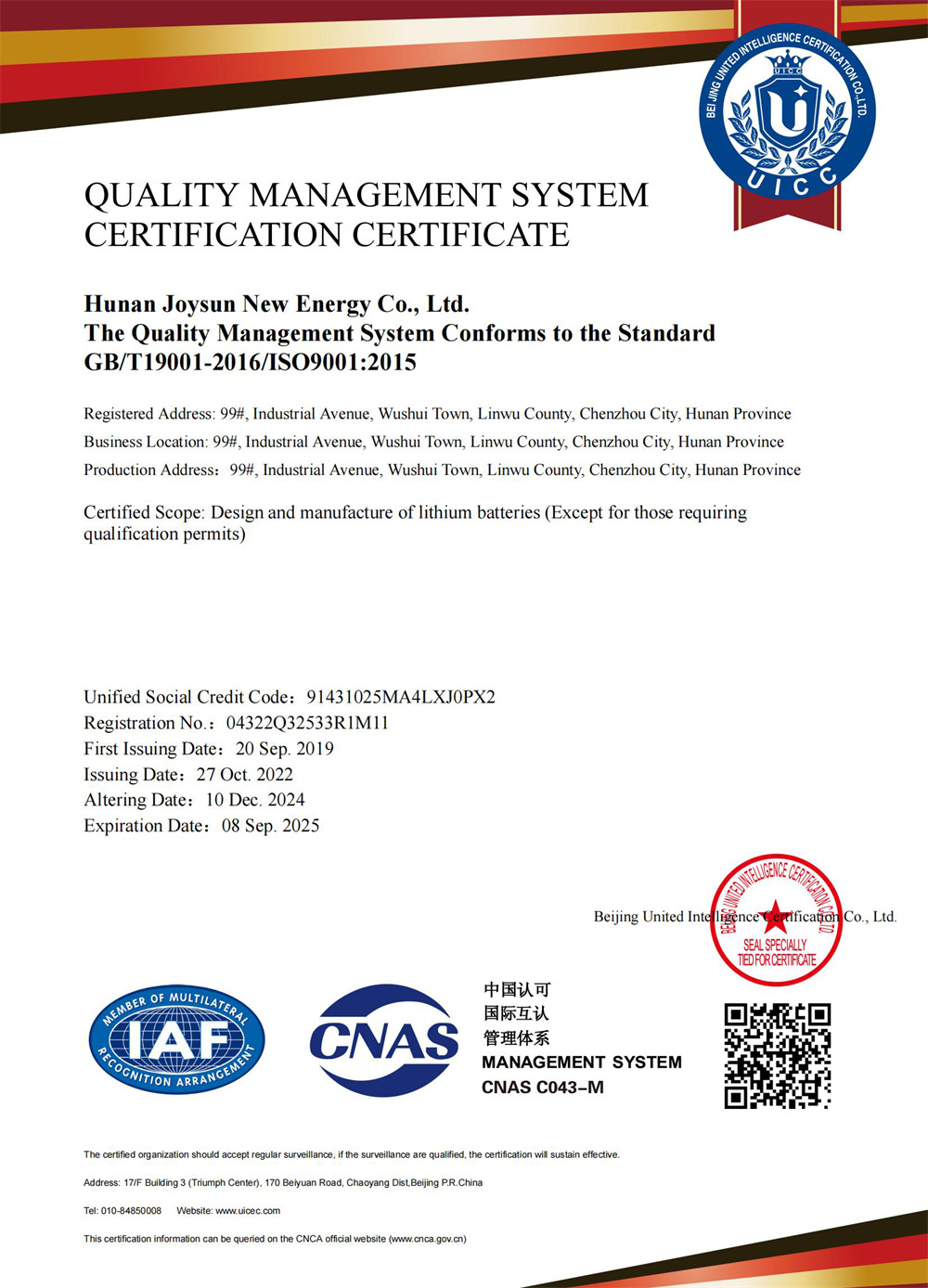
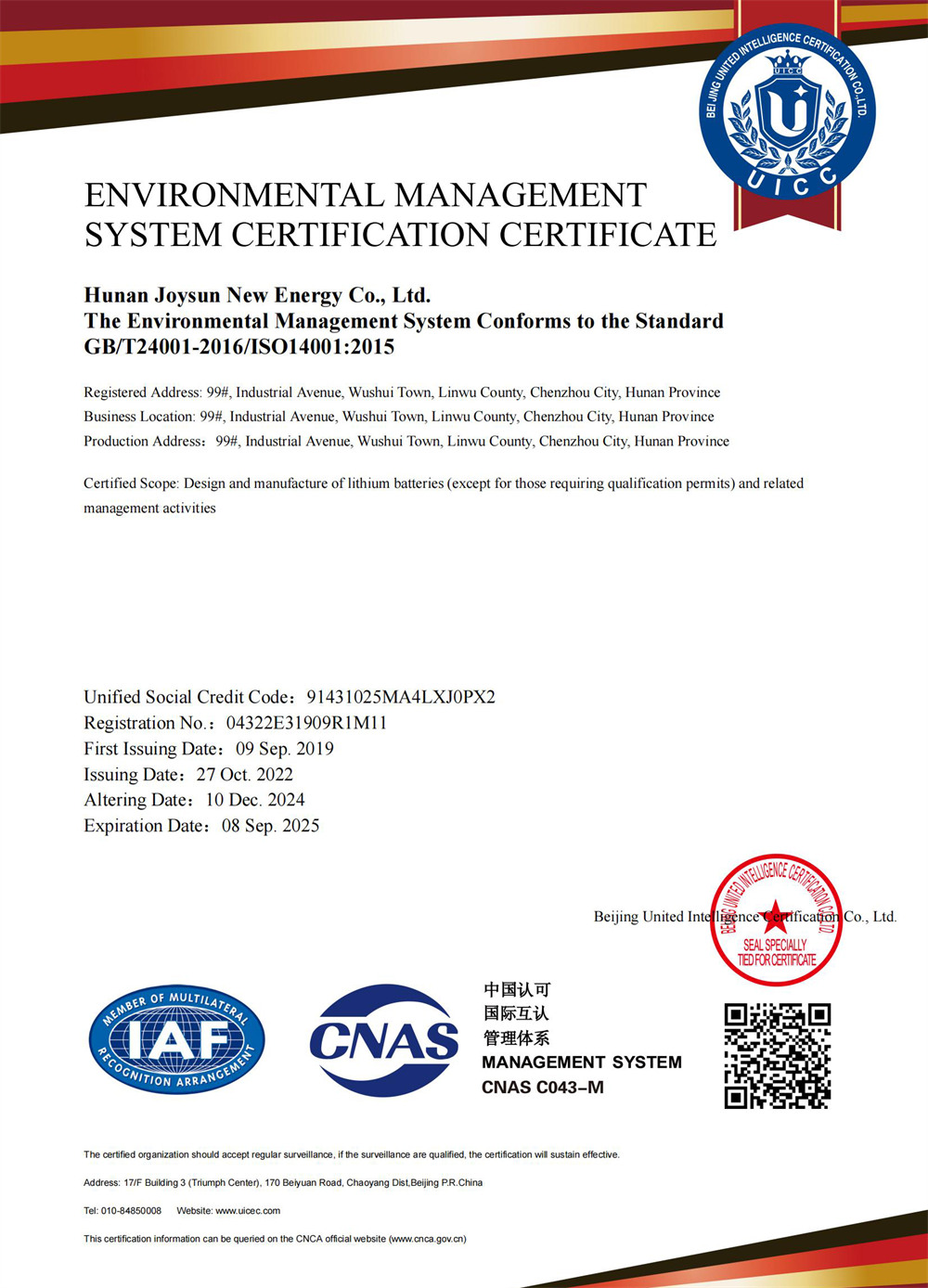
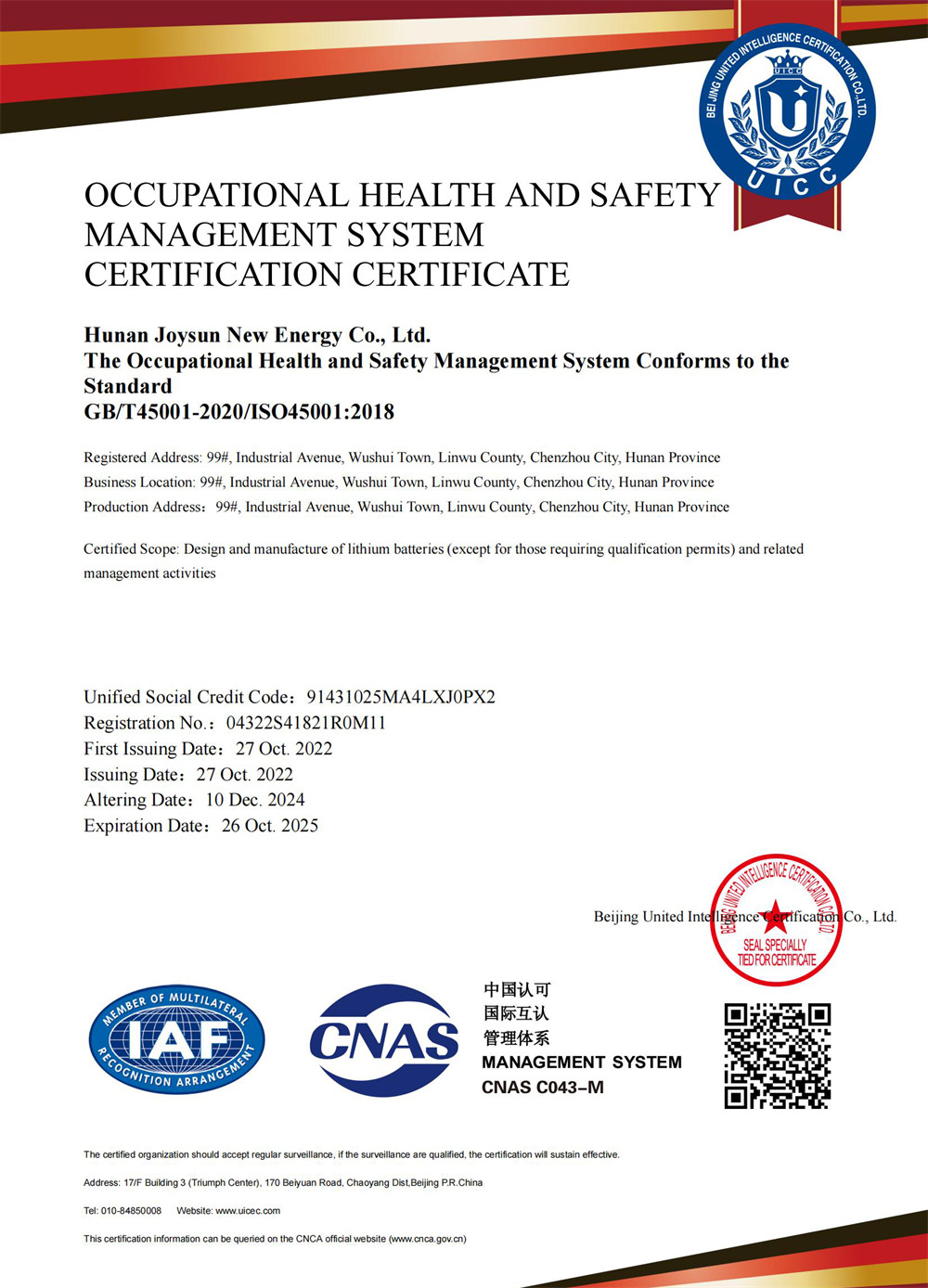
Our production processes follow strict environmental, health, and quality management protocols.

GB/T24001-2016 Environmental Management System certification, verifying sustainable manufacturing practices.
GB/T19001-2016 Quality Management System certification, ensuring traceable, standardized manufacturing workflows.

GB/T45001-2020 Occupational Health and Safety Management System certification, protecting employee safety.
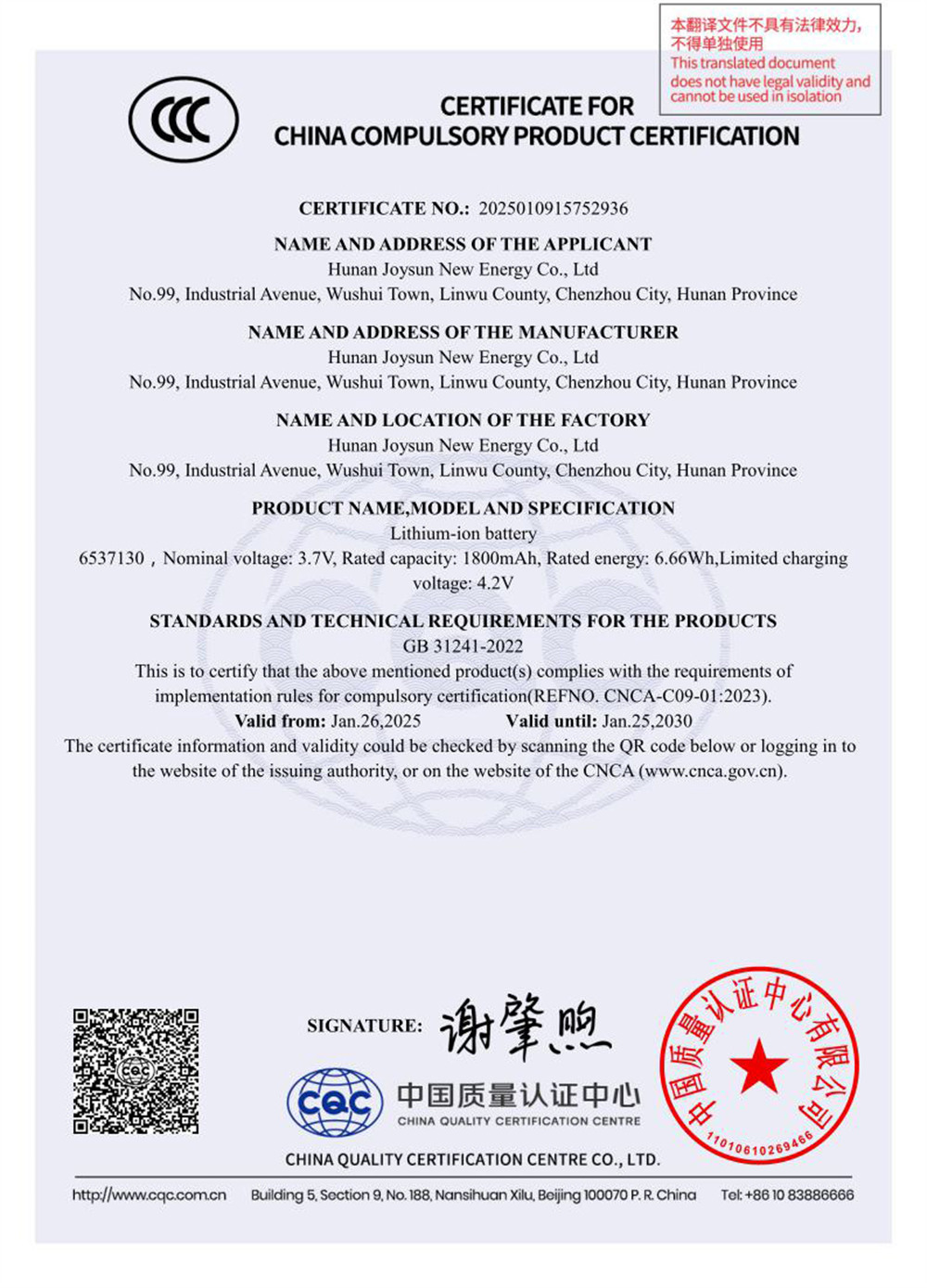
Addressing key technical questions from engineering managers and procurement departments.
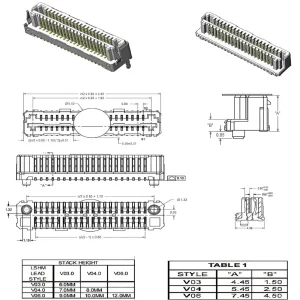
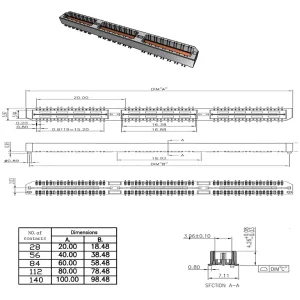
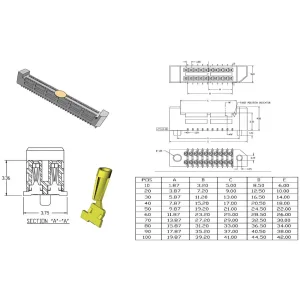
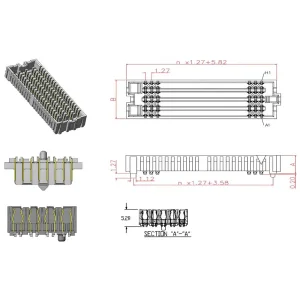
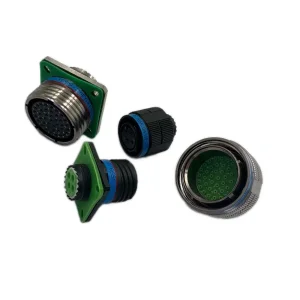
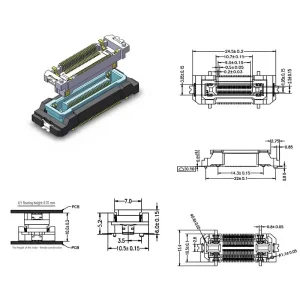
Ensuring stable power transmission and reliable system interconnects for high-demand setups.
 Dynalink Electronic