Analyzing the electrochemical superiority, mechanical integrity, and market dynamics of Lithium Iron Phosphate (LiFePO4) Prismatic cells for utility-scale energy projects and heavy industrial platforms.
Lithium Iron Phosphate (LiFePO4) prismatic chemistry represents the global benchmark for safety and resilience in long-duration electrical storage systems (LDESS). Unlike standard cobalt-based chemistries, LFP features a robust olivine crystal structure characterized by highly stable P-O covalent bonds. These structural bonds prevent oxygen release under high temperatures, practically eliminating the risks of catastrophic thermal runaway.
The prismatic cell design leverages rigid, space-efficient rectangular packaging (typically utilizing high-grade aluminum alloys) that delivers substantial advantages over cylindrical and pouch formats. By optimizing internal space utilization, prismatic configurations facilitate greater volumetric energy density within battery packs, promoting the rapid adoption of Cell-to-Pack (CTP) integration strategies.
For large-scale utility and commercial applications, selecting top-tier LFP prismatic manufacturers ensures tight tolerances on internal resistance, consistent electrochemical balancing, and long cycle lives exceeding 6,000 to 8,000 cycles at 80% Depth of Discharge (DOD).
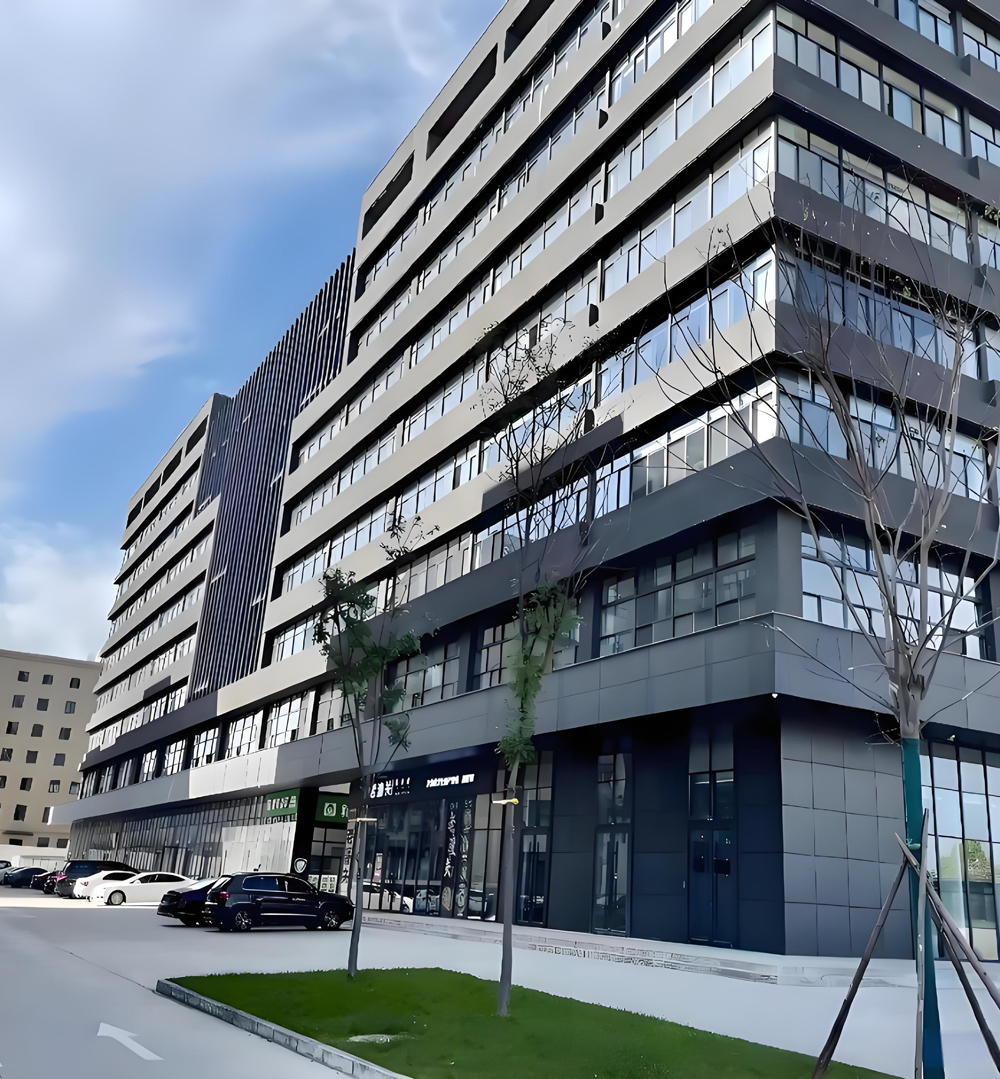
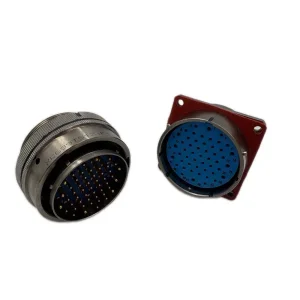
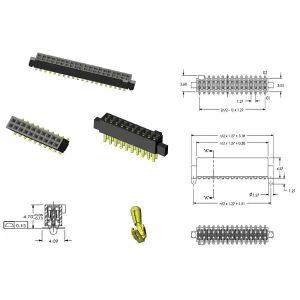
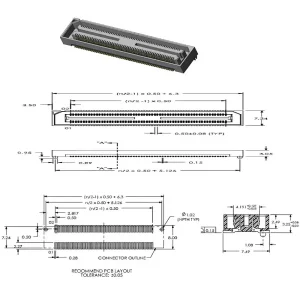
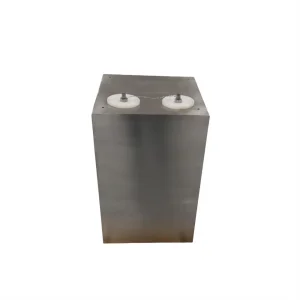
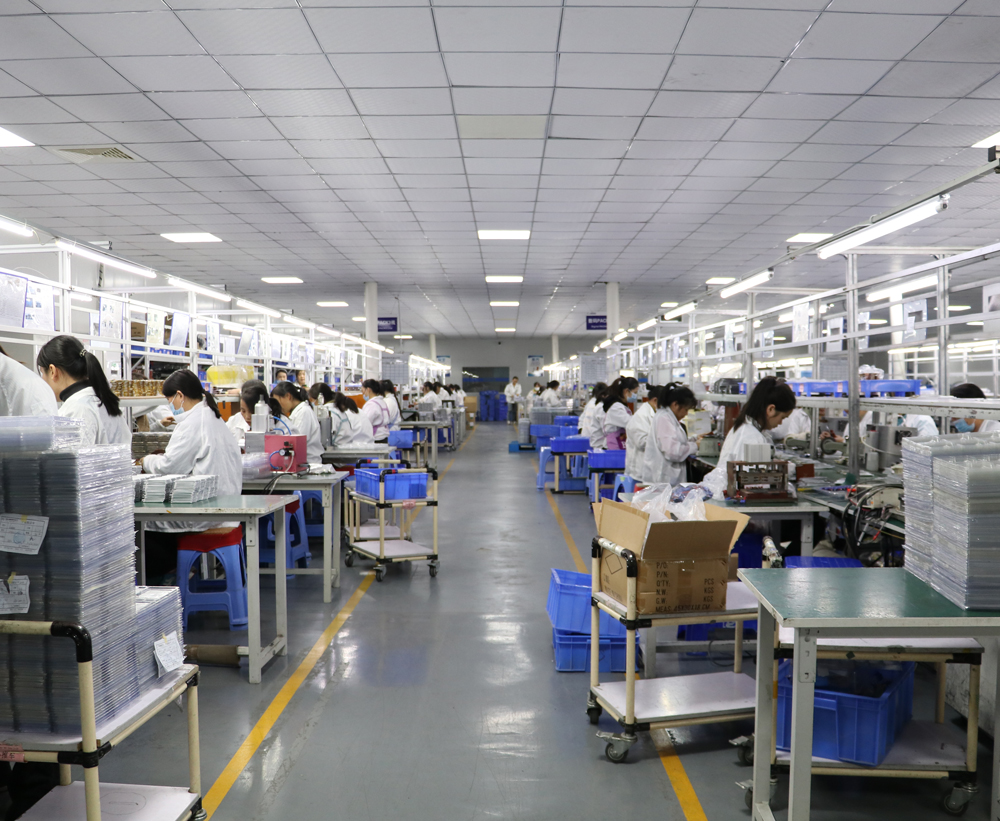
Dynalink Electronic Technology Co., Ltd (DL), established in 2007, currently has a workforce of over 800 employees, among which more than 200 are technical staff. It is a technology-driven design and manufacturing company specializing in power supplies, energy storage capacitors, and connectors.
With continuous investment in research and development and strong innovation capabilities, the company has built a complete industrial chain encompassing material research and development, product design, and precision manufacturing. Thanks to the advantages of high reliability and excellent performance, its products are widely used in key fields such as aviation, aerospace, shipping, railways, new energy vehicles, the medical industry, drones, and robots, providing customized solutions for customers.
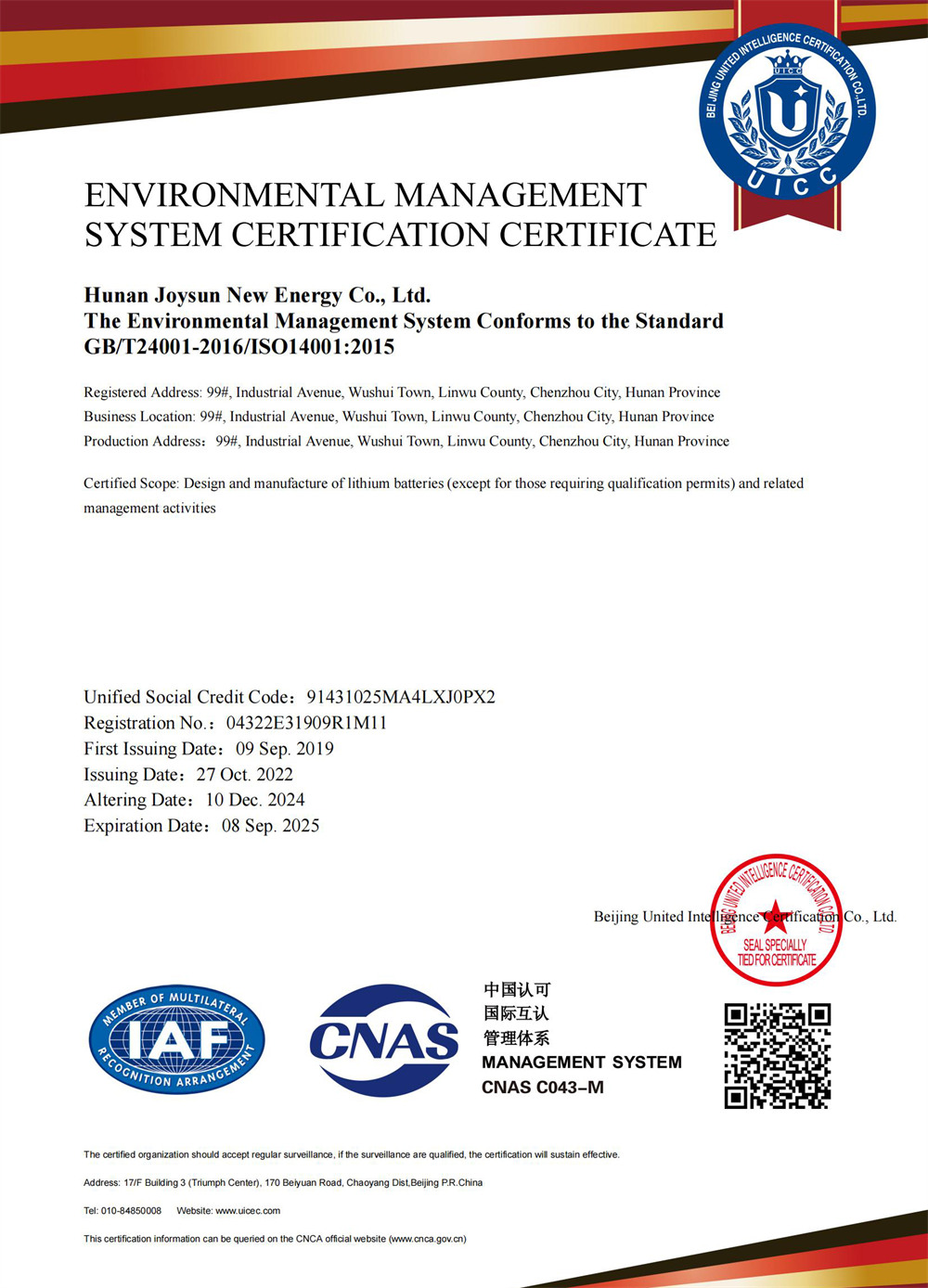
 ISO 14001:2015 Environmental System
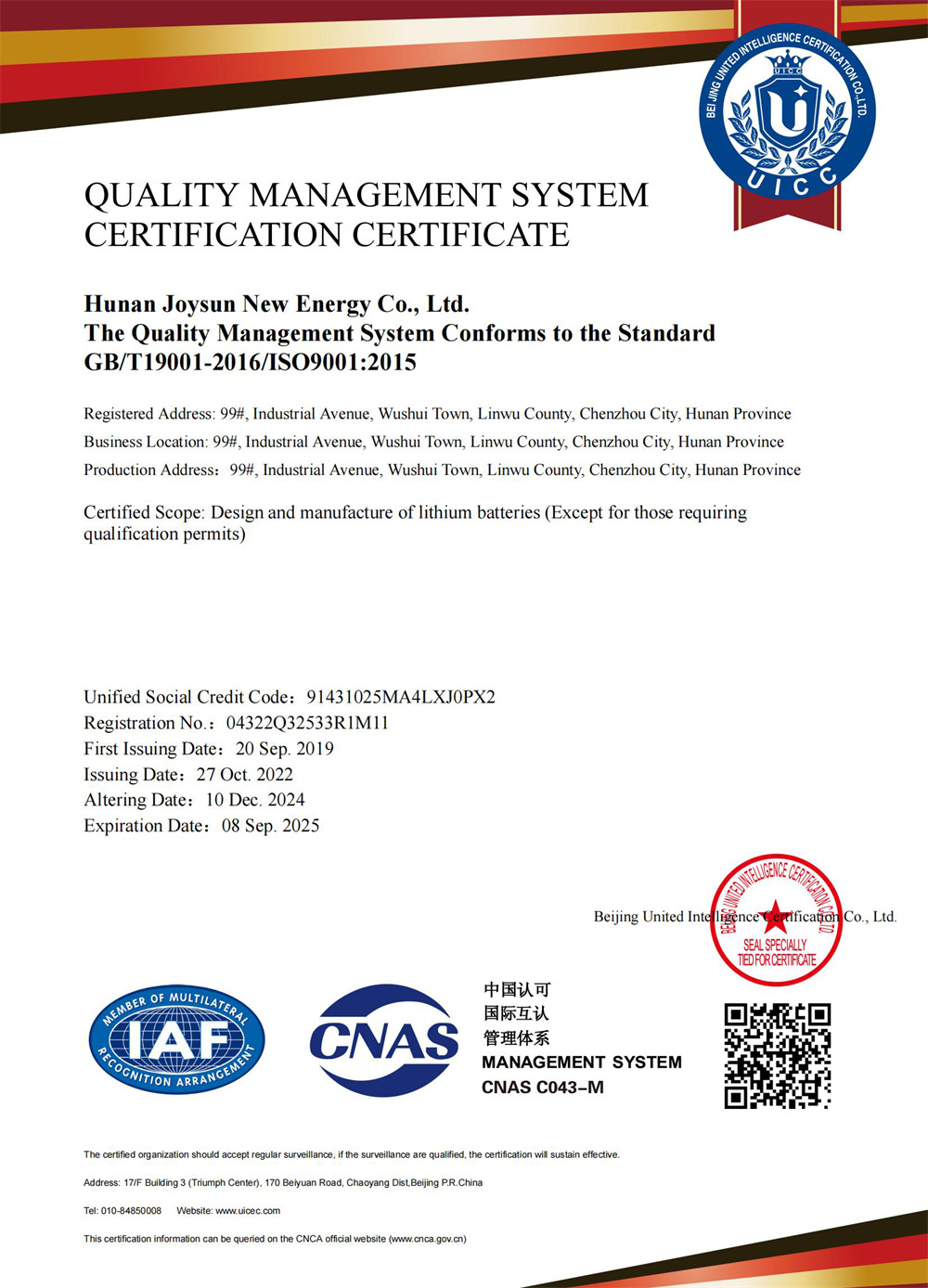
 ISO 9001:2015 Quality Management
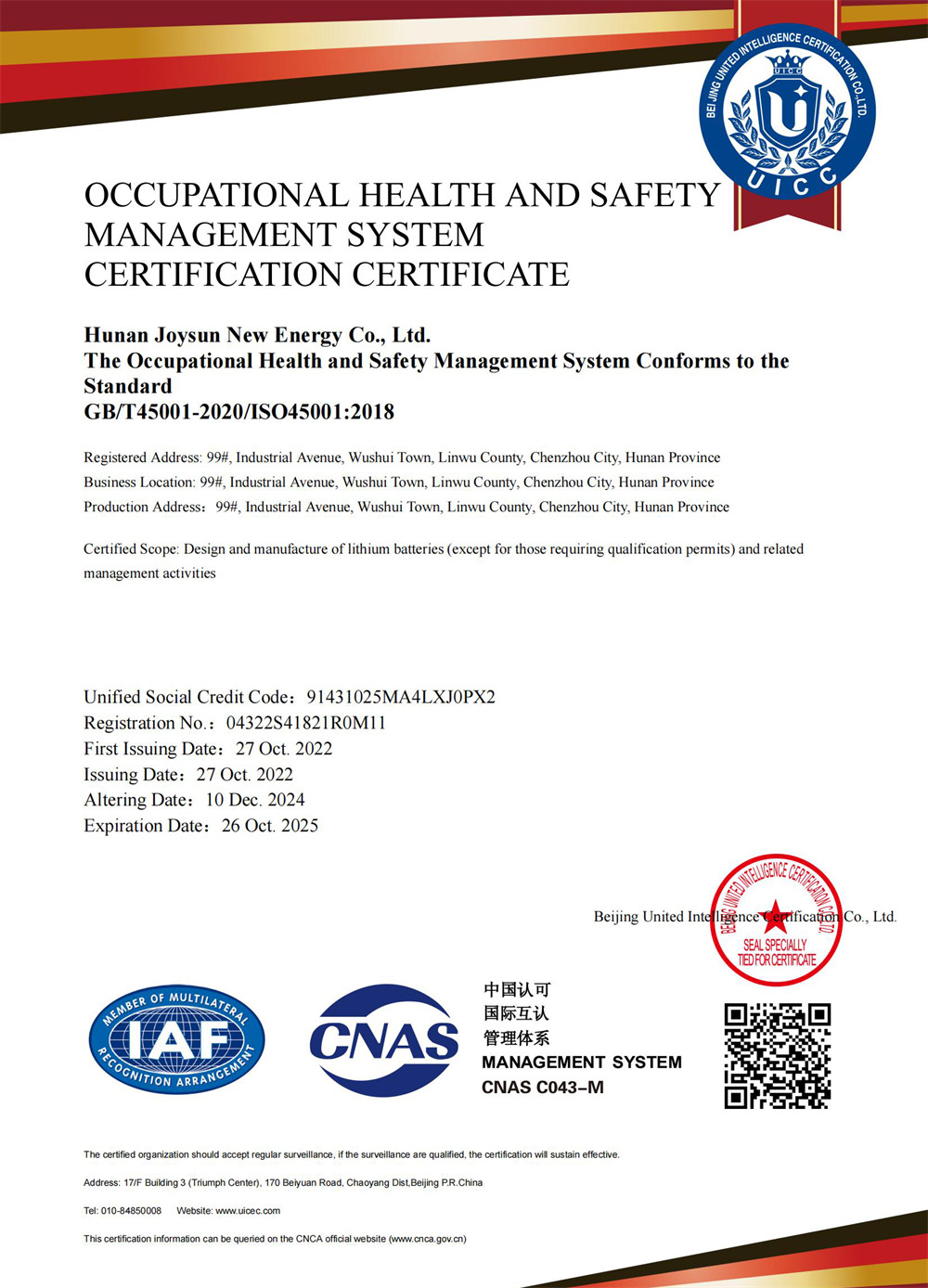
 ISO 45001:2018 Safety Management
Delivering high-reliability components, system level power supplies, and vertically integrated storage solutions to world-class OEMs and industrial operators.
In the field of drones, our products ensure efficient battery charging and discharging and the stable operation of the power system.
For data centers, high-speed connectors and stable power supplies ensure low-loss transmission of massive amounts of data and the reliable operation of equipment.
In industrial automation scenarios, connectors with high protection performance and precision power supplies provide solid support for equipment operating in complex environments.
Relying on our self-developed intelligent design platform, we can quickly respond to customer needs and provide integrated solutions from components to systems.
In the future, DL will continue to deeply engage in technological innovation, promote industrial upgrading, and integrate advanced power supply technologies into every corner of life.
Taking quality as our shield, we continuously optimize processes and standards to forge industry benchmark products.
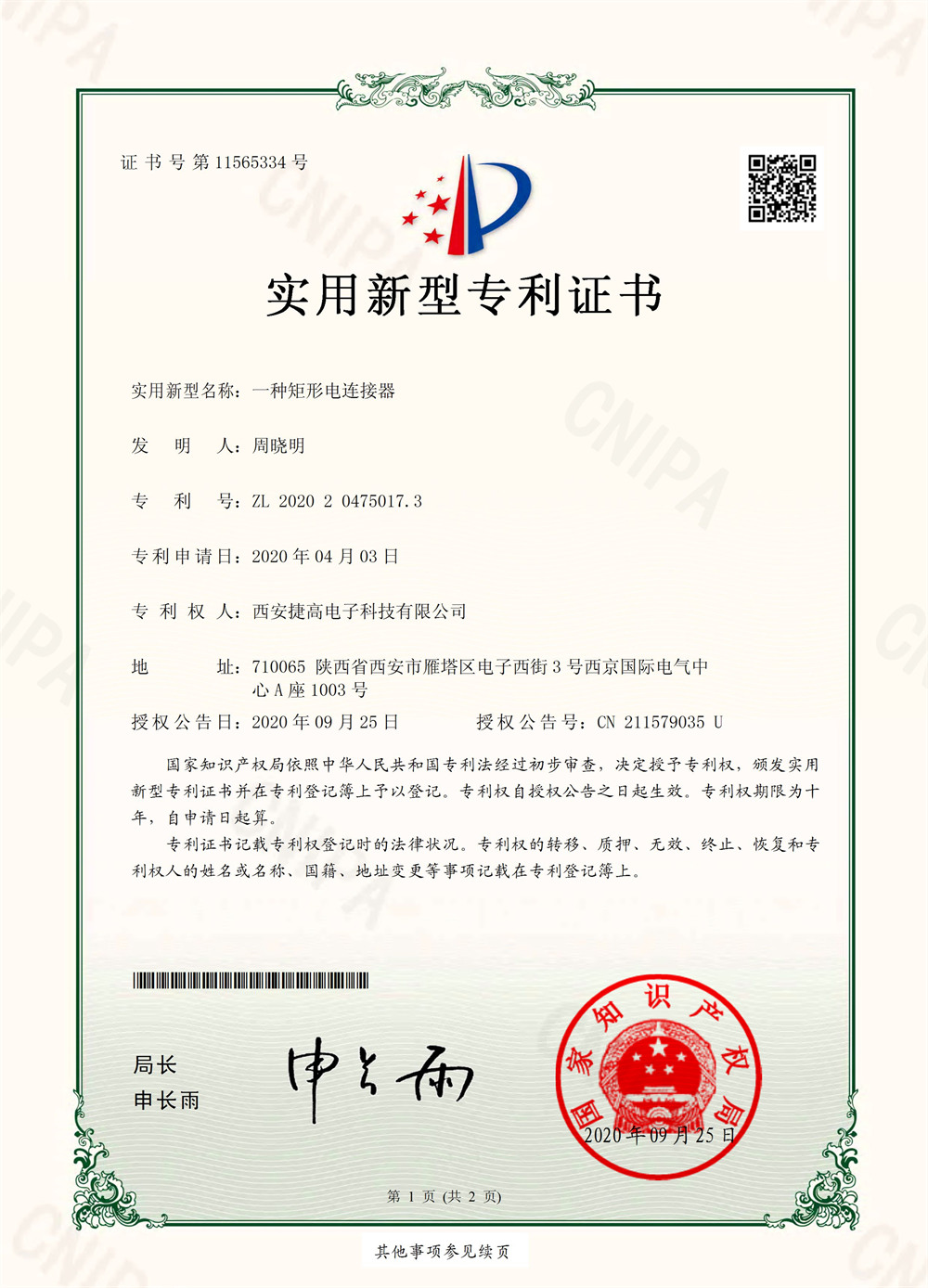
Full industry standard validation guaranteeing safety, environmental compliance, and high manufacturing precision.
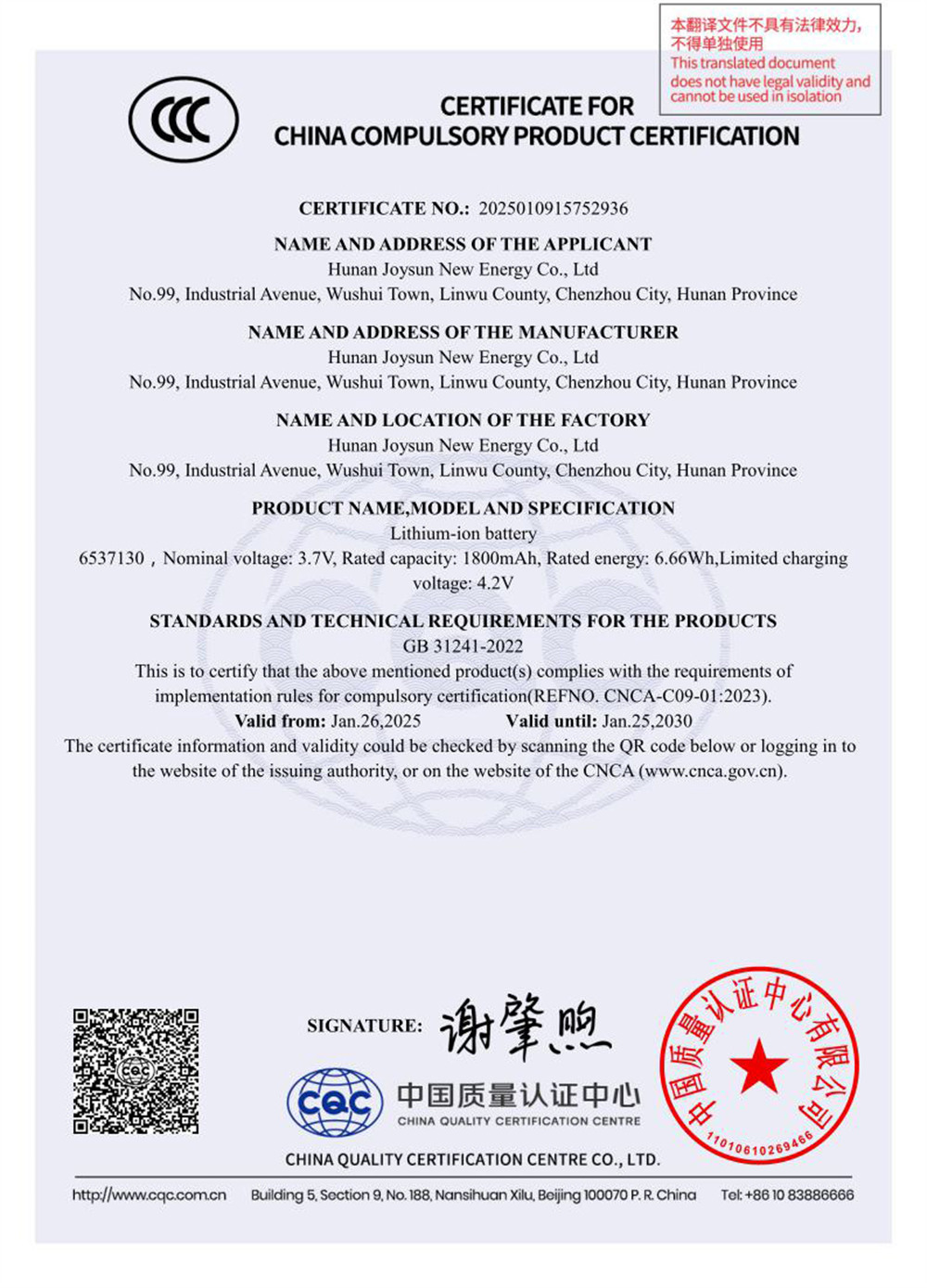
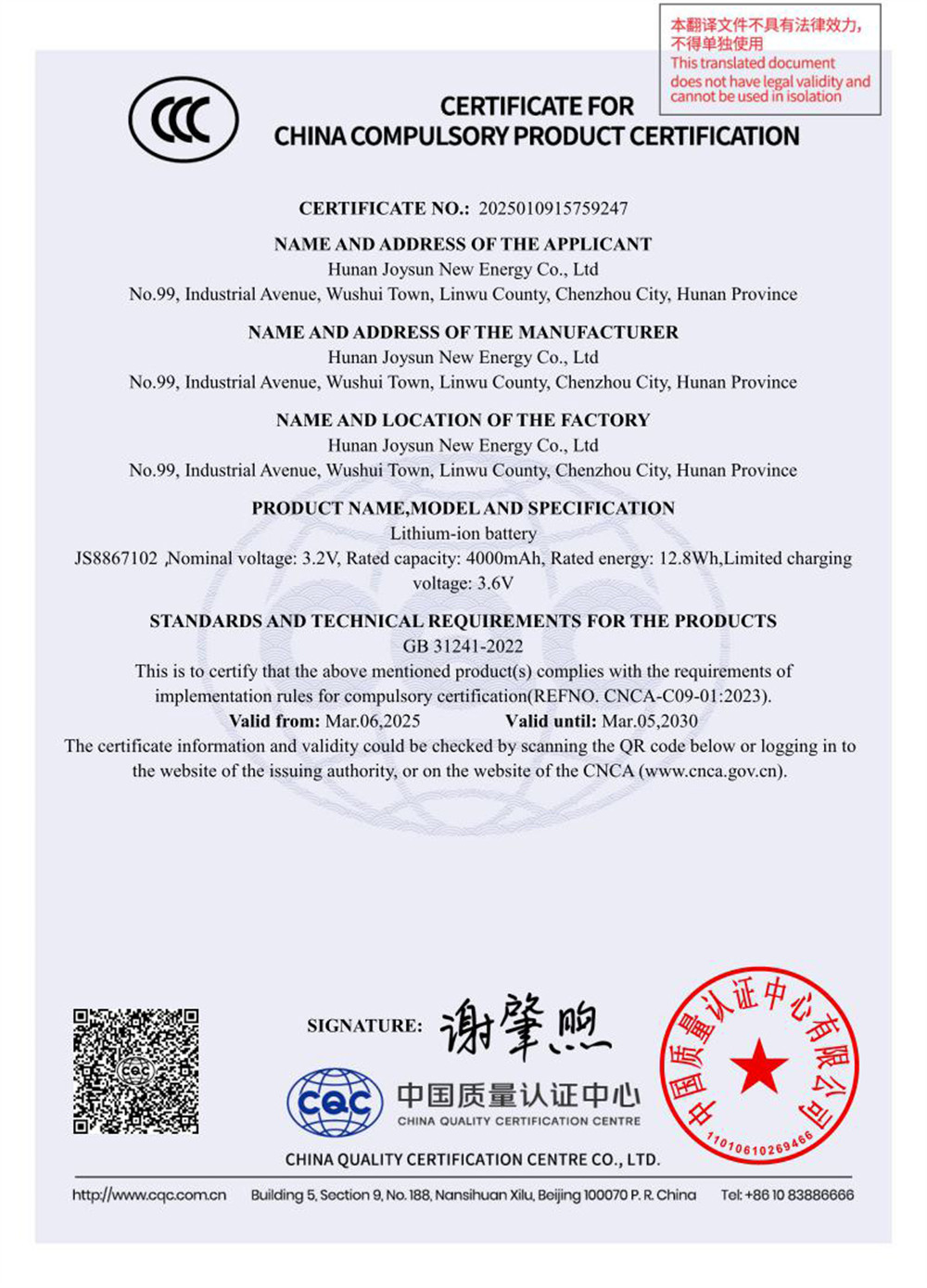
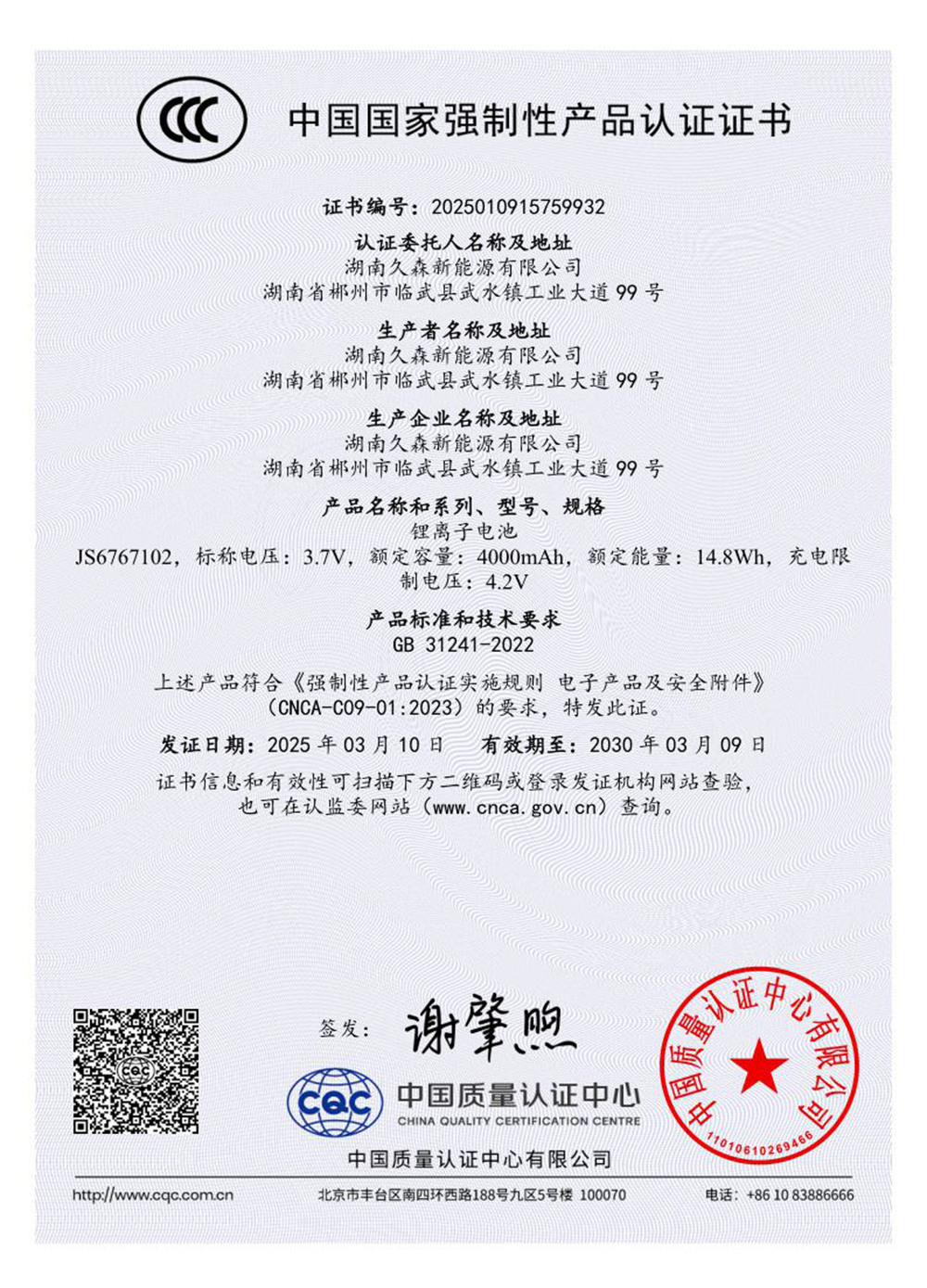
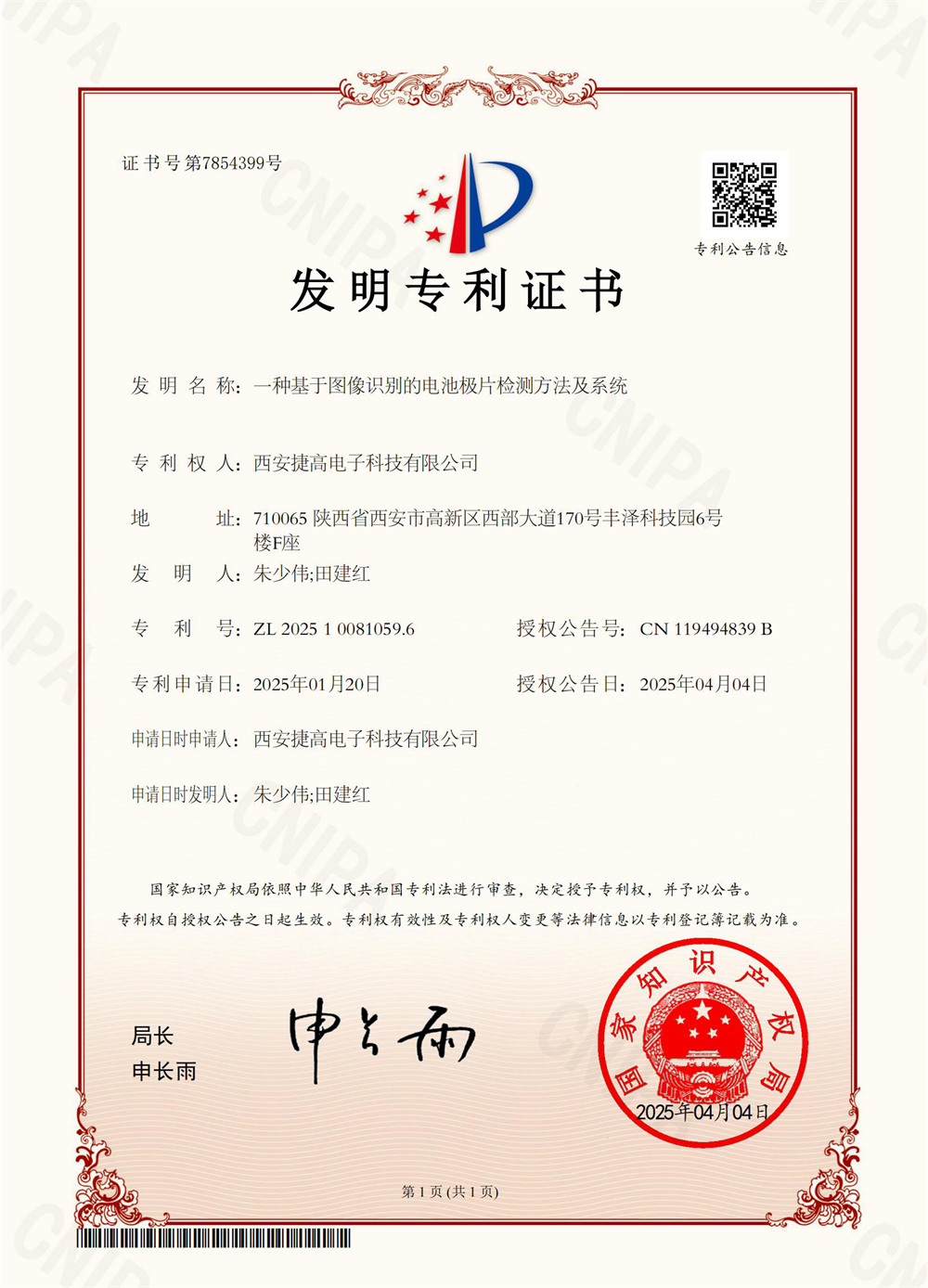
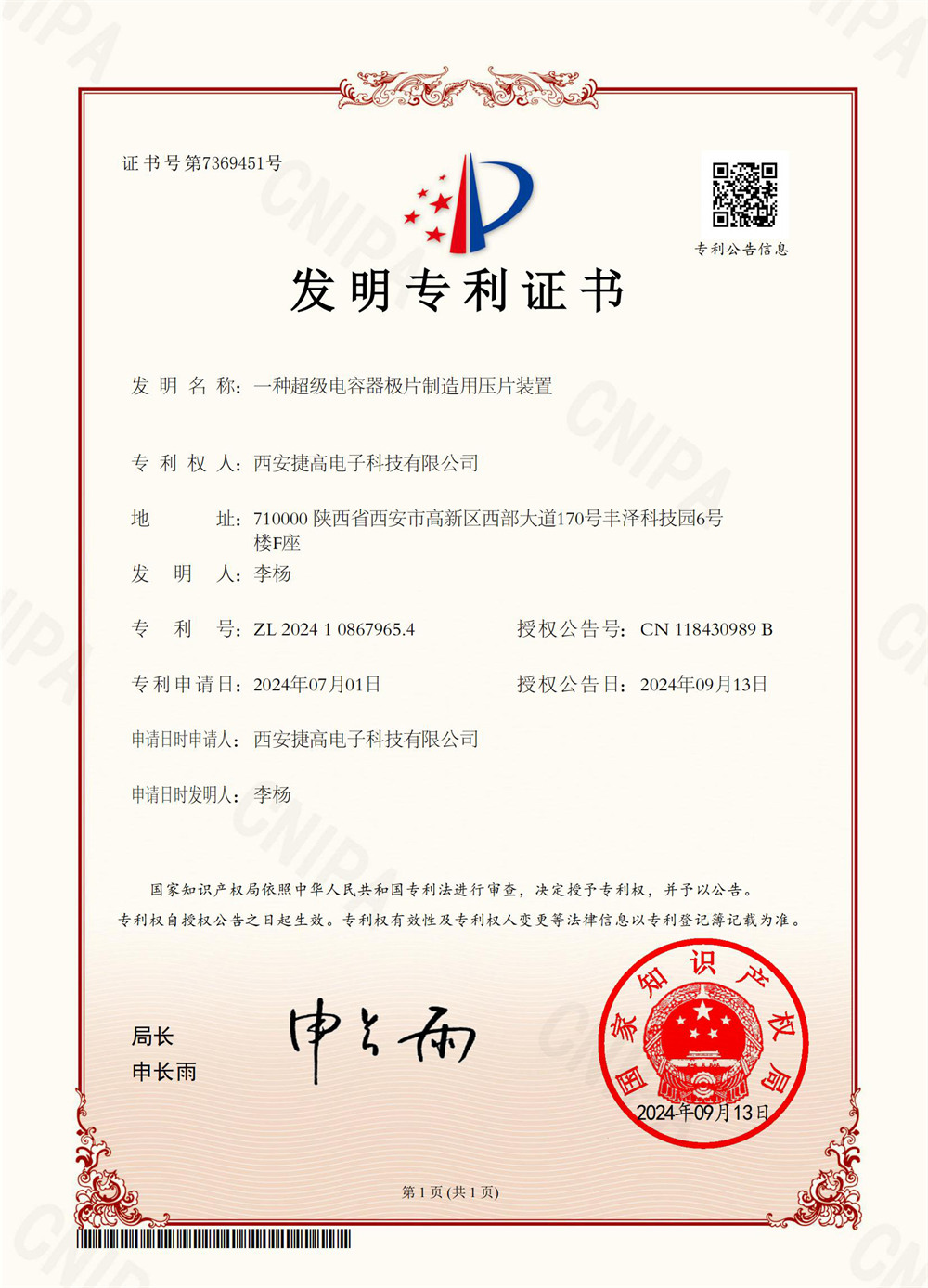
Deep-dive technical evaluation of Lithium Iron Phosphate prismatic cells, their supply integration, and deployment methodologies.
Prismatic cells are structurally designed to maximize packing density. Cylindrical cells leave significant volumetric spaces empty when grouped in modules, resulting in packing efficiency losses of up to 40%. In contrast, LFP prismatic cells align flush, allowing battery pack designers to skip module-level framing entirely.
This design enables Cell-to-Pack (CTP) and Cell-to-Chassis (CTC) technologies, boosting pack-level energy densities while reducing component weights by 15-20%. Eliminating complex wiring harnesses, cell holders, and mechanical connectors also significantly lowers costs.
The transition from legacy fossil-fuel backup systems to smart microgrids has created high demand for durable energy storage systems. Utility-scale battery installations now rely on 280Ah and 314Ah high-capacity LFP prismatic cells. These form the base units for megawatt-scale battery energy storage systems (BESS), providing frequency regulation, peak-shaving, and integration support for solar and wind arrays.
China controls over 70% of the world's LFP cathode manufacturing capacity and more than 80% of precursor production. Dynalink leverages this proximity to secure raw materials, advanced lithium carbonate sourcing, and high-purity iron phosphate precursors.
Our advanced production facilities utilize end-to-end automation, from slurry mixing and high-speed precision coating to laser tab-welding and cell aging. We manage internal quality controls across our connector, capacitor, and battery assembly lines, which protects our production from global supply shocks and guarantees consistent lead times.
Furthermore, having custom connectors and capacitors manufactured under one roof helps us resolve matching issues early, accelerating assembly times and enhancing cell compatibility for high-power installations.
We continuously optimize our chemistry and designs to meet the evolving requirements of commercial and industrial applications:
By introducing manganese into the olivine structure (Lithium Manganese Iron Phosphate), we raise the nominal voltage platform to 3.8V, boosting overall energy density by 15% while retaining core LFP safety advantages.
Replacing liquid electrolytes with solid-state ceramic and polymer membranes removes thermal runaway risks and increases overall cell energy density beyond 350 Wh/kg.
Embedding micro-sensor chips inside prismatic cell cases provides real-time internal temperature, pressure, and expansion metrics directly to central monitoring systems.
Our cells are engineered for reliable operation in challenging environments:
Transporting hazardous materials (Class 9) requires strict adherence to international safety standards. Our factory manages comprehensive testing programs to verify compliance with global safety requirements:
UN38.3: Verifies stability under extreme vibrations, high temperatures, mechanical shock, and low pressure.
UL 1973 & UL 9540A: Evaluates safety in stationary energy storage applications and tests for thermal runaway dispersion.
IEC 62619: Validates safety for industrial applications, including railway and marine power systems.
Deep technical answers addressing electrochemical properties, ordering procedures, and integration advice.
 Dynalink Electronic