Premium OEM/ODM hardware solutions designed for extreme reliability, low loss, and industrial scale.
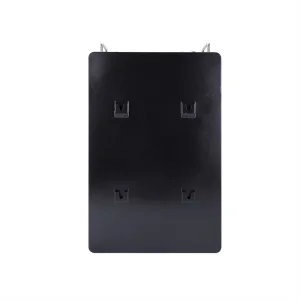
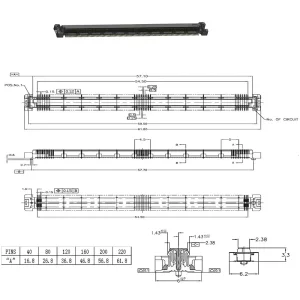
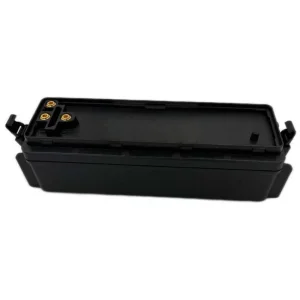
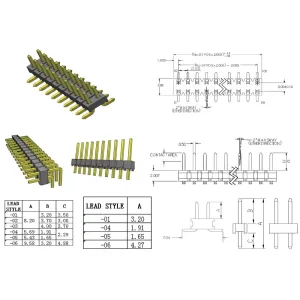
A technical overview of energy density, life cycle optimization, safety thresholds, and customizable battery management architectures.
Industrial power requirements have shifted decisively toward systems that prioritize longevity, safety, and stable performance under extreme thermal loads. Lithium Iron Ferrous Phosphate (LiFePO4 or LFP) battery systems represent the gold standard for high-duty-cycle industrial, commercial, and mobility applications. Compared to Nickel Manganese Cobalt (NMC) variants, the crystalline structure of LFP chemistry features strong covalent oxygen-phosphorus bonds (P-O), which radically lower the risk of thermal runaway.
While NMC batteries exhibit signs of instability and risk thermal runaway at approximately 210°C, LiFePO4 cells remain structurally intact up to 270°C. Additionally, the cycle life of LFP is unmatched, typically exceeding 4,000 deep discharge cycles (at 80% Depth of Discharge) before capacity degrades to 80% of its nominal value. This results in a highly favorable Total Cost of Ownership (TCO) calculation for critical infrastructure projects, telecommunications, and heavy equipment.
Commercial and industrial microgrids are transitioning rapidly to LFP. By eliminating the supply chain vulnerabilities of cobalt extraction, Dynalink's ODM LFP solutions provide global OEMs with a resilient procurement stream that is compliant with international human rights and green financing taxonomy laws.
| Performance Parameter | Lithium Iron Ferrous Phosphate (LFP) | Nickel Manganese Cobalt (NMC) | Industrial Advantage |
|---|---|---|---|
| Cycle Life (80% DoD) | 4,000 to 6,000 Cycles | 1,000 to 2,000 Cycles | Reduces battery replacement frequency by 200%-300%. |
| Thermal Runaway Temperature | 270°C | 210°C | Superior safety in high temperature or high C-rate applications. |
| Environmental & Social Impact | No Cobalt / No Nickel (Clean Supply Chain) | Heavy Cobalt & Nickel Dependency | Fewer regulatory hurdles under strict global ESG laws. |
| Working Voltage (Per Cell) | 3.2V (Flat discharge curve) | 3.6V / 3.7V | Constant voltage delivery throughout the discharge cycle. |
| Cost Profile (Long-Term TCO) | Low per-cycle cost | Higher initial and cycle-based costs | Optimal for peak shaving, UPS, and fleet machinery. |
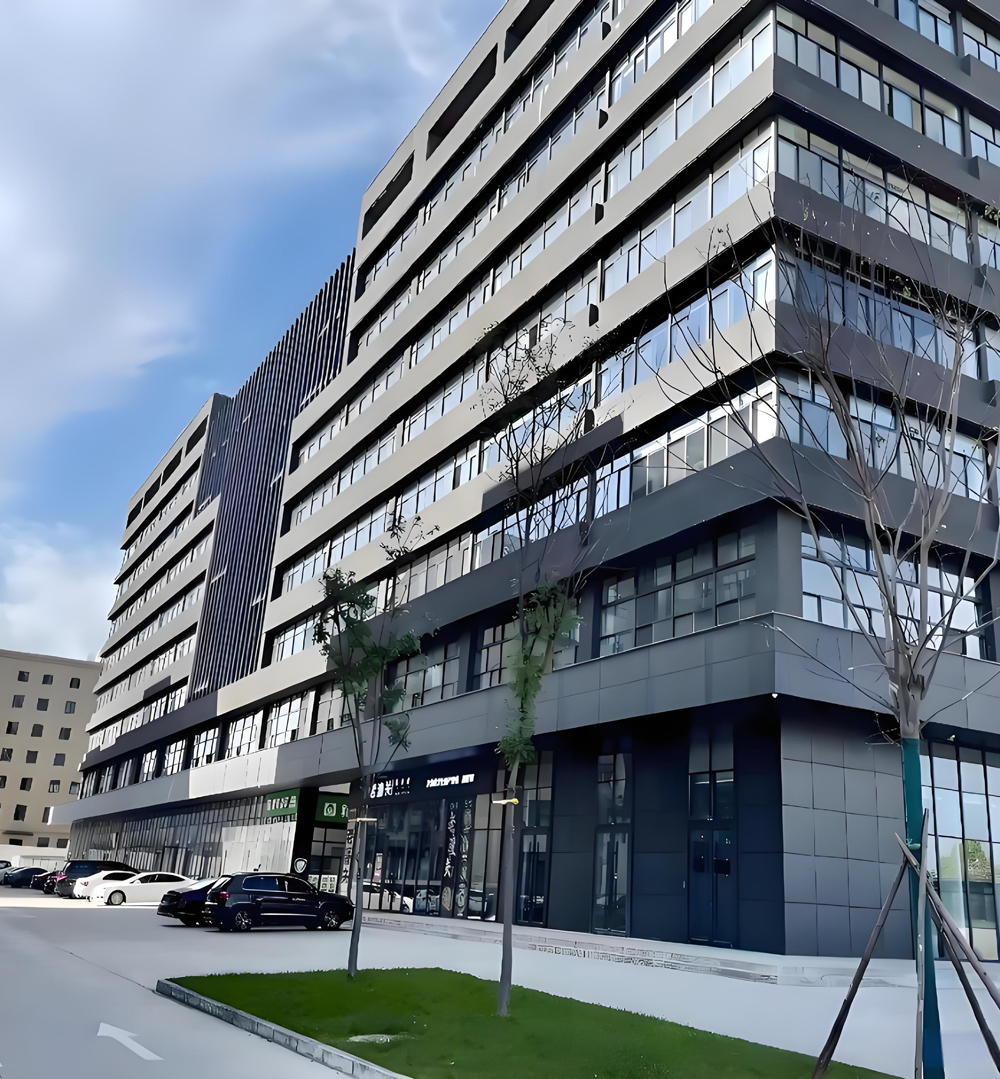
Dynalink Electronic Technology Co., Ltd (DL)
Dynalink Electronic Technology Co., Ltd (DL), established in 2007, currently has a workforce of over 800 employees, among which more than 200 are technical staff. It is a technology-driven design and manufacturing company specializing in power supplies, energy storage capacitors, and connectors. With continuous investment in research and development and strong innovation capabilities, the company has built a complete industrial chain encompassing material research and development, product design, and precision manufacturing.
Thanks to the advantages of high reliability and excellent performance, its products are widely used in key fields such as aviation, aerospace, shipping, railways, new energy vehicles, the medical industry, drones, and robots, providing customized solutions for customers.

Adapting battery technology to specific operational requirements across aerospace, computing, and automated robotics.
Our specialized light-weight, high-discharge LFP configurations ensure efficient battery charging, high C-rate bursts, and stable operations of the drone power supply systems. This integration handles high-frequency vibrations and varying air pressure, maximizing flight range and payload capability.
Our continuous, low-latency backup power systems interface perfectly with our high-speed connectors and stable power supplies. This architecture guarantees low-loss transmission of massive volumes of data, preventing system downtime or data corruption in server parks.
In automated guided vehicles (AGVs) and complex industrial machinery, our customized battery enclosures are coupled with heavy-duty electrical connectors. This ensures reliable, vibration-proof electrical contacts, enabling seamless continuous operations in harsh factory floor environments.
Relying on our self-developed intelligent design platform, Dynalink quickly translates voltage, envelope dimension, heat dissipation, and discharge criteria into prototype units. We supply complete systems, integrating connectors, capacitors, and advanced BMS systems.
Looking toward next-generation battery architectures, Dynalink is actively developing solid-state LFP options and high-frequency energy-storage capacitors. Our goal is to continue providing high-efficiency power architectures that integrate cleanly into global energy grids.
Taking quality as our shield, we continuously optimize processes and standards to forge industry benchmark products.
Our mission is to empower global operations through resilient power storage and interconnection solutions. We operate under values of absolute integrity, rigorous quality control, and collaborative custom product engineering.
Over 200 core engineers drive our technology roadmap, with continuous professional development program investments. This focus guarantees that our global clients work with experts who understand their dynamic engineering specifications.
We tackle design challenges in battery chemistry, electrical impedance, and physical connectivity simultaneously. This includes working to improve solid-state energy storage options, increase capacitor density levels, and manufacture high-performance connectors.
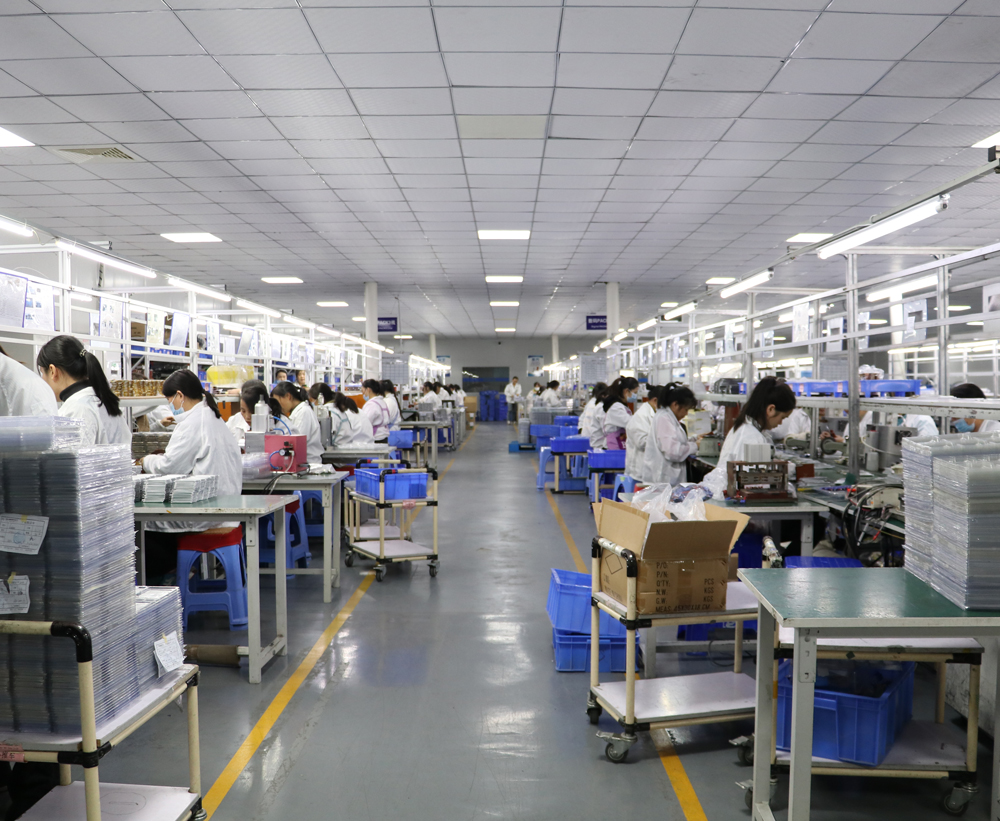
Dynalink's integrated vertical control, from raw material procurement to custom connector design, optimizes delivery speed and reliability.
By manufacturing our own custom connectors, self-healing capacitors, and battery enclosures under one roof, we eliminate intermediate supply chain delays. This keeps production lines running efficiently and simplifies product tracking for complex ODM projects.
We use high-throughput diagnostic systems to match electrochemical characteristics (IR, voltage, and capacitance) across cells. This minimizes variation within the pack, preventing premature degradation and maximizing pack performance.
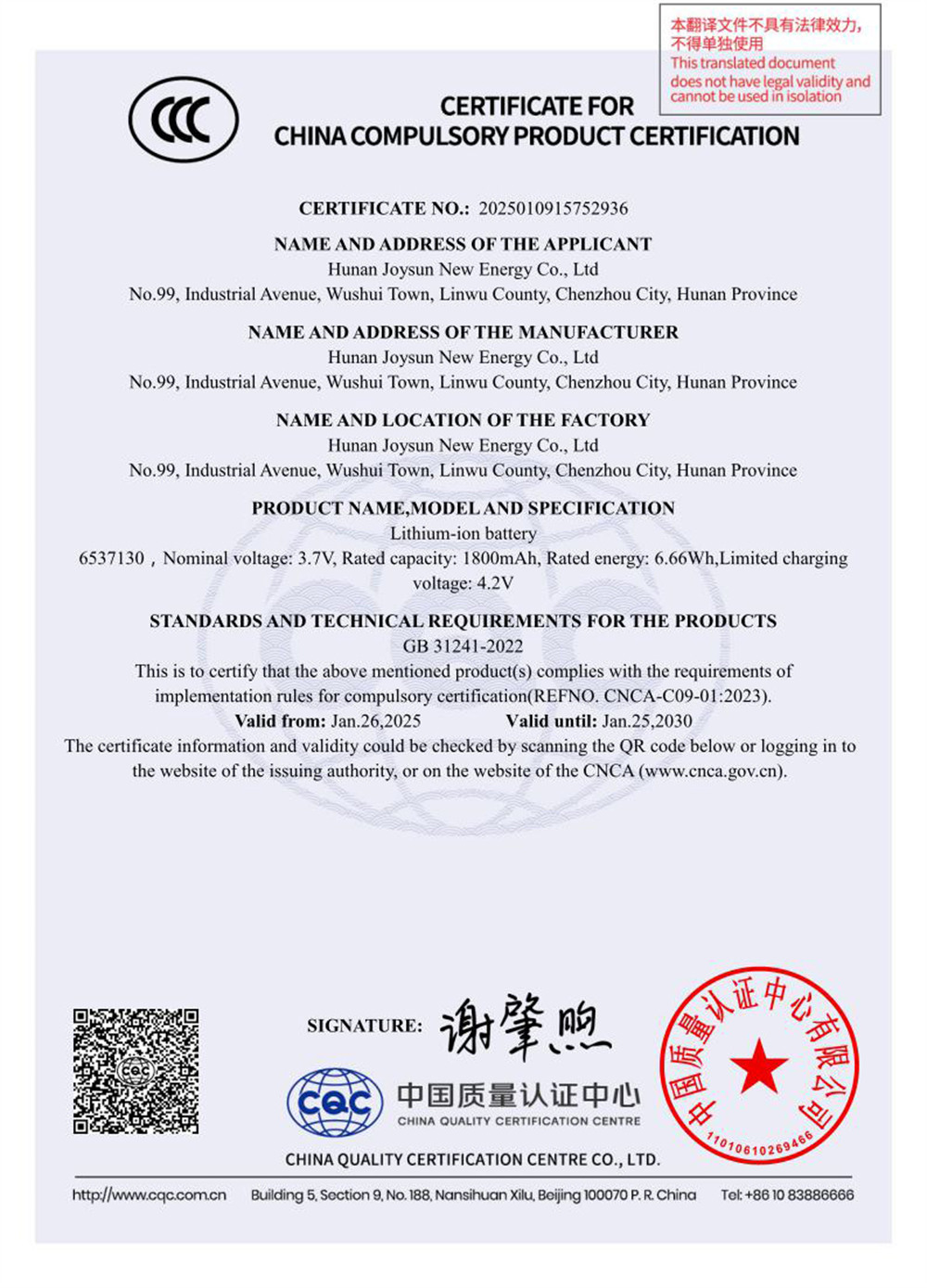
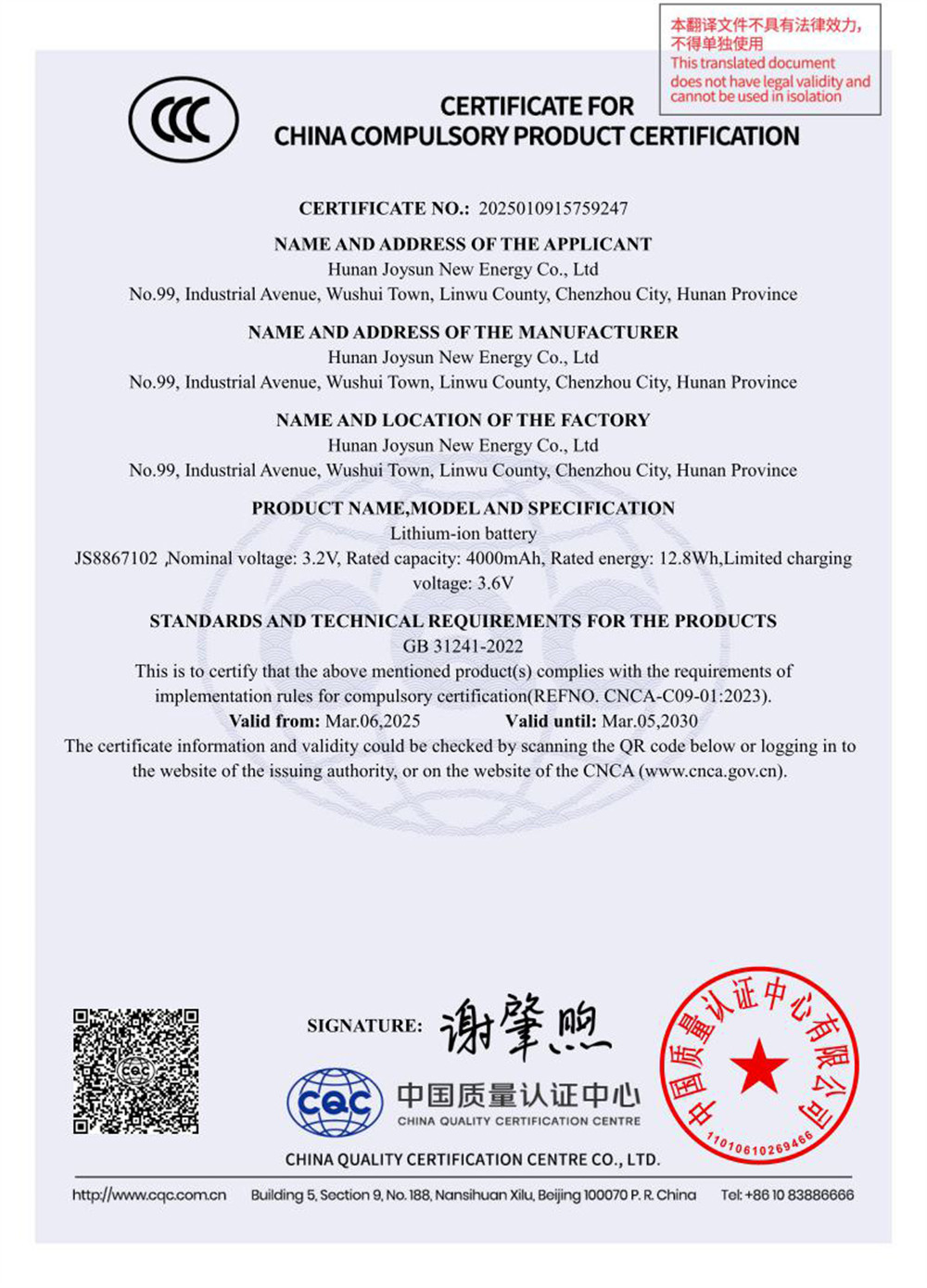
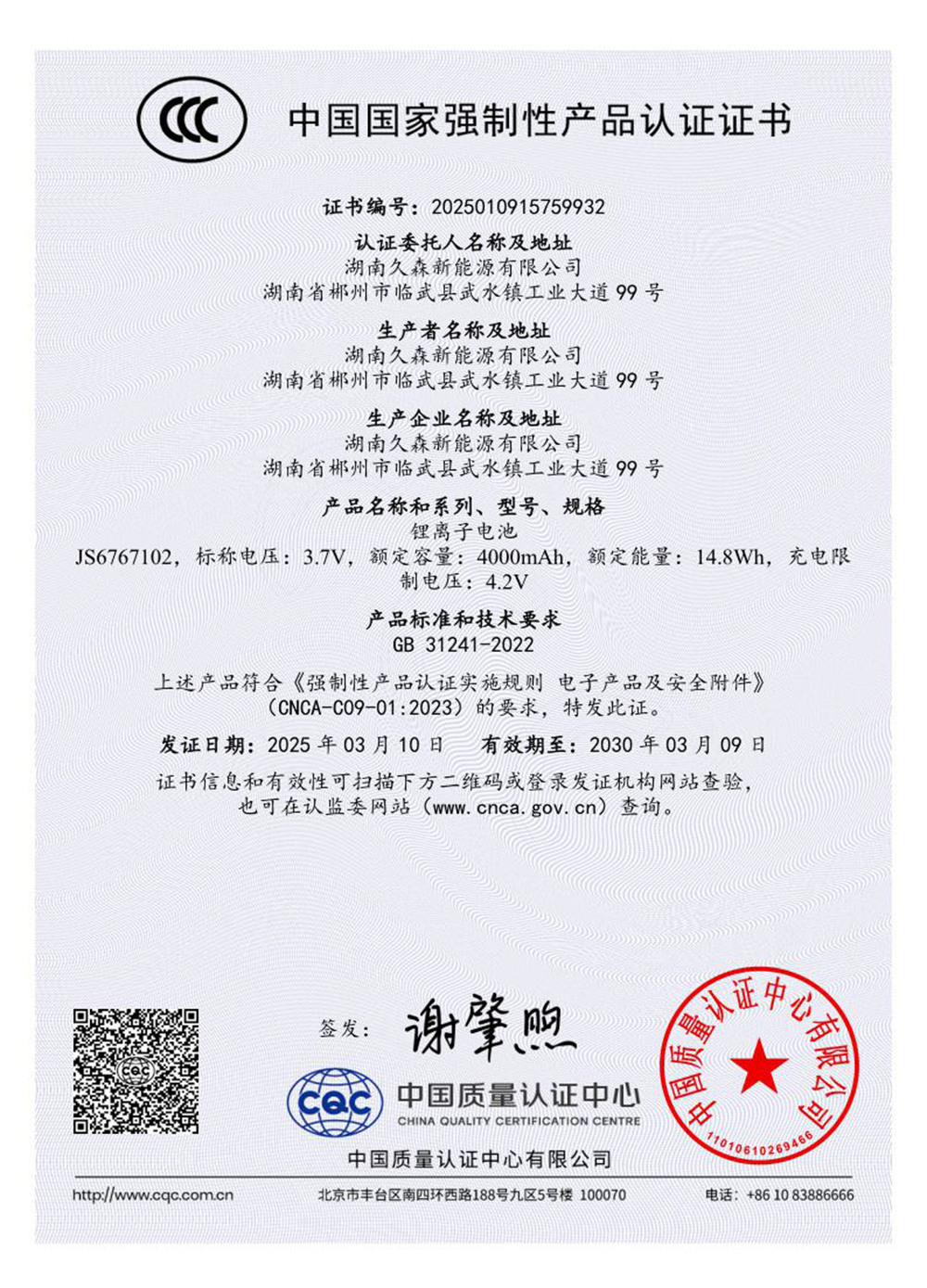
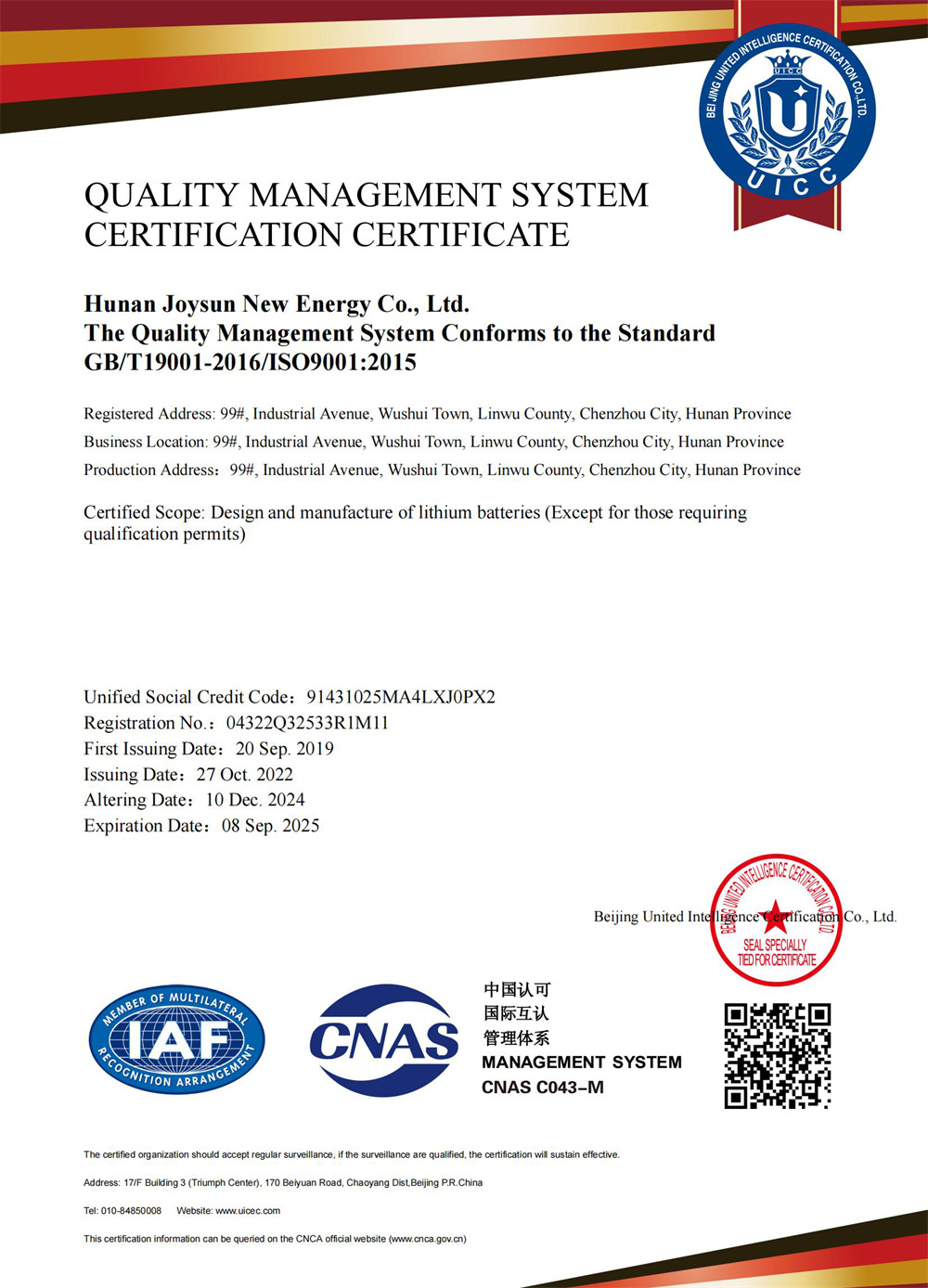
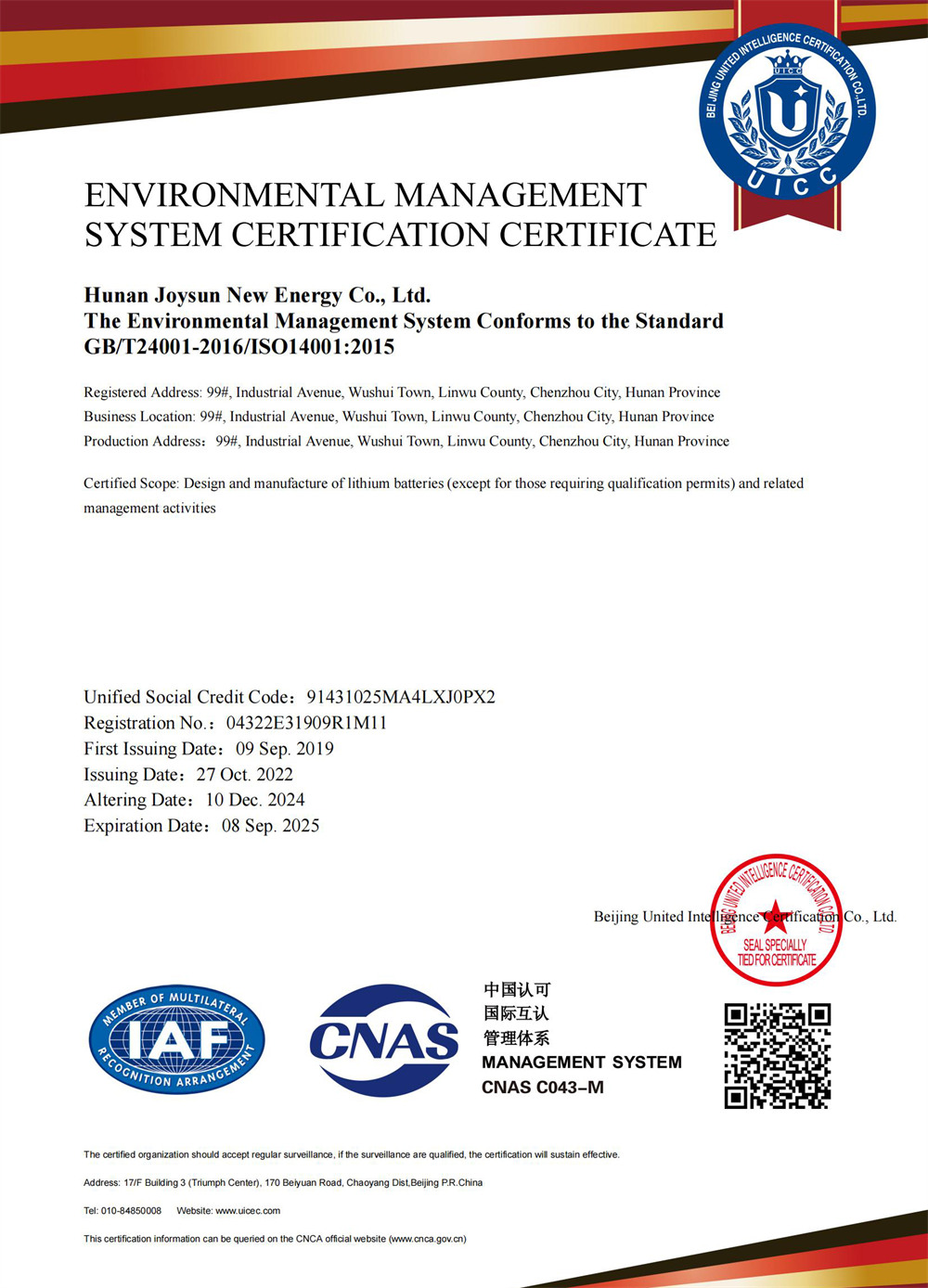
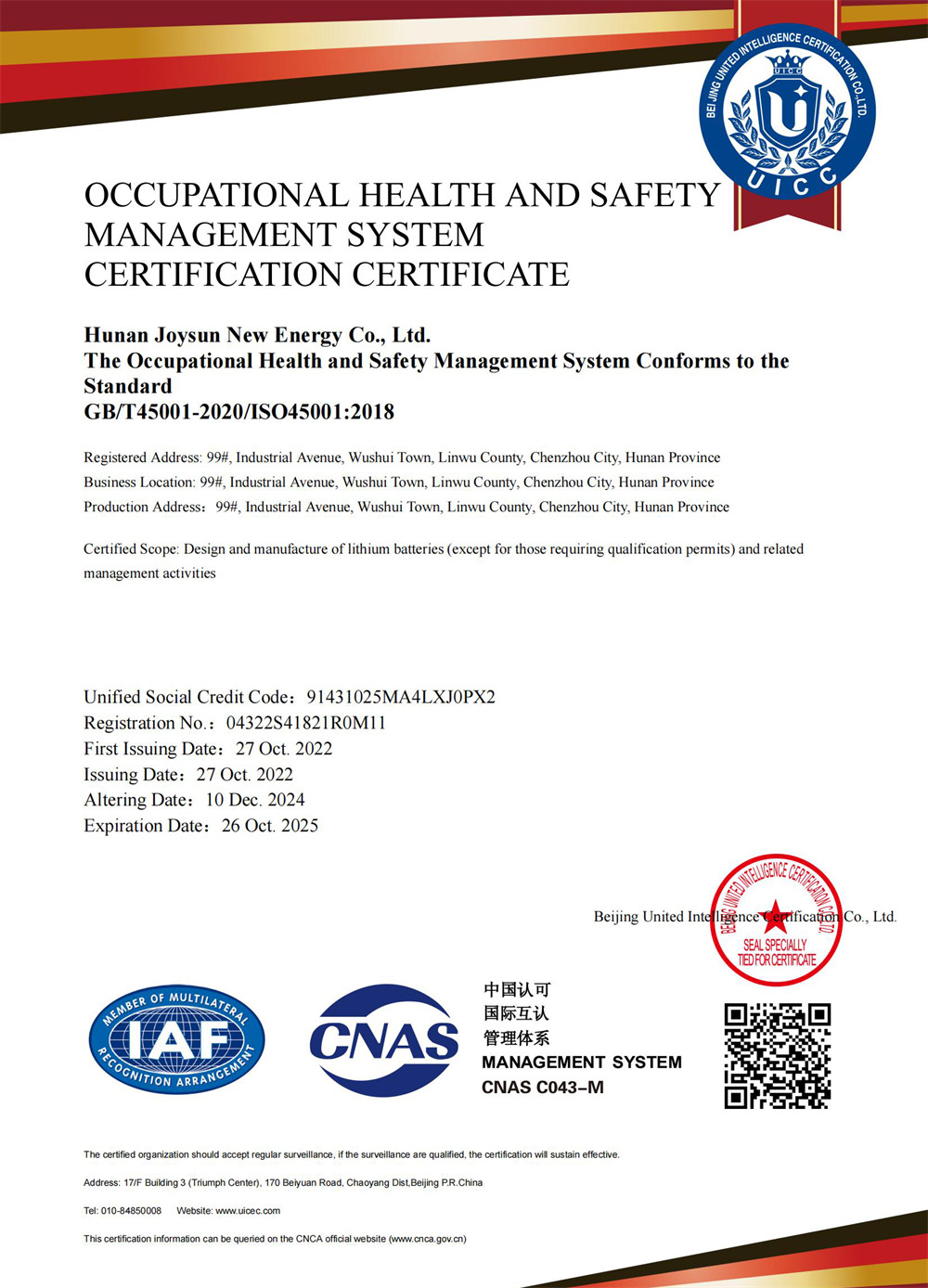
Our product lines comply with international safety certifications, including UN38.3, CE, and ISO guidelines. This ensures straightforward logistics and compliance for exports to Europe, North America, and other global regions.
Our technical focus centers on three key areas: optimizing safe fast-charging capability without lithium plating, integrating intelligent edge-AI BMS systems to predict battery health, and utilizing high-performance capacitors to filter transients in heavy industrial grid applications.
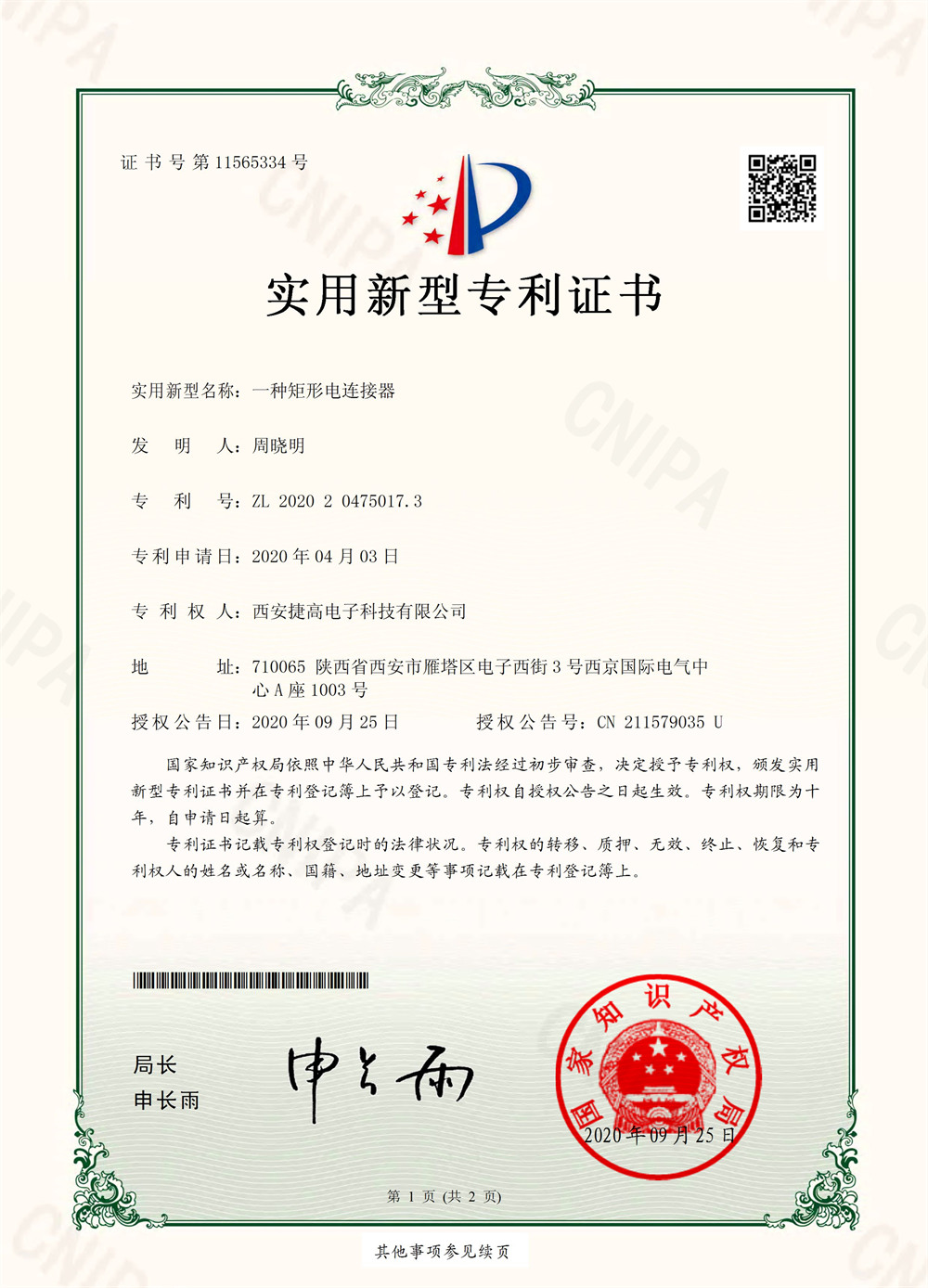
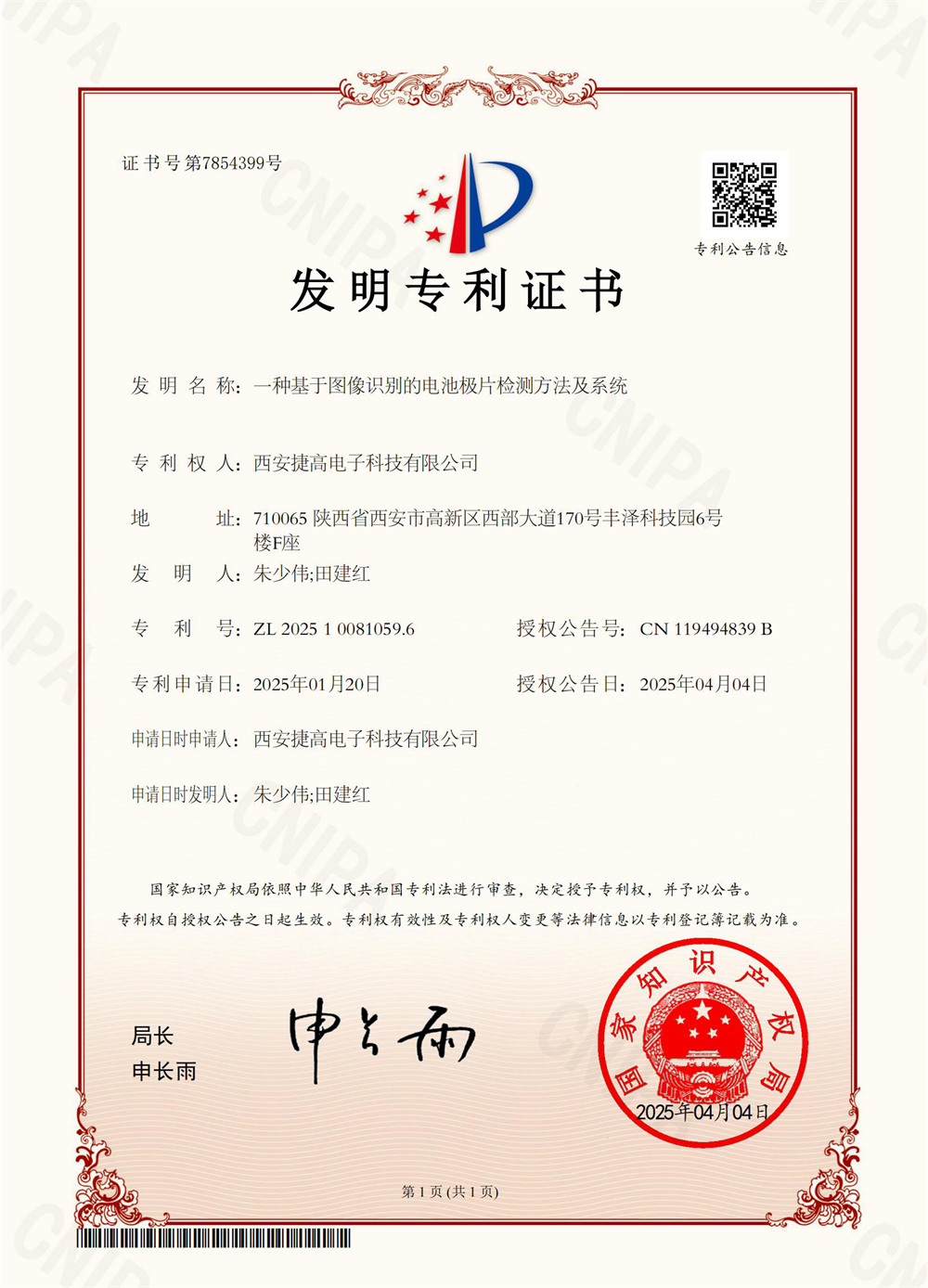
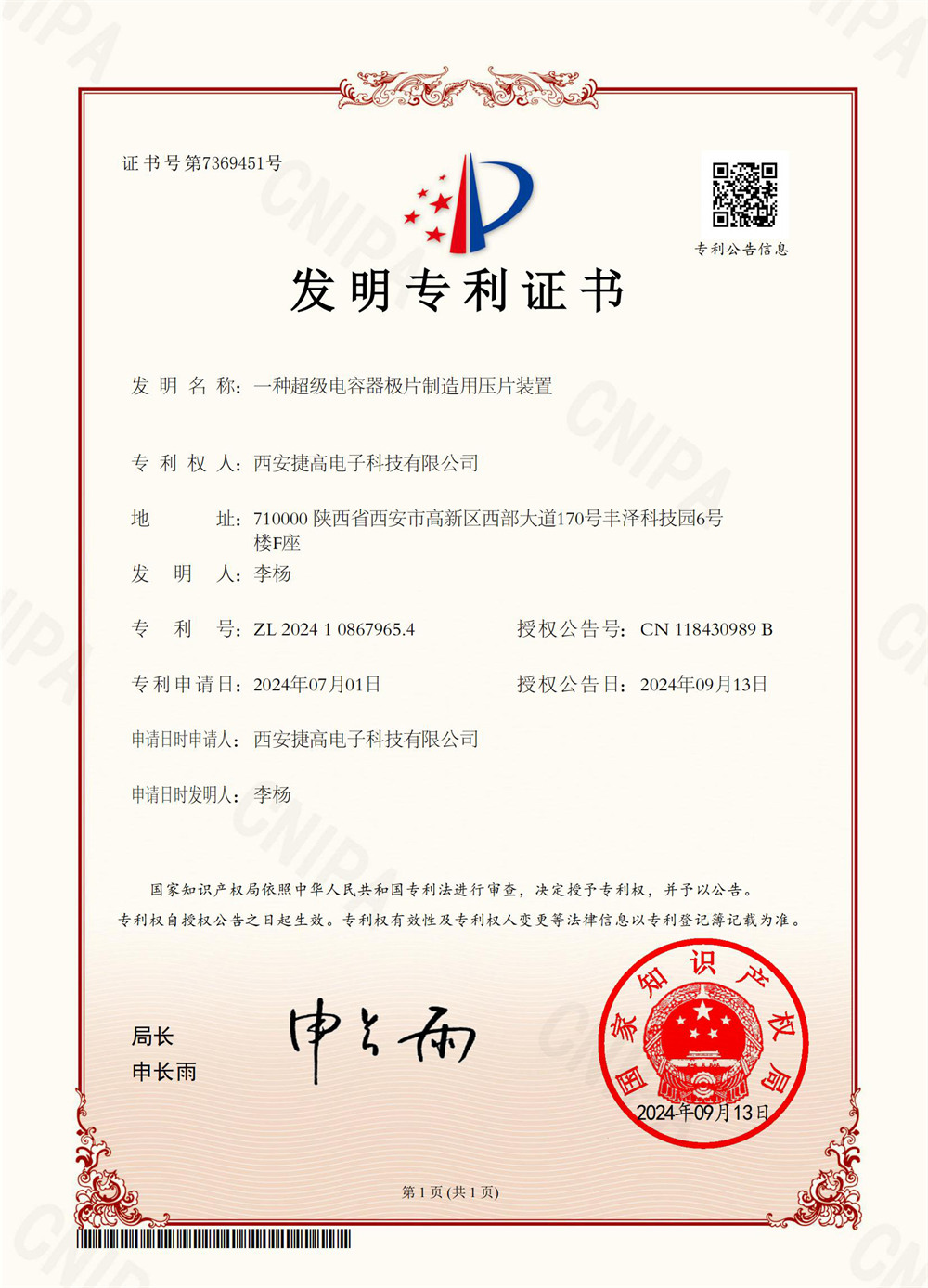
Dynalink maintains active certifications and strictly complies with international quality standards for demanding applications.
Direct technical answers from Dynalink's engineering department regarding cell balancing, low-temperature behavior, and export compliancy.
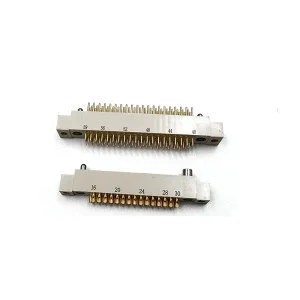
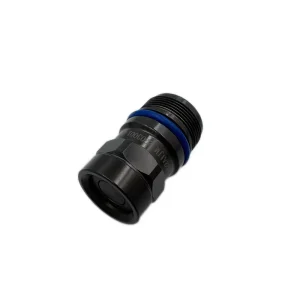
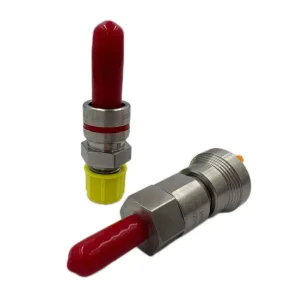
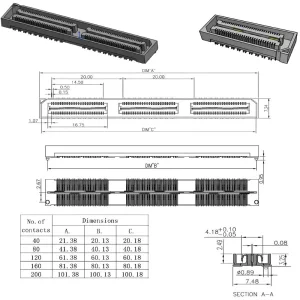
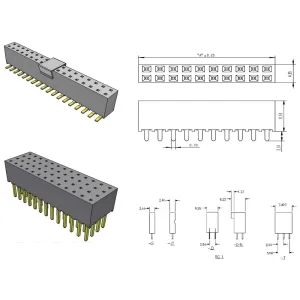
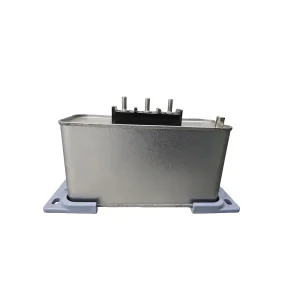
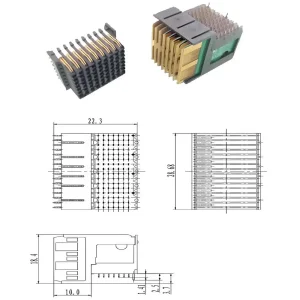
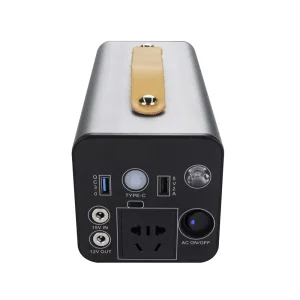
Browse our integrated high-pitch headers, power wall systems, and high-safety portable power units.
 Dynalink Electronic