Analyzing the shift towards modular, high-stability energy architecture across electric mobility, stationary energy storage (ESS), and heavy duty automation.
Over the last decade, the global battery demand has pivoted decisively towards prismatic cells. Unlike cylindrical form factors (e.g., 18650, 21700) or soft-pouched equivalents, prismatic lithium batteries offer an optimized volumetric packing efficiency of up to 80%. This rigid rectangular shell geometry permits engineers to design space-optimized configurations within tight battery pack envelopes, ideal for modern under-chassis EV designs, marine applications, and modular server racks.
By utilizing aluminum or stainless-steel protective cases, prismatic cells withstand immense mechanical stresses, mitigate cell swelling, and facilitate rapid thermal dissipation. Modern chemistry systems, predominantly lithium iron phosphate (LiFePO4/LFP) and nickel-manganese-cobalt (NCM), are deployed inside these units to provide high energy densities alongside extraordinary lifecycle lifetimes spanning 4,000 to over 8,000 thermal cycles.
Prismatic geometry maximizes active material placement inside the module casing, eliminating the dead space that is characteristically present in cylindrical groupings.
Features standard, explosion-proof pressure relief valves. The rigid frame mitigates expansion forces caused by gas generation during fast-charging cycles.
Engineered for minimal internal resistance and uniform thermal pressure, preventing localized hot-spots and dendrite growth for predictable performance.
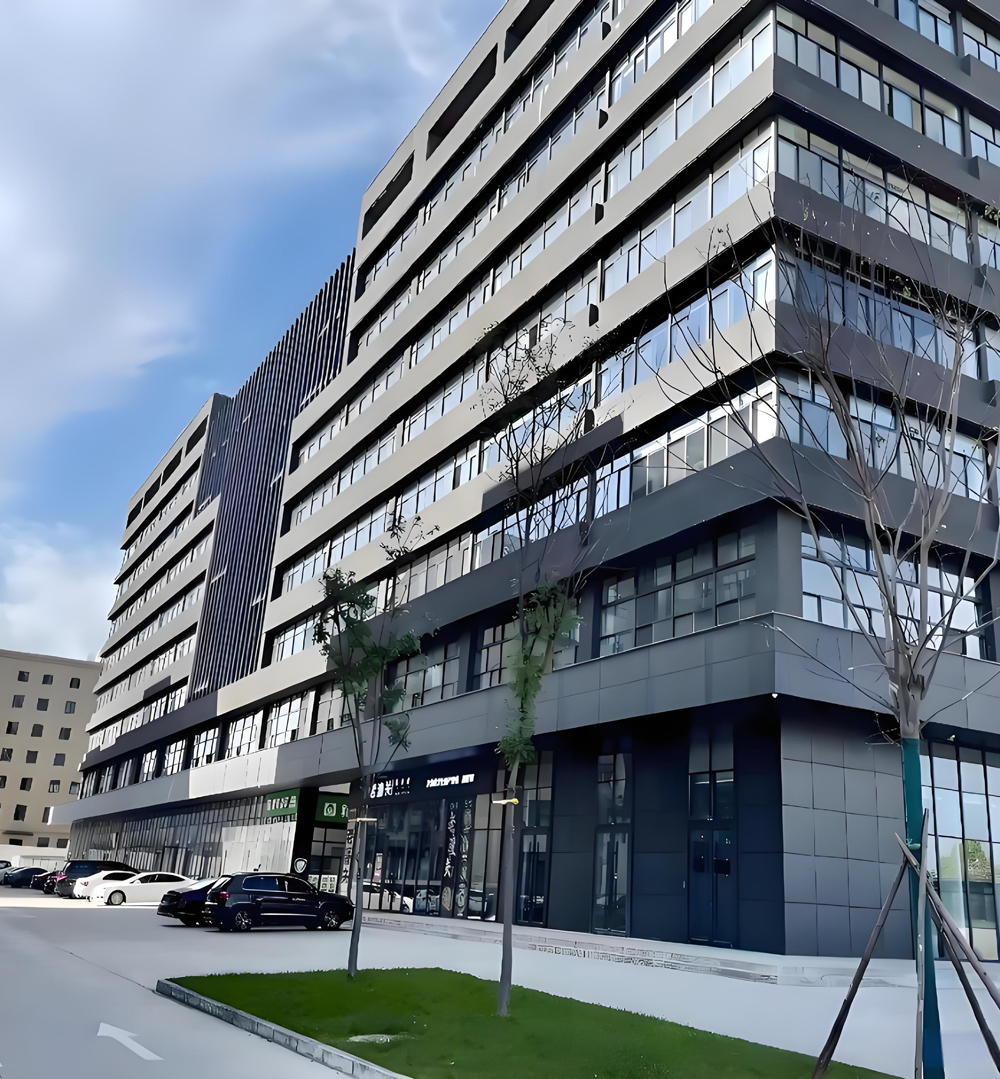
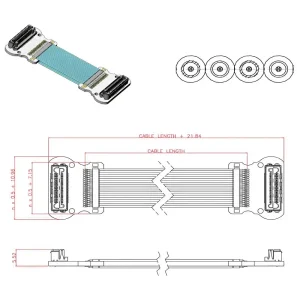
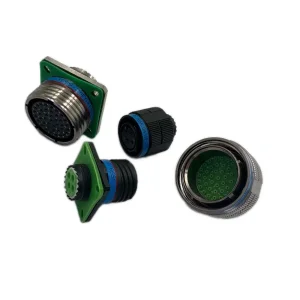
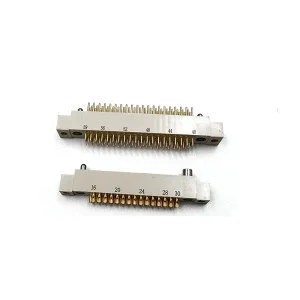
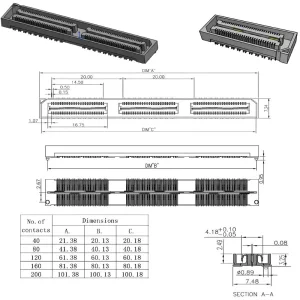
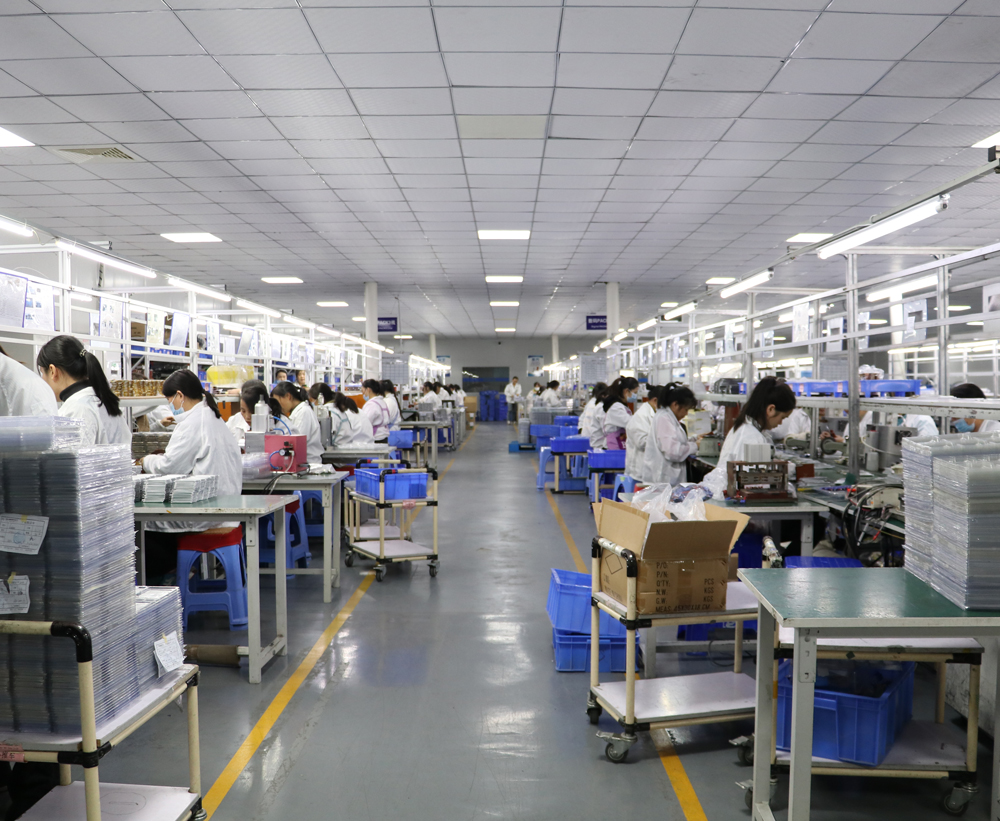
Established in 2007, Dynalink (DL) has emerged as a premier technology-driven design and manufacturing titan specializing in advanced power supplies, energy storage capacitors, high-density batteries, and heavy-duty circular/rectangular connectors. Operating with a robust workforce of over 800 highly trained employees, which includes a dedicated core of more than 200 senior research and development engineers, DL coordinates its production through an integrated supply chain that spans material R&D, product structural design, precision tooling, and high-volume manufacturing.
By leveraging custom ODM and OEM models, DL supplies state-of-the-art power architectures to complex, high-reliability sectors such as aviation, aerospace, defense systems, marine networks, high-speed rail systems, electric and autonomous vehicle components, smart medical systems, logistics drones, and heavy industrial robotics.
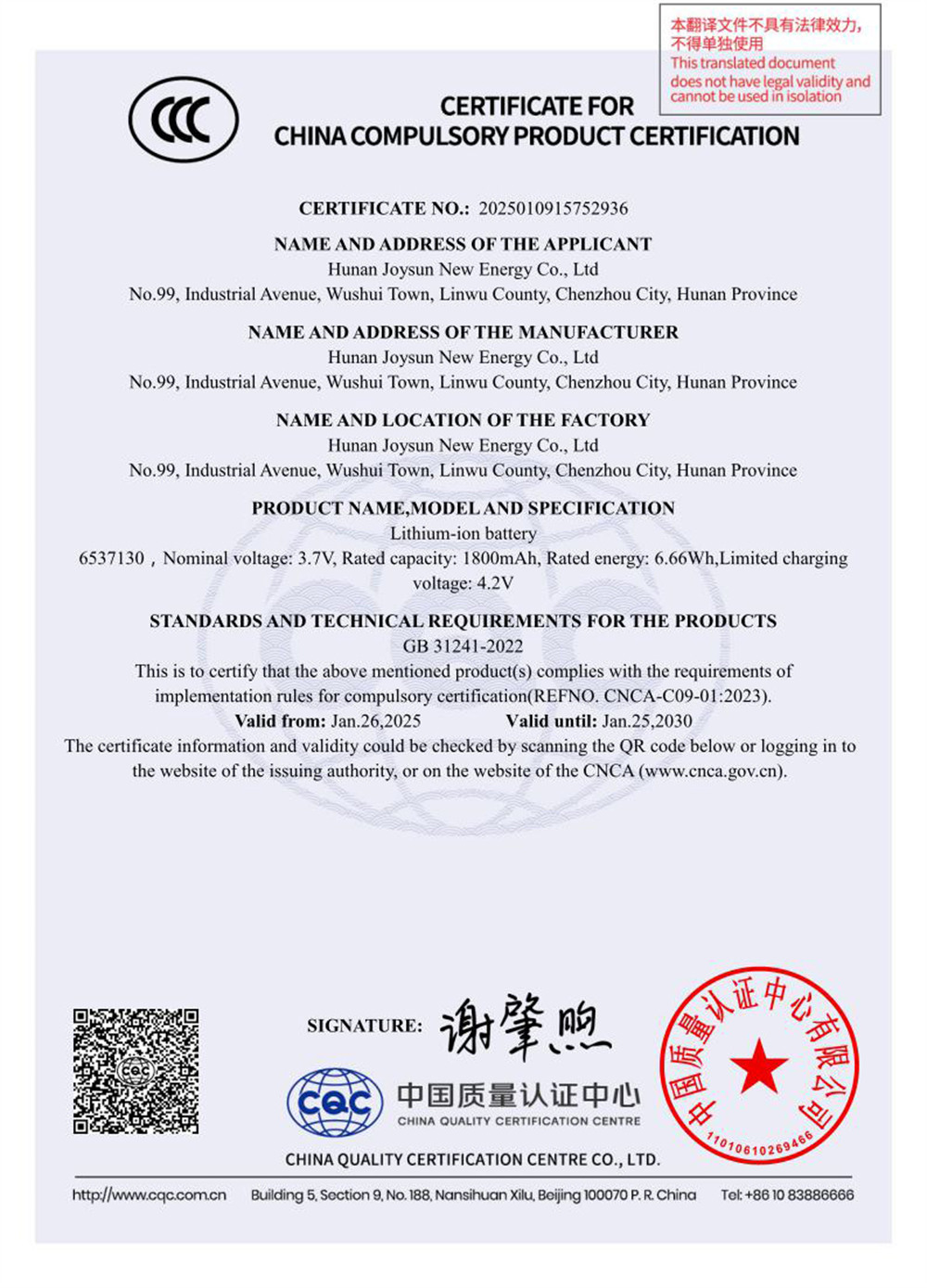
To provide reliable and risk-free systems for global clients, Dynalink maintains rigid manufacturing standards verified by leading international certification bodies.

GB/T24001-2016 Environmental Management System

GB/T19001-2016 Quality Management System

GB/T45001-2020 Occupational Health System
How DL partners with industrial operators to integrate bespoke power systems, high-frequency connectors, and durable prismatic cells.
In the high-performance field of industrial and logistics drones, lightweight execution must balance with rapid electrical discharge capabilities. DL's customized battery integration ensures optimized power delivery, ultra-fast charging curves, and persistent structural safety, allowing UAS devices to function flawlessly under dynamic atmospheric changes.
Hyper-scale data centers rely heavily on stable, low-latency architectures. DL provides custom rectangular and circular connectors alongside high-density backup power supplies. Our systems guarantee low-loss data transmissions and reliable emergency electricity dispatch, protecting critical mainframe computers from unplanned system drops.
Industrial manufacturing hubs present difficult environmental stresses—vibrations, dust, chemical ingress, and high temperatures. DL designs connectors with high IP-rated protection alongside rugged prismatic lithium cells. These elements give robotic mechanisms the stamina and reliable power required for 24/7 assembly-line duty.
By employing our self-developed intelligent CAD/CAE design platforms, we reduce technical turnaround times. Dynalink transforms abstract customized specifications into functional physical prototypes rapidly, facilitating accelerated client time-to-market schedules.
We invest heavily in forward-looking energy fields. DL's R&D units are actively overcoming the current energy density thresholds of capacitors while refining solid-state battery structures to power the next generation of safe transport operations.
Every single batch undergoes extensive thermal cycling, short-circuit, overcharge, and mechanical shock simulations, matching stringent aerospace safety regulations prior to leaving our smart factories.
China operates as the global focal point for lithium-ion battery production. By sourcing ODM prismatic cells from DL’s automated facilities in China, international industrial procurement agents capitalize on unparalleled logistical and material sourcing efficiency. We maintain long-term, direct partnerships with major lithium mining networks and cathode manufacturers, stabilizing raw materials pricing even amid sudden global market fluctuations.
Our smart factory layouts utilize automatic winding, high-speed stacking, and robotic vacuum sealing steps. This end-to-end automation reduces human error, yielding internal cell consistency of over 99.98% across massive batch volumes. Consequently, our clients receive advanced, aviation-grade batteries at a highly competitive total cost of ownership (TCO).
Evaluating internal design parameters that elevate cycle life and improve safety margins for demanding industrial deployments.
We utilize advanced Z-fold stacking manufacturing techniques rather than traditional jelly-roll winding. Stacking yields optimal heat dissipation margins, increases localized volumetric capacity by 10%, and reduces physical wear on anode/cathode foils during rapid cycles.
Each cell incorporates a laser-welded mechanical safety release valve. If internal cell pressure exceeds critical limits due to abnormal thermal stresses, the valve breaks cleanly to rapidly vent gases, preventing combustion or explosion of adjacent batteries.
Our custom prismatic systems are equipped with active-balancing Battery Management Systems (BMS). The BMS keeps monitor logs of cell temperature, State of Charge (SOC), and State of Health (SOH) to prevent over-discharging and maintain thermal stability.
Actionable technical answers addressing procurement, safety systems, customization, and engineering limitations.
Prismatic cells offer higher spatial density, enabling compact packaging layouts inside complex structures. Their rigid metallic casings provide robust protection against mechanical impact, and their modular terminals simplify serial/parallel assembly compared to linking thousands of cylindrical cells.
Yes, we provide end-to-end ODM engineering, modifying cell chemistry (LFP/NCM), casing dimensions, discharge rate profiles (high C-rate outputs), internal connections, and developing custom BMS configurations tailored to your system requirements.
Our design and production operations align with globally recognized quality standards. Our manufacturing sites hold ISO 9001:2015, ISO 14001:2015, and ISO 45001:2018 certifications, and our products pass relevant international test standards including UN38.3, CE, and RoHS.
We run automated production lines utilizing automated visual inspection, laser welding, and dynamic cycle sorting. Testing is conducted at multiple checkpoints, verifying internal resistance, capacity, and voltage stability under load conditions.
Lead times depend on design complexity. Typical design, prototyping, and verification stages span 4 to 8 weeks. Once a prototype design is approved, high-volume production typically requires 30 to 45 days, depending on material requirements and scheduling.
 Dynalink Electronic