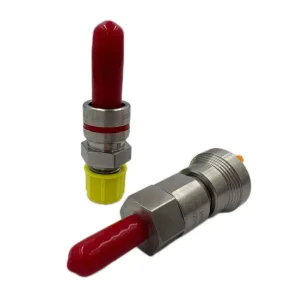
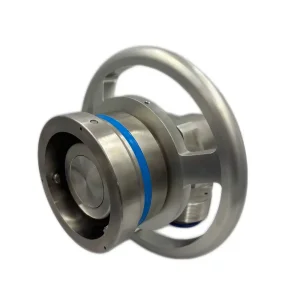
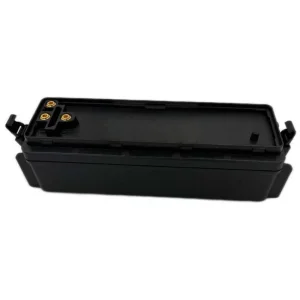
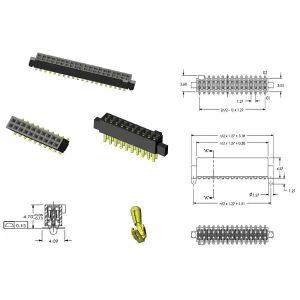
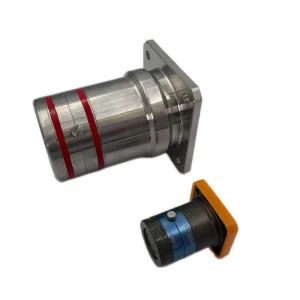
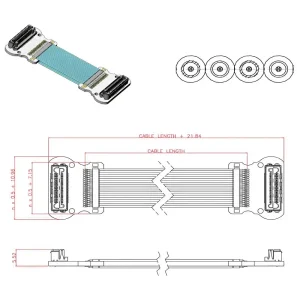
OEM Crimp Type Connector Manufacturer & Exporter

High-Reliability Electrical Interconnect Solutions, Power Systems & Advanced Capacitor Technology for Critical Global Industries

Whitepaper: High-Performance Electromechanical Crimp Interconnects in Modern Industry

1. Executive Summary & Physics of Crimp Contact Mechanics

In high-reliability industrial electrical systems, the selection of the interconnect methodology determines the longevity, thermal efficiency, and failure resistance of the entire platform. As a leading OEM crimp type connector manufacturer & exporter, Dynalink Electronic Technology Co., Ltd (DL) specializes in optimizing mechanical crimp terminations. Crimp contact engineering replaces standard solder bonds with mechanical cold welding. By applying calculated radial force to a wire barrel containing a stranded or solid conductor, the contact barrel undergoes controlled plastic deformation.

This deformation collapses the air gaps between individual wire strands and the inner wall of the terminal sleeve. Under severe compression, the micro-scale surface roughness of the base metals undergoes shear stresses, tearing away oxide films and establishing direct metal-to-metal contact. This results in a gas-tight mechanical interface with electrical resistance values matching or dropping below the resistance of the wire itself.

2. Advanced Materials Science & Surface Chemistry

Developing crimp terminals for harsh environments requires precise control of base alloy metallurgy and plating profiles. Base metals must maintain high electrical conductivity alongside mechanical ductility to prevent fatigue cracking during crimping.

  • Phosphor Bronze (C5191/C5210): Excellent spring resilience and fatigue resistance, making it suitable for low-to-medium power signal pins that undergo cyclic mechanical stress.
  • Beryllium Copper (C17200): Provides high tensile strength and thermal stability, preserving mechanical contact pressure at temperatures exceeding 150°C.
  • Oxygen-Free High Conductivity (OFHC) Copper: Used in heavy-duty high-power terminals where low insertion loss and high thermal transfer are required.

To protect base metals from atmospheric degradation, advanced plating techniques are applied. Contacts typically feature a nickel underplate barrier (1.27 to 2.54 micrometers) to halt the solid-state migration of copper into outer contact layers. For signal integrity in low-power systems, selective gold plating (up to 50 micro-inches) is applied to contact areas to ensure oxidation-resistant performance. In power systems, silver plating is used due to its low contact resistance under high-current configurations.

3. Global Industrial Shifts & Emerging Market Trends

The global electronic components market is experiencing structural changes driven by automation, electrification, and decarbonization. Crimp-type connectors are seeing increased demand due to several key developments:

First, the transition to Electric Vehicles (EVs) and hybrid drivetrains requires wire harness architectures that can handle high currents (400A to 800A) and high vibration. Crimp connections offer high mechanical shear strength compared to solder terminals, which are prone to thermal crystallization and cracking. Second, the expansion of Industrial IoT and automation requires reliable, high-density signal distribution. Pin-pitches are scaling down to 0.50mm and 1.27mm, requiring precise manufacturing parameters to avoid contact deformation. Finally, harsh-environment applications like deep-sea exploration, drone deployment, and aerospace systems demand custom seal interfaces and blind-mate designs that resist water ingress and corrosive environments.

4. Engineering Solutions for Industrial Applications

Dynalink’s engineering team designs connectivity solutions configured for specific operating environments:

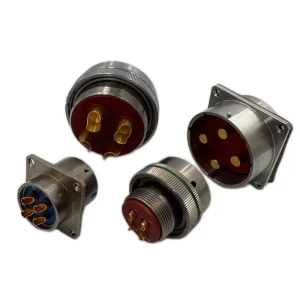
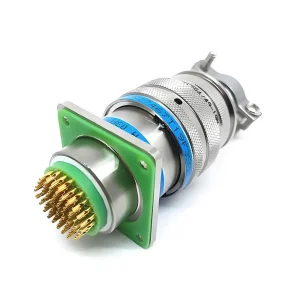
  • Aerospace & Avionics: Our XC and XCD circular electrical connectors feature lightweight, high-density contact layouts designed to withstand pressure fluctuations and acceleration forces.
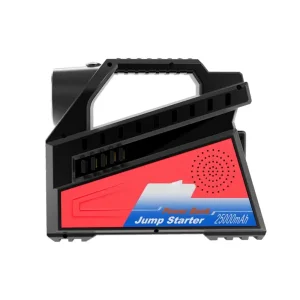
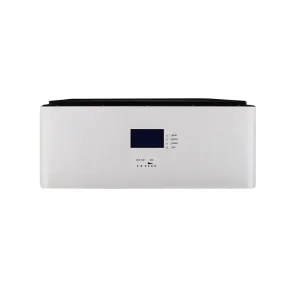
  • Automotive Power & Inverters: High-power terminals integrated with our portable jump starters and energy storage units are engineered to manage thermal cycles and current surges.
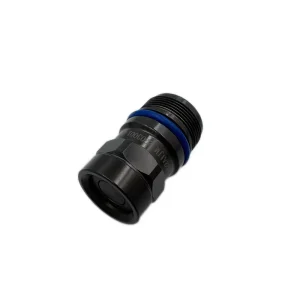
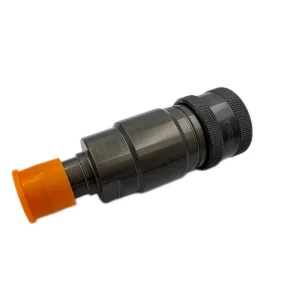
  • Industrial Fluid Systems: Our specialized fluid connectors—including the YTA, YTB, YTF, and YTN series—feature bayonet-locking and blind-mate designs that allow combined routing of power, signal, and liquid cooling lines.
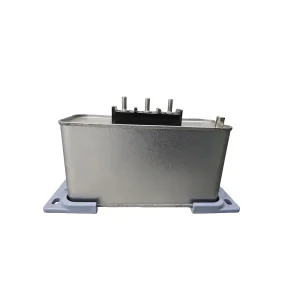
  • Grid Storage & Renewable Energy: Using self-healing low-voltage capacitors alongside stacked energy storage designs, we support power factor correction and power distribution systems.

Dynalink Electronic Technology Co., Ltd

Established in 2007, Dynalink Electronic Technology Co., Ltd (DL) has developed into a technology-driven manufacturing enterprise specializing in power supplies, energy storage capacitors, and high-reliability interconnect systems. Over the past decade and a half, we have expanded our operations to support a workforce of over 800 skilled employees, including a dedicated engineering and design team of more than 200 technical specialists.

By investing in design validation, material analysis, and manufacturing, DL has built a vertically integrated production ecosystem. Our capabilities cover base metal processing, polymer molding, high-precision contact stamping, and automated plating lines. This integrated approach allows us to deliver specialized OEM and ODM solutions to global partners in critical fields, including aerospace, defense systems, railways, new energy vehicles, medical devices, unmanned aerial vehicles (UAVs), and automated industrial robotics.
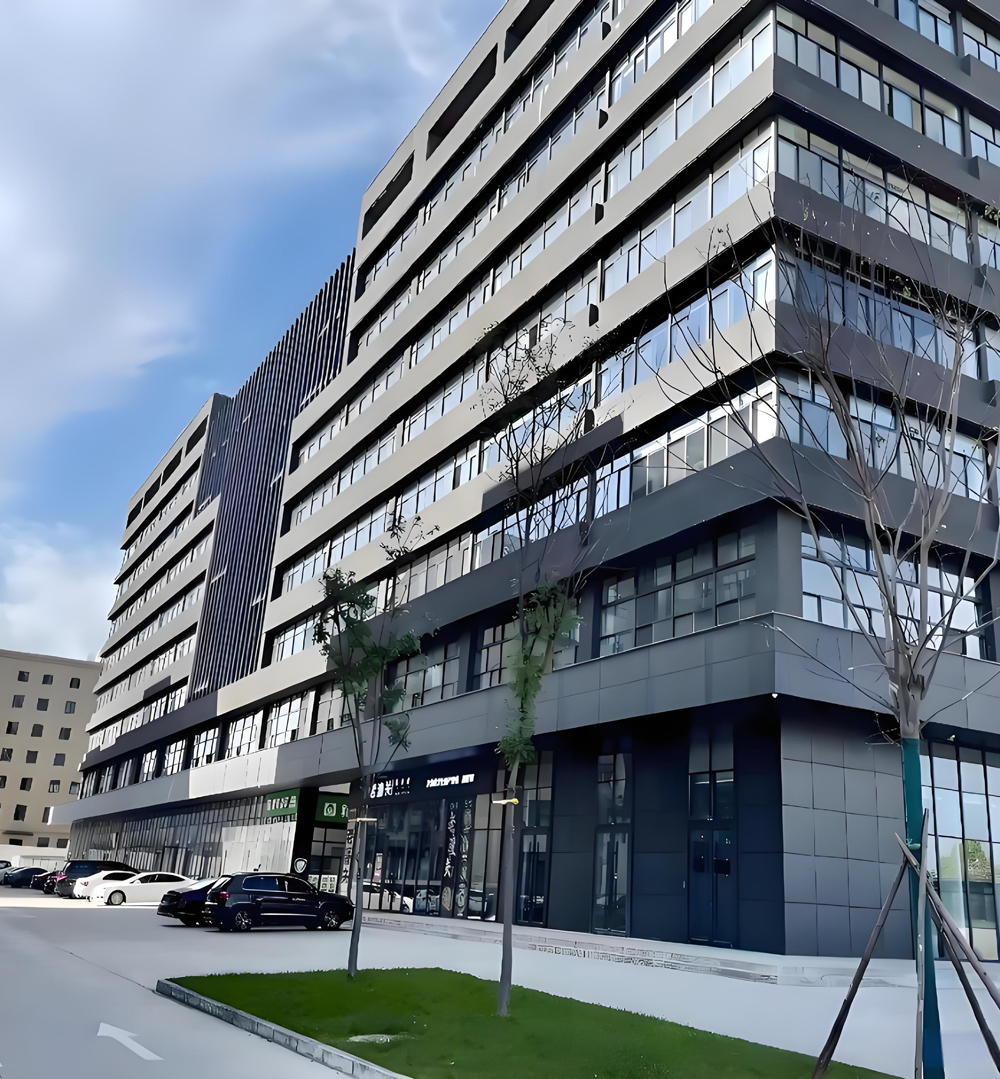
Dynalink Electronic Technology Corporate Office and Manufacturing Facility
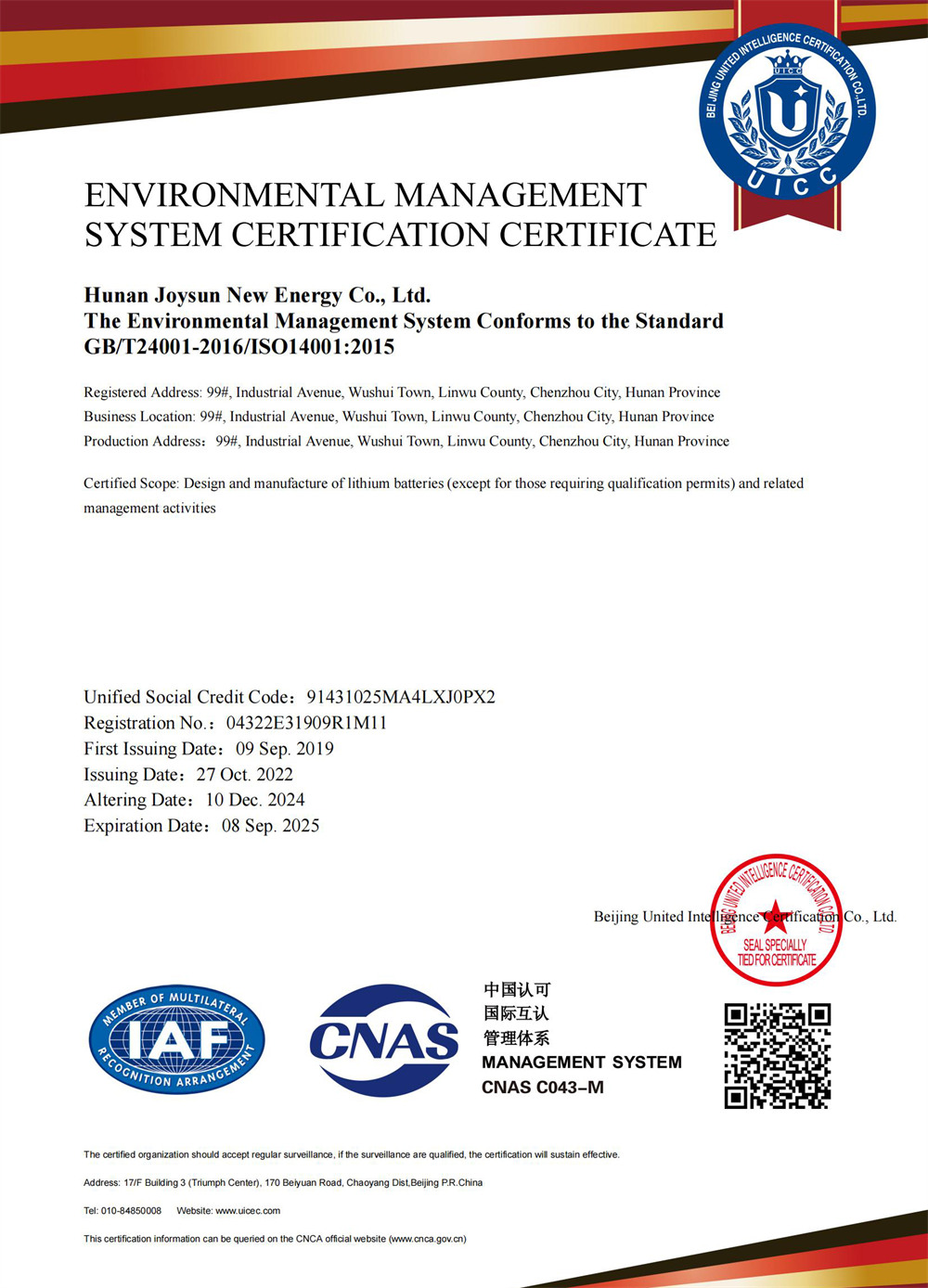
ISO 14001 Badge

GB/T24001-2016/ISO14001:2015

Environmental Management System

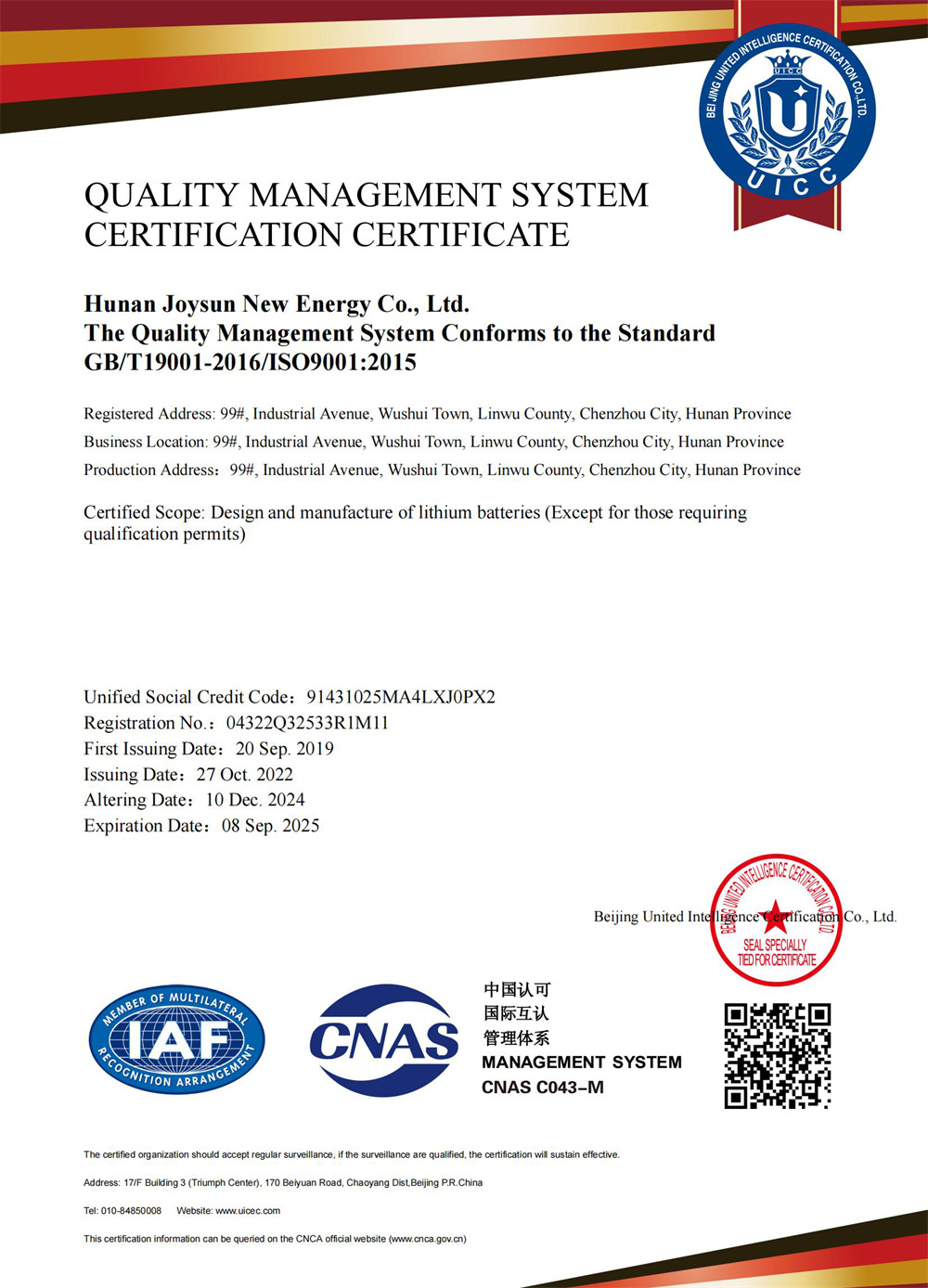
ISO 9001 Badge

GB/T19001-2016/ISO9001:2015

Quality Management System

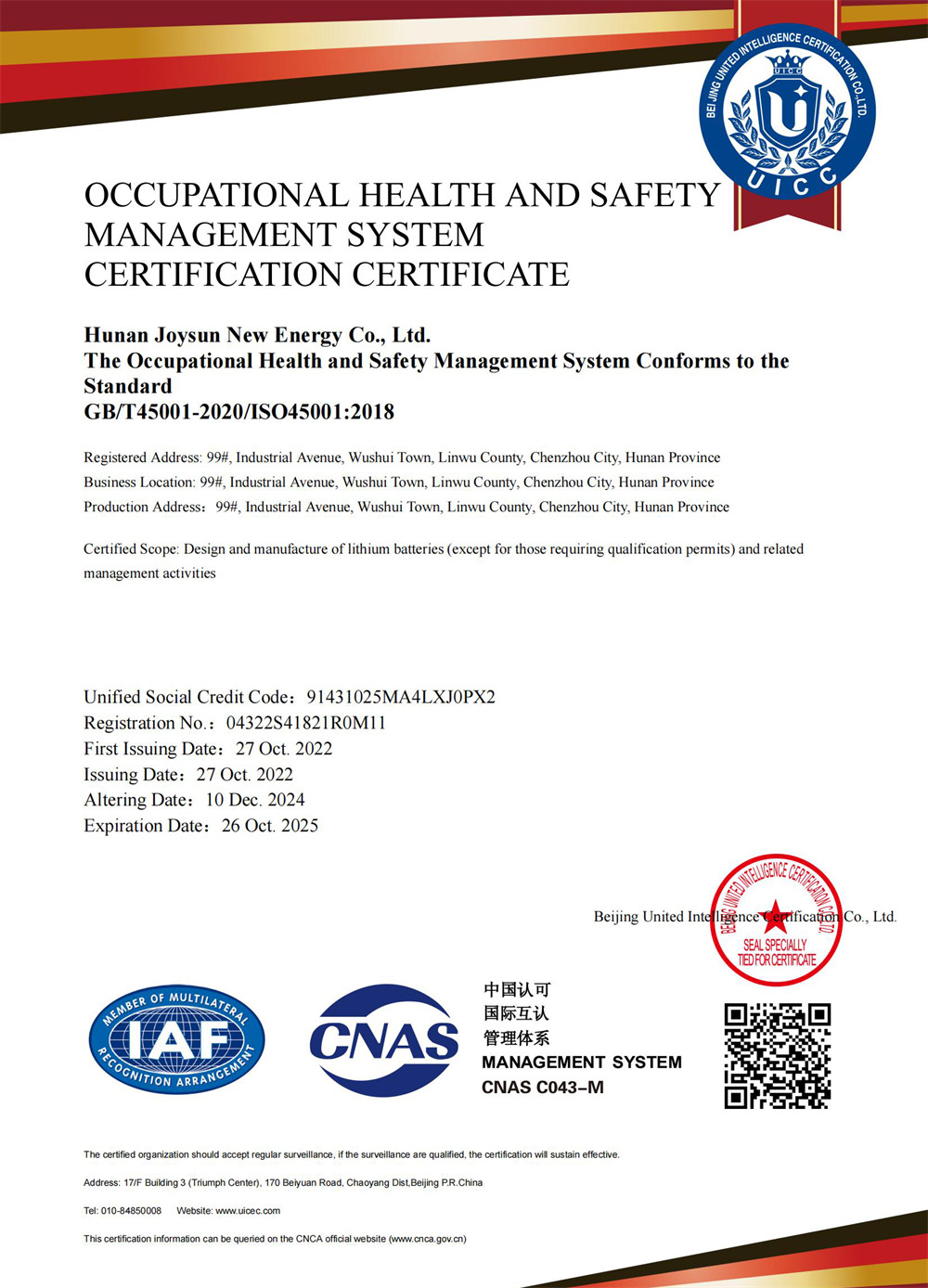
ISO 45001 Badge

GB/T45001-2020/ISO45001:2018

Occupational Health & Safety

Dynalink Operations at a Glance

Global supply chains rely on measurable metrics. Our operating capacity supports scaling production demands.

2007
Year Established
800+
Global Workers
200+
R&D Engineers
100%
ISO Inspected Quality

Why Partner with Dynalink

We deliver design support, manufacturing control, and testing validation to meet your performance standards.

Unmanned Aerial Vehicles (UAVs)

We supply high-vibration, lightweight connectors and battery interfaces that secure continuous power flow under high aerodynamic loads.

Data Center & Server Infrastructure

Our high-speed signal backplane systems maintain structural stability under thermal loads, minimizing loss and error rates.

Industrial Automation

We build IP67/IP68 sealed components that protect against fluid ingress, dust, and corrosive chemicals in automated manufacturing environments.

Custom Design System

Using our computerized modeling systems, we configure design proposals, structural schematics, and rapid prototype samples to match custom needs.

Capacitor Engineering

We manufacture self-healing dielectric structures designed to optimize capacitance density and manage voltage ripples in power conversion circuits.

Future Solid-State Integration

We carry out R&D focused on electrochemical performance boundaries, working to integrate high-density solid-state batteries and low-resistance contacts.

Systematic Product Management & Enterprise Culture

At Dynalink, we align our internal processes to support product quality and operational accountability. Our teams operate under a structured corporate governance model that emphasizes precision, collaboration, and environmental responsibility.
  • Enterprise Mission: Empowering life with technology and creating a sustainable future. We aim to become a leading provider of integrated system power supply and interconnect solutions.
  • Team & Professional Growth: We maintain a positive work environment, providing our engineering and manufacturing staff with professional development paths and certification training.
  • Engineering Breakthroughs: We focus on solving bottlenecks in battery cycle life, capacitor energy density, and contact signal loss.
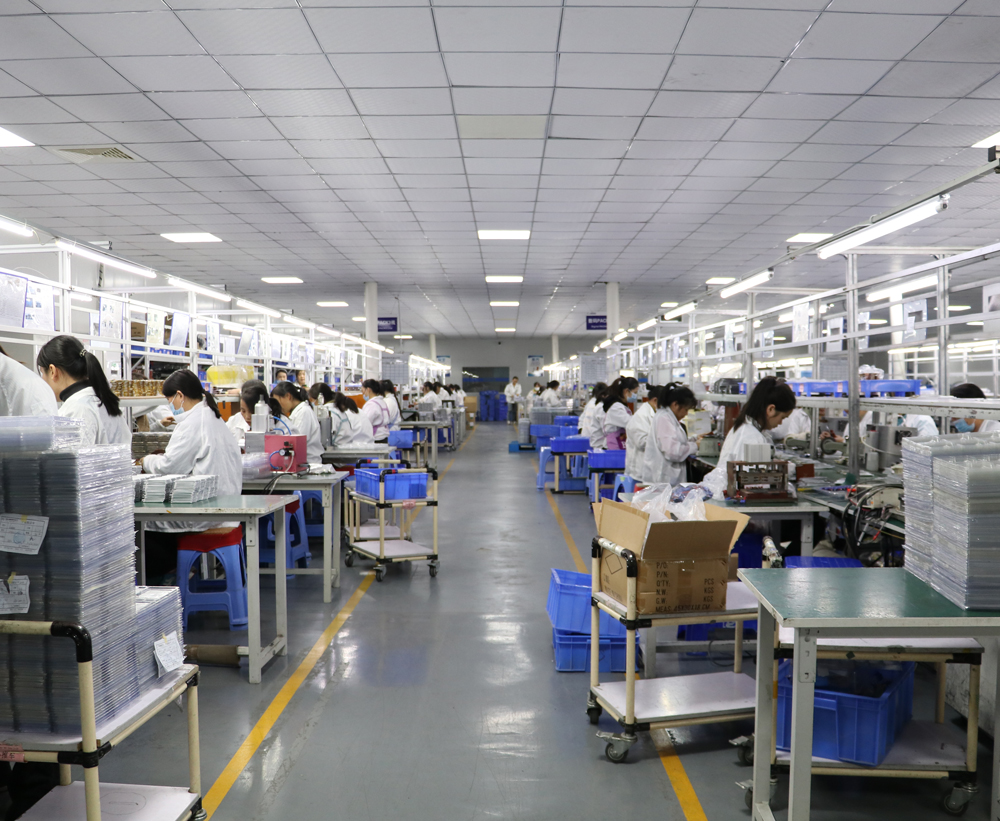
Dynalink Integrated Assembly and Automated Wire Harness Testing Plant

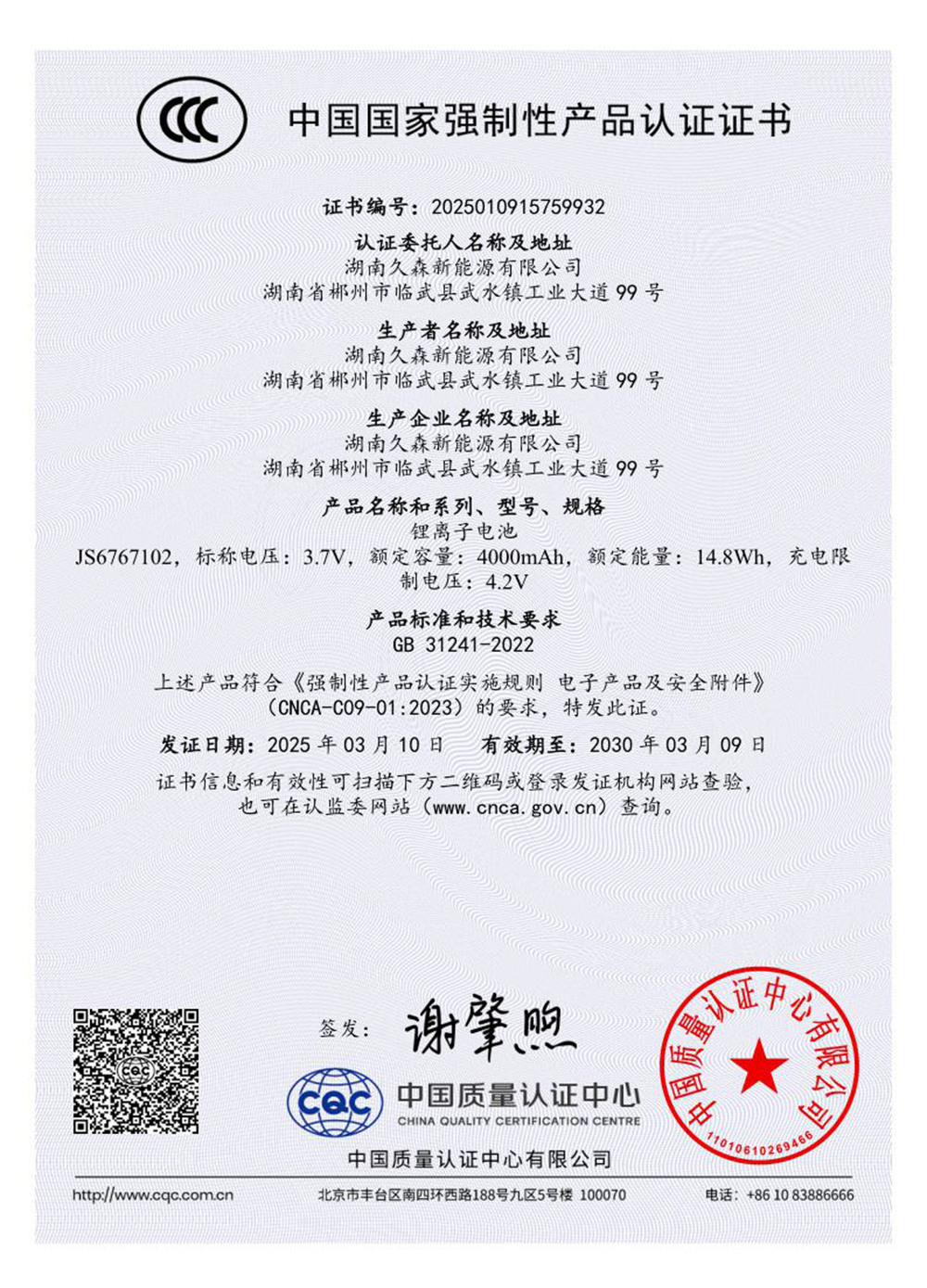
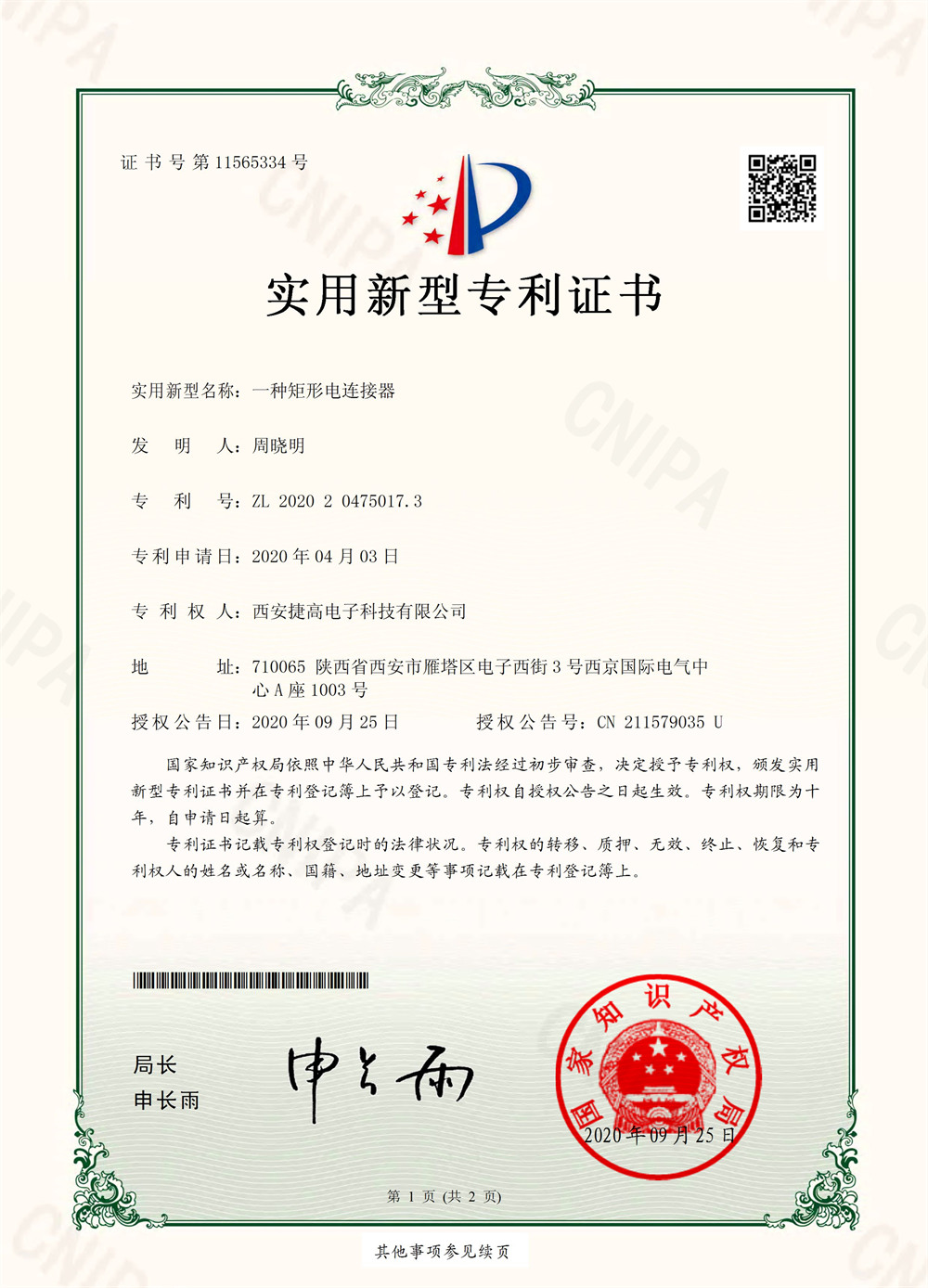
Certified Quality & Regulatory Compliance

Our products undergo validation testing to ensure compliance with international industrial standards.
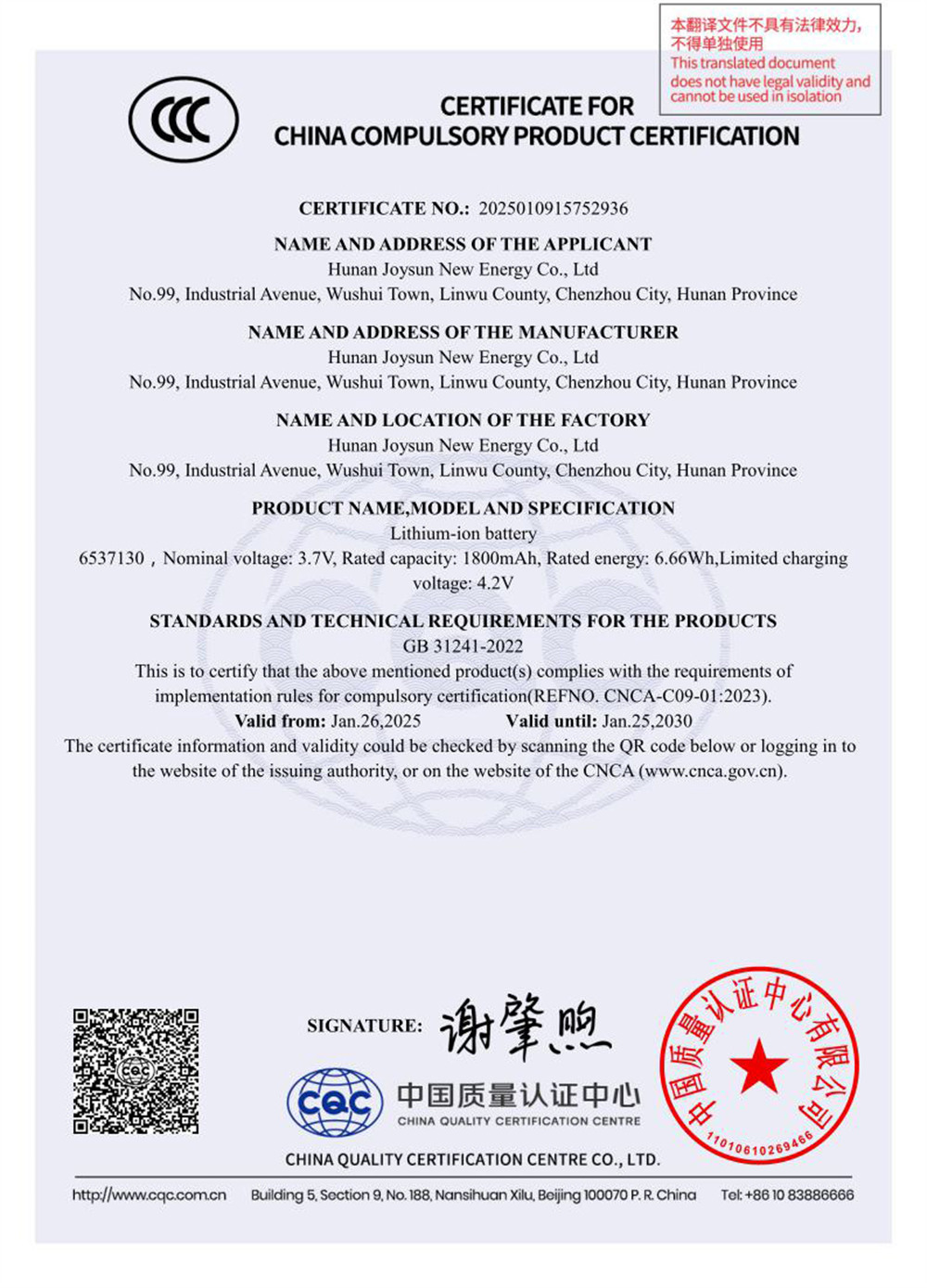
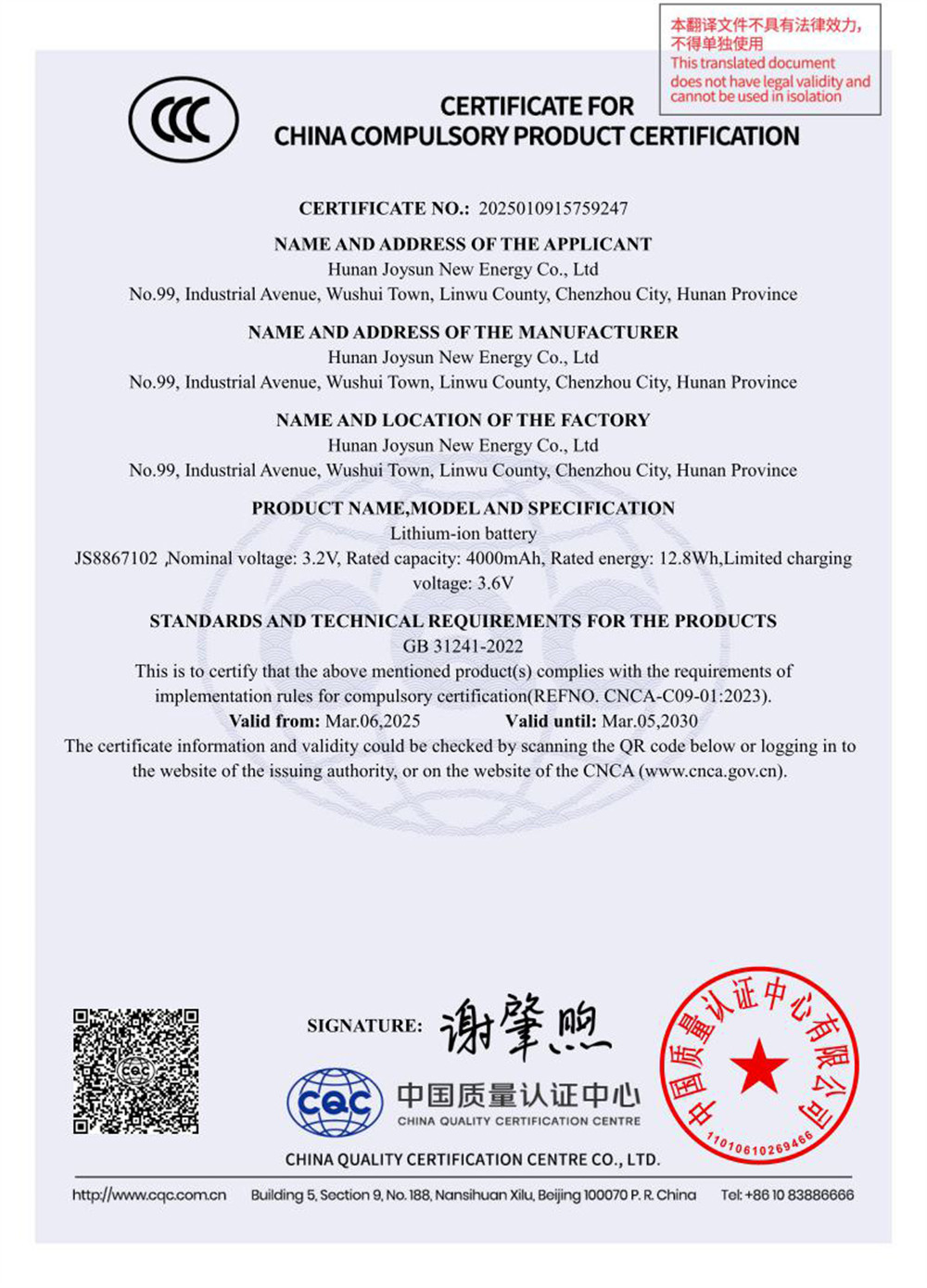
Dynalink Inspection Certificate A
Dynalink Material Safety Sheet B
Dynalink Laboratory Report C
Dynalink Compliance Certification D
Dynalink Factory Inspection E
Dynalink Environmental Report F
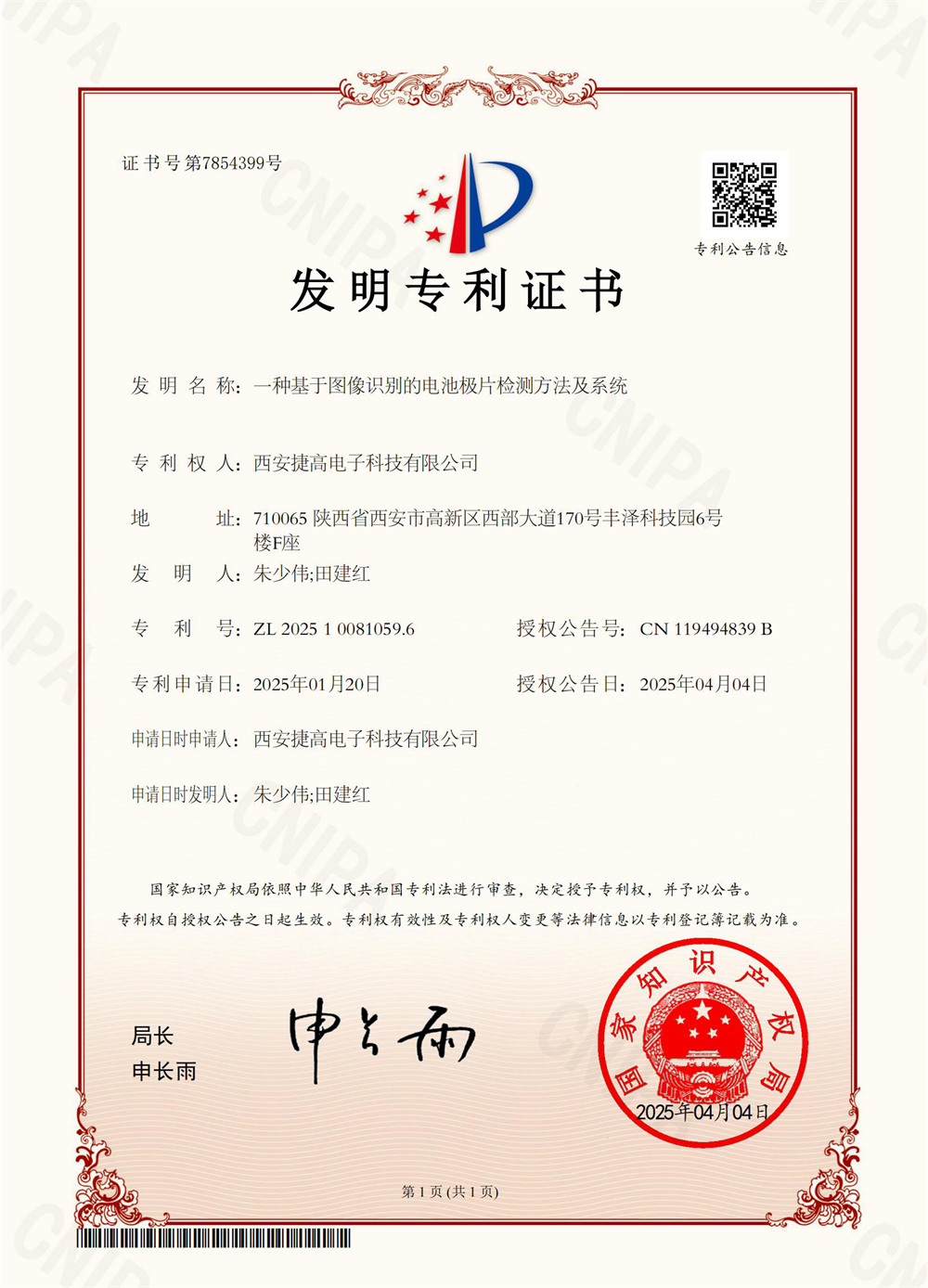
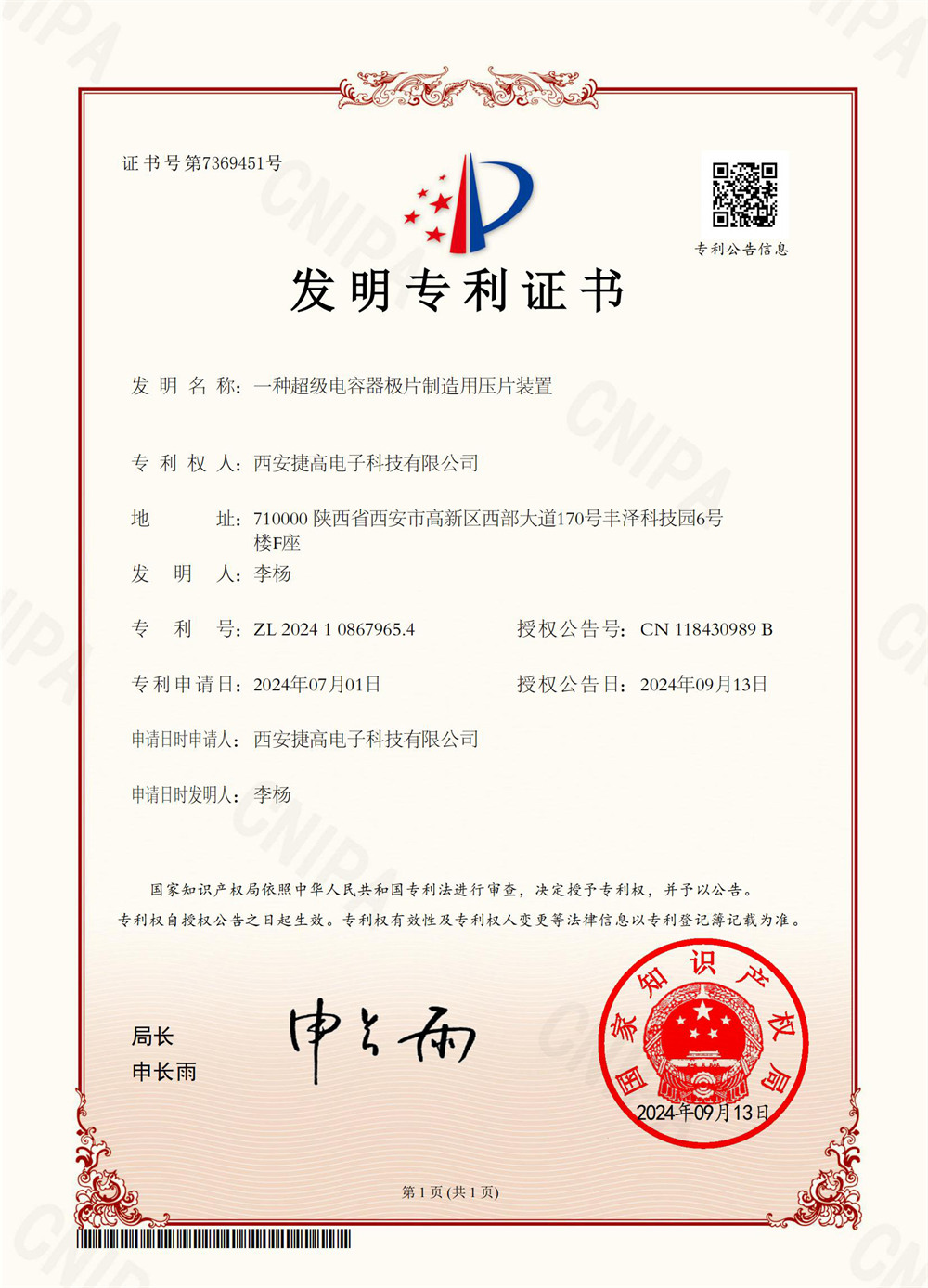
Dynalink Patent Documentation G
Dynalink Product Performance Audit H
Dynalink Technical Specification I
ISO CERTIFIED

Technical Q&A: Engineering and Performance Standards

Detailed technical specifications and design methodologies for engineers and procurement teams.

1. What properties define a crimp connection as "gas-tight"?
A gas-tight crimp is achieved when the radial compression force applied by the crimping tool causes the wire strands and the terminal barrel to deform plastically. This deformation eliminates internal spaces, preventing oxygen, moisture, and corrosive gases (such as sulfur dioxide or hydrogen sulfide) from entering the connection. Keeping these substances out prevents oxidation inside the connection, maintaining a low and stable contact resistance over the lifetime of the component.
2. How does Dynalink prevent galvanic corrosion in maritime and high-humidity environments?
To prevent galvanic corrosion between differing metals, we apply matching plating materials and utilize high-grade sealing. Our connectors feature nickel diffusion barriers beneath gold or tin outer plating. In marine applications, we utilize fluorosilicone seal rings and protective backshells that seal the interface against salt fog and environmental moisture, satisfying ASTM B117 salt spray performance standards.
3. What is the difference between open-barrel and closed-barrel crimp terminals?
Open-barrel terminals are formed from stamped sheet metal, featuring "U" shaped walls. They are suitable for automated high-volume wire assembly production where wire alignment and crimping occur in a single process step. Closed-barrel terminals are machined or extruded metal tubes. They provide high structural support and mechanical hold force, making them the standard choice for heavy-duty military, aerospace, and high-power connections.
4. How does crimp height validation affect quality assurance?
Crimp height is a key dimension used to verify the compaction ratio of a crimp connection. If the crimp height is too high, the compaction force is insufficient, leaving air gaps that can lead to wire pull-out or high contact resistance. If the crimp height is too low, the over-compression can damage or sever individual wire strands, reducing the mechanical strength of the wire. We perform micrometric height verification and mechanical pull-force checks to keep crimp properties within calculated engineering tolerances.
5. Can Dynalink provide custom pin configurations and shell modifications under OEM contracts?
Yes. Our internal engineering department uses 3D modeling and tool design software to customize terminal shapes, insert patterns, shell finishes, and mounting flanges. We design hybrid connectors that combine power, coaxial RF, and fluid channels within a single interface, adapting our designs to meet the physical and electrical constraints of your application.