Bridging the gap between energy-dense batteries and high-power supercapacitors. Explore the chemistry, physics, and performance advantages of hybrid energy storage.
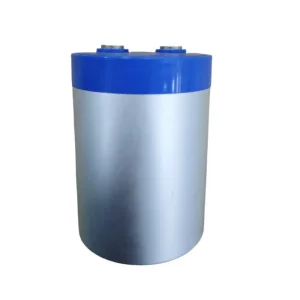
Lithium-ion capacitors operate on a hybrid mechanism, combining the electrostatic double-layer capacitance (EDLC) of an activated carbon cathode with the electrochemical redox reaction of a pre-doped carbon anode. This allows discharge rates far exceeding traditional Li-ion batteries, enabling instant energy delivery for high-surge applications.
Unlike standard chemical batteries that degrade quickly due to repeated intercalation stress, our LICs are engineered for durability. They support over 500,000 charge-discharge cycles with minimal capacitance loss, drastically reducing system maintenance costs and lifecycle replacement overheads.
Designed for severe environments, these hybrid cells retain excellent efficiency across a temperature range of -40°C to +85°C. This thermal resilience eliminates the need for active cooling or heating arrays in outdoor infrastructure, railway electronics, and aerospace applications.
A Lithium-ion Capacitor is fundamentally an asymmetric capacitor. The anode is pre-doped with lithium ions, which lowers its potential and allows a significantly higher output voltage (typically 3.8V to 4.2V max) compared to traditional symmetrical supercapacitors (2.7V). Because energy density scales with the square of voltage ($E = \frac{1}{2} C V^2$), the LIC achieves an energy density up to 4-5 times greater than standard EDLCs while preserving the microsecond-level speed of physical charge storage.
This unique performance profile makes LICs ideal for systems requiring both short-term peak current ride-through capabilities and low self-discharge profiles. They exhibit excellent charge retention characteristics, losing less than 5% of stored charge over prolonged standby periods, a critical factor for emergency backup power and remote grid nodes.
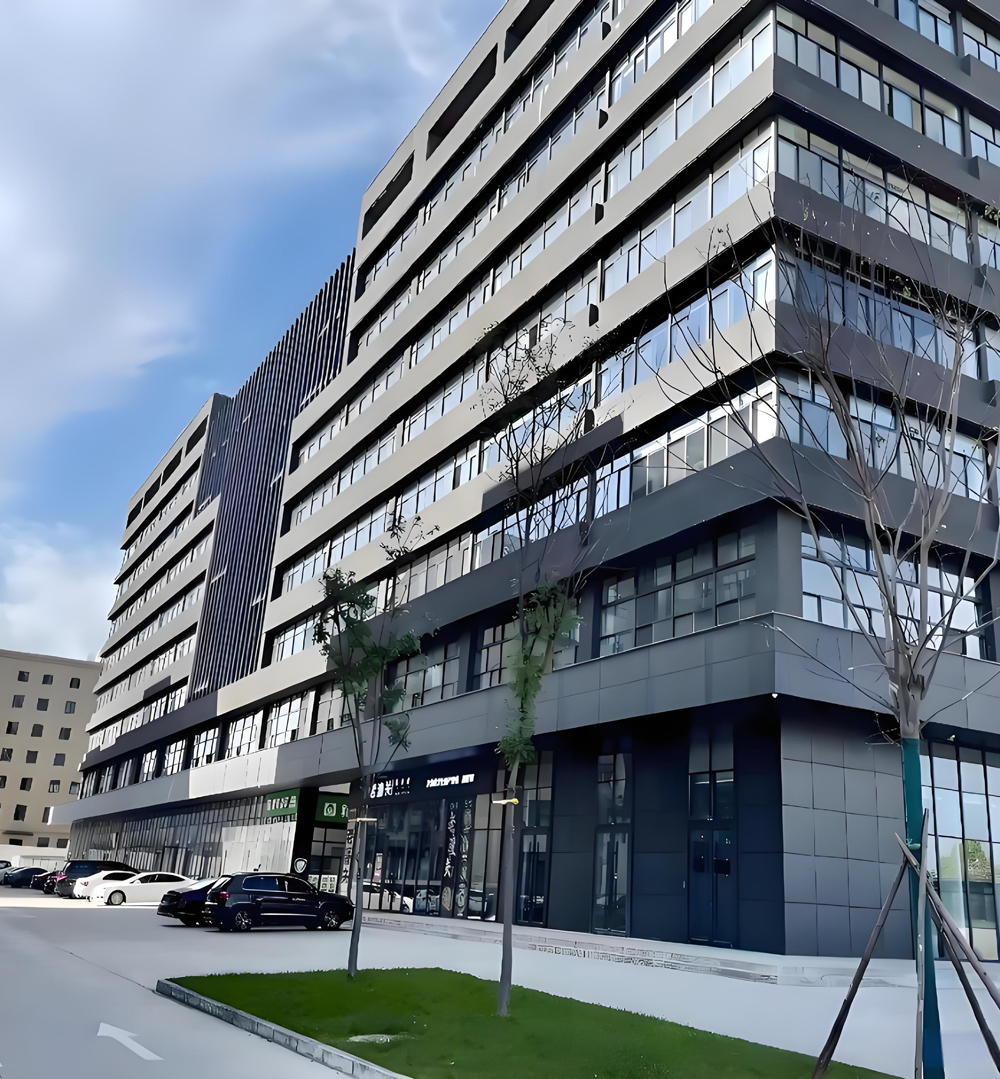
Established in 2007, Dynalink Electronic Technology Co., Ltd (DL) has emerged as a technology-driven pioneer in the engineering and precision manufacturing of power supplies, energy storage components, and high-density connectors. Over the past decade and a half, we have expanded our capacity to support critical high-reliability industries globally.
Today, our facility houses a dedicated workforce of over 800 employees, which includes more than 200 technical staff specializing in electrochemistry, structural CAD design, and high-frequency signal integrity. Our vertically integrated industrial chain spans from core raw material R&D to system integration, enabling comprehensive OEM and ODM support.
Where theory meets real-world extreme requirements. Our custom capacitor integration delivers localized performance optimization.
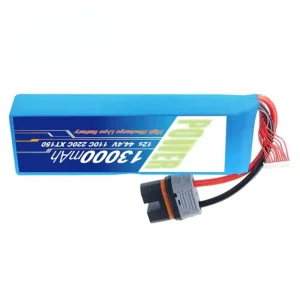
During heavy payload lift-offs and wind shear compensation, drones experience extreme transient current demands. Integrating DL's LICs alongside primary Lithium Polymer batteries cushions the battery from high peak currents, reducing battery internal thermal buildup, preventing voltage drops, and extending overall battery operational lifespans by up to 40%.
Modern enterprise servers rely on seamless transitions between mains power loss and diesel generator startup. Our custom rack-mounted LIC modules deliver high-power energy bursts in milliseconds, protecting solid-state memory structures from corruption, and providing a maintenance-free alternative to traditional Lead-Acid UPS systems.
Automated Guided Vehicles (AGVs) operating in 24/7 smart warehouses cannot afford long charging intervals. Implementing lithium-ion capacitors allows for ultra-fast opportunity charging during stations stops. A 30-second charge can provide sufficient energy for 10-15 minutes of run-time, maximizing fleet utility and operational throughput.
Our ongoing R&D directions aim to breach the physical thresholds of energy storage, establishing next-generation benchmarks.
Optimizing the uniformity of pre-doped lithium on the anode represents a critical axis of our research. By refining dry-coating processes and active additive integration, we are targeting a further 20% reduction in internal resistance (ESR) and a significant reduction in first-cycle capacity loss.
Moving away from organic liquid solvents towards gel polymer and solid electrolytes will enhance safety profiles, eliminating risk of leakage and thermal runaway under extreme mechanical puncturing or high thermal thresholds.
Transitioning from pure hard carbon to silicon-carbon (Si-C) composite materials will allow us to double the theoretical anode capacity, aiming for an energy density target exceeding 65 Wh/kg while retaining a cycle life above 300,000 cycles.
Why sourcing from a scale manufacturer in China offers unique commercial and logistical advantages.
With direct localization to major global refined lithium precursors, synthetic graphites, and carbon raw materials, our supply chain guarantees continuous, uninterrupted manufacturing. This proximity limits geographic transit delays and buffers against raw material pricing spikes.
Our production floor uses robotic winding machines, automated laser welding, and inline electrochemical impedance spectroscopy (EIS) sorting machines. Automation minimizes human error, ensures ultra-tight tolerance matching for multi-cell modules, and lowers structural assembly costs.
Located near major shipping hubs, we provide certified international transit support, including UN38.3 sea/air cargo clearance. We handle dangerous goods compliance paperwork directly, ensuring smooth custom clearance at destination ports.
Get technical answers to common queries regarding design, procurement, and integration of lithium-ion capacitors.
An EDLC stores energy purely through electrostatic physical absorption on both symmetric electrodes. An LIC is asymmetric: the positive electrode uses physical absorption (like an EDLC) while the negative electrode is a pre-doped carbon structure that stores energy via chemical redox reactions. This hybrid architecture gives the LIC much higher energy density (up to 4-5 times) and a higher operating voltage, while retaining quick charging and long cycle characteristics.
LICs do not completely replace batteries for long-term, low-rate continuous energy needs because batteries still possess higher energy density. However, for applications requiring high frequency cycling, rapid charge/discharge (seconds to minutes), extreme temperature operation, and long lifespans without maintenance, LICs are superior and are often used to supplement or replace batteries in high-stress circuits.
We incorporate multi-layer safety design: thermal safety vents, robust cell insulation, internal short-circuit protection materials, and state-of-the-art battery management systems (BMS) for balanced cell management. We have verified compliance with international transport standards including UN38.3 and UL certification procedures.
Yes. Relying on our self-developed intelligent design platform, our technical team (consisting of over 200 engineers) can build customized module footprints, voltage balancing topologies, thermal solutions, and terminal configurations to meet your specific application requirements.
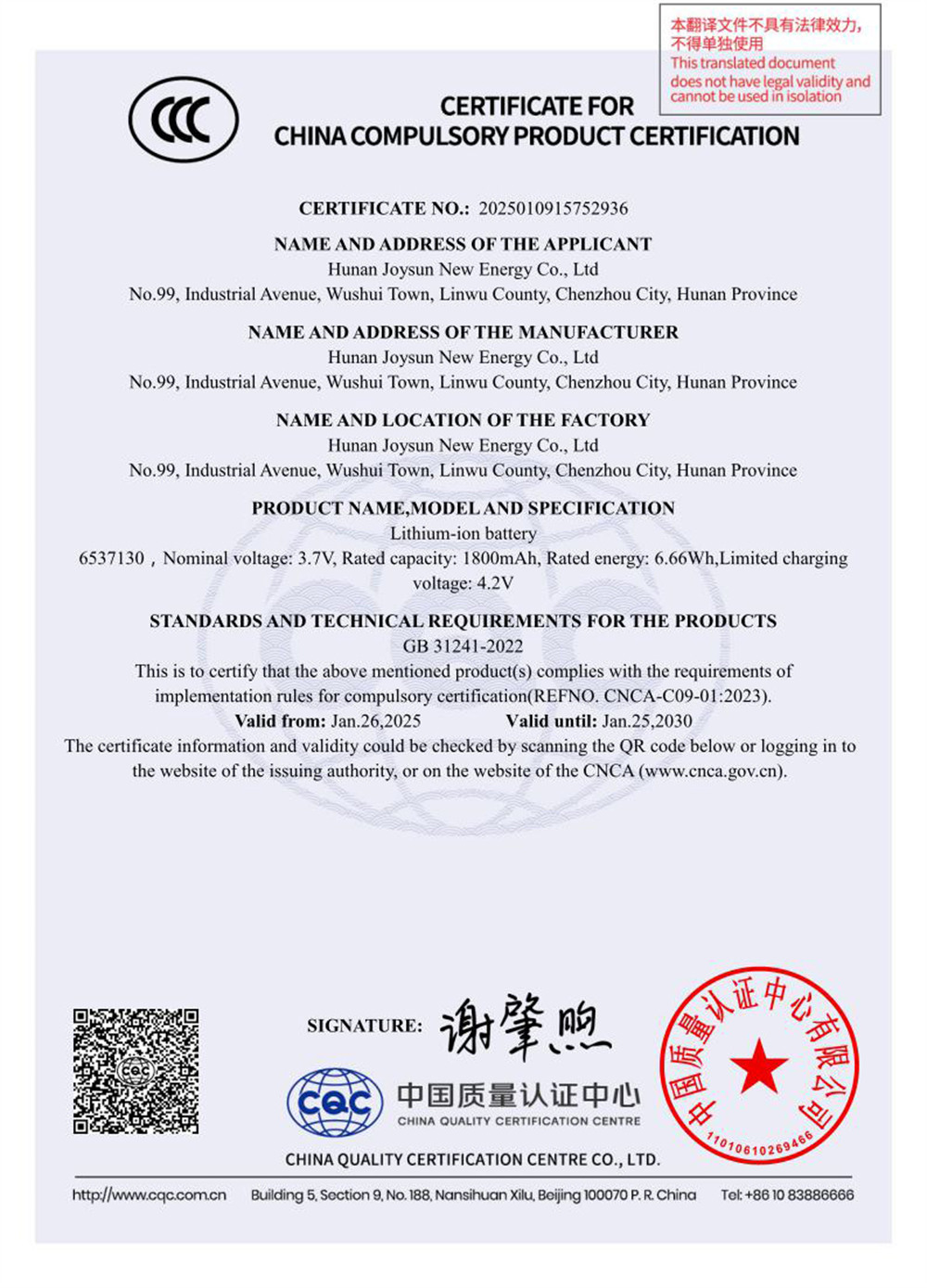
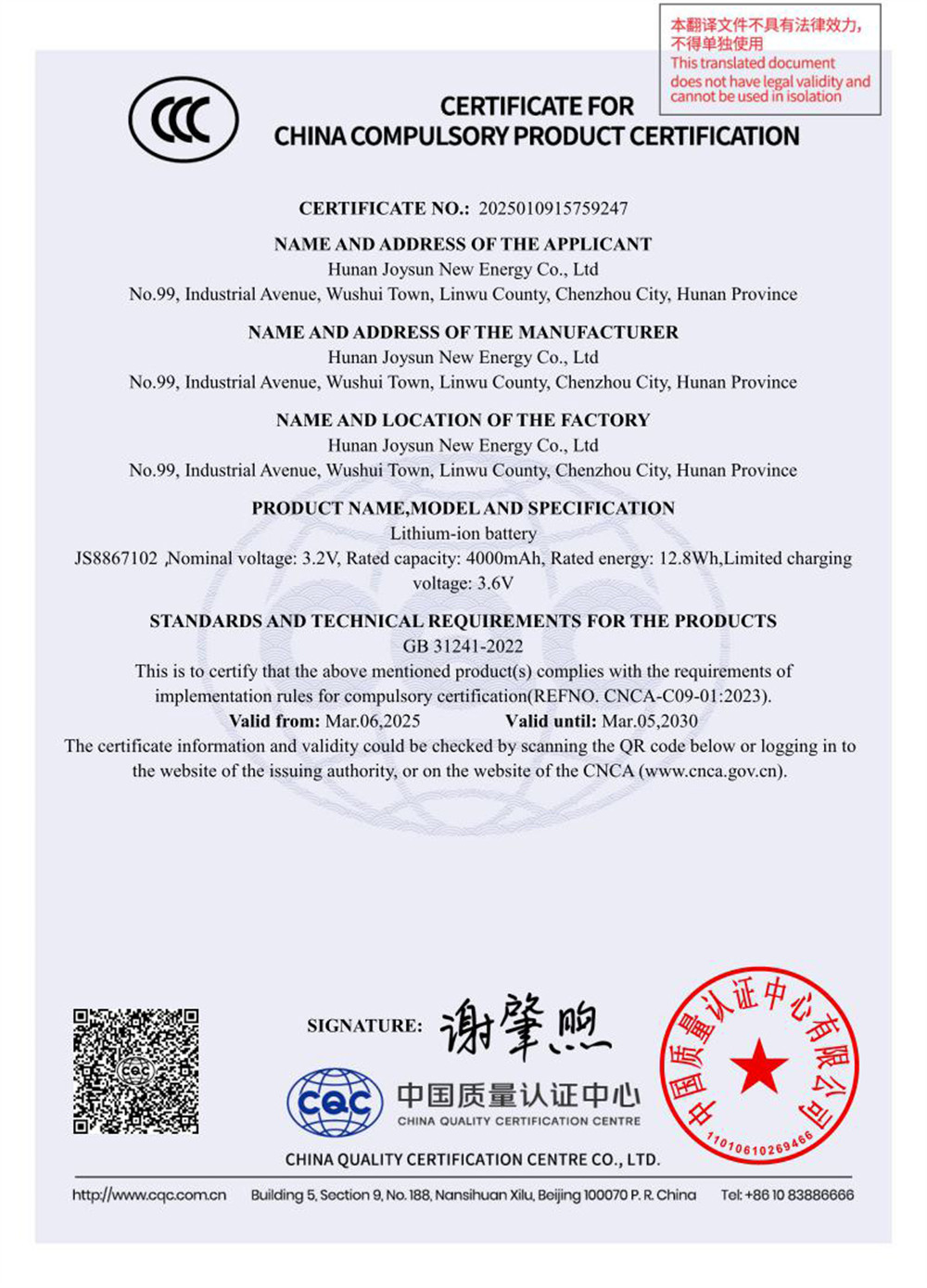
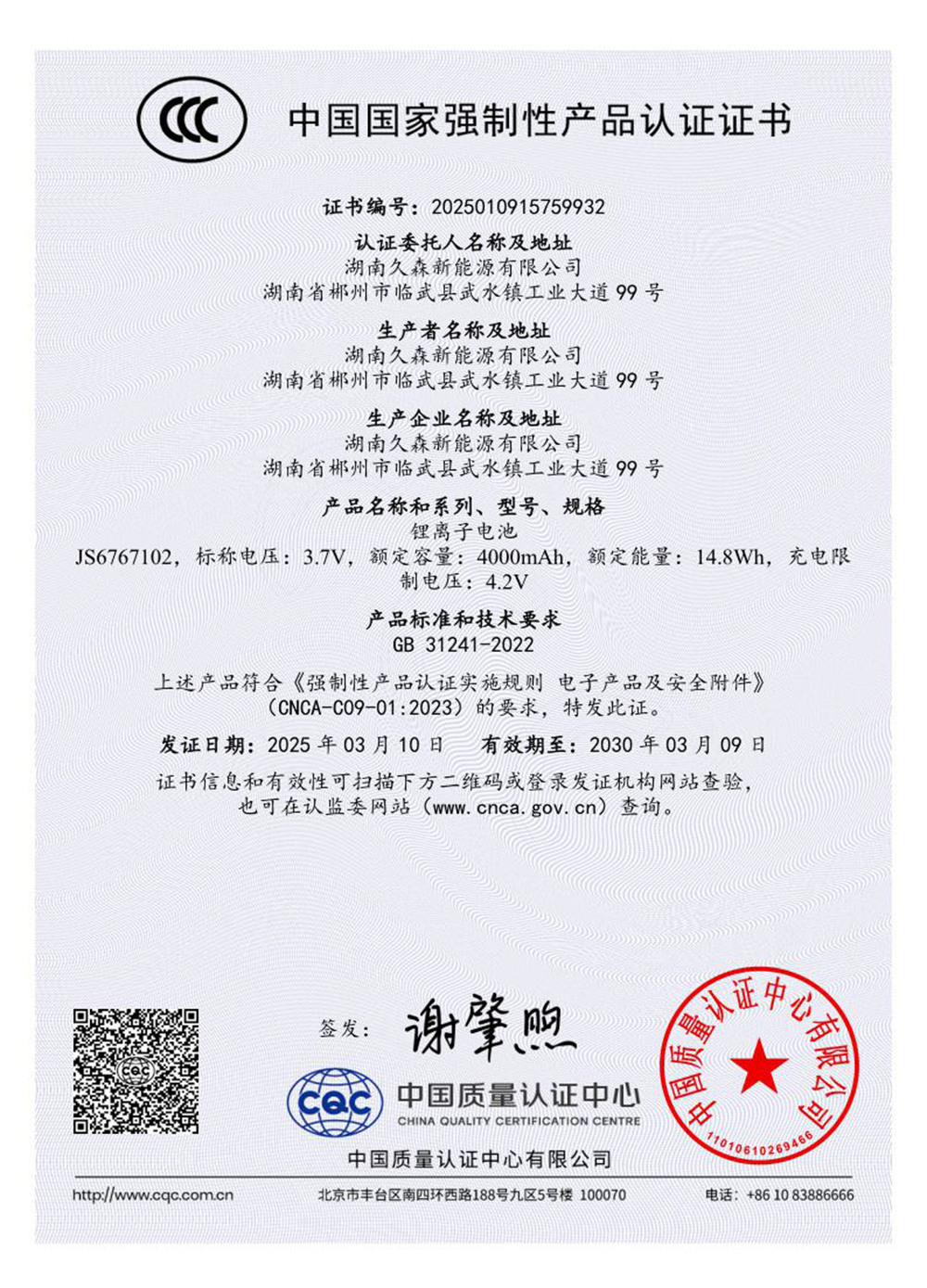
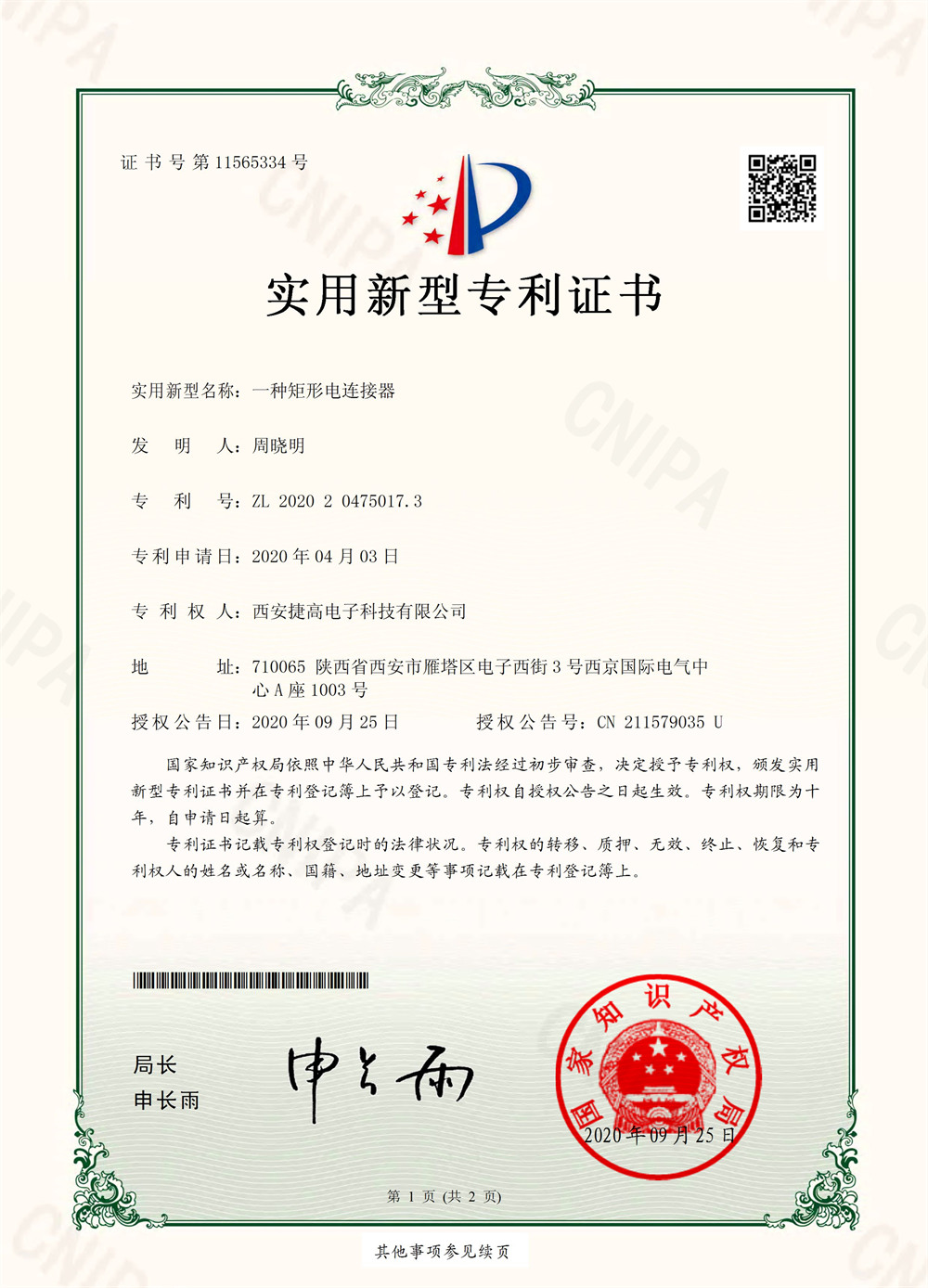
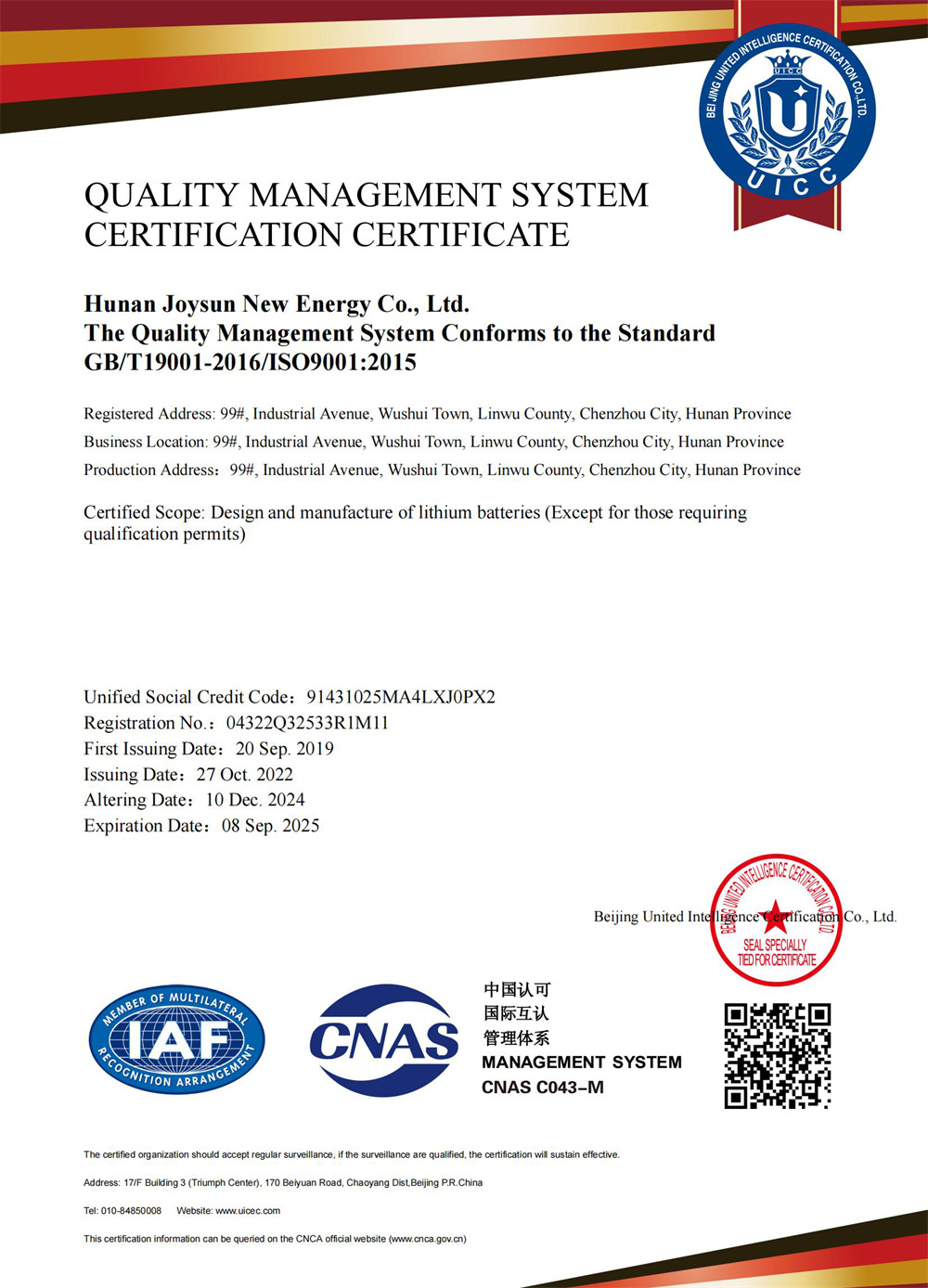
Every component is produced under strict quality control protocols to ensure compliance with world-class industrial standards.
 Dynalink Electronic