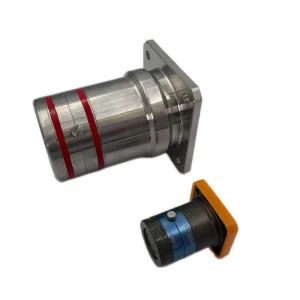
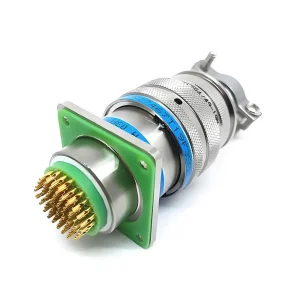
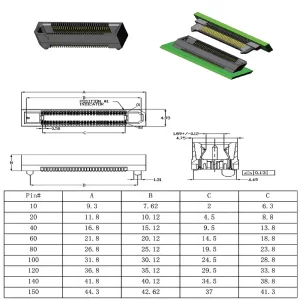
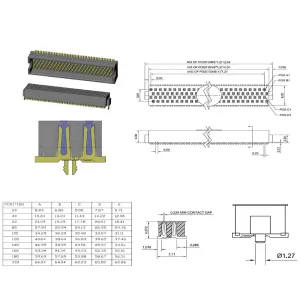
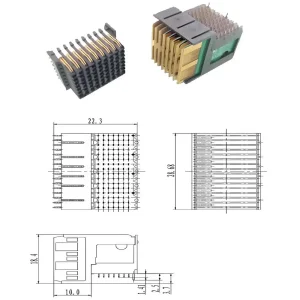
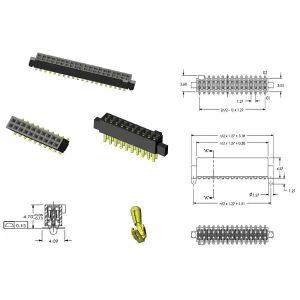
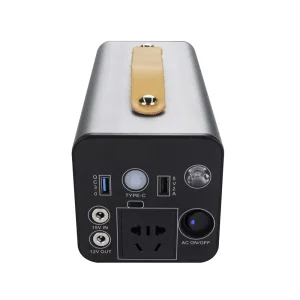
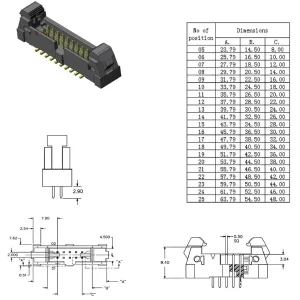
Browse our engineered line of high-speed transmission connectors, modular storage stations, and backplanes built to support deep-cycle lithium configurations in RVs and field machinery.
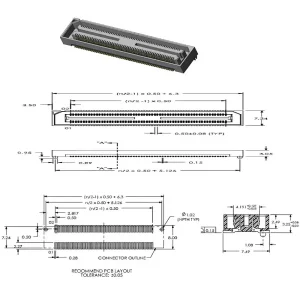
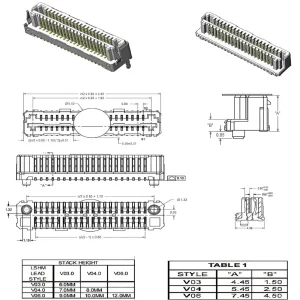
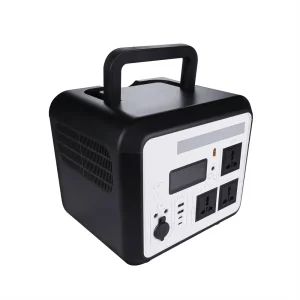
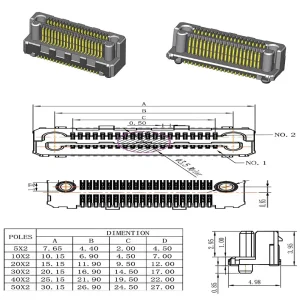
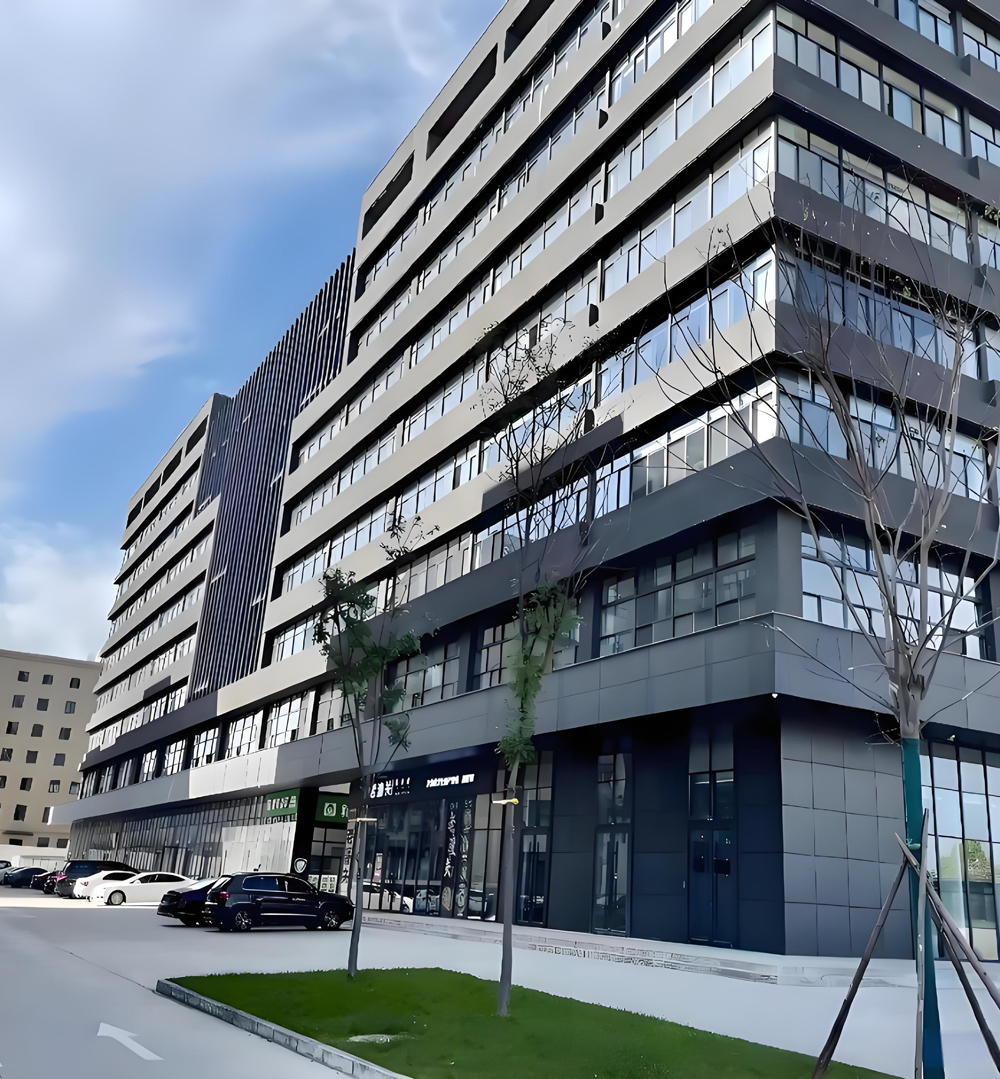
Established in 2007, Dynalink Electronic Technology Co., Ltd (DL) is a world-class, technology-driven design and manufacturing enterprise. We support a comprehensive industrial pipeline specializing in high-reliability power supplies, energy storage systems, capacitors, and precision high-density connectors. Over our 15+ years of operations, we have scaled our workforce to over 800 dedicated employees, including an elite cadre of more than 200 senior technical R&D staff.
Our deep vertical integration—encompassing basic material science research, automated CAD/CAE product modeling, high-tolerance tooling development, and heavy-capacity precision manufacturing—enables us to provide custom, end-to-end solutions. DL’s components are deployed across challenging industries including aviation, aerospace, shipping, modern railway networks, new energy vehicle drivetrains, medical machinery, unmanned aerial vehicles (UAVs), and automated robotics.
The global transition from legacy Lead-Acid (AGM/Gel) chemistries to Lithium Iron Phosphate (LiFePO4) in the recreational vehicle (RV) and specialty commercial vehicle sectors is accelerating at a CAGR of over 18.2%. As fleets demand longer off-grid capabilities, lighter curb weights, and faster recharging rates, bulk distributors, outfitters, and OEMs are restructuring their procurement frameworks. The industrial sector requires battery architectures that guarantee continuous power for vital assets—such as HVAC climate systems, on-board telematics, refrigeration units, and high-frequency power tools—without relying on heavy, loud, and emissions-heavy diesel generator systems.
Today, B2B buyers face challenges such as supply chain fragmentation, volatile raw material costs (Lithium Carbonate and synthetic graphite), and strict regulatory compliance. Leading manufacturers are shifting away from selling stand-alone cells to offering integrated energy architectures. This includes active balancing battery management systems (BMS), high-vibration resistant structural housings, and integrated thermal run-away protection. Wholesale battery manufacturers must act not just as component suppliers, but as system integration partners who understand high-voltage buslines, CAN bus communication standards, and high-speed electrical connectors.
The energy storage industry is undergoing a significant transformation. To maintain a competitive edge, Dynalink focuses R&D on key technological advancements:
The evolution from liquid organic solvents to solid-state electrolytes represents a major leap in energy safety. Solid-state lithium configurations eliminate thermal runaway risks and increase energy density to over 400 Wh/kg, paving the way for next-generation off-grid vehicles.
Standard protection-only BMS modules are being replaced by smart BMS units with active balancing, cloud telemetry, and AI-driven health prognostics. These platforms log cycle behavior, predict cell wear, and allow real-time diagnostic streaming over Bluetooth or CAN bus interfaces.
Standard LFP chemistry struggles under freezing temperatures (0°C). Our advanced thermal design integrates internal self-heating elements that use charge energy to safely warm up cells prior to accepting charge, maintaining capacity retention in extreme environments.
At Dynalink, we offer custom development systems based on our material research, mechanical modeling, and high-frequency power electronics engineering capabilities. We serve clients across key global applications:
In UAV and drone operations, our ultra-compact, high-discharge lithium packs and lightweight connectors ensure reliable charging/discharging rates and stable transmission under high vibration.
For data centers, our high-speed electrical connectors and modular backup power supplies minimize signal attenuation and deliver reliable runtime performance.
In automated factories and robotics, our IP-rated, sealed connectors and power modules operate reliably under mechanical shock, chemical washdowns, and wide temperature swings.
Using our internal computer-aided design and testing platform, we turn complex customer specifications into prototypes and mass-manufactured components in short cycle times.
We are constantly pushing boundaries in high-reliability power systems, solid-state battery integration, and high-pitch micro-connectors to help upgrade global industrial capabilities.
Different operating environments present distinct challenges for power systems. To address these variations, Dynalink engineers localized, fit-for-purpose architectures:
For Class A and Class C overland vehicles operating in remote regions, battery systems must handle continuous 50A utility inputs while integrating with high-voltage solar arrays. Dynalink designs large-format 24V and 48V LFP systems that integrate with vehicle alternators, providing reliable power for multi-day boondocking without generator noise.
Space and weight limits are critical in compact European leisure caravans due to strict road regulations. Our ultra-high-density lithium layouts pack significant energy into standard DIN layouts, ensuring compliance with weight limits while supporting dual-burner induction cooktops and hydronic heating systems.
Off-road exploration in the Australian Outback demands resistance to high heat and continuous washboard vibration. Our battery enclosures feature internal structural bracing, robust resin-encapsulated electronics, and dustproof, waterproof IP67 military-grade quick-connectors.
At Dynalink, quality is the foundation of our engineering process. We design and manufacture energy and connection systems that meet strict industrial standards. We operate under three core corporate pillars:

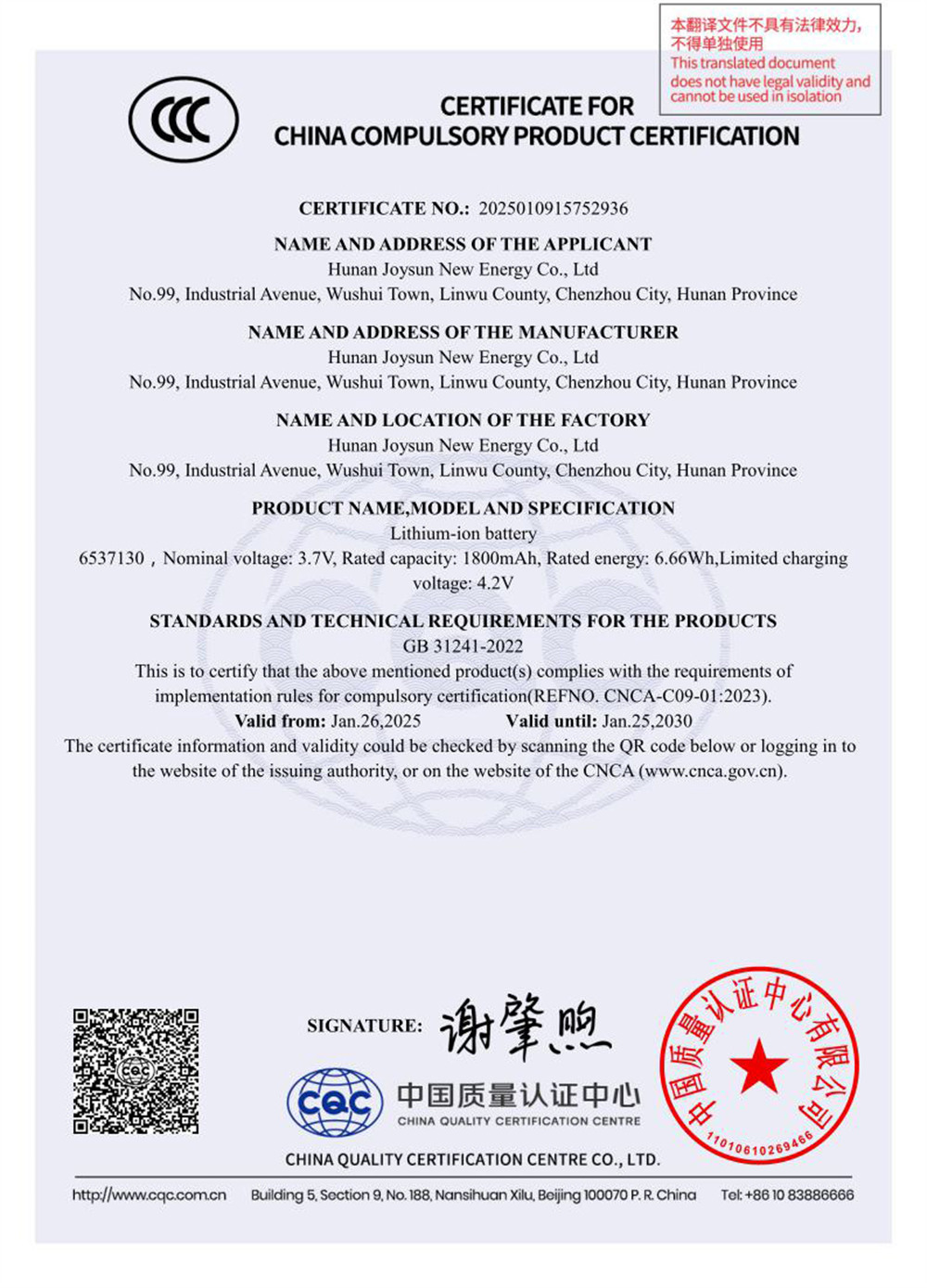
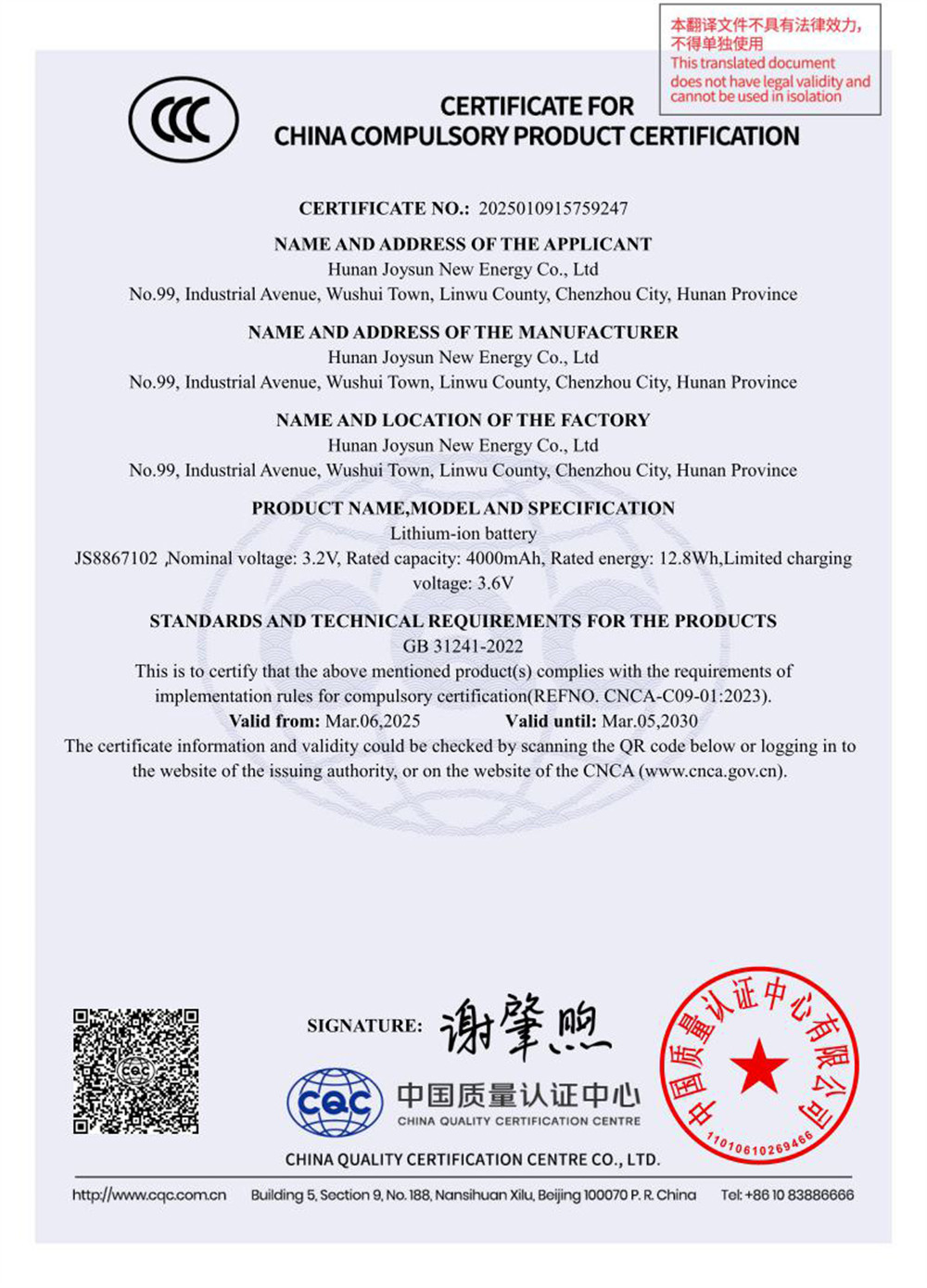
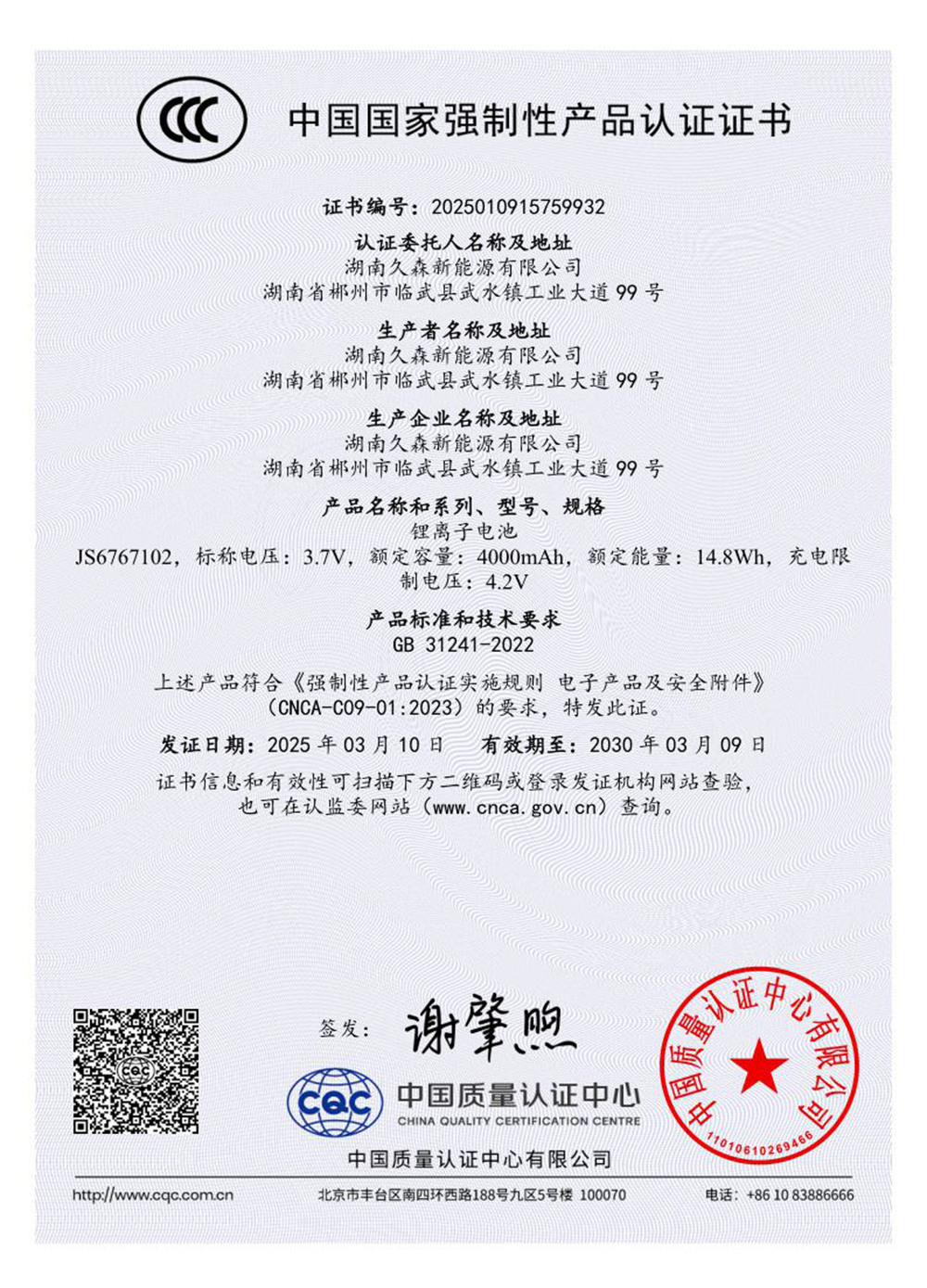
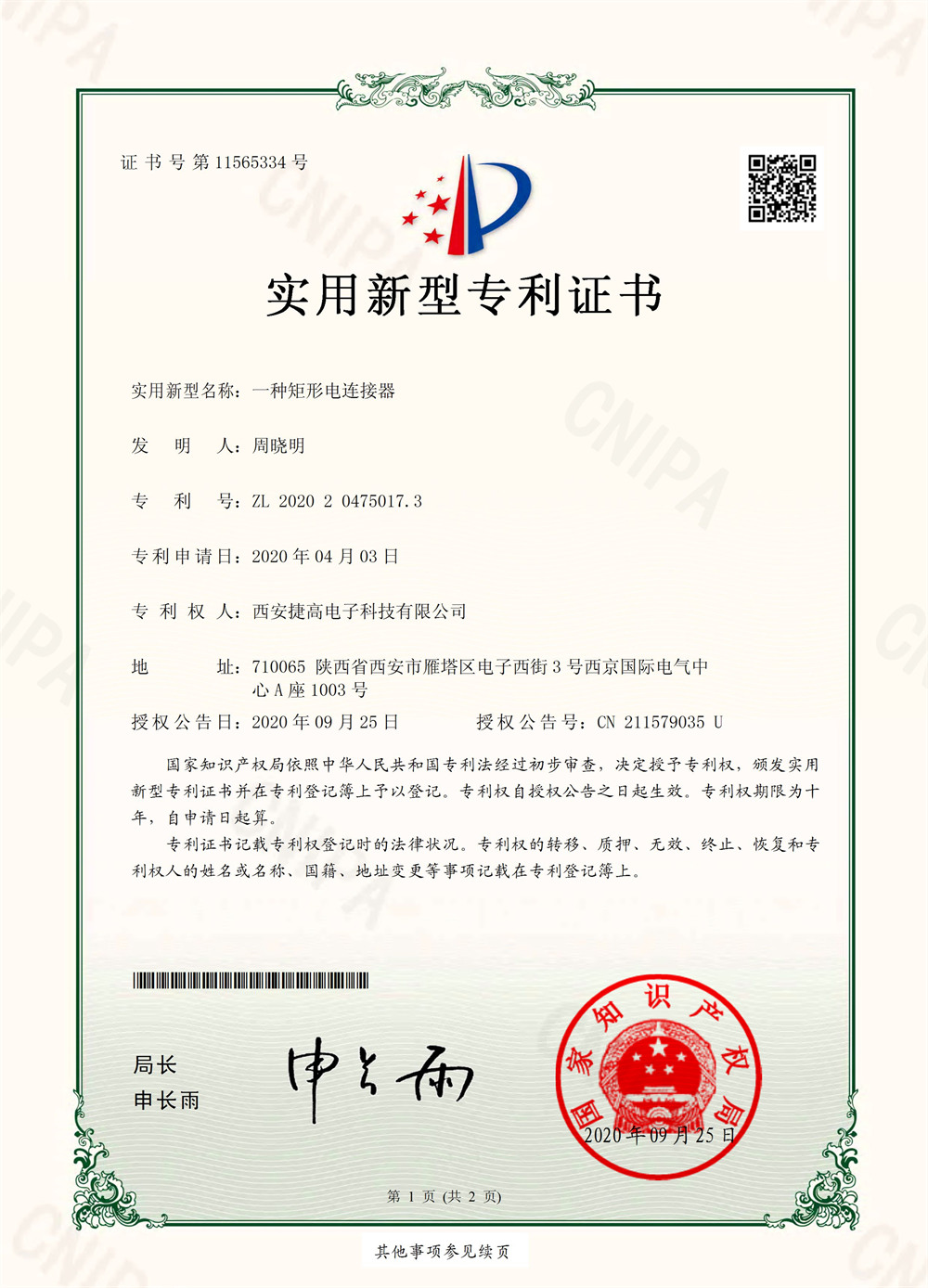
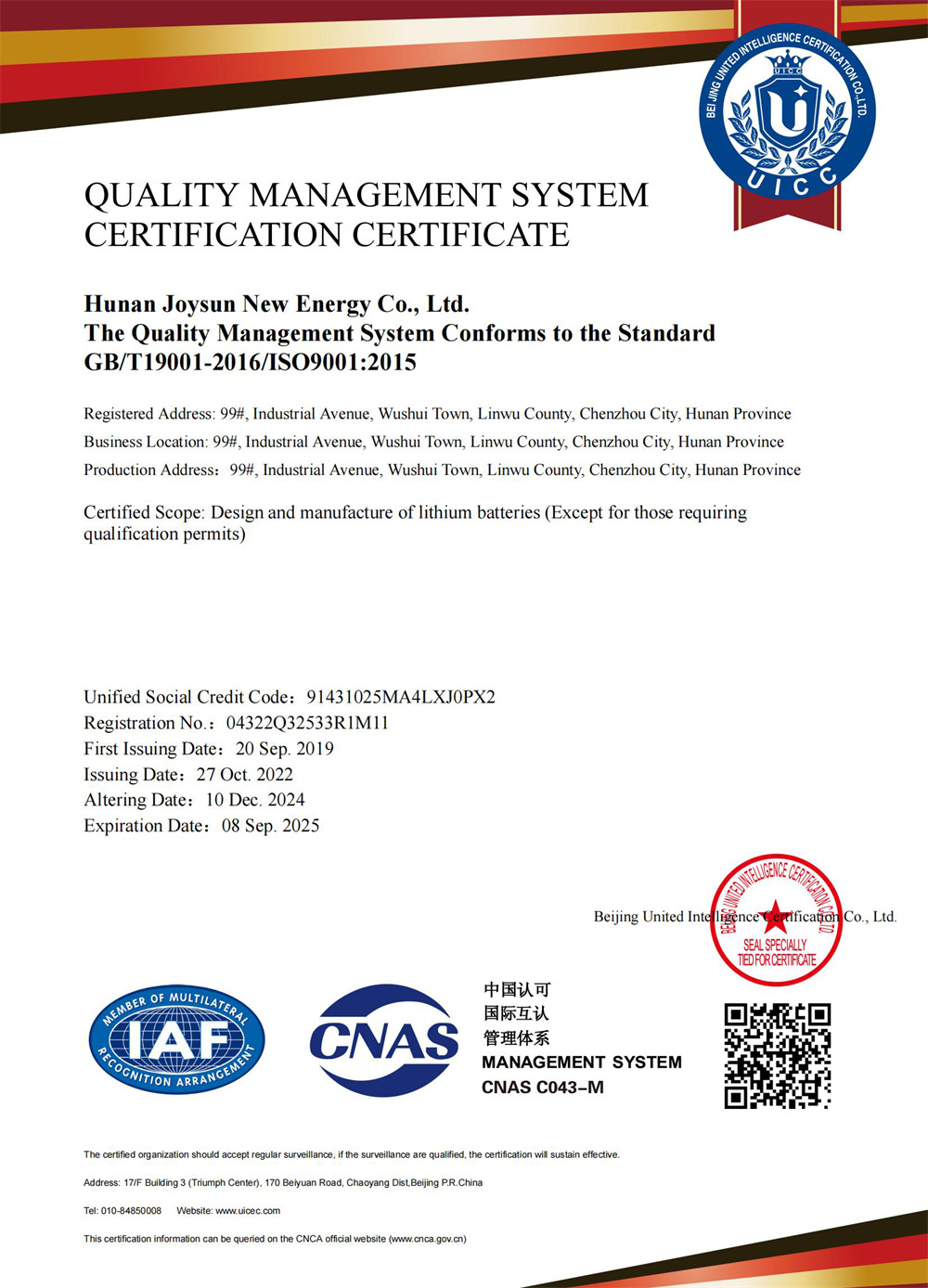
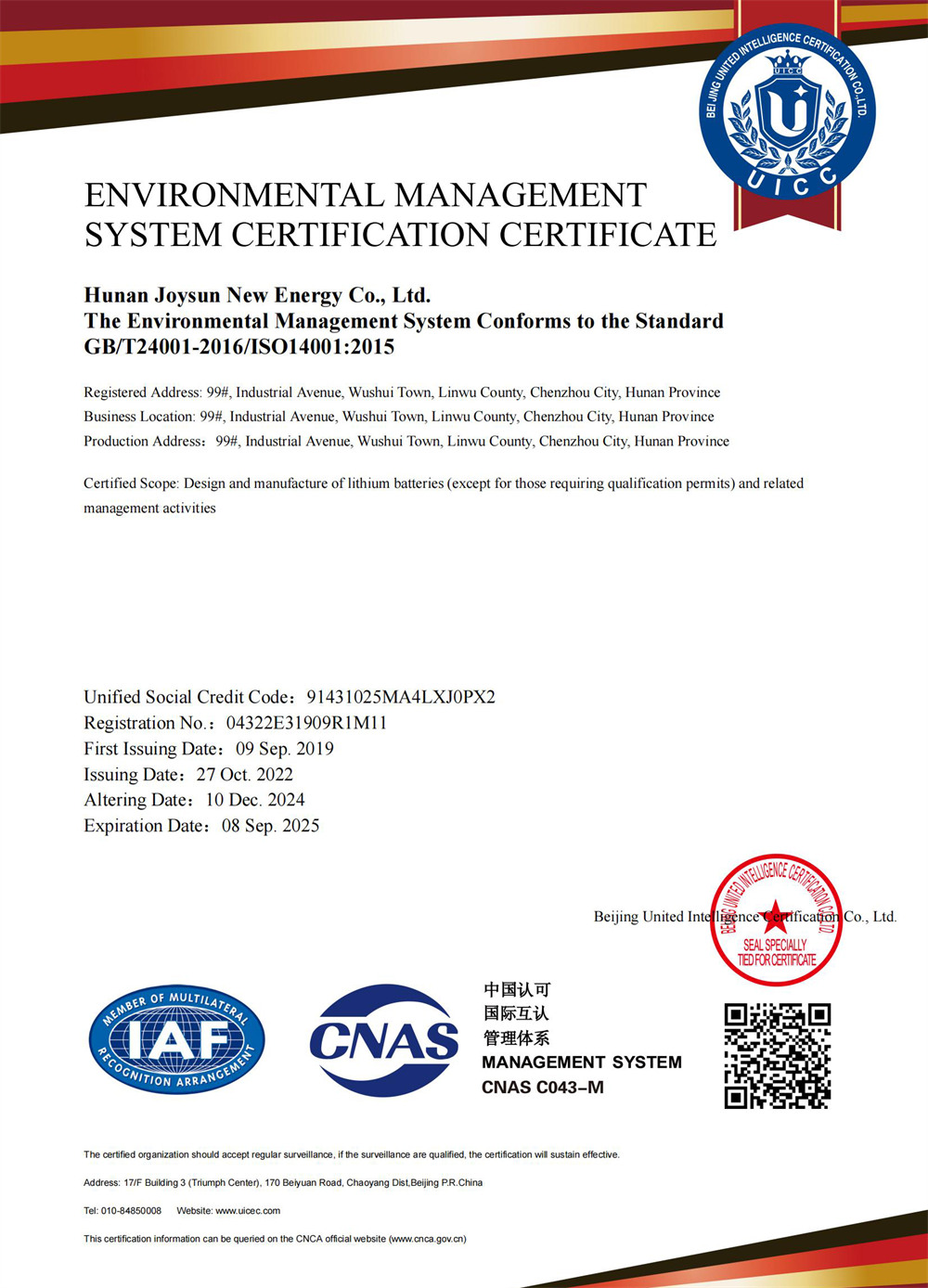
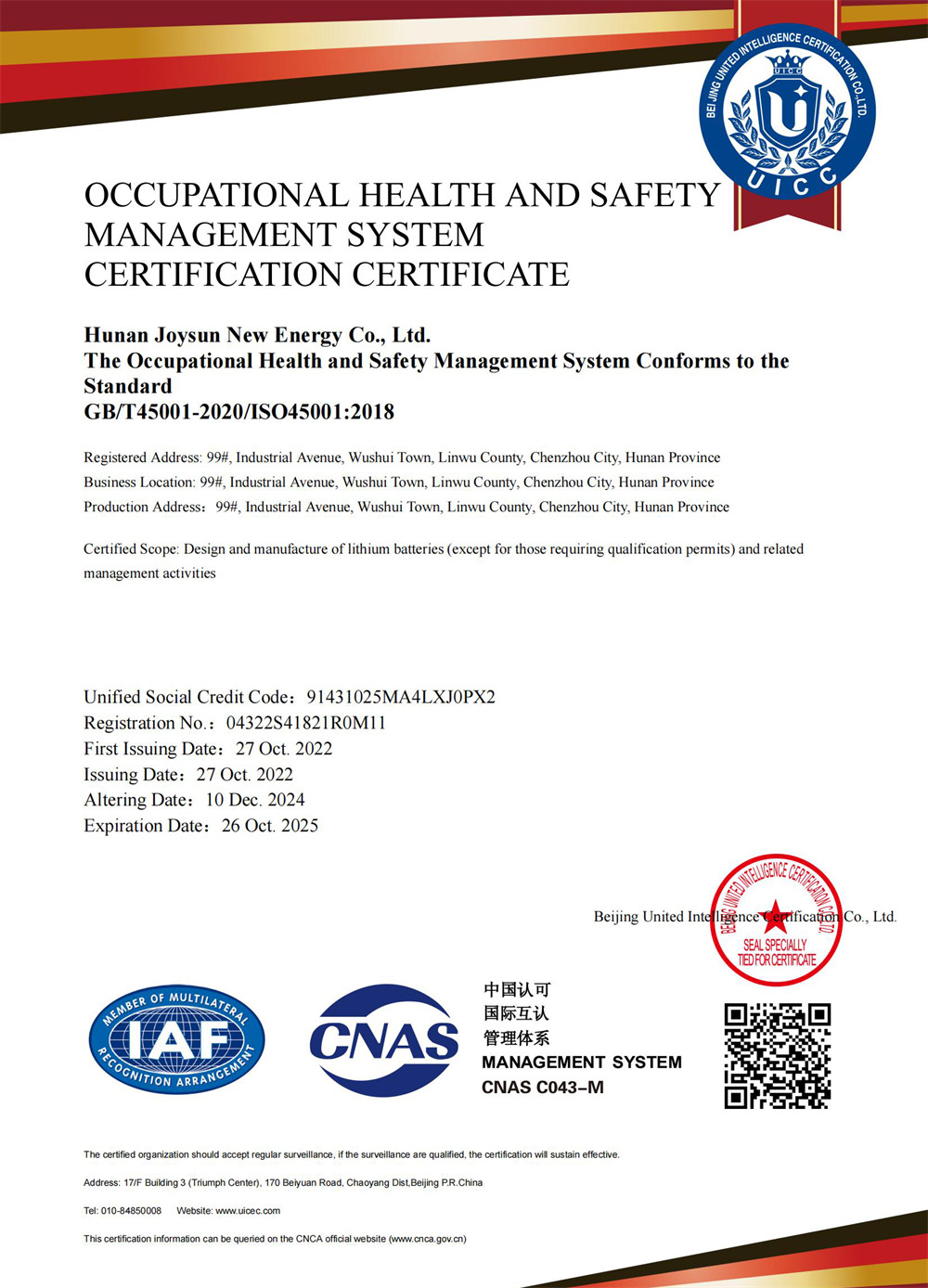
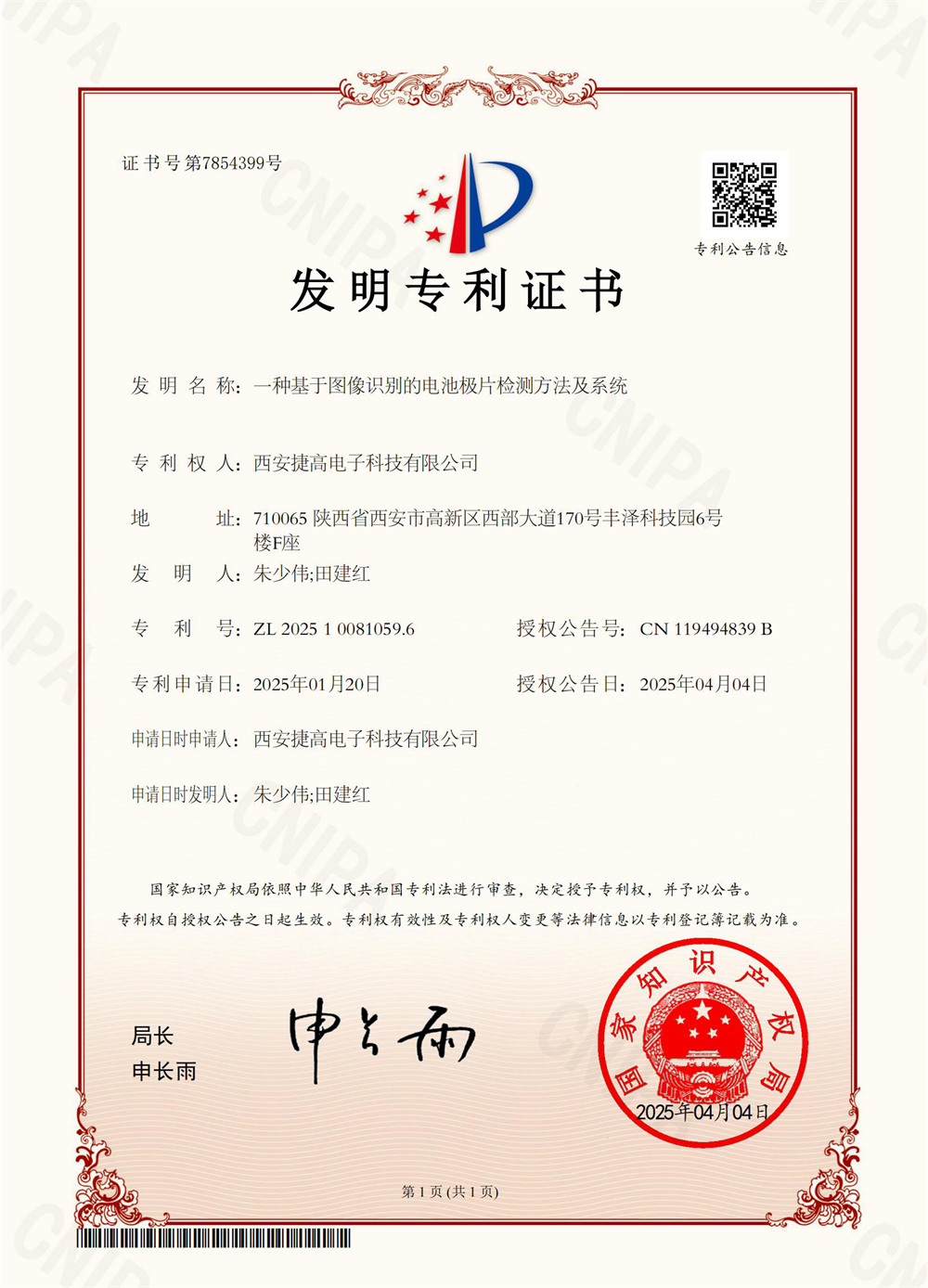
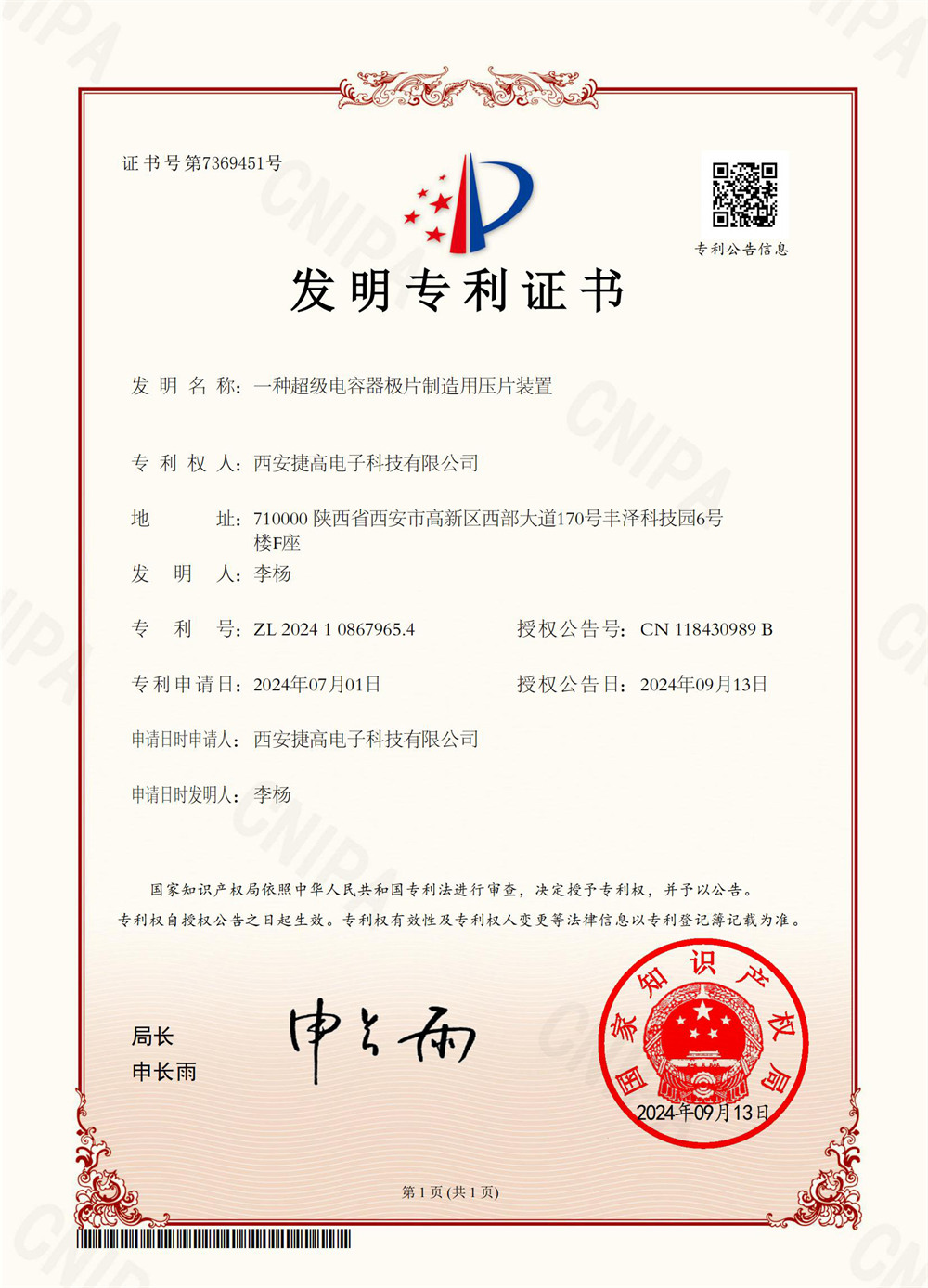
Quality and reliability require strict validation. Dynalink operates advanced testing facilities where every batch of batteries, capacitors, and connectors undergoes environmental, mechanical, and safety testing. We comply with key international standards, as demonstrated by our certifications:

ISO 14001
ISO 9001
ISO 45001
Get technical insights on lithium configurations, cell parameters, charging protocols, and integration pathways.
Lithium Iron Phosphate (LiFePO4 or LFP) offers key safety and lifecycle advantages. LFP operates with high thermal and chemical stability, significantly reducing the risk of thermal runaway even under mechanical puncture or short-circuit. LFP batteries support 3,500 to 6,000 charge-discharge cycles at 80% Depth of Discharge (DOD), compared to the 500 to 1,000 cycles typical of nickel manganese cobalt (NMC) cells, making LFP the standard for long-term industrial assets.
We address mechanical stress through structural cell retention frames and flexible internal busbars, avoiding rigid solder joints that can crack under vibration. Our battery enclosures are manufactured from high-impact ABS-polycarbonate blends or structural aluminum alloys. Internal electronics are encapsulated in thermal silicone potting to protect components, while our high-protection connectors ensure stable electrical contact under continuous shock.
Our battery management systems support standard industrial and marine communication protocols, including CAN bus (J1939, RV-C, NMEA 2000), RS485, and Modbus. This allows integration with vehicle computers, multi-unit solar controllers, and diagnostic systems, enabling remote configuration and status monitoring.
Charging lithium cells below 0°C (32°F) can cause lithium plating, which permanently degrades capacity and safety. To prevent this, Dynalink batteries can be configured with an integrated thermal management system. When a charge current is detected in cold conditions, the BMS directs this energy to internal heating elements rather than the cells. Once the internal temperature reaches a safe threshold (typically 5°C to 10°C), the BMS switches the current to charge the battery cells.
All Dynalink battery designs undergo certification testing to meet global transport and safety requirements. Our systems comply with UN38.3 (critical for air and sea freight), UL 1973 (safety standards for stationary and vehicle auxiliary power applications), CE directives, and IEC 62619 guidelines, ensuring compliance for international distribution.
Explore our complete system-level solutions, including off-grid hybrid power modules, portable power stations, and custom-pitch connection systems.
 Dynalink Electronic