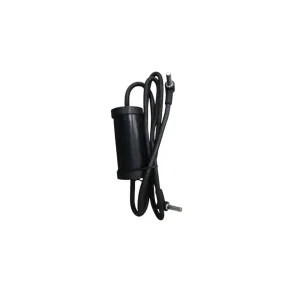
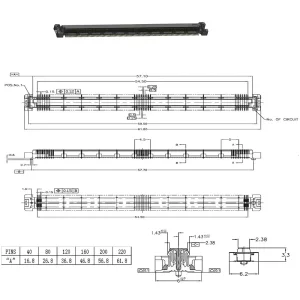
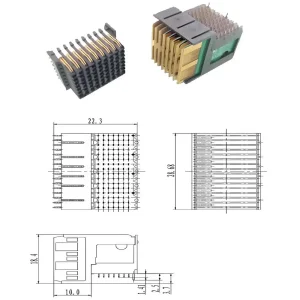
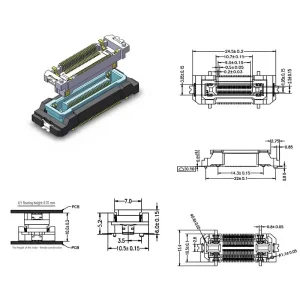
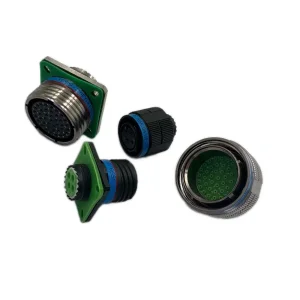
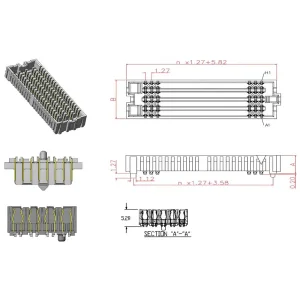
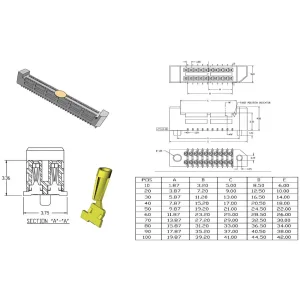
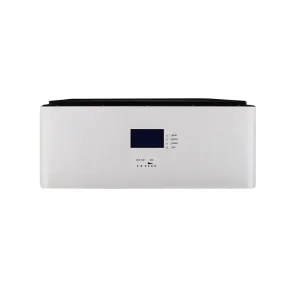
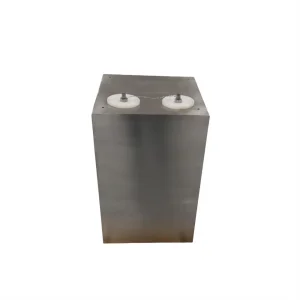
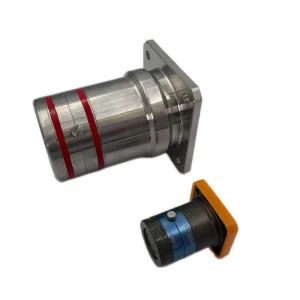
Examine our certified, precision-engineered terminal connectors, capacitors, and energy storage assemblies built to endure demanding environments.
In modern electrical engineering, wire terminal connectors function as critical nodes in complex systems. Far from simple metal stampings, these components are engineered products that must handle escalating currents and high-frequency data while maintaining stability under continuous vibration, thermal cycling, and corrosive environments. As industrial applications grow more demanding, global manufacturers face stricter requirements for conductivity, contact resistance, and housing materials.
From heavy machinery and grid infrastructure to specialized military avionics and rail systems, the choice of terminal connection directly affects overall system reliability. As a leading exporter of industrial electrical interconnects, Dynalink Electronic Technology Co., Ltd bridges these demands with advanced material research, automated manufacturing, and ISO-certified quality management.
The industry is transitioning toward high-density configurations. Industrial terminal blocks, board-to-board plugs, and wire terminals must now deliver higher current capacity within smaller footprints. This transition requires copper alloys with superior electrical conductivity and yield strength, along with advanced electroplating techniques (including gold, palladium-nickel, and specialized matte tin coatings) to prevent whisker growth and galvanic corrosion.
Simultaneously, the expansion of high-voltage automotive systems (EVs) and smart grids has created demand for terminals that can withstand sustained voltages up to 1000V. They must also mitigate thermal runaway risk through optimized heat dissipation designs and robust contact geometry.
International procurement leads, system integrators, and OEM engineers require more than just low-cost parts; they need reliable suppliers with proven technical expertise. When source-evaluating terminal connector lines, procurement departments prioritize compliance with international standards such as UL 486A-486B (for wire connectors), IEC 60947-7-1, and RoHS/REACH environmental mandates.
Full tracking from raw copper ingot chemistry (ASTM specs) to final plating batch verification ensures predictable performance under stress.
RoHS, REACH, and UL certifications verify that insulating plastics and plating metals comply with safety and hazardous substance regulations.
Rapid prototyping, FEA stress simulation, and tooling adjustment services accommodate non-standard geometries and application needs.
To mitigate supply chain risks, companies are moving away from transactional relationships. Instead, they are partnering with established manufacturers that offer engineering support, comprehensive testing reports (covering contact resistance, insertion force, thermal cycling, and salt spray testing), and flexible logistics.
Established in 2007, Dynalink Electronic Technology Co., Ltd (DL) has developed into a technology-driven manufacturing enterprise. Today, DL operates with a workforce of over 800 employees, including more than 200 dedicated technical staff. We specialize in the R&D, design, and manufacturing of high-reliability power supplies, energy storage capacitors, and precision connectors.
By investing consistently in research and development, we have established a vertically integrated industrial chain. This encompasses initial material research and development, product design, precise stamping and molding, and automated final assembly.
This integrated control ensures our products meet the quality and reliability standards required for key fields such as aerospace, aviation, maritime shipping, railways, new energy vehicles, industrial robotics, UAVs, and medical equipment.
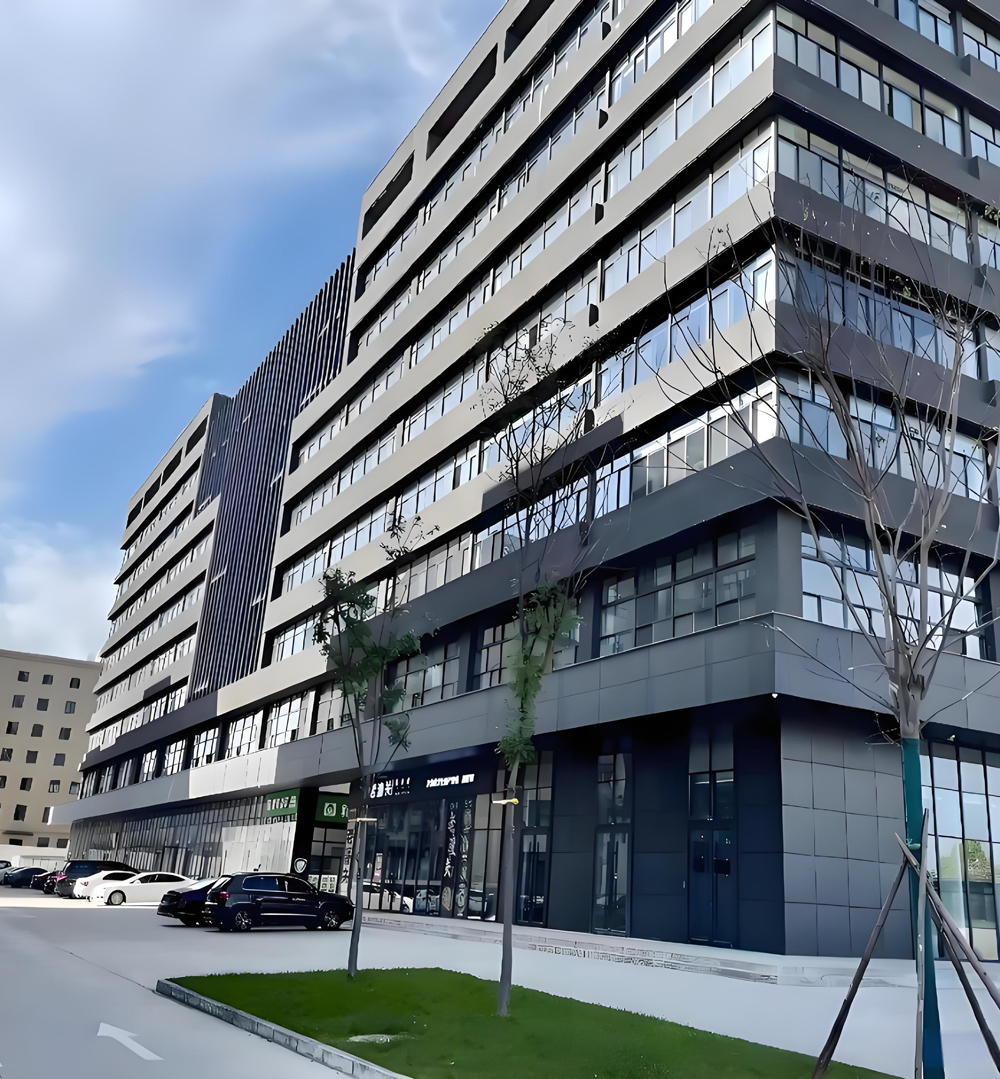
DL’s manufacturing facility utilizes advanced production processes to ensure consistency across large-volume production runs. Our factory integrates automated production lines, computer-controlled stamping, automated wire processing, and high-speed multi-contact insertion.
Real-time optical inspection (AOI) and automated electrical testing monitor every production step to verify contact alignment and housing integrity.
In-house progressive die design and maintenance help protect customer designs, shorten lead times, and control component tolerances.
By sourcing raw materials locally and utilizing proximity to major ports, we maintain consistent production schedules despite changing global conditions.
This infrastructure enables us to maintain design consistency from prototype evaluation to mass production. For international buyers, this translates to stable manufacturing, reliable lead times, and predictable electrical performance across every delivered batch.
How our high-durability terminal connectors and power modules perform in demanding environments.
We operate under a strict quality management system to ensure our production processes meet global safety standards.
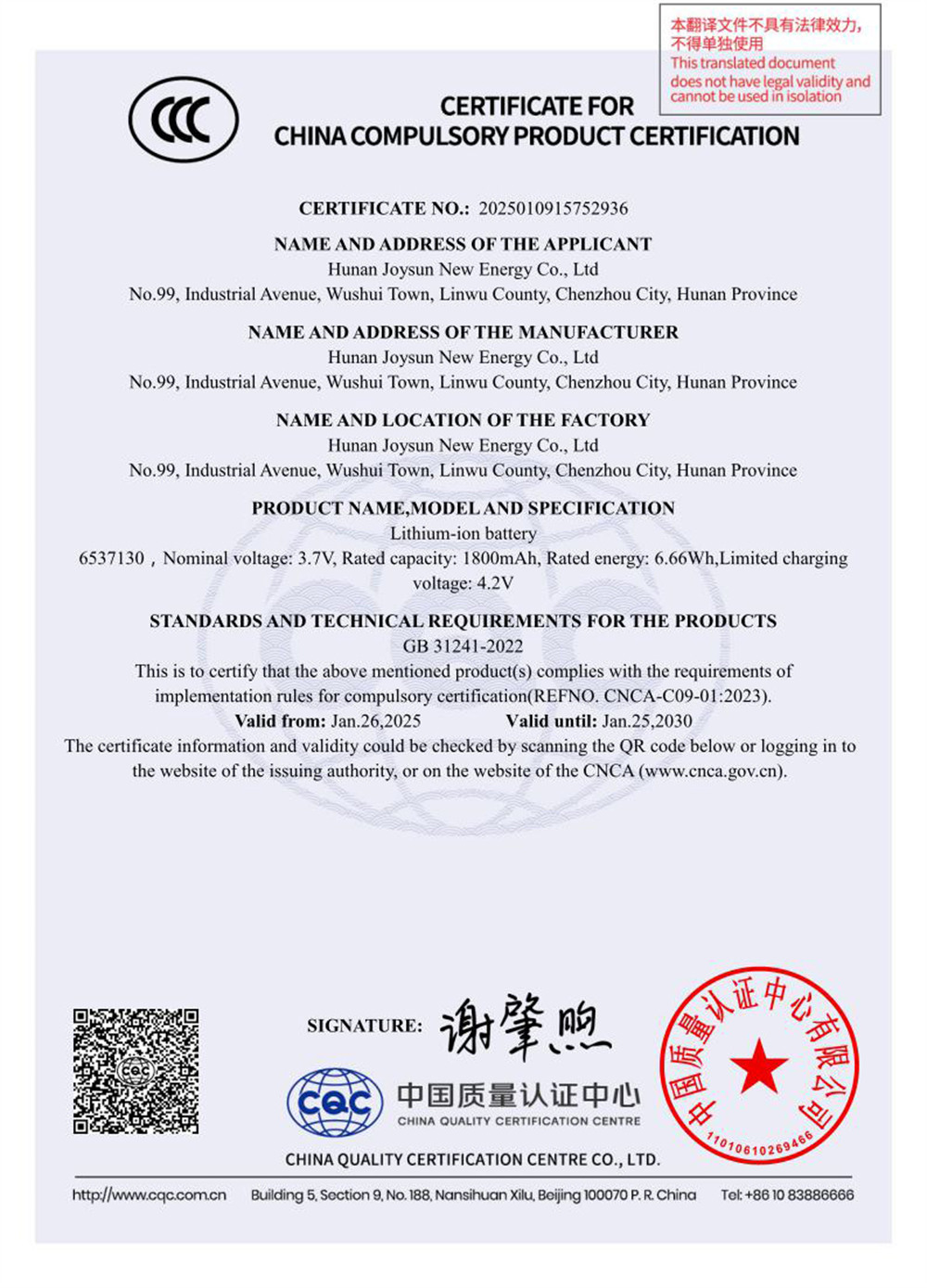
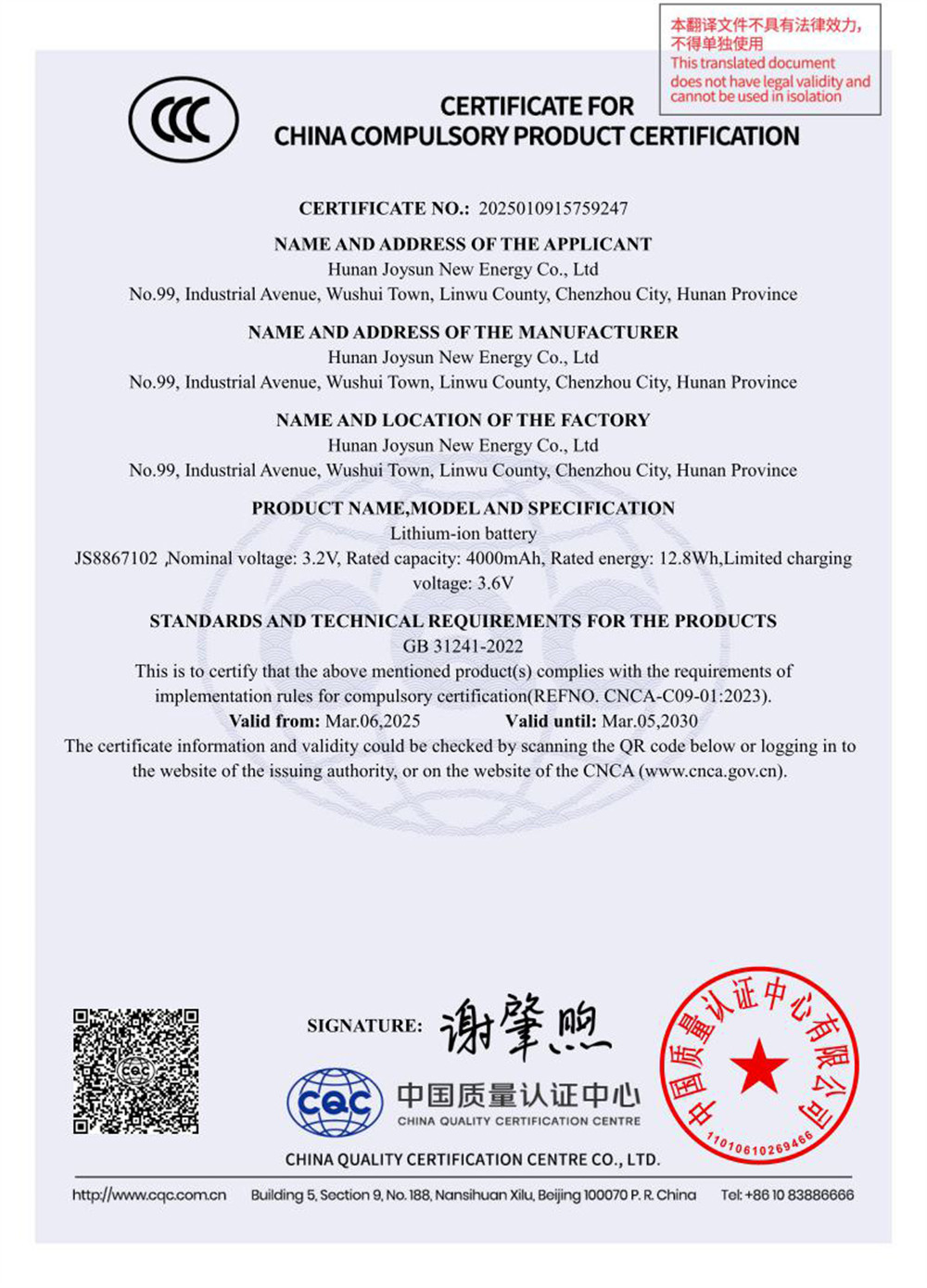
Verifies our environmental management systems, focused on reducing waste and improving resource efficiency across our factories.
Confirms our quality management system, ensuring repeatable production processes and consistent product quality.
Indicates our occupational health and safety standards, designed to maintain a safe and productive environment for our workers.
Answers to common questions about selecting, specifying, and sourcing wire terminal connectors.
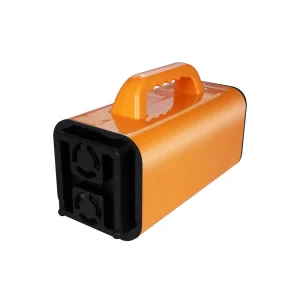
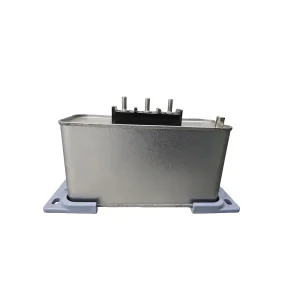
Examine our power systems, capacitors, and pitch connectors designed to complement industrial installations.
 Dynalink Electronic