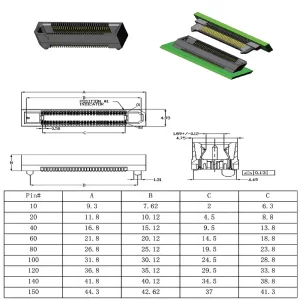
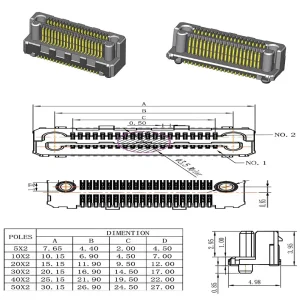
Explore our custom design systems spanning power supplies, energy capacitors, and high-frequency connectors designed for demanding environments.
As the global energy landscape transitions rapidly toward decarbonization, Lithium Iron Phosphate (LFP) chemistry has emerged as the definitive standard for industrial, commercial, and utility-scale Energy Storage Systems (BESS). Unlike conventional Nickel Manganese Cobalt (NMC) chemistries, LFP offers unparalleled thermal stability, structural resilience, and an optimized Total Cost of Ownership (TCO) that appeals to modern procurement teams.
As a leading ODM Phosphate Battery Supplier, Dynalink Electronic Technology Co., Ltd (DL) integrates mechanical precision, cell chemistry engineering, and smart Battery Management Systems (BMS). Our capabilities extend beyond standard cell distribution; we offer comprehensive system design, high-frequency connectors, and railway-grade capacitors to deliver unified, plug-and-play energy storage units designed to endure demanding operational cycles.
LFP chemistry features zero cobalt and nickel dependencies, mitigating raw material volatility and delivering up to a 40% reduction in lifetime cost per kilowatt-hour (kWh).
Engineered LFP systems perform between 4,000 and 8,000 complete charge/discharge cycles at 80% Depth of Discharge (DoD) before degradation milestones.
LFP exhibits an elevated thermal runaway threshold of approximately 270°C, significantly minimizing fire risks in dense commercial installations.
Established in 2007, Dynalink (DL) has developed into a technology-driven manufacturing enterprise with a workforce exceeding 800 employees, including over 200 dedicated technical staff and specialized engineering experts.
DL operates on a fully integrated value chain encompassing raw material research, product conceptualization, structural engineering, precision tool mold manufacturing, and automated assembly line management. This control loop ensures high dependability and low tolerance variation across our entire product catalog—power supplies, energy storage components, and precision connectors.





To address the complexities of modern international supply networks, Dynalink has integrated Factory 4.0 protocols within our central assembly hubs. Our facility manages manufacturing through a real-time MES (Manufacturing Execution System) tracking framework, registering cell grading, voltage variance, electrical contact testing, and resistance parameters across each assembly step.
By designing and manufacturing both the structural battery cases, busbars, and our custom interconnect interfaces, we minimize points of failure common in fragmented supply chains. This vertically integrated manufacturing strategy yields significant advantages:
Our engineering solutions are customized to enhance battery life and protect vital circuitry across a variety of demanding applications.
High-discharge C-rate cells and lightweight interconnect designs ensure stable power delivery, reliable heat dissipation, and robust physical connections during intense operations.
High-speed connector designs matched with low-loss LFP battery racks provide instantaneous uninterruptible backup power while keeping signal attenuation to a minimum.
Durable, high-IP-rated connector assemblies and resilient battery modules support uninterrupted operation on factory floors subject to vibration, heat, and oil exposure.
Using custom-developed design models, we rapidly iterate product specifications, accommodating custom cell footprints and challenging electronic configurations.
Our engineering divisions adapt layouts to meet local electrical codes, regulatory hurdles, and unique regional grid connection requirements.
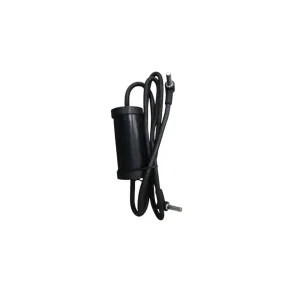
We design high-voltage components like the railway track compensation capacitor to manage inrush currents, shielding sensitive cell modules during surge events.
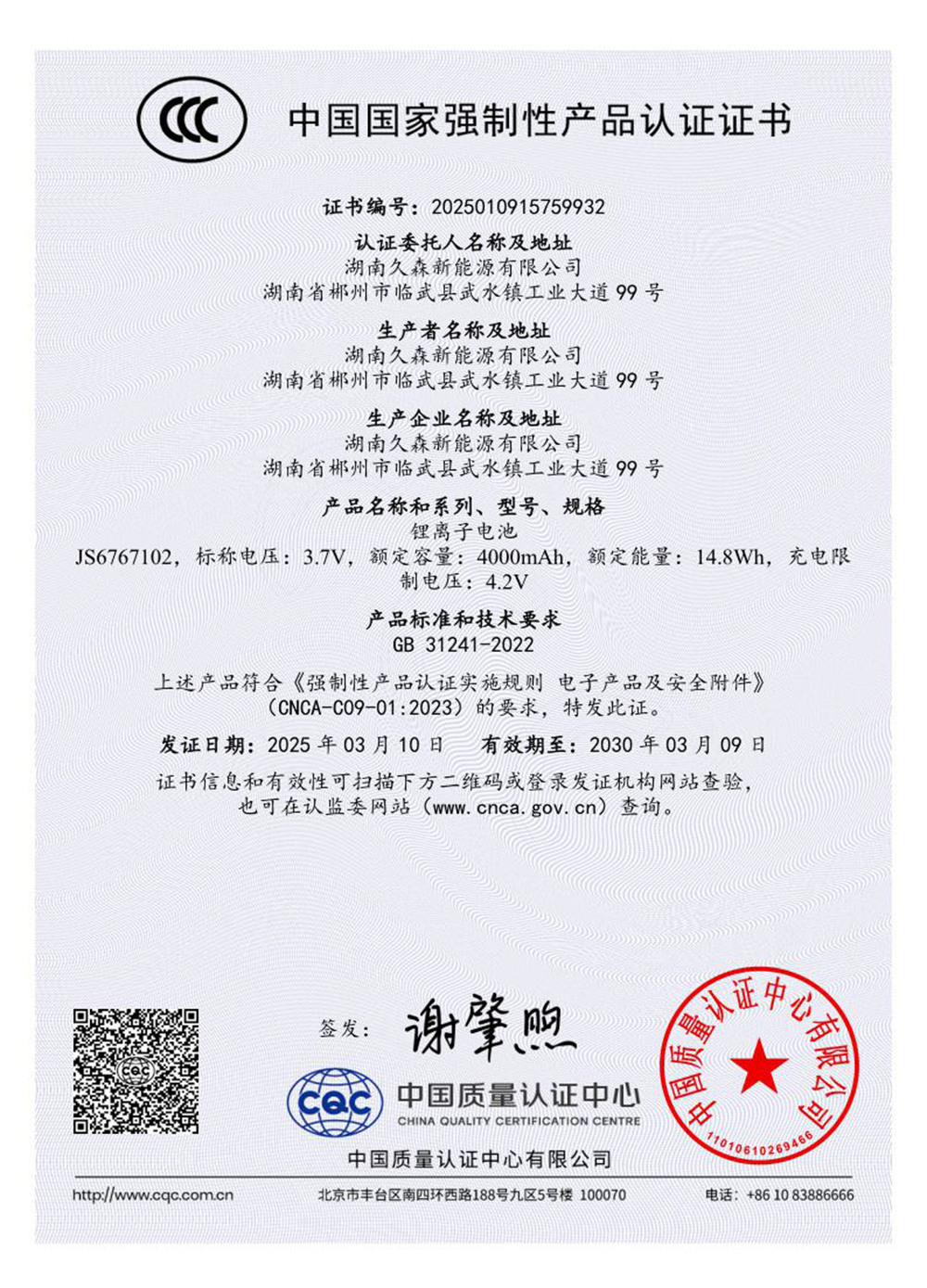
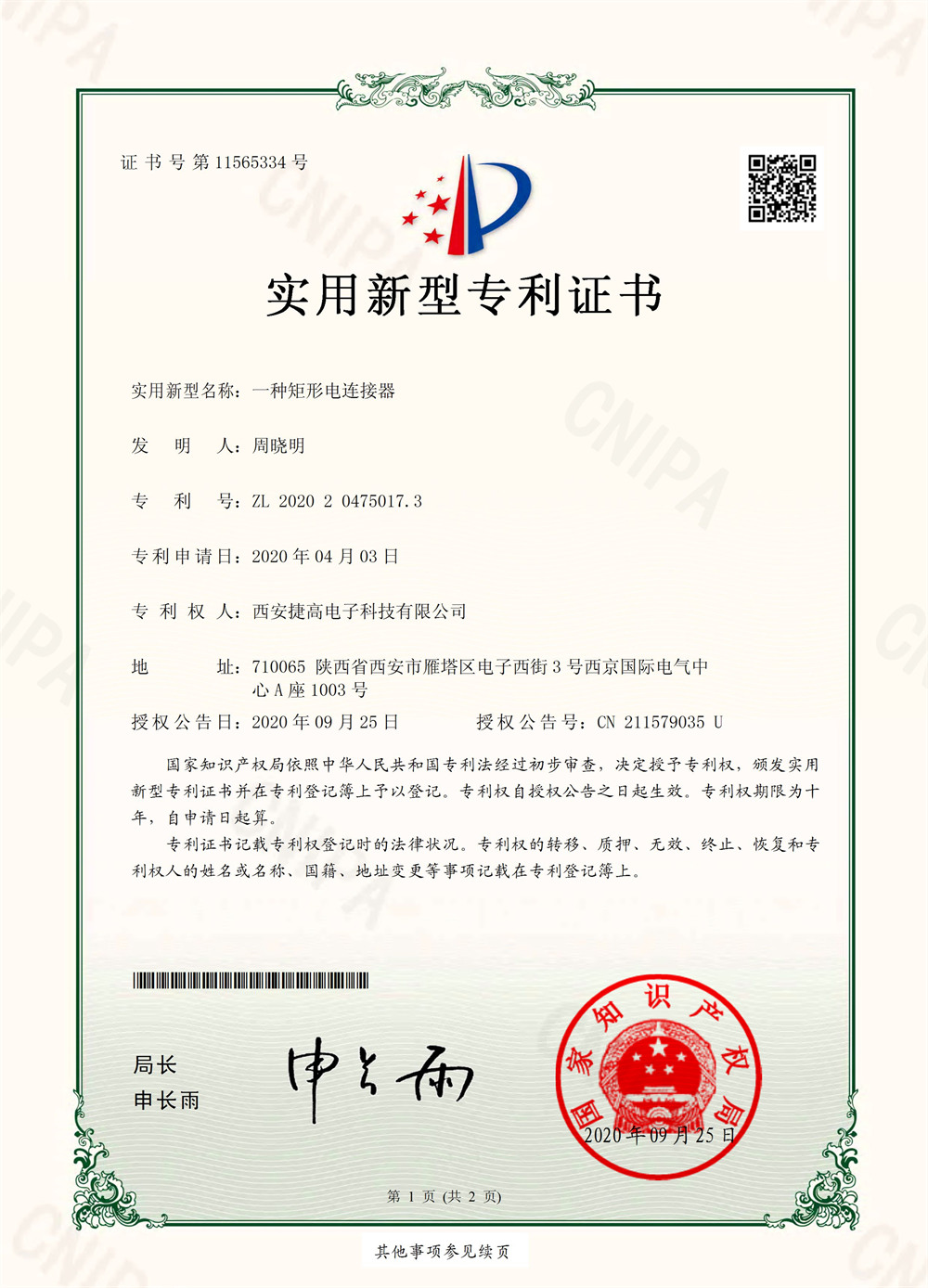
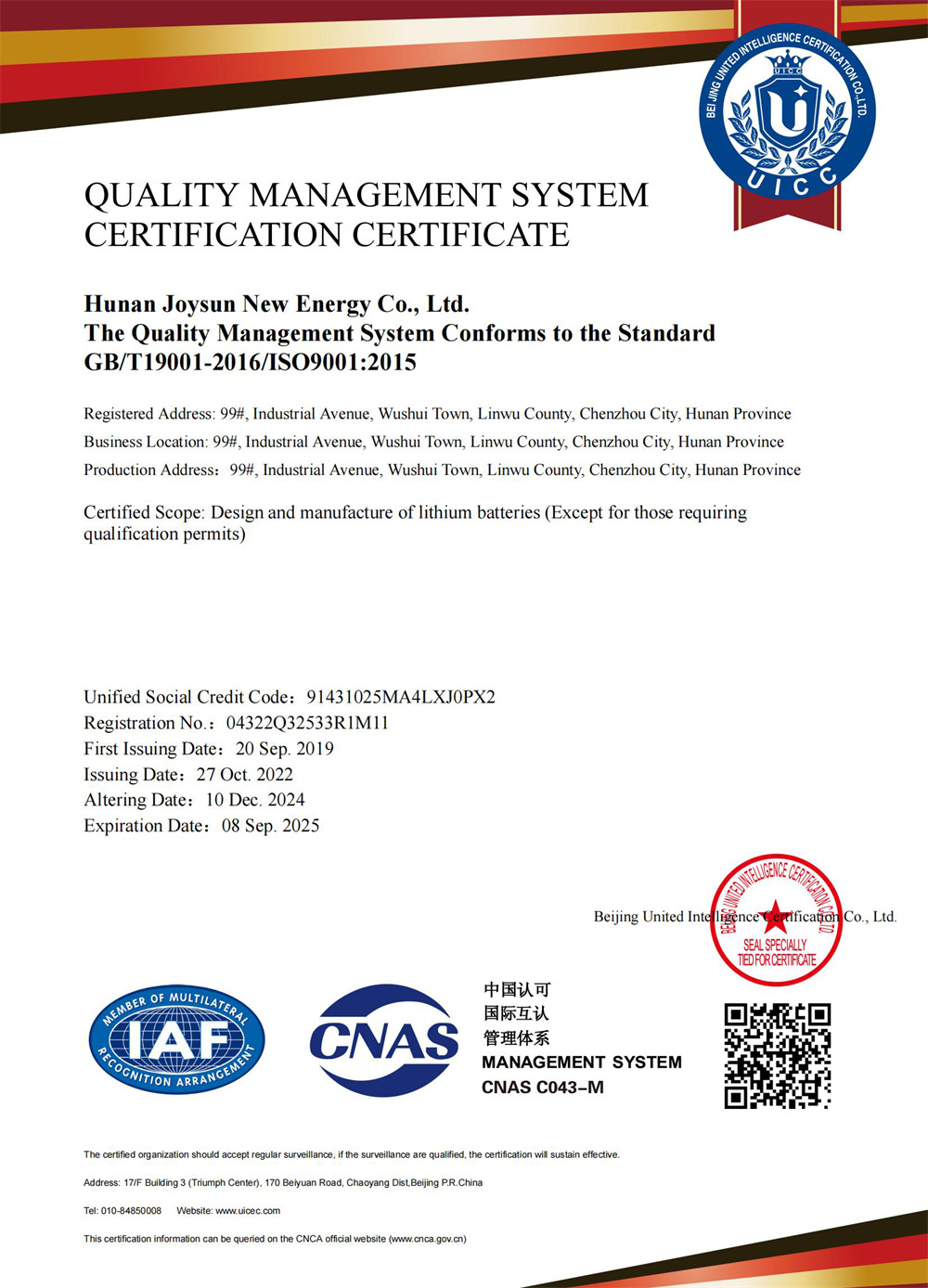
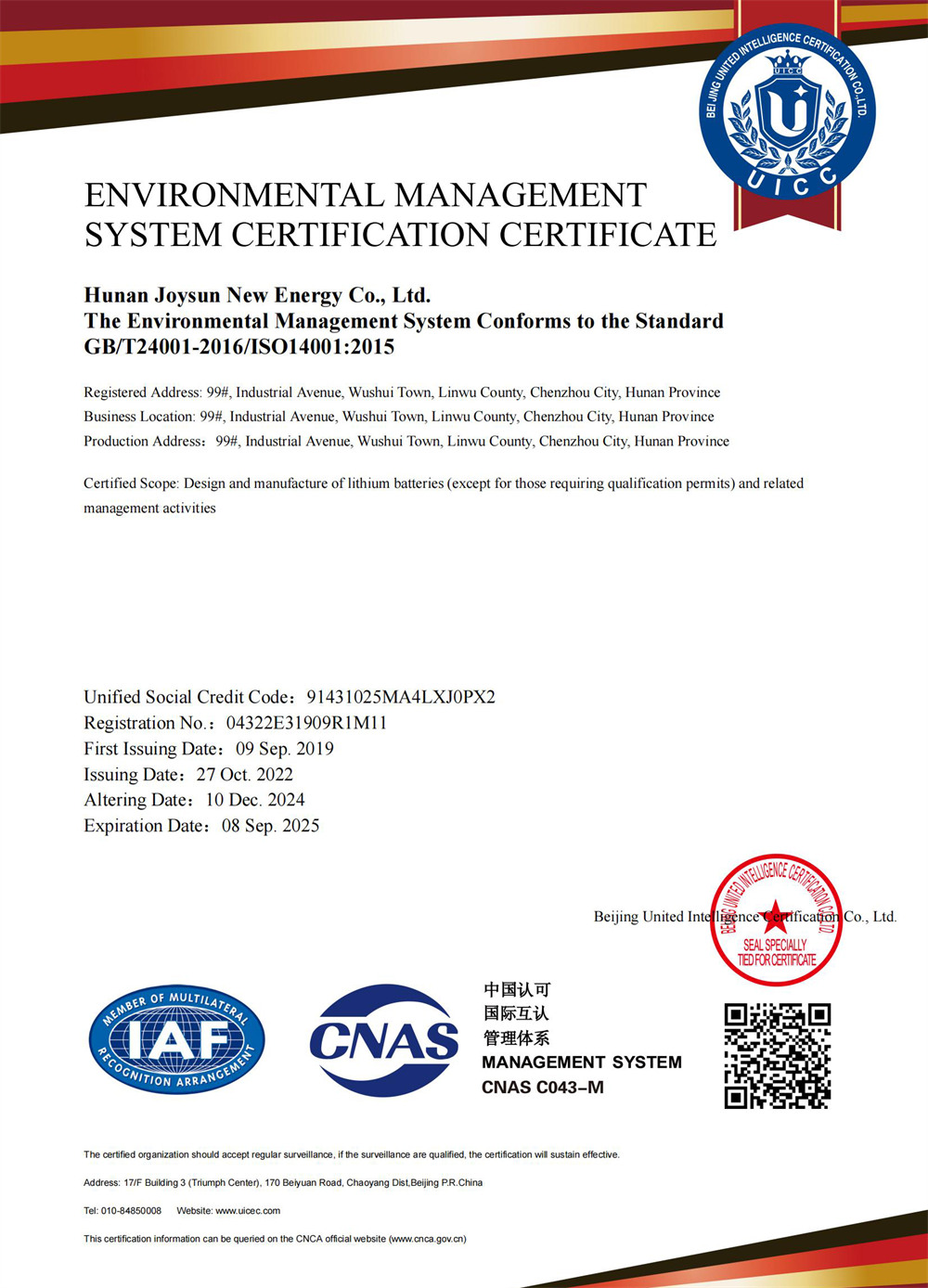
Our manufacturing facility operates under strict global safety protocols, ensuring all product series meet international compliance expectations.
B2B buyers prioritizing long-term value over upfront costs evaluate battery purchases based on the Levelized Cost of Storage (LCOS). Calculating the value of an energy storage project involves analyzing total operational cycles, thermal efficiency losses, and integration costs. While Lithium Iron Phosphate (LFP) systems typically require a slightly higher initial capital outlay than lead-acid options, they offer clear financial advantages over their lifetime:
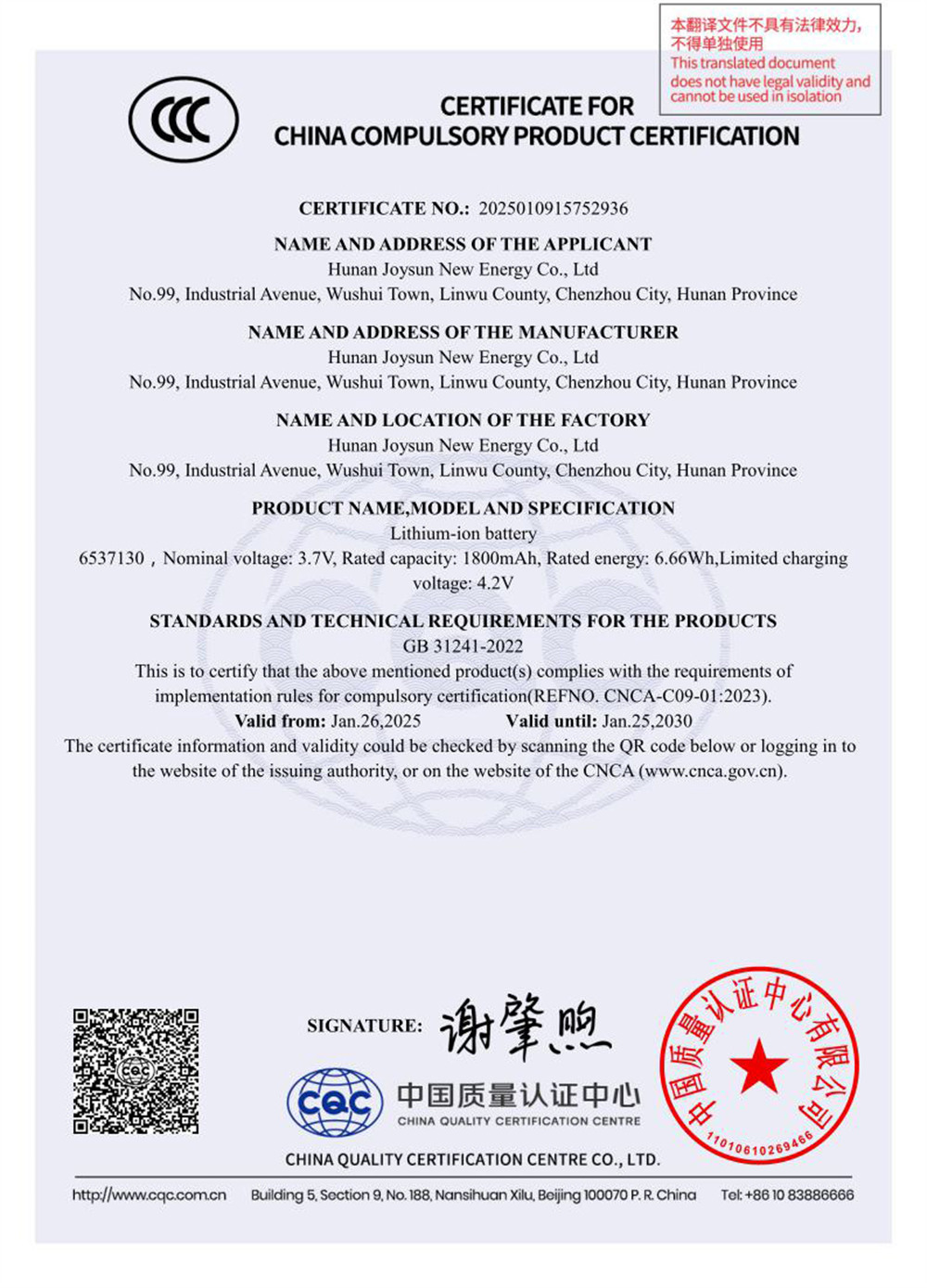
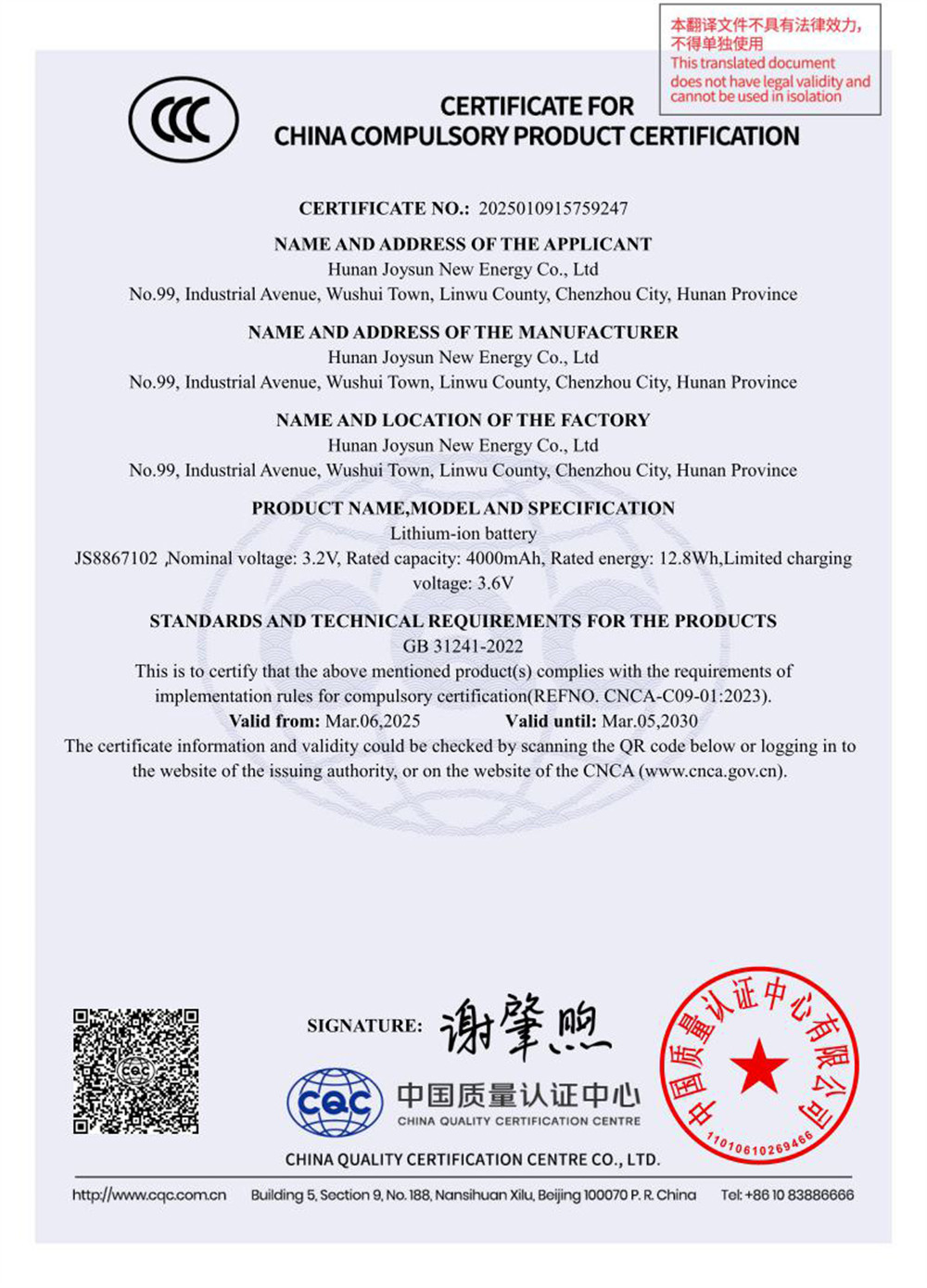
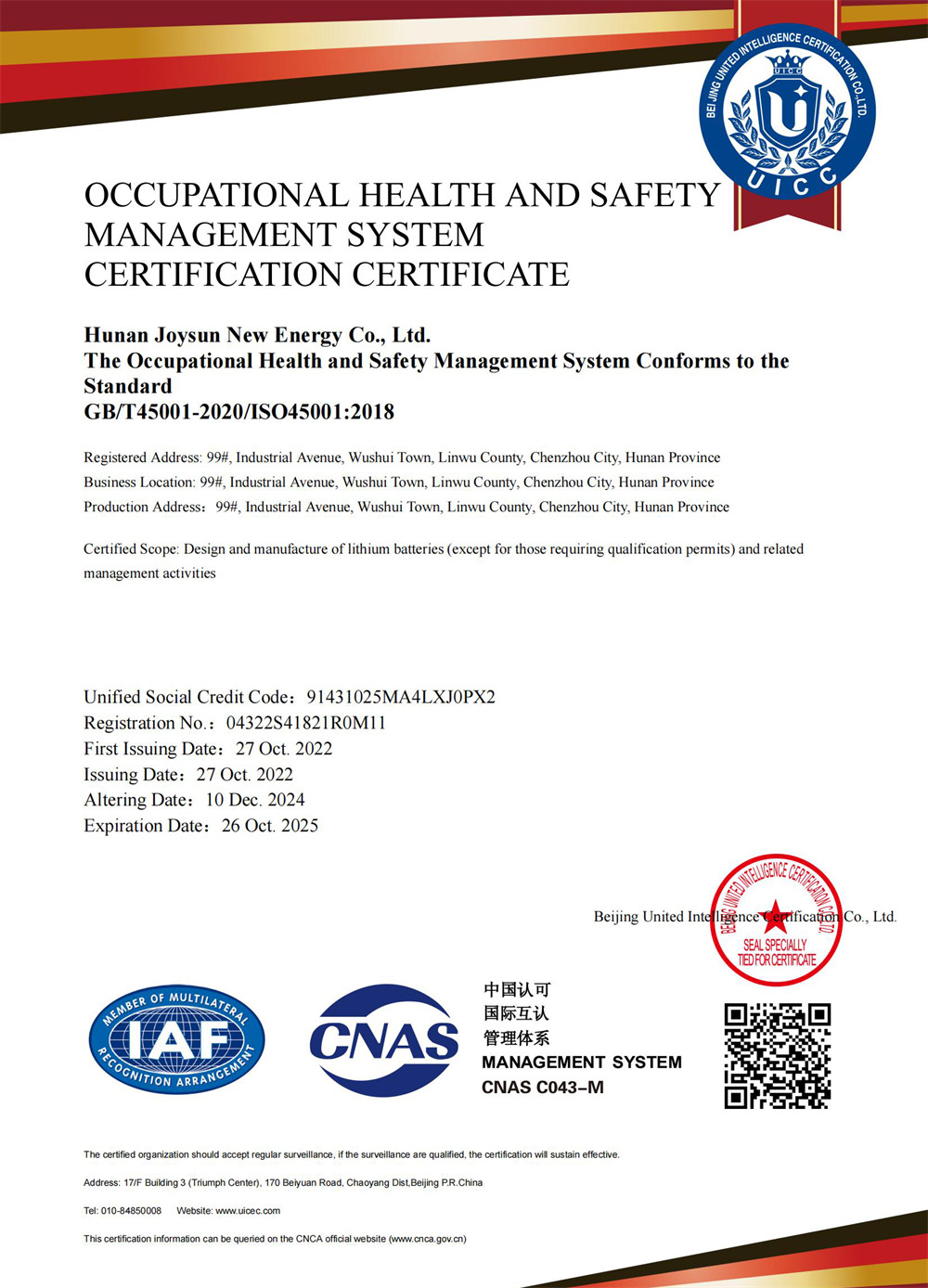
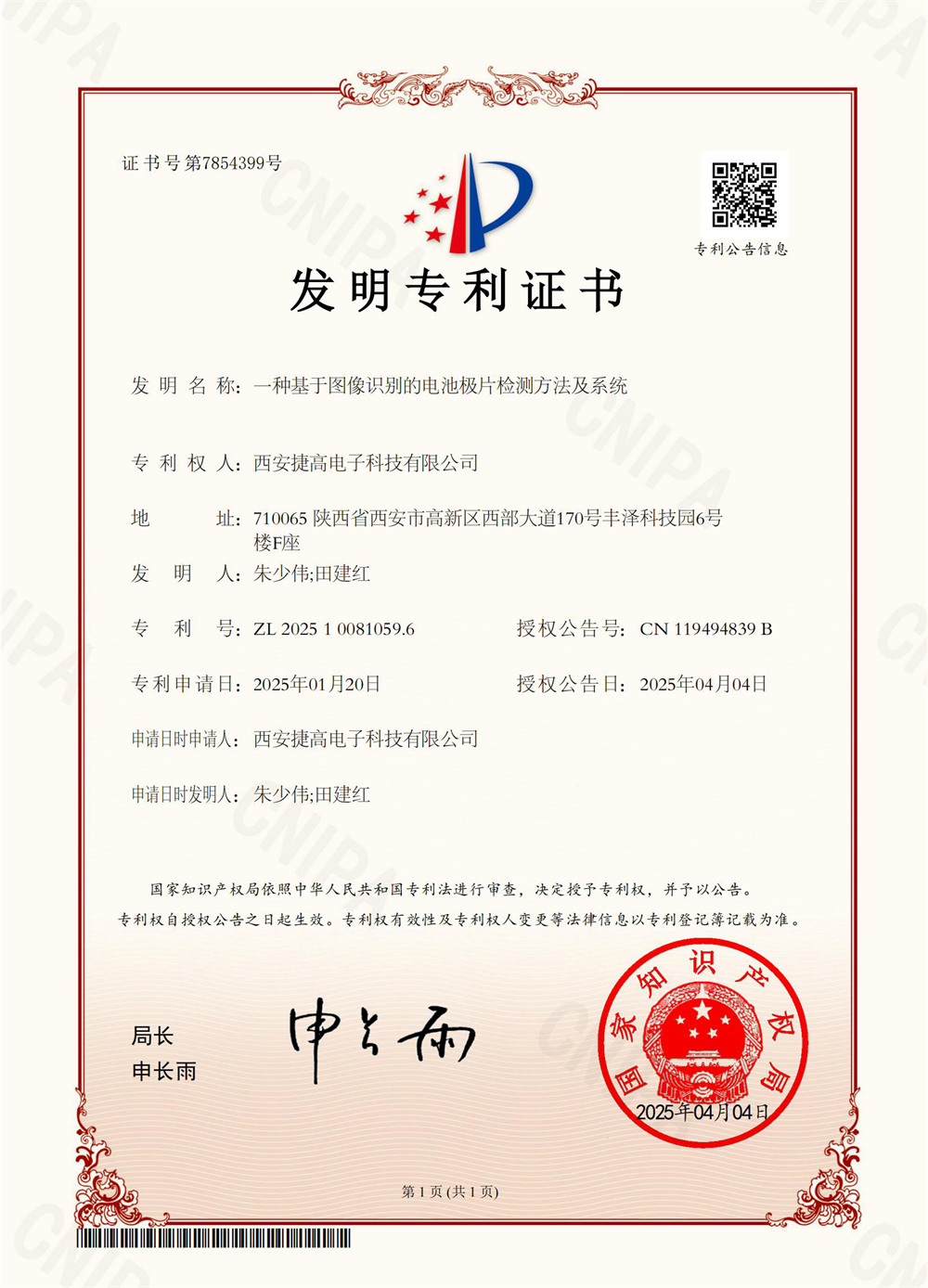
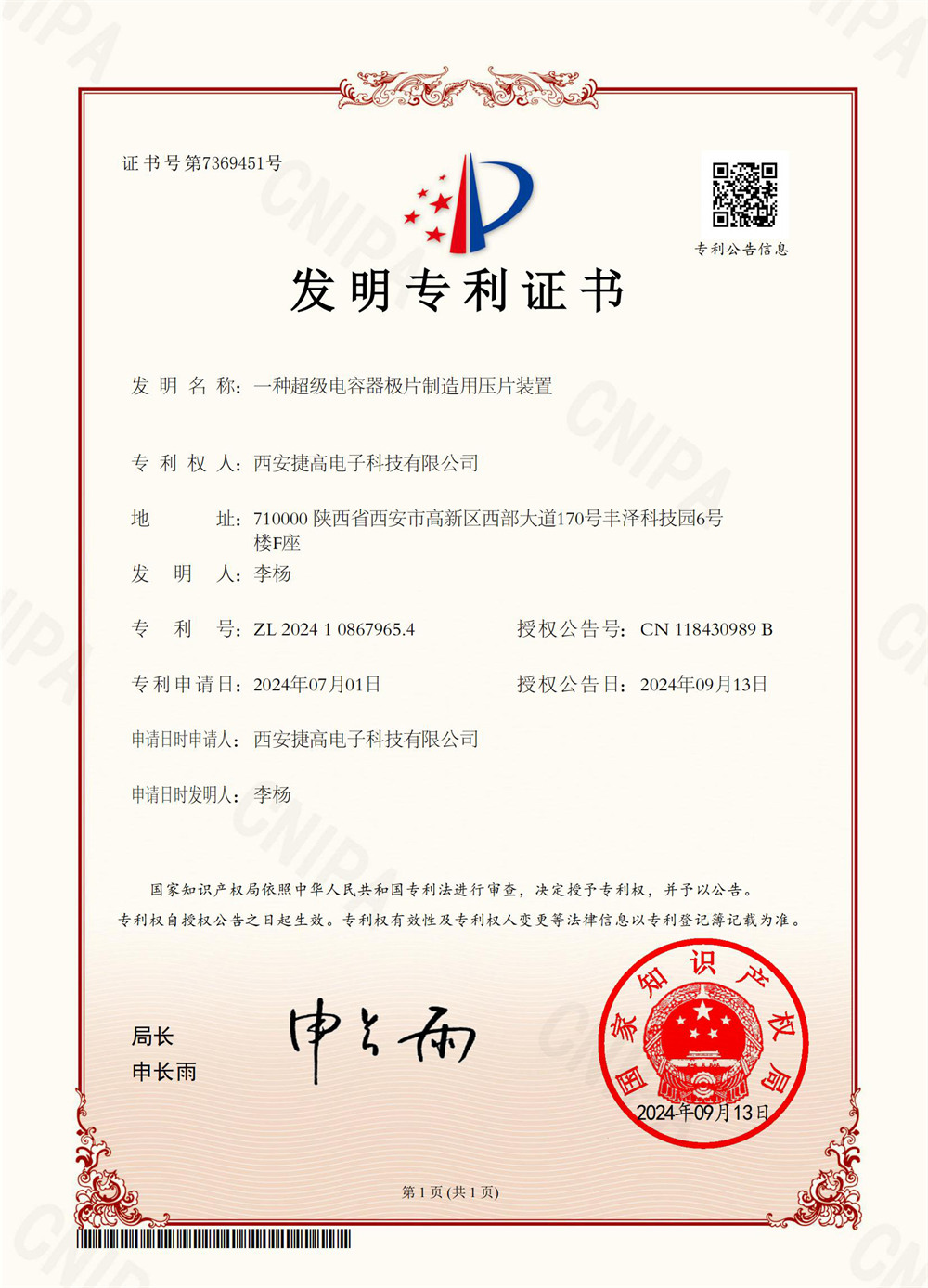
Industrial battery systems must meet stringent regional safety and operational standards before grid integration. When evaluating an ODM partner, verification of the following certifications is critical:
A battery system is only as strong as its connections. Poor interconnect design can lead to voltage drops, hotspot development, and localized heating, accelerating cell degradation.
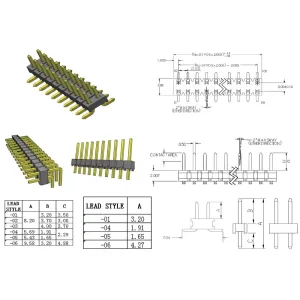
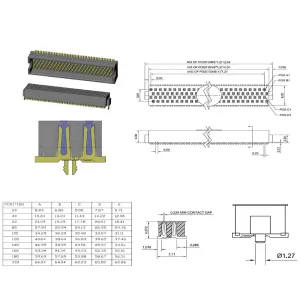
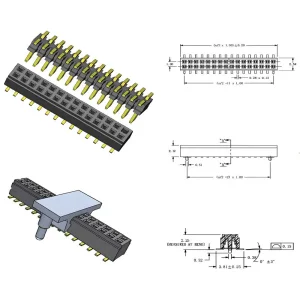
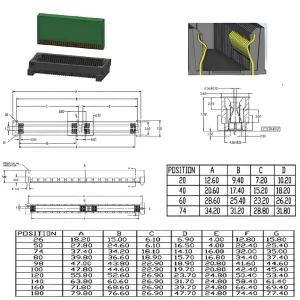
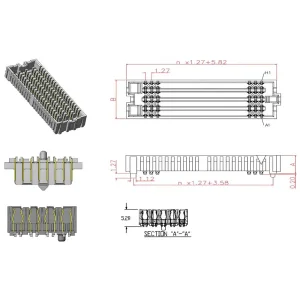
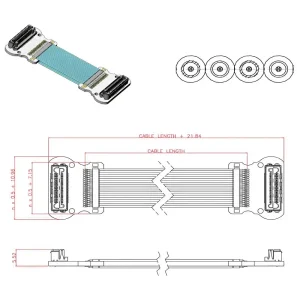
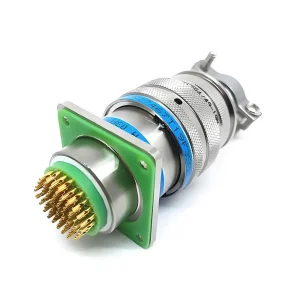
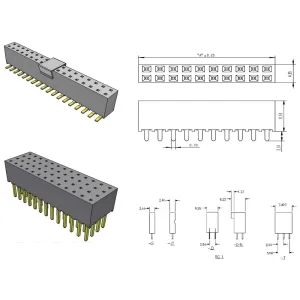
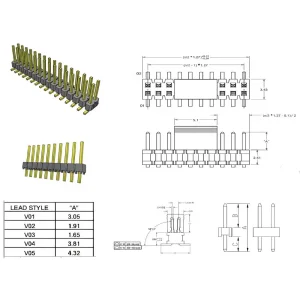
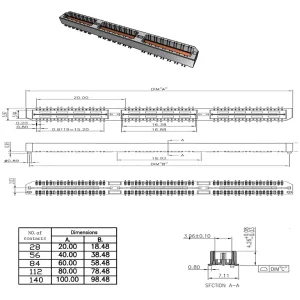
At Dynalink, we address this by designing both the battery modules and the electrical interconnects. Our pin headers, gold finger sockets, and heavy-duty busbars are engineered to match the current capacity of our battery configurations. This integrated design approach ensures consistent contact pressure, low electrical resistance, and long-term durability.
Answers to common engineering questions regarding the application and deployment of LFP systems.
Explore our full line of connectors and electrical integration solutions built for demanding applications.
 Dynalink Electronic