High-Reliability Backplane Signal Solutions & Custom Embedded Systems Integration for Global Defense, Aerospace, Data Infrastructure, and High-Speed Computing.
Explore our top-tier rugged components designed for high-density, critical environmental applications.
Understanding VPX architecture (VITA 46/48/65) and why robust backplane connectivity dictates the limits of modern computing systems.
In high-performance embedded computing (HPEC), VPX (VITA 46) and OpenVPX (VITA 65) represent the gold standard for rugged, modular applications. Originating from VMEbus technology, VPX introduces high-speed serial fabrics like PCIe Gen 4/5, 10G/40G/100G Ethernet, and RapidIO directly to backplane applications. As sensor intelligence, artificial intelligence (AI), and real-time processing demands skyrocket in military, aerospace, and advanced industrial automation, standard commercial-off-the-shelf (COTS) connectors no longer suffice.
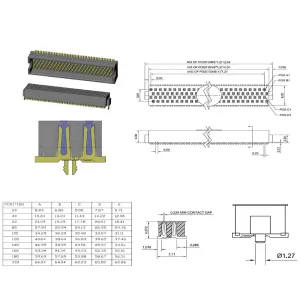
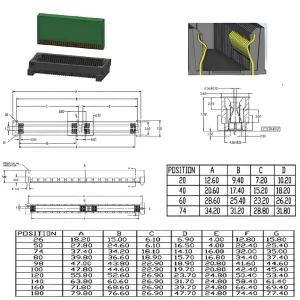
Designing VPX connectors requires precise engineering to maintain signal integrity up to 25 Gbps per channel under extreme environmental stress. Our custom ODM engineering capabilities ensure customized pin-outs, RF (VITA 67) integrations, optical (VITA 66) sub-systems, and tailored mechanical shielding that mitigate electromagnetic interference (EMI) and crosstalk. This whitepaper analyzes how high-performance connectors enable reliable data transfers within extreme physical constraints, outlining key considerations for hardware engineers and procurement teams alike.
Modern system design requires complete adherence to VITA 46, VITA 48 (REDI), and VITA 65. Our research and manufacturing facility ensures every customized VPX backplane and mezzanine connector meets or exceeds standard physical and electrical parameters, maintaining strict backward compatibility where required.
The transition from parallel bus architectures to high-speed serialized channels has altered the physical demands on backplane connectors. Contact pitch, path lengths, stub termination, and impedance matching must be monitored down to the picosecond. VPX connectors achieve these tight tolerances by utilizing wafer-based structures and specialized shieldings that isolate differential pairs. Our ODM services specialize in co-developing tailored configurations that enable high density while preserving thermal pathways, facilitating the thermal management specified in VITA 48 liquid and conduction-cooled platforms.
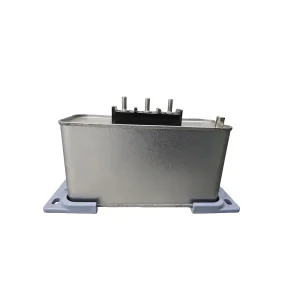
Established in 2007, Dynalink Electronic Technology Co., Ltd (DL) currently has a workforce of over 800 employees, among which more than 200 are technical staff. We are a technology-driven design and manufacturing enterprise specializing in power supplies, energy storage capacitors, and high-performance connector systems.
With continuous investment in research and development and robust innovation capabilities, we have built a complete industrial chain encompassing material R&D, structural design, simulation validation, precision tooling, and automated manufacturing. Thanks to our high reliability and performance advantages, our products are widely utilized in fields such as aviation, aerospace, shipping, railways, new energy vehicles, the medical industry, UAVs, and robotics.
Relying on our self-developed intelligent design platform, we can quickly respond to customer needs and provide integrated solutions from high-frequency components to complex system architectures.
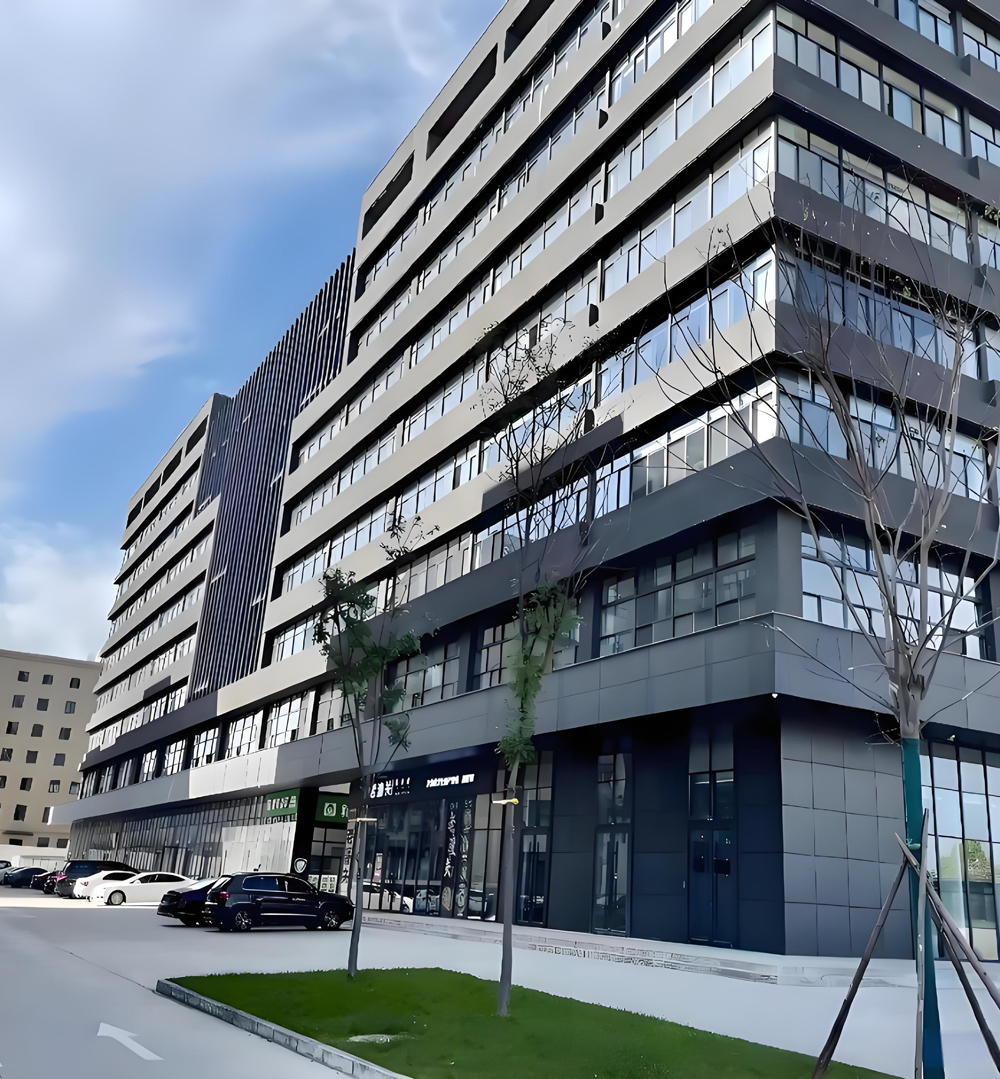



How our centralized production model accelerates time-to-market while reducing systemic cost overheads.
By owning our tool-and-die shops, we produce precision plastic and metal inserts with tolerances under 0.005mm. This reduces production lead times for custom VPX shells from months to weeks.
Our dedicated material lab optimizes copper alloys for higher conductivity, and develops high-temp liquid crystal polymers (LCP) ensuring our connectors resist solder reflow temperatures up to 260°C.
Equipped with state-of-the-art optical inspection (AOI) and high-speed multi-axis assembly robots, we assure consistent plating thickness (gold over nickel barrier) and zero pin insertion misalignment.
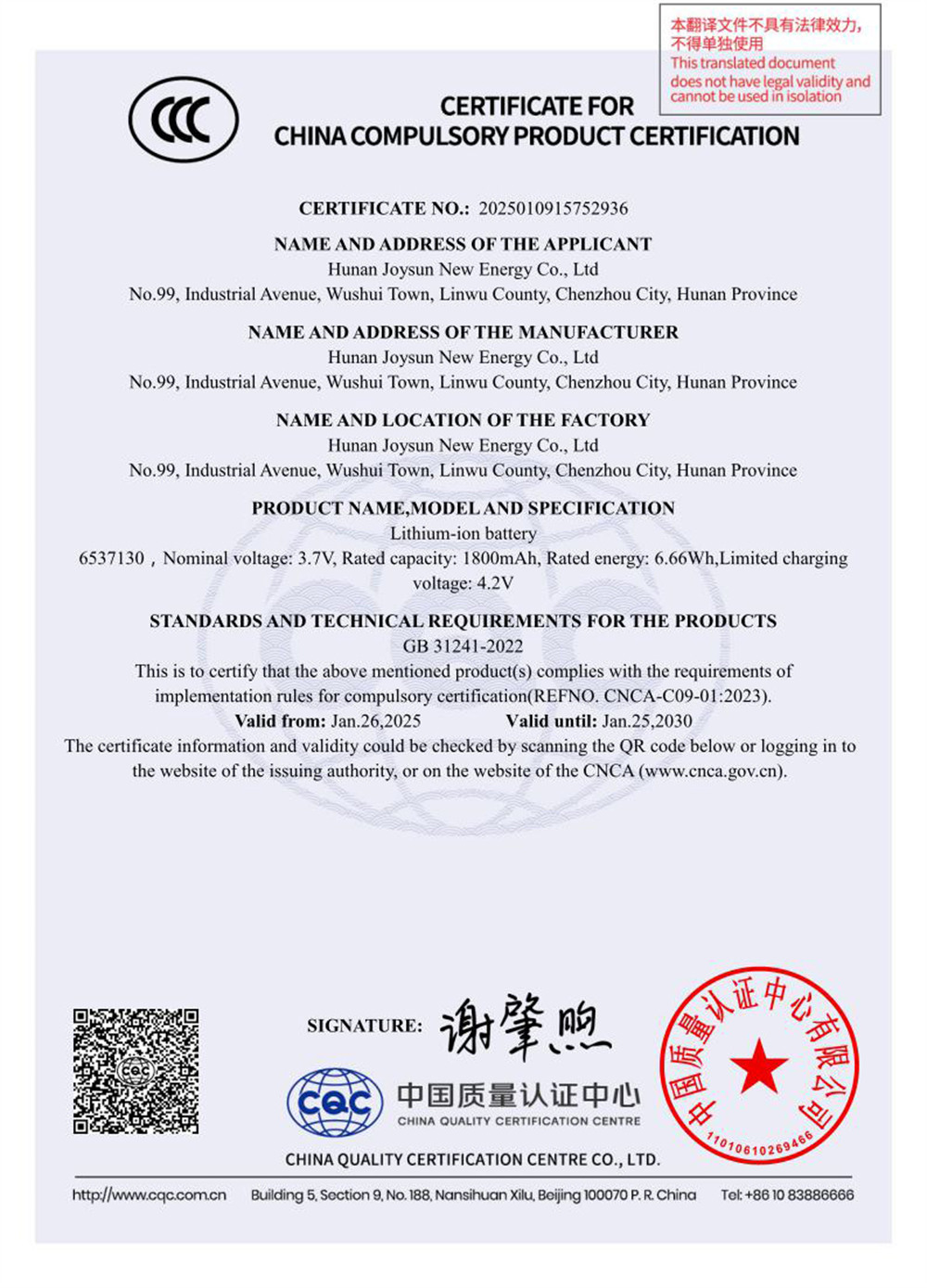
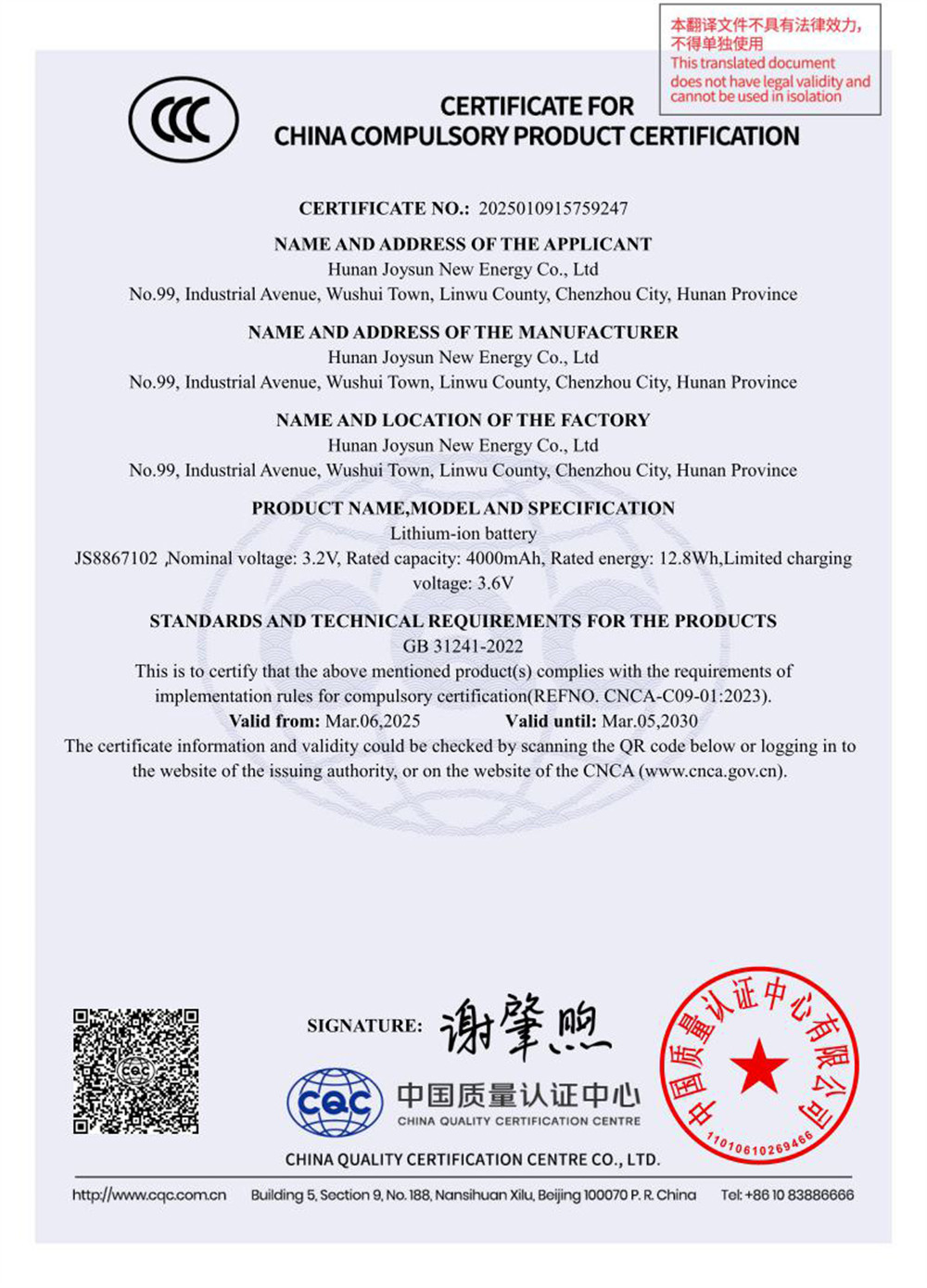
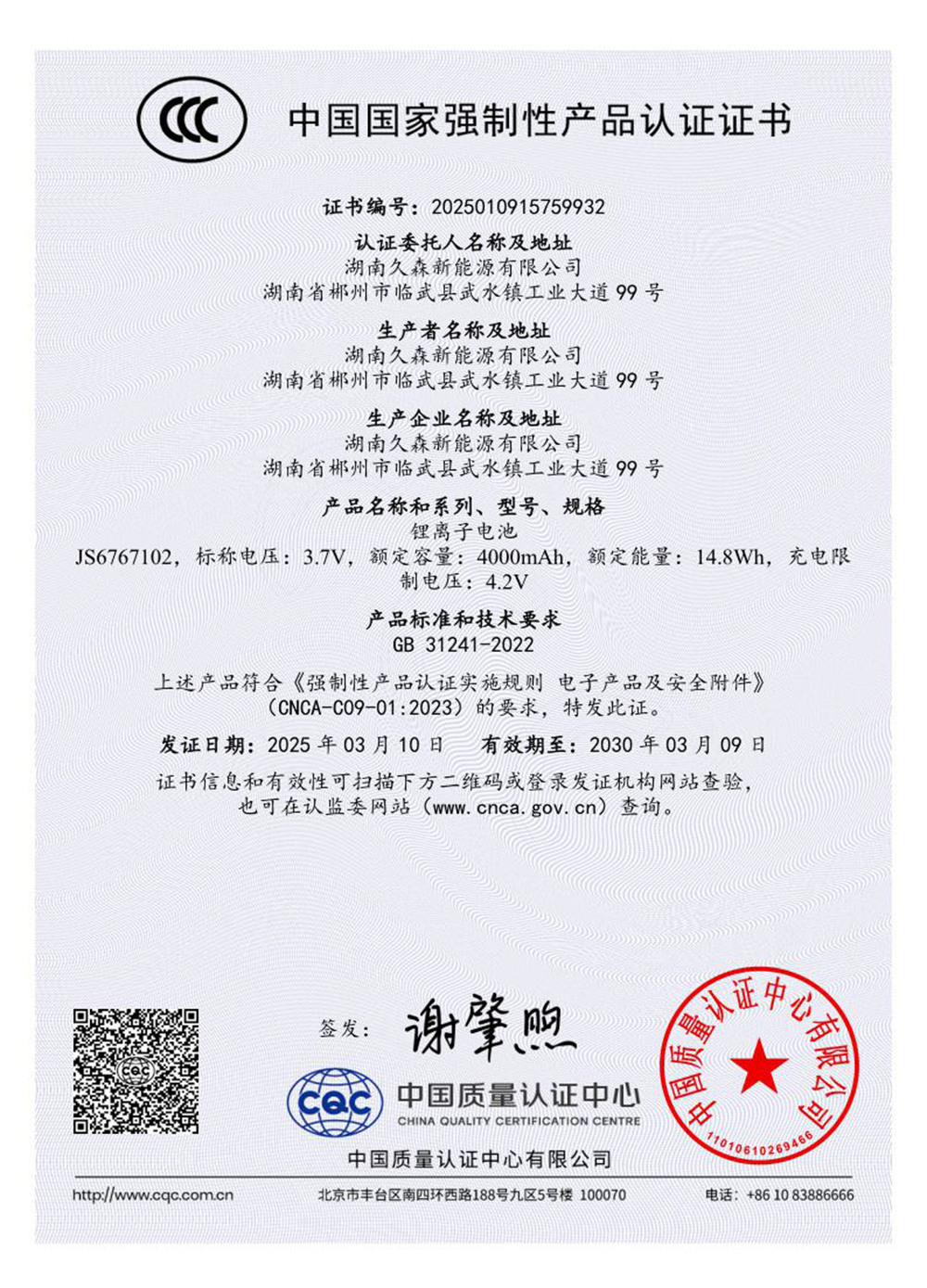
For international buyers in Europe, North America, and the APAC region, localized technical support is paramount. DL maintains dedicated Field Application Engineers (FAE) to support high-speed routing design reviews, backplane stack-up consultations, and SI (Signal Integrity) simulation validation.
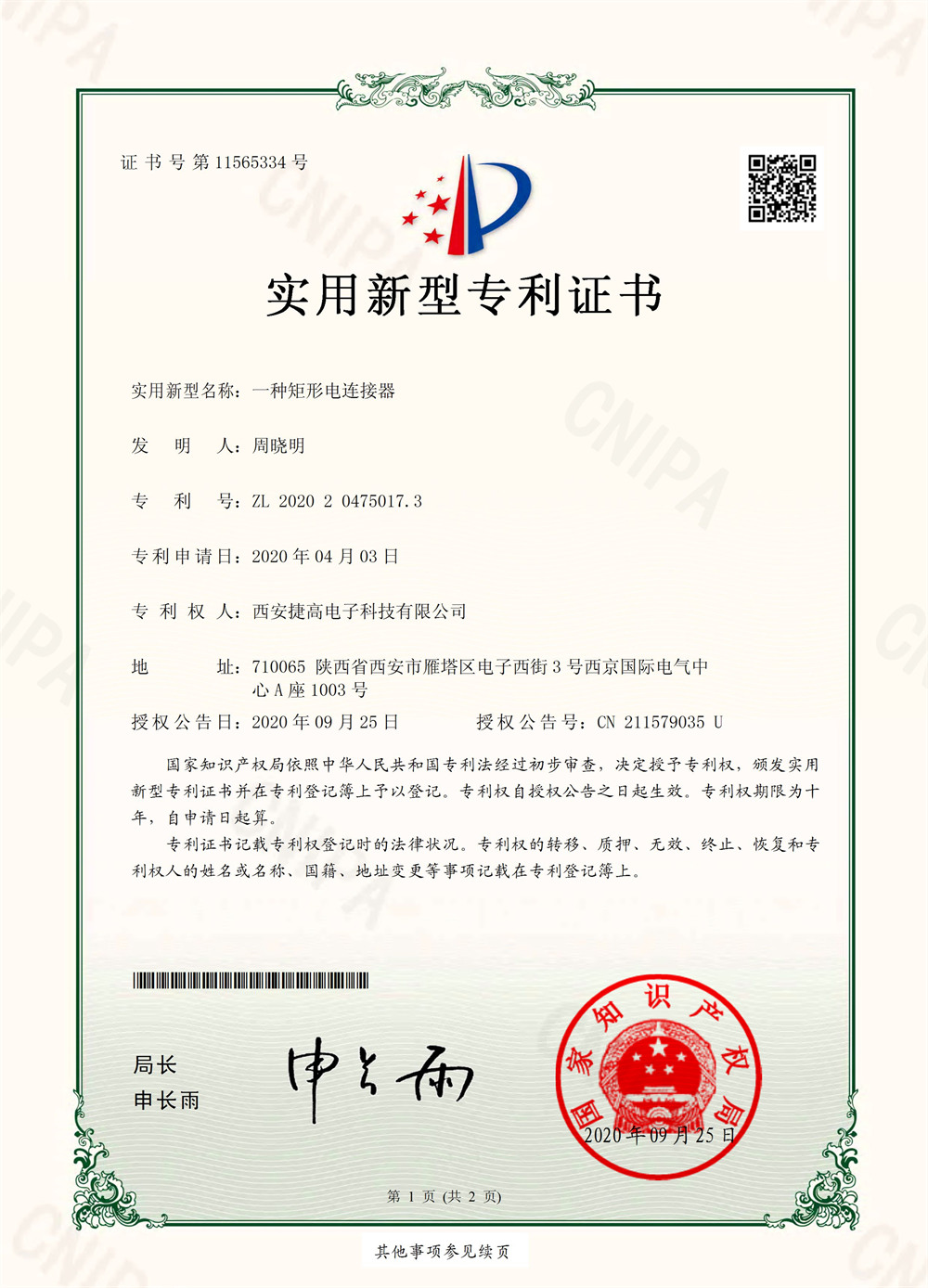
Strict Regulatory Compliance: Our manufacturing processes are fully compliant with RoHS 3, REACH, and WEEE directives. We ensure raw material traceability down to the mining lot, protecting global OEMs from complex supply chain compliance liabilities.
Harsh Environment Qualifications: To meet the rugged requirements of MIL-STD-810H and VITA 47 standards, our connectors undergo extreme validation testing, including salt spray corrosion (up to 500 hours), mechanical shock (100g, 6ms), random vibration (20g peak, 10-2000Hz), and wide thermal cycling ranges (-65°C to +125°C).
VPX and related high-density connectors deployed in demanding environments.
Unmanned Aerial Vehicles rely on high-reliability, low-mass interconnects. Our connectors ensure efficient battery management, stable signal distribution, and fail-safe data flow for autonomous navigation computers.
Modern data centers handle massive amounts of real-time sensor processing. High-speed backplane systems and stable power networks ensure low-loss transmission with minimized physical footprint.
Operating in high-vibration, high-dust environments requires sealed designs. Our connectors provide dust-proof and moisture-proof interfaces, supporting robotics and real-time control units.
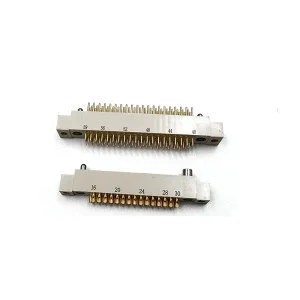
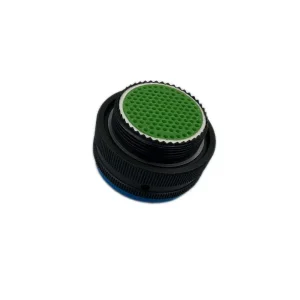
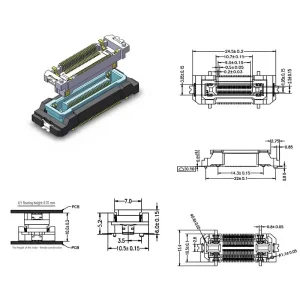
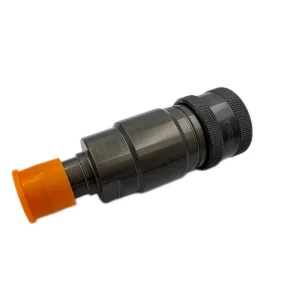
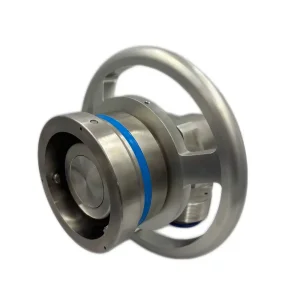
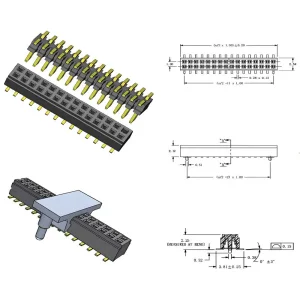
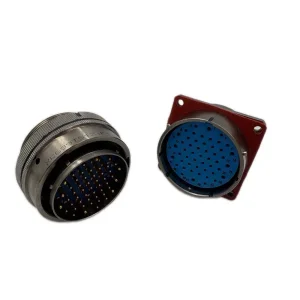
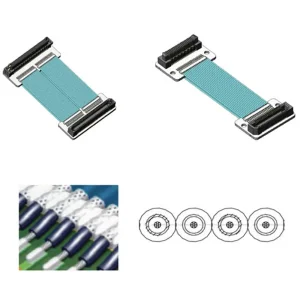
A complete lineup of board-to-board, wire-to-board, and fluid interface systems designed for challenging operating environments.
Key technical and commercial factors to evaluate when sourcing customized VPX connectors.
When procuring high-performance VPX backplanes, global sourcing teams face unique hurdles in balancing manufacturing lead times, validation costs, and strict project deadlines. Standard suppliers often present fixed portfolios with long lead times for custom revisions. Our vertical integration enables us to provide flexible prototype turnarounds with robust compliance guarantees.
At multi-gigabit rates, PCB trace design, via structure, and connector break-out channels (BOR) must operate harmoniously. Our internal R&D engineering group utilizes advanced 3D electromagnetic field solvers (such as Ansys HFSS) to simulate insertion loss, return loss, and near-end/far-end crosstalk (NEXT/FEXT) for customized pinouts. By delivering accurate S-parameter models directly to client design teams, we mitigate board design respins, ensuring first-time compliance with demanding backplane interconnect budgets.
For custom ODM connector configurations, DL follows an established staging procedure:
Pioneering technologies shaping high-performance computing (HPEC) backplanes.
Modern sensors demand up to 32 GT/s (PCIe Gen 5) and 64 GT/s (PCIe Gen 6) per lane. Future VPX backplanes rely on optimized contact configurations to deliver clean signals without signal degradation.
Modern applications require hybrid backplanes. Combining high-speed digital contacts with coaxial RF lines and multi-fiber optical modules within a single connector block saves space and routing density.
As board-level power dissipation surpasses 200W, advanced thermal pathways become crucial. Conduction, liquid, and air-flow-through cooling techniques are being directly integrated into the connector mechanical frames.
Our mission, team dynamics, and technological pursuits driving next-generation connector engineering.
We take "empowering life with technology and creating a sustainable future" as our core mission. We practice the values of "integrity, innovation, collaboration, and win-win results," aiming to become a leading global provider of integrated system power and interconnect solutions.
We create a positive and unified working atmosphere, attaching great importance to the professional growth and career development of our employees, providing them with structured training programs and open paths for advancement.
Focusing on the fields of batteries, capacitors, and connectors, we use innovation to target technological bottlenecks, striving to optimize the physical limits of capacitor energy density and design low-loss high-speed connectors.
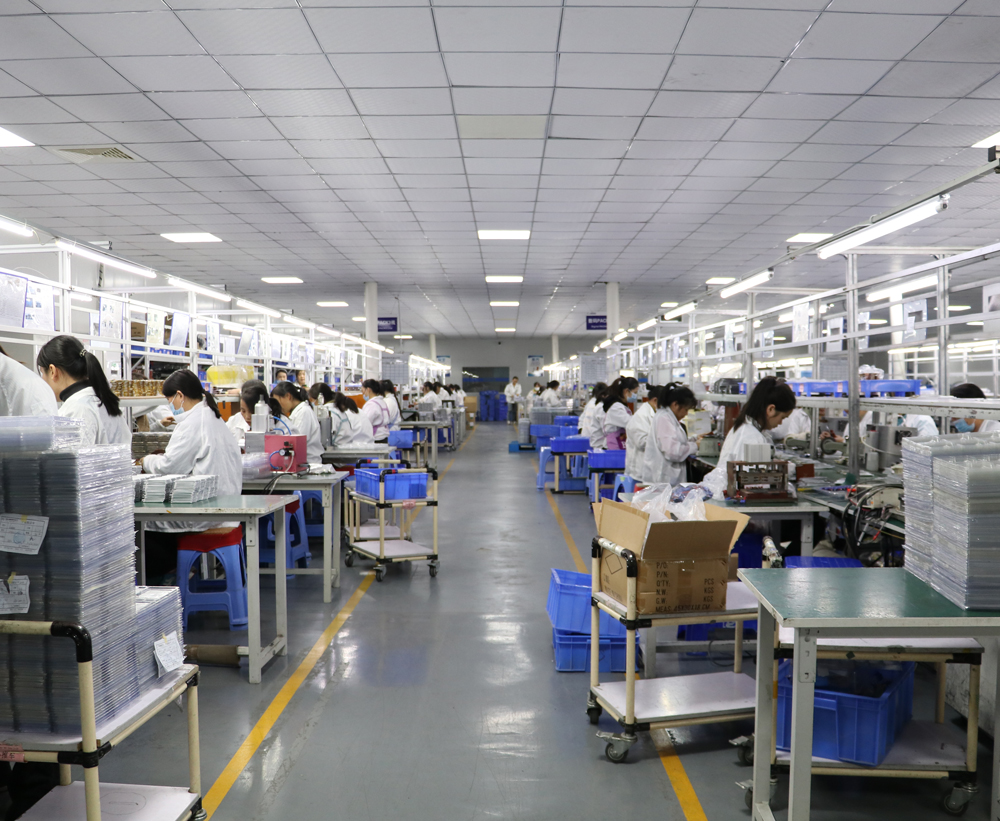
By integrating material science, structural engineering, and precision tooling under one roof, DL ensures that every connector we export conforms to standard tolerances. Our dedicated quality management processes prevent common failures such as solder bridging, contact misalignment, and housing cracking under vibration.
For custom ODM inquiries, our engineering group works closely with client design teams, facilitating 3D model sharing, step-by-step simulations, and custom component layout configurations.
Technical answers to key architectural, material, and logistical questions about VPX interconnect systems.
Our advanced VPX backplane connectors are designed and verified to support data transmission speeds up to 25 Gbps per channel. This makes them fully compliant with PCIe Gen 4, PCIe Gen 5, and 100Gbase-KR4 Ethernet requirements. In-house simulation labs provide complete S-parameter data to verify insertion loss and crosstalk parameters matching your custom layout.
Yes. All of our VPX connectors are designed in strict accordance with VITA standards. VITA 46 defines the basic mechanical and electrical physical properties, VITA 48 outlines REDI mechanical designs for advanced conduction and liquid cooling packaging, and VITA 65 specifies the OpenVPX slot, backplane, and module profiles to guarantee complete multi-vendor interoperability.
We perform testing inside our ISO-certified facilities under MIL-STD-810H protocols. This includes thermal shock testing (-65°C to +125°C), salt spray testing for corrosion resistance, long-term humidity exposure, mechanical drop tests, and vibration profile tests (up to 2000Hz) to ensure that the connectors operate reliably under combat, flight, and rocket-launch conditions.
We utilize high-performance copper alloys for the signal contacts to maximize electrical conductivity, coupled with nickel barrier under-plating and robust gold top-plating (typically 30u" to 50u" gold) to prevent contact degradation. The connector insulator bodies are molded using high-temperature, low-outgassing Liquid Crystal Polymers (LCP) capable of surviving automated reflow assembly.
Yes, we support hybrid interconnect configurations under VITA 67 (for coaxial RF paths) and VITA 66 (for fiber optic arrays). This allows signal, high-speed digital data, RF, and optical fibers to reside within a single integrated slot unit, maximizing edge density and reducing cable routing clutter.
For custom modifications of existing formats, we generally deliver initial 3D models and simulation reports within 5 working days. Once the engineering drawings are approved, we proceed to produce functional prototype samples using rapid tooling within 3 to 4 weeks. Full mass-production runs typically ship in 4 to 6 weeks, depending on order size and custom plating processes.
 Dynalink Electronic