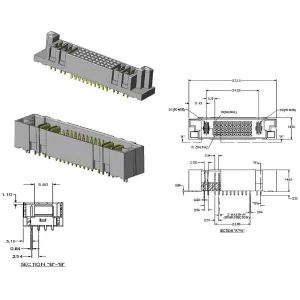
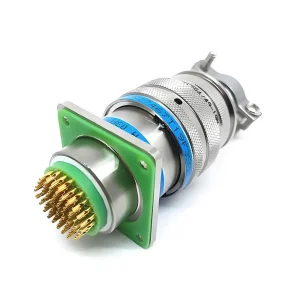
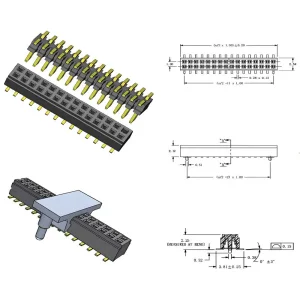
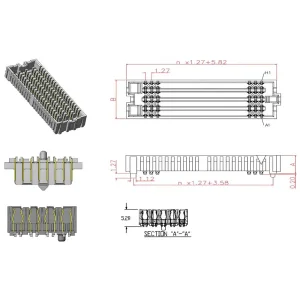
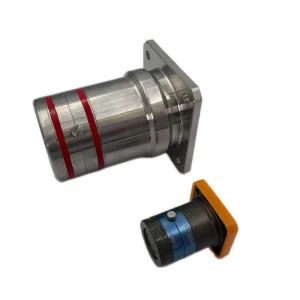
Explore our specialized engineering solutions featuring high-performance battery packs, capacitors, and multi-pin electrical connectors designed for demanding electronic designs.
How OEM customization strategies and diverse battery chemistries are accelerating the global transition toward cleaner, denser, and safer energy solutions.
The global demand for custom-engineered lithium-ion battery packs has reached unprecedented heights. Across industries such as robotics, medical technology, defense systems, high-speed rail, and commercial drones, standard "off-the-shelf" battery solutions often fail to satisfy rigorous demands. Energy density constraints, thermal envelope limitations, unique physical geometry requirements, and challenging electrical matching mean that choosing the correct lithium-ion chemistry is critical. For engineers and product designers, selecting the ideal cell configuration (cylindrical, prismatic, or pouch) paired with a precise chemical composition is the foundation of high reliability and commercial success.
LFP cells represent the pinnacle of thermal safety and cycle longevity. Operating with a nominal voltage of 3.2V, LFP exhibits exceptionally low impedance and maintains high safety limits under stress. Its crystal structure is highly stable, mitigating the risk of thermal runaway up to extreme limits. LFP cells are capable of supporting 3,000 to over 6,000 complete charging cycles before capacity drops below 80%. This chemistry is ideal for outdoor energy storage systems, stationary grids, automated guided vehicles (AGVs), and heavy industrial machinery where weight is less critical than reliability.
NMC is the industry-standard chemistry for applications demanding high specific energy density. By optimizing the ratios of nickel (highly reactive, boosts energy density), manganese (provides structural stability), and cobalt (extends life cycle), NMC achieves a nominal voltage of 3.6V to 3.7V. It offers a balanced platform for handheld devices, long-range drones, electric vehicles, and lightweight portable backup systems. Dynalink utilizes advanced cell-matching systems and smart Battery Management System (BMS) integration to keep NMC cells operating within precise voltage and thermal boundaries.
For extreme operational environments, Lithium Titanate (LTO) and emerging solid-state chemistries offer performance outside the range of typical liquid-electrolyte cells. LTO replaces carbon-based anodes with lithium-titanate nanocrystals, enabling safe charging at low sub-zero temperatures and high-current discharge. Meanwhile, solid-state batteries replace the volatile liquid electrolyte with solid ceramic or polymer barriers. Dynalink’s research and development division actively tests these emerging platforms, preparing high-density and ultra-safe custom packages for future commercial and defense systems.



Dynalink combines strict production standards with extensive engineering resources to deliver battery solutions worldwide.
Integrating cells, battery management systems, and precision connectors for reliable operation in challenging industrial fields.
We provide ultra-lightweight high-discharge rate battery packs to ensure stable drone flight, quick charging, and reliable power distribution under cold ambient temperatures.
Low-loss high-speed connectors and stable backup power supplies ensure uninterrupted operation, protecting critical networks against sudden electrical drops.
Heavy-duty protective connectors and ruggedized battery casings isolate cells from vibration, moisture, and dust, preventing premature cell failure.
Utilizing our intelligent modeling platform, we rapidly design custom power systems and enclosures matching complex internal physical structures.
Continuous investment in Solid-State cell technologies, high-capacitance materials, and low-resistance signal components keeps our customers ahead of competitors.
Taking quality as our shield, we continuously optimize production processes and standards to manufacture industry-benchmark energy storage systems.

Every custom battery assembly and connector undergoes comprehensive automated inspection to maintain strict quality standards.
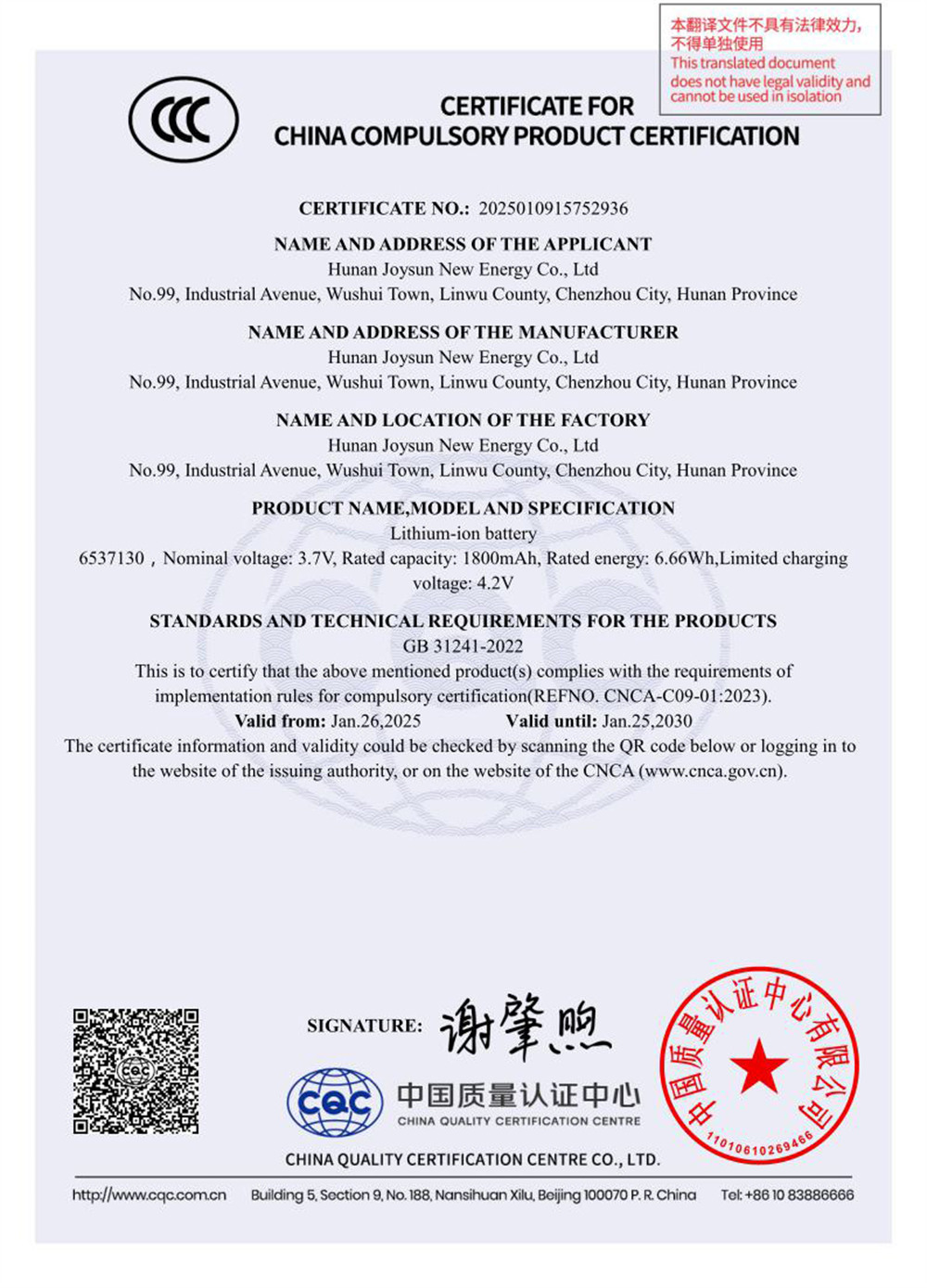
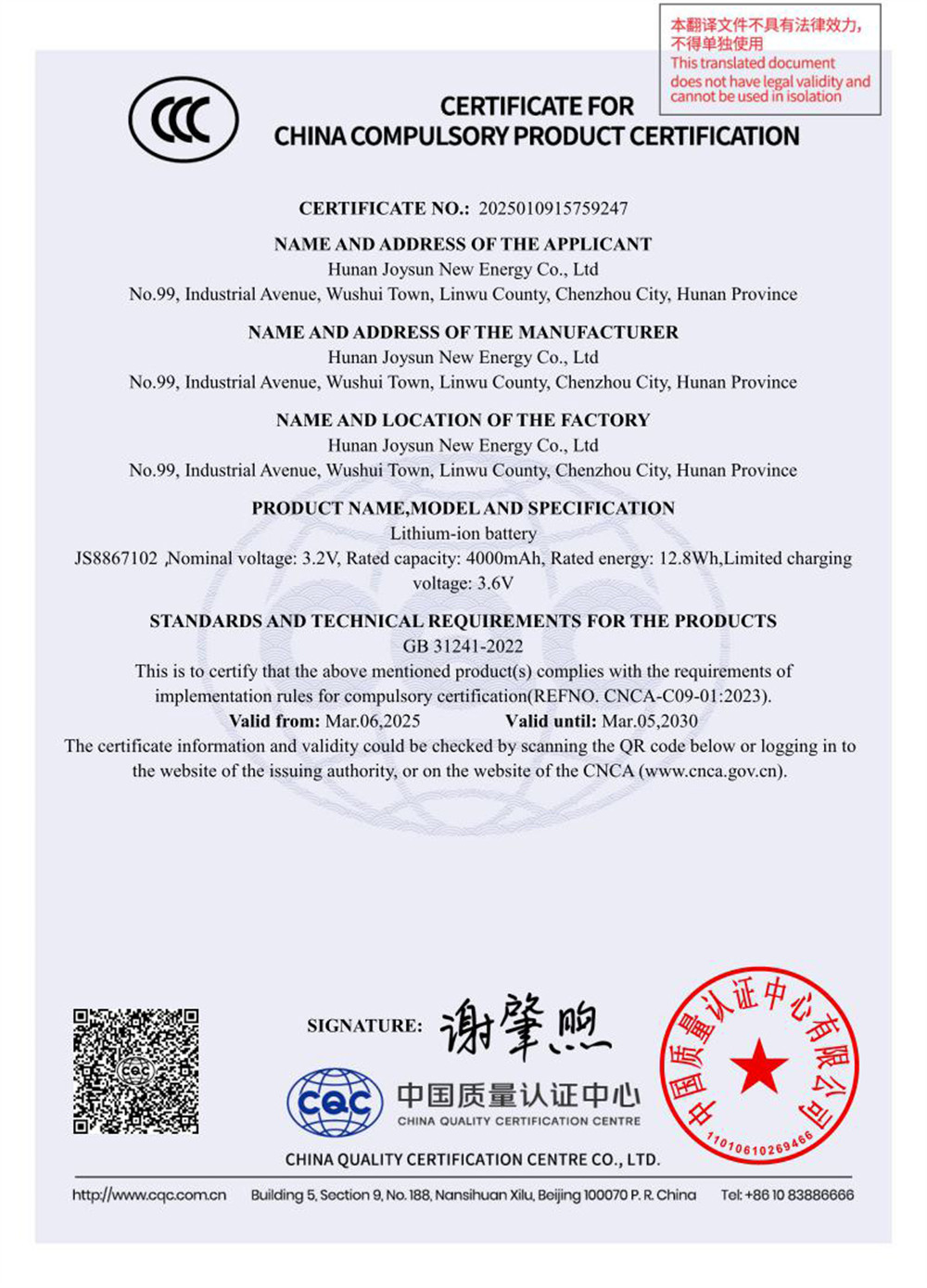
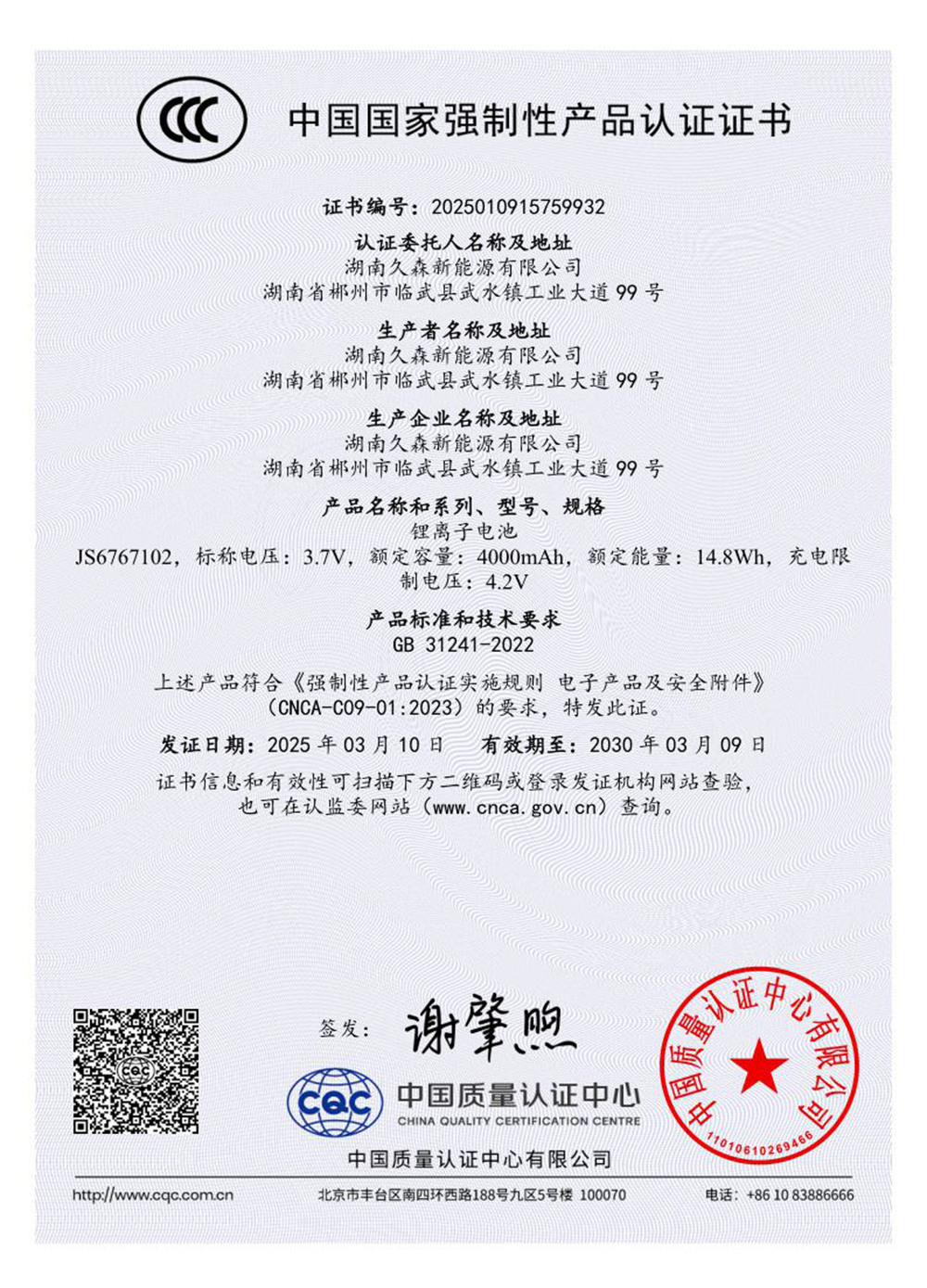
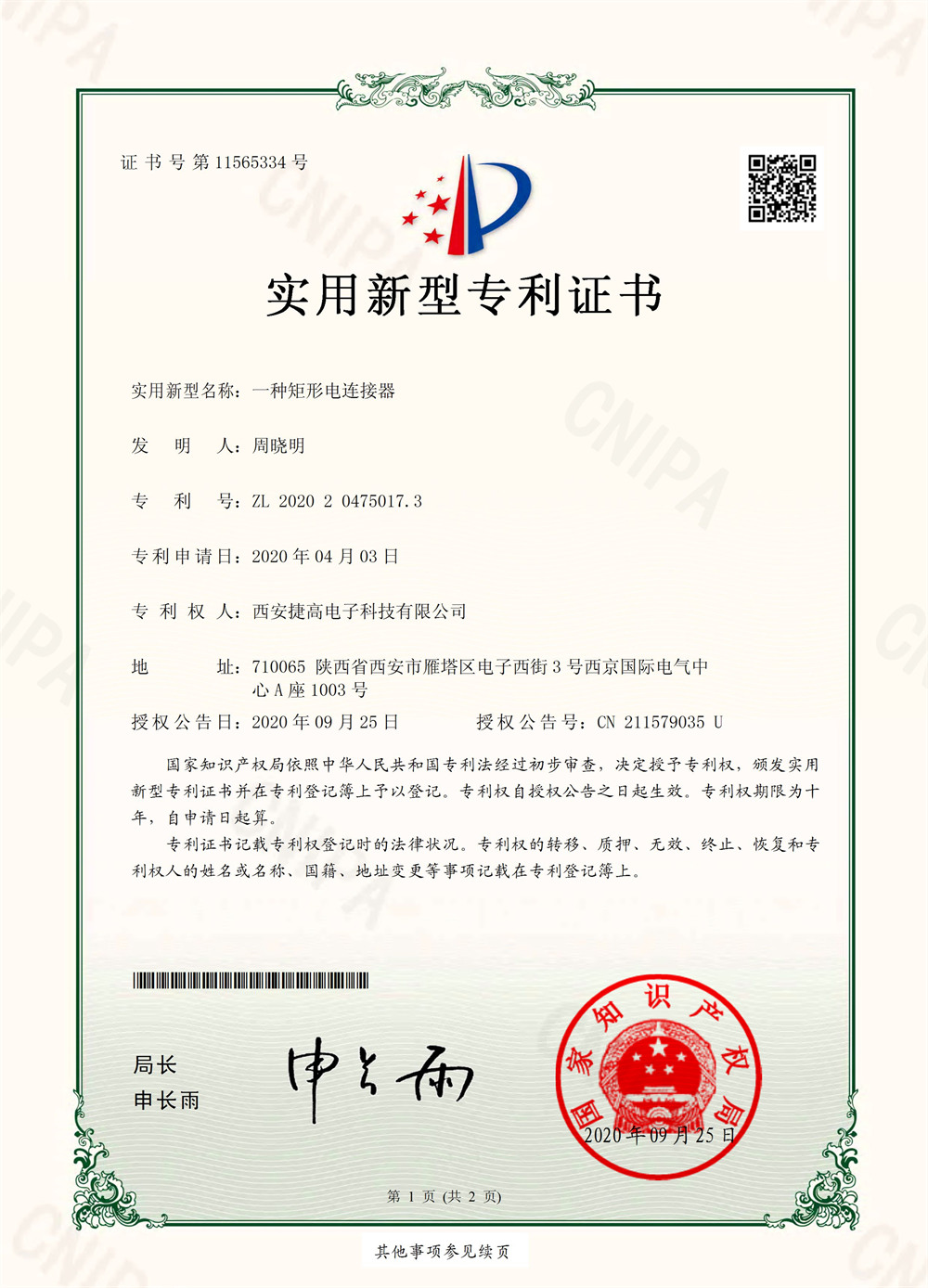
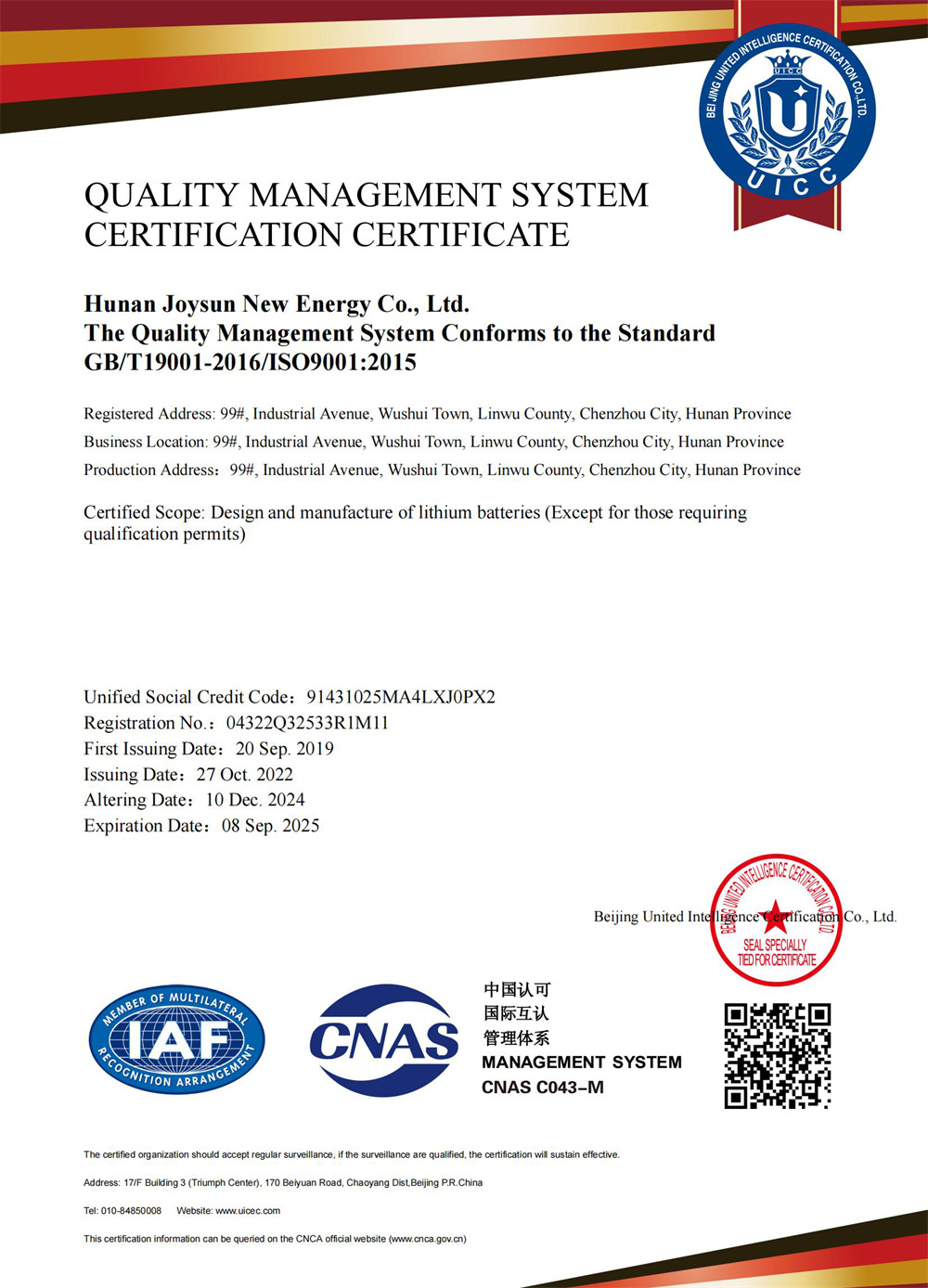
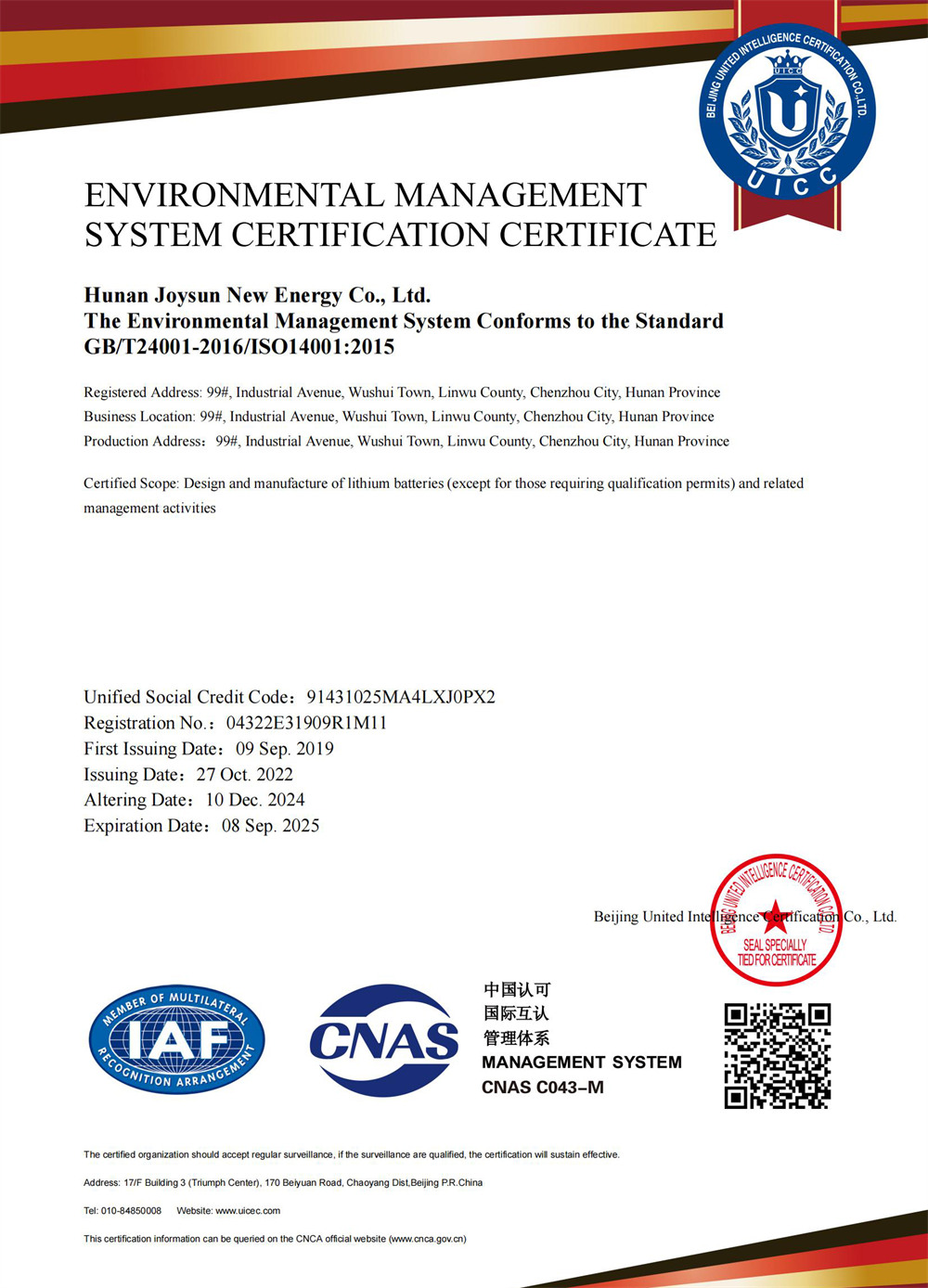
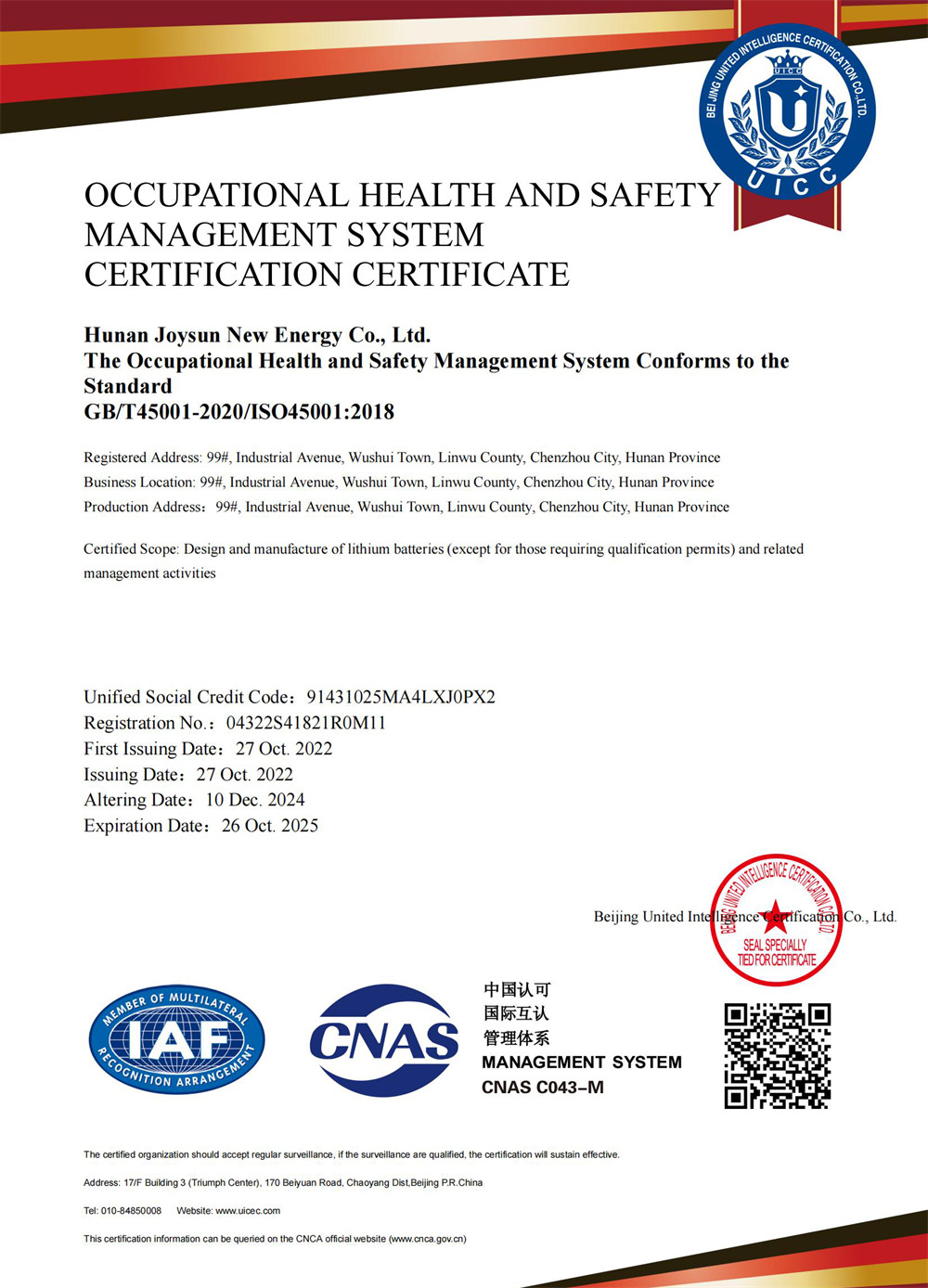
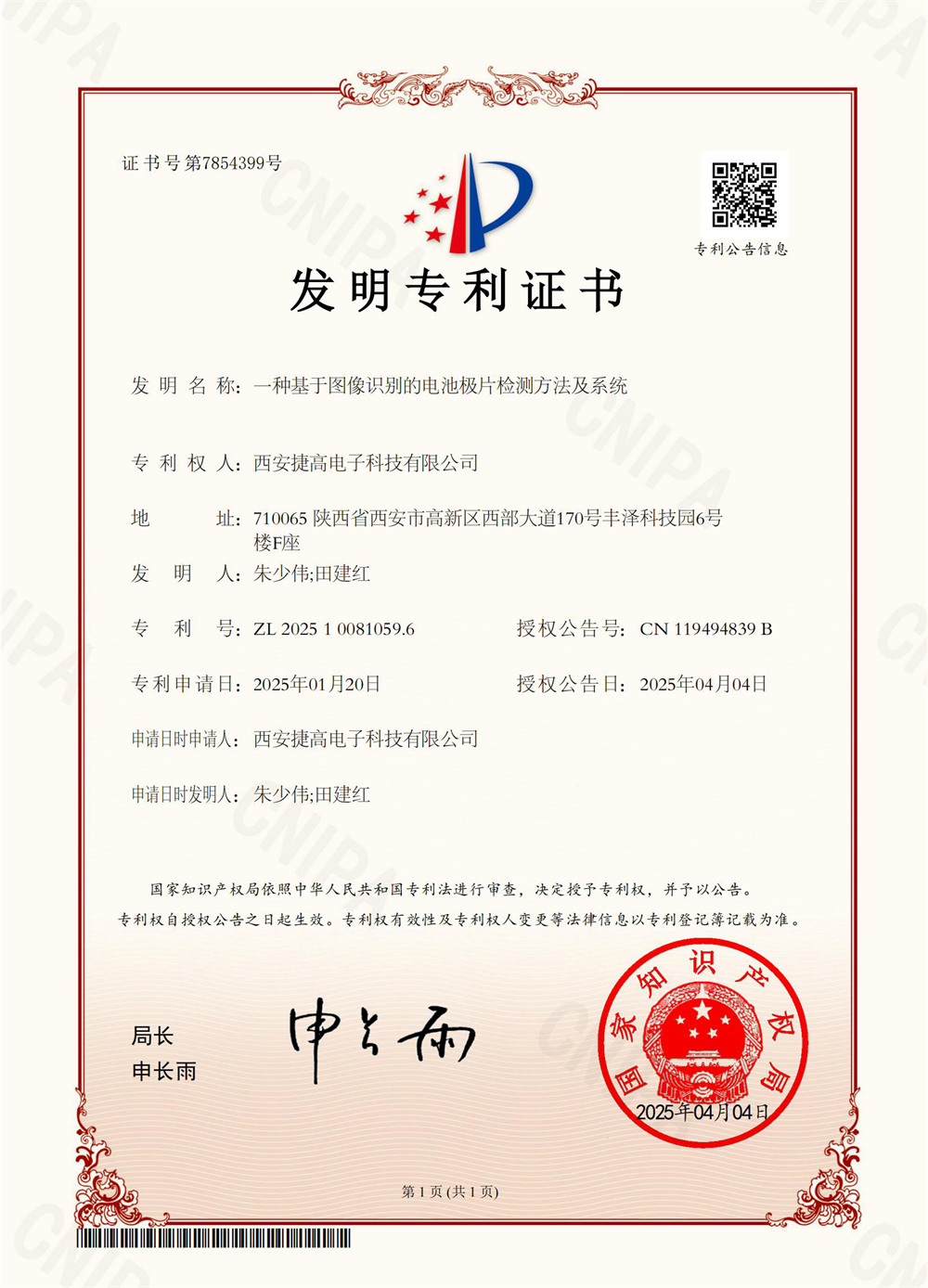
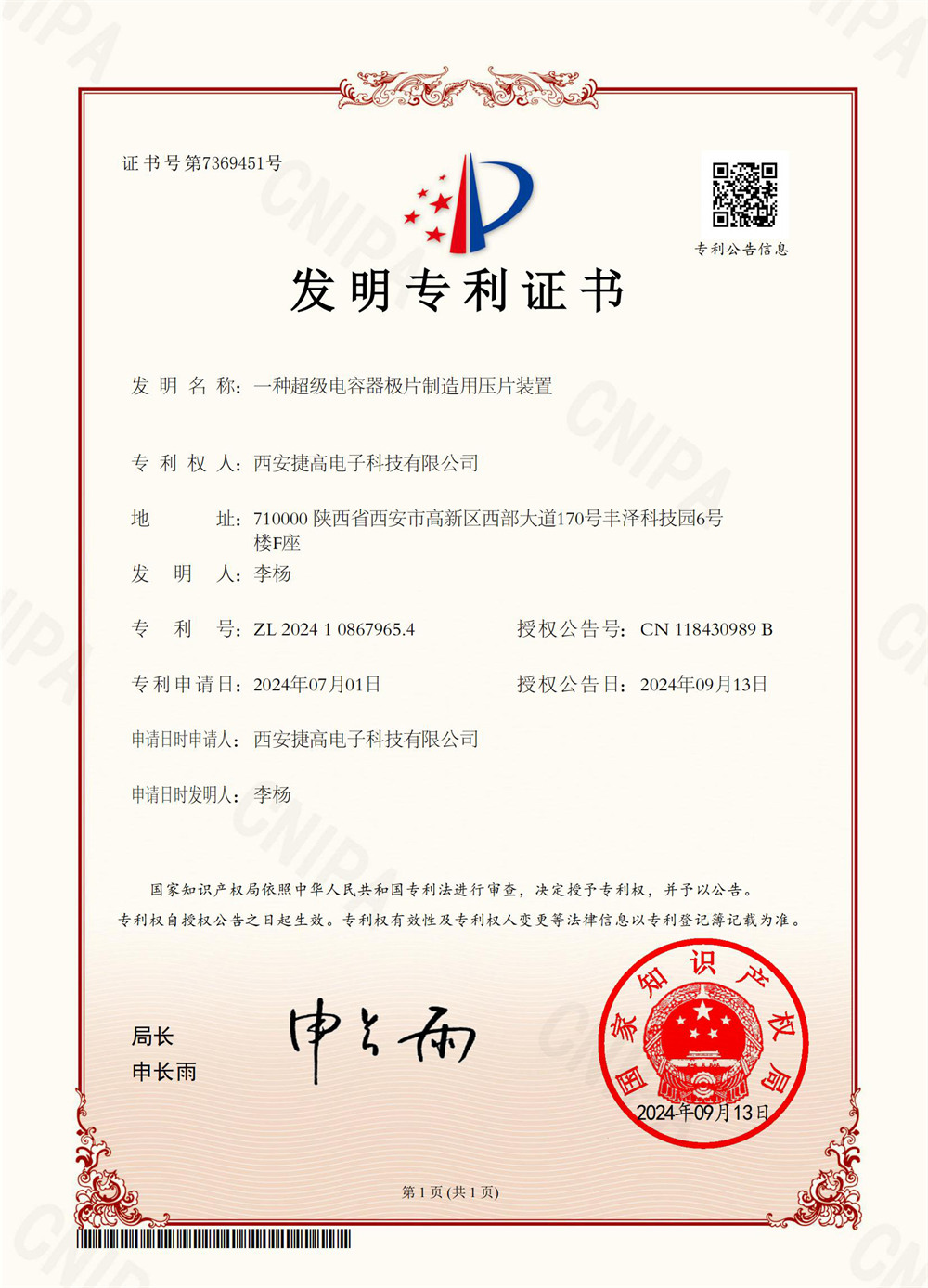
At Dynalink, quality assurance is deeply integrated into our operations. From raw material sourcing (including anode, cathode, electrolyte, and separator components) to final assembly, we maintain traceability. Our battery testing labs run cell sorting and grading to match capacity, internal resistance (IR), and voltage profiles. This process minimizes cell imbalance within custom packs, extending service life and preventing premature failure.
Additionally, our manufacturing facilities adhere to strict environmental, occupational health, and safety protocols. This commitment is supported by our ISO 9001, ISO 14001, and ISO 45001 systems. We verify product performance through thermal cycling, vibration, mechanical shock, short circuit, overcharge, and forced-discharge testing. This ensures compliance with global safety and transport requirements, including UN 38.3, UL 1642, and IEC 62133.
Technical answers to key engineering queries regarding custom lithium-ion battery integration and connector optimization.
High-reliability circular connectors, blind-mate fluid connectors, and vehicle battery systems engineered to meet strict operating standards.
 Dynalink Electronic