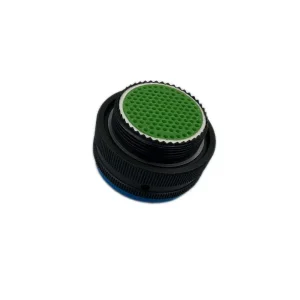
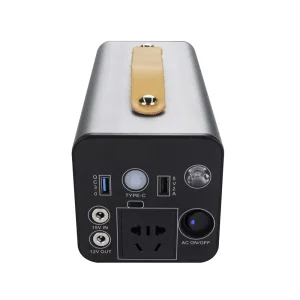
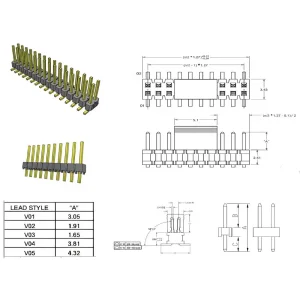
Explore our original, precision-engineered electronic assemblies, connectors, and power systems tailored for high-demand industrial scenarios.
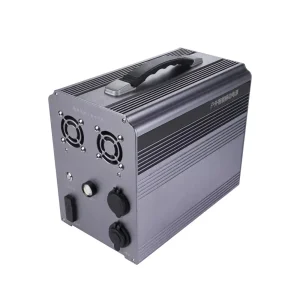
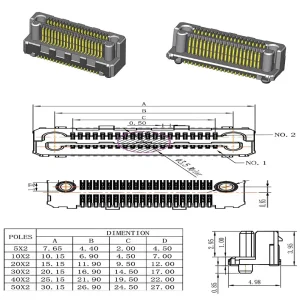
The global shift toward zero-emission urban micro-mobility has placed energy systems at the very core of municipal infrastructure development. Electric scooters (e-scooters), ranging from personal mobility units to heavy-duty shared fleets and urban delivery vehicles, demand power storage systems that exceed standard commercial safety levels. As leading OEM Lithium Scooter Battery Manufacturers & Suppliers, we design customized solutions that integrate cells, advanced communication logic, and high-strength mechanical housings to survive the toughest outdoor conditions.
Our macro-industry solutions focus on reducing the total cost of ownership (TCO) for fleet operators. By pairing high-capacity lithium-ion chemistry with smart battery management system (BMS) telemetry, we offer cells that deliver consistent performance under continuous discharge cycles. Our engineering team addresses the major issues faced by today's fleet operators: cell degradation, water ingress, mechanical failure from drops, and integration with dynamic charging docks.
Utilizing grade-A premium cells (NMC/LFP) to provide maximum Wh/kg, ensuring extended vehicle ranges without increasing structural weight.
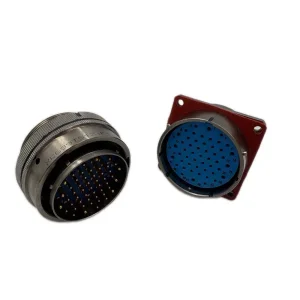
Aerospace-grade internal support frames and custom connector arrays designed to survive rough city streets.
Real-time telemetry supporting CANbus, UART, and RS485 communication protocols for cloud-based fleet monitoring.

Dynalink Electronic Technology Co., Ltd (DL), established in 2007, currently has a workforce of over 800 employees, among which more than 200 are technical staff. It is a technology-driven design and manufacturing company specializing in power supplies, energy storage capacitors, and connectors. With continuous investment in research and development and strong innovation capabilities, the company has built a complete industrial chain encompassing material research and development, product design, and precision manufacturing.
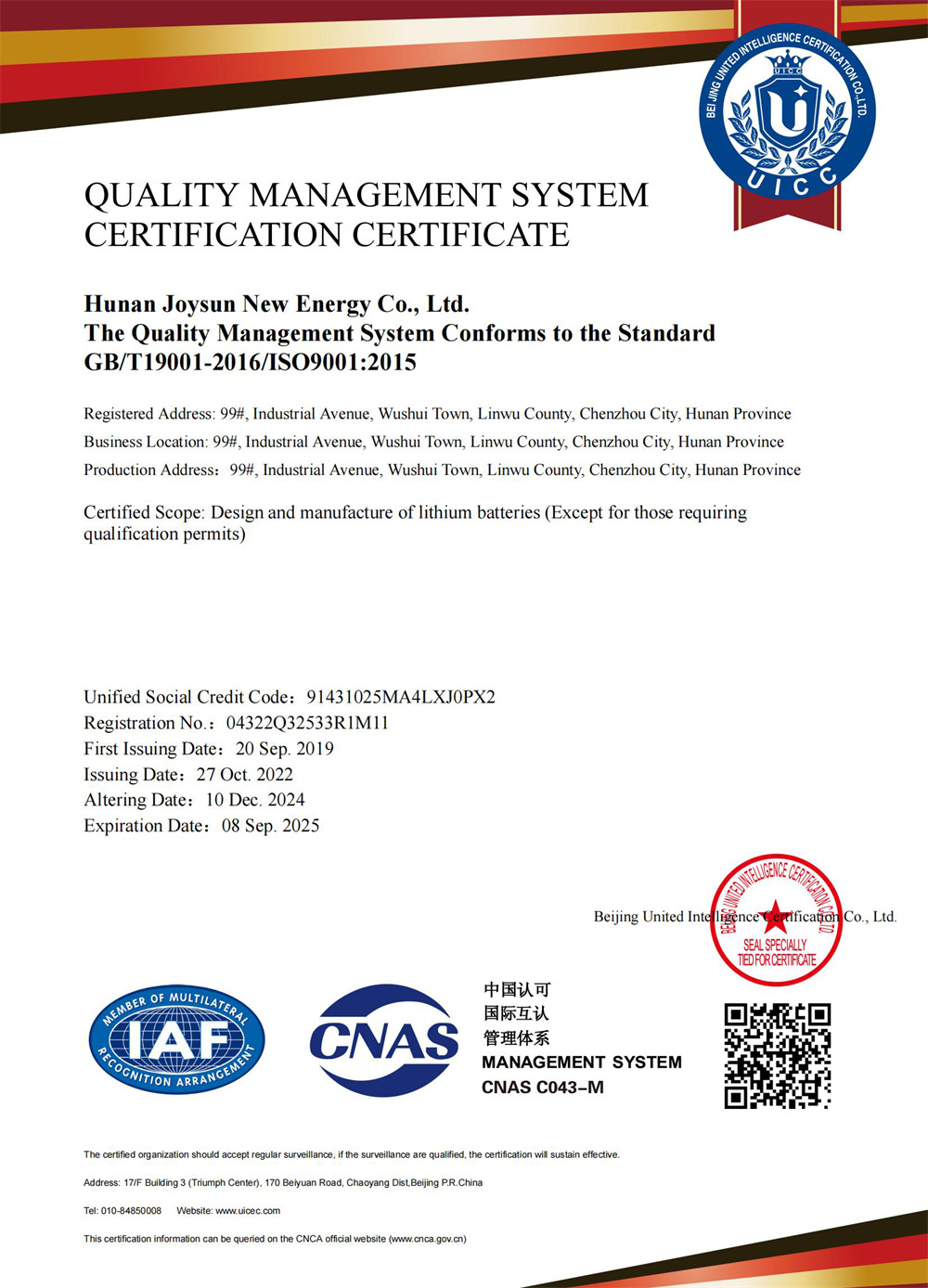
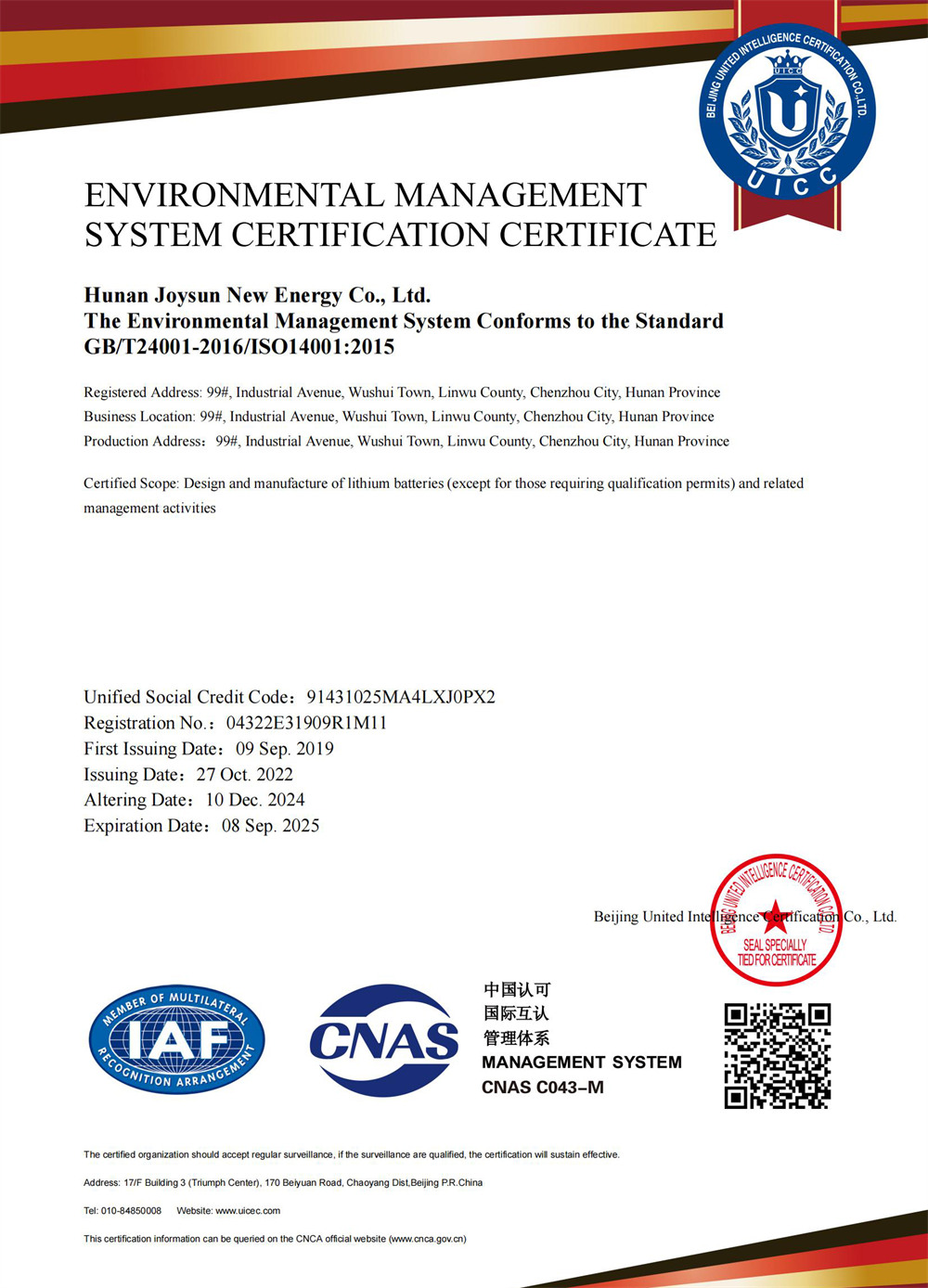
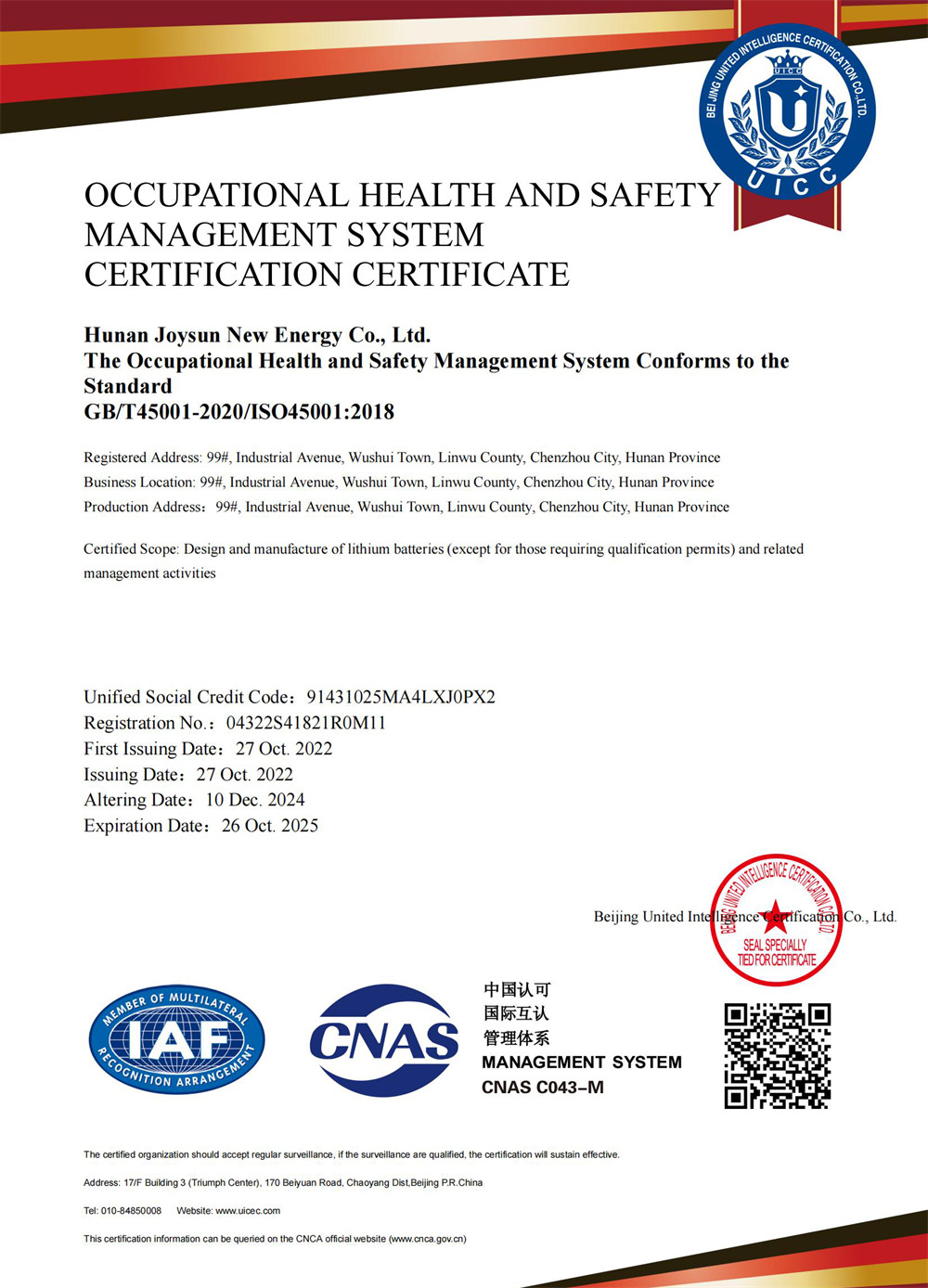
Thanks to the advantages of high reliability and excellent performance, its products are widely used in key fields such as aviation, aerospace, shipping, railways, new energy vehicles, the medical industry, drones, and robots, providing customized solutions for customers. The company strictly complies with international standards and holds certifications in quality, environmental safety, and occupational health systems.

The global e-scooter fleet market is expanding rapidly, transitioning from simple consumer toys to core options for transit networks and urban cargo delivery. This transformation has introduced stricter performance criteria for rechargeable energy storage systems. Modern cities and global shipping companies require lithium batteries to meet strict international standards, including UL 2271 (Batteries for Light Electric Vehicles), UN 38.3 (Safe Transportation), and CE/FCC directives.
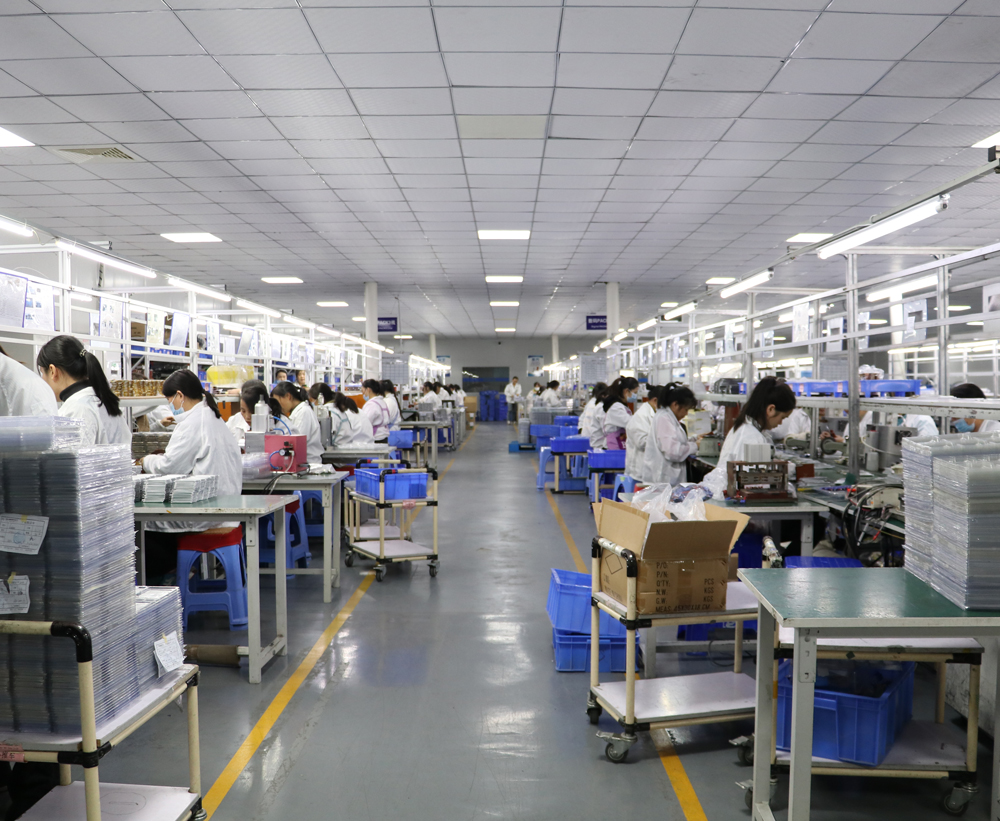
At Dynalink, we address these global challenges by offering an integrated supply chain that covers everything from raw cell sorting to the production of high-current connectors. As urban landscapes expand, battery packs must withstand environmental hazards. Our manufacturing facilities utilize precise cell matching, laser-welded interconnects, and comprehensive automated testing to verify that every module delivered meets our high standards for safety and capacity retention.
"Reliability in micromobility does not simply refer to run time. It encompasses thermal stability, resistance to mechanical shock, and the integrity of the connection interface under continuous vibration."
Taking quality as our shield, we continuously optimize processes and standards to forge industry benchmark products. Focused on the fields of batteries, capacitors, and connectors, we use innovation as our spear, making every effort to overcome technical limits.
Empowering life with technology and creating a sustainable future by delivering integrated power systems.
Promoting a positive and unified environment with comprehensive training and career advancement.
Overcoming technical bottlenecks of solid-state batteries and high-precision connectors.
Operating a micro-mobility fleet across multiple continents requires strict compliance with local regulations. In the European Union, battery systems must comply with the EU Battery Regulation 2023/1542, which mandates strict carbon footprint declarations, supply chain transparency, and recycling readiness. In the North American market, cities require UL 2272 and UL 2271 certification for light electric vehicle batteries to mitigate fire risks in public spaces.
Dynalink provides localized testing support and technical documentation for global regulatory approvals. Our certification portfolio includes ISO 9001 for quality control, ISO 14001 for eco-friendly manufacturing, and ISO 45001 for worker safety. When you partner with us for OEM battery production, you receive full documentation, including Material Safety Data Sheets (MSDS), UN 38.3 test summaries, and compliance declarations, helping you streamline your entry into international markets.
Our research and development program is designed to meet the future demands of the e-mobility industry. Over the next five years, Dynalink is focused on developing three key technologies:
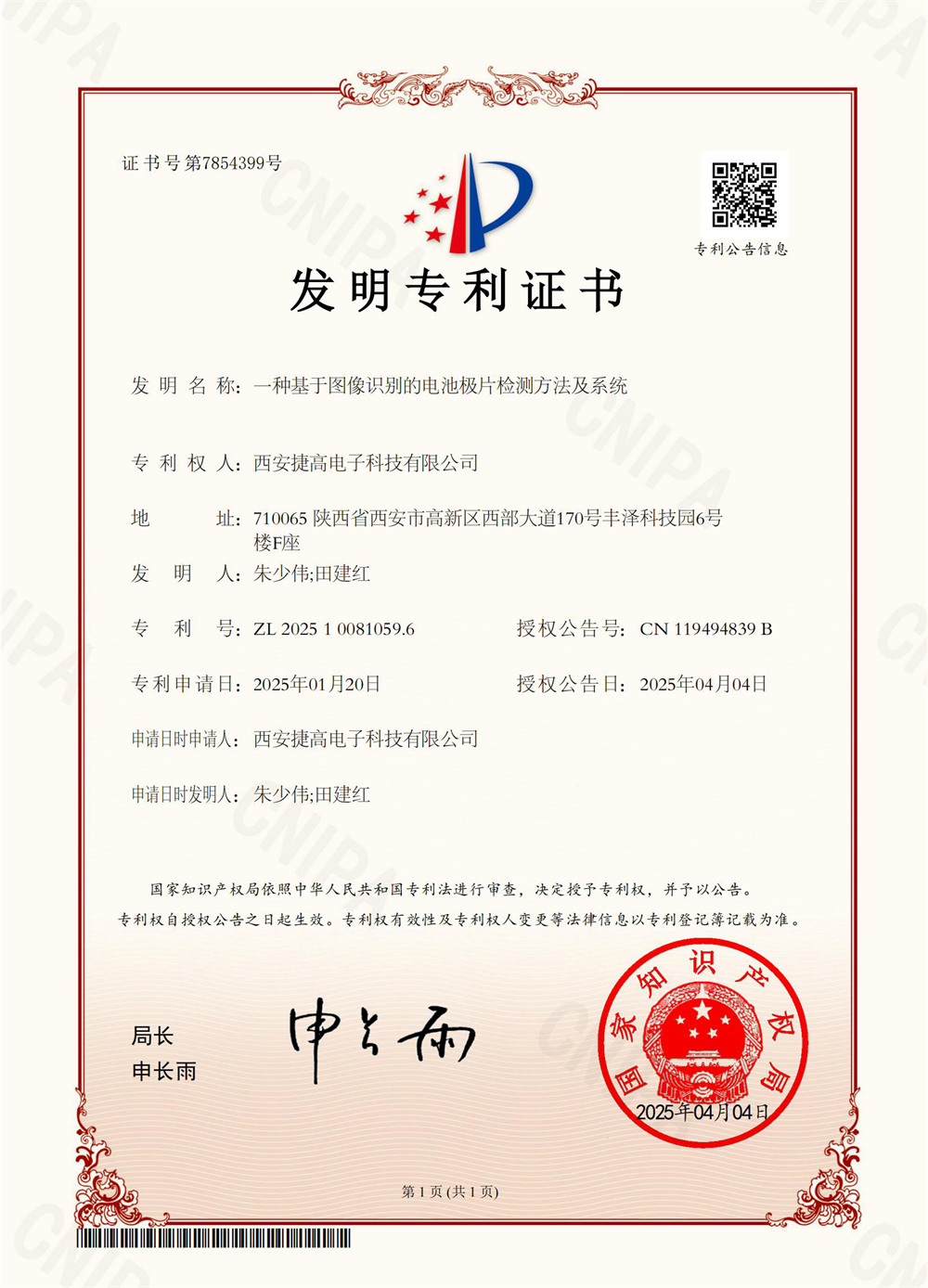
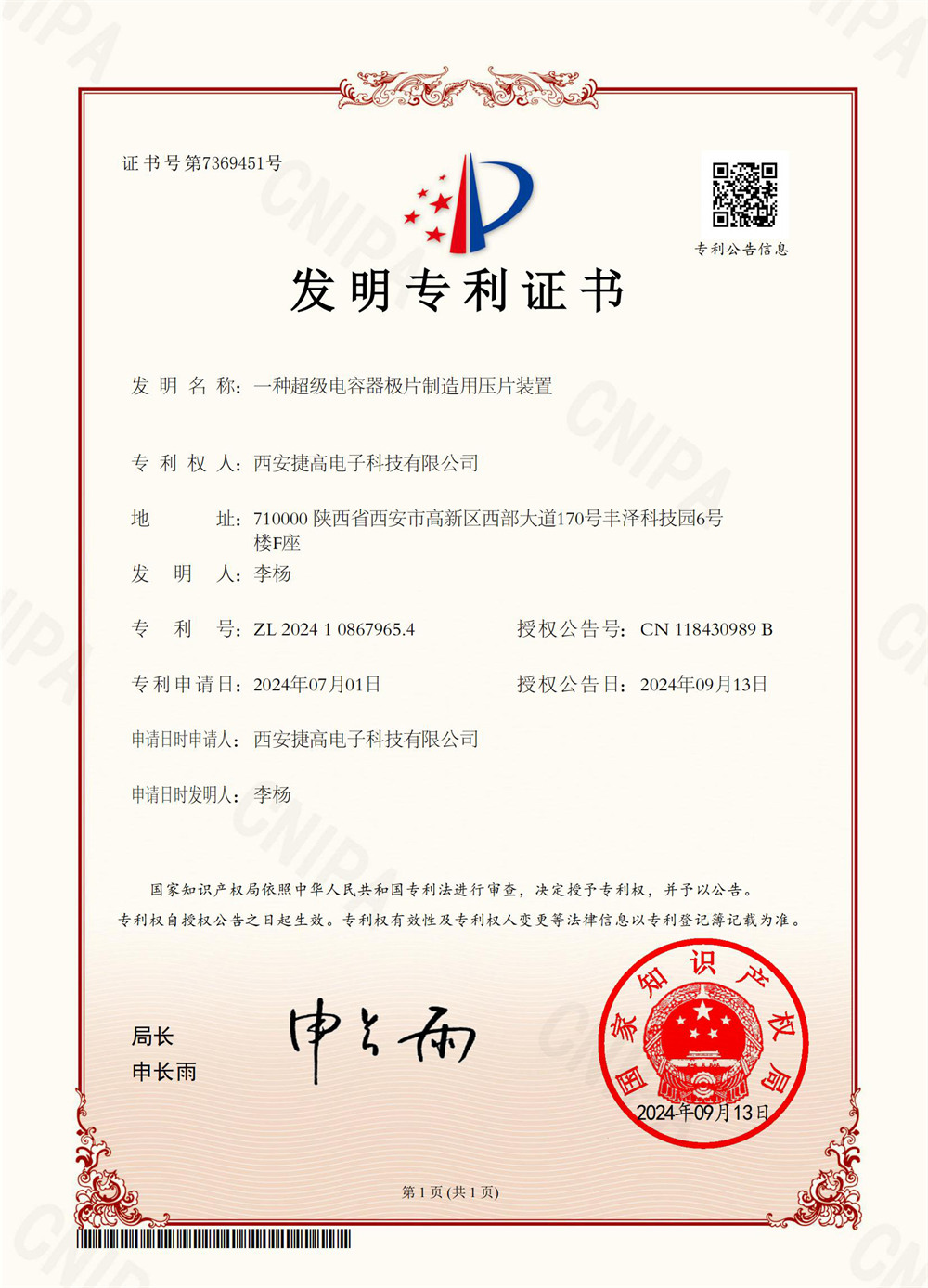
Verified manufacturing processes validated by globally recognized inspection authorities and compliance bodies.
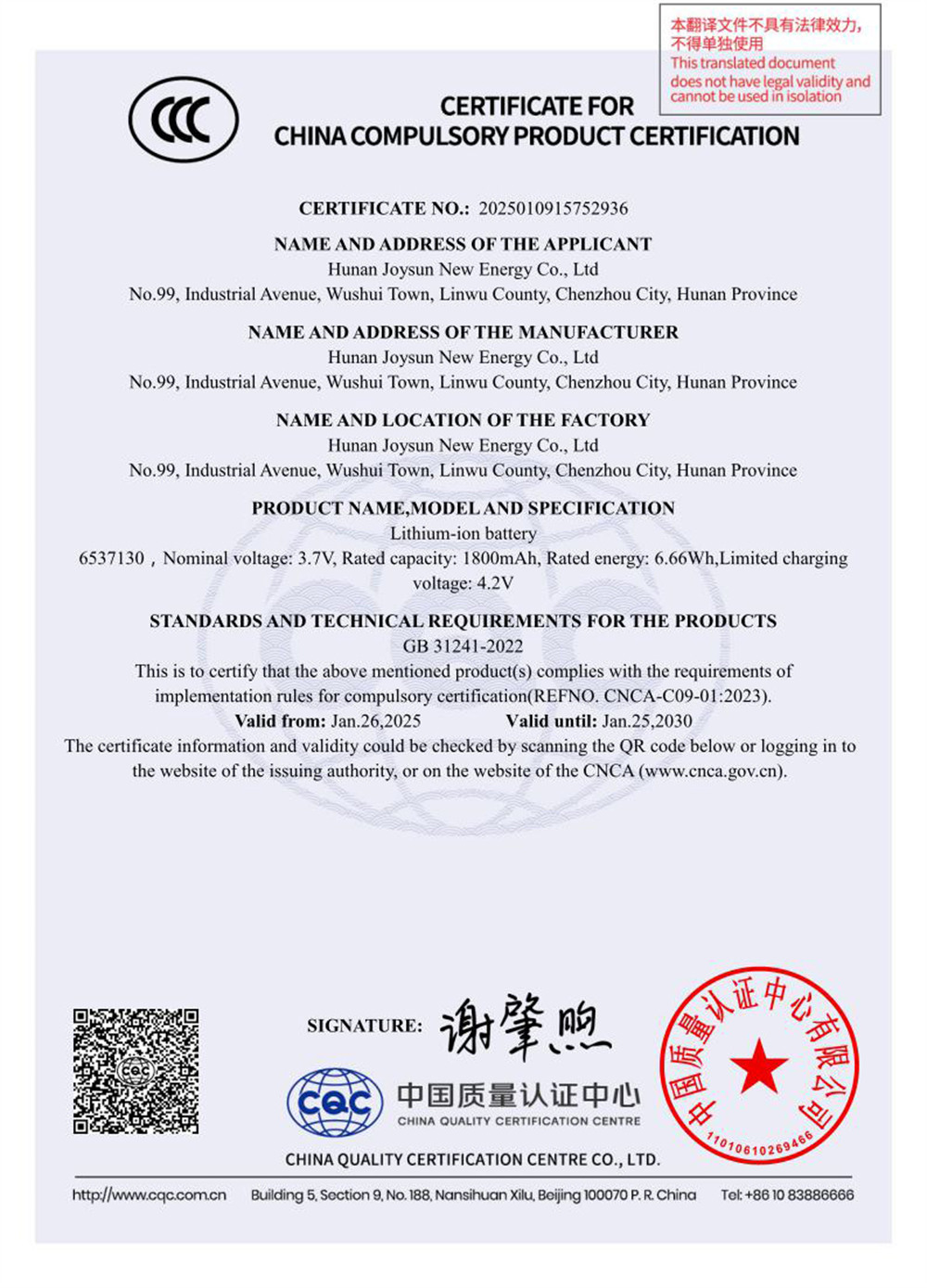
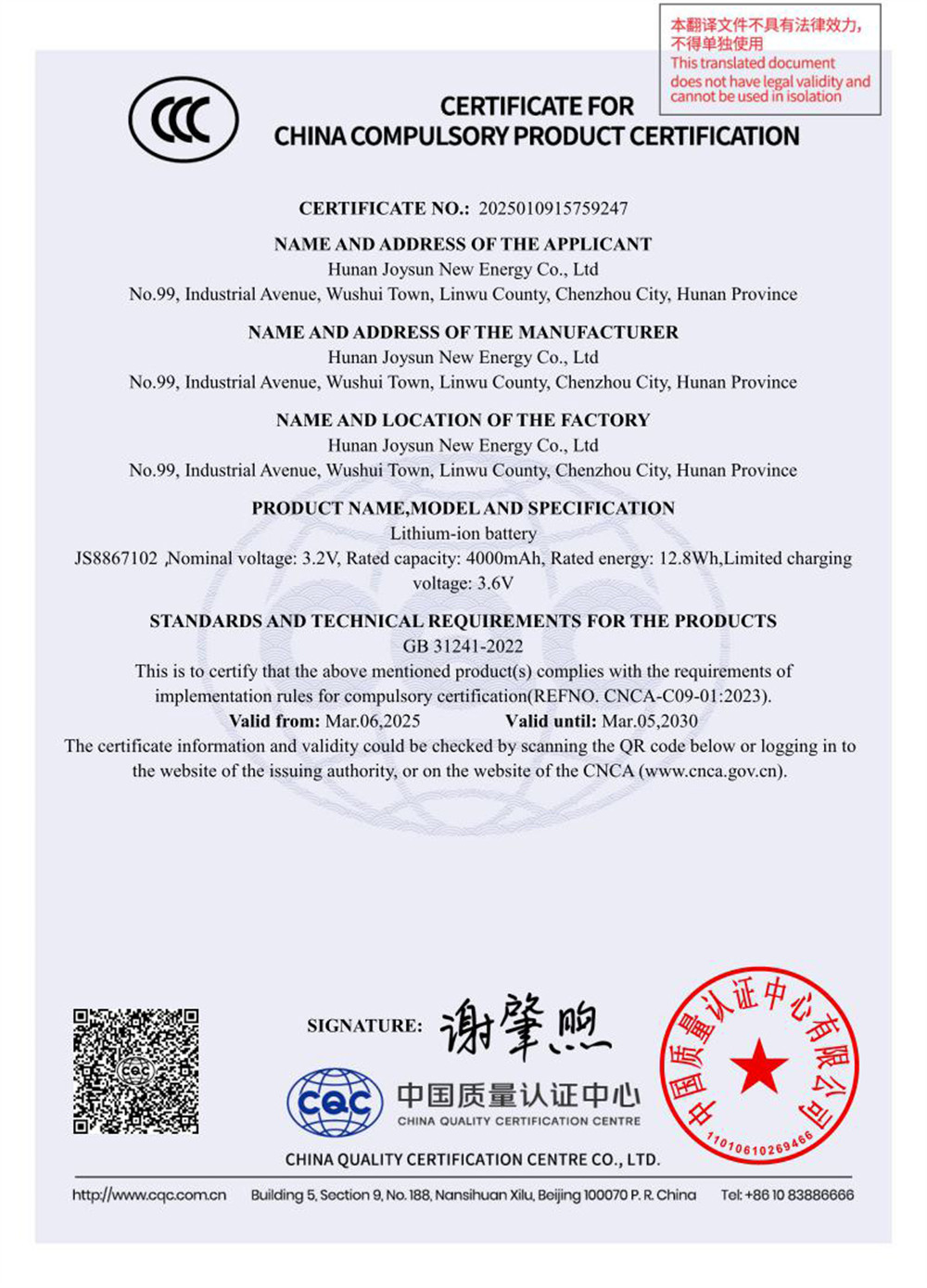
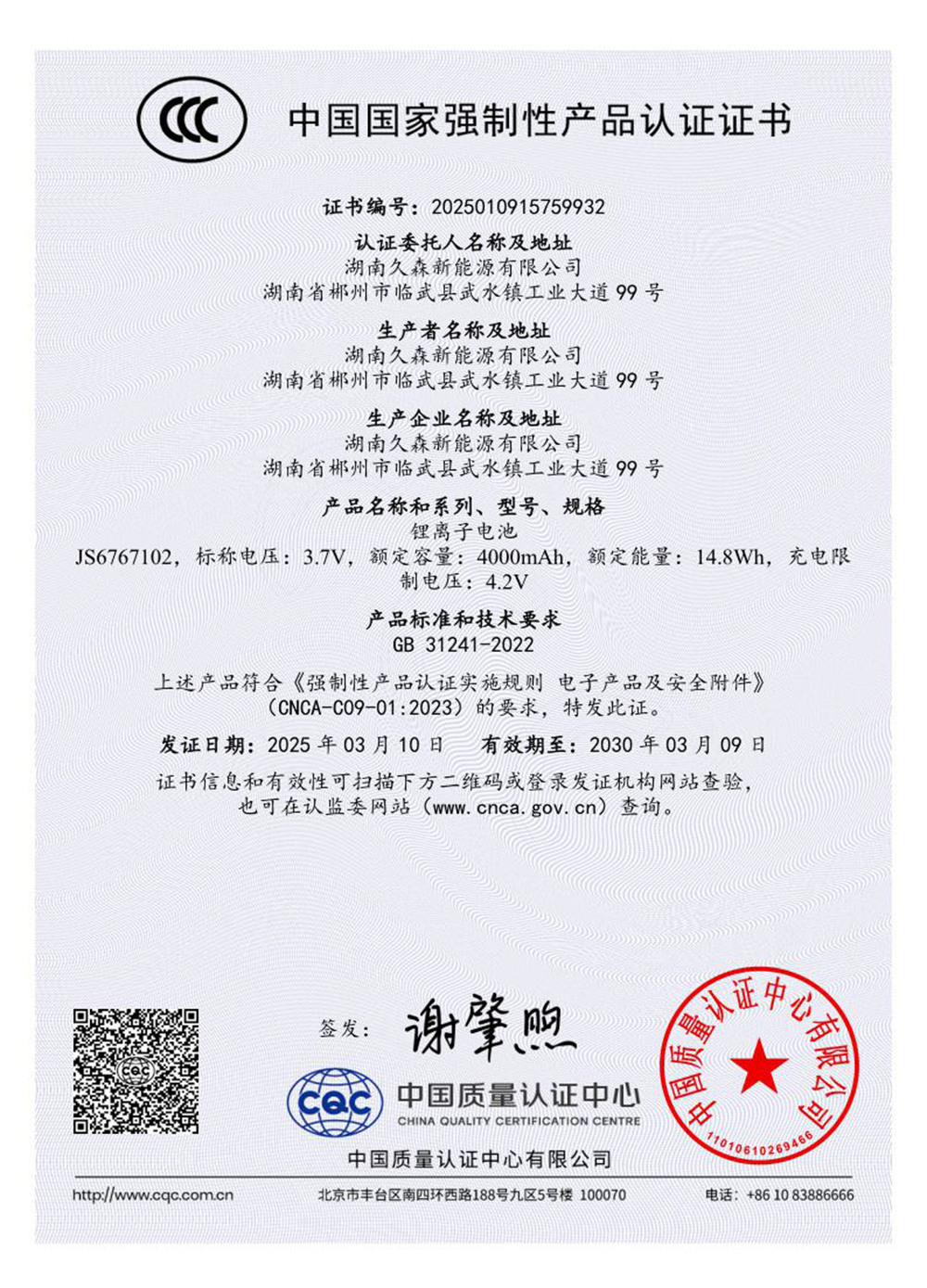
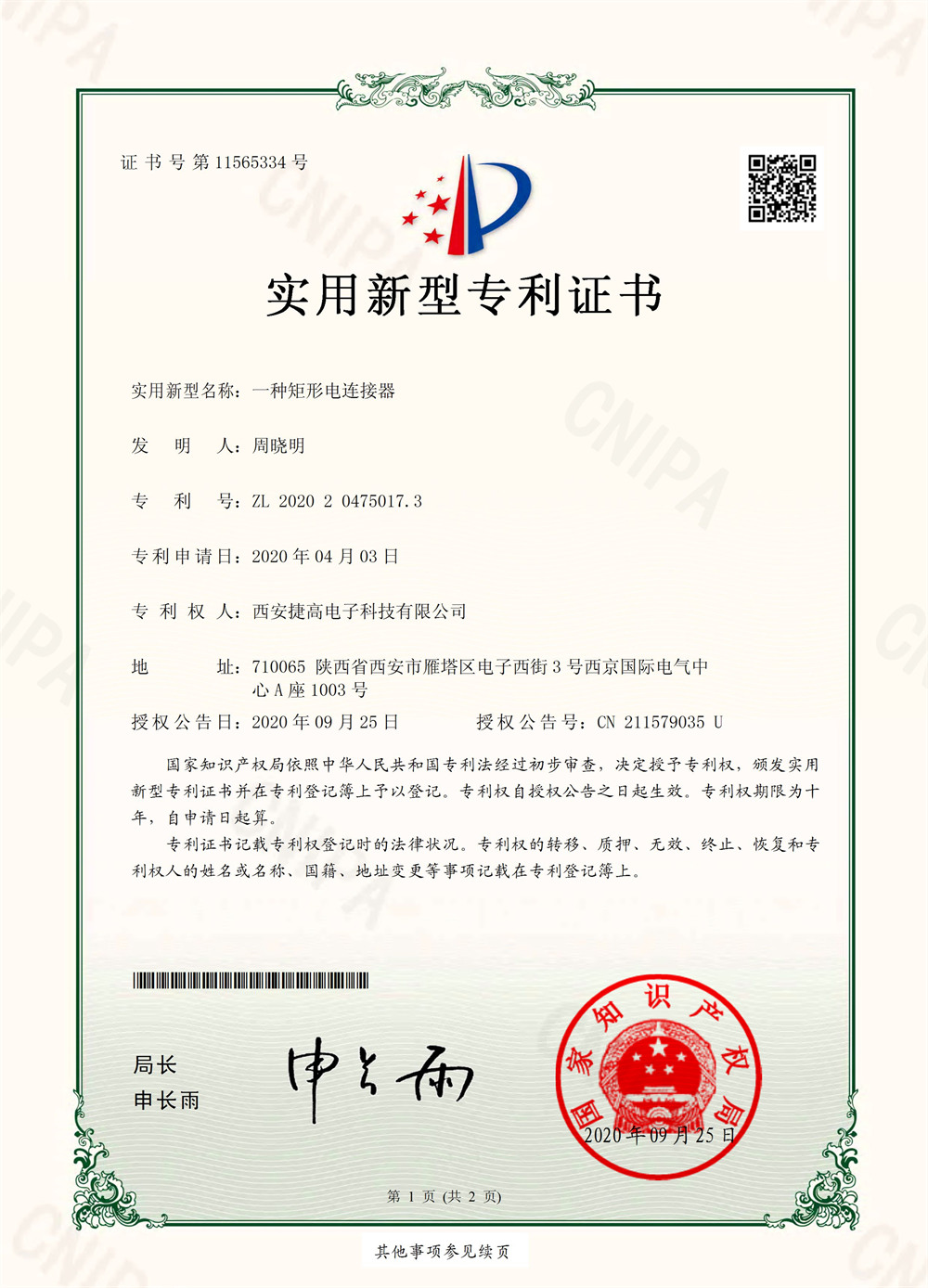
Technical insights and project support guidelines for design engineers, fleet purchasing managers, and operations specialists.
Discover our comprehensive range of vehicle batteries, connectors, and power storage units manufactured to high industrial standards.
 Dynalink Electronic