Engineered for extreme environments, low contact resistance, and long life cycles.
Welding cable connectors represent the critical conduit through which high-amperage electrical currents pass to facilitate heavy-duty metallurgical joining processes. In industries such as petrochemical refining, global shipyards, aerospace engineering, civil infrastructure, and heavy mechanical manufacturing, the structural integrity of a weld depends completely on the stability of the power loop. Low-quality, high-resistance joints cause thermal runaway, localized voltage drop, and electrical inefficiency, which ultimately degrade the precision of advanced welding machines (such as TIG, MIG, and high-frequency automated plasma cutters).
As advanced automation and cyber-physical systems redefine modern factory floors, the demand for quick-release, highly insulated, and keyed cable connectors has skyrocketed. Modern automated welding systems, including robotic articulated arm welders used in automotive assembly lines, require specialized connectors that can handle millions of physical oscillations without losing electrical connectivity. Consequently, modern OEM manufacturers are shifting focus towards hybrid connectivity systems that combine high-current pins with integrated signal lines for thermal monitoring and automated interlocking safety circuits.
China's industrial zones have established unparalleled dominance in the supply of high-grade copper alloys, vulcanized rubber components, and high-temperature polymers. For global enterprises looking for OEM and ODM partners, Chinese electronic and heavy electrical manufacturing ecosystems offer distinct structural benefits:
Direct access to high-purity electrolytic copper refineries and domestic synthetic rubber producers reduces transit logistics, lowering material raw costs by up to 25% compared to Western counterparts.
Our injection molding facilities employ state-of-the-art multi-cavity machines, ensuring that neoprene protective sleeves have highly consistent tensile strength and dielectric breakdowns exceeding 15kV/mm.
We run continuous quality assurance systems matching IEC 60974-12 guidelines, monitoring metrics like contact resistance, mating lifecycle fatigue, and dust-water ingress resistance.
Furthermore, China's dynamic industrial clusters enable agile prototyping and rapid re-tooling. Changes in structural designs of connectors, which might take months in traditional manufacturing economies, can be modeled in CAD, simulated via finite element analysis (FEA), mold-optimized, and sample-delivered in less than 21 days. This responsiveness is critical for modern OEM/ODM projects where quick product deployment is key to securing market share.
Established in 2007, Dynalink Electronic Technology Co., Ltd (DL) is a leading manufacturer specializing in industrial connectors, heavy-duty power supplies, and advanced capacitors. Driven by technical innovation, DL maintains a workforce of over 800 employees, including more than 200 high-caliber engineers and technical specialists.
We operate a vertically integrated production line covering material research, mold design, precision stamping, and assembly. Our products are widely utilized in heavy industries, aerospace, marine engineering, and sustainable energy projects. With robust manufacturing capabilities and strict adherence to international standards, we supply custom connection solutions to clients worldwide.

ISO 14001:2015

ISO 9001:2015

ISO 45001:2018 Management System

Welding cable connectors operate in harsh conditions. These environments demand tailored engineering designs to prevent degradation and failure over time:
Coastal and deep-sea shipyard fabrication environments subject connectors to extreme saline concentrations and high humidity. In these conditions, electrolytic corrosion of copper contacts accelerates, causing micro-pitting and increased contact resistance. To mitigate this, Dynalink connectors are treated with high-grade nickel or silver plating, and sealed within IP67-rated chloroprene jackets that resist saltwater degradation, ozone cracking, and chemical exposure.
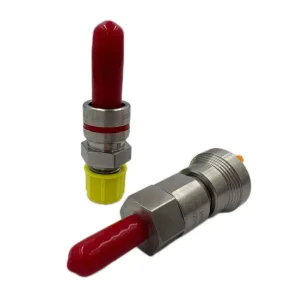
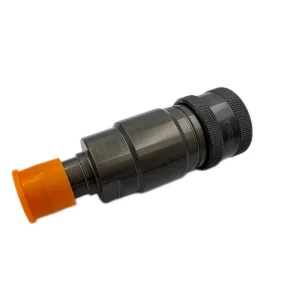
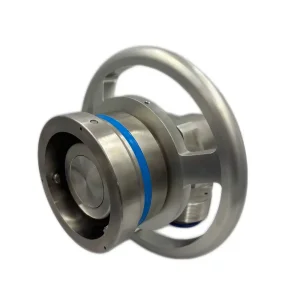
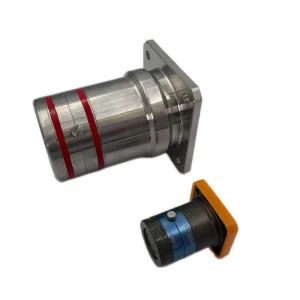
In automated automotive plants, welding guns on robotic arms undergo high-speed, multi-axis rotations. Standard screw-fit connectors can loosen under constant vibration, resulting in electrical arcing. For these setups, we design heavy-duty bayonet-locking and spring-loaded ball socket couplers that lock securely, ensuring steady electrical current even during continuous movement.
Connecting utility-scale battery systems and wind turbine grounding terminals requires robust, weather-resistant joints. Dynalink's heavy-duty quick-connect terminals are built to handle temperatures from -40°C to +120°C, ensuring reliable current transfer during seasonal extremes and sudden electrical surges.
Global procurement teams prioritize two key factors when selecting heavy electrical systems: compliance and supply-chain transparency. Procurement managers look for suppliers with recognized international standards (like CE, UL, RoHS, and REACH) to ensure safety and simplify regional compliance. In addition, there is a strong focus on finding partners who offer flexible manufacturing capabilities to produce custom product runs and complete turnkey solutions.
Emerging industry trends reflect this shift toward advanced technologies:
How Dynalink supports modern industrial applications through tailored technical solutions.
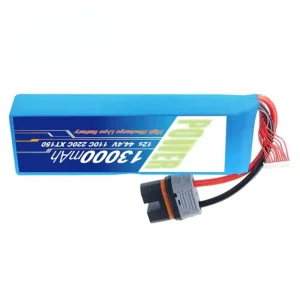
Our light, low-impedance connectors support efficient battery charging and discharging, ensuring stable flight performance for commercial and industrial UAVs.
High-speed connectors and reliable backup power systems protect data integrity and maintain continuous operation for critical server infrastructure.
Durable housings and secure connections protect equipment in challenging factory environments, preventing contamination from dust, oils, and moisture.
Our internal CAD and FEA tools enable us to quickly translate customer design specifications into functional, tested samples.
We continue to invest in research and development, working to lower joint resistance, improve insulation performance, and enhance battery connectivity.
Technical insights, application recommendations, and procurement details.
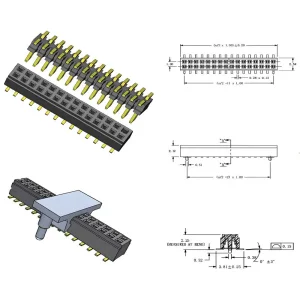
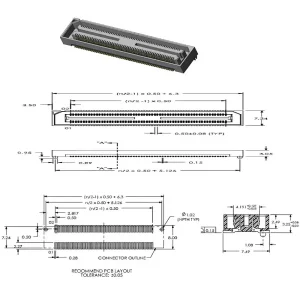
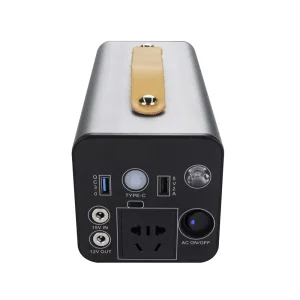
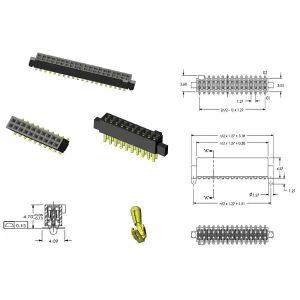
From micro-pitch PCB connectors to high-power portable battery systems.
 Dynalink Electronic