As the global transition to renewable energy accelerates, residential energy storage systems (ESS) have evolved from premium grid backups to essential core assets of smart domestic infrastructure. Under this paradigm shift, Lithium Iron Phosphate (LiFePO4) has emerged as the definitive electrochemistry for domestic applications, outpacing Nickel Manganese Cobalt (NMC) alternatives in critical vectors of safety, thermal stability, operational longevity, and lifecycle cost-efficiency.
From a chemical composition perspective, the exceptionally strong covalent bond between phosphorus and oxygen in the PO₄³⁻ polyanion lattice is fundamentally more stable than the transition metal-oxygen bonds in oxide-based cathodes. This molecular layout prevents oxygen release at elevated temperatures, effectively eliminating the risk of thermal runaway up to 600°C. In contrast, NMC cells exhibit thermal runaway thresholds as low as 220°C. Consequently, for ODM Lithium Iron Phosphate Home Battery manufacturers, utilizing LFP chemistry is the foundational baseline for mitigating domestic fire risks.
Furthermore, residential users prioritize economic longevity. LiFePO4 cells typically deliver over 6,000 charge-discharge cycles at 80% Depth of Discharge (DOD) before falling to 80% of their initial capacity. This equates to an operational lifespan of 15 to 20 years in daily cycling scenarios, dwarfing NMC's average performance of 2,000–3,000 cycles. Manufacturers and sourcing managers globally recognize that despite slightly lower volumetric energy density compared to NMC, the absolute reliability and superior cycle life of LFP make it the premium choice for home battery walls and modular rack-mount energy configurations.

Dynalink Electronic Technology Co., Ltd (DL), established in 2007, stands at the forefront of precision engineering, specializing in power supplies, energy storage capacitors, and high-reliability connectors. Currently operating with a workforce of over 800 employees, including more than 200 dedicated technical staff, Dynalink is a technology-driven designer and manufacturer. Our robust infrastructure integrates material research and development, custom product design, and micro-precision manufacturing into a complete industrial chain.
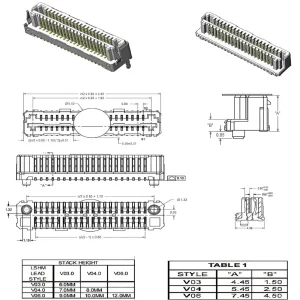
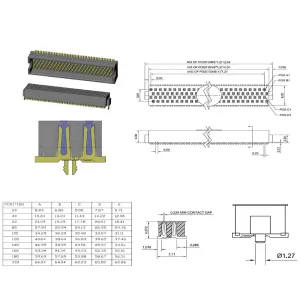
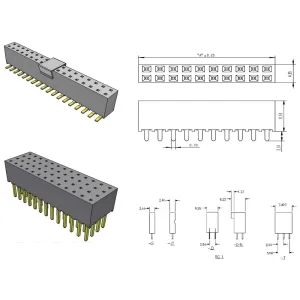
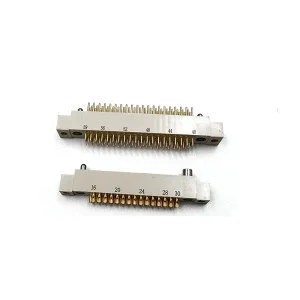
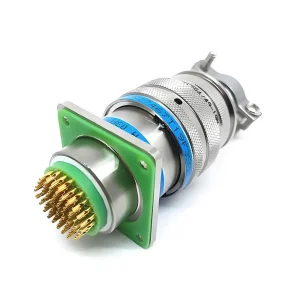
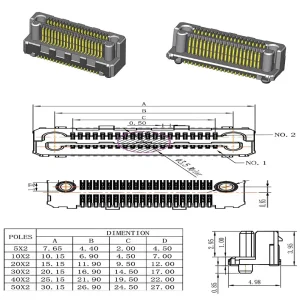
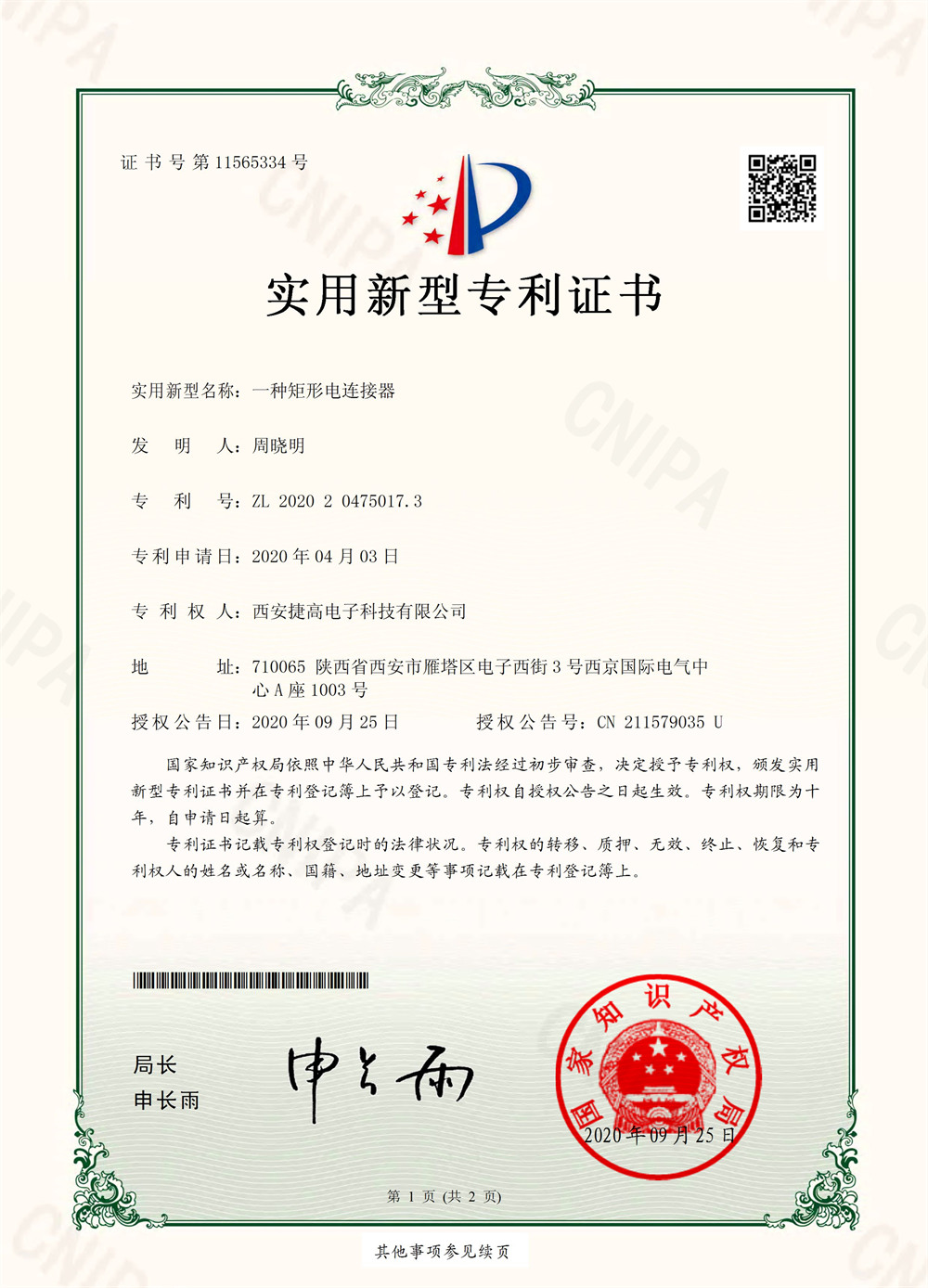
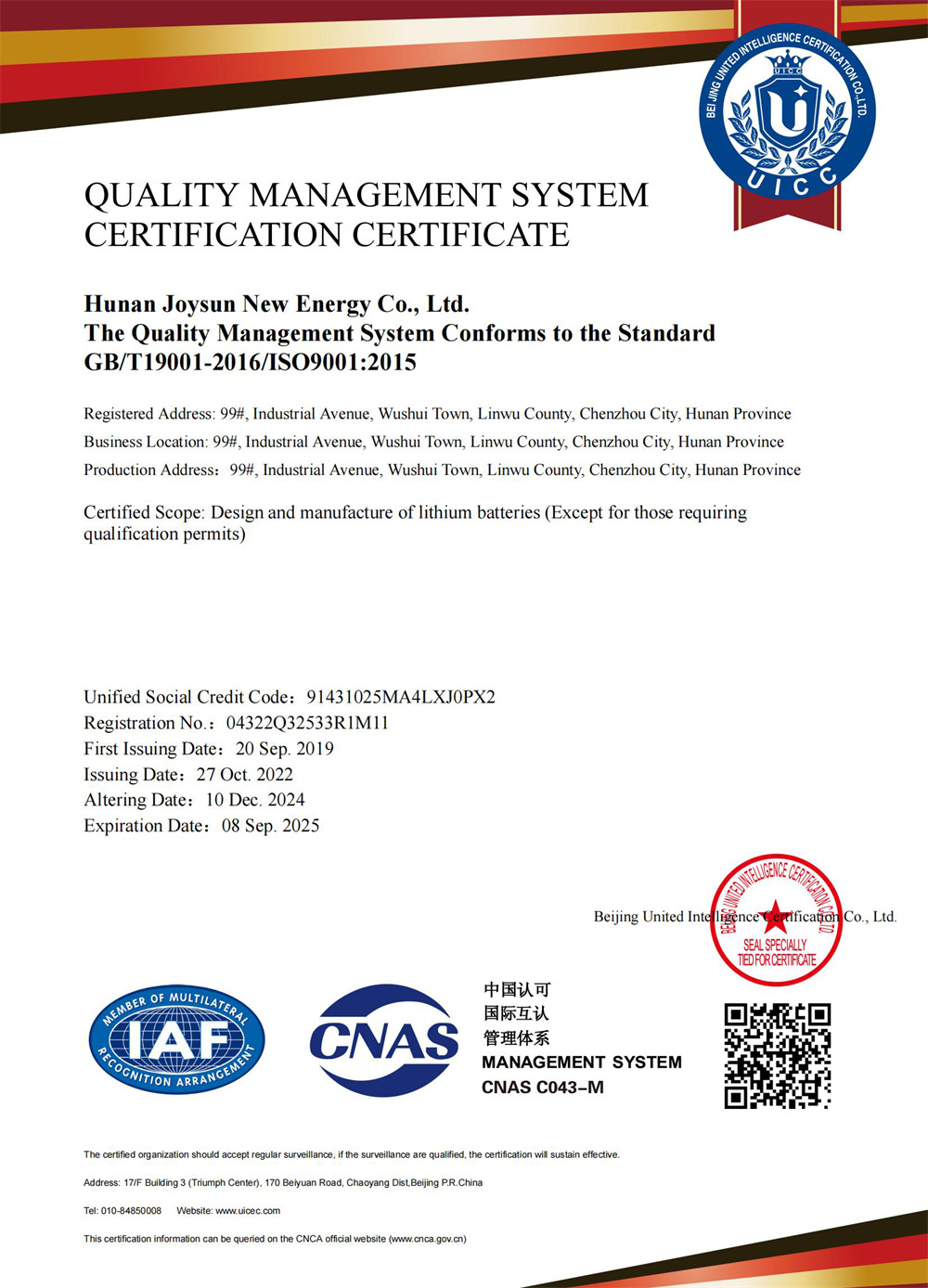
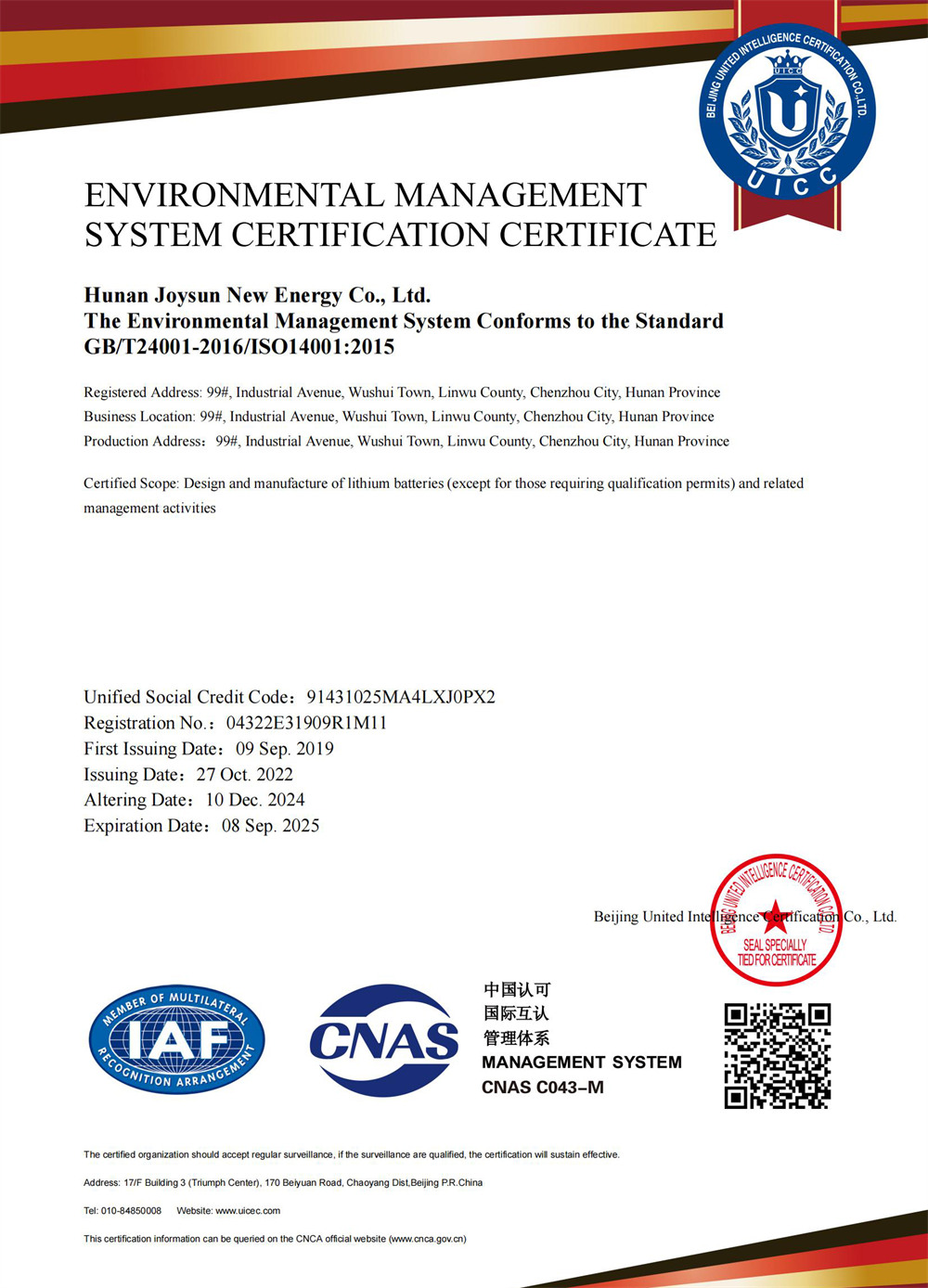
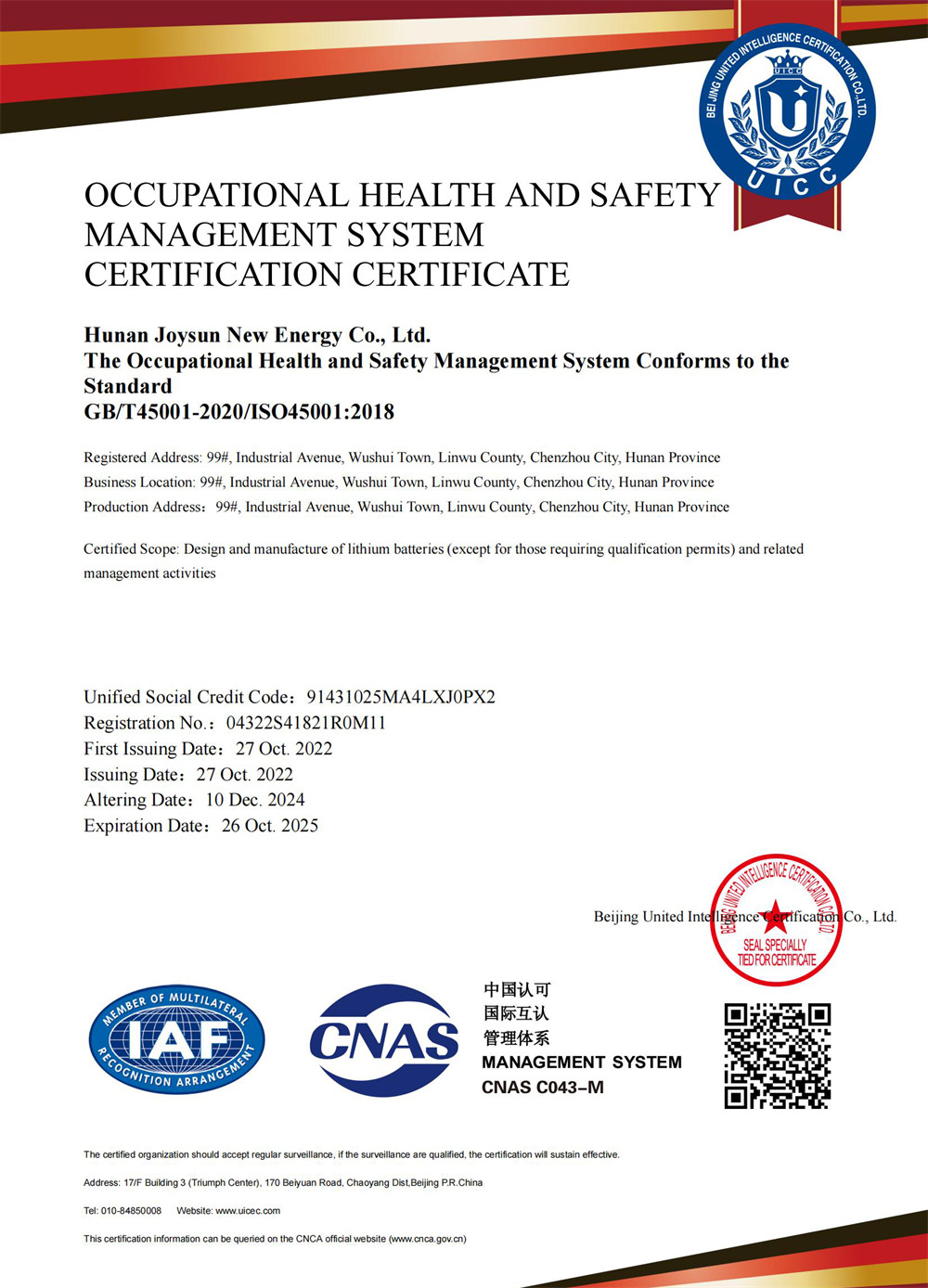
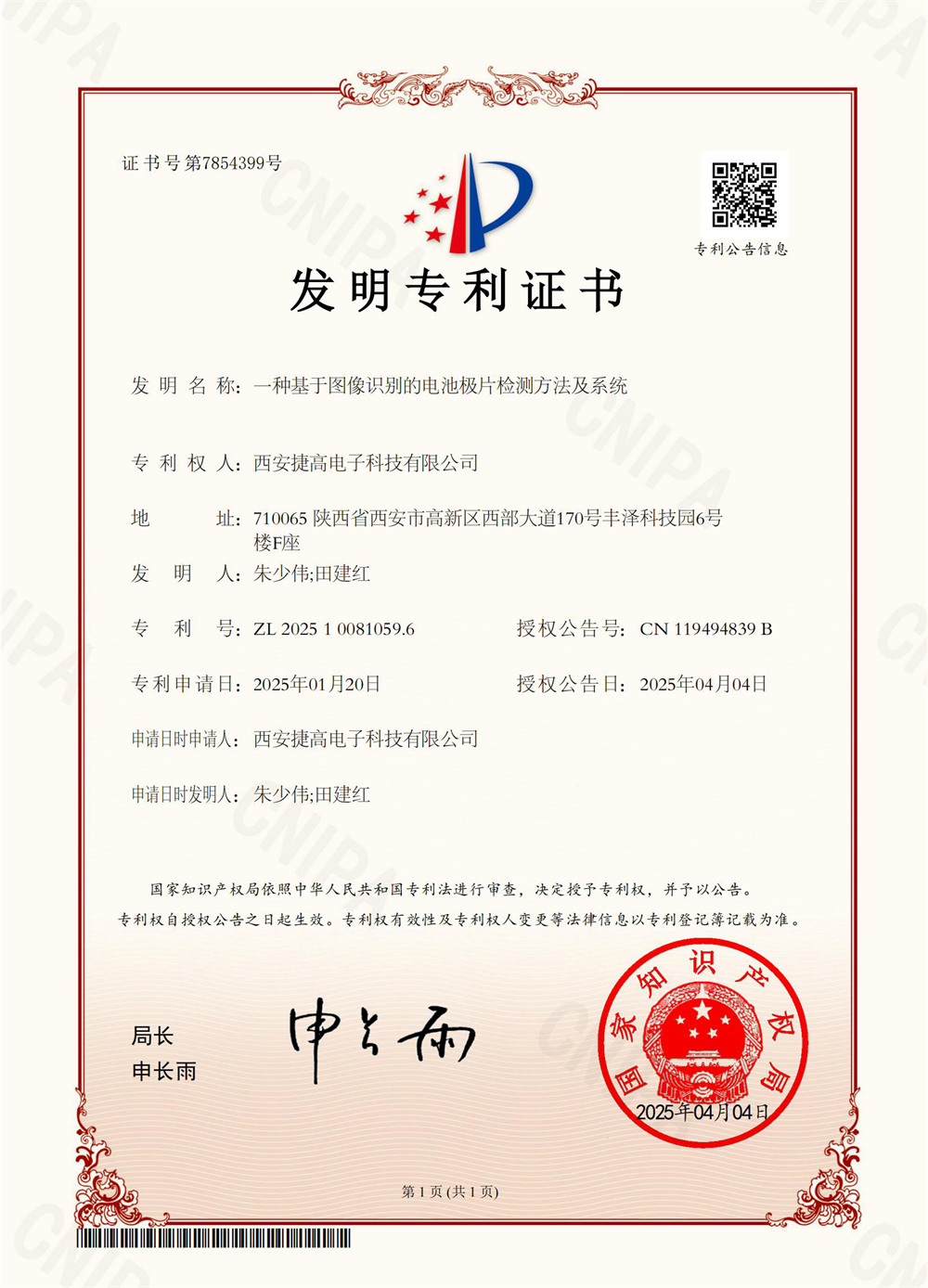
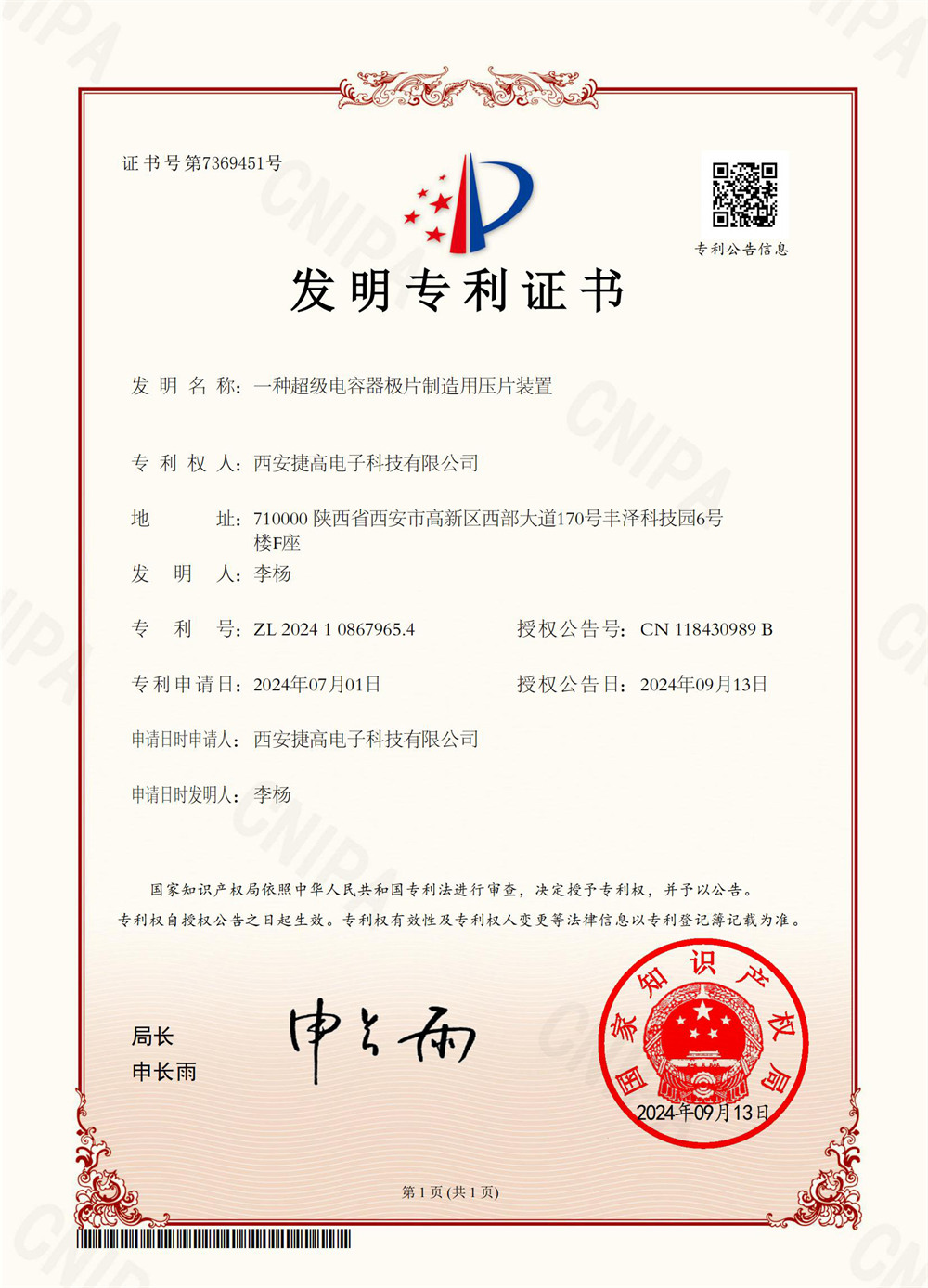
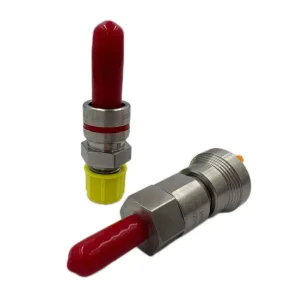
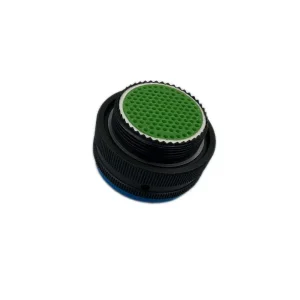
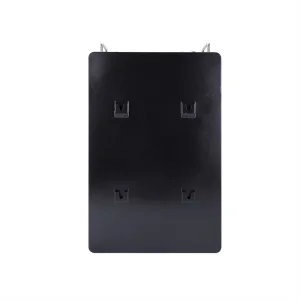
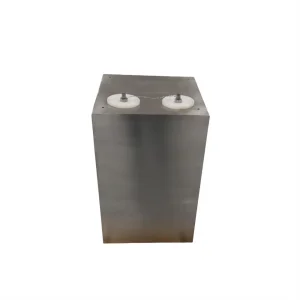
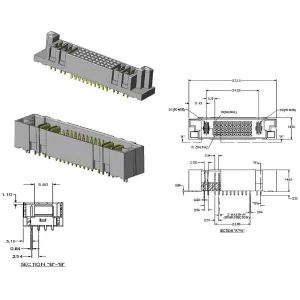
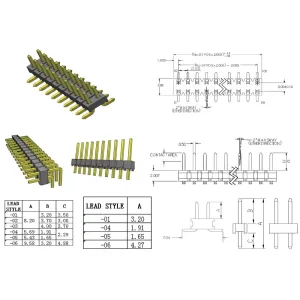
By leveraging our deep-seated expertise in high-power connectivity and capacitor design, Dynalink delivers unmatched engineering integration for home energy storage systems. Our connectors and capacitors serve as critical internal components, ensuring low-loss energy transmission and high safety margins. In order to guarantee compliance with stringent global markets, our manufacturing plants strictly adhere to international management frameworks, having obtained the following prestigious certifications:

Environmental Management System
Quality Management System
Occupational Health and Safety
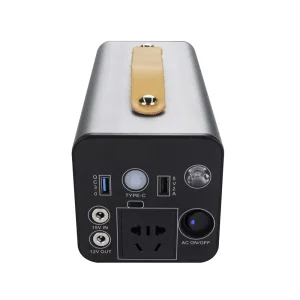
Dynalink does not merely assemble battery systems; we engineer the full electrical ecosystem. Sourcing from a single-point ODM manufacturer that builds both the core energy components and precision connectors optimizes system-level performance. Our comprehensive customized development system responds dynamically to diverse industrial and residential applications.
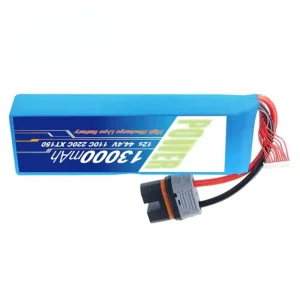
In the field of high-payload drones, our products ensure efficient battery charging and discharging and the stable operation of lightweight, high-energy power systems.
For data centers, high-speed connectors and stable power supplies ensure low-loss transmission of massive amounts of data and the reliable operation of critical battery backups.
In industrial automation scenarios, connectors with high protection performance and precision power supplies provide solid support for equipment operating in complex environments.
Relying on our self-developed intelligent design platform, we can quickly respond to customer requests and provide integrated solutions from components to systems.
Dynalink continuously invests in breakthrough solid-state battery development, capacitor energy density, and high-precision low-loss connector fabrication.
By merging electrical interconnects directly with energy storage structures, we reduce overall system resistance by 15%, reducing home battery heating and degradation.
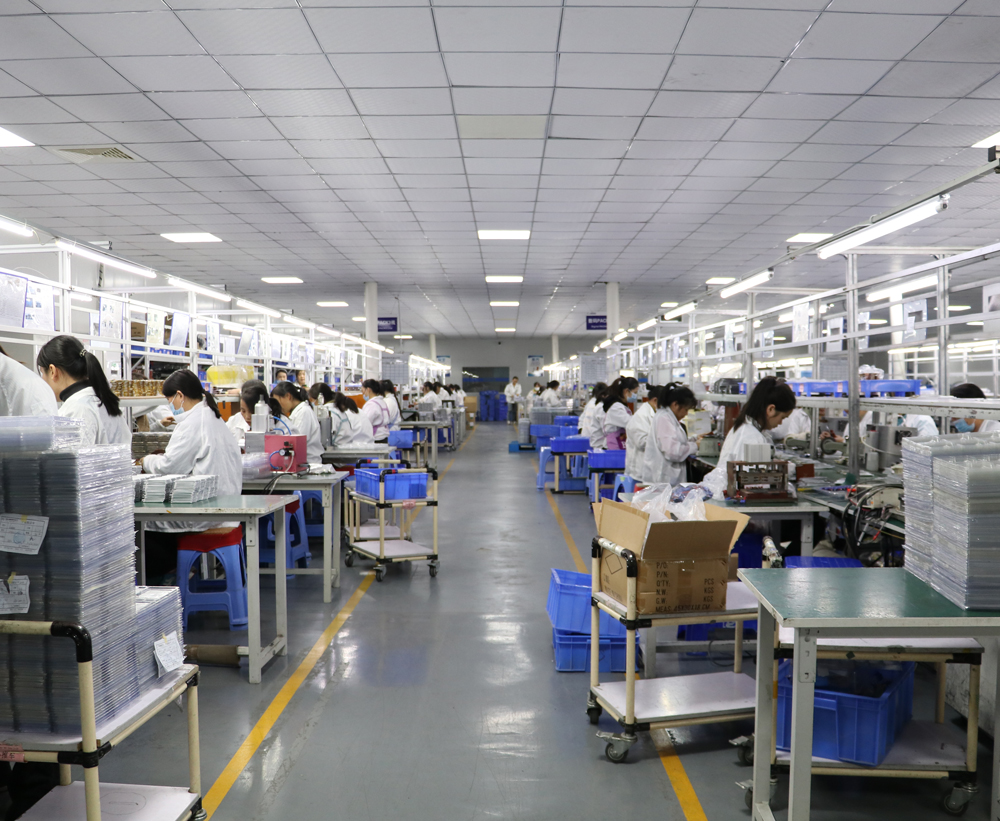
Sourcing home energy storage products from Chinese manufacturers provides global businesses with a unique combination of scale, cost control, and rapid technology integration. Dynalink's production base leverages local supply chains for raw materials and cell manufacturing, ensuring a steady flow of high-grade components.
Dynalink provides custom OEM/ODM solutions tailored to distinct voltage systems (low-voltage 48V/51.2V and high-voltage stacked systems) to match international inverter requirements. Below are the design specifications available for global importers:
| System Parameters | 48V/51.2V Low Voltage (LV) Series | High Voltage (HV) Stackable Series |
|---|---|---|
| Nominal Capacity Options | 100Ah / 200Ah (5.12 kWh - 10.24 kWh) | 50Ah / 100Ah (10.24 kWh - 30.72 kWh modular) |
| Cell Configuration | 16S1P / 16S2P Prismatic Grade A cells | Multi-module serial connection up to 400V+ |
| BMS Protocols Supported | CANbus, RS485, Modbus (Compatible with major inverters) | CANbus, RS485 (Built-in active automatic balance) |
| Standard Charge/Discharge | 0.5C Continuous (1.0C Peak) | 1.0C Continuous (Short peak up to 2.0C) |
| IP Protection Level | IP20 (Indoor Wall-mount) / IP65 (Outdoor Cabinet) | IP65 Dust and Water Resistant |
| Thermal Management | Passive natural cooling / Heated film (Optional) | Active liquid cooling or advanced thermal insulation |
| Certifications | UN38.3, CE, IEC 62619, UL 1973 (Planned) | UN38.3, CE, IEC 62619, UL 9540A |
Energy profiles vary significantly by region. A quality ODM manufacturer must customize products to meet localized grid codes, environmental conditions, and consumer behaviors.
In countries like Germany and the UK, where dynamic time-of-use pricing is common, Dynalink systems integrate with smart BMS protocols. This allows the battery to charge during low-cost wind generation periods and discharge during peak demand, saving homeowners up to 40% on their electricity bills.
In regions facing weather-related grid instability, such as California or Texas, we configure high-capacity split-phase output power systems. These units transition to off-grid backup mode within 10 milliseconds, keeping critical household appliances running seamlessly.
With high rooftop solar adoption and low feed-in tariffs, Australian customers prioritize self-consumption. Our high-efficiency systems capture excess day solar energy to power homes overnight, reducing reliance on the grid.
For B2B procurement managers and solar distributors, selecting the right ODM manufacturing partner is critical to long-term profitability and minimizing warranty liabilities. When auditing factories in China, consider these three core factors:
The cells represent over 60% of the total system cost and dictate safety and lifespan. Always verify the source and grading of the prismatic cells used in the ODM pack. Grade-A cells from top tier brands feature matched capacity, internal resistance (within 1mΩ), and voltage limits. Demand traceability reports and reject the use of Grade-B or recycled EV cells, which degrade rapidly within 1,000 to 2,000 cycles.
An energy storage system must communicate effectively with the hybrid inverter. A quality ODM manufacturer should offer a customizable BMS preloaded with CAN communication protocols for major global brands like Victron, Growatt, Deye, SMA, and GoodWe. Without this integration, the system cannot report accurate State of Charge (SOC), leading to suboptimal charging and potential over-discharge.
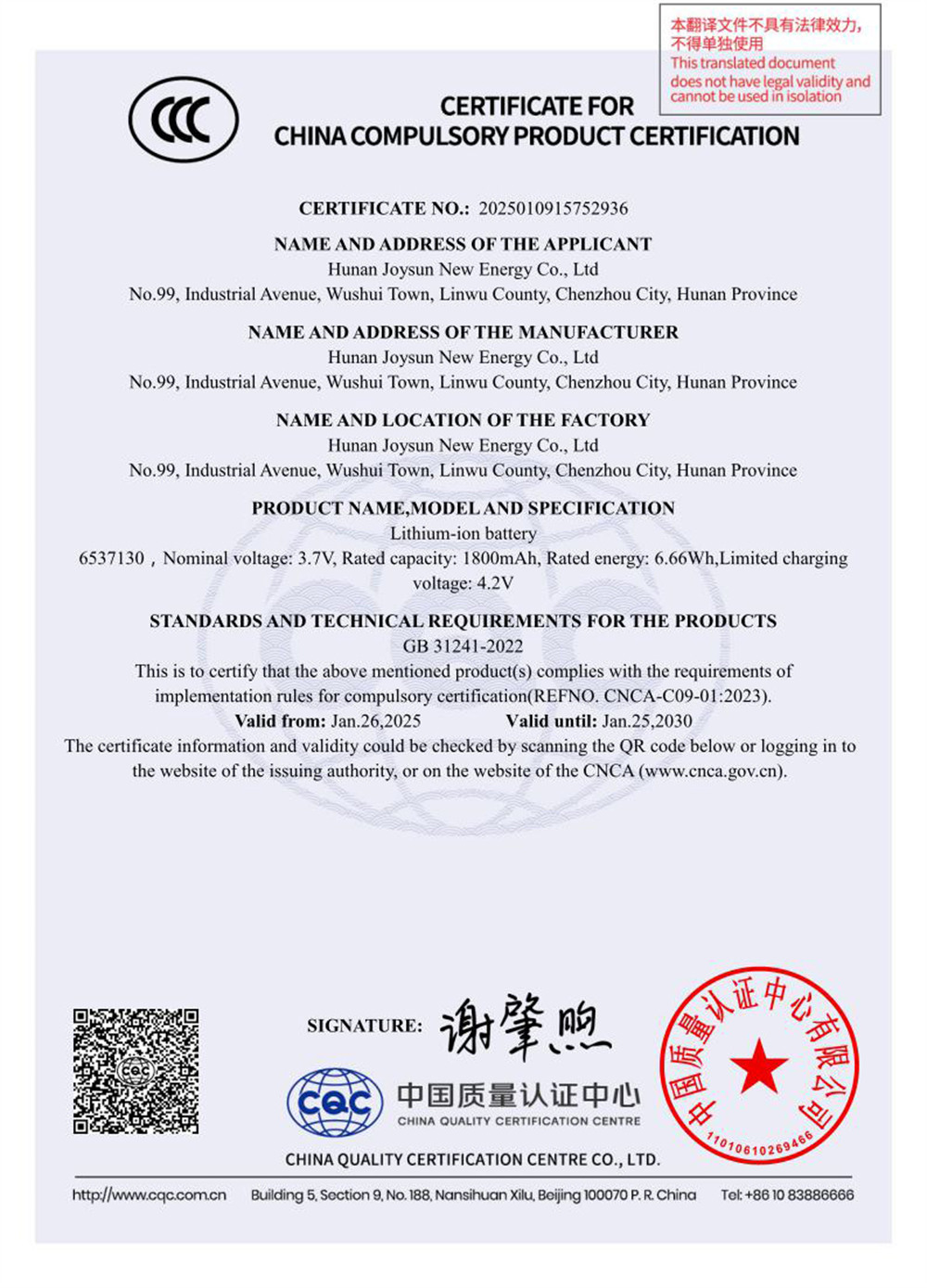
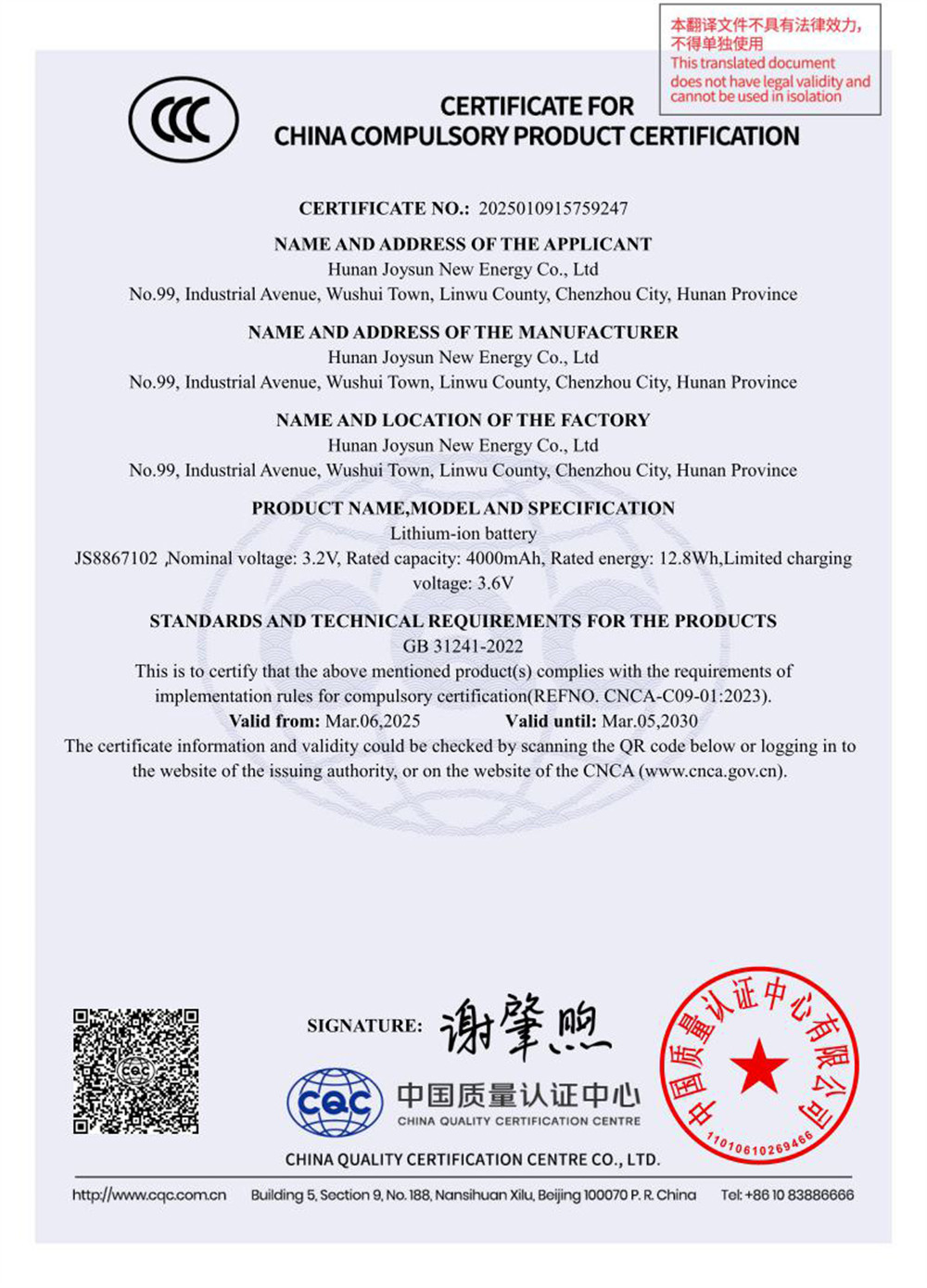
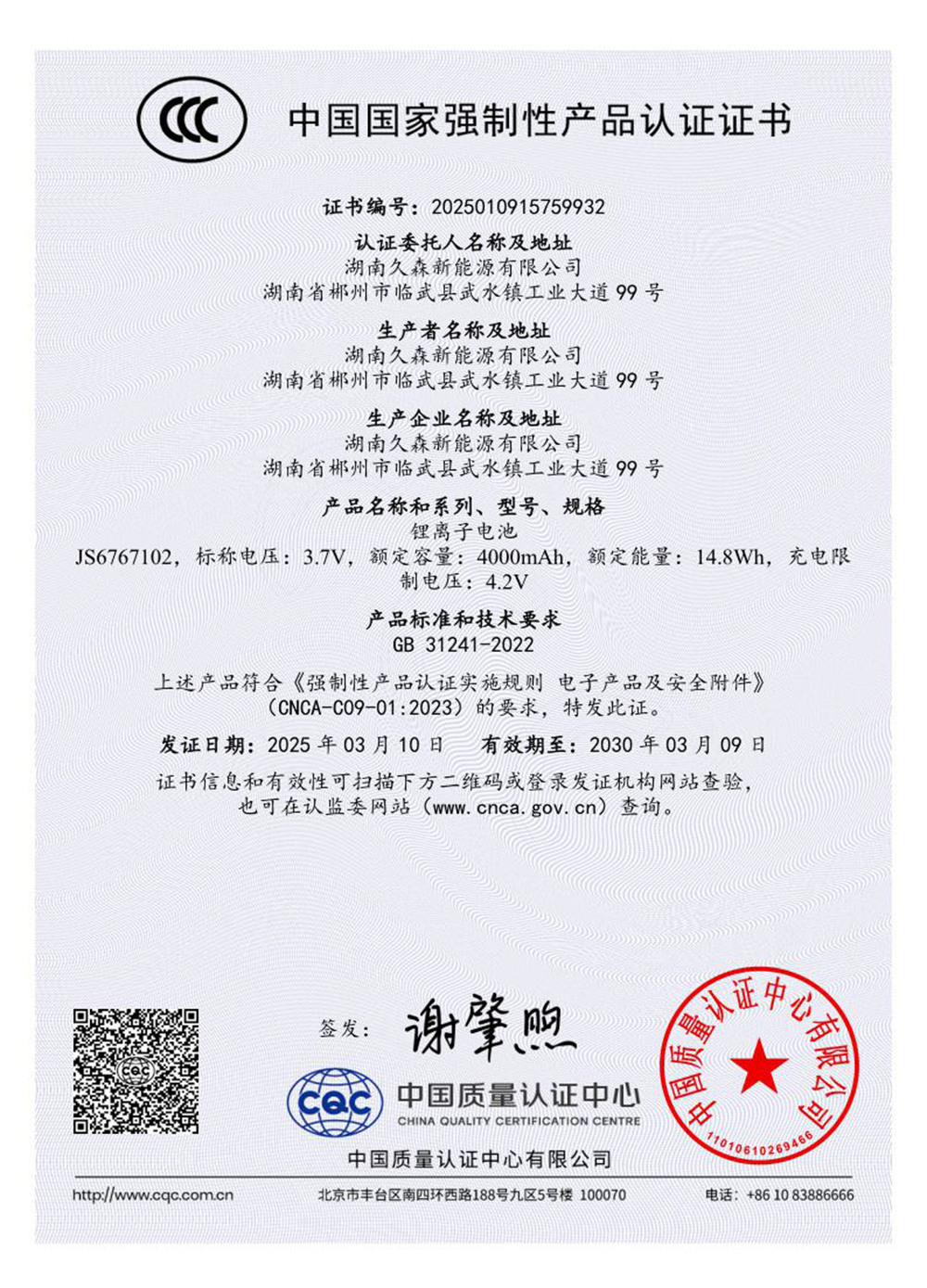
Reliable manufacturers run rigorous testing programs on every production run, including:
 Dynalink Electronic