Explore our foundational components manufactured in compliance with international standards, delivering high energy efficiency and low signal dissipation.
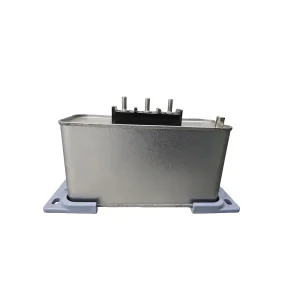
MKP (Metallized Polypropylene Film) Capacitors serve as the backbone of modern power electronics, characterized by an exceptionally low dissipation factor, superior dielectric strength, and a highly reliable self-healing mechanism. Unlike traditional electrolytic alternatives, MKP dielectrics utilize a thin film of biaxially oriented polypropylene (BOPP) coated with vacuum-deposited metal layers acting as electrodes.
This unique microstructure enables the capacitor to isolate electrical faults automatically. Under excessive voltage stress, a localized breakdown triggers an electric arc that rapidly vaporizes the surrounding micro-thin metallized layer, clearing the short-circuit site within microseconds without affecting the overall electrical integrity.
Dynalink (DL), established in 2007, harnesses these core physical properties to manufacture advanced self-healing low-voltage parallel capacitors. By integrating custom metal alloys and optimized winding tensions, our MKP capacitor lineup guarantees stable performance across extreme thermal envelopes, serving as a critical asset in reactive power compensation, EMI suppression, and DC-link configurations.
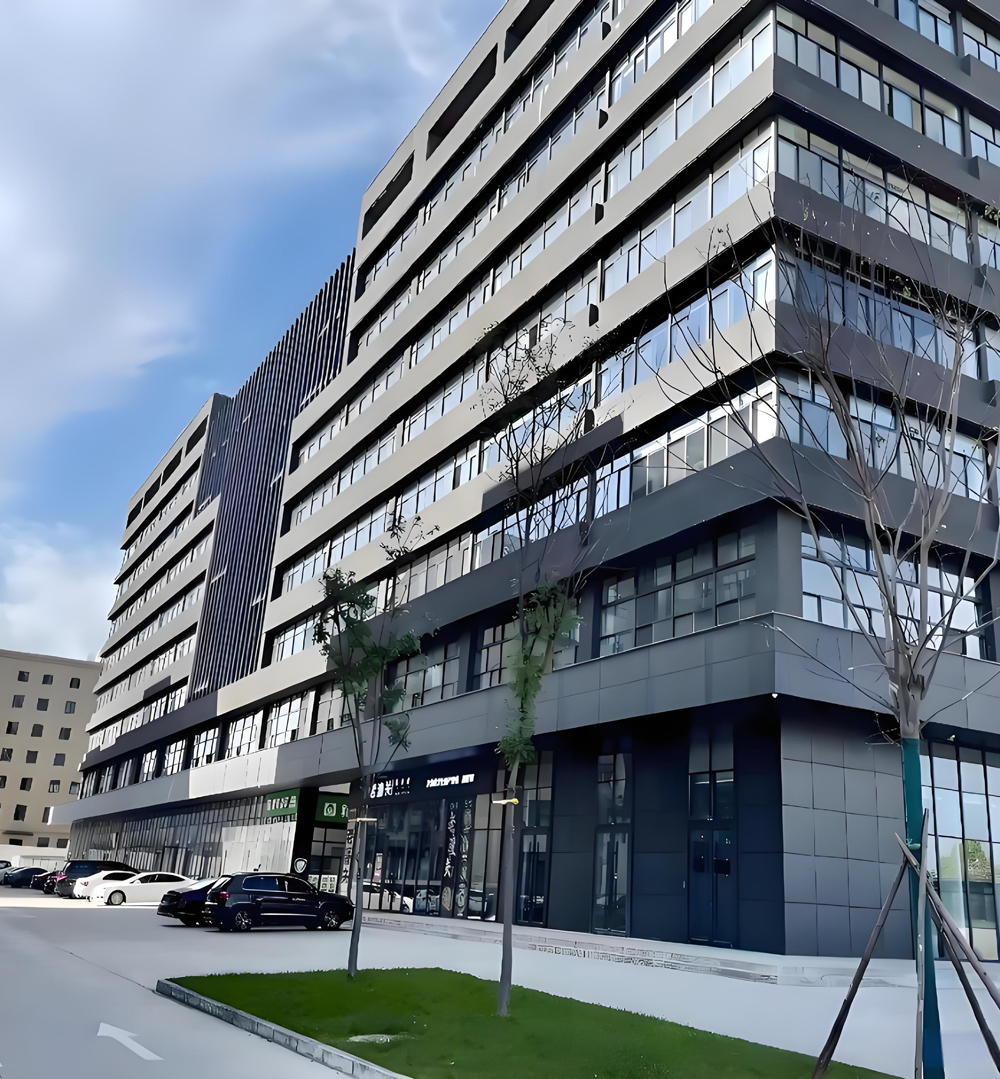
A data-driven glance at our engineering scale, technical innovation footprint, and workforce strength.
Providing custom development systems that run from foundational material research to ready-to-integrate sub-systems.
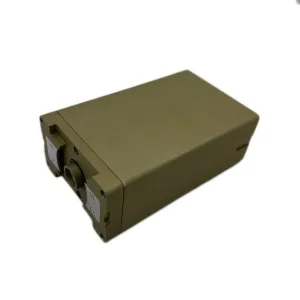
We supply advanced connectivity and high-frequency charging systems to guarantee swift battery turnaround times and stable power distribution profiles during autonomous operation.
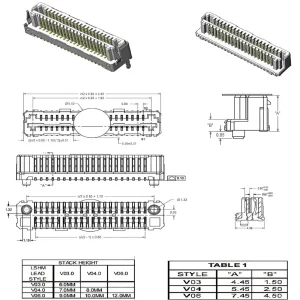
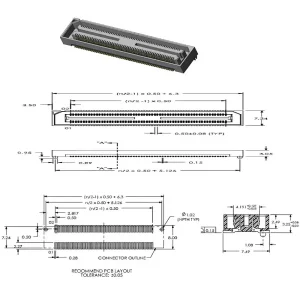
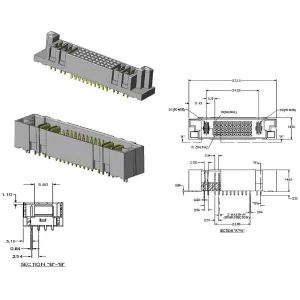
Providing high-speed electrical connectors with ultra-low return loss alongside robust power systems to handle the extreme power densities demanded by next-gen AI processing units.
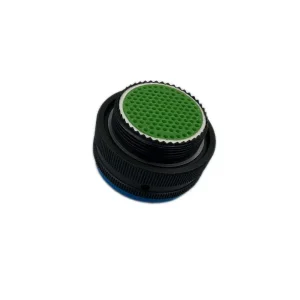
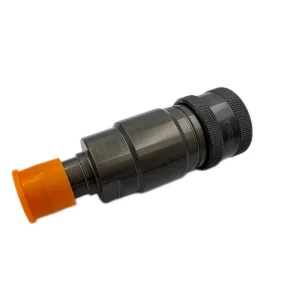
Delivering high IP-rated connectors and parallel capacitors specifically designed to perform in challenging locations characterized by temperature swings, dust, and corrosive materials.
By relying on our proprietary simulation and parametric layout tools, we generate tailored layout topologies and verify signal integrity before manufacturing physical prototypes.
Expanding capacitor boundaries: our dedicated R&D center actively pushes capacitor energy densities and breaks key technical boundaries surrounding solid-state battery integration.
From metallurgical verification of active metal coatings to thermal cycling tests, we perform 100% inspections on all production runs to prevent operational failure.
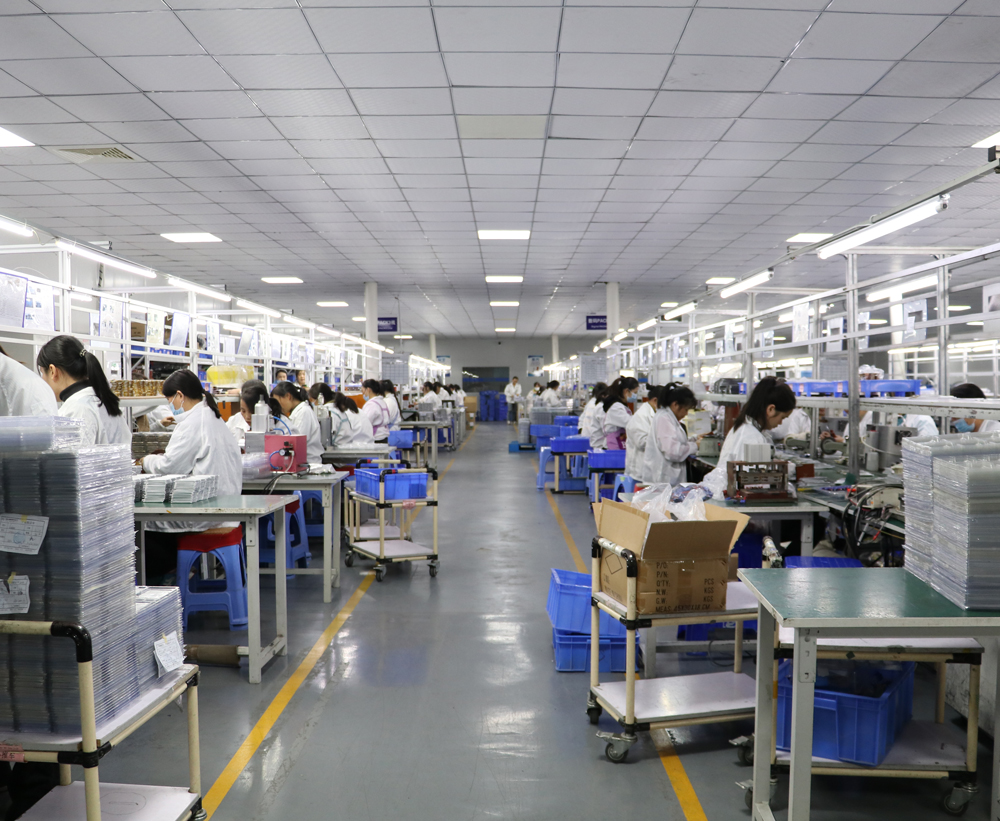
China represents the global hub for electronic components, offering deep integration of raw material suppliers, specialized tooling resources, and high-precision automation engineers. Dynalink sits at the heart of this geographic concentration, enabling us to source premium polypropylene film and high-purity aluminum zinc coatings at highly competitive rates.
This structural advantage translates directly into speed and scalability for our partners. While regional distributors struggle with long lead times, our manufacturing center executes rapid prototyping cycles and scales to high-volume manufacturing without bottlenecking. Our facility integrates automated winding machinery, curing chambers, and automated laser testing platforms.
Furthermore, Dynalink mitigates cross-border friction through comprehensive localization support. We offer dedicated engineering representatives to assist local operations, ensuring smooth technology transfers, customized mounting brackets, and electrical interface designs tailored to the specific standards of North American, European, and Asian grids.
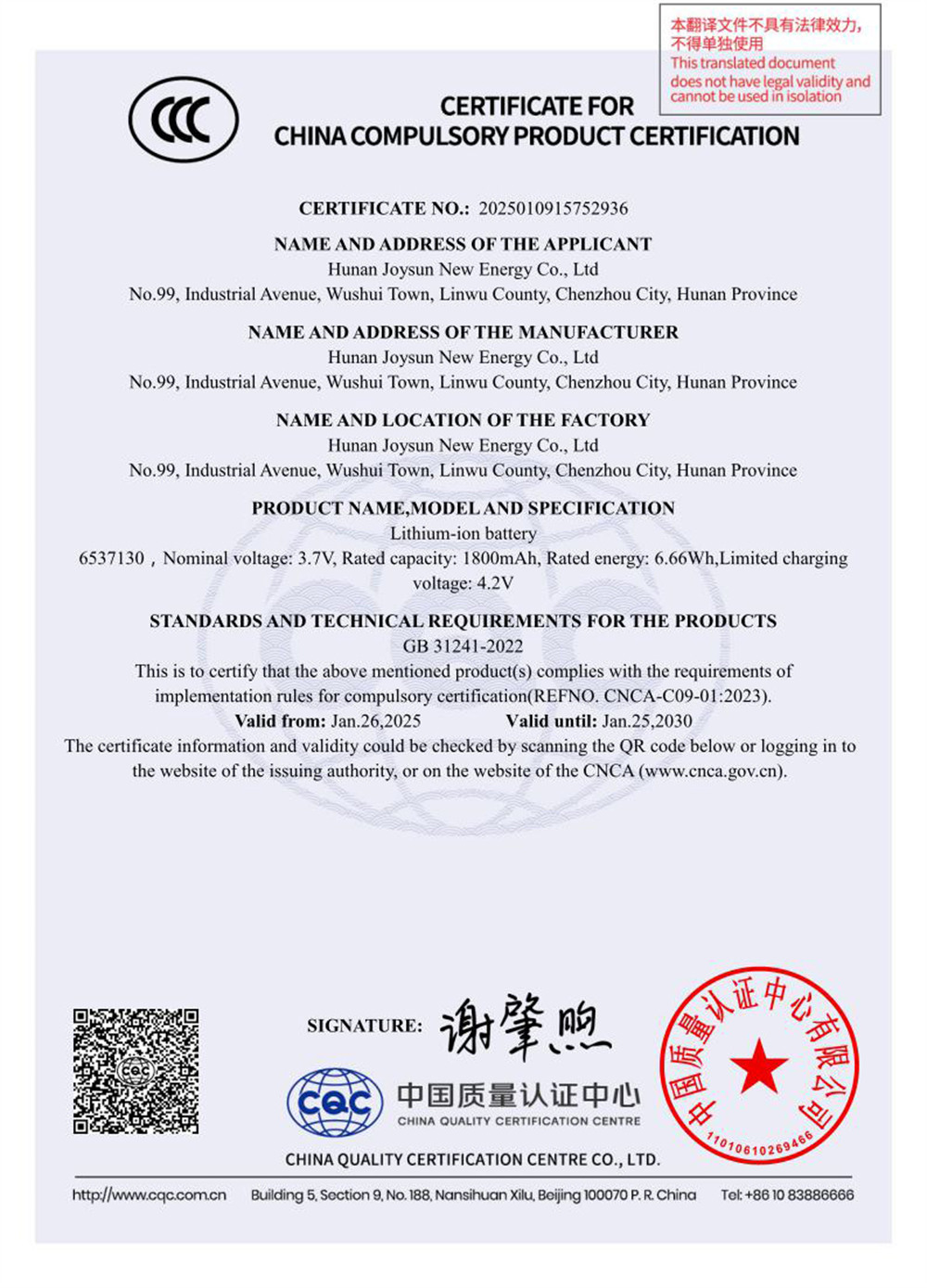
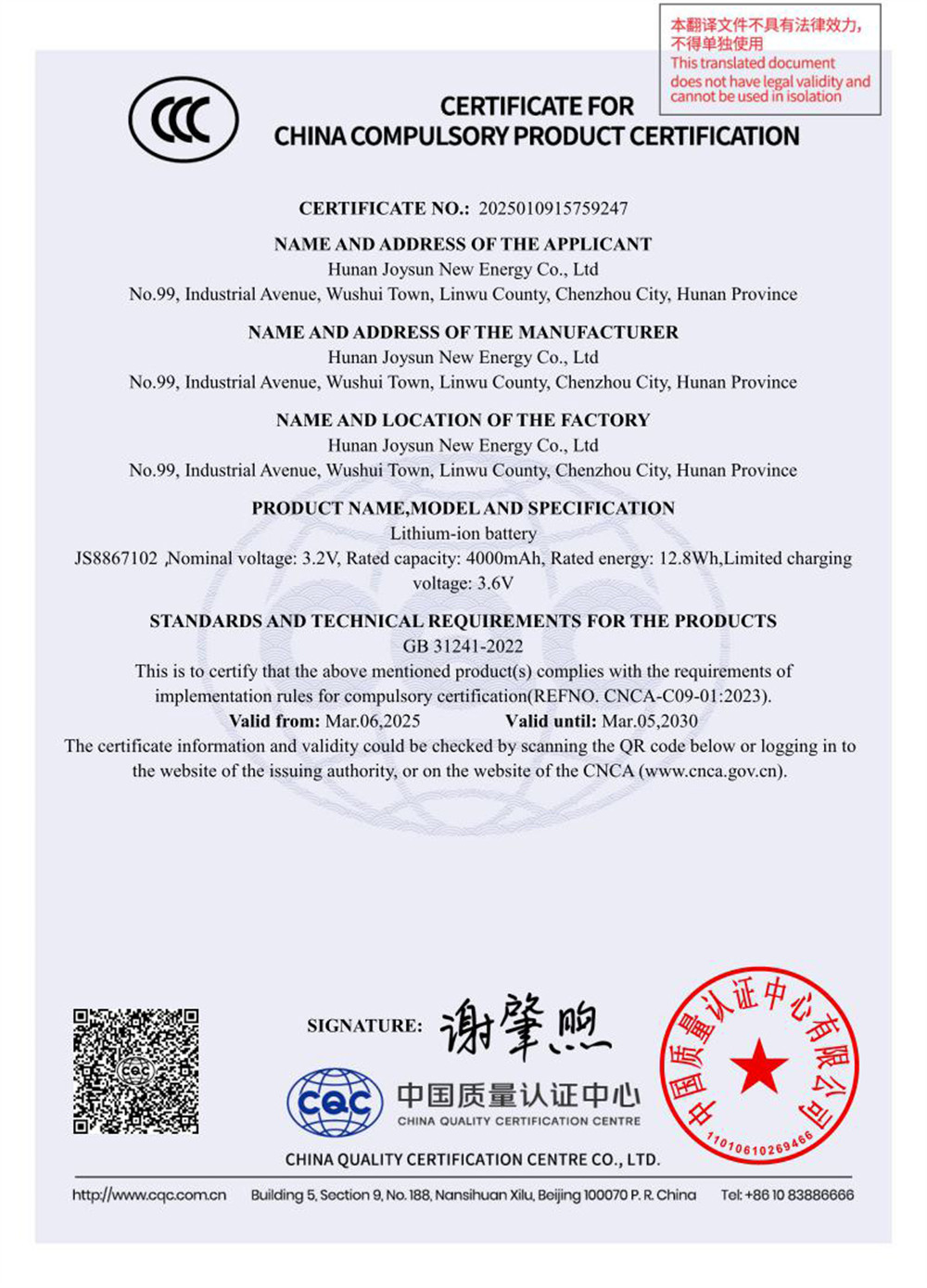
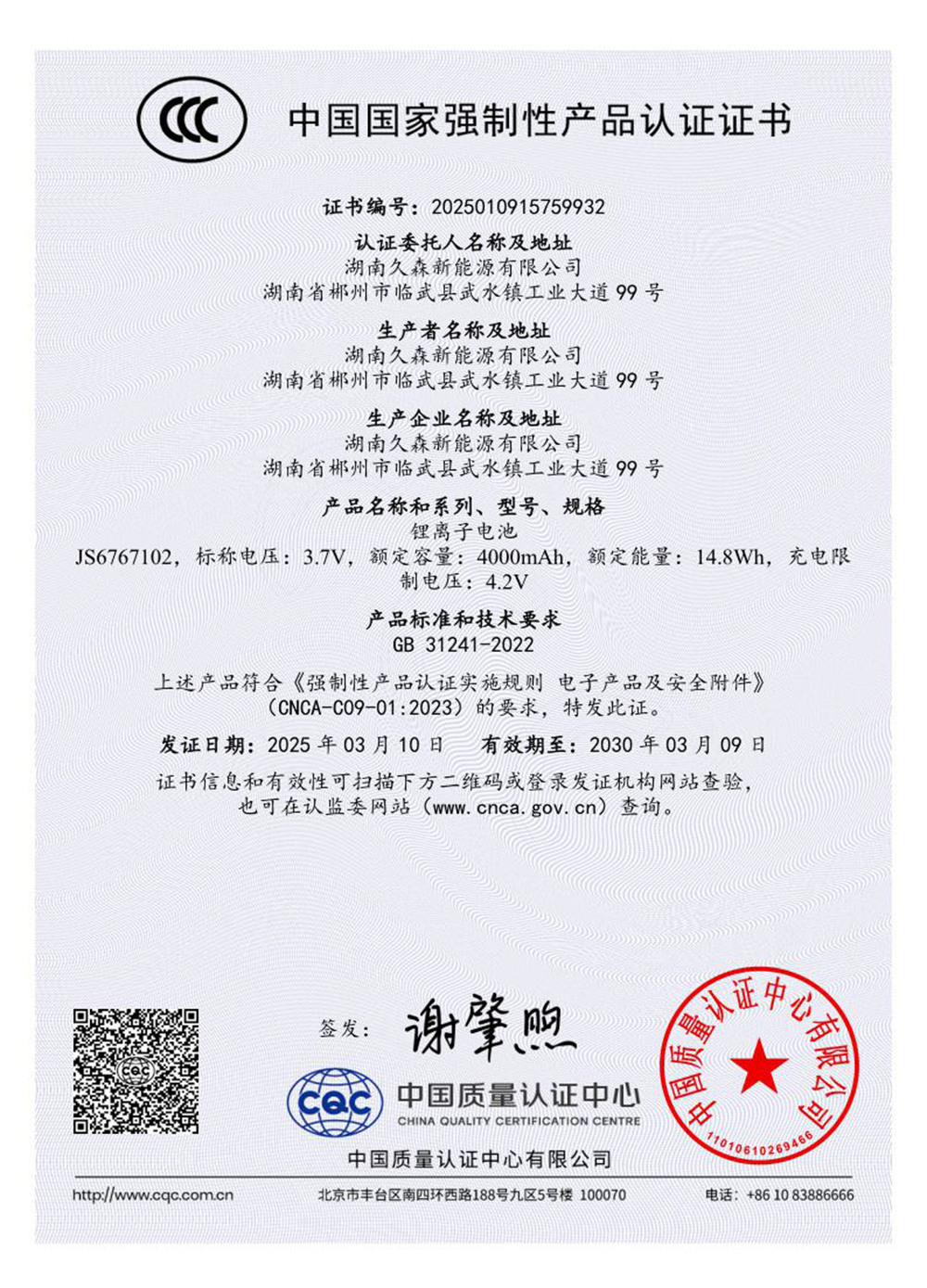
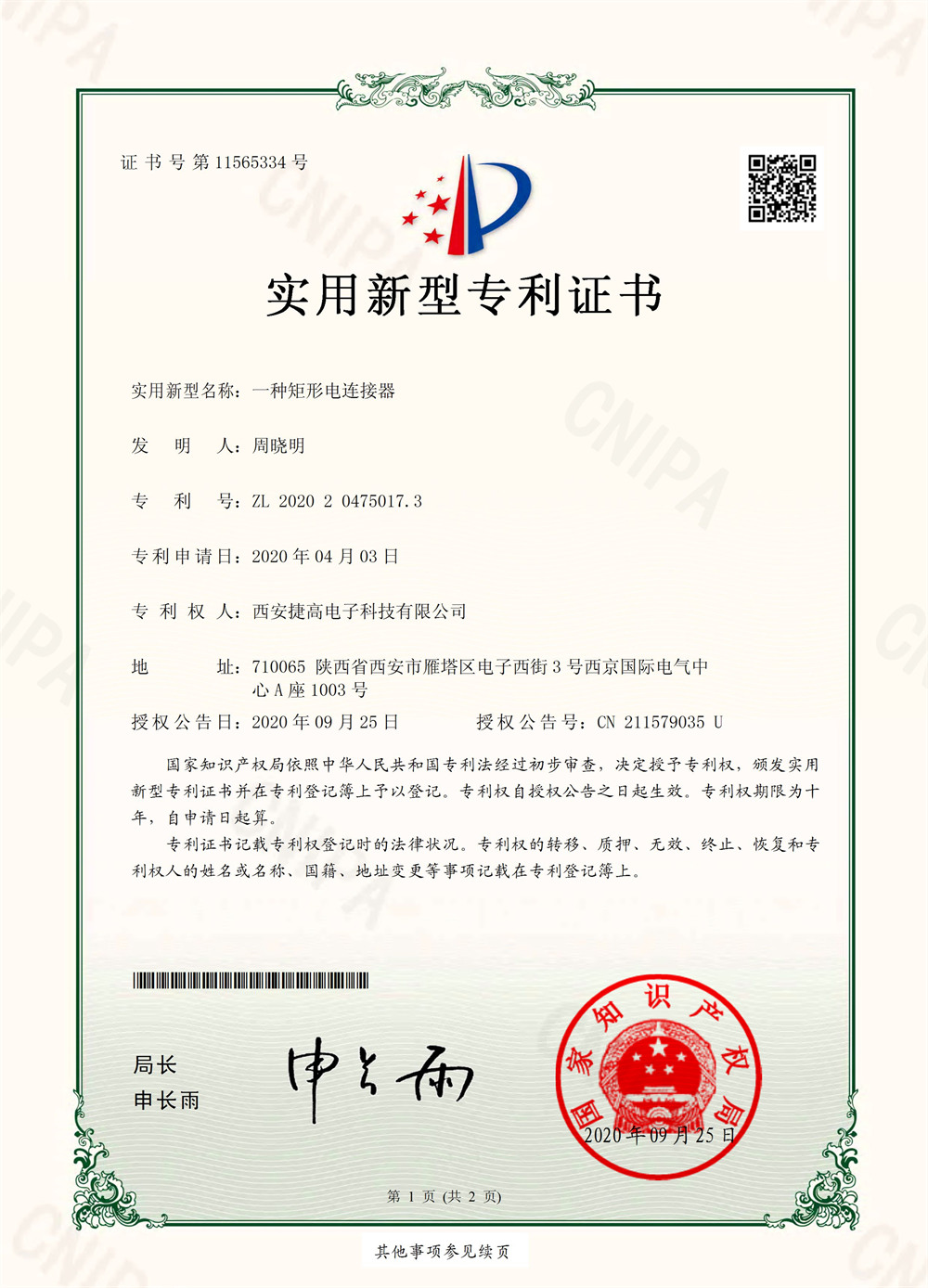
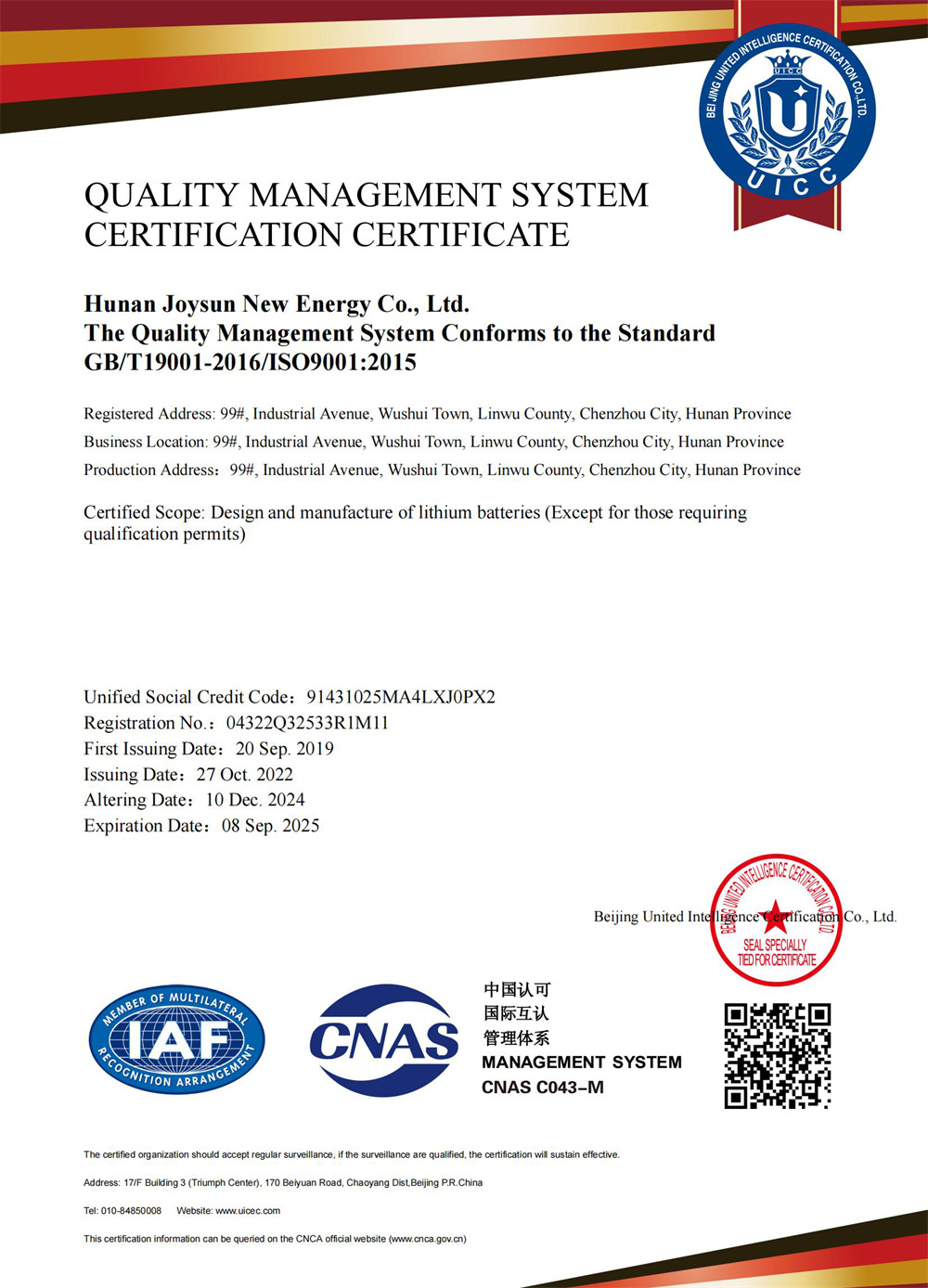
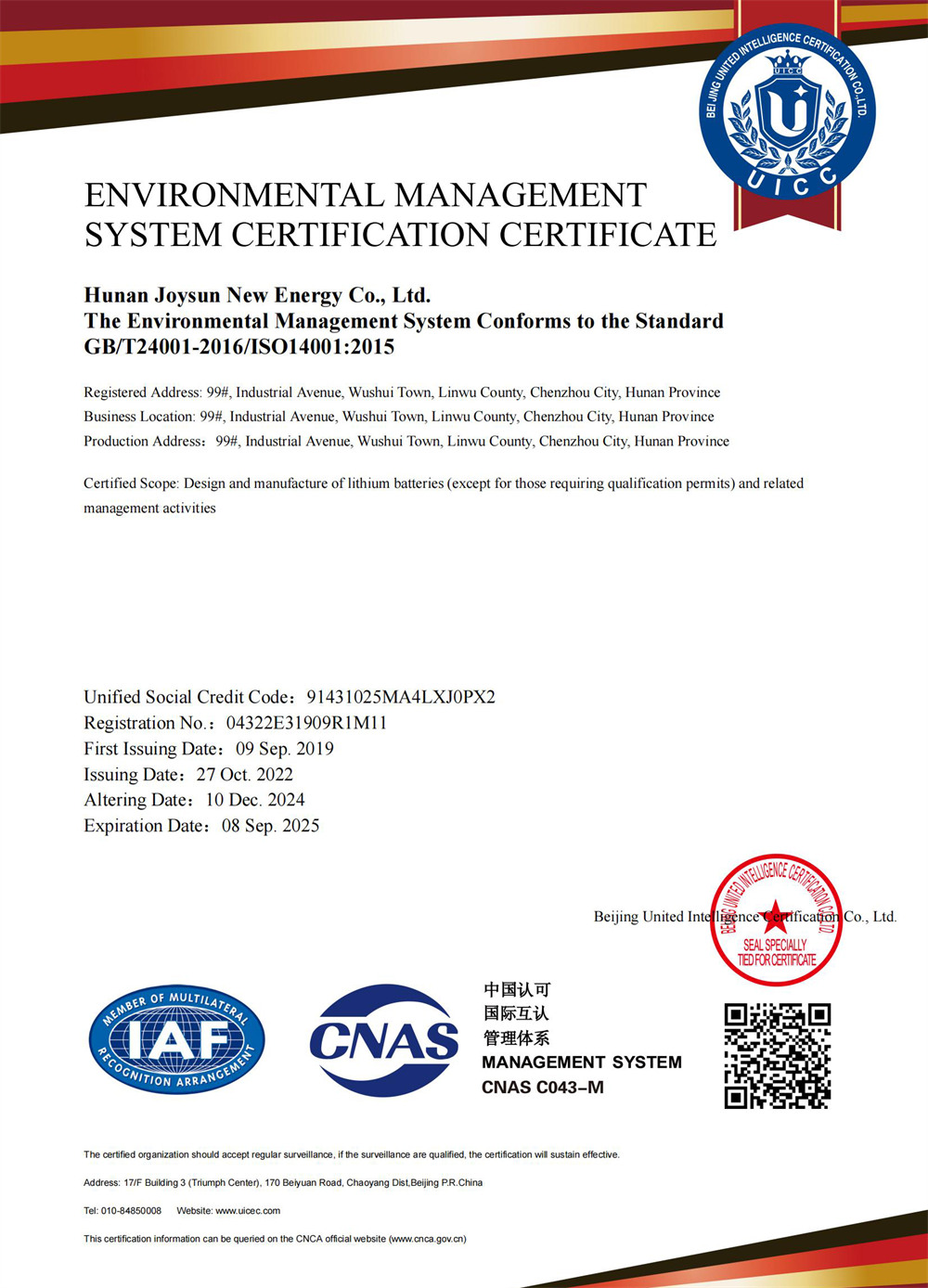
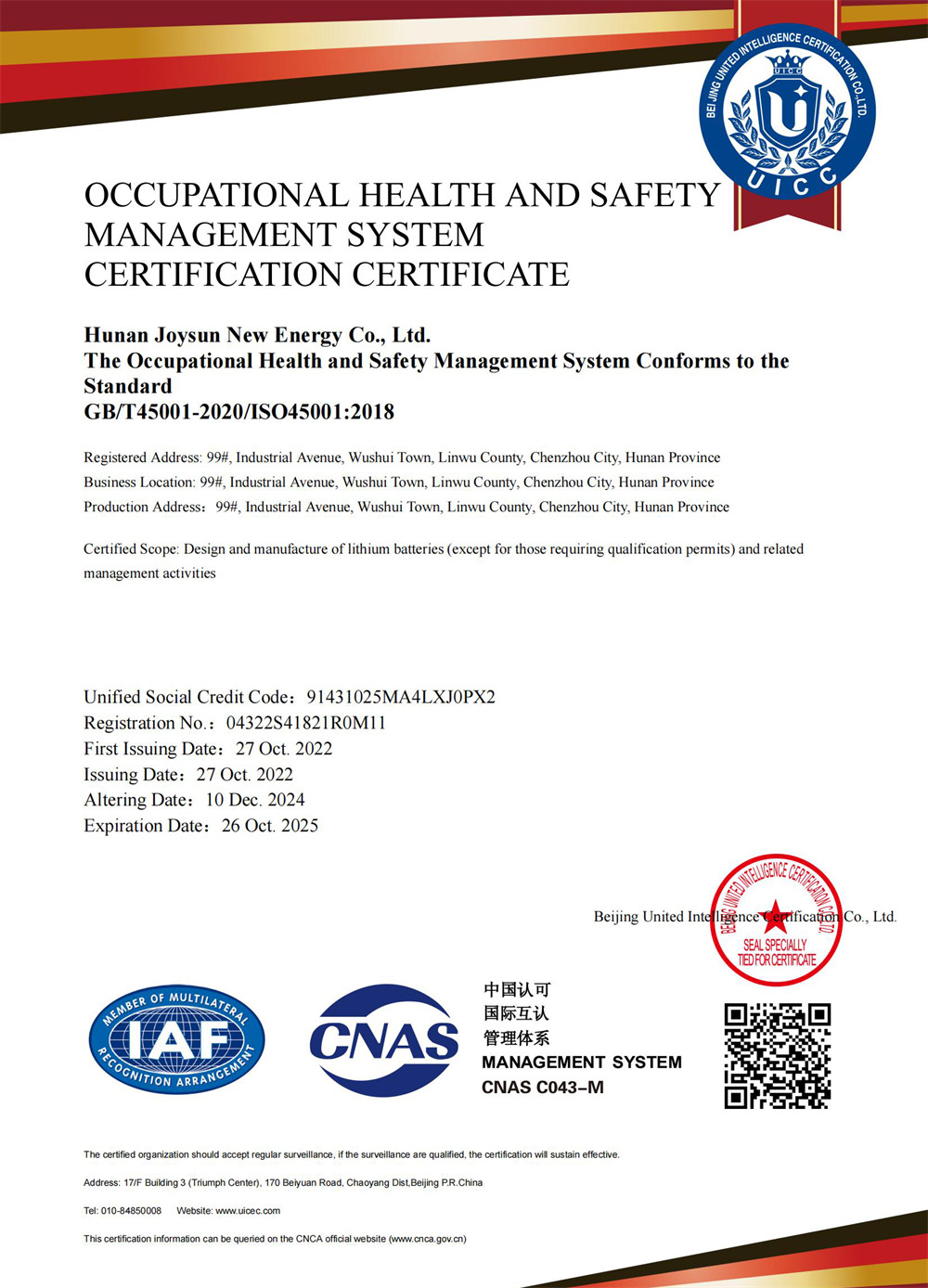
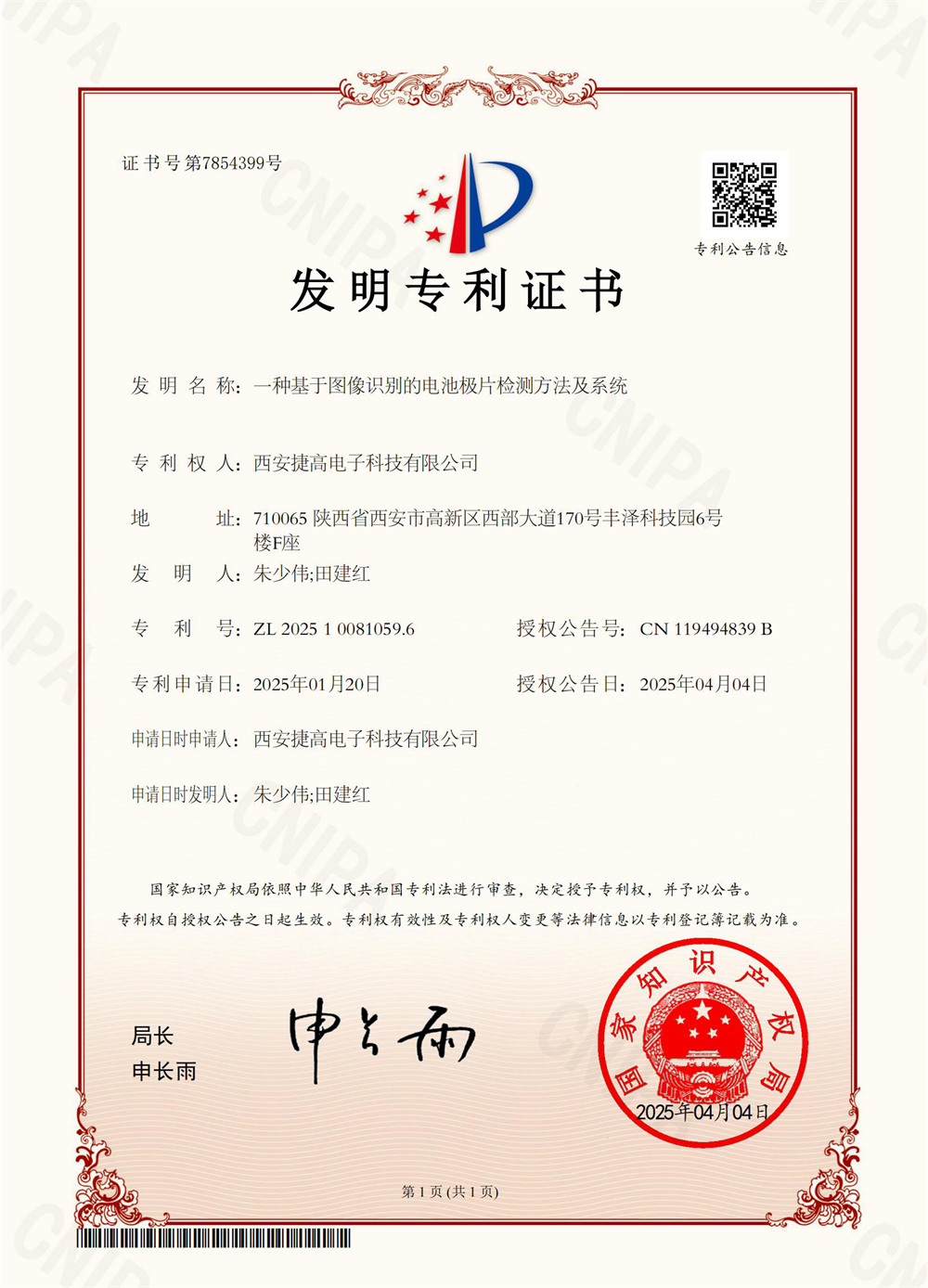
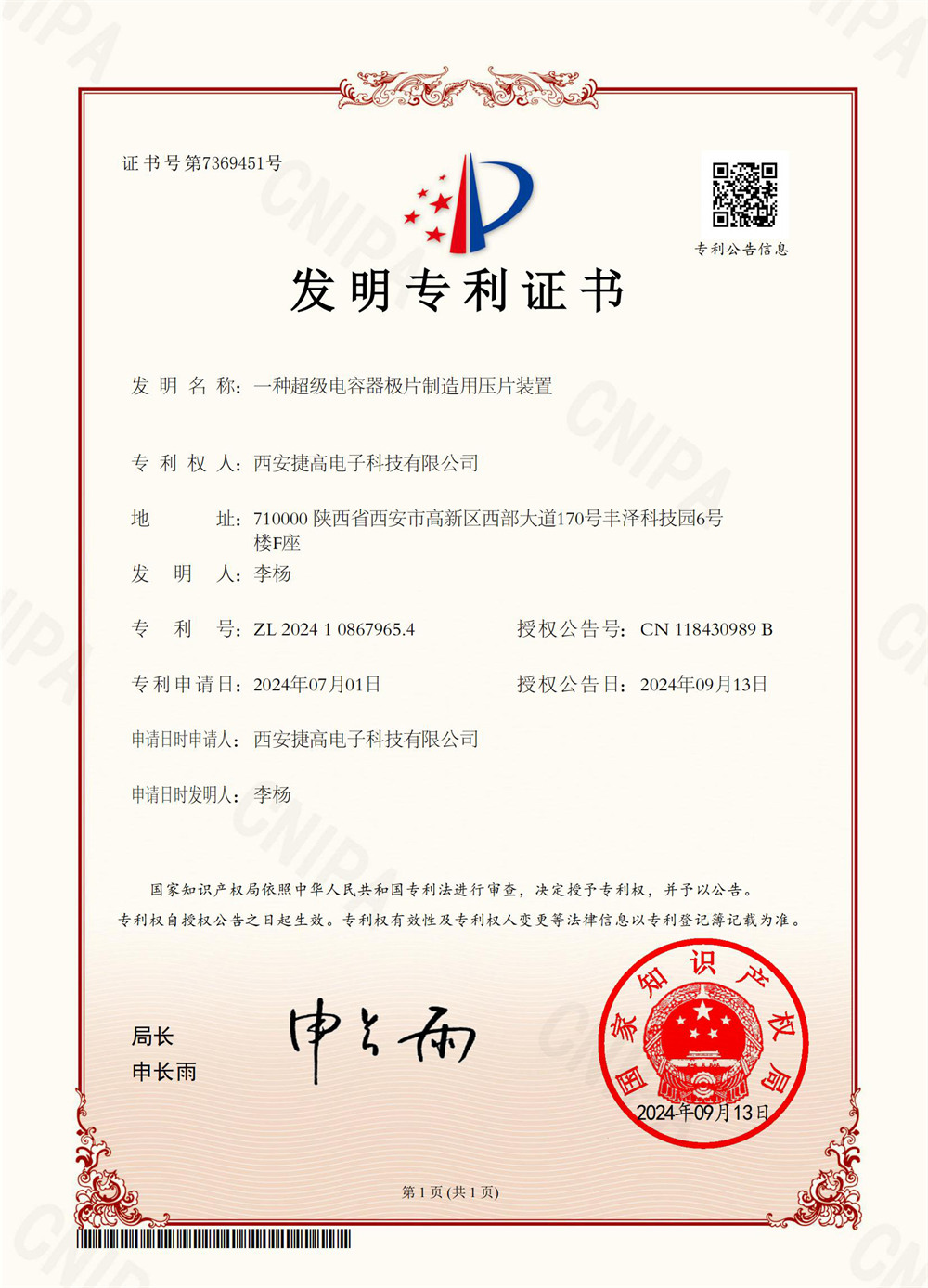
Dynalink adheres strictly to global environmental and safety directives to ensure safety, efficiency, and compliance across critical industries.

Environmental Management Standard verifying sustainable green manufacturing practices.
Quality Management System validating consistent product reliability and optimization.
Occupational Health and Safety System verifying safe workplace environments.
Addressing the exact requirements of industrial buyers, engineering heads, and logistics managers worldwide.
Global procurement of MKP capacitors requires navigating complex operational parameters beyond simple capacitance and voltage values. Modern power systems, particularly in new energy vehicles and solar power inverter stations, place significant stress on capacitors. Engineers must carefully evaluate ripple current handling, dv/dt ratings, parasitic inductance (ESL), and long-term capacitance stability under continuous high-frequency operation.
At Dynalink, we address these technical challenges at the raw materials level. By utilizing heavy-edge metallization profiles, we increase the contact surface area between the zinc-aluminum electrode layer and the metal spray (schoopage), dramatically improving ripple current capacity and reducing series resistance. This optimization allows our capacitors to manage rapid dv/dt transients up to 100 V/µs without risking internal breakdown or structural overheating.
| Performance Metrics | Technical Characteristics & Value Limits | Target Applications |
|---|---|---|
| Operating Temperature | -40°C to +85°C (Extended range versions up to +105°C) | Military Electronics, EVs, Traction Motors |
| Capacitance Tolerance | ±5% (J), ±10% (K) standard (Tighter tolerances upon request) | Signal Conditioning, Power Factor Tuning |
| Dissipation Factor (tan δ) | ≤ 0.001 at 1 kHz, 20°C | High-frequency Switched-mode Power Supplies |
| Insulation Resistance | ≥ 30,000 MΩ (C ≤ 0.33µF), ≥ 10,000s (C > 0.33µF) | Safety-critical Bypass Systems, Energy Storage |
| Self-Healing Voltage | Up to 1.6 times rated voltage (V_R) for 10 seconds | Renewable Energy Inverters, Grid Substations |
Analyzing key advancements driving the next generation of film capacitors.
The electrical and electronics industry is undergoing rapid transformation, driven by demand for electric vehicles, renewable energy integration, and smart grids. These developments place intense demands on metallized film capacitors, requiring significant technological adaptation.
1. Miniaturization and Thin-Film Innovation: As automotive and space-limited electronics demand more power in smaller footprints, capacitor manufacturers are using ultra-thin polypropylene films down to 1.8 microns. Thin-film deposition requires precise vacuum control to prevent pinholes while maximizing capacitive density.
2. High-Temperature Resins & Film Alloys: Modern industrial machinery operates in hotter environments. R&D centers are developing high-temperature film formulations—such as polyphenylene sulfide (PPS) and custom polymer blends—capable of continuous operation at 125°C to 150°C without dielectric degradation.
3. Carbon Neutrality & Sustainable Winding: Responding to ESG initiatives, modern manufacturing processes focus on reducing material waste during slicing, stamping, and metal spraying. Using clean energy sources in manufacturing and sourcing recyclable casing resins are key focus areas.
Direct answers to critical questions commonly raised by system engineers and global purchasing agents.
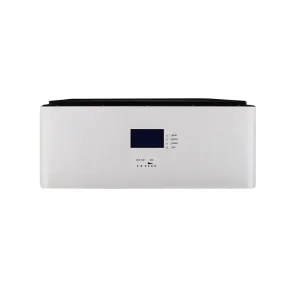
Integrating clean energy storage, vehicle power systems, and high-speed electrical connectors to build a cohesive infrastructure.
 Dynalink Electronic